 English EN


Soybean Oligopeptide Explained: Benefits, Specs & Applications
Soybean oligopeptide offers rapid absorption, a full amino acid profile, and supports muscle recovery, heart health, and weight management in various applications.
More
Sunflower protein peptide is quietly reshaping how we think about plant-based nutrition. Unlike many other plant proteins that struggle with taste, solubility, or a complete amino acid profile, sunflower peptides offer a well-rounded solution that fits seamlessly into modern diets. This article explores the science behind sunflower protein peptides, their practical benefits for everyday health, and why they deserve a spot in your protein rotation. We will also compare them with other popular plant peptides like soy, rice, and walnut to give you a clear picture of where they stand.
Sunflower protein peptide is produced by breaking down sunflower seed protein into smaller, more bioavailable peptide chains through enzymatic hydrolysis. This process mimics natural digestion, meaning your body can absorb and utilize these peptides more efficiently than intact protein molecules. The result is a highly digestible, hypoallergenic protein source that is naturally free from common allergens like soy, gluten, and dairy.
From a nutritional standpoint, sunflower peptides are particularly rich in glutamine and arginine. Glutamine supports gut health and immune function, while arginine plays a vital role in blood flow regulation and cardiovascular wellness. These amino acids are often depleted during intense physical activity or periods of stress, making sunflower peptides a smart addition to recovery routines.
The plant-based protein market is crowded, with soy, rice, pea, and walnut peptides all vying for attention. However, sunflower protein peptide holds its own in several key areas. Unlike soy oligopeptides, which are highly effective but can be problematic for individuals with soy sensitivities, sunflower peptides are naturally hypoallergenic. This makes them a safer choice for people with food intolerances or those following elimination diets.
Compared to rice protein peptides, which are known for being gentle on the stomach, sunflower peptides offer a more complete amino acid profile. Rice protein is often low in lysine, but sunflower seeds provide a more balanced distribution of essential amino acids. Meanwhile, walnut peptides are prized for their omega-3 content, but sunflower peptides are more budget-friendly and have a milder, more versatile flavor that works well in both sweet and savory applications.
One of the most immediate benefits people notice when switching to sunflower protein peptide is improved digestion. Because the protein is already broken down into small peptides, it requires less work from your digestive system. This is especially helpful for older adults, athletes in heavy training, or anyone with a sensitive stomach who struggles with traditional protein powders.
For those focused on muscle maintenance or growth, sunflower peptides deliver a steady supply of amino acids that your muscles can use directly. The presence of branched-chain amino acids (BCAAs) supports muscle protein synthesis, while the high arginine content promotes better blood flow, which may enhance nutrient delivery to working muscles. Research suggests that plant peptides can be just as effective as animal-derived proteins for supporting lean muscle mass when consumed in adequate amounts.
Another standout benefit is cardiovascular support. Arginine is a precursor to nitric oxide, a molecule that helps relax blood vessels and improve circulation. Regular consumption of sunflower peptides may contribute to healthy blood pressure levels and overall heart health. This is particularly relevant for people looking to manage their cardiovascular risk factors through diet alone.
Sustainability is a major driver behind the shift to plant-based proteins, and sunflower peptides score well in this area. Sunflowers are a resilient crop that requires significantly less water than almonds or soybeans, and they can be grown in a variety of climates. This makes sunflower protein a more environmentally friendly option compared to some other plant proteins that rely on intensive irrigation or monoculture farming practices.
From an ethical standpoint, sunflower peptides are naturally vegan and cruelty-free. They offer a way to meet protein needs without contributing to the environmental footprint associated with animal agriculture. For consumers who are mindful about the origins of their food, sunflower peptides represent a transparent, traceable ingredient that aligns with a plant-forward lifestyle.
One of the best things about sunflower protein peptide is its versatility. It has a mild, slightly nutty flavor that does not overpower other ingredients. You can easily mix it into smoothies, oatmeal, yogurt, or baked goods without noticing any unpleasant aftertaste. Unlike some plant proteins that turn gritty or clumpy, sunflower peptides dissolve smoothly in cold or warm liquids, making them ideal for shakes and protein drinks.
For a quick post-workout recovery drink, simply blend a scoop of sunflower peptide powder with water or plant milk, a banana, and a handful of spinach. For a savory option, you can stir it into soups, stews, or sauces to boost the protein content without altering the flavor profile. The possibilities are nearly endless, which makes it easier to stay consistent with your protein intake.
Not all sunflower protein peptides are created equal. When choosing a product, look for one that specifies the peptide content and the degree of hydrolysis. A higher degree of hydrolysis generally means smaller peptides, which are easier to absorb. Also, check for third-party testing to ensure the product is free from heavy metals, pesticides, and microbial contaminants.
Manufacturers that specialize in peptide production, such as those offering wheat gluten peptides or fish collagen peptides, often have the expertise and equipment to produce high-quality sunflower peptides as well. It is worth researching the brand's reputation and reading customer reviews to gauge the product's consistency and efficacy.
As consumer demand for clean, sustainable, and effective plant-based proteins continues to grow, sunflower protein peptide is well-positioned to become a staple ingredient in the food and supplement industries. Its combination of nutritional benefits, hypoallergenic nature, and environmental advantages makes it a compelling choice for formulators and consumers alike.
We are already seeing sunflower peptides appear in sports nutrition products, meal replacements, and functional foods. As more research emerges on the specific bioactive properties of sunflower peptides, we can expect to see even more targeted applications, from immune support to skin health. For now, sunflower protein peptide stands out as a practical, evidence-backed option for anyone looking to diversify their protein sources and support their overall well-being.
Sunflower protein peptide is more than just another plant protein trend. It offers a unique combination of digestibility, nutritional completeness, and sustainability that sets it apart from many alternatives. Whether you are an athlete seeking better recovery, a health-conscious consumer looking for a gentle protein source, or someone who cares about the environmental impact of your food choices, sunflower peptides deserve serious consideration.
By understanding what makes sunflower protein peptide special and how to choose a quality product, you can make an informed decision that benefits your health and the planet. Give it a try, and you might just find that it becomes your new go-to protein.

We provide you with comprehensive foreign trade solutions to help enterprises achieve global development
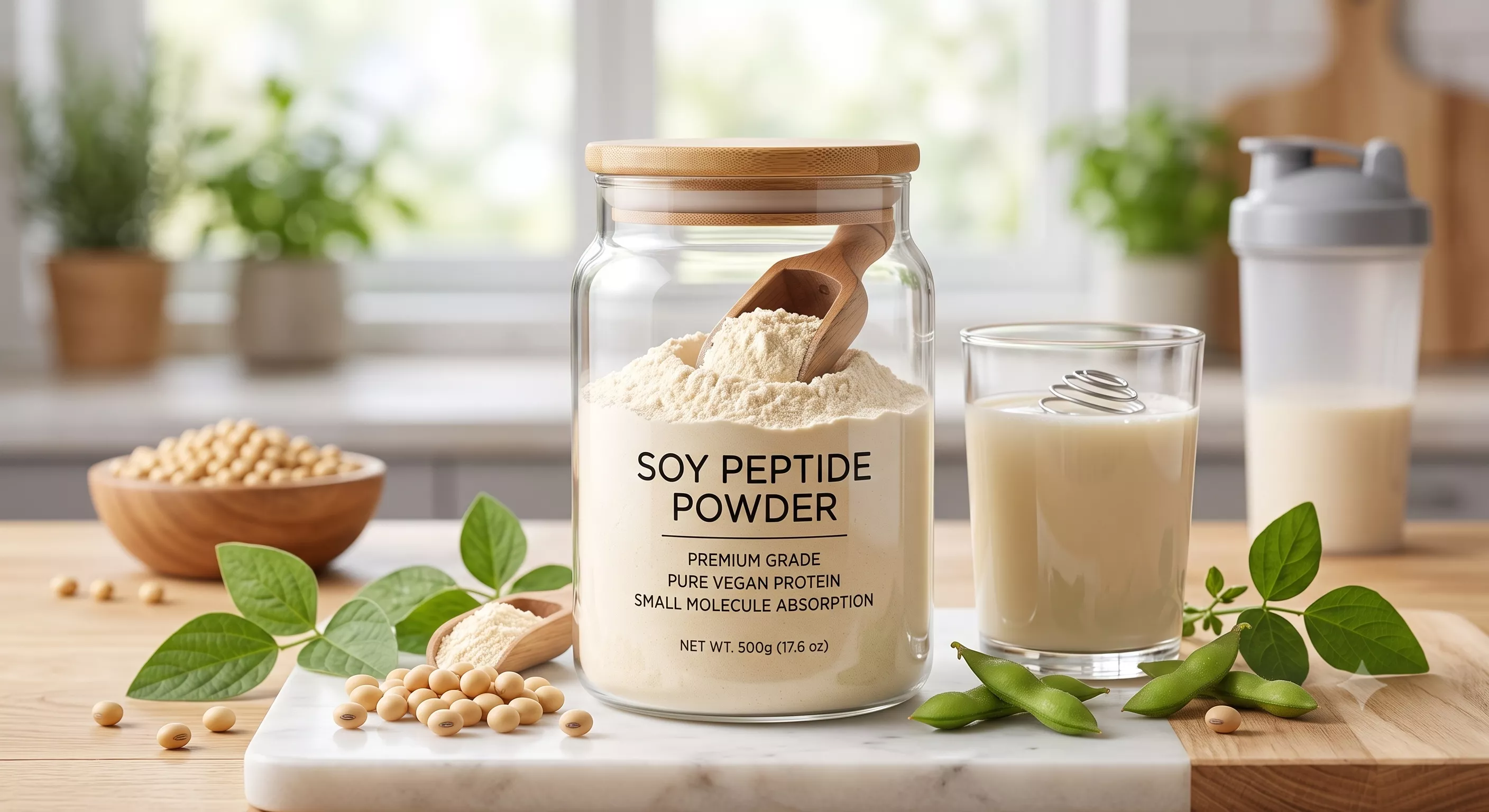
Source ultra-pure, non-GMO hydrolyzed soybean oligopeptide powder in bulk. Complete water solubility, over 80% peptides under 1000 Da. Ideal for sports nutrition and immune recovery formulas.
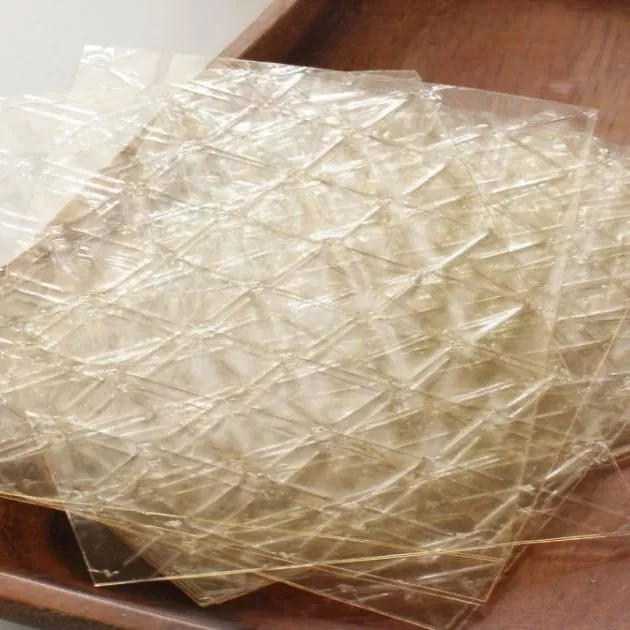
Our Gelatin Sheets are produced to precise standards, ensuring consistency and reliability across different Bloom grades (Silver being the most common professional choice).
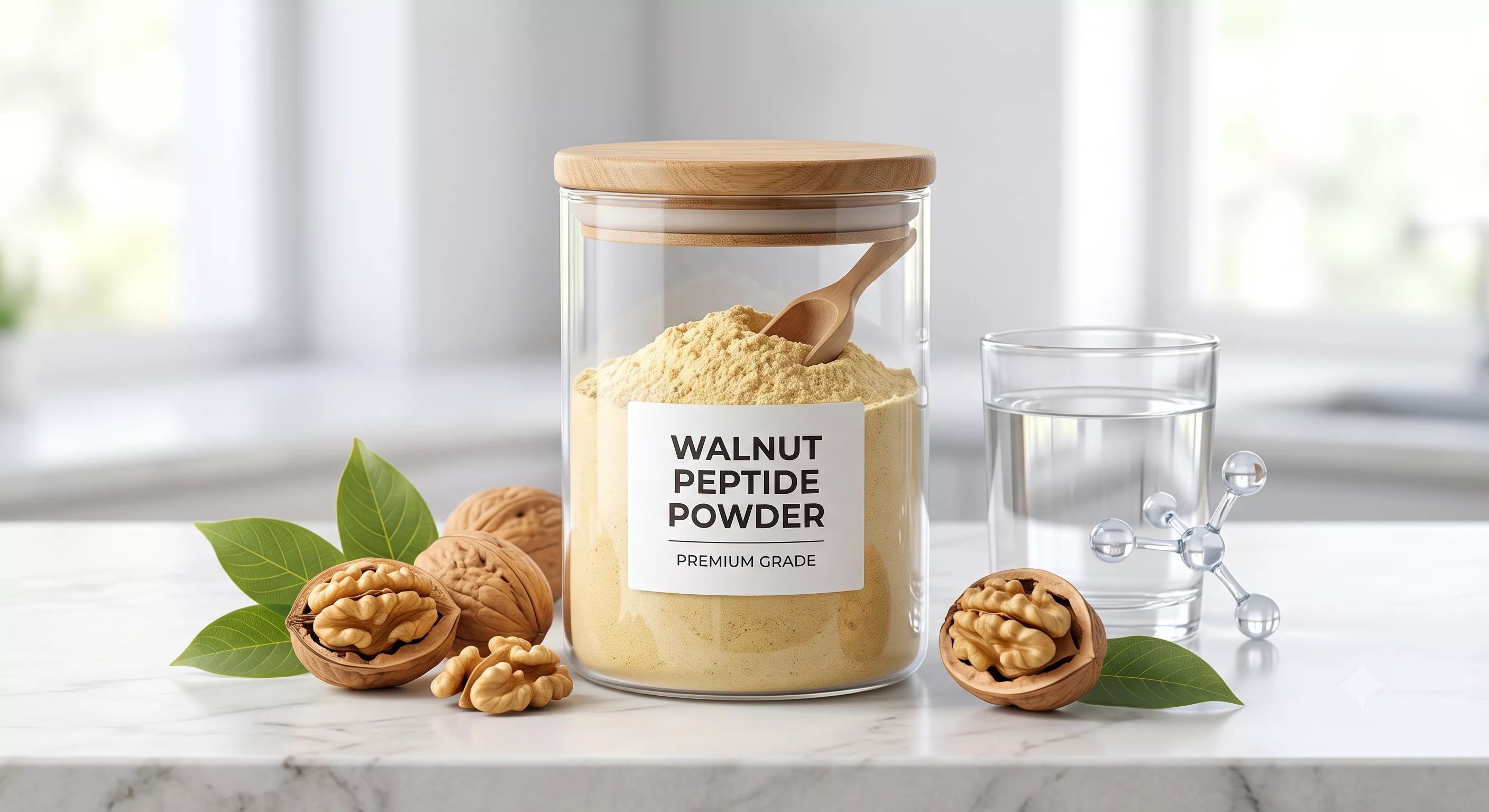
Source wholesale hydrolyzed walnut protein peptide powder in bulk. Over 85% low-molecular-weight oligopeptides rich in Glutamic Acid. Perfect for cognitive formulas and sleep aid supplements.
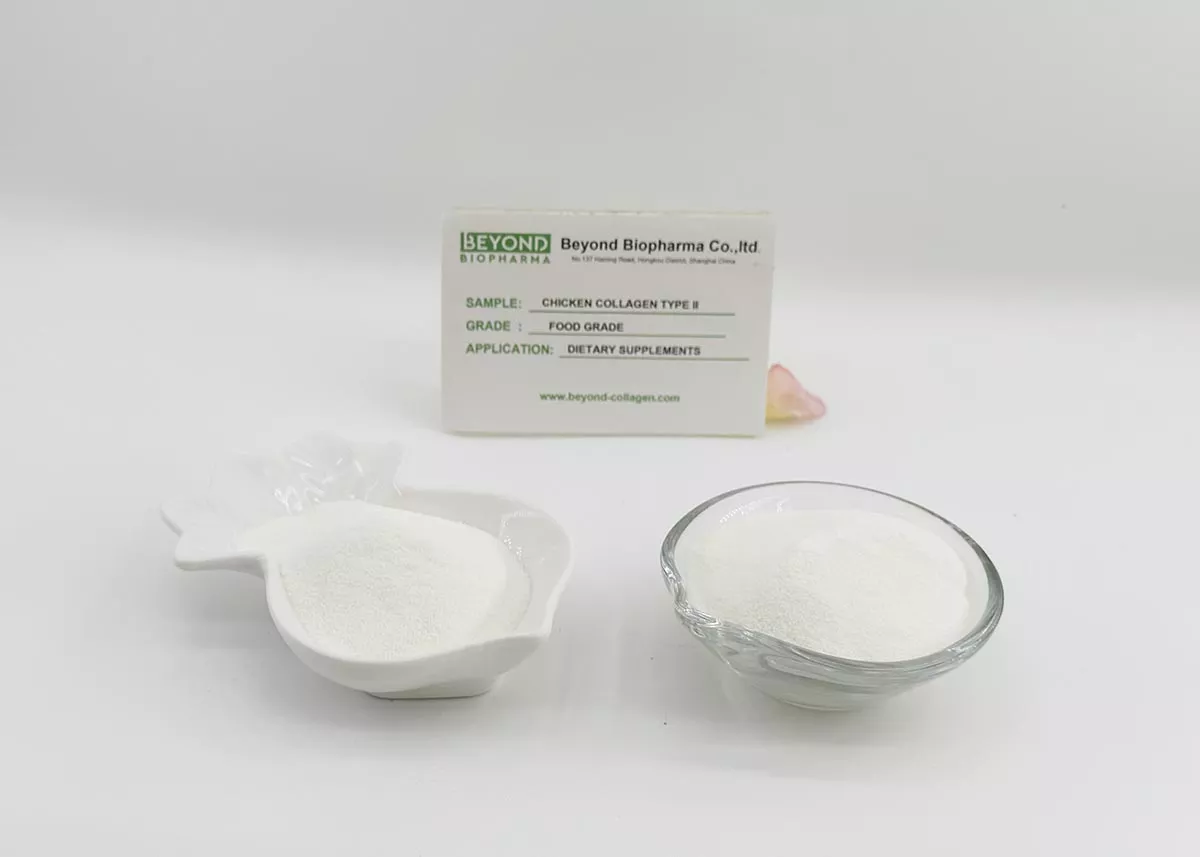
BEYOND BIOPHARMA is a specialized manufacturer of highly purified Hydrolyzed Collagen Type II. Through advanced enzymatic hydrolysis, we create low-molecular-weight collagen peptides that are highly bioavailable, offering foundational nutritional support for cartilage repair, joint function, and skin health. Our product is designed for rapid absorption and maximum efficacy in oral supplements.
Select the most popular foreign trade service products to meet your diverse needs
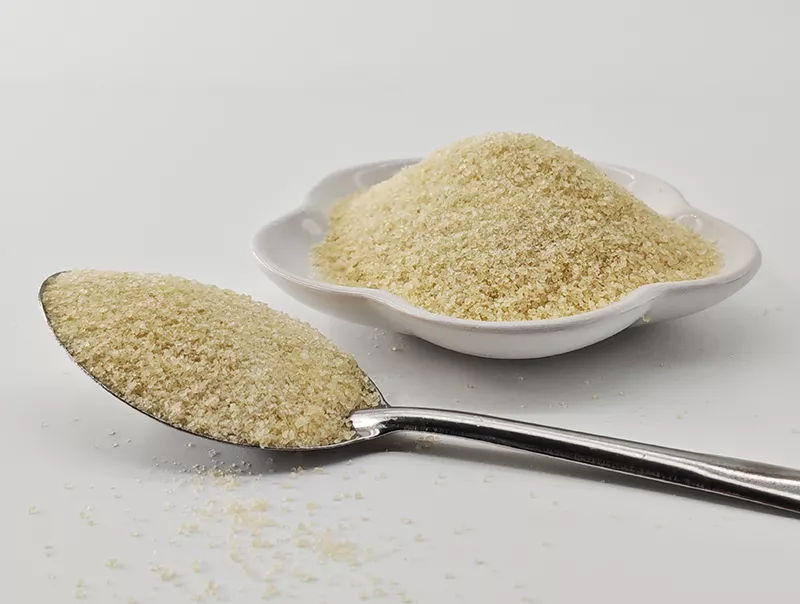
The High-Performance Barrier for Core Material Protection and Controlled Release.
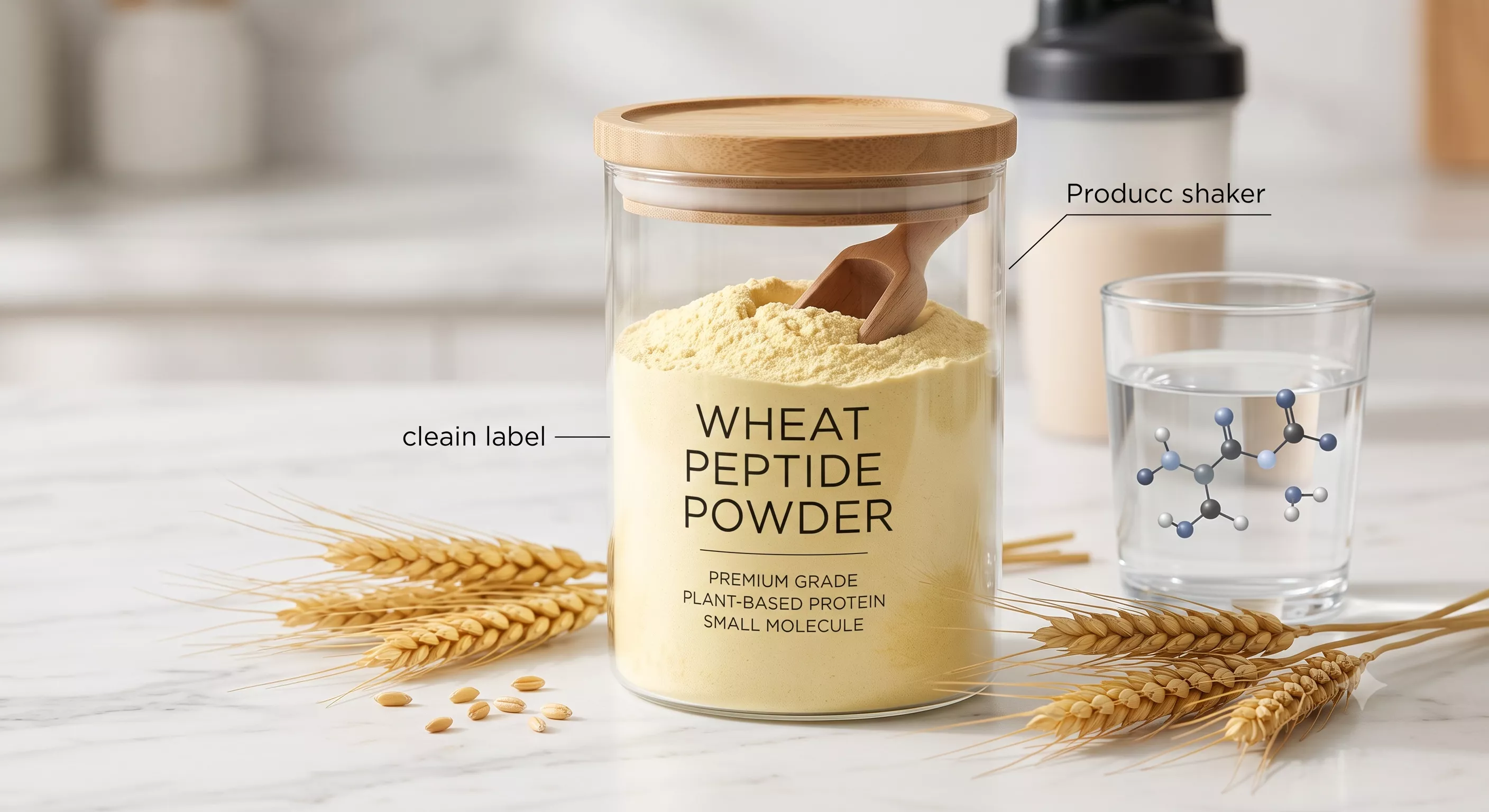
Source ultra-pure, high-solubility wholesale hydrolyzed wheat gluten peptide in bulk. Rich in plant-bound Glutamine ($\ge 25\%$) for muscle recovery and gut barrier health.
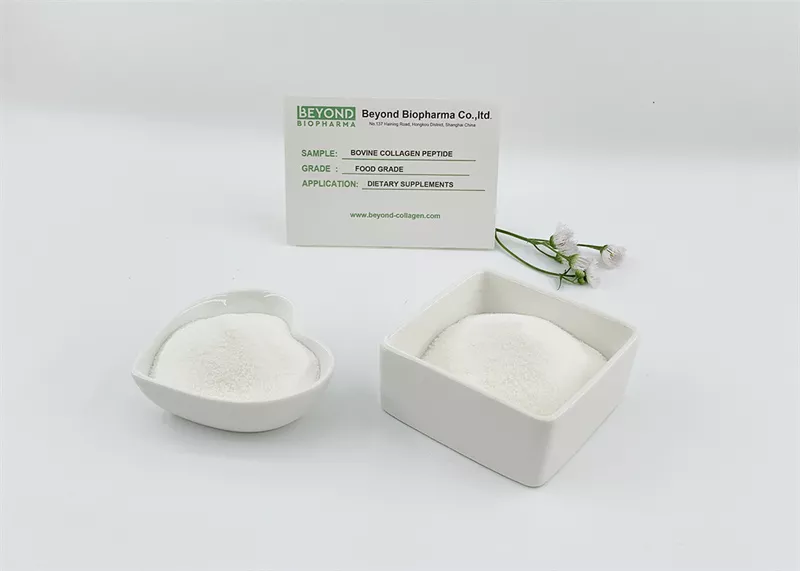
Manufacturer of bovine collagen peptide, shipping in containers all around the world
Tel:+86 21 65010906
Cell/Whatsapp/Wechat:
+86 13482884055
+86 18657345785
Email: sales@beyondbiopharma.com





User Comments
Service Experience Sharing from Real Customers
Ethan
Product Development ManagerI've been testing various plant-based protein isolates for our new sports nutrition line, and this sunflower protein peptide is a game-changer. The solubility is fantastic—no gritty texture even in cold water. My team was impressed with the amino acid profile, especially the high arginine content. We're already planning to reformulate two of our bestsellers around this ingredient. Highly recommend for anyone in food science.
Mia
Clinical DietitianI recommended this sunflower peptide powder to a few clients with soy and whey allergies, and the feedback has been overwhelmingly positive. One patient said it was the first protein supplement that didn't bloat her. The taste is mild and neutral, which makes it easy to mix into smoothies or oatmeal. Only giving 4 stars because I wish the packaging had a resealable zipper—it's a bit messy to scoop from a bag.
Liam
Research ChemistFrom a molecular perspective, the hydrolysis process here is top-notch. I ran a few in-house assays comparing this to other sunflower isolates, and the peptide chain length distribution is remarkably consistent. It's also free from the bitter off-notes you often get with enzymatic treatments. For R&D folks looking for a clean, functional ingredient, this is a solid choice.
Sophie
Fitness Coach & Small Gym OwnerI bought this to offer as a post-workout option for clients who are vegan. The protein content is decent and it mixes well, but the price point is a bit steep for a small business like mine. Also, I noticed the vanilla flavor is very subtle—some of my clients complained it tasted 'like nothing.' It works, but I'm not sure it's worth the premium over pea protein for everyday use.