 English EN


Soybean Oligopeptide Explained: Benefits, Specs & Applications
Soybean oligopeptide offers rapid absorption, a full amino acid profile, and supports muscle recovery, heart health, and weight management in various applications.
More
When sourcing ingredients for skin and joint health, purchasing managers and R&D teams often face a common pain point: batch inconsistency, unpleasant odor or fishy smell, poor solubility, certification barriers, and the growing demand for allergen-free or vegan options. Collagen and peptides are not the same thing, and knowing how each works in the body can help you make better sourcing decisions. Collagen is a structural protein found in skin, bones, and connective tissues. Peptides are short chains of amino acids that result from breaking down collagen through enzymatic hydrolysis. This process makes them more bioavailable and easier for the body to absorb.
The production of collagen peptides involves enzymatic hydrolysis of raw collagen sources such as bovine hide, fish skin, or porcine skin. This process breaks down the long collagen protein chains into smaller peptides with a molecular weight typically ranging from 2,000 to 5,000 Da. Fish collagen peptides generally have a lower molecular weight, which is associated with faster absorption. Key quality markers include high solubility in cold water, low odor, and a protein content of at least 90%. For gelatin, the production process is similar but results in a product with gel-forming ability, measured by Bloom strength (typically 50–300 g) and viscosity (2.0–5.5 mPa·s). Gelatin is commonly used in gummies, softgels, and hard capsules, while collagen peptides are preferred for powdered supplements and ready-to-drink formulations.
Below is a table of common parameter ranges for these ingredients. Note that these are typical industry ranges; final values should be confirmed per Certificate of Analysis (COA) and sample testing.
| Ingredient | Parameter | Typical Range |
|---|---|---|
| Edible Gelatin | Bloom (g) | 50–300 (pharma/gummies: 150–260) |
| Edible Gelatin | Viscosity (mPa·s) | 2.0–5.5 |
| Edible Gelatin | Mesh size | 8–60 |
| Edible Gelatin | Moisture | ≤14% |
| Collagen Peptides | Molecular weight (Da) | 2,000–5,000 (fish lower) |
| Collagen Peptides | Protein content | ≥90% |
| Plant Protein Peptides | Protein content | 80–90% |
| Plant Protein Peptides | Molecular weight | Commonly |
Typical industry range; final values per COA / sample.
Choosing the right ingredient depends on your final product form and target market. Here is a breakdown by application:
Beyond Biopharma is a Shanghai-based manufacturer with over 10 years of experience in the food-ingredient industry. Our products are exported to more than 50 countries. We operate a fully automatic production line with a GMP clean workshop, stainless-steel sealed piping, and automated temperature and pH control. Our annual capacity is approximately 3,000 MT for collagen and 5,000 MT for gelatin. We hold ISO 9001 certification, are US FDA registered, and select products carry Halal and Kosher certifications (e.g., fish gelatin). Our bovine bone gelatin is BSE-free. We have an in-house lab for heavy-metal and microbiological testing, supported by a dedicated QA/QC team. We offer three grades: food, pharmaceutical, and cosmetic. Free samples and formulation support are available upon request.
Q: What is the difference between collagen and collagen peptides?
A: Collagen is a full-length protein, while collagen peptides are shorter chains produced by enzymatic hydrolysis. Peptides are more easily absorbed by the body and dissolve better in cold water, making them ideal for supplements.
Q: How do I choose between fish and bovine collagen peptides?
A: Fish collagen peptides typically have a lower molecular weight and are associated with faster absorption and less odor. Bovine collagen peptides are a cost-effective option with a well-established amino acid profile. Both are effective for skin and joint health.
Q: What certifications should I look for when sourcing gelatin?
A: For pharmaceutical applications, look for ISO 9001, FDA registration, and GMP compliance. For specific markets, Halal or Kosher certification may be required. BSE-free certification is important for bovine-derived products.
Q: Can I use plant protein peptides as a vegan alternative to collagen?
A: Yes, plant protein peptides from pea, rice, or soy offer a vegan-friendly option with good solubility and a clean amino acid profile. They are suitable for allergen-free formulations, though they do not replicate the specific collagen structure.
Q: How can I test the quality of collagen peptide samples?
A: Request a Certificate of Analysis (COA) and conduct in-house tests for solubility, odor, protein content, and molecular weight. Sensory evaluation for taste and smell is also important, especially for consumer products.
Q: What is the minimum order quantity for collagen peptides from Beyond Biopharma?
A: MOQ varies by product and grade. Contact our team with your specific application and volume requirements, and we will provide a tailored quote. Free samples are available for evaluation.
To ensure you receive the right ingredient for your formulation, please provide the following details when contacting Beyond Biopharma: your specific application (e.g., gummies, capsules, powdered beverage), required grade (food, pharmaceutical, or cosmetic), estimated quantity or MOQ, target specifications (Bloom, mesh size, molecular weight, certifications), and destination country. Our team will send free samples and a competitive quote tailored to your needs.

We provide you with comprehensive foreign trade solutions to help enterprises achieve global development
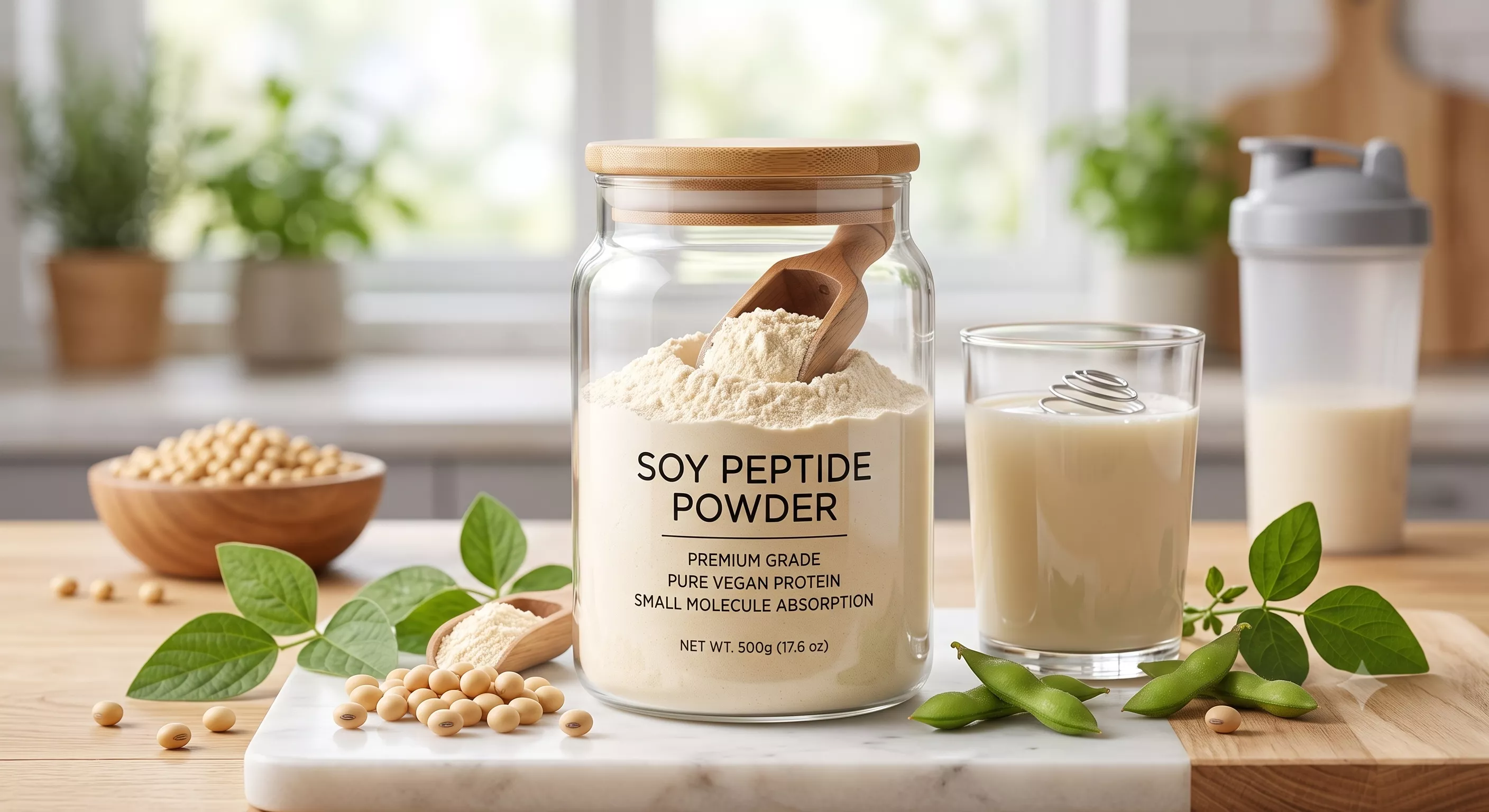
Source ultra-pure, non-GMO hydrolyzed soybean oligopeptide powder in bulk. Complete water solubility, over 80% peptides under 1000 Da. Ideal for sports nutrition and immune recovery formulas.
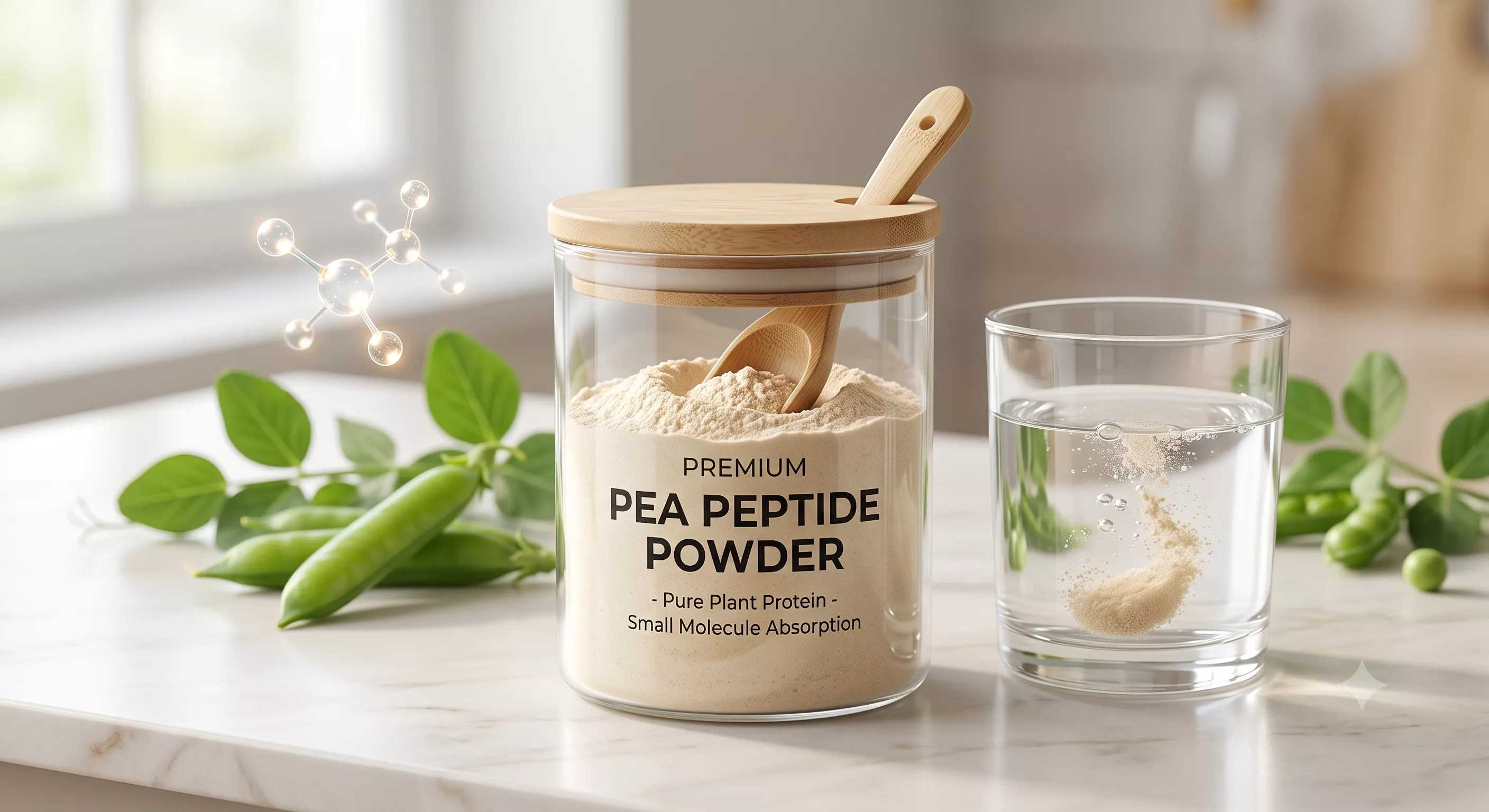
Source high-purity, hypoallergenic hydrolyzed pea peptide powder in bulk. Complete water solubility, rich in BCAAs, ideal for vegan recovery formulas.
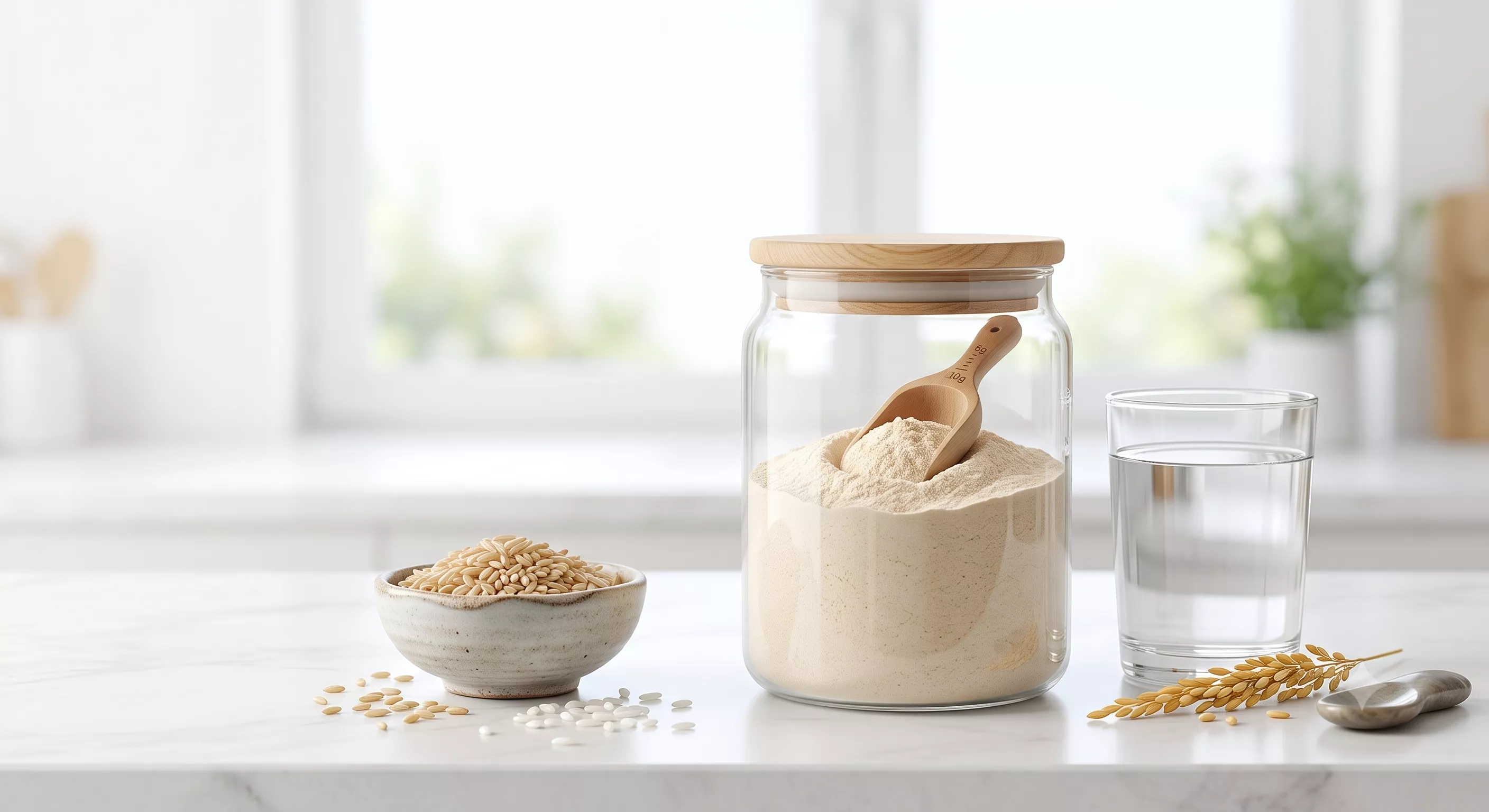
Source ultra-pure, 100% water-soluble wholesale hydrolyzed rice protein peptide in bulk. Over 85% molecules under 1000 Da. Ideal for infant nutrition, clean-label sports formulas, and sensitive skincare.
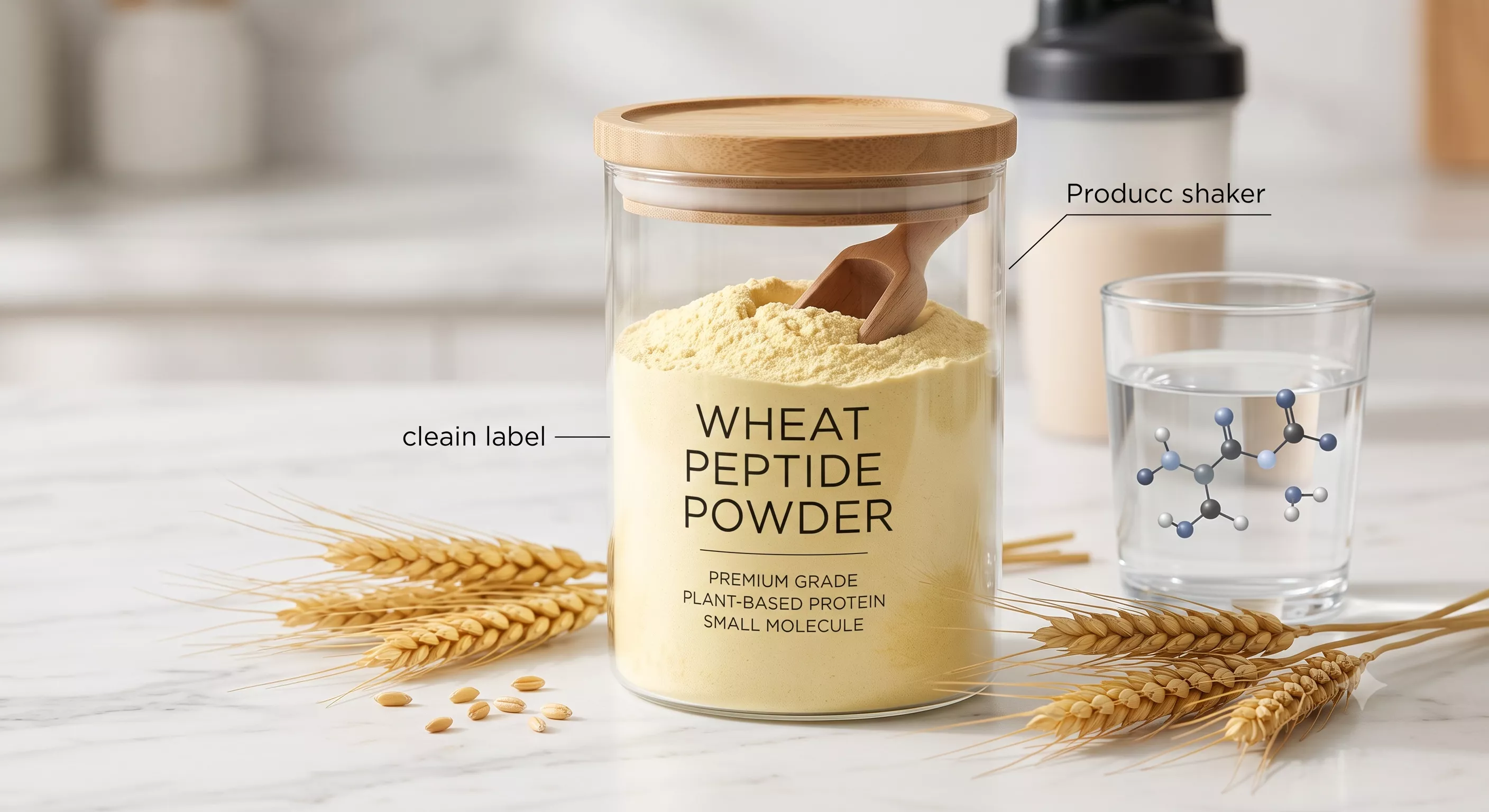
Source ultra-pure, high-solubility wholesale hydrolyzed wheat gluten peptide in bulk. Rich in plant-bound Glutamine ($\ge 25\%$) for muscle recovery and gut barrier health.
Select the most popular foreign trade service products to meet your diverse needs
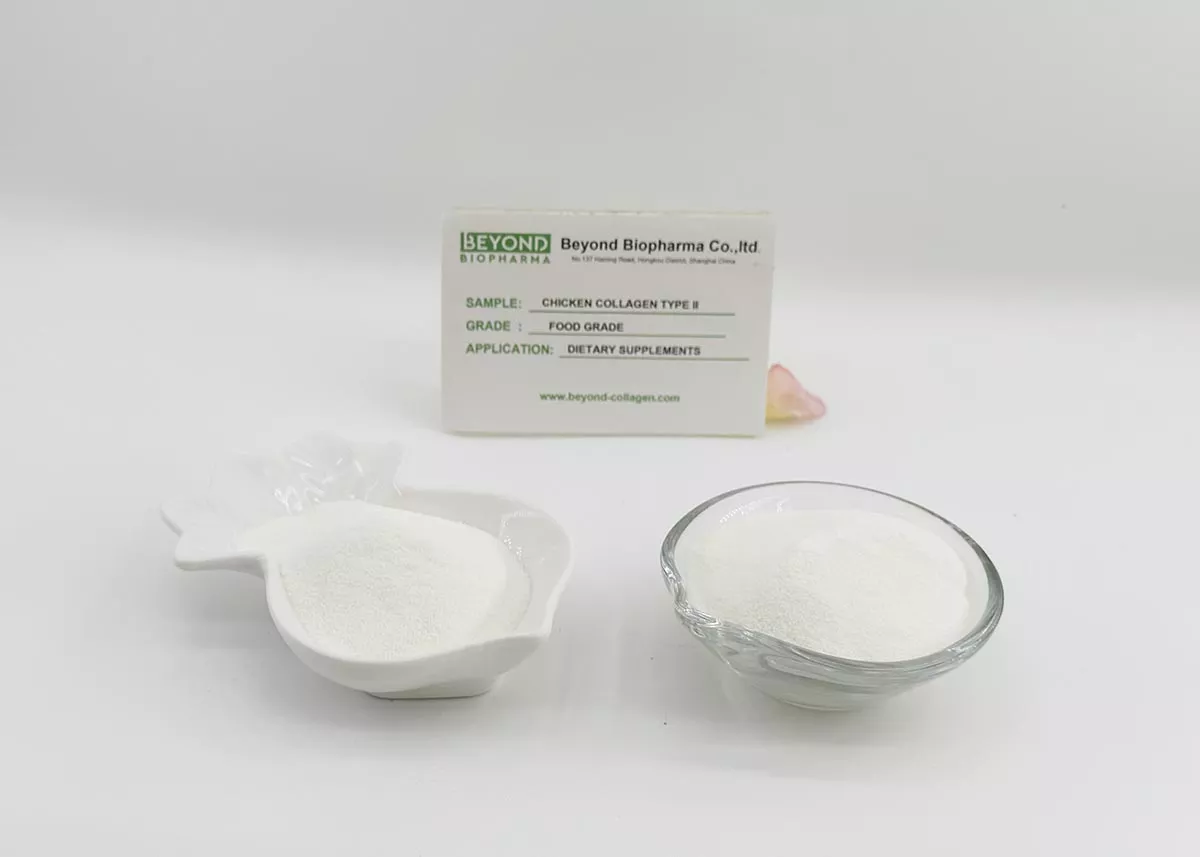
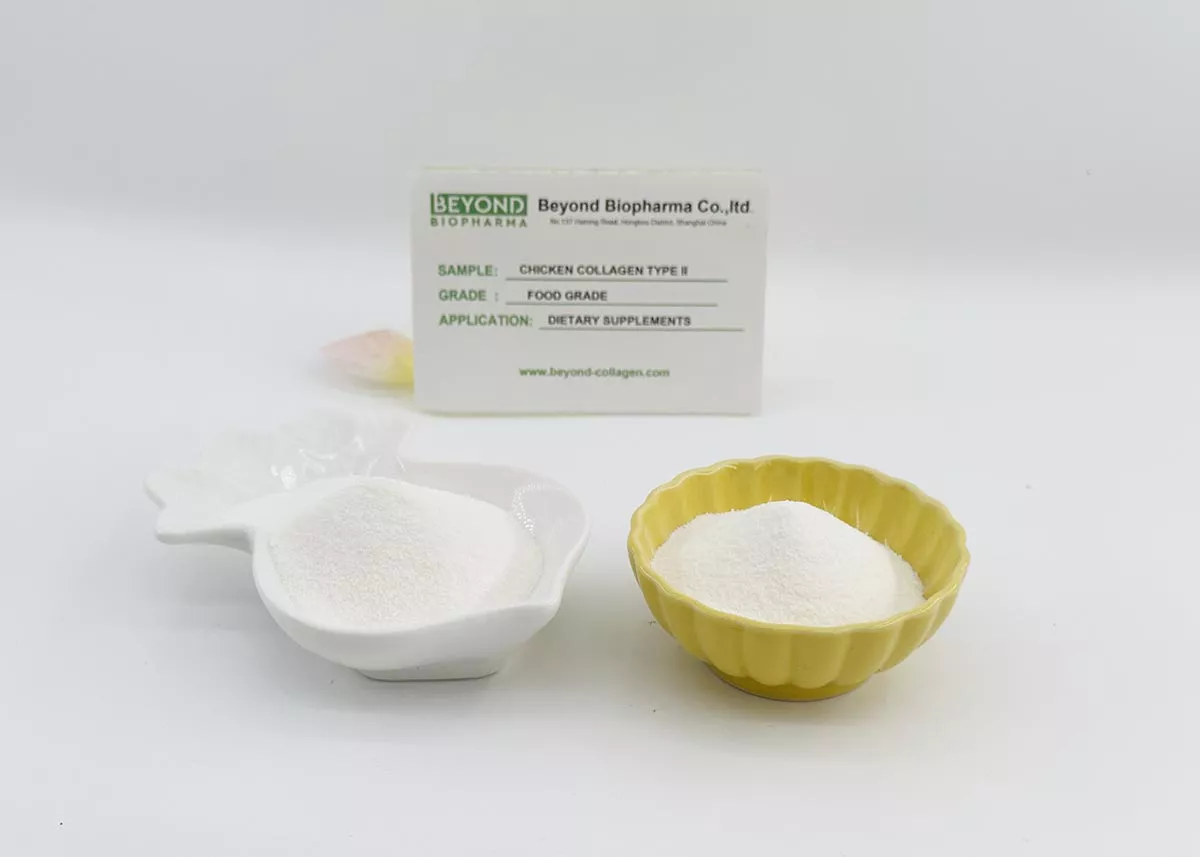
BEYOND BIOPHARMA is a specialized manufacturer of highly purified Hydrolyzed Collagen Type II. Through advanced enzymatic hydrolysis, we create low-molecular-weight collagen peptides that are highly bioavailable, offering foundational nutritional support for cartilage repair, joint function, and skin health. Our product is designed for rapid absorption and maximum efficacy in oral supplements.
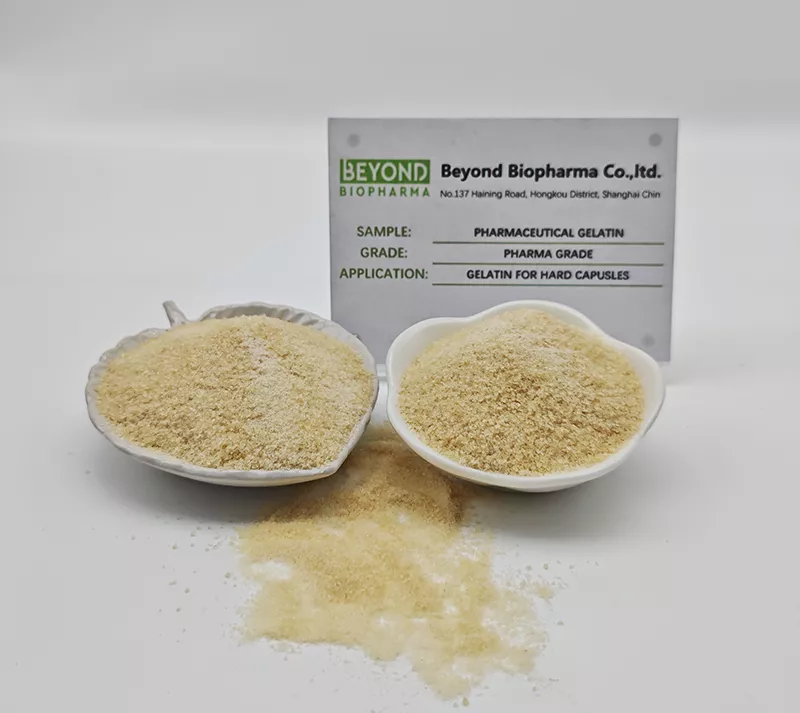
The high-strength and rapid-setting characteristics of Bovine Bone Gelatin ensure it forms a stable, uniform, and durable shell that preserves the integrity of the active pharmaceutical ingredient (API).
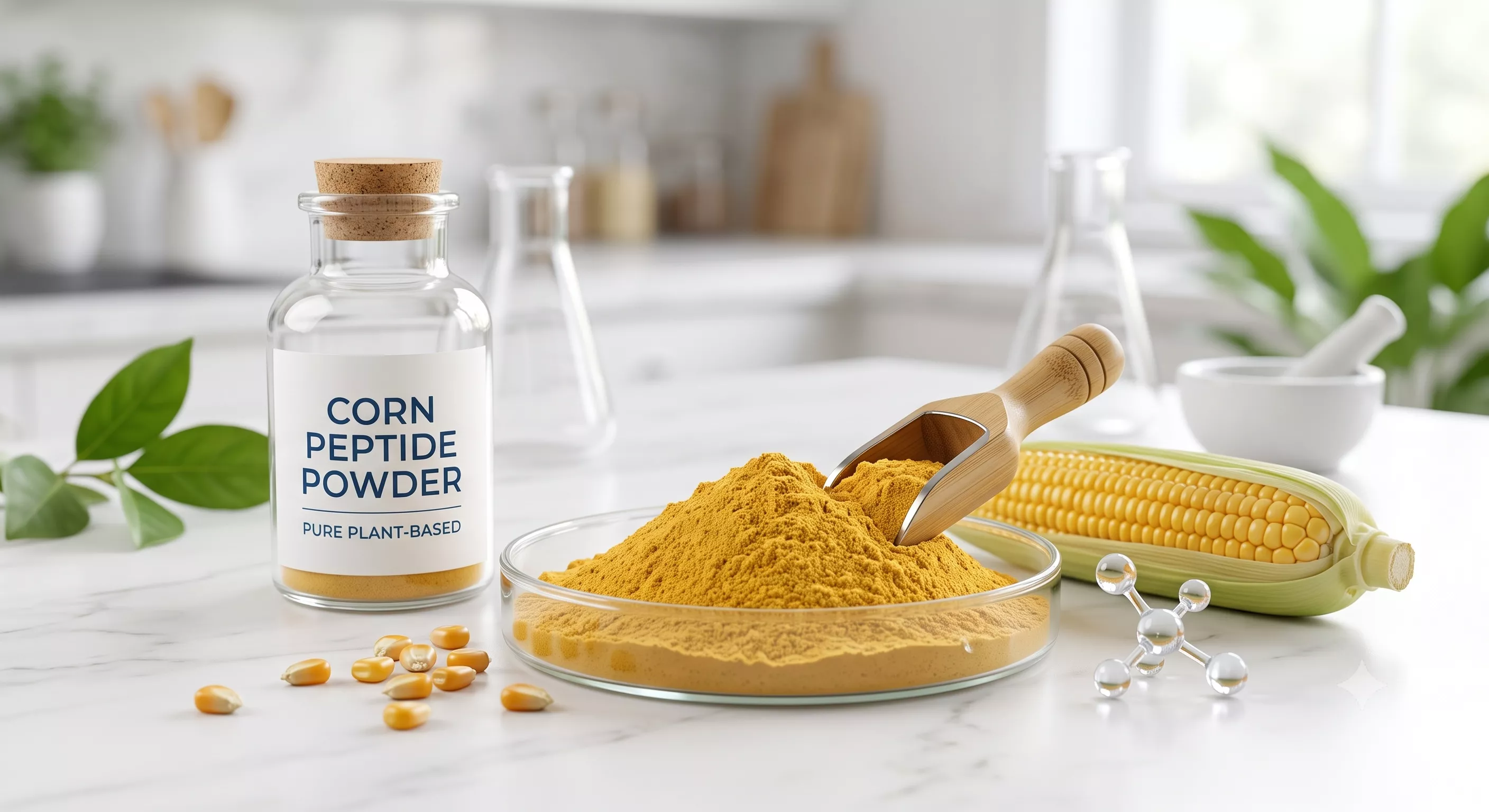
Source high-purity wholesale hydrolyzed corn protein peptide powder in bulk. Over 85% oligopeptides under 1000 Da. Rich in Alanine and Leucine for liver support and sobriety formulas.
Tel:+86 21 65010906
Cell/Whatsapp/Wechat:
+86 13482884055
+86 18657345785
Email: sales@beyondbiopharma.com





User Comments
Service Experience Sharing from Real Customers
Jack
Fitness TrainerAs someone who pushes their body daily, I've tried countless supplements. This peptide collagen blend actually made a noticeable difference in my joint recovery within three weeks. My knees don't crack like they used to after heavy squats. It mixes easily, no weird aftertaste. Will keep buying.
Jacqueline
Graphic DesignerOkay, I was skeptical. My dermatologist mentioned peptides and collagen for skin, so I gave this a shot. After two months, I swear the fine lines around my eyes look softer. It's not a miracle, but my skin definitely feels more hydrated and 'bouncy'. The only reason it's not a 5 is the price—a bit steep for long-term use.
Jackson
Construction SupervisorMy wife bought this for me after my shoulder surgery. I'm 52 and my job is rough on the body. Been taking it for about 4 months now, and I have to say, the morning stiffness is way better. It's not just marketing hype—I feel like it's helped my tendons recover faster from long days on site. Tastes fine in my morning coffee.
Jake
PhD Student (Biochemistry)From a research perspective, the ingredient profile is solid. I've been using it as a personal experiment during my stressful writing phase. Subjectively, my hair and nails seem to grow faster and stronger. Objectively, my sleep quality improved slightly, which I didn't expect. The science checks out, and it seems to deliver. One star off because the packaging could be more airtight.