What is the Difference Between Peptide and Collagen? A Complete Guide
For overseas buyers sourcing ingredients for supplements, nutraceuticals, or pharmaceuticals, the terms "peptide" and "collagen" are often used interchangeably—but they refer to distinctly different raw materials. Collagen is a full-length structural protein, while peptides are shorter chains of amino acids produced through enzymatic hydrolysis. This guide breaks down the difference between peptide and collagen from a sourcing perspective, covering production, specifications, applications, and how to choose the right ingredient for your product line.
What Is the Difference Between Peptide and Collagen in Simple Terms?
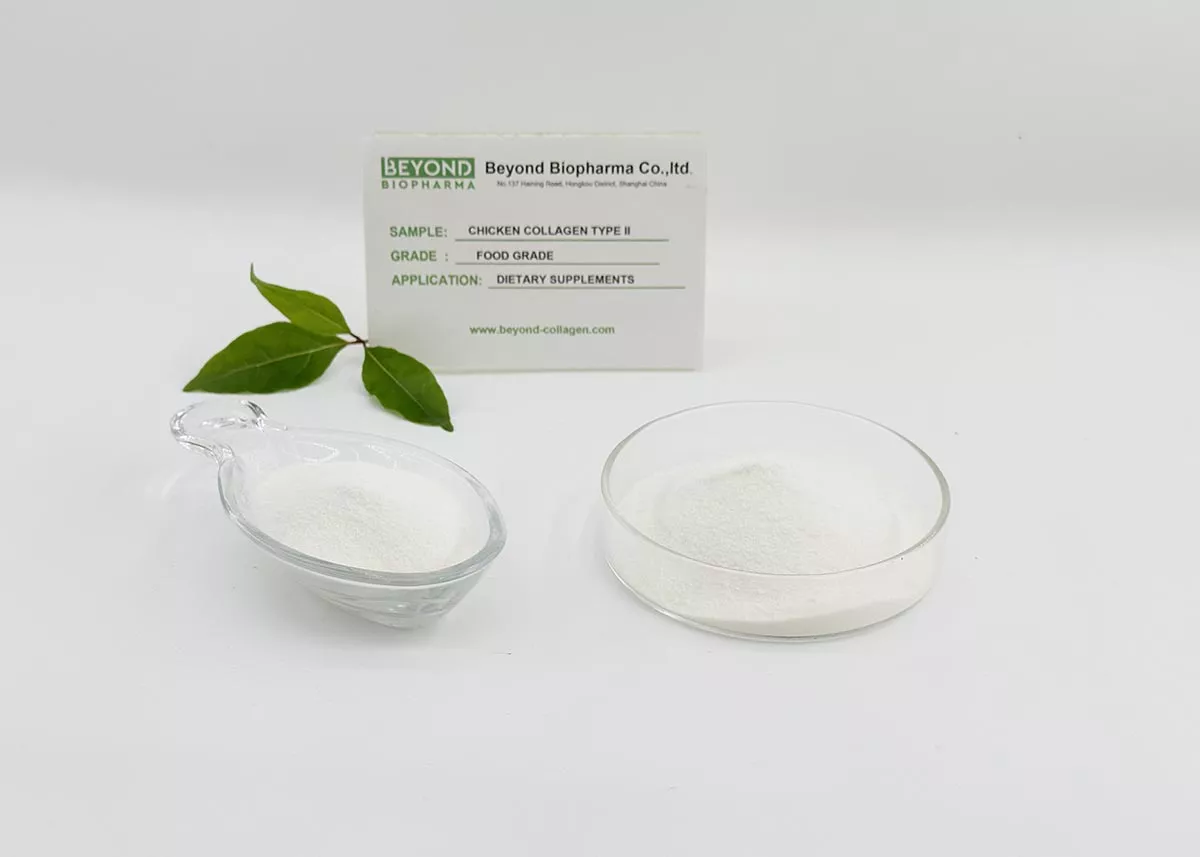
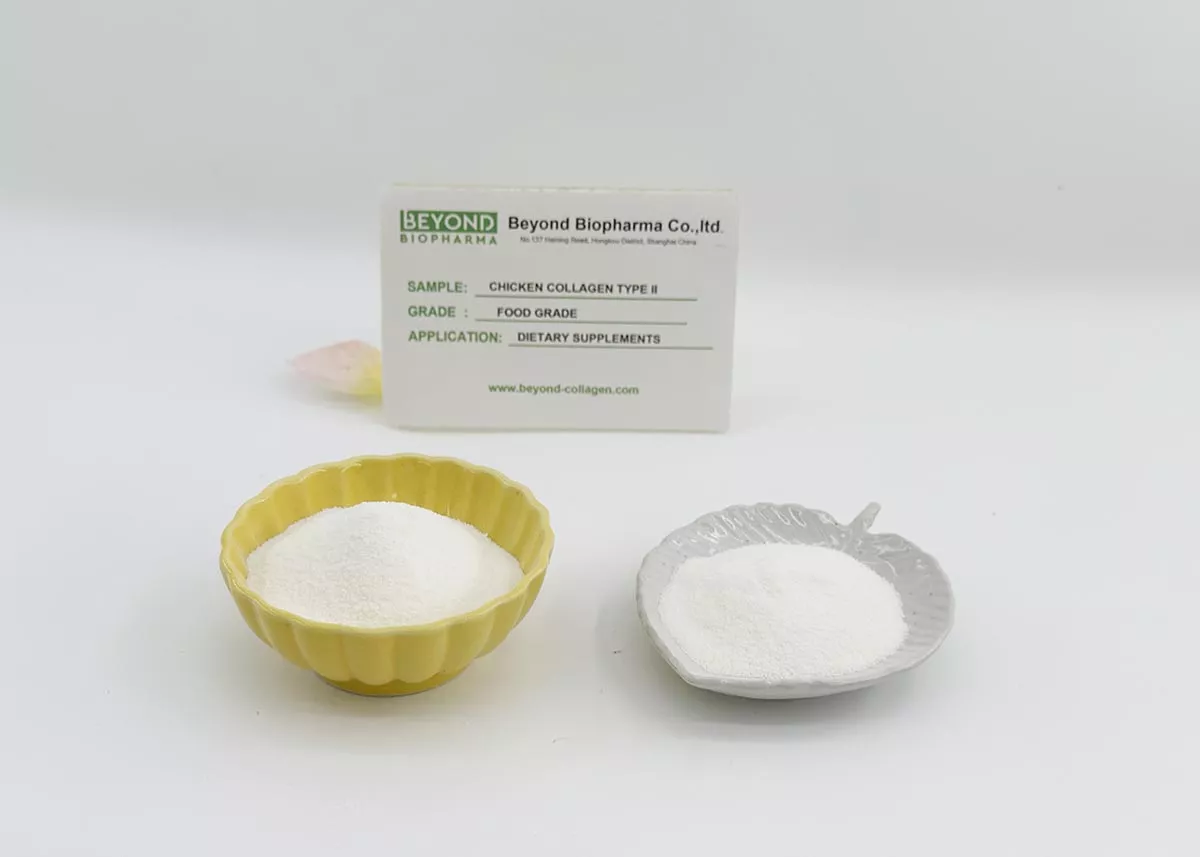
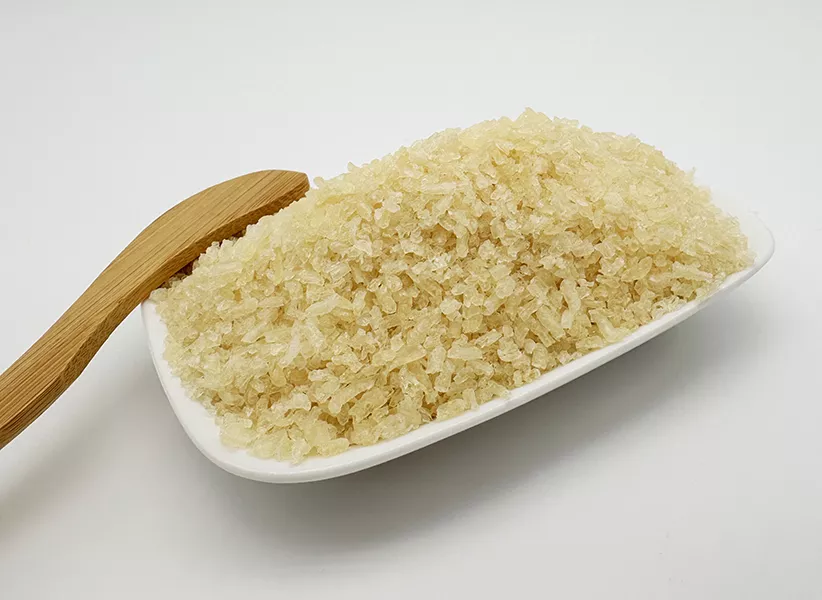
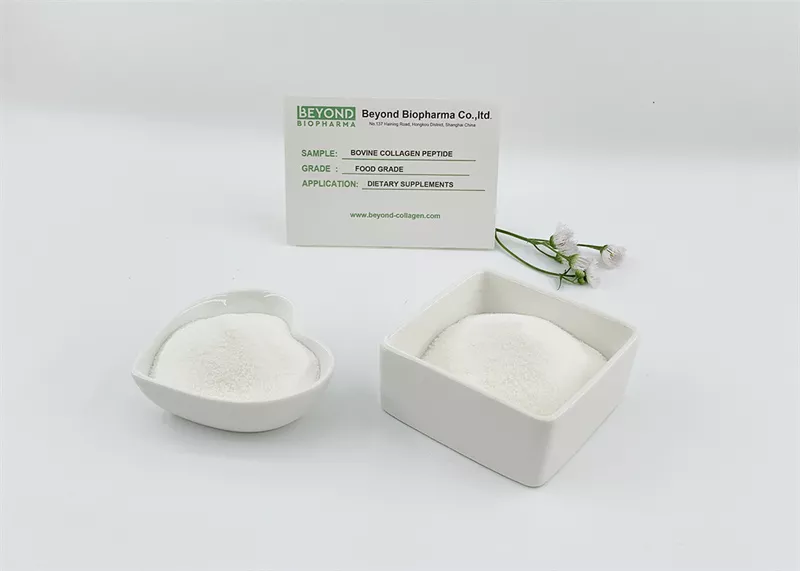
Collagen is a large, insoluble protein found in animal connective tissues—skin, bones, tendons, and scales. In its native form, it has a triple-helix structure and a molecular weight typically above 100,000 Da. That structure makes it difficult for the human body to absorb directly. Peptides, specifically collagen peptides, are produced by breaking down collagen through controlled enzymatic hydrolysis. The result is a water-soluble powder with a molecular weight usually between 2,000 and 5,000 Da. This is the key difference between peptide and collagen: one is the starting material, the other is the bioavailable, functional form.
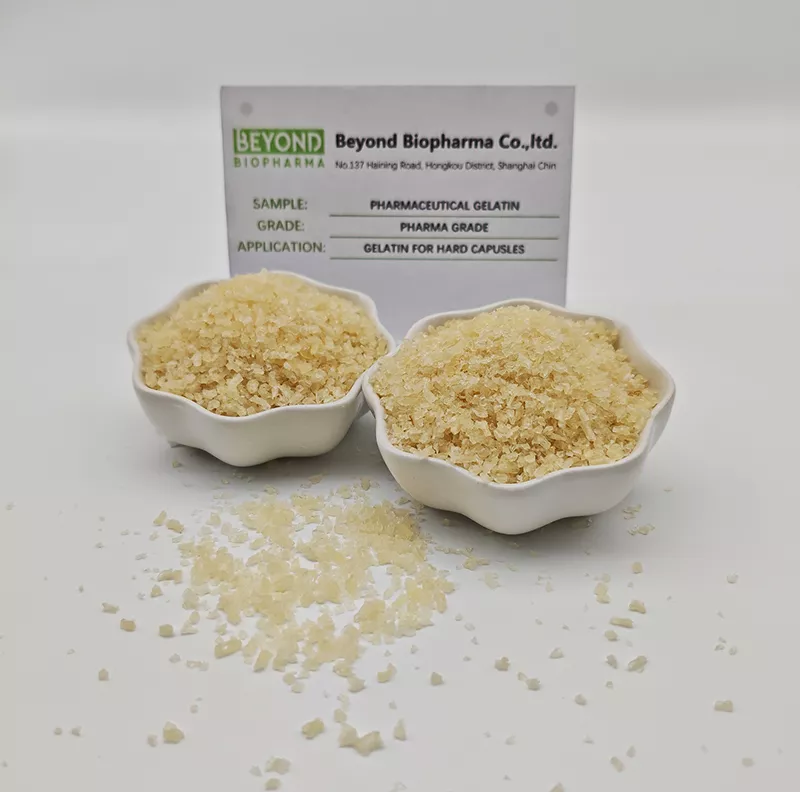
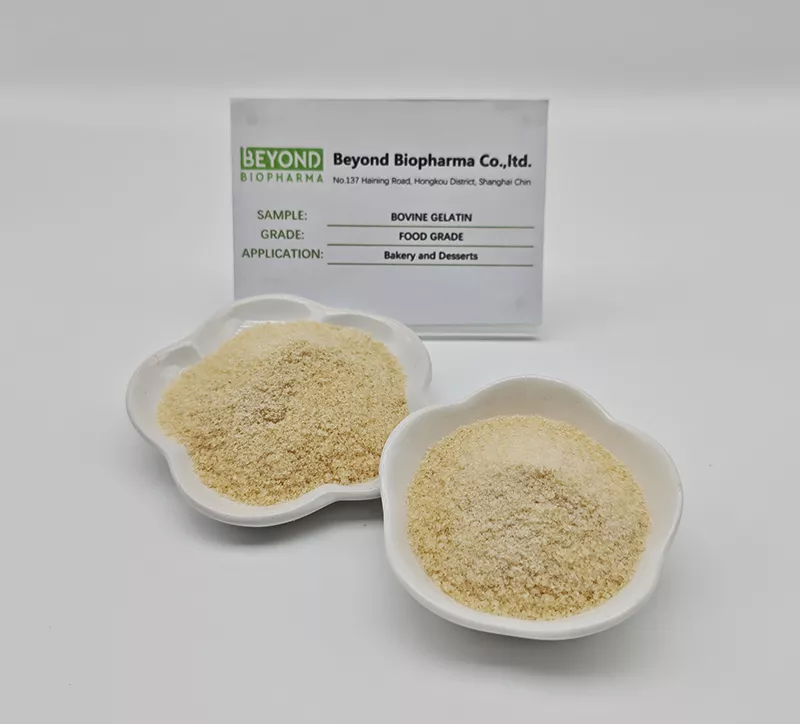
For buyers, this distinction matters. If you are formulating a gummy or a hard capsule shell, you need gelatin (partially hydrolyzed collagen). If you are developing a sports nutrition powder or a beauty drink, you need collagen peptides. The difference between peptide and collagen determines solubility, absorption rate, and application suitability.
How Are Collagen and Peptides Produced?
The production process starts with raw collagen-rich materials—bovine hide, porcine skin, fish scales, or chicken sternum. These are cleaned, degreased, and subjected to acid or alkaline treatment to extract the collagen. For gelatin production, the extracted collagen is heated and dried, yielding a product with a Bloom strength of 50–300 g (typical industry range; final values per COA / sample). For collagen peptides, the extracted collagen undergoes enzymatic hydrolysis at controlled temperature and pH, cutting the long protein chains into short peptides. This step is what creates the difference between peptide and collagen: the hydrolysis step.
At Beyond Biopharma, we use fully automatic production lines with stainless-steel sealed piping and automated temperature/pH control. Our GMP clean workshops ensure batch-to-batch consistency. We produce both pharmaceutical gelatin and collagen peptides from fish and bovine sources, with a capacity of approximately 3,000 MT/year for collagen and 5,000 MT/year for gelatin.
What Are the Typical Specifications for Collagen Peptides vs. Gelatin?
Understanding the difference between peptide and collagen also means knowing how to read a specification sheet. Below is a comparison of typical industry parameters.
| Parameter |
Edible Gelatin |
Collagen Peptides |
| Molecular Weight |
N/A (polymer) |
2,000–5,000 Da (typical) |
| Bloom Strength |
50–300 g (pharma/gummies: 150–260) |
N/A (no gel strength) |
| Viscosity |
2.0–5.5 mPa·s |
Low (high solubility) |
| Protein Content |
≥85% |
≥90% |
| Moisture |
≤14% |
≤7% |
| Mesh Size |
8–60 mesh |
20–80 mesh |
Note: These are typical industry ranges. Final values per COA / sample.
Which Applications Require Collagen Peptides vs. Gelatin?
The difference between peptide and collagen directly impacts your product formulation. Here is a quick selection guide by industry.
Food & Gummies / Softgels
For gummy candies and softgel capsules, you need gelatin with a Bloom of 150–260 g. Gelatin provides the thermoreversible gel structure. Our ultra-high-viscosity gelatin for softgel capsules is designed for encapsulation stability. Collagen peptides cannot replace gelatin here because they lack gel strength.
Sports Nutrition & Beauty-from-Within
For protein powders, ready-to-drink shakes, and beauty supplements, collagen peptides are the right choice. They dissolve in cold water, have a neutral taste, and are rapidly absorbed. Fish collagen peptides typically have a lower molecular weight (2,000–3,000 Da) and faster absorption. Bovine collagen peptides offer a slightly higher molecular weight but are cost-effective for high-volume formulations.
Joint Health
For joint health products, undenatured collagen type II is a specialized ingredient that retains its triple-helix structure. It works through oral tolerance mechanisms. We also supply bovine chondroitin sulfate sodium, glucosamine HCl, and food-grade hyaluronic acid powder for comprehensive joint health formulations.
Plant-Based & Vegan Formulations
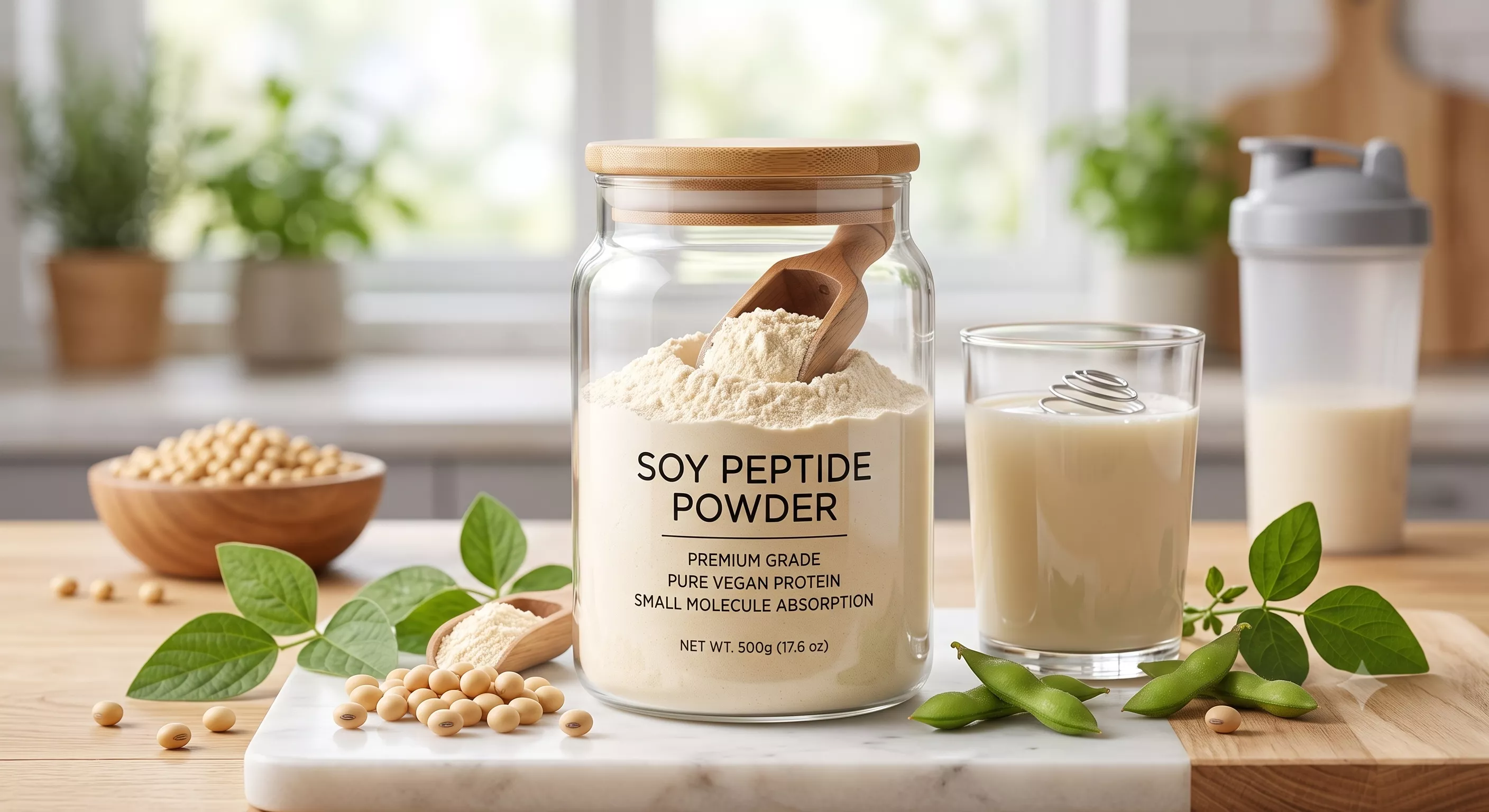
For vegan or allergen-free products, we offer plant protein peptides from pea, rice, and soy. These are hydrolyzed to a molecular weight below 5,000 Da with protein content of 80–90%. They are comparable to plant protein hydrolysates from suppliers like Roquette or Ingredion, but we position them as an alternative for buyers seeking custom bulk supply.
Why Choose Beyond Biopharma for Your Collagen and Peptide Supply?
We are a Shanghai, China–based manufacturer with over 10 years of experience in the food-ingredient industry. Our products are exported to more than 50 countries. We operate fully automatic production lines in GMP clean workshops, with stainless-steel sealed piping and automated temperature/pH control. Our annual capacity is approximately 3,000 MT for collagen and 5,000 MT for gelatin.
We hold ISO 9001 certification, are US FDA registered, and maintain a GMP clean workshop. Select products carry Halal and Kosher certification (e.g., fish gelatin). Our bovine bone gelatin is BSE-free. We have an in-house lab for heavy-metal and microbiological testing, supported by a dedicated QA/QC team. We offer three grades: food, pharmaceutical, and cosmetic. Free samples and formulation support are available.
Frequently Asked Questions About Peptide vs. Collagen
Q: Can I use collagen peptides to make gummy candies?
No. Collagen peptides do not form a gel. For gummies, you need gelatin with a Bloom of 150–260 g. Collagen peptides are for soluble powders and beverages.
Q: What is the main difference between peptide and collagen in terms of absorption?
Collagen is a large protein that is difficult to absorb. Collagen peptides are hydrolyzed into short chains (2,000–5,000 Da) that the body can absorb quickly. Fish peptides are typically the fastest.
Q: Do you offer Halal-certified gelatin?
Yes. Our fish gelatin is Halal and Kosher verified. We also offer bovine and porcine gelatin; please specify your certification requirements when inquiring.
Q: What molecular weight is best for collagen peptides in sports nutrition?
For sports nutrition, a molecular weight of 2,000–5,000 Da is standard. Fish collagen tripeptide (around 2,000 Da) offers faster absorption, while bovine peptides (3,000–5,000 Da) provide a cost-effective alternative.
Q: Can you supply plant-based collagen alternatives?
We supply plant protein peptides from pea, rice, and soy. These are hydrolyzed plant proteins, not collagen, but they serve the same functional role in vegan formulations.
Q: What is the minimum order quantity for collagen peptides?
MOQ depends on the grade and specification. Contact us with your application and target specs, and we will provide a quote and free samples.
Request a Quote and Free Samples
Understanding the difference between peptide and collagen is the first step in selecting the right ingredient for your product. Whether you need edible gelatin for gummies, pharmaceutical gelatin for capsules, collagen peptides for sports nutrition, or plant protein peptides for vegan formulations, Beyond Biopharma can supply consistent, high-quality material.
To get started, please provide the following information: your application, required grade (food / pharmaceutical / cosmetic), quantity / MOQ, target specifications (Bloom / mesh / molecular weight / certifications), and destination country. We will send you free samples and a competitive quote.

 English EN









User Comments
Service Experience Sharing from Real Customers
Megan
Fitness InstructorAs someone who's tried both, this peptide serum is a game-changer for my active lifestyle. Collagen creams always felt heavy, but this absorbs instantly and actually reduces post-workout redness. I've noticed my skin bounces back faster now. My clients keep asking what I'm using!
Leo
Lab TechnicianOkay, I was skeptical. I deal with compounds all day and figured collagen was the gold standard. But after 6 weeks of using this peptide complex, the fine lines around my eyes are visibly softer. It's not magic, but the science checks out. Collagen molecules are too big to penetrate deeply anyway.
Chloe
Graphic DesignerHoly grail status! I used collagen supplements for years with minimal results. Switched to this peptide formula and my skin texture is completely different—like it actually supports itself now. No more pill fatigue, just one lightweight serum. Wish I'd found this before my 30th birthday.
Raj
Retail ManagerLook, I'm a guy who never had a skincare routine. My wife kept pushing collagen stuff that made me break out. This peptide blend doesn't feel like anything's on your face, and I swear my shaving irritation has calmed down. It's simpler. One product vs. three. That's a win in my book.