 English EN


Soybean Oligopeptide Explained: Benefits, Specs & Applications
Soybean oligopeptide offers rapid absorption, a full amino acid profile, and supports muscle recovery, heart health, and weight management in various applications.
More
Peanut peptide, derived from plant-based protein hydrolysis, is gaining recognition in cosmetic formulations for its skin-conditioning and antioxidant properties. This article explores its composition, functional benefits, and practical applications in skincare products, offering formulators a science-backed perspective on this emerging ingredient.
Peanut peptide is produced through the enzymatic hydrolysis of peanut protein isolates, breaking down large protein molecules into smaller bioactive peptides. These peptides typically consist of 2 to 20 amino acid residues, with molecular weights ranging from 300 to 3000 Daltons. The hydrolysis process not only improves solubility but also enhances the bioavailability of the amino acid profile, making it more effective for topical application.
In cosmetic science, the interest in peanut peptide stems from its structural similarity to natural moisturizing factors found in the skin. The peptide bonds and free amino groups contribute to water-binding capacity, which is essential for maintaining stratum corneum hydration. Unlike whole proteins, the smaller peptide chains can penetrate deeper into the epidermal layers, delivering functional benefits where they are most needed.
Research indicates that peanut peptides exhibit several biological activities relevant to cosmetic applications. Their antioxidant capacity, measured through DPPH radical scavenging assays, shows moderate to high activity depending on the degree of hydrolysis. This property helps protect skin cells from oxidative stress caused by environmental aggressors such as UV radiation and pollution.
The moisturizing effect of peanut peptide is another notable attribute. In vitro studies demonstrate that formulations containing 2% to 5% peanut peptide can increase skin moisture content by approximately 15% to 20% after four weeks of regular use, compared to placebo formulations. The hygroscopic nature of the peptide chains allows them to attract and retain water molecules on the skin surface, reducing transepidermal water loss.
The skin barrier function relies on a delicate balance of lipids, proteins, and natural moisturizing factors. Peanut peptides contribute to this balance by providing amino acid precursors that support ceramide synthesis. Clinical observations suggest that formulations with peanut peptide can improve skin elasticity by 8% to 12% over a 12-week period, as measured by cutometer assessments.
Furthermore, certain peptide fractions from peanut protein have shown collagen-stimulating activity in fibroblast cell cultures. These specific sequences, rich in proline and hydroxyproline residues, mimic the signaling motifs found in native collagen peptides. While more clinical research is needed, preliminary data indicate that peanut peptide could serve as a plant-based alternative to animal-derived collagen peptides in anti-aging formulations.
When incorporating peanut peptide into cosmetic products, formulators should consider its solubility profile and pH stability. Peanut peptides are generally water-soluble and remain stable within a pH range of 4.5 to 7.5, which aligns well with the natural pH of most skincare products. They are compatible with common cosmetic ingredients including humectants like glycerin and hyaluronic acid, as well as emollients such as squalane and plant oils.
The recommended usage level in leave-on products typically ranges from 0.5% to 3%, while rinse-off products may benefit from higher concentrations up to 5%. At these levels, peanut peptide does not significantly affect product viscosity or texture, allowing formulators to maintain their desired sensory profile. For those interested in sourcing high-quality peptide ingredients, soybean oligopeptide powder offers a comparable alternative with similar functional benefits.
Peanut peptide is generally recognized as safe for topical application when produced under good manufacturing practices. However, formulators must be aware of potential allergenicity concerns. The hydrolysis process significantly reduces but does not completely eliminate allergenic proteins. Therefore, products containing peanut peptide should include appropriate labeling to inform consumers with peanut allergies.
In the European Union and United States, peanut peptide is not currently listed as a restricted cosmetic ingredient. Nevertheless, manufacturers should conduct thorough safety assessments including skin irritation and sensitization tests before market launch. The Cosmetic Ingredient Review (CIR) panel has not yet issued a specific opinion on peanut peptide, so staying updated with regulatory developments is advisable.
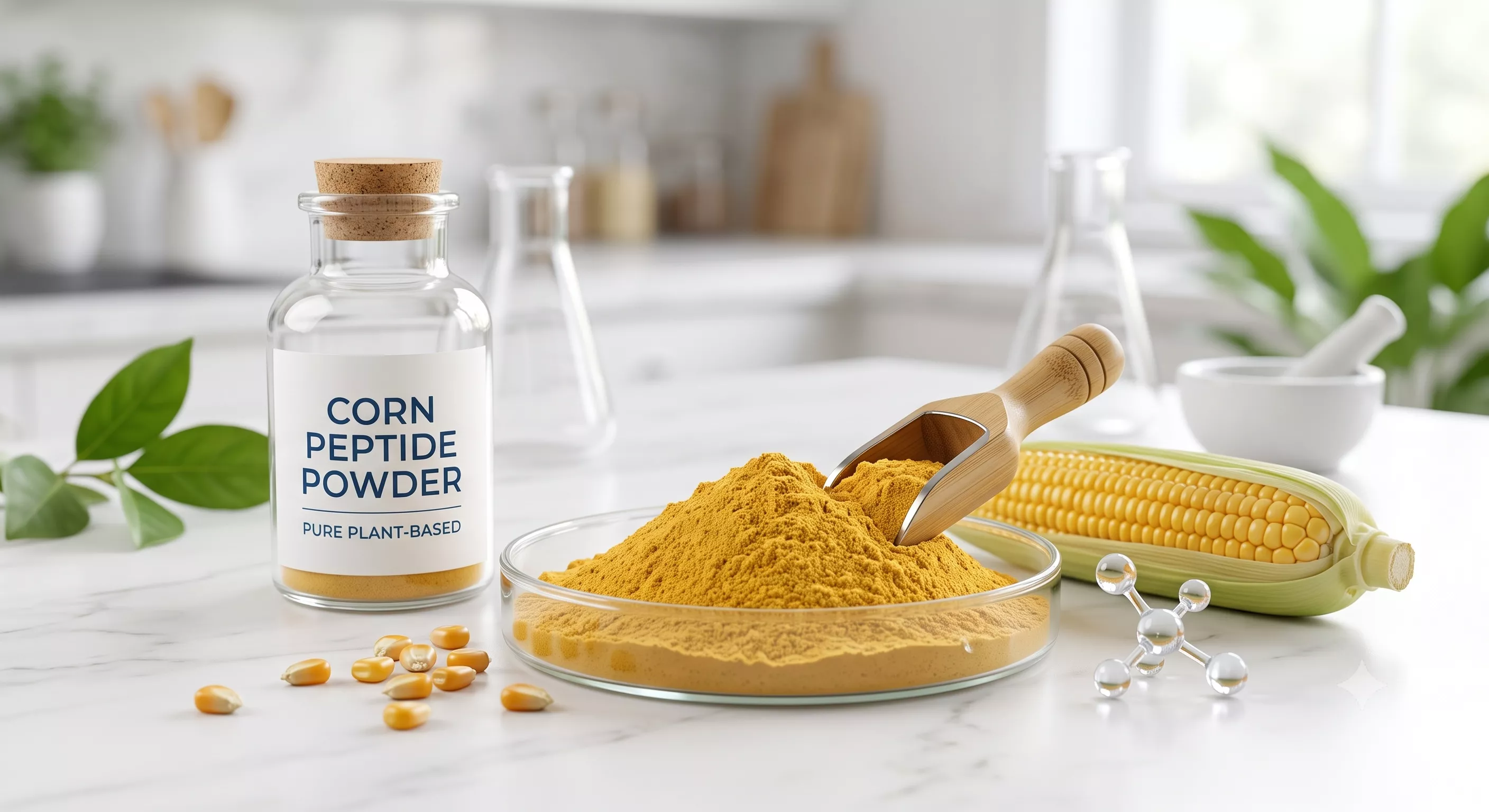
When compared to other plant-derived peptides, peanut peptide offers a distinctive amino acid profile. It contains higher levels of arginine and glutamic acid compared to corn peptide powder, which may translate to different skin benefits. Arginine is a precursor to urea, a natural moisturizing factor, while glutamic acid contributes to the skin's natural pH buffering system.
In terms of antioxidant activity, peanut peptide shows comparable performance to rice and oat peptides, though slightly lower than soybean peptides. The molecular weight distribution plays a crucial role in determining efficacy; peptides below 1000 Daltons exhibit better skin penetration and biological activity. Manufacturers can optimize the hydrolysis process to enrich these low-molecular-weight fractions for enhanced performance.
Peanut peptide can be effectively incorporated into various cosmetic formats including serums, lotions, creams, and facial masks. In serum formulations, combining peanut peptide with niacinamide and vitamin C derivatives creates a synergistic antioxidant complex that addresses multiple skin concerns simultaneously. The peptide helps stabilize vitamin C and enhances its skin-conditioning effects.
For anti-aging creams, peanut peptide works well alongside retinol and bakuchiol. The peptide's soothing properties may help mitigate the irritation often associated with retinoid use. Additionally, its moisturizing effects complement the barrier-repairing action of ceramides and fatty acids, making it a versatile addition to comprehensive skincare systems.
The cosmetic industry's shift toward sustainable and plant-based ingredients positions peanut peptide favorably. Peanut protein is a byproduct of peanut oil production, making it an economically and environmentally attractive raw material. Utilizing this agricultural byproduct aligns with circular economy principles and reduces waste in the food processing chain.
Ongoing research continues to explore novel peptide sequences with targeted biological activities. Advanced enzymatic technologies and fermentation processes are being developed to produce peanut peptides with enhanced purity and functionality. As consumer demand for transparent and effective plant-based skincare grows, peanut peptide presents a promising ingredient for formulators seeking to differentiate their products in a competitive market.
In summary, peanut peptide offers a compelling combination of moisturizing, antioxidant, and skin-conditioning benefits supported by preliminary scientific evidence. Its compatibility with common cosmetic ingredients and sustainable sourcing make it an attractive option for modern skincare formulations. As with any functional ingredient, thorough testing and quality control are essential to ensure safety and efficacy in final products.

We provide you with comprehensive foreign trade solutions to help enterprises achieve global development
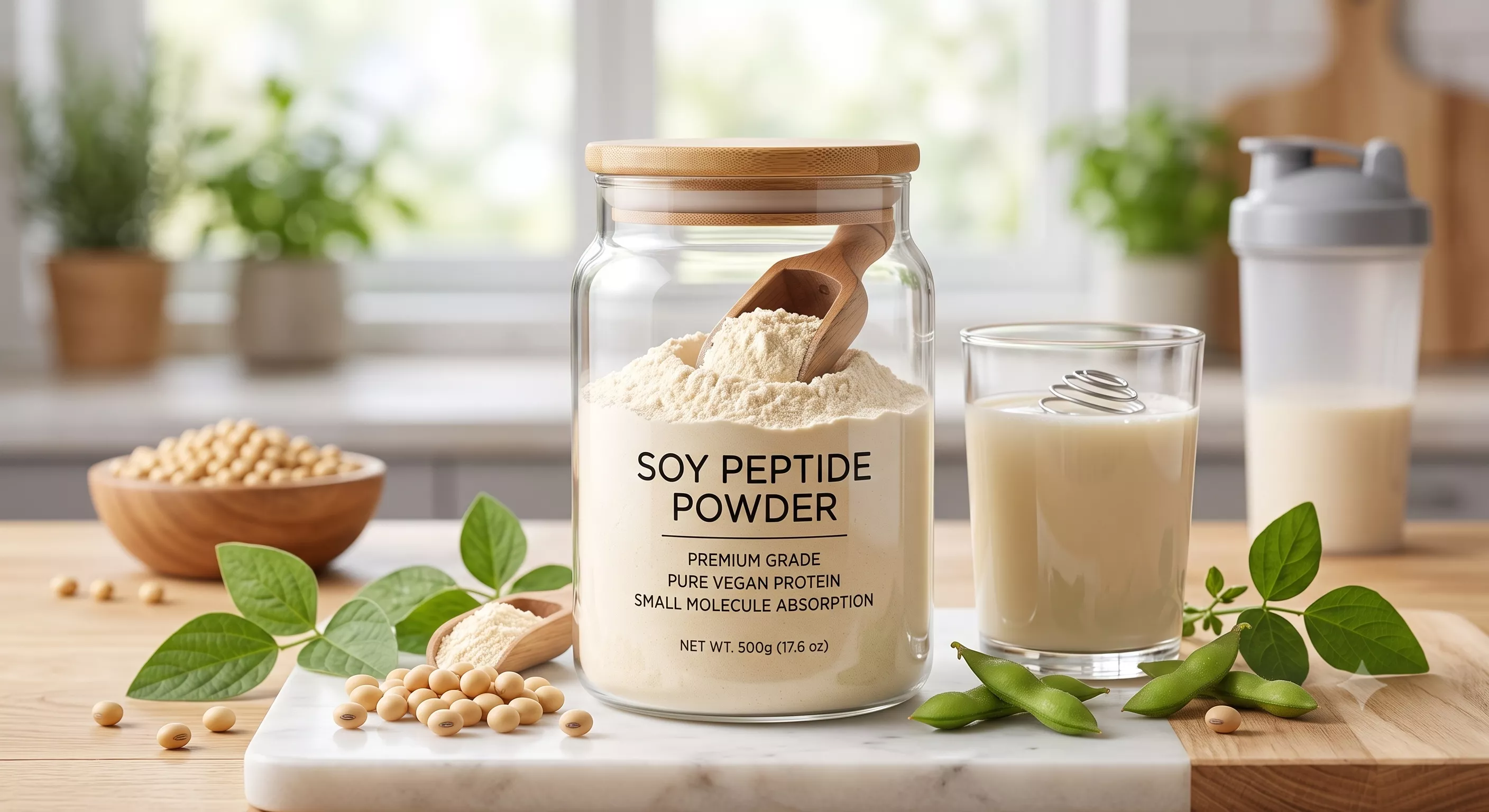
Source ultra-pure, non-GMO hydrolyzed soybean oligopeptide powder in bulk. Complete water solubility, over 80% peptides under 1000 Da. Ideal for sports nutrition and immune recovery formulas.
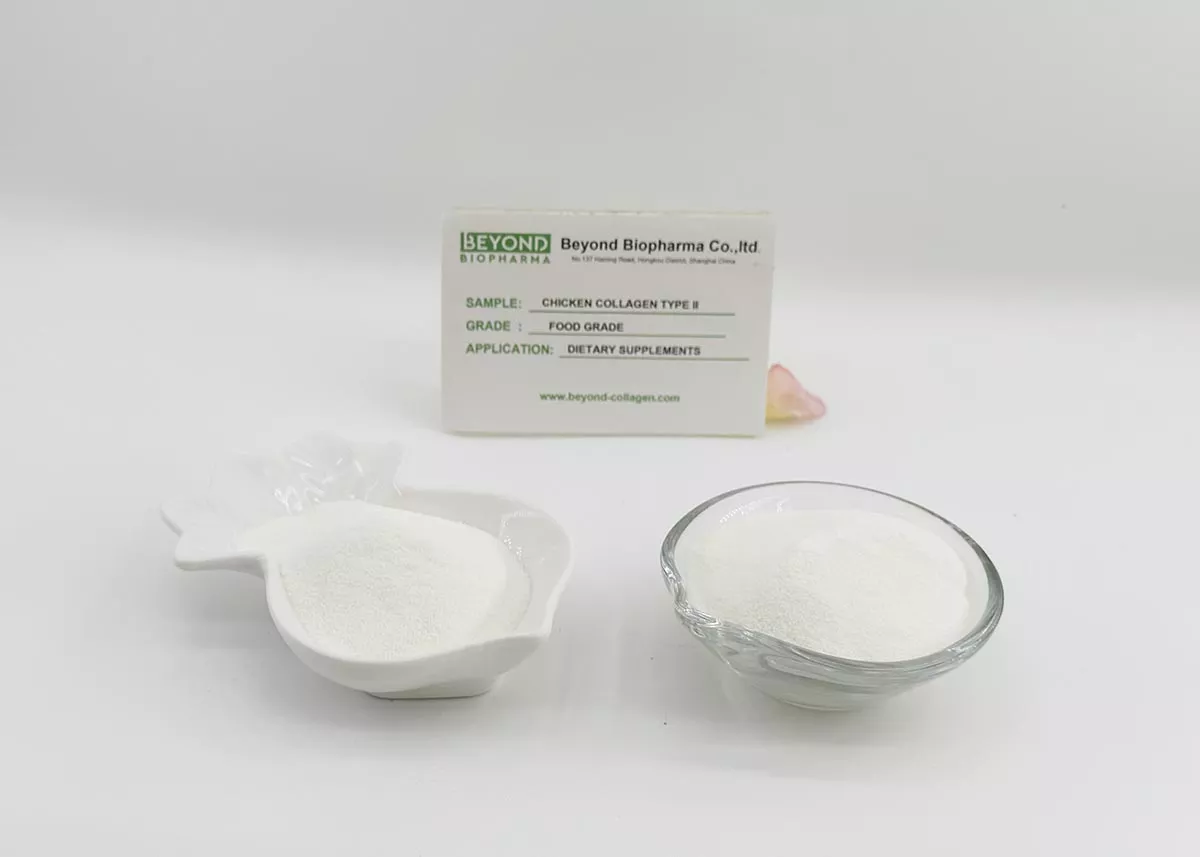
BEYOND BIOPHARMA is a specialized manufacturer of highly purified Hydrolyzed Collagen Type II. Through advanced enzymatic hydrolysis, we create low-molecular-weight collagen peptides that are highly bioavailable, offering foundational nutritional support for cartilage repair, joint function, and skin health. Our product is designed for rapid absorption and maximum efficacy in oral supplements.
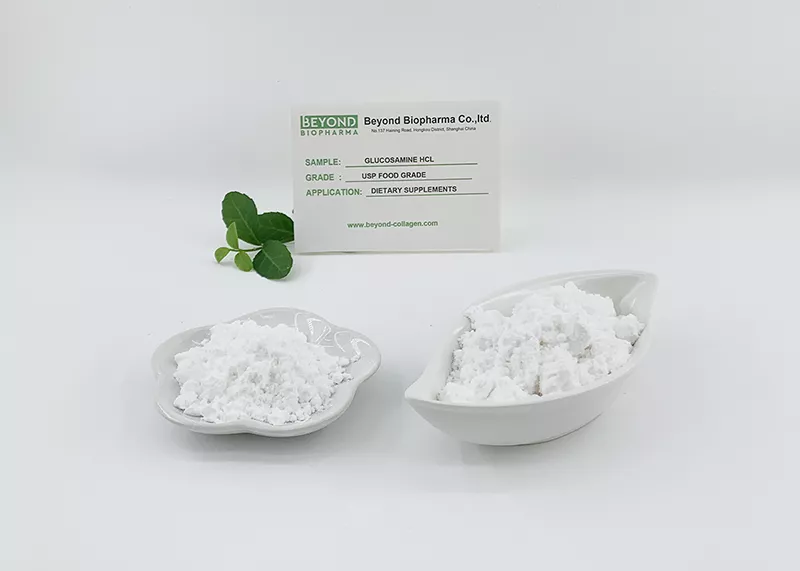
The Purest Plant-Based Joint Support Solution
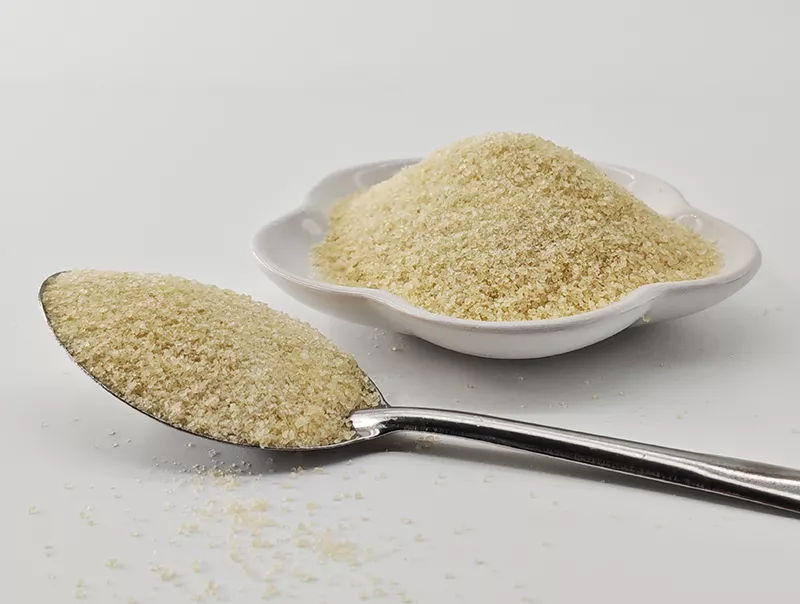
The High-Performance Barrier for Core Material Protection and Controlled Release.
Select the most popular foreign trade service products to meet your diverse needs
BEYOND BIOPHARMA is a specialized manufacturer of highly purified Hydrolyzed Collagen Type II. Through advanced enzymatic hydrolysis, we create low-molecular-weight collagen peptides that are highly bioavailable, offering foundational nutritional support for cartilage repair, joint function, and skin health. Our product is designed for rapid absorption and maximum efficacy in oral supplements.
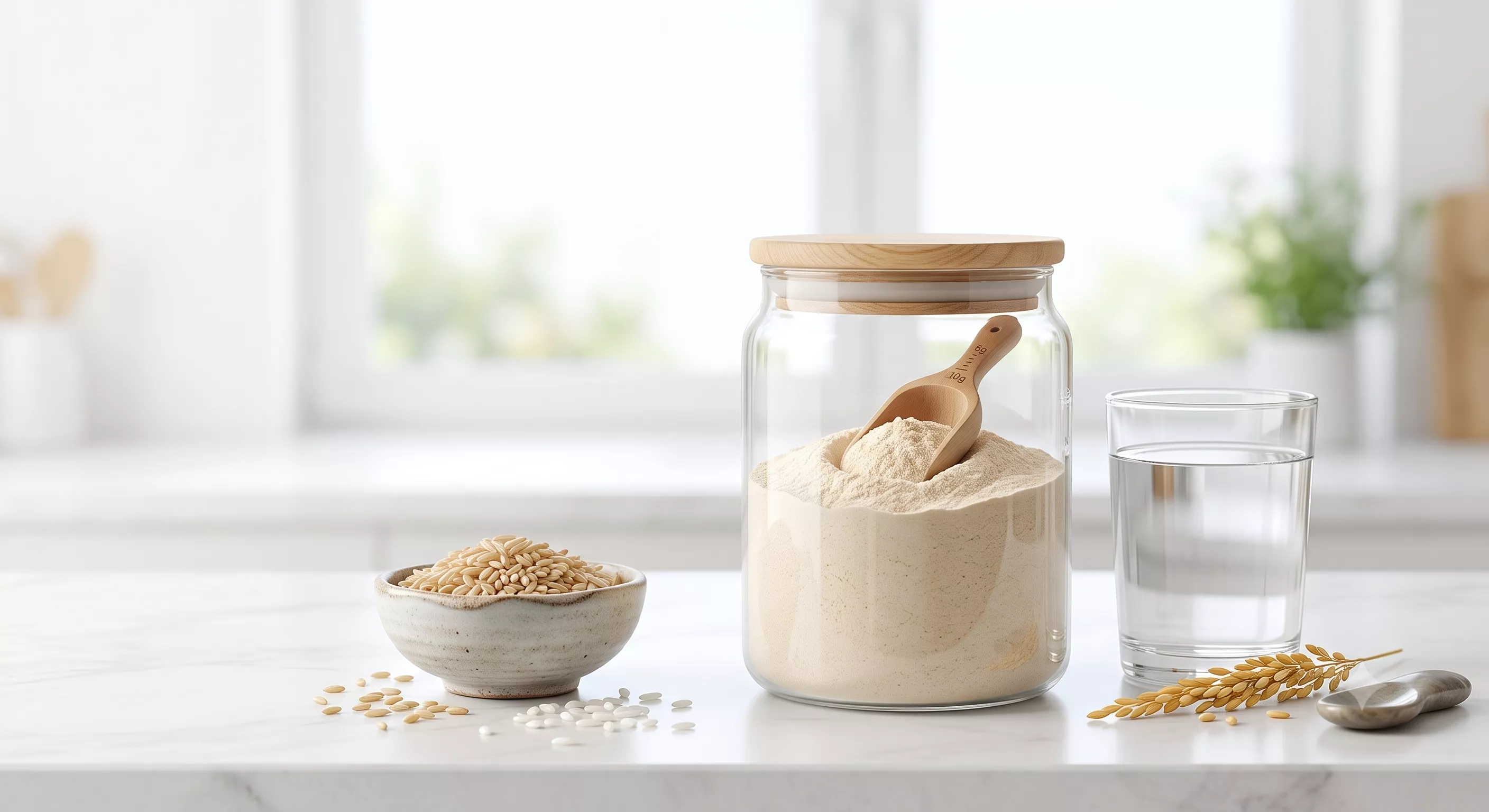
Source ultra-pure, 100% water-soluble wholesale hydrolyzed rice protein peptide in bulk. Over 85% molecules under 1000 Da. Ideal for infant nutrition, clean-label sports formulas, and sensitive skincare.
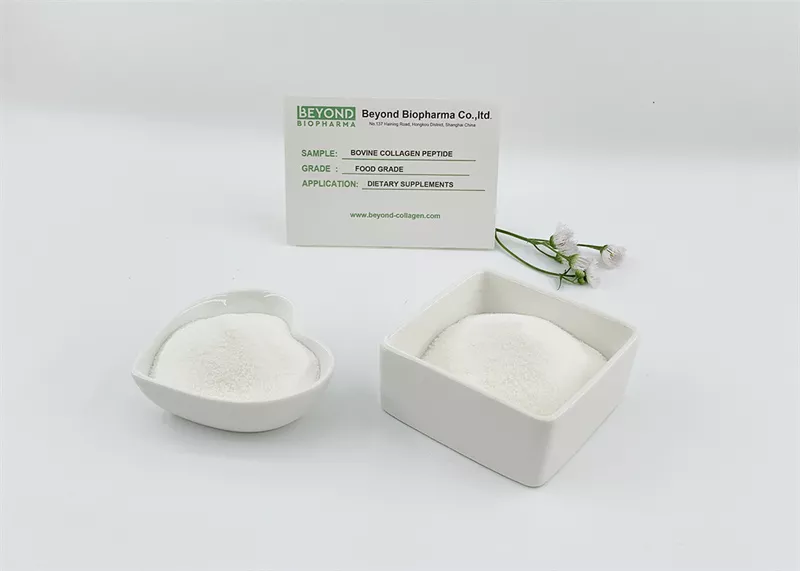
Manufacturer of bovine collagen peptide, shipping in containers all around the world
Tel:+86 21 65010906
Cell/Whatsapp/Wechat:
+86 13482884055
+86 18657345785
Email: sales@beyondbiopharma.com





User Comments
Service Experience Sharing from Real Customers
Ethan
Clinical Research CoordinatorI’ve been using peanut peptide for about three months now as a supplement to help with muscle recovery after long shifts. Honestly, I wasn’t expecting much, but the difference in my energy levels is noticeable. No jitters, just steady stamina. My knees don’t ache as much after standing all day either. Highly recommend for anyone in healthcare who’s on their feet constantly.
Maya
Freelance Graphic DesignerOkay, so I’m not a gym rat or anything, but I started adding peanut peptide to my morning oatmeal because I heard it helps with skin elasticity. Three weeks in, and my colleagues actually asked if I got a facial. It’s subtle, but my skin feels less dry and a bit firmer. Only gave it 4 stars because the taste is a little earthy for me—mixes better with smoothies than plain water.
Raj
Warehouse Operations LeadI was skeptical about another protein supplement, but peanut peptide is legit. I do heavy lifting and stacking for 10-hour shifts, and this stuff keeps me going without that bloated feeling I get from whey. Mixes clear, tastes mild, and my joints feel way less cranky. My whole team is now ordering it. Solid product.
Lena
High School Biology TeacherBought this on a whim after reading about plant-based peptides for cognitive focus. I’ve been taking it before my early classes, and I do feel more alert during first period—no more mid-lesson brain fog. Plus, it’s nice knowing it’s not packed with artificial junk. Only wish the packaging had a resealable zip; the scoop gets lost in the bag.