 English EN


Bovine gelatin pros and cons everyone should know
Bovine gelatin offers strong gelling and health benefits but has dietary, ethical, and allergen concerns. Compare bovine gelatin to other gelatin options here.
More
For overseas purchasing managers and product developers, finding a consistent, high-quality gelatin powder brand is often the difference between a smooth production run and costly batch failures. Whether you are formulating gummy vitamins, encapsulating active ingredients, or developing a clean-label dessert mix, the gelatin you choose directly impacts texture, stability, and end-user satisfaction. The challenge is that not all gelatin powder brands deliver the same level of purity, gel strength, or solubility. This article provides a no-nonsense framework for evaluating suppliers, with a focus on real-world parameters and trusted sourcing partners like Beyond Biopharma.
Gelatin powder is a natural, water-soluble protein derived from collagen found in animal bones, hides, and connective tissues. It is produced through a controlled hydrolysis process that breaks down collagen into a functional gelling agent. The sourcing pain point most buyers face is batch-to-batch inconsistency in gel strength (Bloom), odor, solubility, and microbial load. A reliable gelatin powder brand ensures that every shipment meets your exact specifications, whether you need edible gelatin for confectionery, pharmaceutical gelatin for capsules, or hydrolyzed collagen peptides for nutraceuticals.
The production of gelatin powder involves several key steps: raw material selection (bovine hide, bone, porcine skin, or fish skin), acid or alkaline pretreatment, hot water extraction, filtration, concentration, drying, and milling. The two main types are Type A (acid-processed, typically from porcine skin) and Type B (alkaline-processed, typically from bovine bone or hide). The performance of gelatin in your application is governed by its Bloom value (a measure of gel strength), viscosity, mesh size, and molecular weight distribution. For example, a high-Bloom gelatin (200–260 g) is ideal for firm gummies, while a lower-Bloom gelatin (50–150 g) works better for soft-textured desserts. Hydrolyzed collagen peptides, on the other hand, have a molecular weight typically between 2,000 and 5,000 Da, making them cold-water soluble and easily absorbed for joint health and beauty-from-within products.
When evaluating a gelatin powder brand, always request a Certificate of Analysis (COA) and review these common specifications. The values below represent typical industry ranges; final values should be confirmed per COA or sample.
| Parameter | Typical Range (Industry Standard) | Common Application |
|---|---|---|
| Bloom (g) | 50–300 (pharma/gummies often 150–260) | Gummies, softgels, hard capsules |
| Viscosity (mPa·s) | 2.0–5.5 | Softgel shell, coating |
| Mesh size | 8–60 mesh | Powder blending, instant mixes |
| Moisture (%) | ≤14 | All applications |
| Protein content (collagen peptides) | ≥90% | Sports nutrition, beauty drinks |
| Molecular weight (collagen peptides) | 2,000–5,000 Da (fish typically lower) | Joint health, skin health |
| Protein (plant protein peptides) | 80–90% | Vegan formulations |
Note: These are typical industry ranges; final values per COA or sample.
Selecting the correct gelatin powder brand depends on your end product. Here is a breakdown by industry:
For gummy confectionery and softgel capsules, you need a high-Bloom gelatin (typically 200–260 g) with consistent viscosity. Edible Gelatin from bovine or porcine sources is widely used. For softgel shells, ultra-high-viscosity gelatin provides the necessary film strength. Fish gelatin is an excellent alternative for halal or kosher requirements, and Beyond Biopharma offers Halal and Kosher Verified Fish Gelatin for clean-label products.
Pharmaceutical-grade gelatin must meet strict purity and microbial limits. Pharmaceutical Gelatin from bovine bone is BSE-free and ideal for hard capsules. For softgels, ultra-high-viscosity gelatin ensures robust shells that protect sensitive oils and active ingredients.
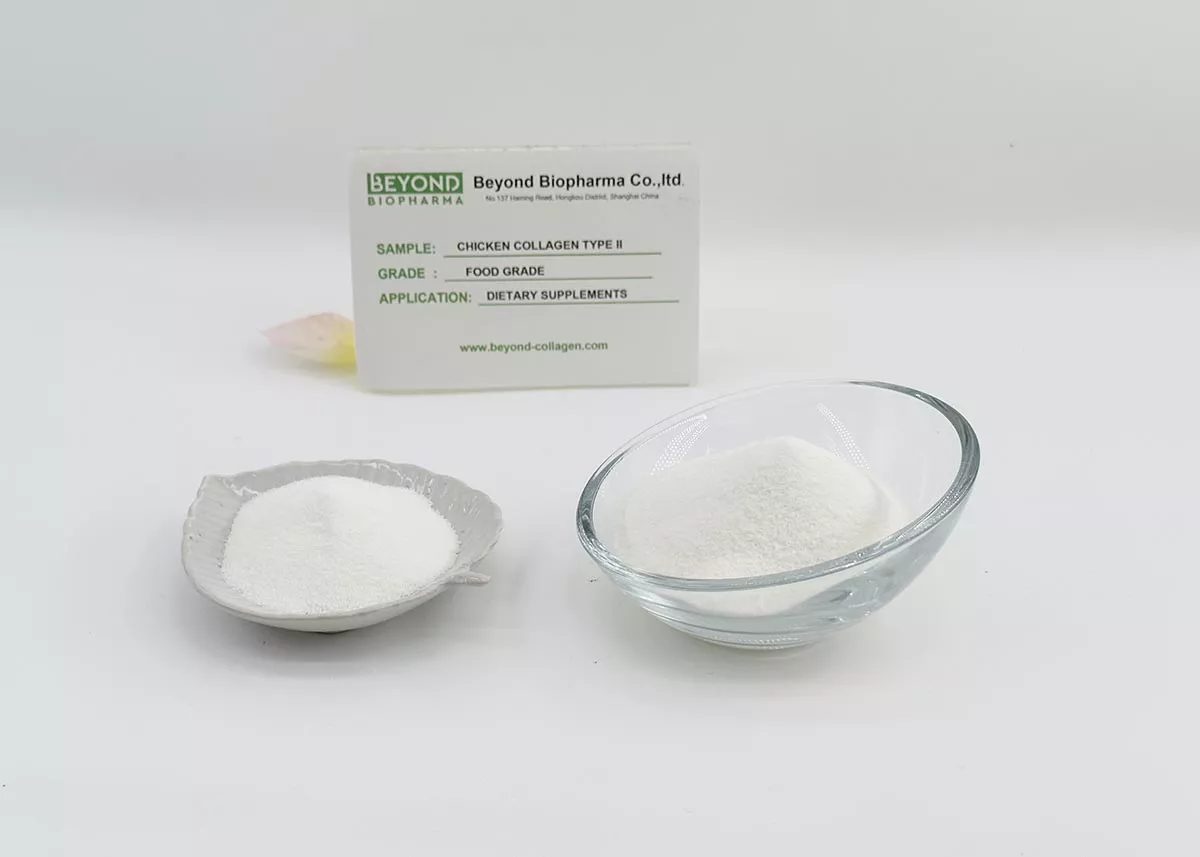
Hydrolyzed collagen peptides, such as Hydrolyzed Collagen Type II, are popular for joint support. Fish collagen peptides have a lower molecular weight, promoting faster absorption. Beyond Biopharma also supplies Undenatured Collagen Type II for comprehensive joint comfort and mobility.
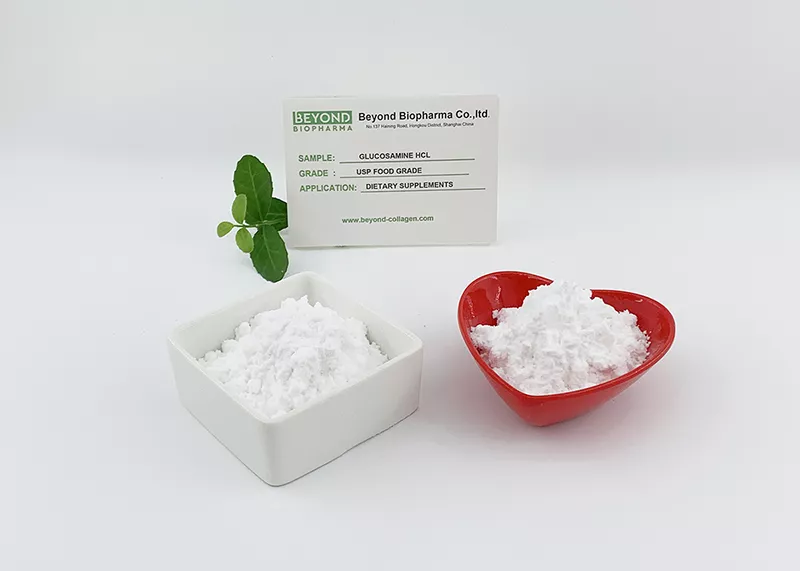
Collagen peptides for skin, hair, and nails require high solubility and low odor. Fish collagen tripeptide is a premium choice. For joint health formulations, consider combining collagen with glucosamine HCl or hyaluronic acid.
For allergen-free and vegan products, plant protein peptides from pea, rice, or soy offer an alternative to animal-derived gelatin. These hydrolyzed proteins have a molecular weight typically below 5,000 Da, good solubility, and a clean flavor profile. Beyond Biopharma supplies plant protein peptides suitable for protein powders, bars, and beverages.
Beyond Biopharma, headquartered in Shanghai, China, is a dedicated B2B manufacturer of collagen peptides, gelatin, and plant protein peptides. With over 10 years of experience in the food-ingredient industry, our products are exported to more than 50 countries. Our facility features a fully automatic production line, GMP clean workshop, stainless-steel sealed piping, and automated temperature and pH control, ensuring consistent quality. We have an annual capacity of approximately 3,000 MT for collagen and 5,000 MT for gelatin.
Our quality management system is certified to ISO 9001, and we are US FDA registered. Select products carry Halal and Kosher certifications, and our bovine bone gelatin is BSE-free. We maintain an in-house laboratory for heavy-metal and microbiological testing, supported by a dedicated QA/QC team. We offer three grades (food, pharmaceutical, and cosmetic) and provide free samples along with formulation and selection support.
Our product lines are compatible with industry benchmarks from suppliers such as Rousselot, Gelita, Nitta Gelatin, Weishardt, PB Leiner, and others. Whether you need edible gelatin, pharmaceutical gelatin, fish collagen peptide, bovine collagen peptide, undenatured collagen type II, plant protein peptides, or joint health ingredients like chondroitin sulfate and glucosamine HCl, we can support your custom bulk supply and formulation/OEM needs.
Gelatin is partially hydrolyzed collagen that forms a gel when cooled. Collagen peptides are more fully hydrolyzed, making them cold-water soluble and easier to digest. Gelatin is used for gelling and thickening, while collagen peptides are used for nutritional supplements targeting skin, joint, and bone health.
For firm, chewy gummies, a Bloom of 200–260 g is typical. For softer, more delicate gummies, a Bloom of 150–200 g works well. Always test a sample batch to confirm texture. Beyond Biopharma can provide samples across the Bloom range to help you dial in your formulation.
Yes, fish gelatin is an excellent alternative for halal, kosher, or pescatarian-friendly products. It has a lower melting point and is often used in softgels and confectionery. Beyond Biopharma offers Halal and Kosher verified fish gelatin with consistent quality.
Key certifications include ISO 9001, FDA registration, Halal, Kosher, and BSE-free declarations. A reliable supplier will provide a COA for every batch. Beyond Biopharma holds ISO 9001, is FDA registered, and offers Halal/Kosher options for select products.
Absolutely. Beyond Biopharma offers free samples for evaluation. Simply provide your application, required grade, target specs, and destination country, and we will send you a sample along with a quote.
Minimum order quantities vary by product and grade. For standard edible gelatin, MOQ is typically one metric ton. For specialty products like fish gelatin or ultra-high-viscosity gelatin, MOQ may be higher. Contact Beyond Biopharma with your quantity requirements for a precise quote.
Ready to evaluate a reliable gelatin powder brand for your next project? Tell us about your application, required grade (food, pharmaceutical, or cosmetic), estimated quantity/MOQ, target specifications (Bloom, mesh, molecular weight, certifications), and destination country. Beyond Biopharma will provide free samples and a competitive quote tailored to your needs. Contact our team to start the conversation.
Choosing the right gelatin powder brand is a strategic decision that affects product quality, production efficiency, and market reputation. By focusing on verified specs, trusted certifications, and a partner with proven manufacturing capability like Beyond Biopharma, you can source with confidence and deliver consistent results to your customers.

We provide you with comprehensive foreign trade solutions to help enterprises achieve global development
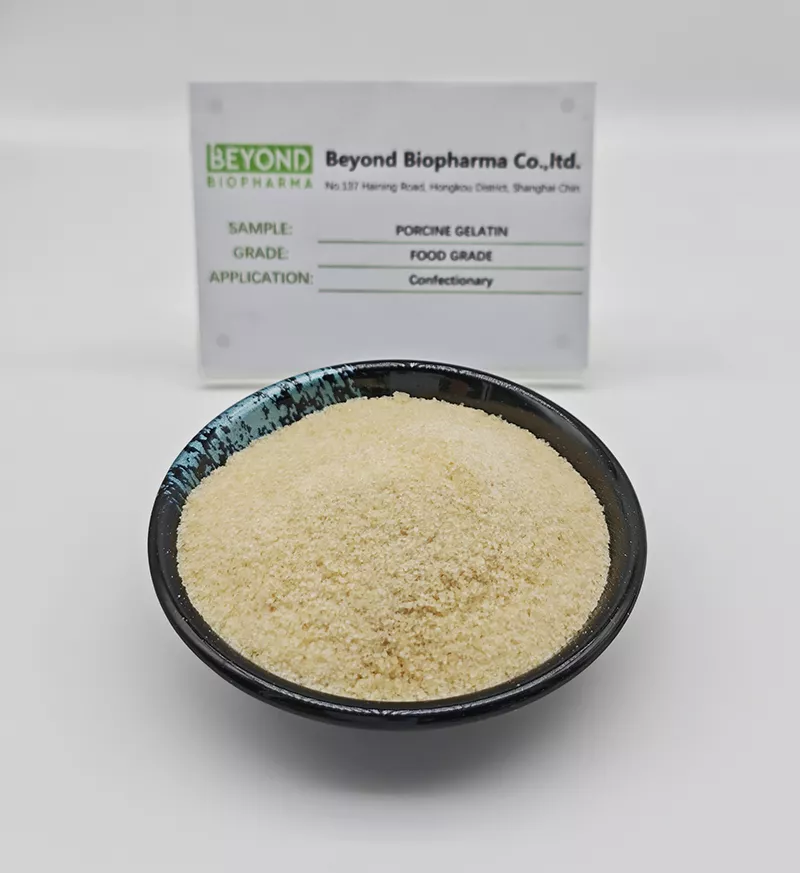
Food-grade porcine gelatin is a highly versatile and cost-effective natural protein derived from the collagen found in pig skin and bones. It is a premier gelling agent known for its exceptional clarity, neutral taste, and thermal reversibility.
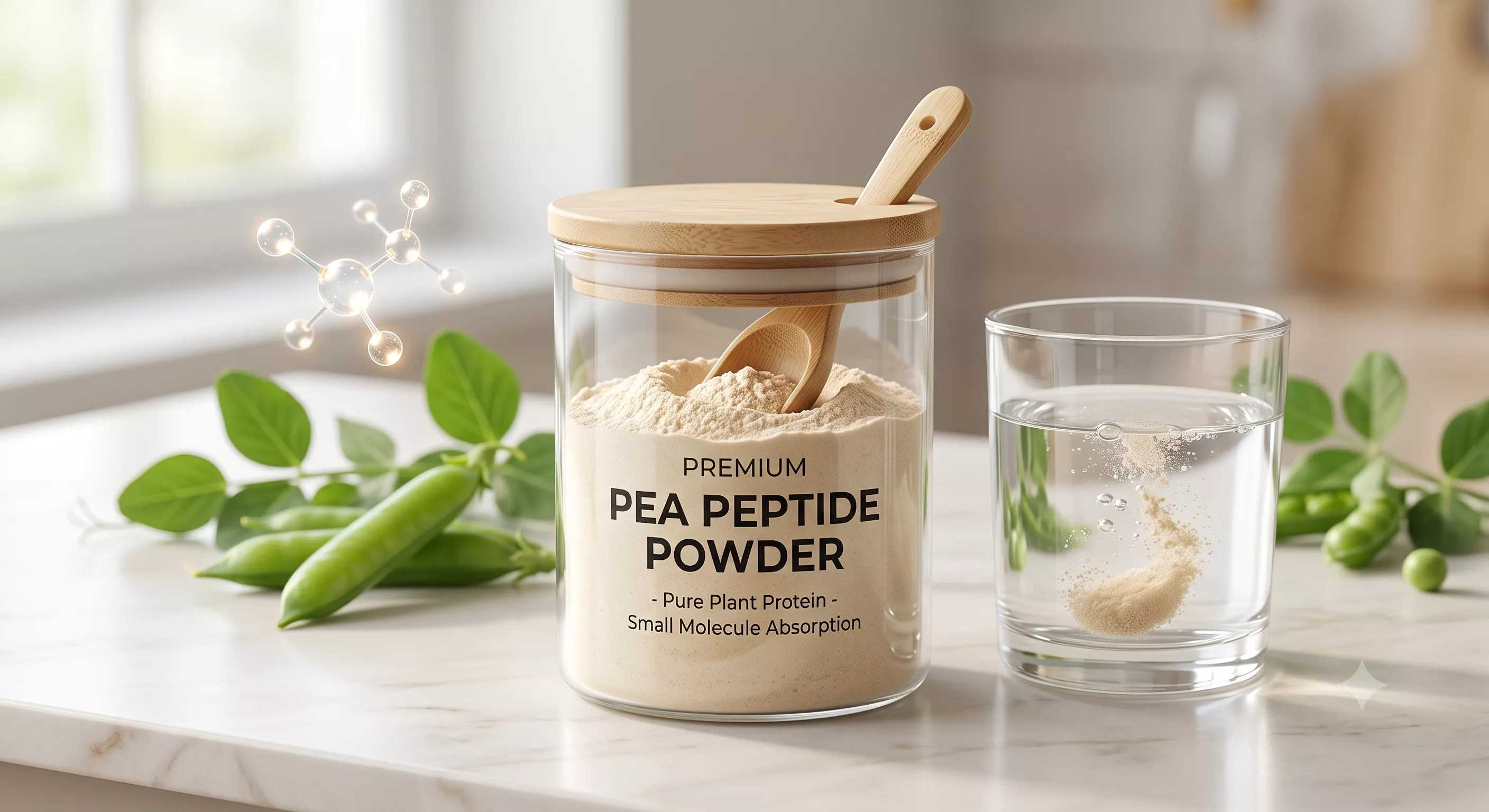
Source high-purity, hypoallergenic hydrolyzed pea peptide powder in bulk. Complete water solubility, rich in BCAAs, ideal for vegan recovery formulas.
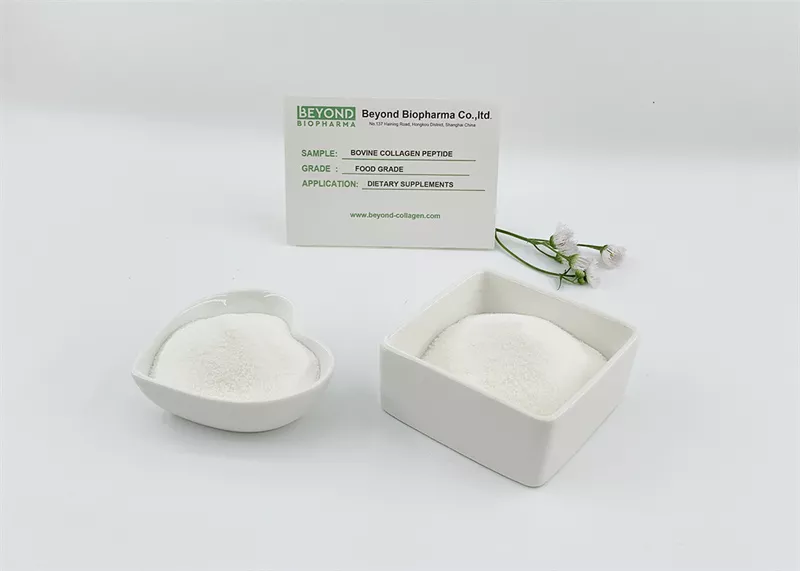
Manufacturer of bovine collagen peptide, shipping in containers all around the world
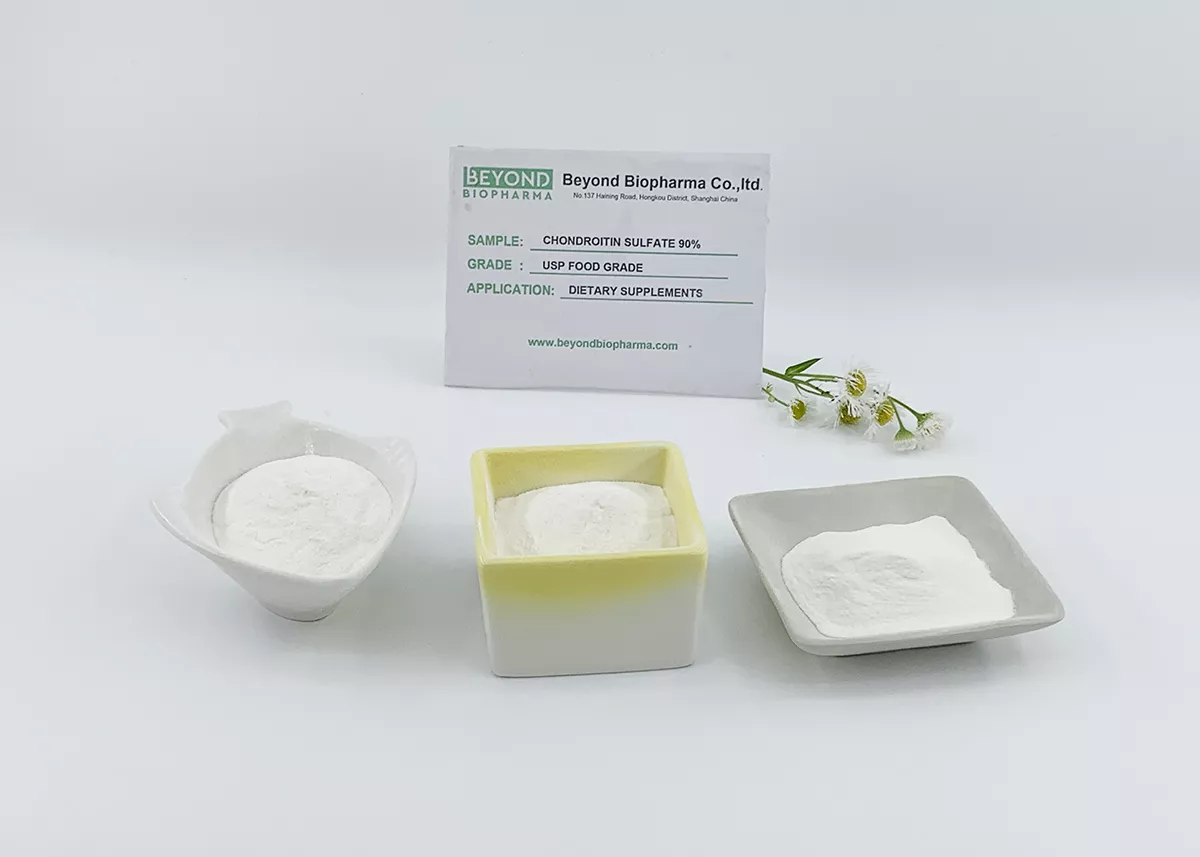
High Purity and Efficacy for Joint Health Formulations
Select the most popular foreign trade service products to meet your diverse needs
High Purity and Efficacy for Joint Health Formulations
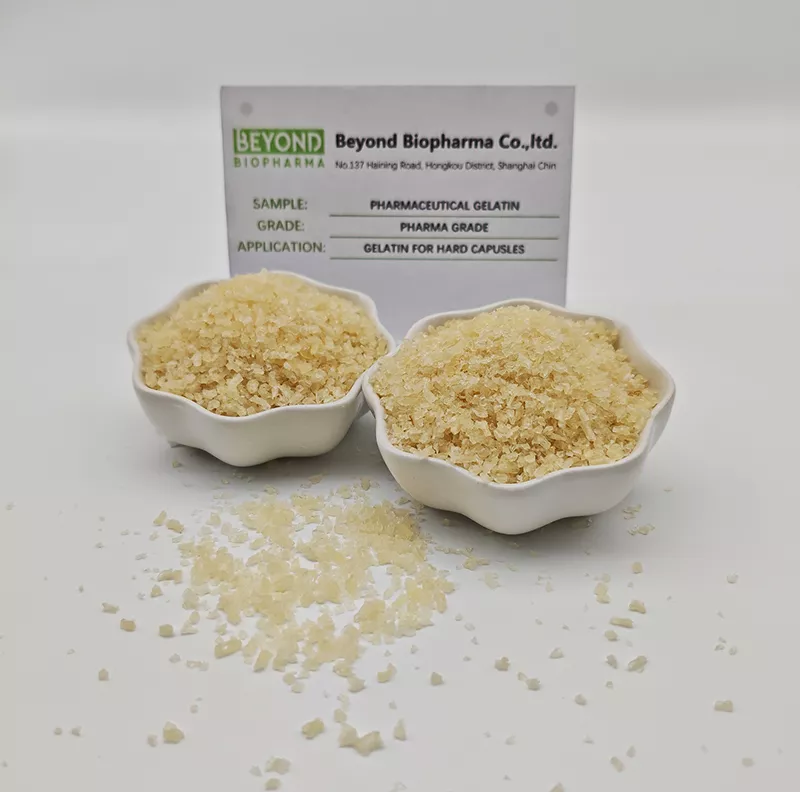
Precision, Purity, and Optimal Machinability
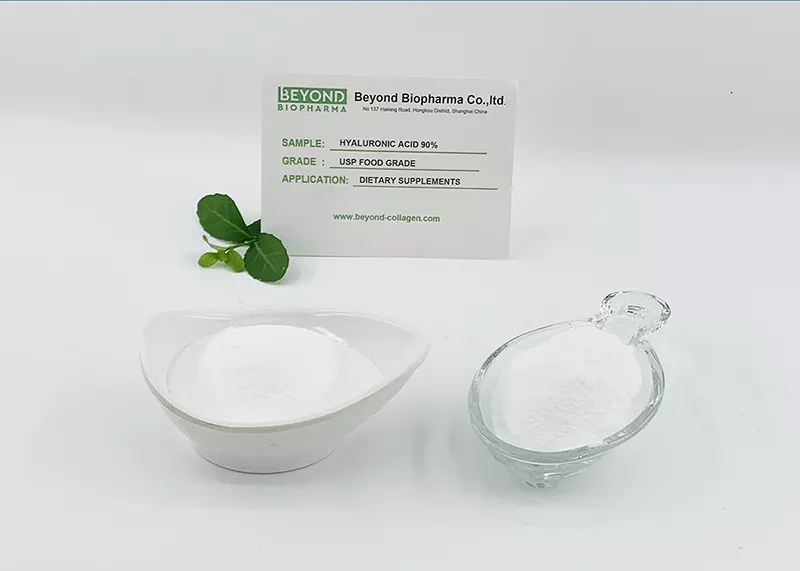
High Molecular Weight for Superior Joint, Skin, and Eye Health.
Tel:+86 21 65010906
Cell/Whatsapp/Wechat:
+86 13482884055
+86 18657345785
Email: sales@beyondbiopharma.com





User Comments
Service Experience Sharing from Real Customers
Megan
Pastry ChefI've tried at least five different brands over the years, and this one is by far the best for my panna cotta. It sets perfectly every single time—no rubbery texture, just a silky smooth finish. My regulars have actually noticed the difference! The powder dissolves without any weird clumps, which saves me so much time during prep.
Leo
Home BrewerAs someone who experiments with clarifying homemade beers and ciders, I was skeptical about gelatin fining. This brand came highly recommended in a forum, and it really does the job well. It's easy to measure out small batches, and it leaves my brews crystal clear without affecting flavor. Knocked off one star because the packaging could be a bit more resealable.
Chloe
Art ConservatorThis might sound niche, but I use it to prepare sizing for delicate paper restoration. The bloom strength is consistently high and pure, which is crucial for my work. I've had no issues with discoloration or impurities over the two years I've been ordering it. It's a professional-grade product that's become a reliable staple in my studio.
Ryan
Fitness CoachI make homemade protein gummies for my clients as a healthy snack alternative. This gelatin mixes in smoothly with my whey protein and doesn't have that off-putting smell some cheaper brands have. The gummies hold their shape, even in a gym bag. Only reason it's not a 5 is I wish they offered a larger bulk size for the price.