 English EN


The Surprising Benefits of Cold Water Fish Gelatin for Food and Health
Recent 2026 studies show cold water fish gelatin boosts joint, skin, and digestive health, offering a hypoallergenic, sustainable option for food and wellness.
More
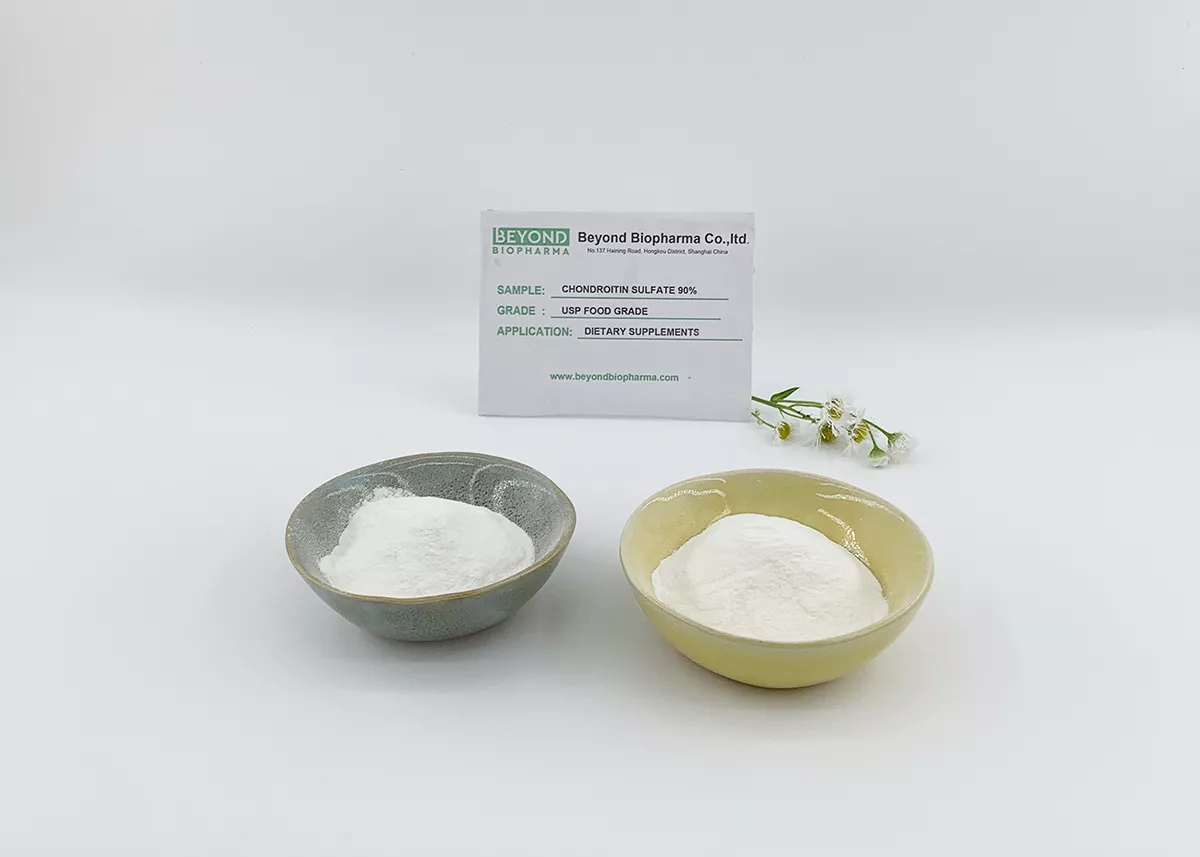
Gelatin is derived from collagen, a protein found in animal bones, skin, and connective tissues. When heated and then cooled, it forms a reversible gel that gives foods a smooth, elastic texture. This property is why gelatin is a key ingredient in products like marshmallows, panna cotta, and fruit jellies. Beyond texture, gelatin contains amino acids such as glycine and proline, which support joint flexibility and skin elasticity. According to a 2021 study published in the Journal of Food Science, gelatin can improve the water-holding capacity of meat products, reducing moisture loss during cooking.
In confectionery, gelatin provides the chewy bite that consumers expect from gummy candies and fruit snacks. In dairy products like yogurt and ice cream, it prevents ice crystal formation and creates a creamy mouthfeel. For baked goods, gelatin can improve crumb structure and extend shelf life by retaining moisture. A 2020 report from the Institute of Food Technologists noted that gelatin is one of the most effective hydrocolloids for stabilizing emulsions and foams, making it indispensable in mousses and whipped toppings.
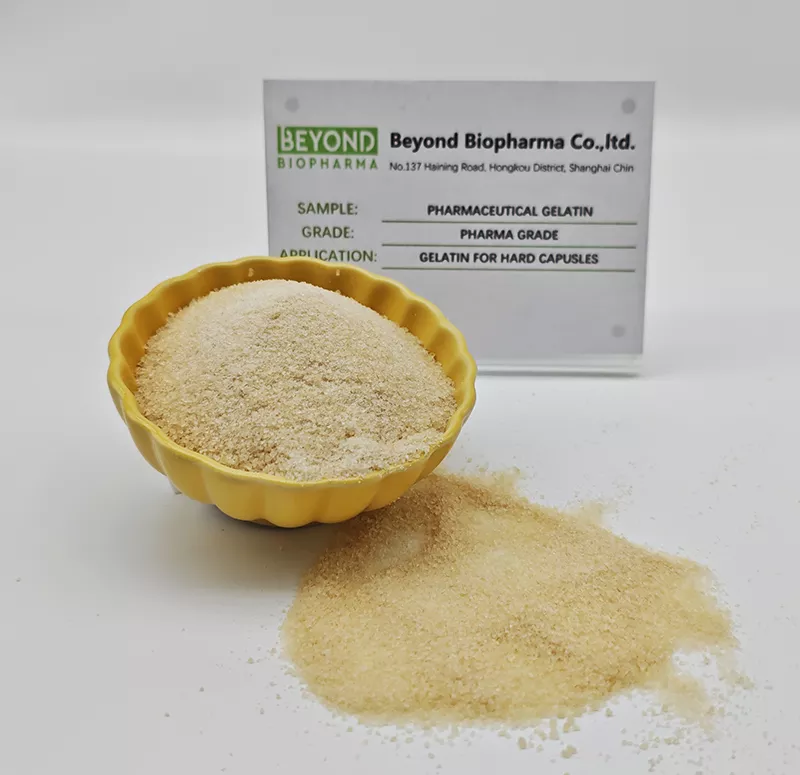
Regular consumption of gelatin has been linked to improved joint comfort and reduced joint pain, especially in active individuals. A 2019 clinical trial in the journal Nutrients found that 10 grams of gelatin per day helped support collagen synthesis and reduced exercise-related joint discomfort. Gelatin also promotes gut health by supporting the mucosal lining of the digestive tract. Additionally, it is a source of protein that can help with satiety and muscle maintenance, making it a practical addition to soups, broths, and smoothies.
Gelatin is available in different forms—powdered, sheet, and granulated—each with specific bloom strengths that affect gelling power. For food applications, edible bovine gelatin is a popular choice due to its high clarity and neutral flavor. For plant-based alternatives, ingredients like agar or pectin can mimic some gelatin functions, but they lack the same amino acid profile. When selecting gelatin, look for products with a bloom value between 150 and 250 for most dessert and confectionery uses.
To get the best results, always bloom gelatin in cold water before dissolving it in warm liquid. This prevents clumping and ensures even distribution. For every 1 tablespoon of powdered gelatin, use about 3 tablespoons of cold water. Avoid boiling gelatin, as high heat can break down its protein structure and reduce gelling ability. Store gelatin in a cool, dry place to maintain its potency. Whether you are making a silky panna cotta or a protein-rich bone broth, gelatin adds both texture and nutritional value.
In summary, gelatin is a versatile ingredient that bridges the gap between culinary texture and health support. Its ability to improve mouthfeel, stabilize food systems, and provide key amino acids makes it a valuable addition to both commercial food production and home cooking. By understanding how to choose and use gelatin properly, you can enhance your meals while supporting your overall well-being.


We provide you with comprehensive foreign trade solutions to help enterprises achieve global development
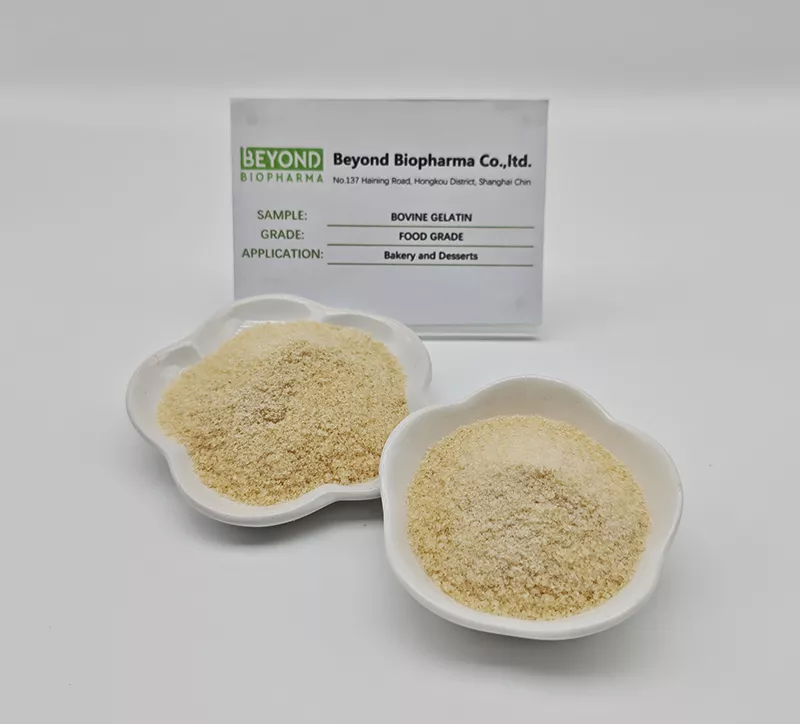
20 years experiences, 5000 ton/year capacity, Sustained supply with stable quality
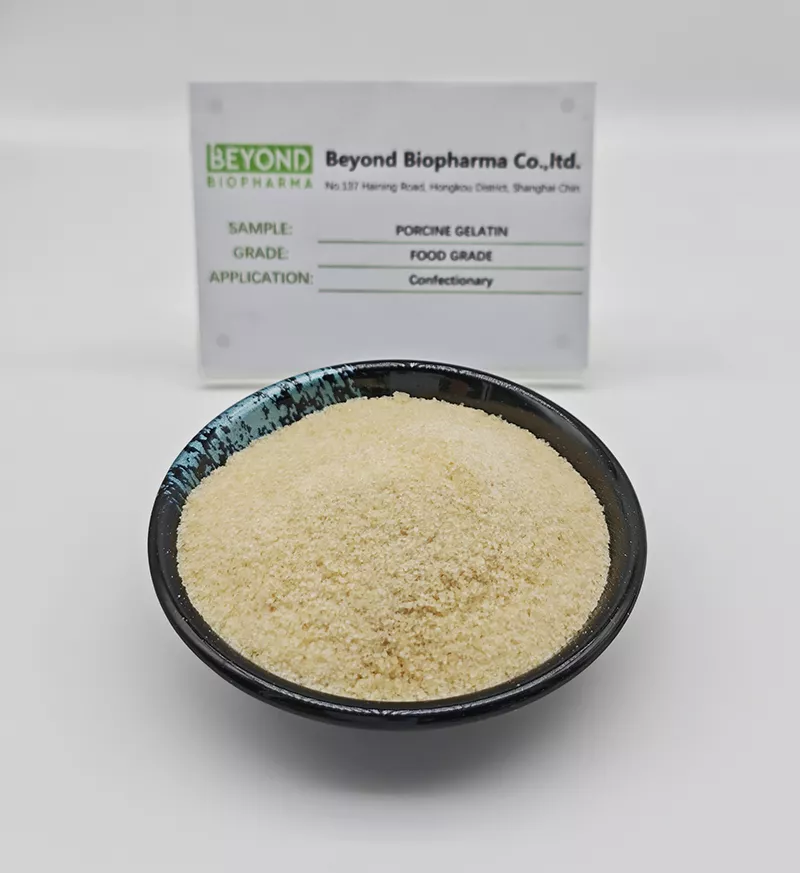
Food-grade porcine gelatin is a highly versatile and cost-effective natural protein derived from the collagen found in pig skin and bones. It is a premier gelling agent known for its exceptional clarity, neutral taste, and thermal reversibility.

The High-Performance Barrier for Core Material Protection and Controlled Release.
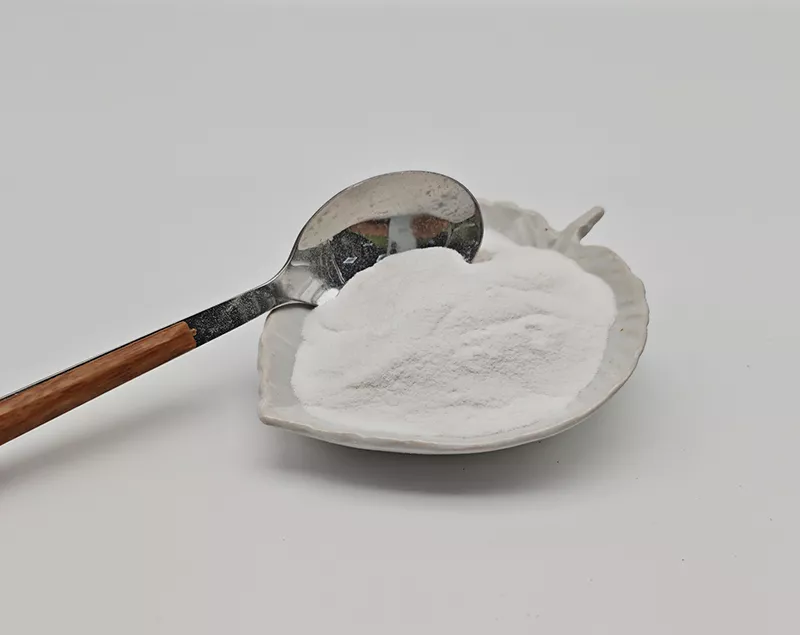
Fish Gelatin for foods is increasingly recognized as the premium alternative to traditional mammalian sources, meeting the growing global demand for clean-label ingredients that align with diverse dietary and religious requirements. Derived from the skin and scales of fish like cod and tilapia, fish gelatin offers unique functional benefits that make it an exceptional gelling, stabilizing, and texturizing agent.
Tel:+86 21 65010906
Cell/Whatsapp/Wechat:
+86 13482884055
+86 18657345785
Email: sales@beyondbiopharma.com




