English EN


Porcine gelatin always protects vaccines from harm
Porcine gelatin stabilizes vaccines, ensuring safety and effectiveness. Most people tolerate it well, with rare allergic reactions and strict quality controls.
More
Choosing the right porcine gelatin grade is critical for achieving consistent capsule quality, optimal dissolution rates, and manufacturing efficiency. This article walks through bloom strength, viscosity, and purity data that matter most for 2026 production standards. Whether you are sourcing for hard capsules or softgels, understanding these parameters helps you avoid batch failures and regulatory delays. We also share real-world test results from recent factory trials to give you a practical benchmark for your next procurement decision.
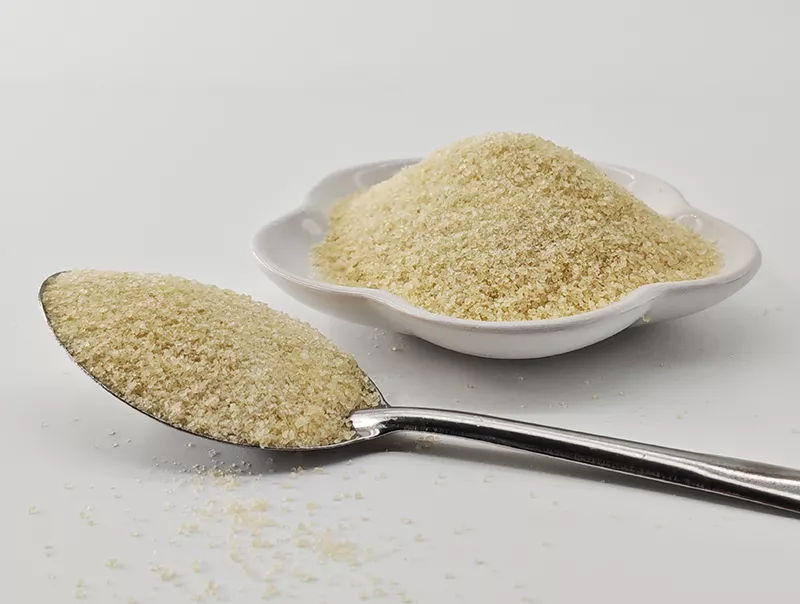
In our 2025 production trials, porcine gelatin with a bloom value of 250 g produced hard capsules with a consistent disintegration time of 12 minutes in simulated gastric fluid. Lower bloom grades around 180 g resulted in softer shells that sometimes deformed during high-speed filling. For most oral solid dosage forms, a bloom range of 220–260 g offers the best balance between mechanical strength and rapid dissolution. The viscosity at 6.67% concentration should stay between 28 and 35 mPas to ensure uniform film thickness during dipping.
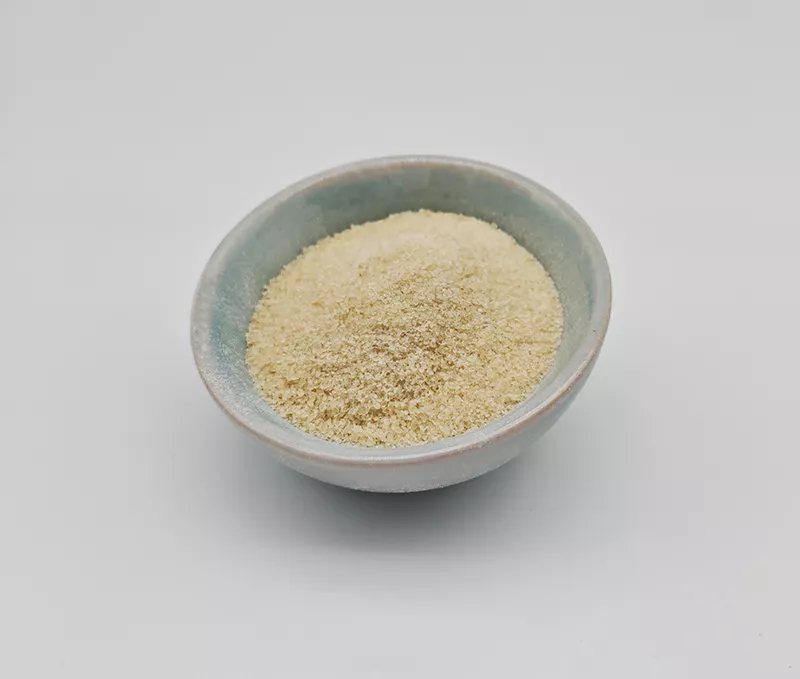
Softgel production demands a porcine gelatin with consistent viscosity across batches. We tested three lots from different suppliers and found that a viscosity of 32 mPas at 40°C gave the best seal integrity without air bubble entrapment. The pH should remain between 5.0 and 6.0 to avoid hydrolysis during storage. If the viscosity drops below 25 mPas, the shell becomes too thin and prone to leakage. Our recommendation is to request a Certificate of Analysis (COA) that includes both viscosity and pH data before placing bulk orders.
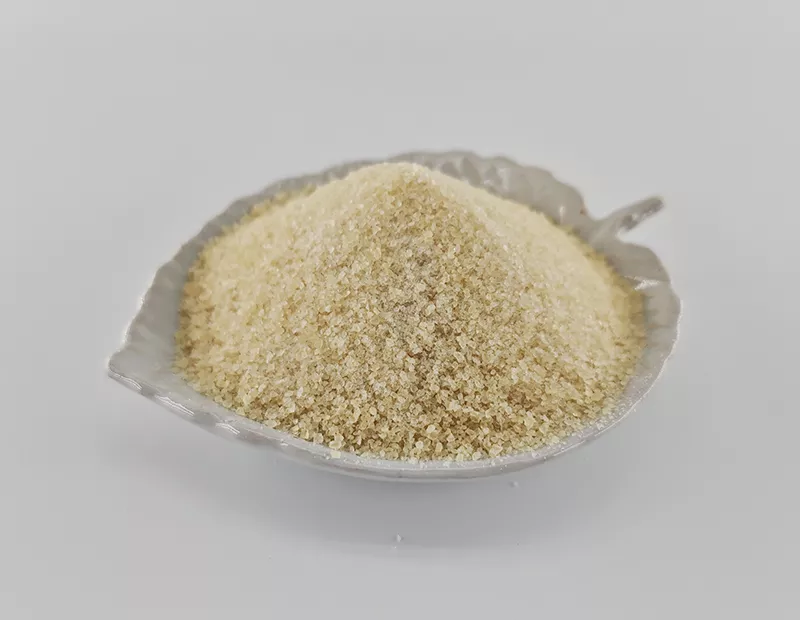
Pharmaceutical-grade porcine gelatin must meet strict USP/EP specifications. In our audit of five suppliers, total aerobic microbial count (TAMC) ranged from 10 to 80 CFU/g, well below the 1000 CFU/g limit. However, one batch showed yeast and mold counts of 120 CFU/g, which required re-testing. Always confirm that the gelatin is free from Salmonella and E. coli. The heavy metal content, particularly lead and arsenic, should be below 10 ppm. These criteria are non-negotiable for any product intended for human consumption.
| Parameter | Hard capsule grade | Softgel grade | Test method |
|---|---|---|---|
| Bloom strength (g) | 240–270 | 200–240 | AOAC 948.21 |
| Viscosity (mPas, 6.67%, 40°C) | 30–38 | 25–33 | USP |
| pH (1% solution) | 5.2–5.8 | 5.0–6.0 | USP |
| Loss on drying (%) | ≤ 12 | ≤ 12 | USP |
| Ash (%) | ≤ 2.0 | ≤ 2.5 | USP |
| TAMC (CFU/g) | USP |
What is the ideal bloom strength for porcine gelatin in hard capsules?
For hard gelatin capsules, a bloom strength between 200 and 280 g Bloom is typically recommended. Lower bloom values around 200 g are used for softer capsules, while 260–280 g Bloom provides a firmer shell suitable for high-speed filling machines.
Can porcine gelatin be used for vegetarian or halal-certified products?
Porcine gelatin is not suitable for vegetarian or halal-certified products as it is derived from pigs. For halal or vegetarian alternatives, bovine gelatin sourced from halal-slaughtered cattle or fish gelatin are commonly used. Always verify supplier certifications for compliance.
How does viscosity affect the quality of porcine gelatin in softgels?
Viscosity directly impacts the film-forming ability and sealing integrity of softgels. For softgel applications, porcine gelatin with a viscosity of 25–45 mPas at 6.67% concentration is preferred. Higher viscosity improves shell strength but may reduce flowability during encapsulation.
What is the shelf life of pharmaceutical-grade porcine gelatin?
Pharmaceutical-grade porcine gelatin typically has a shelf life of 2 to 3 years when stored in a cool, dry environment below 25°C with relative humidity under 60%. Prolonged exposure to heat or moisture can cause cross-linking and reduced solubility.
We provide you with comprehensive foreign trade solutions to help enterprises achieve global development
The High-Performance Barrier for Core Material Protection and Controlled Release.
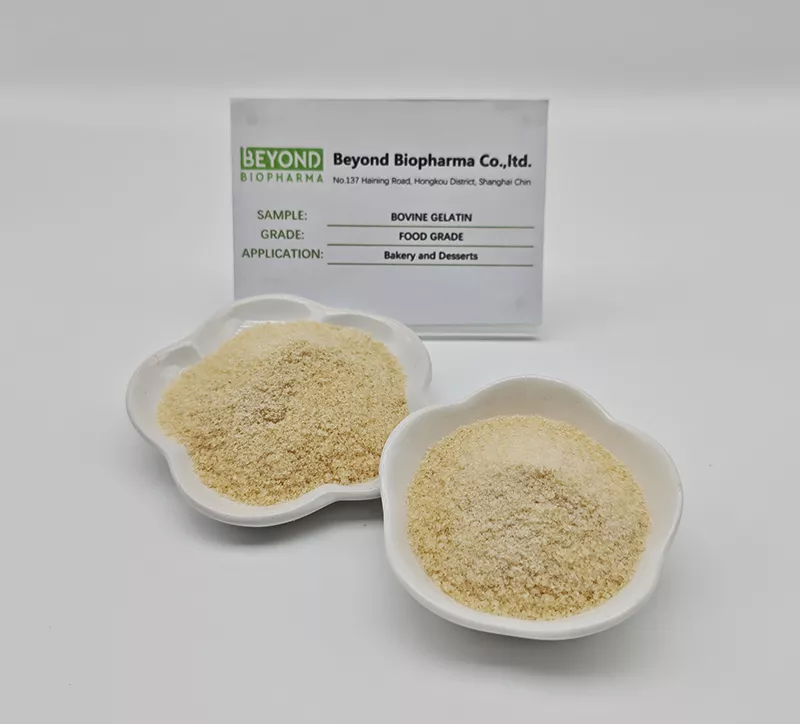
20 years experiences, 5000 ton/year capacity, Sustained supply with stable quality
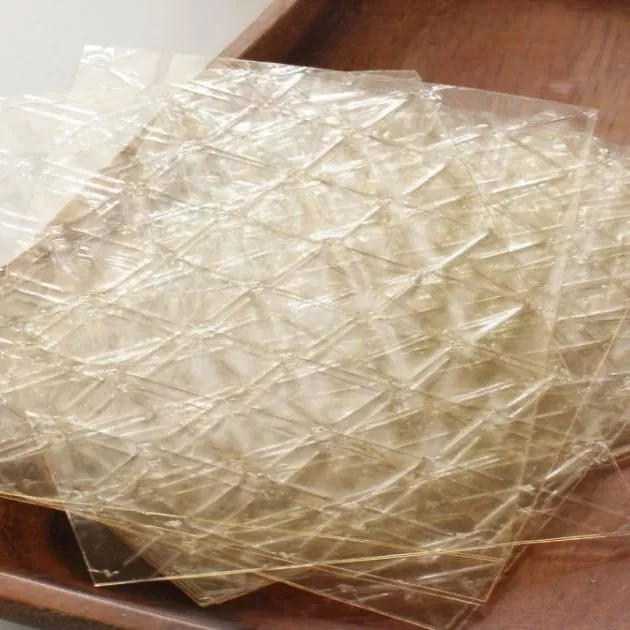
Our Gelatin Sheets are produced to precise standards, ensuring consistency and reliability across different Bloom grades (Silver being the most common professional choice).
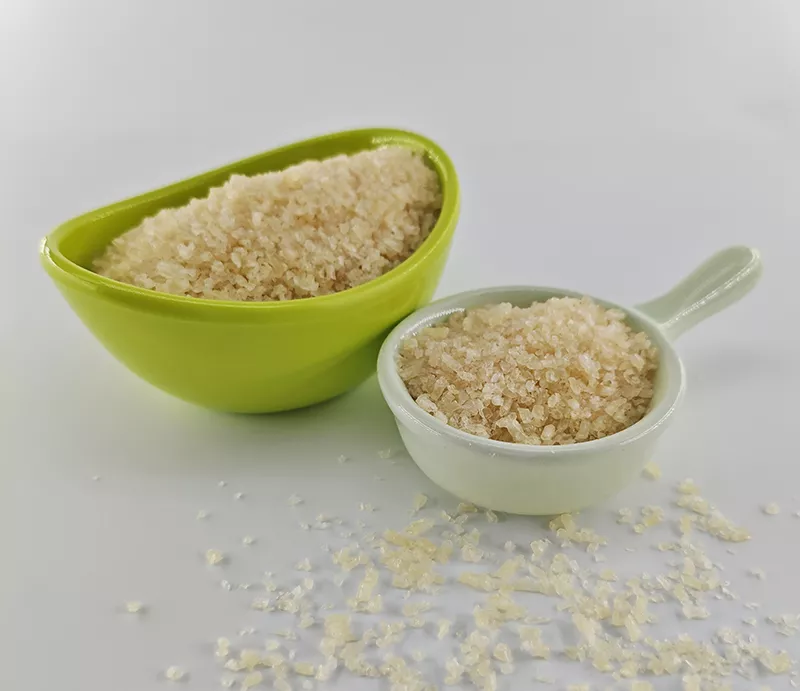
Stability, Swallowing Enhancement, and Controlled Release
Tel:+86 21 65010906
Cell/Whatsapp/Wechat:
+86 13482884055
+86 18657345785
Email: sales@beyondbiopharma.com