English EN


Fish Gelatin vs Bovine and Pork Gelatin What Sets Them Apart
Fish gelatin differs from bovine and pork gelatin in melting point, texture, and dietary suitability, making it ideal for soft desserts and special diets.
More
Bovine gelatin is derived from the collagen found in the bones, hides, and connective tissues of cattle. The transformation from raw collagen into a fine, versatile powder involves a meticulous multi-stage process that preserves its functional properties.
Fresh bovine hides and bones are thoroughly cleaned, degreased, and cut into small pieces. This initial preparation removes impurities and prepares the collagen-rich tissue for extraction.
Depending on the desired gelatin type, the raw material undergoes either an acid (Type A) or alkaline (Type B) pre-treatment. This step breaks down cross-links in collagen, making it soluble in hot water.
The pre-treated material is heated in purified water at controlled temperatures (typically 50-100°C). This process hydrolyzes collagen into gelatin, which dissolves into the water. Multiple extraction cycles yield different quality grades.
The liquid gelatin solution is filtered through fine mesh screens and activated carbon to remove residual fats, minerals, and odors. Ion exchange resins may be used to achieve consistent ash content and clarity.
Water is removed via vacuum evaporation to concentrate the gelatin solution to 20-40% solids. The concentrate is then cooled and extruded as noodles or sheets, which set into a firm gel.
The gelled gelatin is dried in a controlled hot air tunnel to reduce moisture content to below 12%. The dried sheets are then milled into a fine powder with particle sizes ranging from 20 to 100 mesh, depending on application.
Every batch is tested for bloom strength, viscosity, pH, microbial purity, and heavy metals. The final powder is packaged in moisture-proof containers to maintain its shelf life and functional performance.
Explore related applications and high-quality bovine gelatin products:
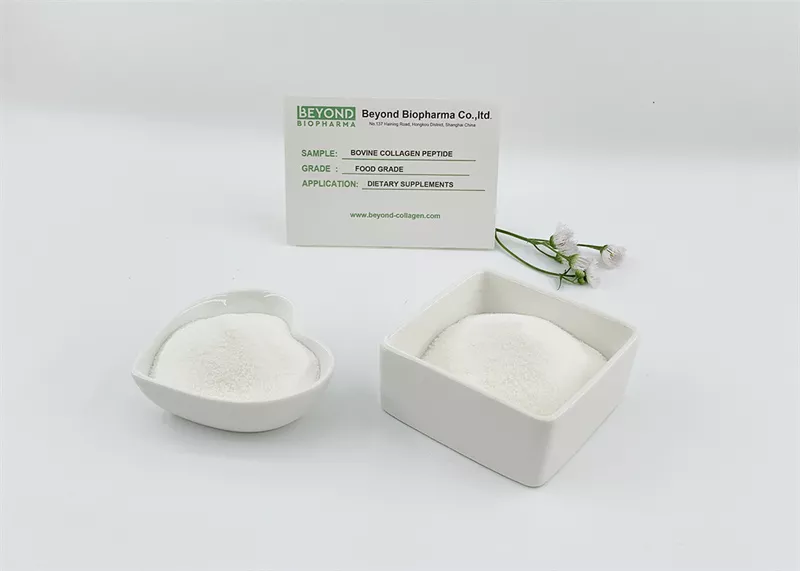
Bovine gelatin provides reversible gelation, forming thermoreversible gels that melt at body temperature and set upon cooling. This property is essential for confectionery, desserts, and dairy products requiring stable textures.
Its surface-active properties allow bovine gelatin to stabilize oil-in-water emulsions, improving shelf life and mouthfeel in sauces, dressings, and processed meats.
Bovine gelatin forms clear, flexible films that act as oxygen and moisture barriers. This is widely used for coating nuts, encapsulating flavors, and protecting sensitive ingredients.
With high water-binding capacity, bovine gelatin improves yield and texture in meat products, baked goods, and low-fat formulations by reducing syneresis and enhancing juiciness.
As a fining agent, bovine gelatin clarifies beverages like juice, beer, and wine by precipitating suspended particles, resulting in brilliant clarity without affecting flavor.
Bovine gelatin, derived from the collagen of cows, is a versatile protein that offers a range of health benefits. Rich in amino acids like glycine and proline, it supports the body's connective tissues, promotes youthful skin, and aids digestive wellness. Below is a summary of its primary health advantages.
| Health Area | Key Benefit | Mechanism |
|---|---|---|
| Joint Support | Reduces joint pain and stiffness | Provides collagen precursors that help rebuild cartilage |
| Skin Elasticity | Improves skin hydration and firmness | Stimulates collagen synthesis and fights oxidative stress |
| Gut Health | Supports digestive lining and reduces inflammation | Glycine content helps repair intestinal barrier function |
Data compiled from nutritional studies on bovine gelatin supplementation.
Regular consumption of bovine gelatin can be a natural way to maintain joint mobility, enhance skin appearance, and promote a healthy gut. For high-quality bovine gelatin and related products, explore options such as bovine collagen peptide for energy bars or pharmaceutical-grade gelatin for tablet coating.
For specialized applications, you may also consider ultra-high viscosity gelatin for softgels or high bloom gelatin for hard capsules. These products ensure consistent quality for both health and industrial use.
Incorporating bovine gelatin into your daily regimen, whether through food, supplements, or topical products, can contribute to long-term wellness. Always choose verified sources like halal and kosher verified gelatin to meet dietary preferences.
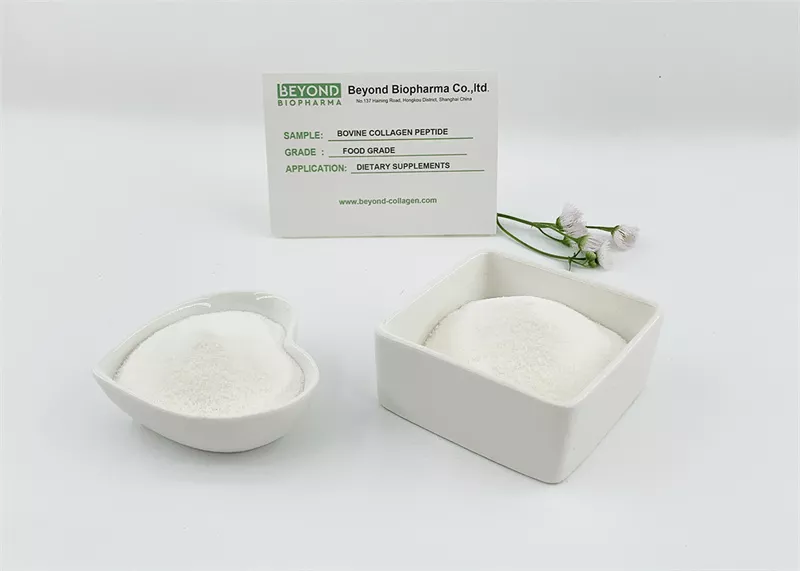
Bovine gelatin is rich in collagen, a key structural protein that helps maintain skin elasticity and hydration. When used in topical creams, serums, or masks, it supports the skin's natural barrier, reduces fine lines, and promotes a plump, youthful complexion. Its film-forming properties also provide a protective layer against environmental stressors.
In hair care, bovine gelatin acts as a strengthening agent. The amino acids in gelatin, particularly glycine and proline, help reinforce hair shafts, reduce breakage, and improve overall texture. It is commonly found in shampoos, conditioners, and hair masks to add volume, shine, and resilience to damaged or brittle hair.
For nails, bovine gelatin provides essential nutrients that promote keratin production. Regular use in nail hardeners or strengthening treatments can reduce splitting, peeling, and brittleness. It helps nails grow longer and stronger, making it a popular ingredient in professional and at-home nail care products.
Whether in a luxurious face cream, a restorative hair mask, or a daily nail strengthener, bovine gelatin offers a natural, protein-rich solution for enhancing beauty routines. Its versatility and efficacy make it a staple in modern cosmetic formulations.
Derived from cattle hides and bones, bovine gelatin is the most widely used gelatin in food, pharmaceuticals, and cosmetics. It offers high gel strength, clarity, and a neutral flavor profile, making it ideal for gummies, marshmallows, and capsule shells. It is also a rich source of collagen peptides, supporting joint and skin health. Learn more about its applications in energy bar products and micro-encapsulation.
Pork gelatin, sourced from pig skin, is another common type with similar gelling properties to bovine gelatin. It is often used in confectionery, desserts, and some pharmaceutical capsules. However, it is not suitable for halal or kosher diets, which limits its market reach. For a halal-certified alternative, consider fish gelatin for clean label foods.
Fish gelatin is extracted from fish skins and scales. It has a lower melting point than mammalian gelatins, which makes it suitable for products requiring a softer gel or faster dissolution. It is also acceptable for halal and kosher diets, and is often used in clean-label and allergen-free products. Explore its use in clean label foods.
Plant-based gelling agents such as agar-agar, pectin, and carrageenan are derived from seaweed or fruits. They are suitable for vegan and vegetarian diets and can mimic the texture of gelatin in some applications. However, they often require different processing conditions and may not replicate the exact mouthfeel or functionality of animal-based gelatins. For vegan-friendly supplements, see vegan glucosamine hydrochloride.
Bovine gelatin typically offers the highest gel strength and thermal stability, making it preferred for hard capsules and high-bloom applications. Pork gelatin is slightly less stable but widely available. Fish gelatin provides a milder taste and lower melting point, ideal for dairy and fruit preparations. Plant-based alternatives lack collagen content but are suitable for specific dietary restrictions. For specialized gelatin grades, check pharmaceutical gelatin for tablet coating and ultra-high viscosity gelatin for softgels.
In health products, bovine gelatin is used for joint support supplements like bovine chondroitin sulfate sodium and food grade hyaluronic acid powder. In beauty, it is a key ingredient in anti-aging formulations. Fish gelatin is often used in marine collagen supplements, while plant-based alternatives appear in vegan beauty products. For consistent results, standardized forms like gelatin sheets for consistent gels are recommended.
The choice depends on dietary needs, desired texture, and application. Bovine gelatin remains the most versatile and cost-effective for industrial use. For specialty capsules, see high bloom gelatin for hard capsules. For vegan or religious dietary requirements, fish or plant-based alternatives are better suited.
Bovine gelatin is derived from the collagen found in cattle hides, bones, and connective tissues through a multi-step process involving acid or alkaline hydrolysis, extraction, filtration, concentration, drying, and grinding into a fine powder. This carefully controlled transformation preserves the unique amino acid profile, ensuring high gel strength and clarity for diverse applications.
In food manufacturing, bovine gelatin provides exceptional gelling, thickening, stabilizing, and emulsifying properties. It improves texture, mouthfeel, and water retention in products such as confectionery, dairy desserts, meat products, and baked goods. Its reversible gelation allows for consistent quality and melt-in-the-mouth experiences.
Rich in glycine, proline, and hydroxyproline, bovine gelatin supports joint health by maintaining cartilage integrity, enhances skin elasticity through collagen synthesis, and promotes gut health by strengthening the intestinal lining. Regular intake may reduce joint discomfort, improve skin hydration, and aid digestive function.
In cosmetics, bovine gelatin is valued for its film-forming, moisturizing, and strengthening properties. It is used in anti-aging creams, sheet masks, hair conditioners, and nail hardeners to improve elasticity, reduce breakage, and provide a smooth, youthful appearance. Its biocompatibility makes it suitable for sensitive skin.
Compared to pork, fish, and plant-based alternatives, bovine gelatin offers a higher gel strength and melting point, making it ideal for firm gels and heat-stable applications. Fish gelatin has a lower melting point, while plant-based substitutes often lack the same texture and functionality. Bovine gelatin remains a versatile choice for both food and non-food industries.
Overall, bovine gelatin stands as a multifunctional ingredient with proven benefits in food manufacturing, health supplementation, and beauty care. Its unique properties, from high gel strength to collagen-boosting amino acids, continue to make it a preferred choice across industries, while ongoing innovation seeks to enhance sustainability and broaden its applications.


We provide you with comprehensive foreign trade solutions to help enterprises achieve global development
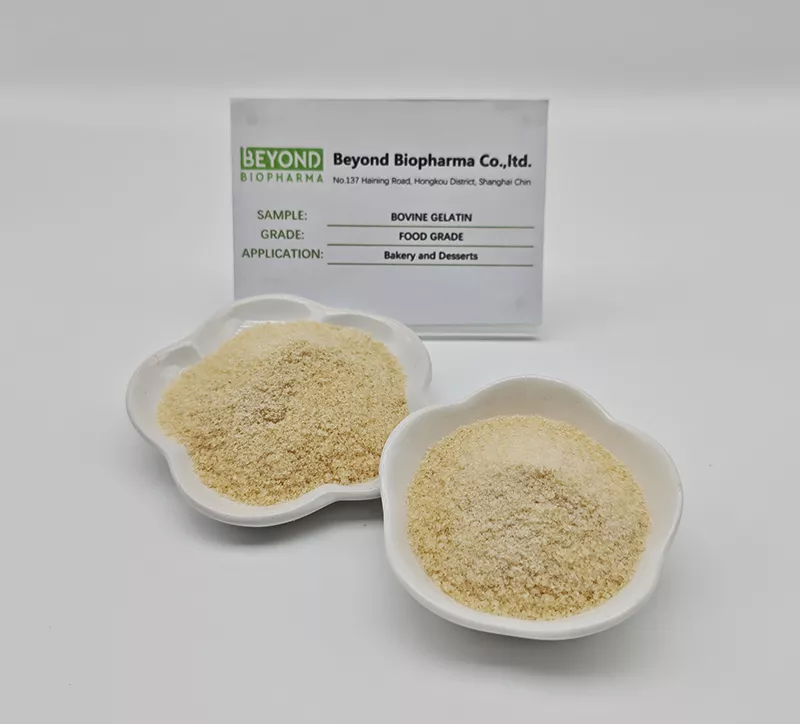
20 years experiences, 5000 ton/year capacity, Sustained supply with stable quality
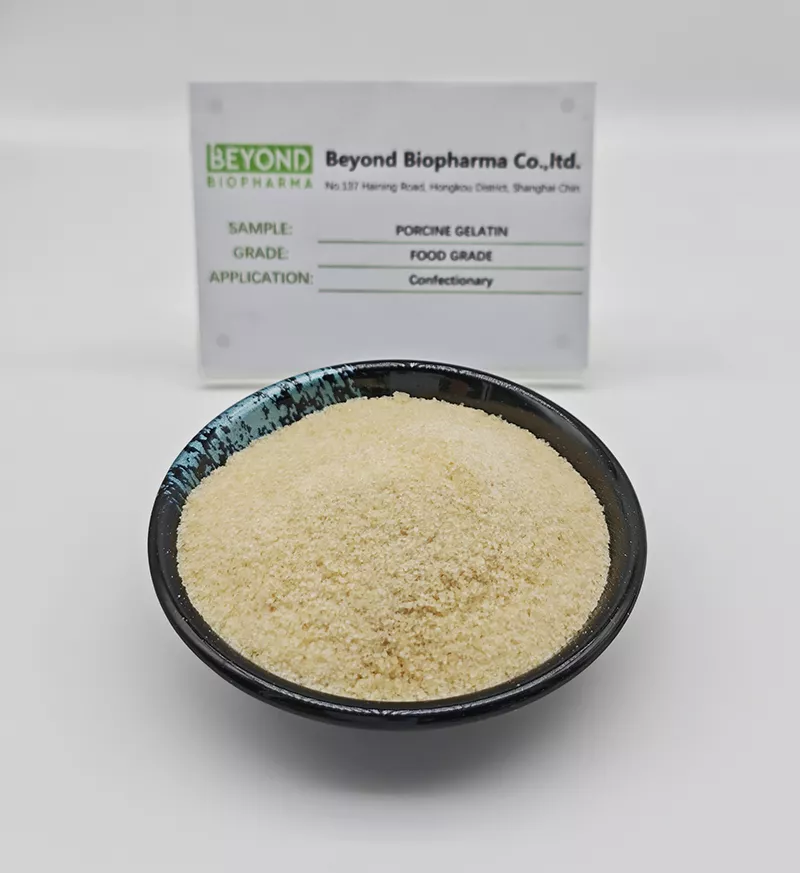
Food-grade porcine gelatin is a highly versatile and cost-effective natural protein derived from the collagen found in pig skin and bones. It is a premier gelling agent known for its exceptional clarity, neutral taste, and thermal reversibility.
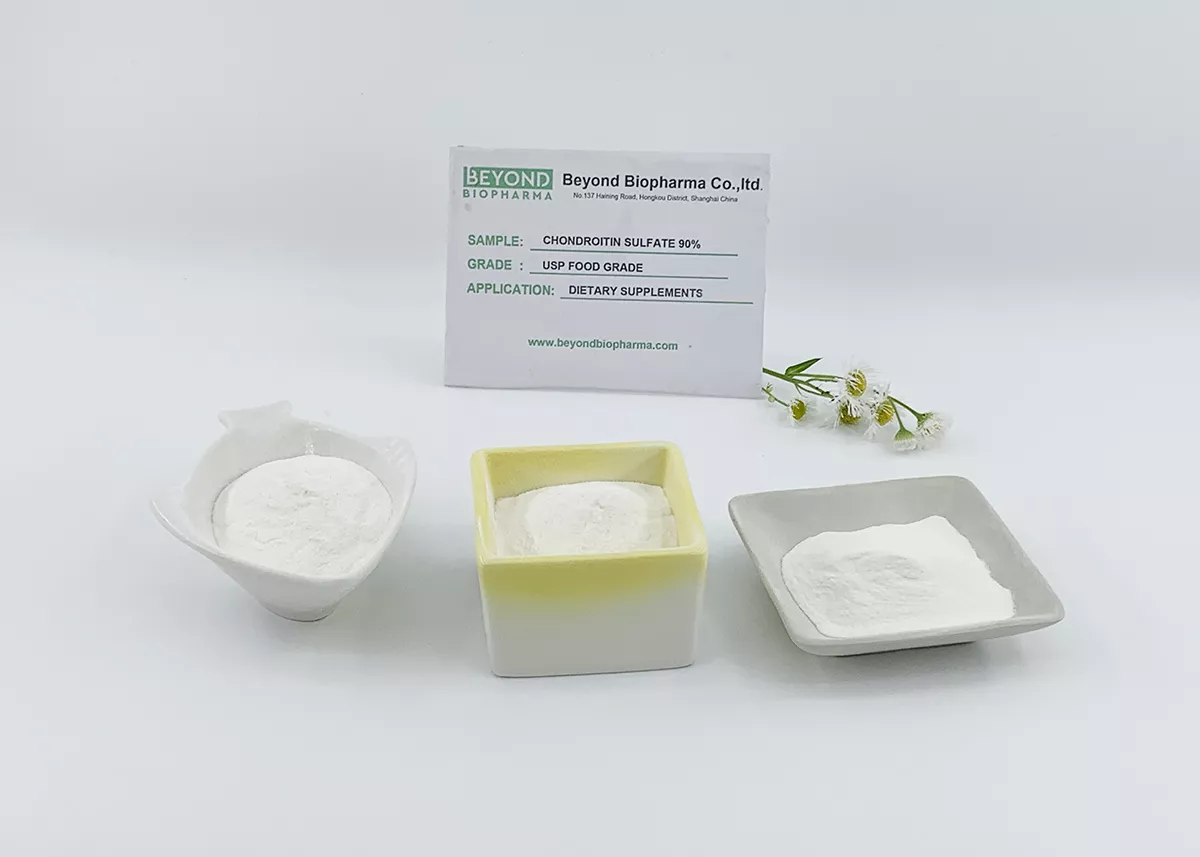
High Purity and Efficacy for Joint Health Formulations
Fish Gelatin for foods is increasingly recognized as the premium alternative to traditional mammalian sources, meeting the growing global demand for clean-label ingredients that align with diverse dietary and religious requirements. Derived from the skin and scales of fish like cod and tilapia, fish gelatin offers unique functional benefits that make it an exceptional gelling, stabilizing, and texturizing agent.
Tel:+86 21 65010906
Cell/Whatsapp/Wechat:
+86 13482884055
+86 18657345785
Email: sales@beyondbiopharma.com