English EN


Fish Gelatin vs Bovine and Pork Gelatin What Sets Them Apart
Fish gelatin differs from bovine and pork gelatin in melting point, texture, and dietary suitability, making it ideal for soft desserts and special diets.
More
Bovine gelatin is derived from the collagen of cows and is widely used in food, pharmaceuticals, and cosmetics. For Muslims, verifying its Halal status requires understanding the source, slaughter method, and processing. This guide breaks down the key criteria to ensure compliance with Islamic dietary laws.
The animal must be a permissible species (cow) and slaughtered according to Islamic rites (Zabihah). The cow should be healthy at the time of slaughter, and the name of Allah must be invoked. Non-Halal sources, such as cows not slaughtered Islamically or those that died naturally, are prohibited.
Even if the source is Halal, the processing equipment must be free from contamination with non-Halal substances (e.g., pork or alcohol). The gelatin should not be mixed with Haram ingredients during extraction, purification, or drying. Certified Halal facilities ensure segregation.
Look for a recognized Halal certification logo on the product packaging. Reputable certifying bodies audit the entire supply chain. You can also contact the manufacturer for documentation. For additional resources, explore bovine collagen peptide products or Halal-verified fish gelatin.
When sourcing bovine gelatin, inquire about the animal's origin, slaughter method, and whether the gelatin is produced in a dedicated Halal line. Request certificates from an accredited Islamic body. Check if the gelatin is used in items like bovine chondroitin sulfate or hydrolyzed collagen type II.
Bovine gelatin is found in gummies, capsules, and desserts. If Halal bovine gelatin is unavailable, consider alternatives like porcine gelatin (if Halal-certified) or pharmaceutical gelatin from verified sources. Always verify the Halal status of each ingredient.
Islamic dietary rulings may vary slightly among scholars. Consult a trusted local authority for specific guidance. For further reading, see gelatin for micro-encapsulation or undenatured collagen type II for joint support.
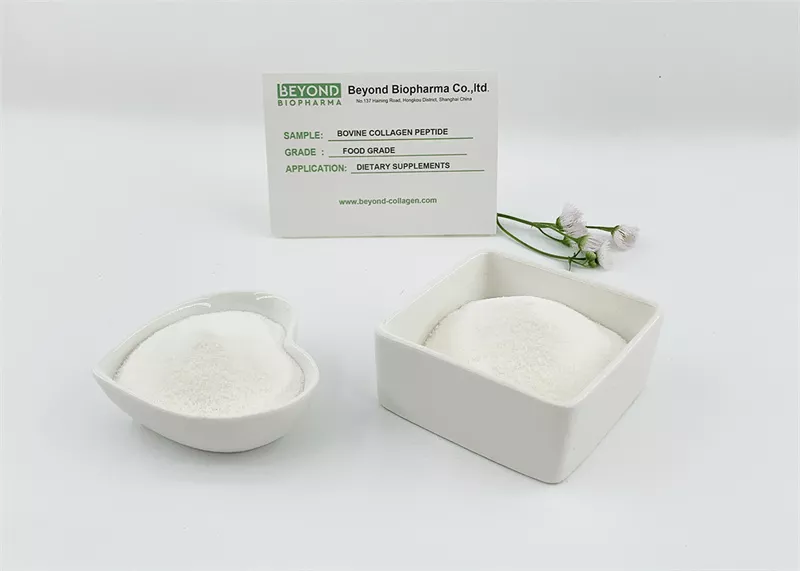
Bovine gelatin derived from halal-certified sources is processed from cattle slaughtered according to Islamic dietary laws, ensuring the animal was healthy, blessed, and blood fully drained. Non-halal alternatives may come from non-slaughtered cattle or mixed sources, often lacking proper certification.
Halal bovine gelatin requires the animal to be slaughtered by a Muslim invoking Allah’s name, with a swift cut to the throat. Non-halal gelatin may use mechanical stunning or non-religious methods, which can affect permissibility for Muslim consumers.
Halal-certified facilities maintain strict segregation from haram substances like pork or alcohol. Non-halal alternatives may share equipment with non-halal products, increasing the risk of cross-contamination. Always look for a recognized halal logo on packaging.
Halal bovine gelatin carries certification from bodies like IFANCA or JAKIM, with full traceability from farm to final product. Non-halal gelatin may lack documentation, making it difficult to verify the source or slaughter method. Consumers should check for certification numbers.
In gummies, capsules, and protein powders, halal bovine gelatin ensures compliance with Islamic dietary rules. Non-halal alternatives may be used in the same products but without assurance, potentially containing gelatin from non-halal bovine or porcine sources. Always verify through supplier documentation.
For further details, visit: Beyond Biopharma - Bovine Collagen Peptide
Bovine gelatin is derived from cattle bones, skin, and connective tissues. To confirm its permissibility in a halal diet, follow this verification process focusing on certifications and product labels.
Look for a halal certification symbol from a trusted Islamic authority on the product packaging. Common certifying bodies include the Islamic Food and Nutrition Council of America (IFANCA) and the Halal Food Authority (HFA). The logo must be clearly printed and not expired.
Each halal certification has a unique number. Visit the certifying body's website or contact them directly to confirm the certificate is valid and matches the product brand. This ensures the gelatin source and processing meet halal standards.
Review the ingredients for terms like "bovine gelatin," "gelatin," or "collagen hydrolysate." If the source is not specified, contact the manufacturer. Halal bovine gelatin must come from cattle slaughtered according to Islamic rites.
Some products include statements like "100% Halal" or "Halal Certified" near the nutrition facts. Cross-reference these claims with the certification logo and number to avoid misleading labels.
If the packaging is unclear, request a halal certificate directly from the supplier or manufacturer. Reputable companies like Beyond Biopharma provide detailed product information. For example, their bovine collagen peptide and halal-verified fish gelatin offer clear sourcing details.
Use a reference table to cross-check common gelatin products and their halal status. Below is a simple guide for bovine and related gelatins.
| Product Type | Source | Halal Certification | Verification Status |
|---|---|---|---|
| Bovine Collagen Peptide | Bovine | Yes | Certified Halal |
| Fish Gelatin | Fish | Yes | Halal & Kosher |
| Bovine Chondroitin Sulfate | Bovine | Pending | Verify Source |
| Hydrolyzed Collagen Type II | Bovine | Yes | Certified Halal |
| Porcine Gelatin | Porcine | No | Not Halal |
Note: The table above provides examples only. Always check the specific product batch for current certification. For more details, refer to product pages like bovine chondroitin sulfate or hydrolyzed collagen type II.
Use official halal databases or the certifier's online verification tool. Input the certification number to confirm its validity. Additionally, review manufacturer websites such as food-grade porcine gelatin and pharmaceutical gelatin for transparency.
Even if bovine gelatin is halal, check if the product is processed in a facility that also handles non-halal ingredients. Look for "Halal certified facility" or "segregated production lines" on the label. Examples like gelatin for micro-encapsulation often include such details.
Some manufacturers undergo third-party halal audits. Check for logos from organizations like the Halal Certification Agency (HCA). Products such as undenatured collagen type II may provide audit reports on request.
Halal certification can expire or change. Regularly check the product label for updated certification dates. For high-bloom gelatins used in capsules, refer to high bloom gelatin for hard capsules for specific halal status inquiries.
Understanding the halal status of bovine gelatin requires clarity, as misinformation often leads to unnecessary dietary restrictions.
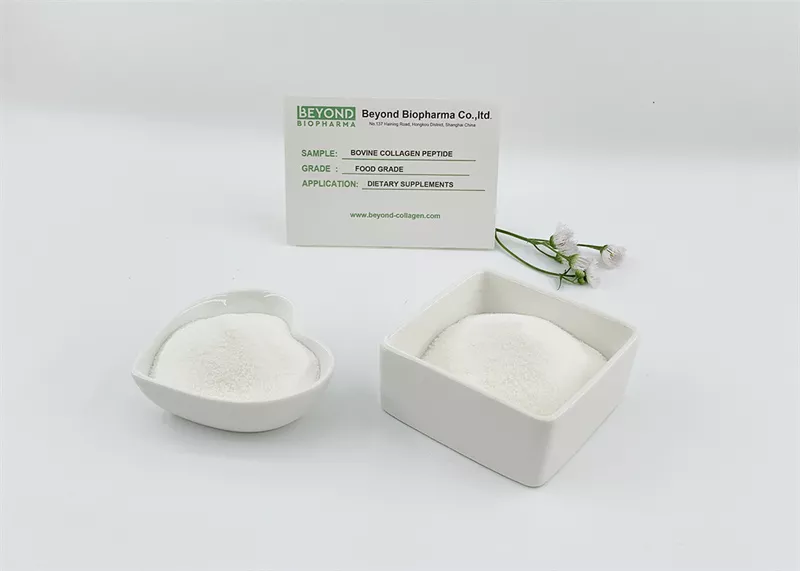
Many assume that any gelatin from cows is automatically forbidden. However, if the cow is slaughtered according to Islamic rites (Zabihah), the gelatin derived from its bones and skin is halal. The key is the sourcing and processing method.
How to address: Look for halal certification from a recognized authority. Products with a verified halal logo ensure the gelatin comes from a permissible source. For more details, check certified bovine collagen sources.
Another common myth is that all gelatin is porcine. In reality, bovine gelatin is widely used in food, pharmaceuticals, and cosmetics. Porcine gelatin is only one type, and many manufacturers clearly label the animal source.
How to address: Read ingredient labels carefully. If the source is not specified, contact the manufacturer. Halal-certified bovine gelatin is commonly available, such as halal and kosher verified gelatin options.
Some believe that the chemical extraction process renders gelatin non-halal. However, Islamic scholars generally agree that if the raw material is halal, the transformation into gelatin does not change its permissibility, as long as no haram additives are used.
How to address: Verify that the production facility follows halal standards. Many suppliers provide documentation, like bovine chondroitin sulfate with halal certification.
Skepticism about certification bodies leads some to doubt any halal claim. While standards vary, reputable certifiers follow strict guidelines and are recognized globally.
How to address: Research the certifying agency. Look for well-known organizations like IFANCA or JAKIM. Products with clear certification, such as hydrolyzed collagen type II powder, often list their halal credentials.
Some avoid bovine gelatin due to health concerns, but it is a clean source of protein and collagen. It supports joint health, skin elasticity, and digestion when consumed in moderation.
How to address: Choose high-quality, halal-certified bovine gelatin from trusted suppliers. For health benefits, explore options like food-grade gelatin for gummies and jellies that meet halal standards.
Understanding the Islamic dietary criteria for bovine gelatin is essential for maintaining a halal lifestyle. The key lies in verifying the source—ensuring it comes from cattle slaughtered according to Islamic rites—and confirming that no cross-contamination occurs during processing. Halal-certified bovine gelatin, recognized by trusted certification bodies, offers a clear distinction from non-halal alternatives often derived from pork or improperly slaughtered animals.
The primary difference lies in the slaughtering method and processing chain. Halal-certified bovine gelatin is sourced exclusively from cattle that have been hand-slaughtered by a Muslim, with the name of Allah invoked. Non-halal alternatives may come from cattle that were stunned before slaughter or from mixed sources, including pork. Processing facilities for halal gelatin are also strictly segregated to avoid contamination with haram substances.
To verify the halal status of bovine gelatin in your food and supplements, follow these steps:
A prevalent misconception is that all gelatin derived from cattle is automatically halal. In reality, the animal must be slaughtered according to Islamic law. Another myth is that halal gelatin is less functional in food products—modern processing ensures it performs identically to conventional gelatin. Educating yourself on these nuances helps avoid unintentional consumption of non-halal ingredients.
Incorporating halal bovine gelatin into your nutrition is straightforward. Look for it in certified halal gummy supplements, desserts, and broths. When cooking at home, purchase powdered halal bovine gelatin from reputable brands. Always store it in a cool, dry place and follow package instructions for best results. By prioritizing certified products, you can enjoy the health benefits of gelatin—such as joint support and improved skin health—without compromising your dietary principles.
In conclusion, verifying the halal status of bovine gelatin requires attention to certification, sourcing, and processing. By following the steps outlined above and staying informed about common misconceptions, you can confidently include halal bovine gelatin in your diet. Always rely on trusted halal certification marks and direct communication with manufacturers to ensure full compliance with Islamic dietary laws.


We provide you with comprehensive foreign trade solutions to help enterprises achieve global development
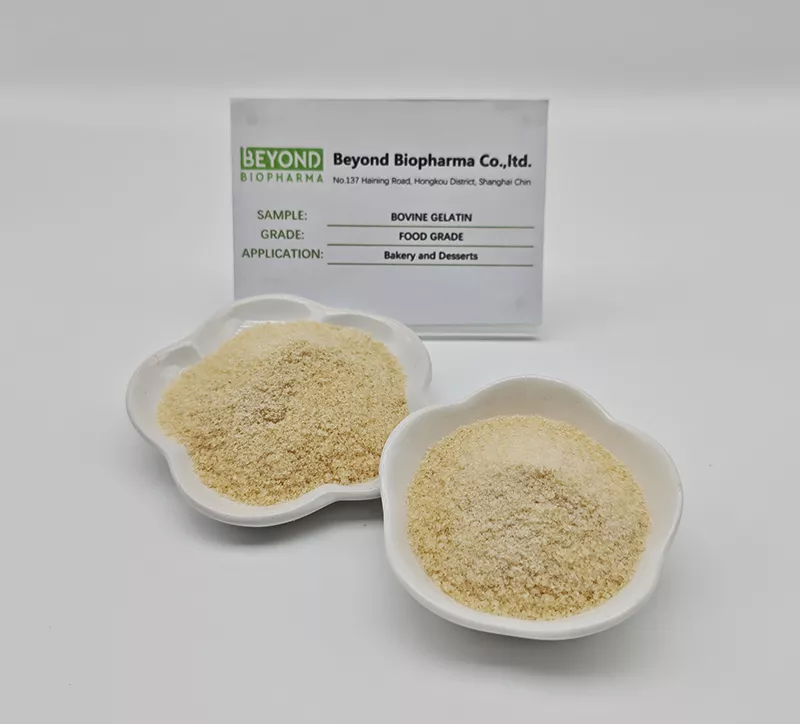
20 years experiences, 5000 ton/year capacity, Sustained supply with stable quality
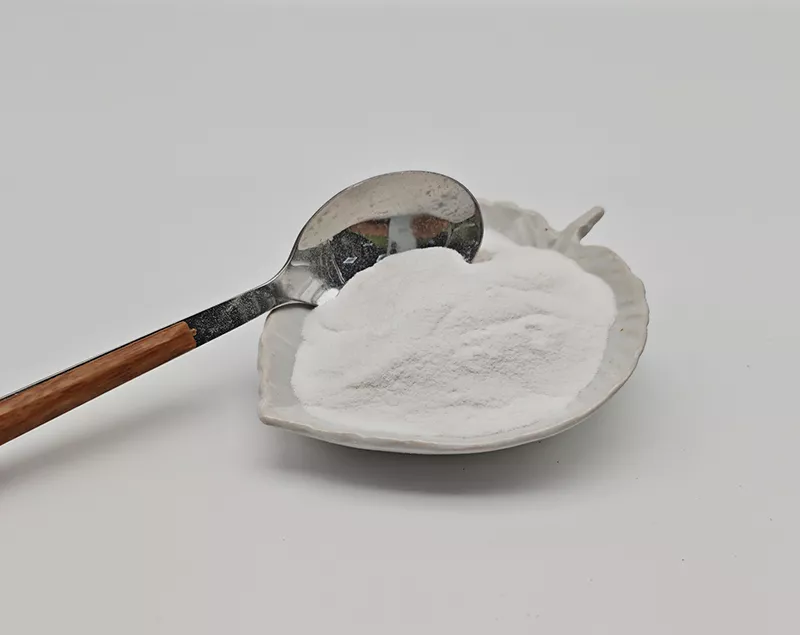
Fish Gelatin for foods is increasingly recognized as the premium alternative to traditional mammalian sources, meeting the growing global demand for clean-label ingredients that align with diverse dietary and religious requirements. Derived from the skin and scales of fish like cod and tilapia, fish gelatin offers unique functional benefits that make it an exceptional gelling, stabilizing, and texturizing agent.
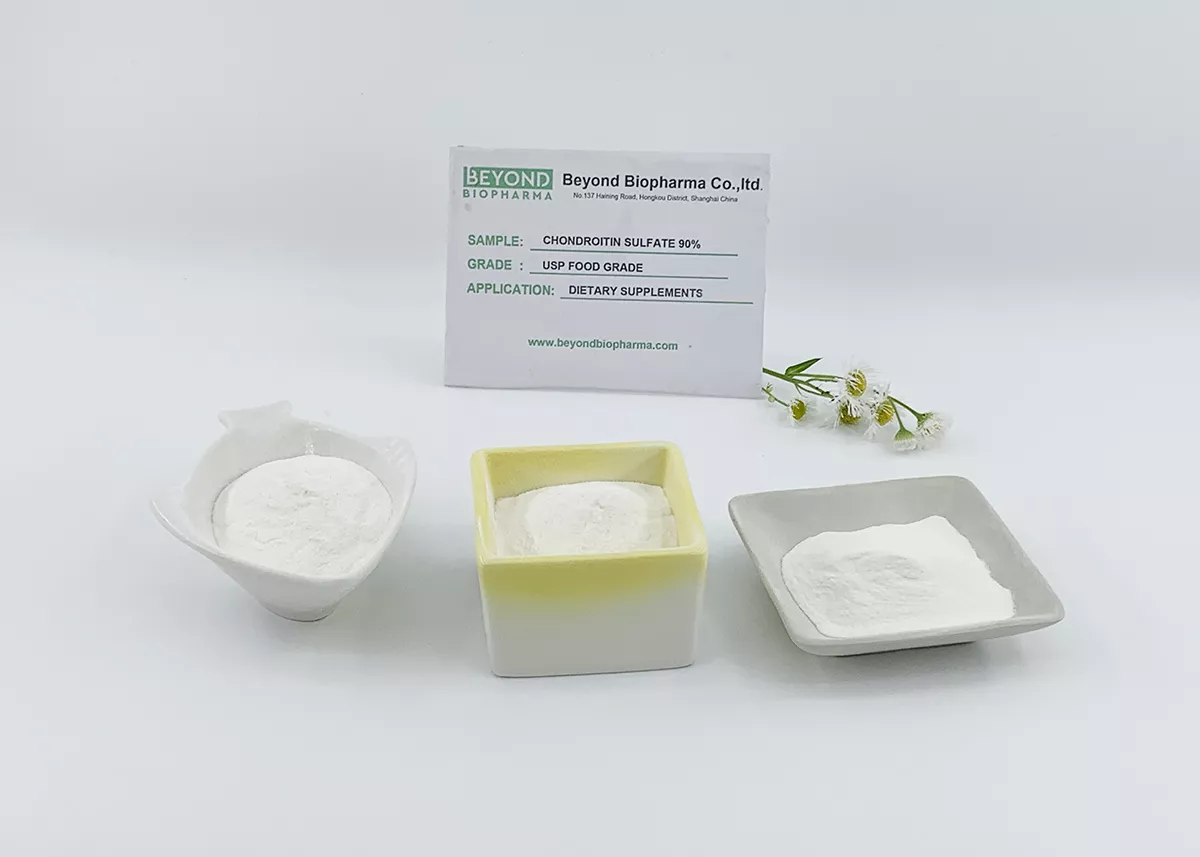
High Purity and Efficacy for Joint Health Formulations
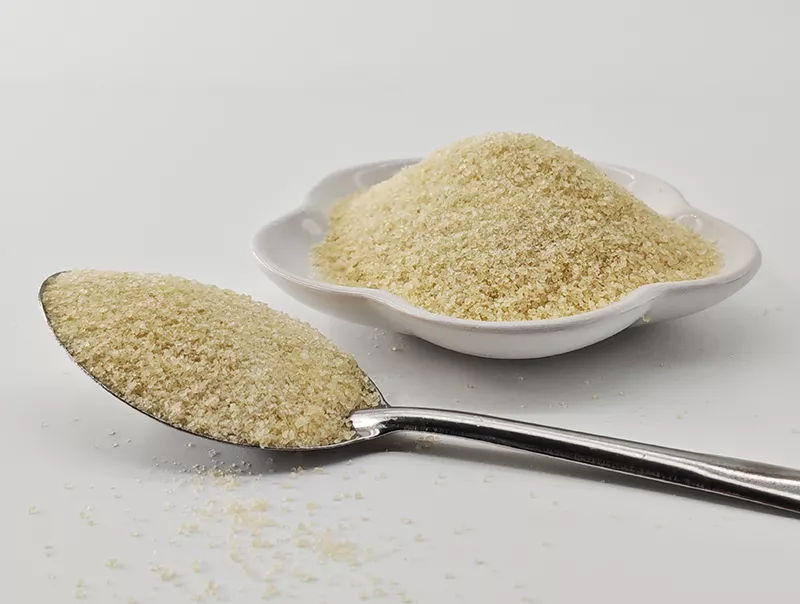
The High-Performance Barrier for Core Material Protection and Controlled Release.
Tel:+86 21 65010906
Cell/Whatsapp/Wechat:
+86 13482884055
+86 18657345785
Email: sales@beyondbiopharma.com