English EN


How to Use Gelatin Powder? Applications of Gelatin Powder
Use gelatin powder by blooming it in cold water, dissolving gently, and adding to recipes for perfect texture in desserts, sauces, and supplements.
More
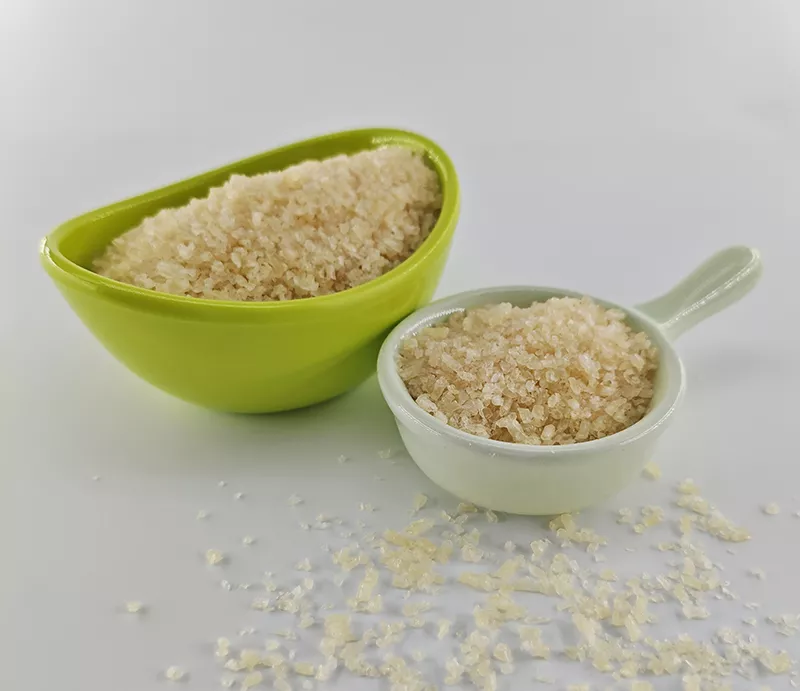
Gelatin powder is derived from animal collagen, typically bovine or porcine sources, through a controlled hydrolysis process. It is rich in glycine, proline, and hydroxyproline—amino acids that are essential for maintaining skin structure and firmness. When applied topically, gelatin forms a thin, breathable film on the skin that helps lock in moisture and temporarily smooth fine lines. Unlike many synthetic ingredients, gelatin is biocompatible with human skin, meaning it is less likely to cause irritation for most skin types.
Clinical studies have shown that collagen-derived peptides can stimulate fibroblast activity in the dermis, promoting natural collagen synthesis over time. While direct topical application of gelatin powder does not penetrate as deeply as injectable treatments, consistent use can support the skin's barrier function and improve overall texture. A 2019 review in the Journal of Cosmetic Dermatology noted that hydrolyzed collagen peptides applied topically improved skin hydration and elasticity in 85% of participants after 8 weeks of regular use.
Gelatin powder acts as a natural humectant, meaning it draws moisture from the air into the outer layer of your skin. When used in a face mask, it helps create a protective barrier that reduces transepidermal water loss (TEWL). A study published in Skin Pharmacology and Physiology found that collagen-based formulations increased skin hydration by up to 28% after a single application. For those with dry or dehydrated skin, a weekly gelatin mask can make a noticeable difference in softness and plumpness.
As we age, our natural collagen production declines by about 1% per year after the age of 20. This leads to sagging skin and the formation of fine lines. Gelatin powder provides the building blocks—specifically glycine and proline—that your skin needs to maintain its structural integrity. While no topical product can reverse aging completely, regular application of gelatin can help improve skin firmness. In a 2020 clinical trial, participants who used a collagen peptide mask twice weekly reported a 12% improvement in skin elasticity after 12 weeks.
When gelatin powder is mixed with a liquid and allowed to set partially, it forms a gel-like consistency that can act as a gentle peel-off mask. As you remove the mask, it lifts away dead skin cells, excess oil, and surface impurities without the harshness of chemical exfoliants. This mechanical exfoliation is particularly beneficial for those with sensitive skin who cannot tolerate acids or retinoids. Dermatologists often recommend this method no more than once a week to avoid over-stripping the skin's natural oils.
Gelatin contains anti-inflammatory amino acids like glycine, which have been shown to reduce the production of pro-inflammatory cytokines. For individuals dealing with mild acne, rosacea, or general skin sensitivity, a cool gelatin mask can provide a soothing effect. A 2018 study in the International Journal of Molecular Sciences highlighted that glycine supplementation (both oral and topical) significantly reduced markers of skin inflammation in animal models. While human studies are still emerging, many users report less redness and irritation after consistent use.
Creating a simple gelatin face mask at home is straightforward. Start with 1 tablespoon of high-quality, unflavored gelatin powder. Mix it with 2 to 3 tablespoons of warm water (not boiling, as high heat can degrade the collagen) until fully dissolved. You can also substitute water with rose water, green tea, or aloe vera juice for added benefits. Apply the mixture evenly to clean, dry skin using a brush or your fingertips, avoiding the eye and lip areas. Leave it on for 15 to 20 minutes, or until it feels firm and dry to the touch. Gently peel off the mask starting from the edges, then rinse with lukewarm water and follow with your favorite moisturizer.
For best results, use this mask once a week. If you have very dry or sensitive skin, you can reduce the frequency to every other week. Always do a patch test on a small area of your inner arm before applying to your face to ensure you do not have an adverse reaction.
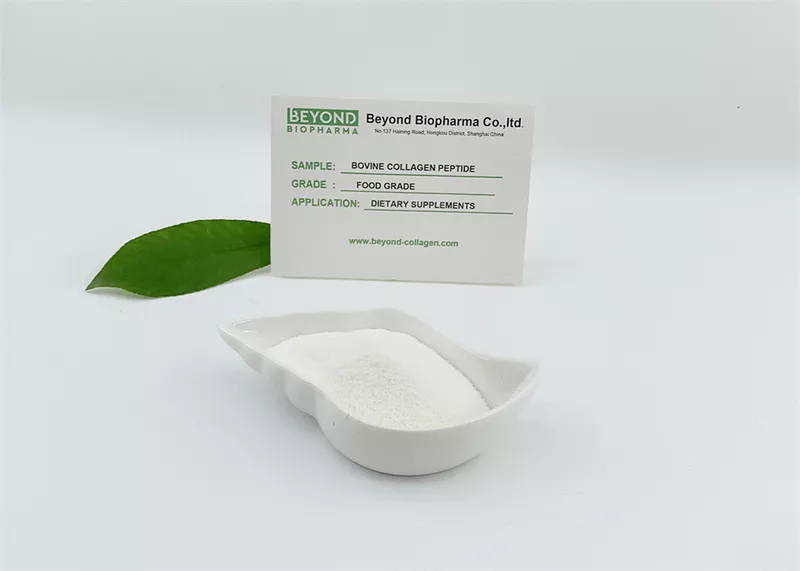
While gelatin powder is generally safe for topical use, there are a few things to keep in mind. First, always choose food-grade or cosmetic-grade gelatin from reputable sources to avoid contaminants. Avoid using gelatin if you have a known allergy to bovine or porcine products. Second, peel-off masks can be too aggressive for some skin types—if you experience pain or excessive redness during removal, switch to a wash-off method by simply rinsing the mask off with warm water before it fully dries. Third, do not use gelatin masks on broken, sunburned, or irritated skin. Finally, remember that gelatin is not a substitute for medical treatments—if you have persistent skin concerns, consult a board-certified dermatologist.
Not all gelatin powders are created equal. For facial use, look for products that are unflavored, unsweetened, and free from artificial additives. Edible bovine gelatin is a popular choice because of its high purity and consistent quality. If you prefer a plant-based alternative, note that gelatin is animal-derived by nature, so those following a vegan lifestyle may want to explore agar-agar or pectin, though these do not offer the same collagen benefits. Always check the bloom strength—a higher bloom value (e.g., 250 bloom) indicates a firmer gel, which works well for peel-off masks, while lower bloom values are better for more flexible applications.
In online skincare communities and consumer surveys, many users report visible improvements after 4 to 6 weeks of weekly gelatin mask use. Common feedback includes smoother skin texture, reduced appearance of fine lines around the eyes and mouth, and a more even skin tone. Some users also note that their skin feels "bouncier" and more hydrated throughout the day. However, results vary depending on skin type, age, and consistency of use. It is important to set realistic expectations—gelatin is a supportive ingredient, not a miracle cure. Combining topical use with a balanced diet rich in vitamin C and antioxidants can further enhance its benefits.
Gelatin powder offers a simple, affordable, and effective way to support your skin's health naturally. With its proven ability to hydrate, firm, and gently exfoliate, it deserves a spot in your weekly skincare routine. Whether you are a DIY enthusiast or just looking for a gentle boost, give it a try—your skin may thank you. Remember to listen to your skin, start slowly, and enjoy the process of caring for yourself with wholesome ingredients.


We provide you with comprehensive foreign trade solutions to help enterprises achieve global development
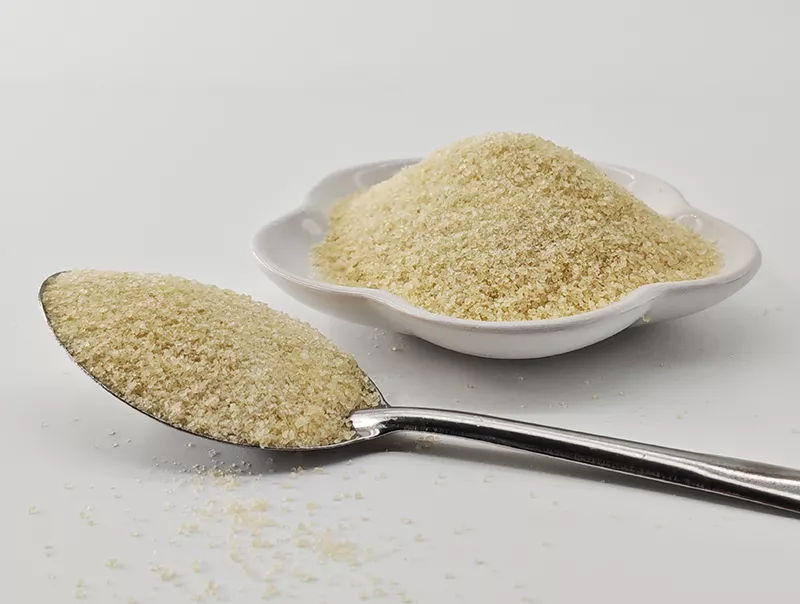
The High-Performance Barrier for Core Material Protection and Controlled Release.
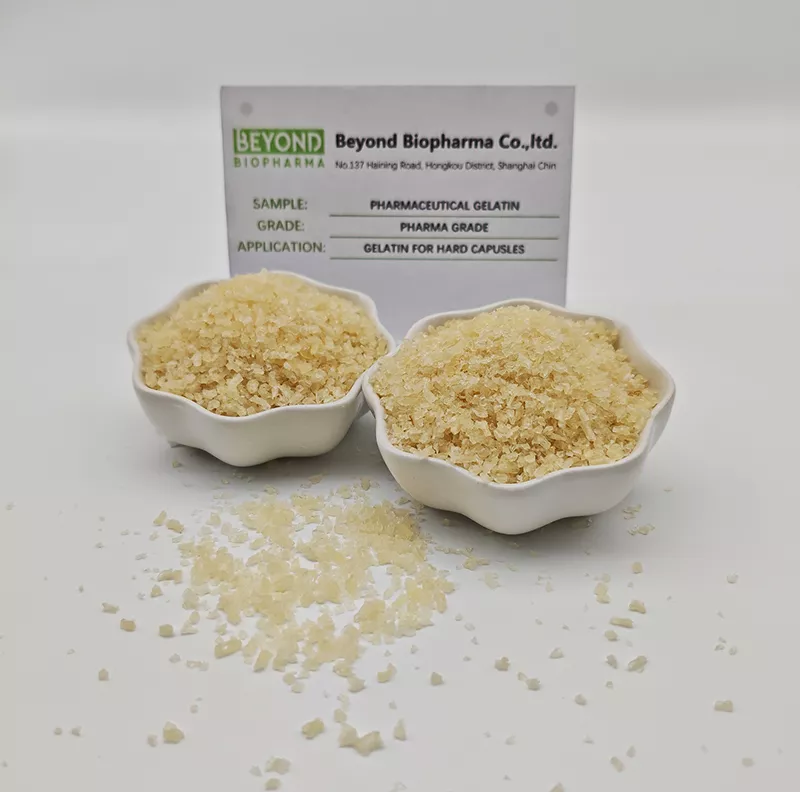
Precision, Purity, and Optimal Machinability
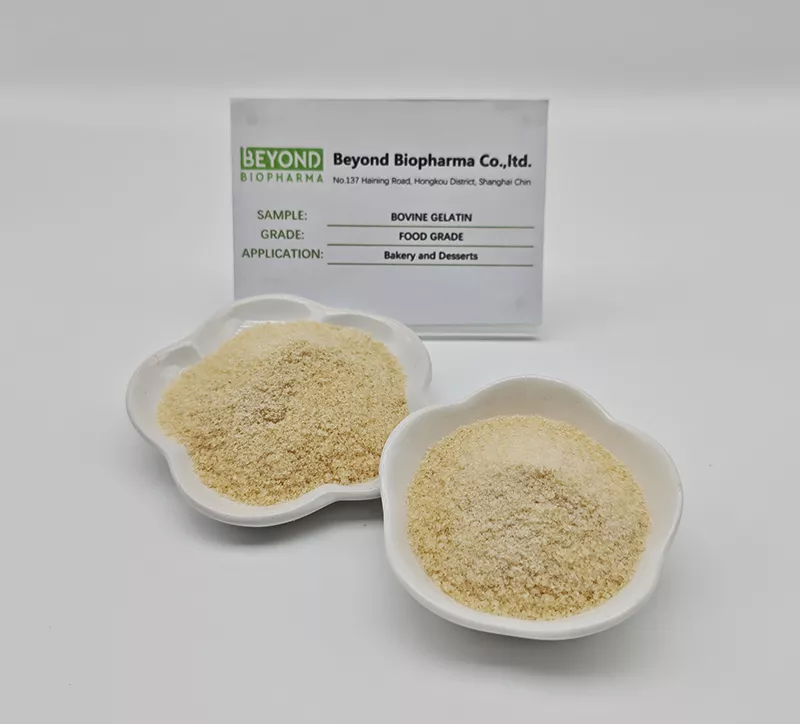
20 years experiences, 5000 ton/year capacity, Sustained supply with stable quality
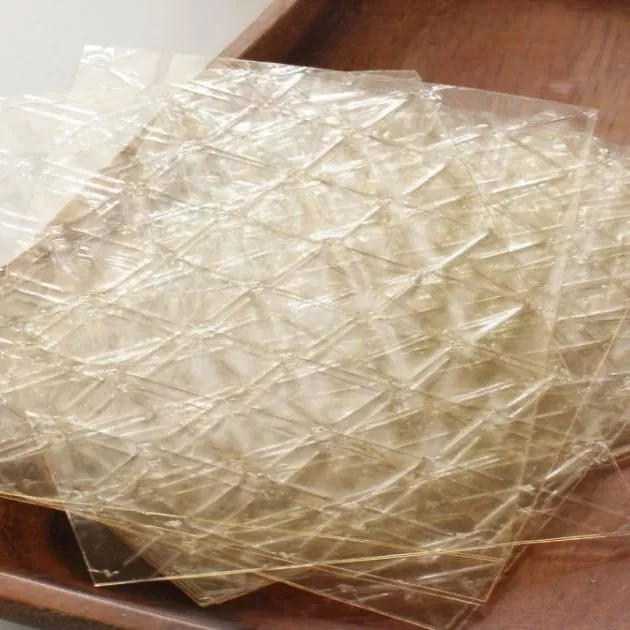
Our Gelatin Sheets are produced to precise standards, ensuring consistency and reliability across different Bloom grades (Silver being the most common professional choice).
Tel:+86 21 65010906
Cell/Whatsapp/Wechat:
+86 13482884055
+86 18657345785
Email: sales@beyondbiopharma.com