 English EN


Bovine gelatin pros and cons everyone should know
Bovine gelatin offers strong gelling and health benefits but has dietary, ethical, and allergen concerns. Compare bovine gelatin to other gelatin options here.
More
If you are a purchasing manager or product developer looking for reliable alternatives to traditional gelatin powder, you are not alone. Many buyers struggle with finding a substitute that matches the gel strength, solubility, or certification requirements of their end product. Whether you need a vegan-friendly thickener, a low-odor collagen peptide, or a high-bloom gelatin for capsules, understanding the options is key. This article covers the most effective substitutes for gelatin powder, from fish collagen to plant protein peptides, and helps you choose the right one for your application.
Gelatin powder is widely used in gummies, capsules, desserts, and meat products. But it comes with limitations. Traditional gelatin is animal-derived (bovine or porcine), which excludes vegan and kosher/halal markets. Some buyers also report fishy smells or poor solubility in certain batches. A substitute for gelatin powder should address these pain points while maintaining functional performance.
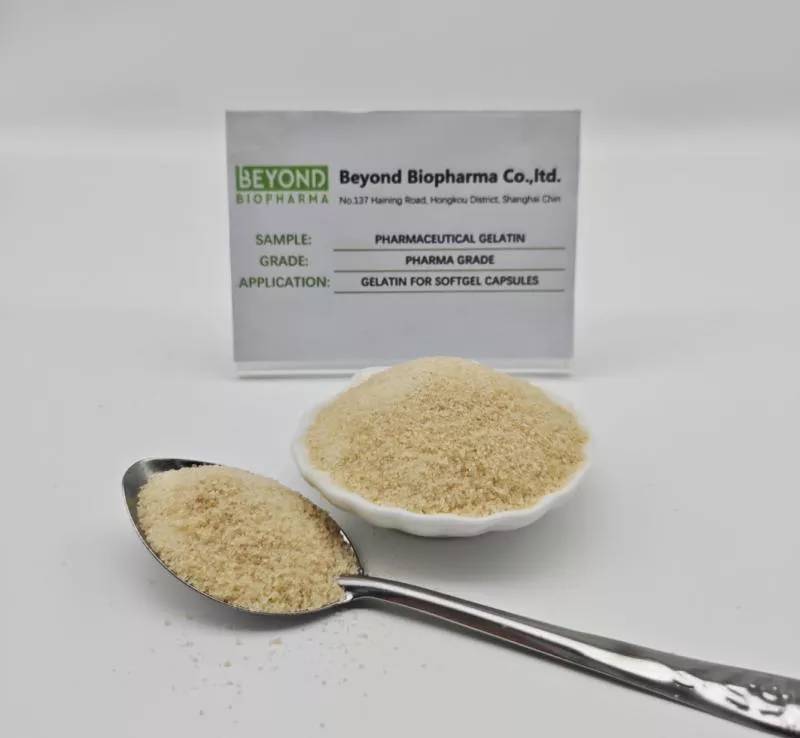
The production method varies by source. Collagen peptides from fish or bovine hide undergo enzymatic hydrolysis to break down large protein chains into smaller peptides, improving solubility and absorption. Plant protein peptides (pea, rice, soy) are extracted and hydrolyzed to achieve a molecular weight under 5,000 Da, making them easy to dissolve in cold water. Gelatin itself is produced by partial hydrolysis of collagen from animal skin or bones. For a substitute for gelatin powder, the key is matching bloom strength (for gels) or viscosity (for capsules).
When evaluating a substitute for gelatin powder, check these common specs. Note: values below are typical industry ranges; final values per COA or sample.
| Ingredient Type | Bloom (g) | Viscosity (mPa·s) | Molecular Weight (Da) | Protein (%) | Mesh Size |
|---|---|---|---|---|---|
| Edible Gelatin (bovine/porcine/fish) | 50–300 | 2.0–5.5 | N/A | ≥85 | 8–60 |
| Collagen Peptide (fish/bovine) | N/A | N/A | 2,000–5,000 | ≥90 | Powder |
| Plant Protein Peptide (pea/rice/soy) | N/A | N/A | 80–90 | Powder |
Choosing the right substitute for gelatin powder depends on your industry and product form. Here is a quick selection guide:
Beyond Biopharma is a Shanghai-based manufacturer with over 10 years of experience in the food-ingredient industry. We specialize in collagen peptides, gelatin, and plant protein peptides, exporting to more than 50 countries. Our facility produces approximately 3,000 MT of collagen and 5,000 MT of gelatin per year, using fully automatic production lines, GMP clean workshops, and stainless-steel sealed piping with automated temperature and pH control. We hold ISO 9001, US FDA registration, and select products carry Halal or Kosher certification (e.g., fish gelatin). Our bovine bone gelatin is BSE-free, and our in-house lab conducts heavy-metal and microbiological testing with a dedicated QA/QC team. Whether you need a substitute for gelatin powder for food, pharmaceutical, or cosmetic use, we offer free samples and formulation support.
Q: What is the best vegan substitute for gelatin powder?
A: Plant protein peptides from pea, rice, or soy are excellent vegan alternatives. They offer high protein content (80–90%) and good solubility, though they do not form a firm gel like gelatin. For gelling, agar-agar or pectin may be better suited.
Q: Can fish collagen replace gelatin powder in gummies?
A: Yes, fish gelatin is a direct substitute for bovine or porcine gelatin in gummies. It has a lower melting point and is often preferred for kosher and halal applications. Bloom values typically range from 150 to 260.
Q: How do I choose between bovine and fish gelatin?
A: Bovine gelatin is more heat-stable and has higher bloom, ideal for hard capsules and firm gels. Fish gelatin is better for softgels and products requiring lower temperature processing. Both are available with Halal/Kosher certification.
Q: What molecular weight should I look for in a collagen peptide substitute?
A: For fast absorption and high solubility, a molecular weight between 2,000 and 5,000 Da is standard. Fish collagen peptides tend to be on the lower end, which some studies suggest may improve bioavailability.
Q: Are plant protein peptides allergen-free?
A: It depends on the source. Pea and rice protein are generally hypoallergenic, while soy is a common allergen. Always request a COA and allergen statement from your supplier to confirm.
Q: Can I get free samples of gelatin substitutes?
A: Yes, Beyond Biopharma offers free samples for all grades. Just provide your application, target specs, and quantity needs, and we will send samples for testing.
Choosing the right substitute for gelatin powder starts with clear specifications. To get a tailored quote and free samples, please share the following details with the Beyond Biopharma team: your intended application (food, pharmaceutical, or cosmetic), required grade (edible, pharmaceutical, or cosmetic), target quantity and MOQ, desired specs (bloom value, mesh size, molecular weight, or certifications like Halal/Kosher), and destination country. This helps us match you with the best product from our collagen peptide, gelatin, and plant protein peptide lines. Contact us today to start the process.

We provide you with comprehensive foreign trade solutions to help enterprises achieve global development
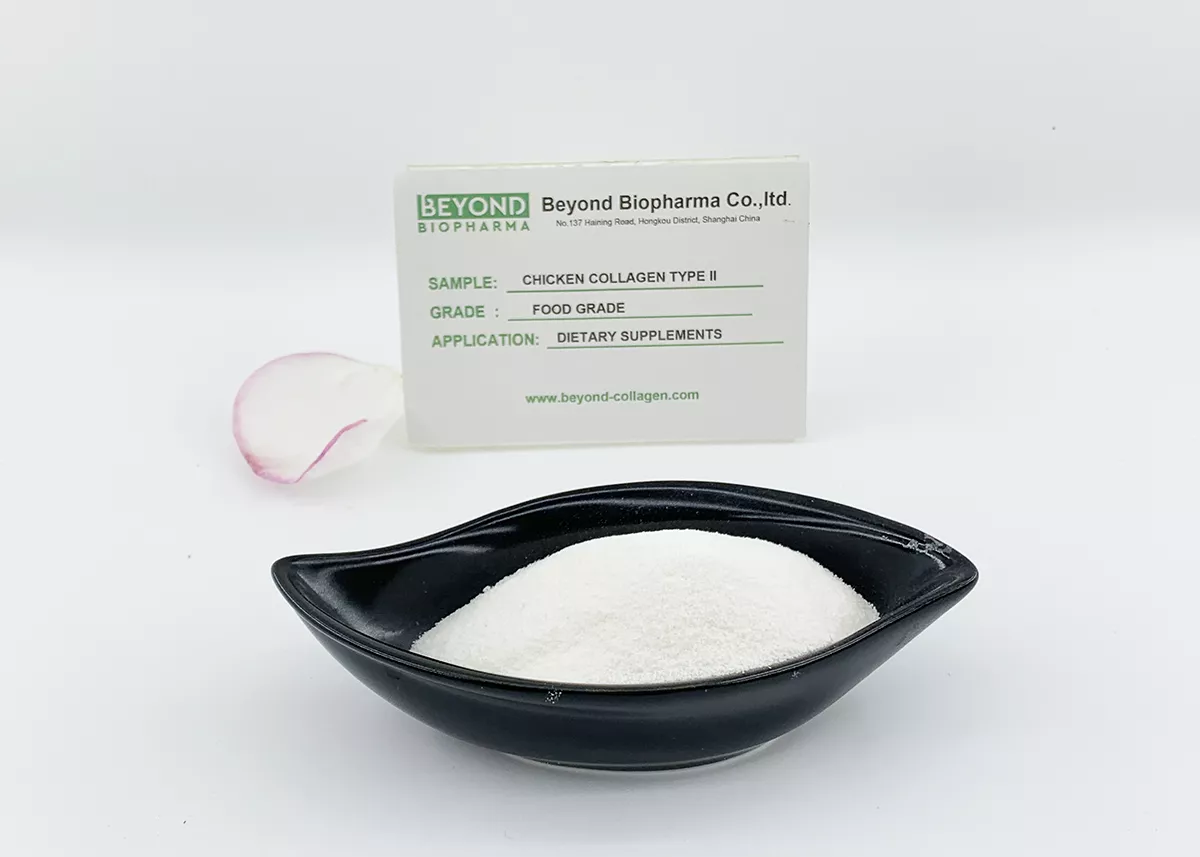
BEYOND BIOPHARMA is a specialized manufacturer of high-quality Undenatured Collagen Type II. Utilizing low-temperature, non-enzymatic extraction methods, our Undenatured Collagen Type II retains its native, triple-helix structure, essential for modulating the immune system's response to joint health and providing superior support for mobility, flexibility, and overall joint comfort.
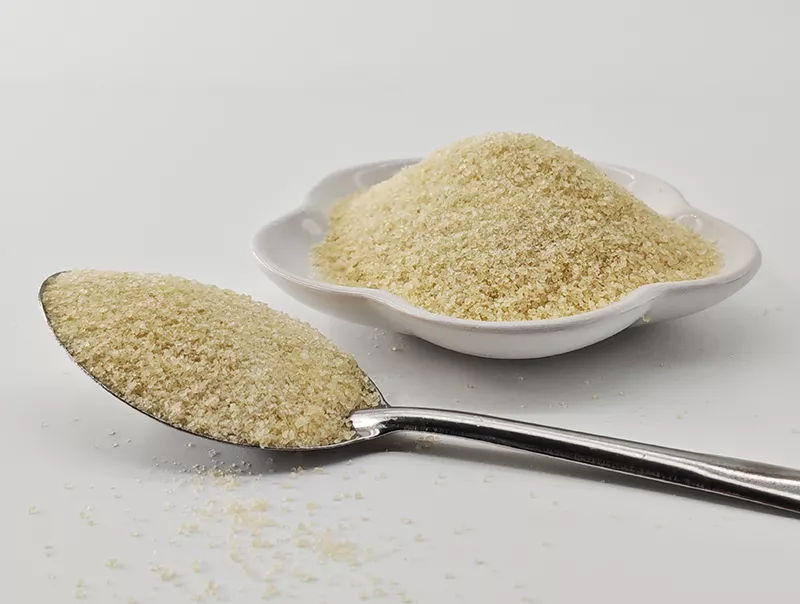
The High-Performance Barrier for Core Material Protection and Controlled Release.
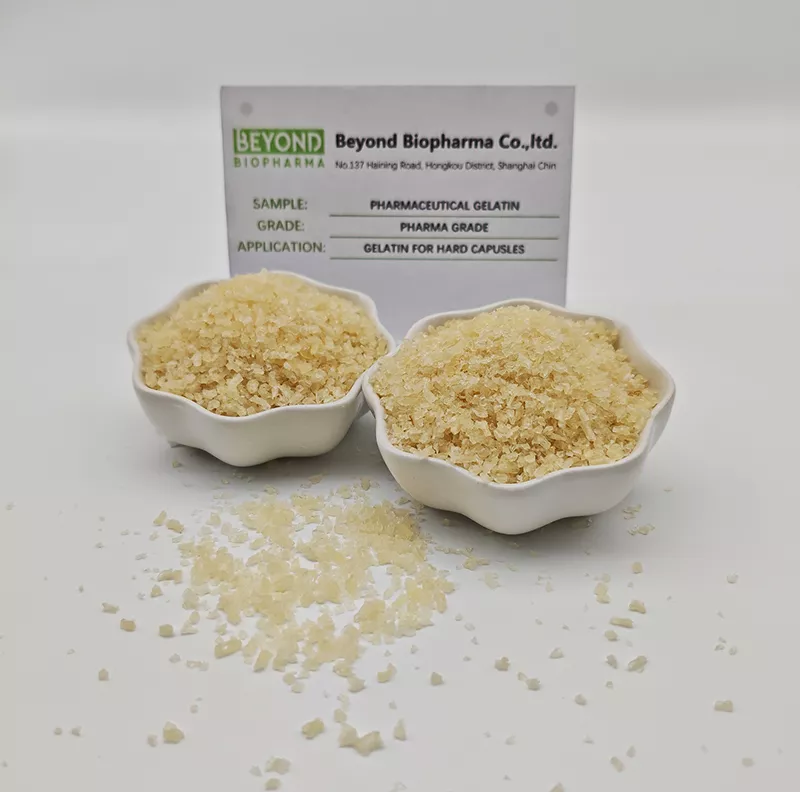
Precision, Purity, and Optimal Machinability
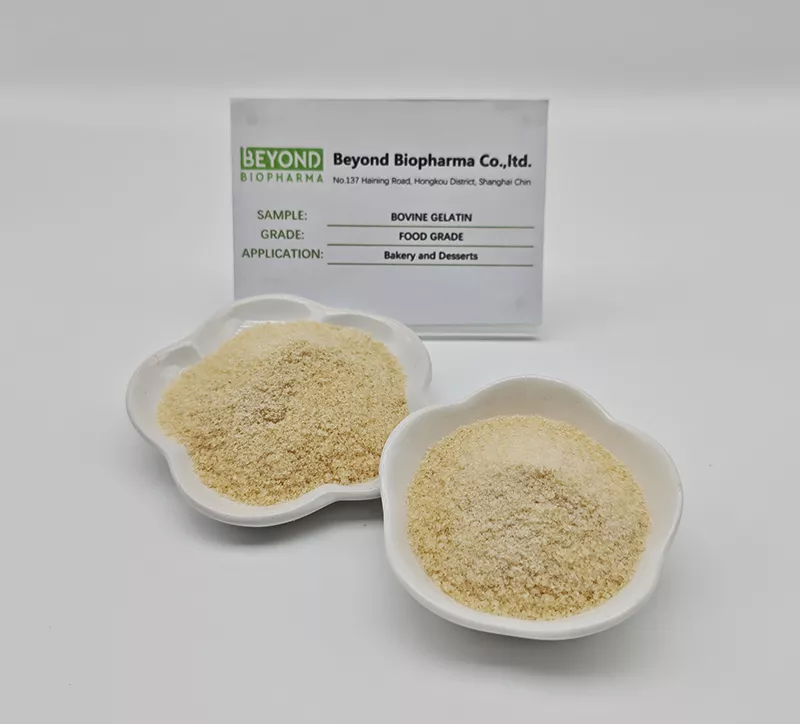
20 years experiences, 5000 ton/year capacity, Sustained supply with stable quality
Select the most popular foreign trade service products to meet your diverse needs
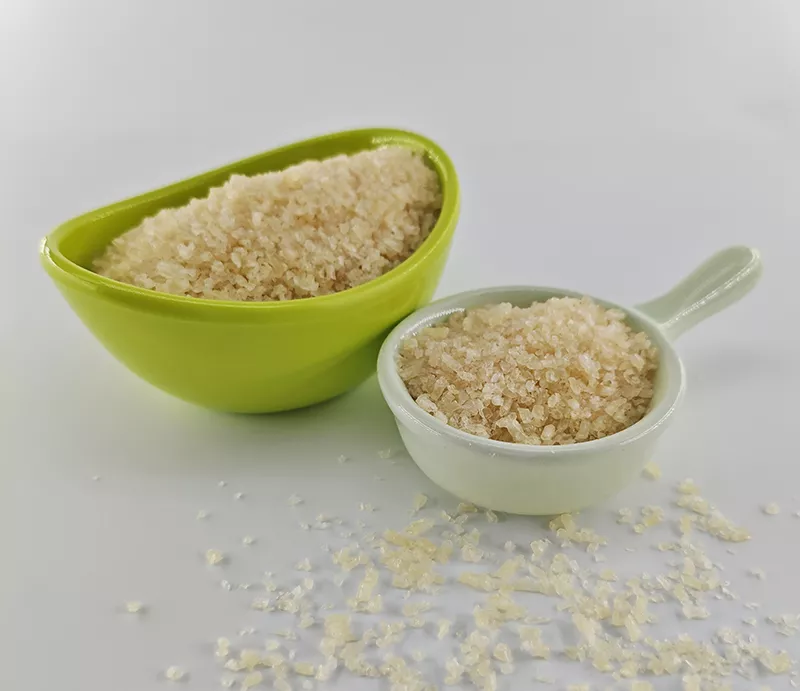
Stability, Swallowing Enhancement, and Controlled Release
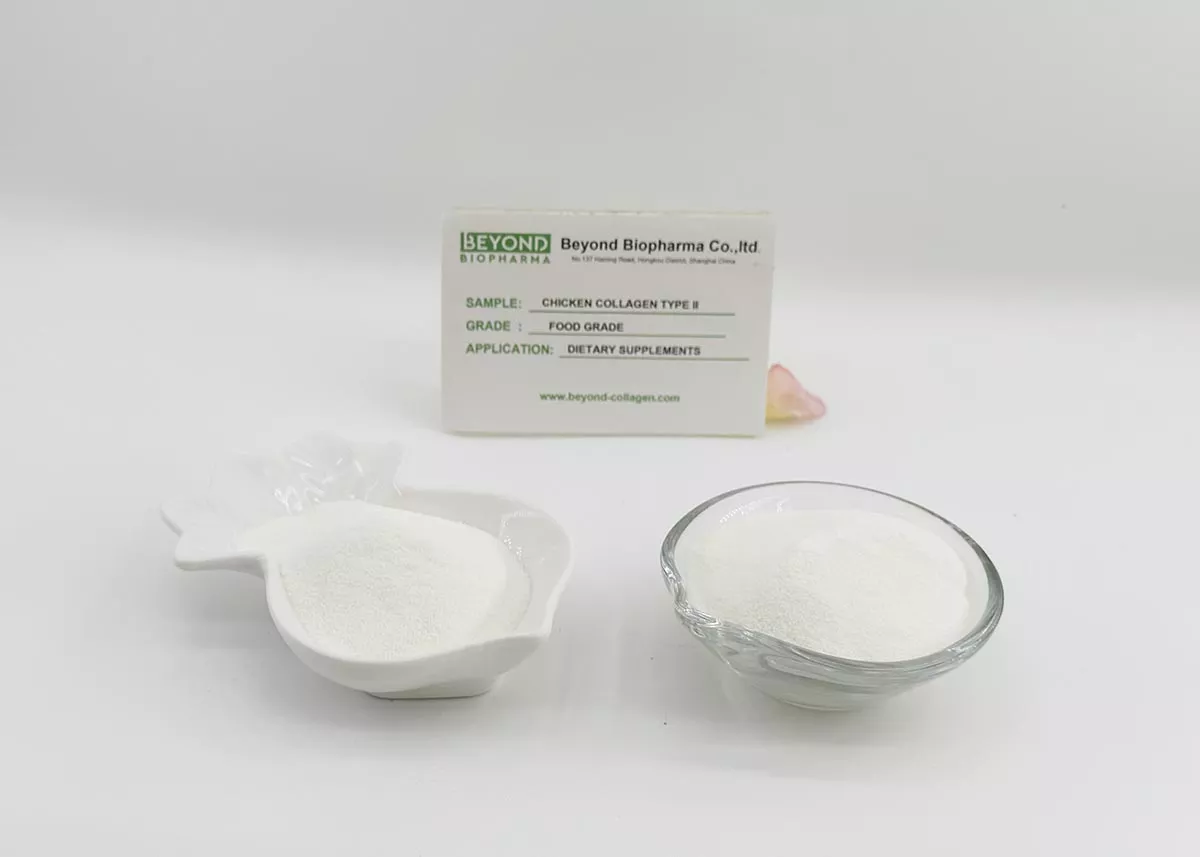
BEYOND BIOPHARMA is a specialized manufacturer of highly purified Hydrolyzed Collagen Type II. Through advanced enzymatic hydrolysis, we create low-molecular-weight collagen peptides that are highly bioavailable, offering foundational nutritional support for cartilage repair, joint function, and skin health. Our product is designed for rapid absorption and maximum efficacy in oral supplements.
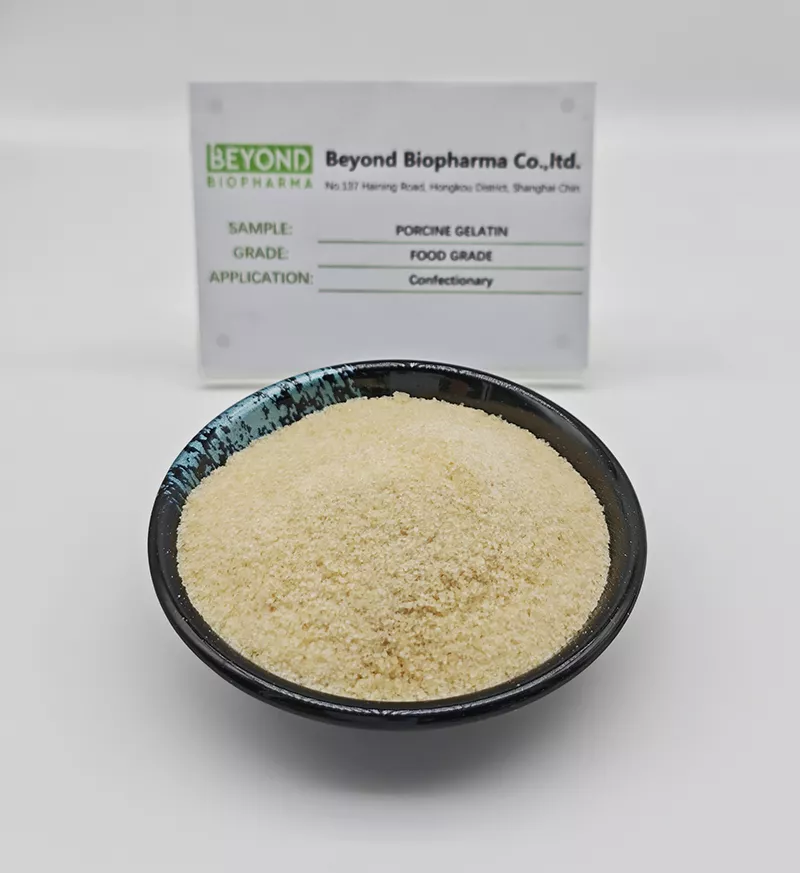
Food-grade porcine gelatin is a highly versatile and cost-effective natural protein derived from the collagen found in pig skin and bones. It is a premier gelling agent known for its exceptional clarity, neutral taste, and thermal reversibility.
Tel:+86 21 65010906
Cell/Whatsapp/Wechat:
+86 13482884055
+86 18657345785
Email: sales@beyondbiopharma.com





User Comments
Service Experience Sharing from Real Customers
Mackenzie
Pastry ChefAs someone who avoids animal products, I was skeptical about agar agar powder replacing gelatin in my panna cotta. Wow – it sets even firmer and gives a cleaner flavor! My vegan customers can't tell the difference. Game changer for the bakery.
Jackson
Home BrewerUsed pectin to clarify my fruit wines instead of gelatin. It worked like a charm for the haze, plus it's plant-based. Took a bit of experimenting with the amount, but I'm sticking with this substitute from now on. Solid option!
Jackie
Science TeacherBought carrageenan for a class experiment on gelling agents. Not only did it work perfectly for demonstrating colloidal chemistry, but my vegetarian student was thrilled she could finally eat the gummy bears we made. Learning and inclusivity – double win.
Jax
Content CreatorTried xanthan gum for thickening my protein shakes and sauces after running out of gelatin. It's a different beast – super powerful, a tiny bit goes a long way. Took me a few tries to not make things slimy, but now I prefer it. Great for gluten-free cooking too.