 English EN


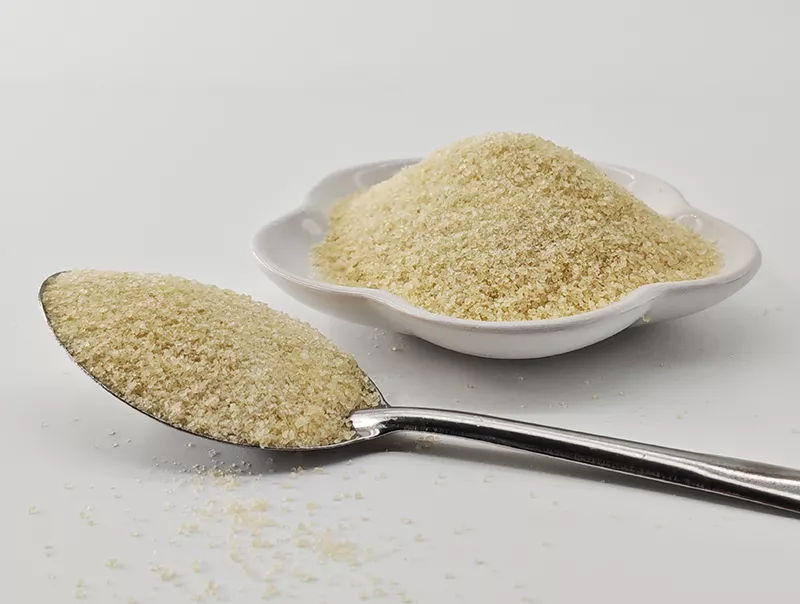
Bovine gelatin pros and cons everyone should know
Bovine gelatin offers strong gelling and health benefits but has dietary, ethical, and allergen concerns. Compare bovine gelatin to other gelatin options here.
More
If you are a purchasing manager or product developer looking for a reliable alternative to traditional gelatin powder, you are not alone. Many formulations now require allergen-free, kosher, halal, or vegan-friendly options. The key is matching the functional properties — bloom, viscosity, solubility, and molecular weight — to your specific application. Below, we break down the most effective substitutes, their working principles, and how to choose the right one for your product line.
Most substitutes rely on enzymatic hydrolysis or plant-based extraction to create a gelling or thickening effect. For example, collagen peptides are produced by breaking down native collagen into smaller peptides (2,000–5,000 Da), offering high solubility and rapid absorption without forming a traditional gel. Plant protein peptides (pea, rice, soy) are hydrolyzed to improve dispersibility and emulsification. In contrast, agar-agar and pectin form gels through polysaccharide networks, requiring specific pH or sugar conditions. Understanding these mechanisms helps you select the right substitute for gummies, capsules, or beverages.
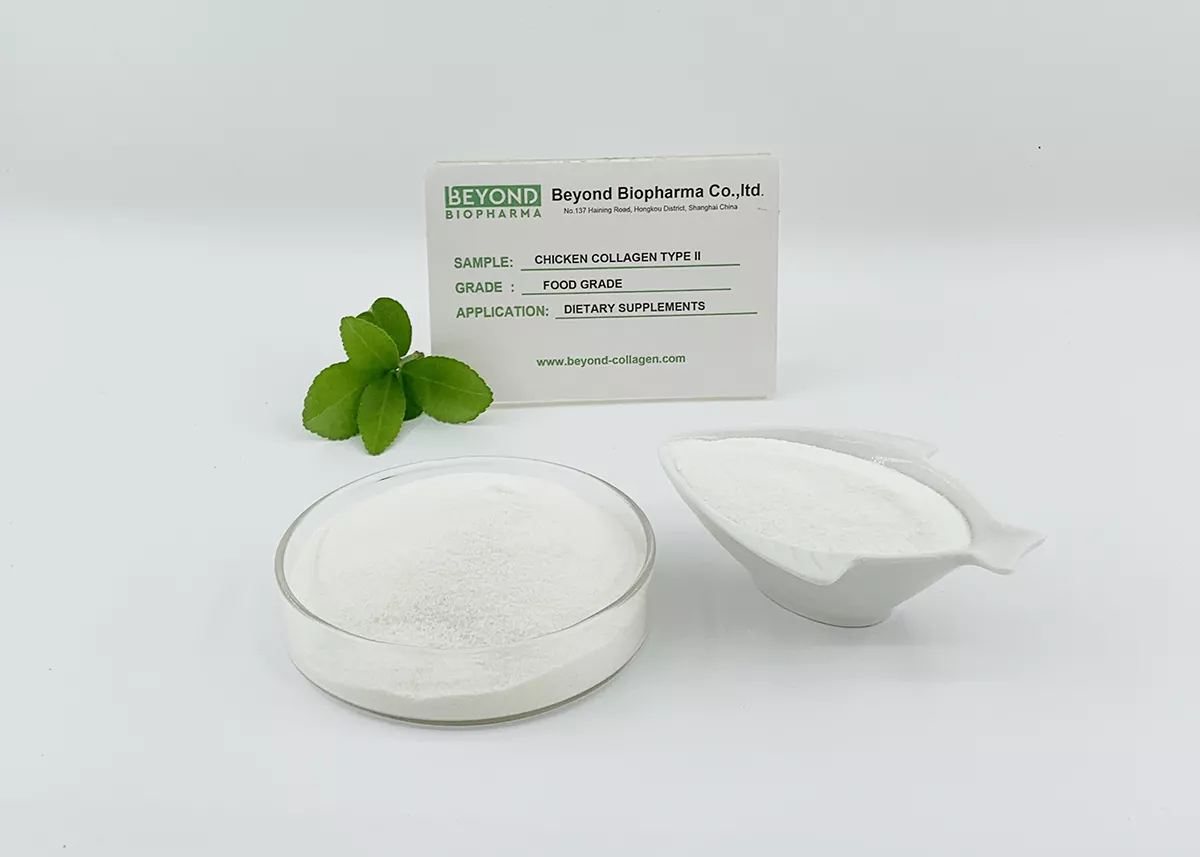
When evaluating substitutes, focus on these common specs. Note: all values below are typical industry ranges; final values per COA or sample.
| Substitute Type | Bloom / Gel Strength | Molecular Weight | Protein Content | Key Feature |
|---|---|---|---|---|
| Edible Gelatin (bovine/porcine/fish) | 50–300 g Bloom | N/A (native) | ≥85% | Thermo-reversible gel, high clarity |
| Fish Collagen Peptide | No gel (soluble) | 2,000–3,000 Da | ≥90% | Fast absorption, low odor |
| Bovine Collagen Peptide | No gel (soluble) | 3,000–5,000 Da | ≥90% | High solubility, neutral taste |
| Plant Protein Peptide (pea/rice/soy) | No gel (soluble) | <5,000 Da | 80–90% | Vegan, allergen-free options |
| Undenatured Collagen Type II | No gel | Native (high MW) | ≥60% | Joint health, immune tolerance |
Choosing the right substitute depends on your end product. Here is a quick selection guide:
Beyond Biopharma is a Shanghai-based manufacturer with over 10 years of experience in the food-ingredient industry. We specialize in collagen peptides, gelatin, and plant protein peptides for B2B buyers. Our products are exported to more than 50 countries. We operate a fully automatic production line with GMP clean workshop, stainless-steel sealed piping, and automated temperature/pH control. Our annual capacity is approximately 3,000 MT for collagen and 5,000 MT for gelatin. We hold ISO 9001, US FDA registration, and select products are Halal and Kosher certified. Our bovine bone gelatin is BSE-free. Every batch is tested in-house for heavy metals and microbiology by our dedicated QA/QC team. Whether you need food-grade, pharmaceutical-grade, or cosmetic-grade ingredients, we offer free samples and formulation support.
Q: Can I use collagen peptides as a direct replacement for gelatin powder in gummies?
A: No. Collagen peptides are soluble and do not form a thermo-reversible gel. For gummies, use high-bloom edible gelatin or a vegan gelling agent like pectin.
Q: What is the best vegan substitute for gelatin powder?
A: Agar-agar and pectin are common. For protein-based vegan options, plant protein peptides (pea or rice) work well in beverages but do not gel.
Q: How do I choose between fish and bovine collagen peptides?
A: Fish collagen has lower molecular weight (2,000–3,000 Da) for faster absorption and is often preferred in beauty supplements. Bovine collagen (3,000–5,000 Da) offers a neutral taste and is widely used in sports nutrition.
Q: Are there halal-certified gelatin substitutes?
A: Yes. Fish gelatin and some bovine gelatin (from halal-slaughtered animals) are available. Beyond Biopharma offers select Halal and Kosher options.
Q: What certifications should I look for when sourcing gelatin substitutes?
A: ISO 9001, FDA registration, GMP, and Halal/Kosher are standard. For pharmaceutical use, check BSE-free status and heavy metal reports.
Q: Can I get free samples to test a substitute before ordering?
A: Yes. Beyond Biopharma provides free samples and formulation support. Just share your application and target specs.
Ready to find the right substitute for your formulation? Tell us your application (food, pharma, or cosmetic), required grade, target quantity or MOQ, and desired specs such as bloom, mesh, molecular weight, or certifications. Also share your destination country. We will send free samples and a competitive quote. Contact our team today to start the conversation.

We provide you with comprehensive foreign trade solutions to help enterprises achieve global development
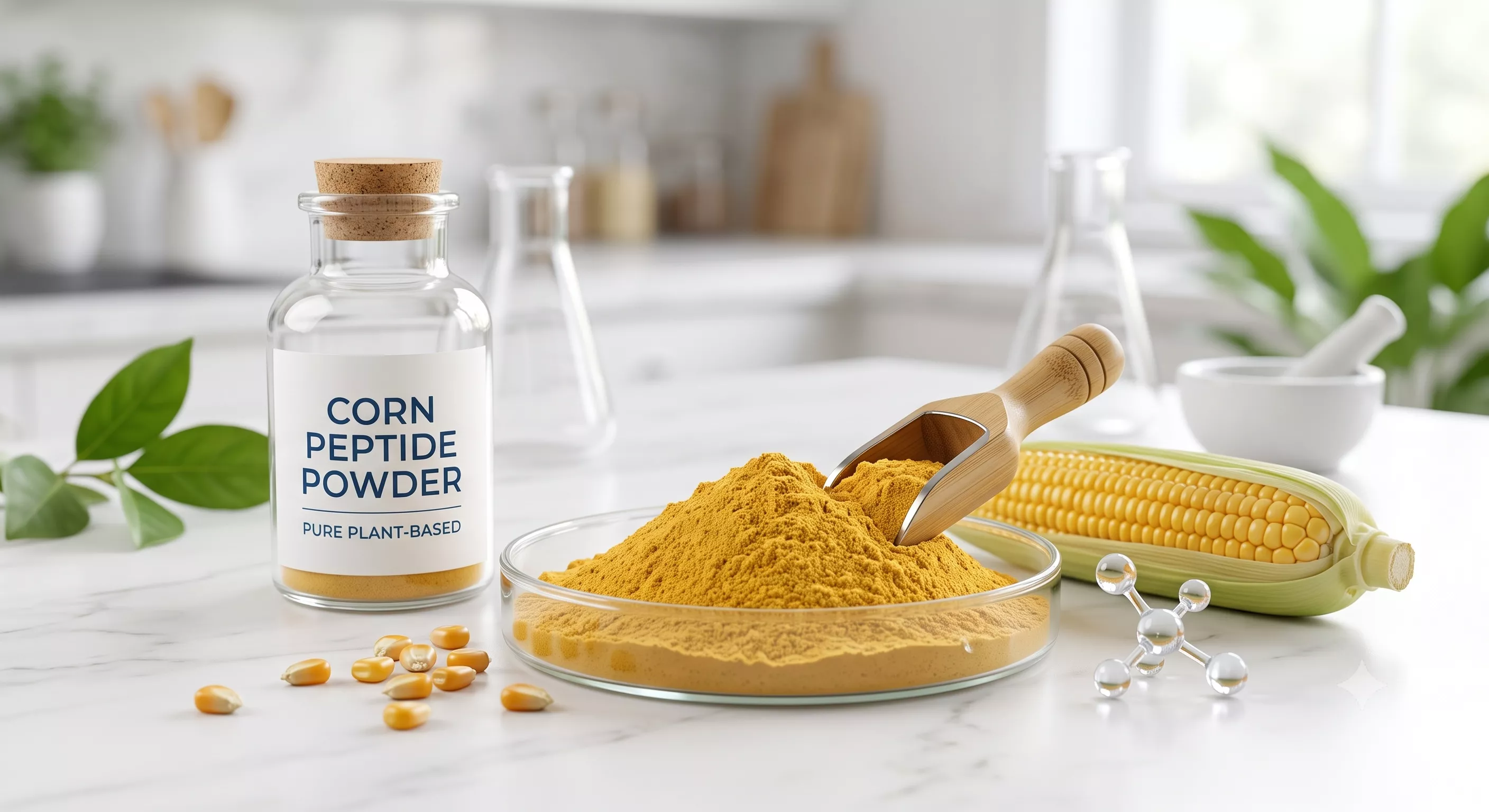
Source high-purity wholesale hydrolyzed corn protein peptide powder in bulk. Over 85% oligopeptides under 1000 Da. Rich in Alanine and Leucine for liver support and sobriety formulas.
The High-Performance Barrier for Core Material Protection and Controlled Release.
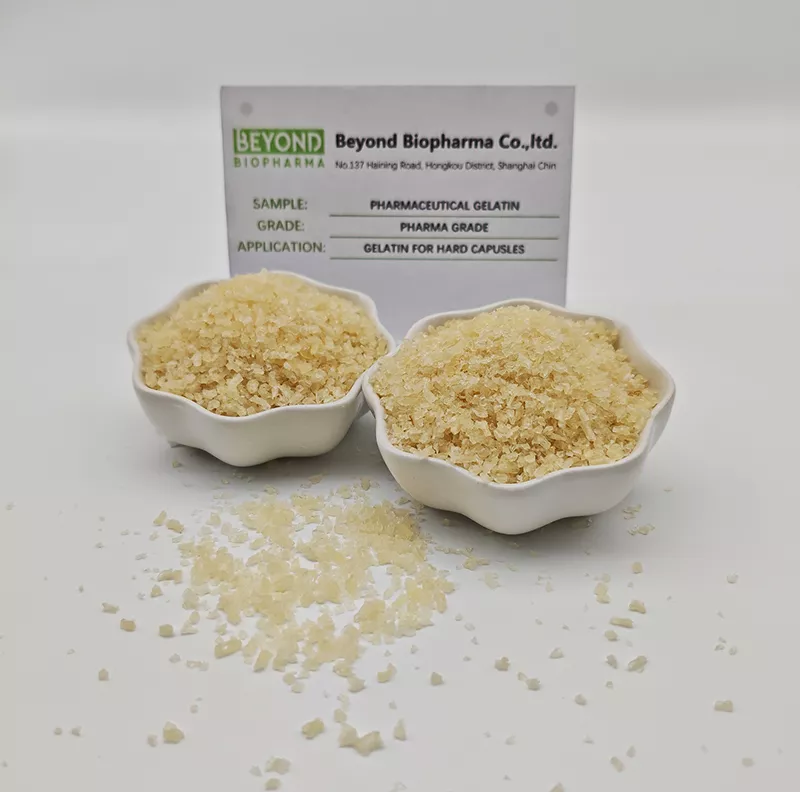
Precision, Purity, and Optimal Machinability
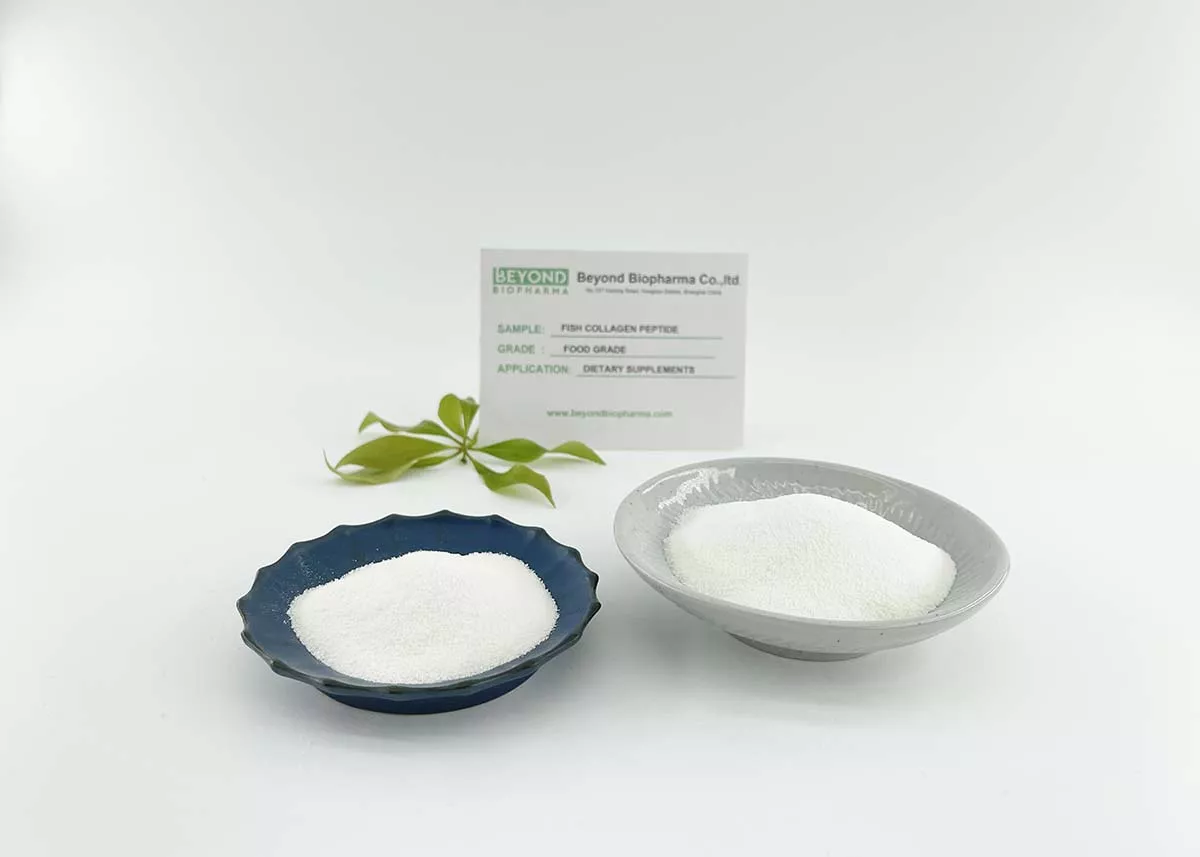
Premium marine-sourced collagen peptides with >90% protein content and low molecular weight (1000-3000 Da) for superior bioavailability. Sustainably sourced, neutral taste, and fully soluble—ideal for nutricosmetics and functional foods.
Select the most popular foreign trade service products to meet your diverse needs
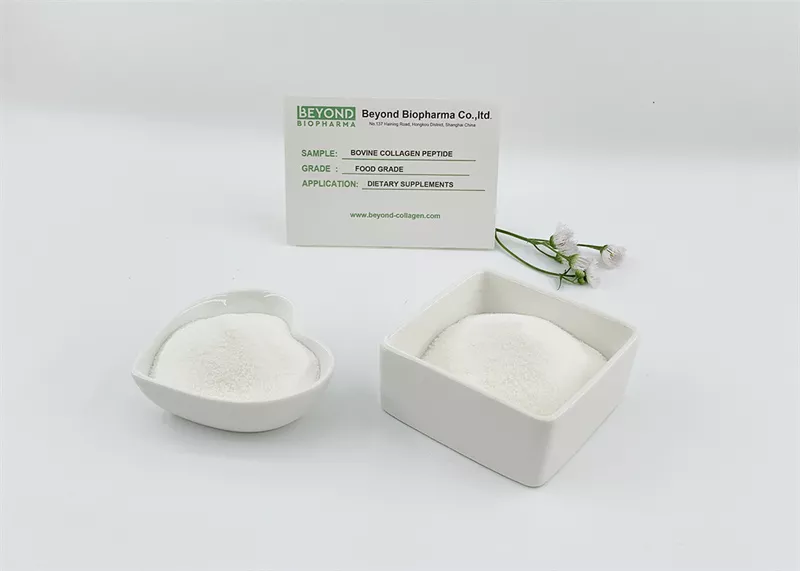
Manufacturer of bovine collagen peptide, shipping in containers all around the world
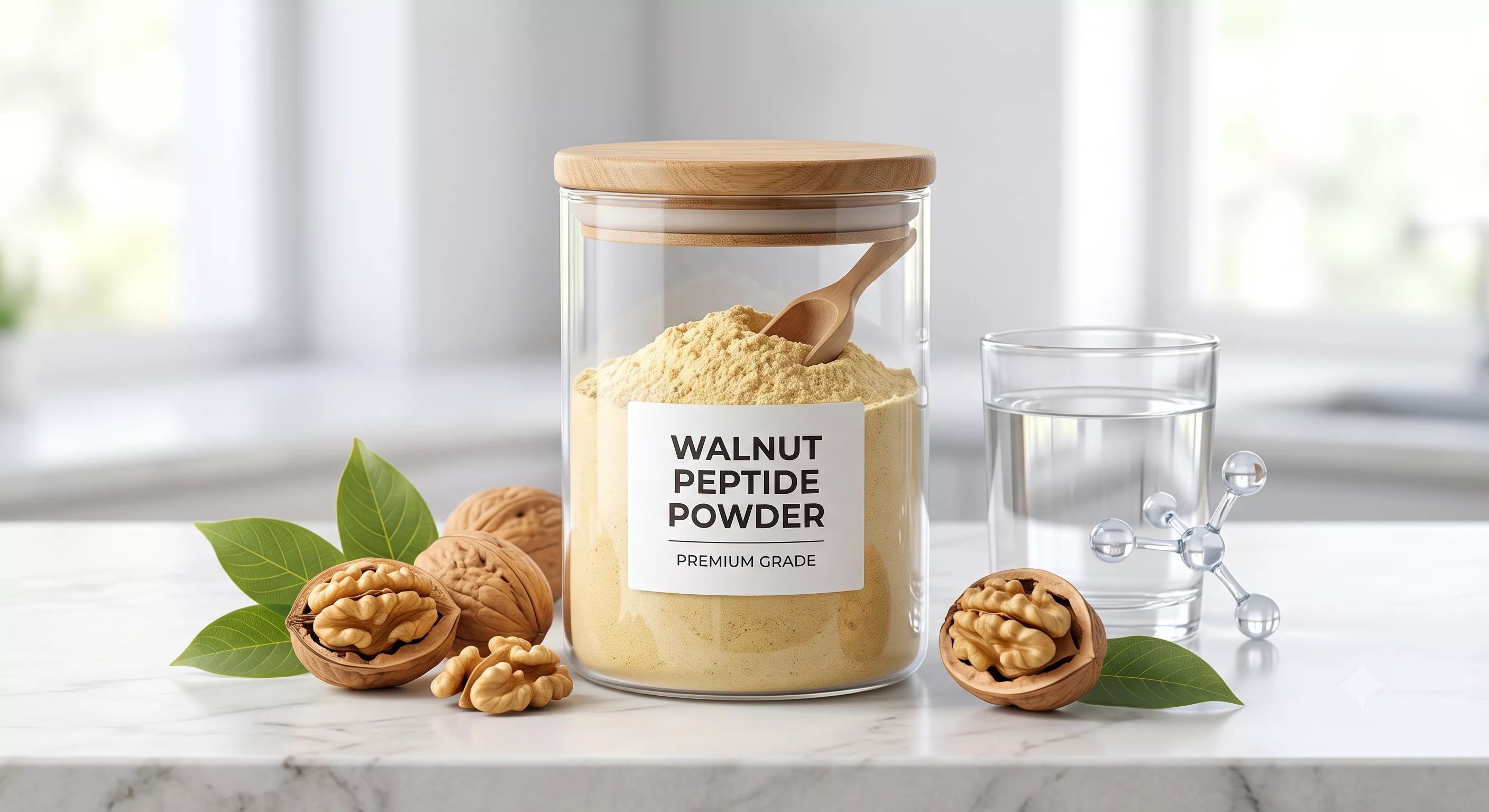
Source wholesale hydrolyzed walnut protein peptide powder in bulk. Over 85% low-molecular-weight oligopeptides rich in Glutamic Acid. Perfect for cognitive formulas and sleep aid supplements.
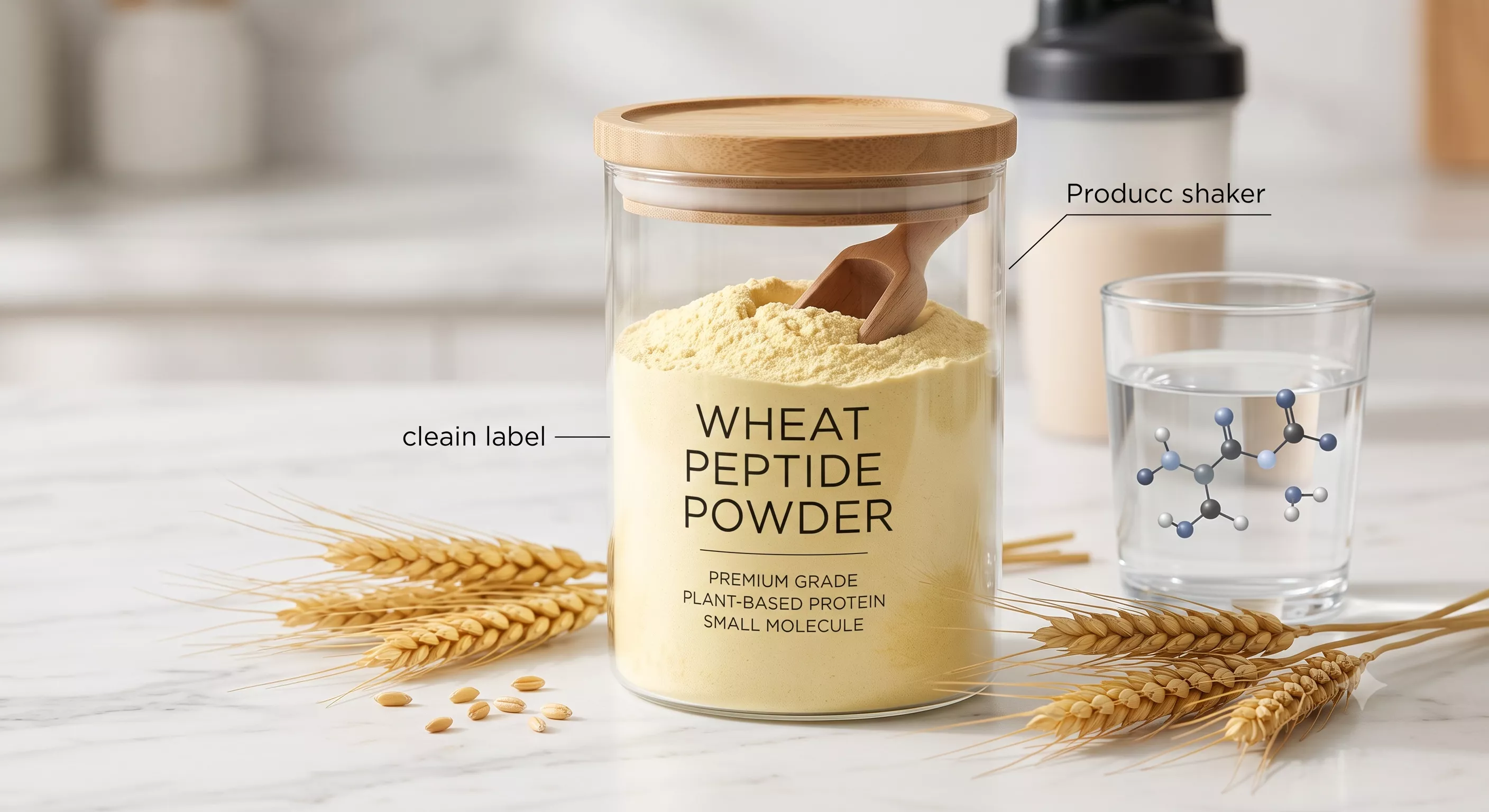
Source ultra-pure, high-solubility wholesale hydrolyzed wheat gluten peptide in bulk. Rich in plant-bound Glutamine ($\ge 25\%$) for muscle recovery and gut barrier health.
Tel:+86 21 65010906
Cell/Whatsapp/Wechat:
+86 13482884055
+86 18657345785
Email: sales@beyondbiopharma.com





User Comments
Service Experience Sharing from Real Customers
Megan
Pastry ChefAs a professional baker, I was skeptical about substitutes, but this agar-agar powder saved my vegan macaron order last week! The texture was spot-on, and my client couldn't tell the difference. Lifesaver for dairy-free desserts.
Leo
Home CookOkay, I'll admit I bought this pectin blend on a whim for my grandma's jelly recipe. Not gonna lie, it worked way better than I expected! Set perfectly, though I'd use a tad less sugar next time. Pretty impressed for a first-timer.
Chloe
Science TeacherUsed this carrageenan-based substitute for a class demonstration on polymers. Not only did it work great for the edible slime experiment, but it also sparked a fantastic discussion about plant-based alternatives. The kids loved it!
Raj
Food StylistBeen in the industry 12 years and always used traditional gelatin. Tried this konjac root powder for a shoot where we needed longer stability under hot lights – held up surprisingly well! Slight learning curve with hydration time, but definitely keeping it in my kit.