 English EN


Bovine gelatin pros and cons everyone should know
Bovine gelatin offers strong gelling and health benefits but has dietary, ethical, and allergen concerns. Compare bovine gelatin to other gelatin options here.
More
Sourcing gelatin powder often comes with real headaches: batch-to-batch inconsistency, unpleasant odor or fishy smell, poor solubility in cold liquids, strict certification barriers, and growing demand for allergen-free or vegan-friendly options. This guide cuts through the noise, offering a practical look at the best alternatives for gelatin powder—from collagen peptides and plant protein peptides to specialized pharmaceutical and edible gelatins—so you can match the right ingredient to your application without guesswork.
The best alternatives for gelatin powder depend on your end use. Collagen peptides are produced through enzymatic hydrolysis, breaking down native collagen into smaller peptides with molecular weights typically ranging from 2,000 to 5,000 Da. This process gives them high solubility in cold water and rapid absorption in the body. Plant protein peptides, derived from sources like pea, rice, or soy, undergo similar hydrolysis to achieve molecular weights below 5,000 Da, offering a vegan profile with good solubility. For traditional gelatin applications like gummies or capsules, high-bloom edible gelatin (bovine, porcine, or fish) provides the gel strength and viscosity needed—bloom values typically range from 50 to 300 g, with pharma grades often at 150–260 Bloom. Understanding these mechanisms helps you select the right alternative for your formulation.
When evaluating alternatives, focus on these common specifications. The table below summarizes typical industry ranges—always confirm final values with a Certificate of Analysis (COA) or sample.
| Ingredient Type | Key Parameter | Typical Industry Range |
|---|---|---|
| Edible Gelatin | Bloom (gel strength) | 50–300 g (pharma/gummies: 150–260 Bloom) |
| Edible Gelatin | Viscosity | 2.0–5.5 mPa·s |
| Edible Gelatin | Mesh size | 8–60 mesh |
| Edible Gelatin | Moisture | ≤14% |
| Collagen Peptides | Molecular weight | 2,000–5,000 Da (fish typically lower) |
| Collagen Peptides | Protein content | ≥90% |
| Plant Protein Peptides | Protein content | 80–90% |
| Plant Protein Peptides | Molecular weight | Commonly |
Note: These are typical industry ranges; final values per COA or sample.
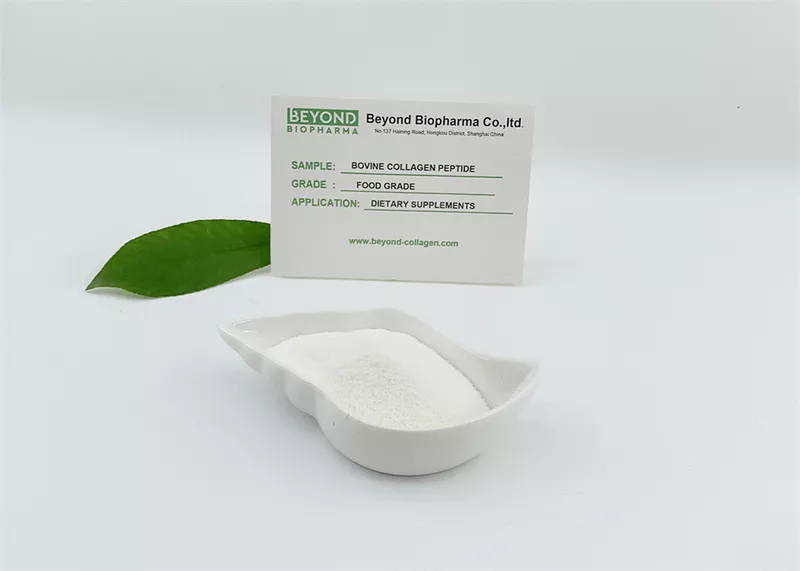
Choosing the right alternative for gelatin powder means matching the ingredient to your industry and application. Here is a breakdown by sector:
Beyond Biopharma, based in Shanghai, China, is a B2B manufacturer specializing in collagen peptides, gelatin, and plant protein peptides. With over 10 years of experience, we export to more than 50 countries. Our facility has a production capacity of approximately 3,000 MT/year for collagen and 5,000 MT/year for gelatin, supported by a fully automatic production line, GMP clean workshop, stainless-steel sealed piping, and automated temperature/pH control. We hold ISO 9001 certification, are US FDA registered, and operate a GMP clean workshop. Select products carry Halal or Kosher certification (e.g., fish gelatin), and our bovine bone gelatin is BSE-free. Our in-house lab conducts heavy-metal and microbiological testing, with a dedicated QA/QC team. We offer three grades—food, pharmaceutical, and cosmetic—and provide free samples along with formulation and selection support.
Q: What is the best vegan alternative to gelatin powder?
A: Plant protein peptides from pea, rice, or soy are the best vegan alternatives. They offer high protein content (80–90%) and good solubility, making them suitable for gummies, protein powders, and nutraceutical applications without animal-derived ingredients.
Q: How do collagen peptides compare to gelatin powder in terms of solubility?
A: Collagen peptides are hydrolyzed into smaller molecules (2,000–5,000 Da), making them soluble in cold water without forming a gel. Gelatin powder requires heat to dissolve and sets into a gel upon cooling. For cold beverages or instant mixes, collagen peptides are the better choice.
Q: Can I use fish gelatin as a substitute for bovine gelatin?
A: Yes, fish gelatin is a direct substitute with a lower melting point and is often preferred for kosher or halal applications. It provides similar bloom and viscosity ranges but may have a slightly different gel texture. Always test for your specific application.
Q: What certifications should I look for when sourcing gelatin alternatives?
A: Key certifications include ISO 9001 for quality management, FDA registration for US compliance, and Halal or Kosher for religious dietary requirements. For bovine gelatin, BSE-free certification is critical. Always request a COA to verify specs.
Q: How do I choose between food-grade and pharmaceutical-grade gelatin?
A: Food-grade gelatin is suitable for confectionery, desserts, and general food applications. Pharmaceutical-grade gelatin meets stricter purity and viscosity standards for hard and soft capsules. For nutraceutical or medical uses, always opt for pharmaceutical grade.
Q: What is the typical molecular weight for fish collagen peptides?
A: Fish collagen peptides typically have a molecular weight around 2,000–3,000 Da, which is lower than bovine collagen peptides. This lower molecular weight is associated with faster absorption and higher solubility, making it popular in beauty and sports nutrition products.
Ready to find the best alternatives for gelatin powder for your next project? Contact Beyond Biopharma with your application details, required grade (food, pharmaceutical, or cosmetic), estimated quantity or MOQ, target specifications (bloom, mesh, molecular weight, certifications), and destination country. We will provide a tailored quote and free samples for evaluation. Our team offers formulation and selection support to ensure you get the right ingredient for your product.

We provide you with comprehensive foreign trade solutions to help enterprises achieve global development
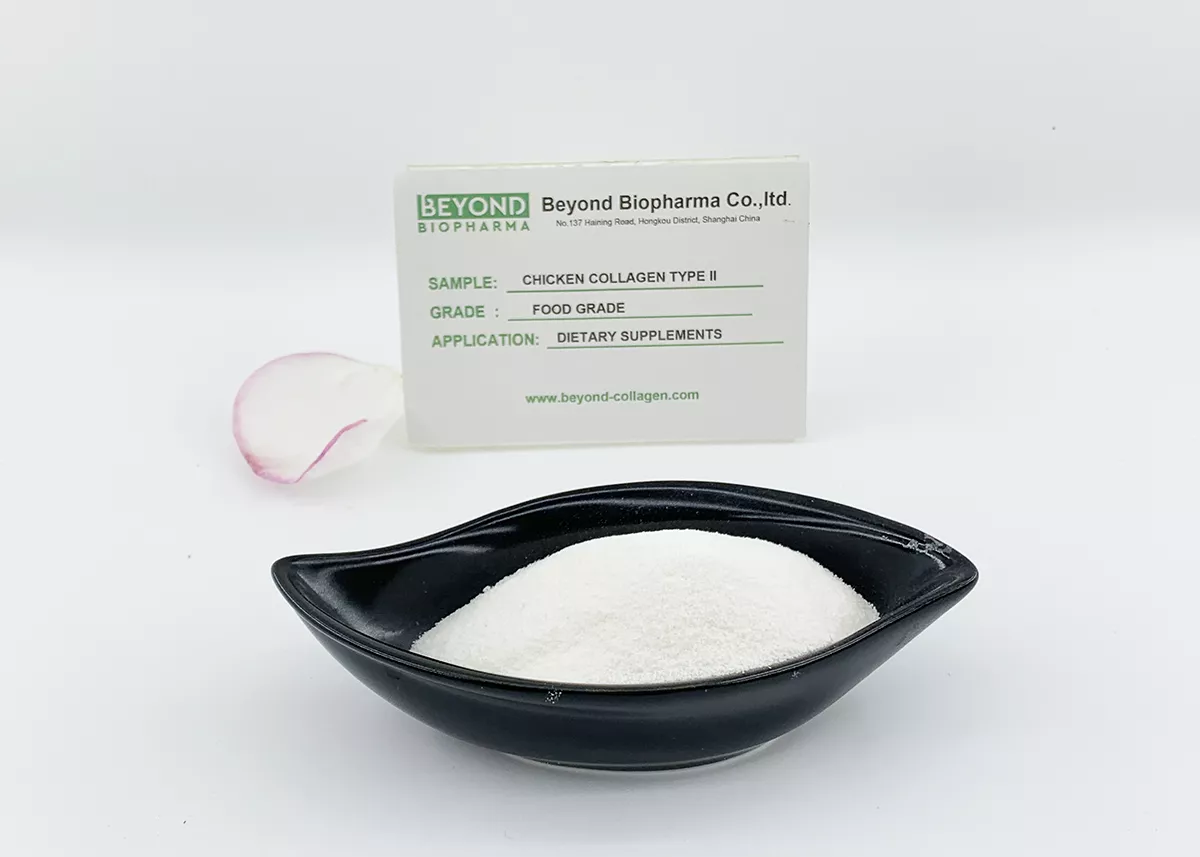
BEYOND BIOPHARMA is a specialized manufacturer of high-quality Undenatured Collagen Type II. Utilizing low-temperature, non-enzymatic extraction methods, our Undenatured Collagen Type II retains its native, triple-helix structure, essential for modulating the immune system's response to joint health and providing superior support for mobility, flexibility, and overall joint comfort.
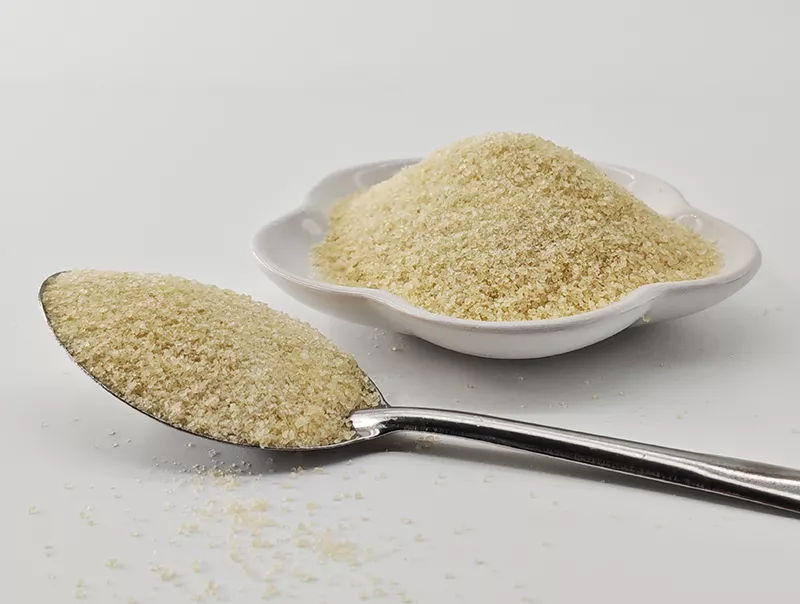
The High-Performance Barrier for Core Material Protection and Controlled Release.
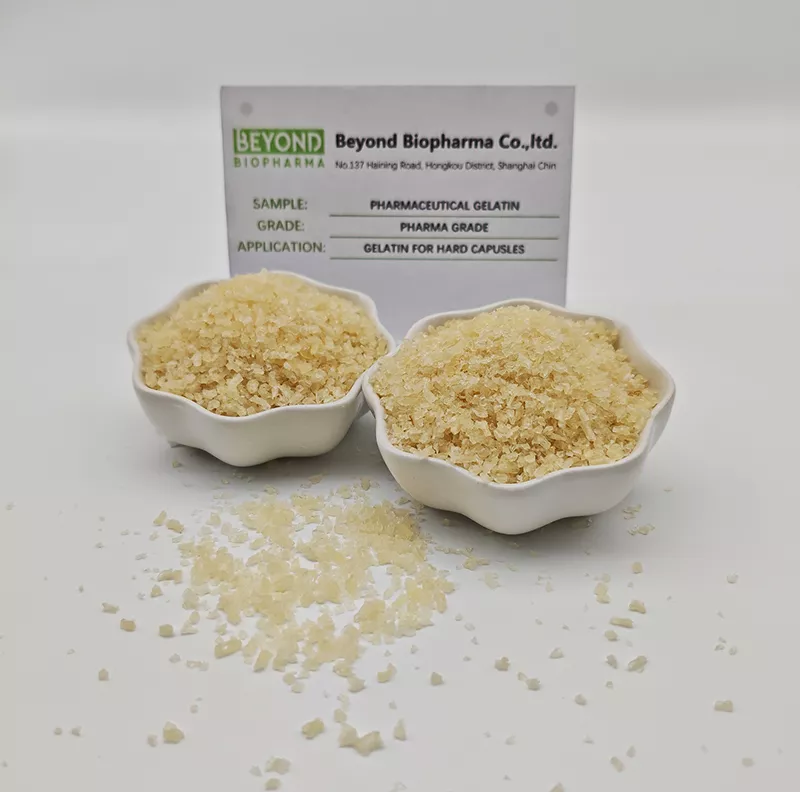
Precision, Purity, and Optimal Machinability
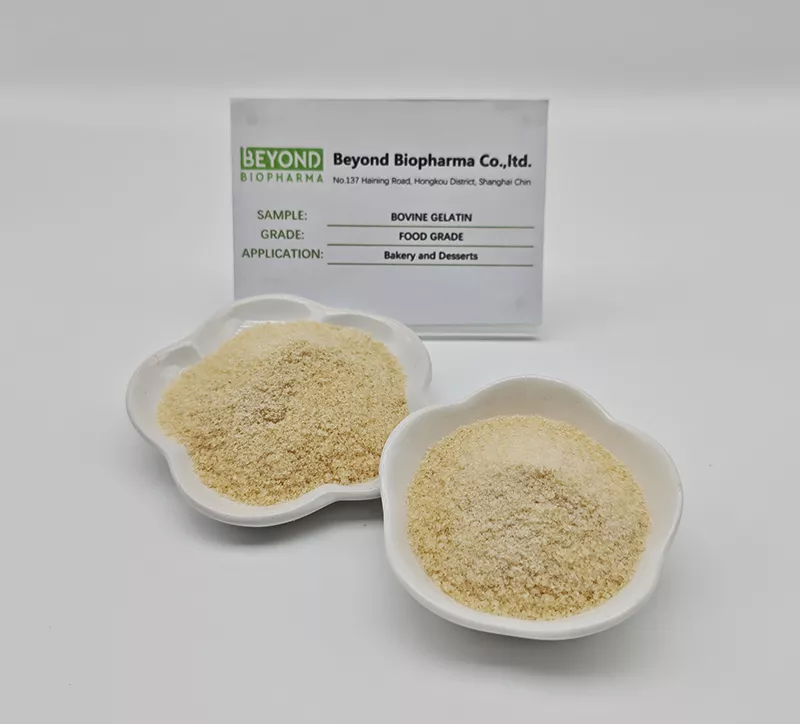
20 years experiences, 5000 ton/year capacity, Sustained supply with stable quality
Select the most popular foreign trade service products to meet your diverse needs
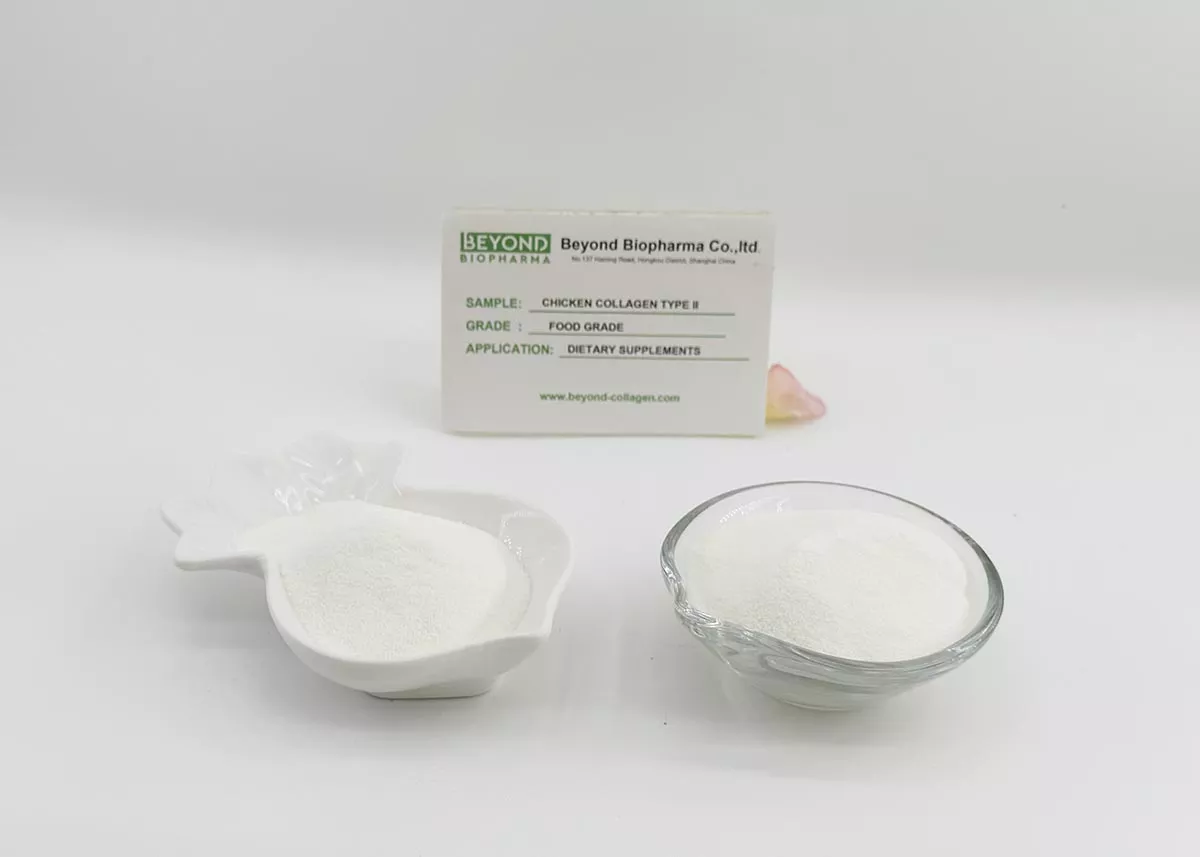
BEYOND BIOPHARMA is a specialized manufacturer of highly purified Hydrolyzed Collagen Type II. Through advanced enzymatic hydrolysis, we create low-molecular-weight collagen peptides that are highly bioavailable, offering foundational nutritional support for cartilage repair, joint function, and skin health. Our product is designed for rapid absorption and maximum efficacy in oral supplements.
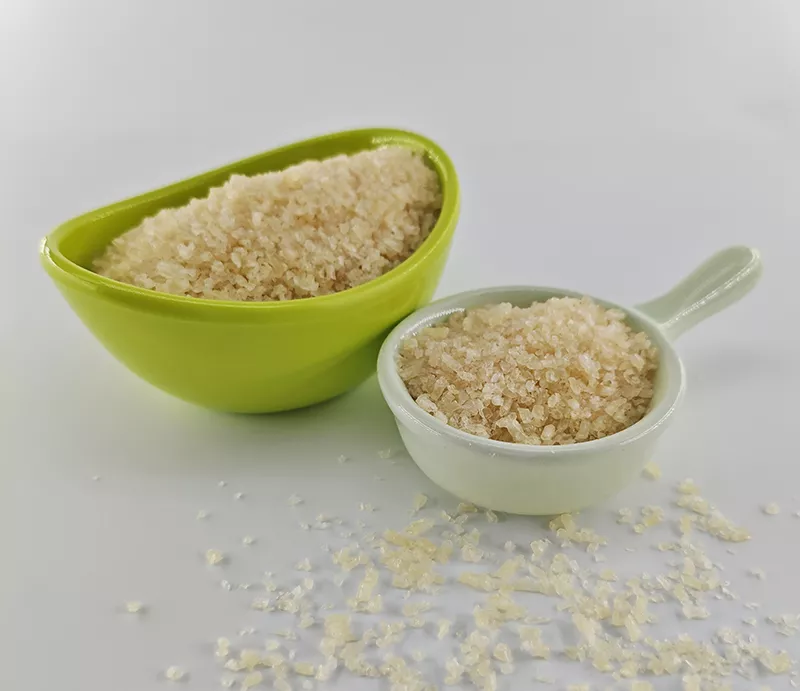
Stability, Swallowing Enhancement, and Controlled Release
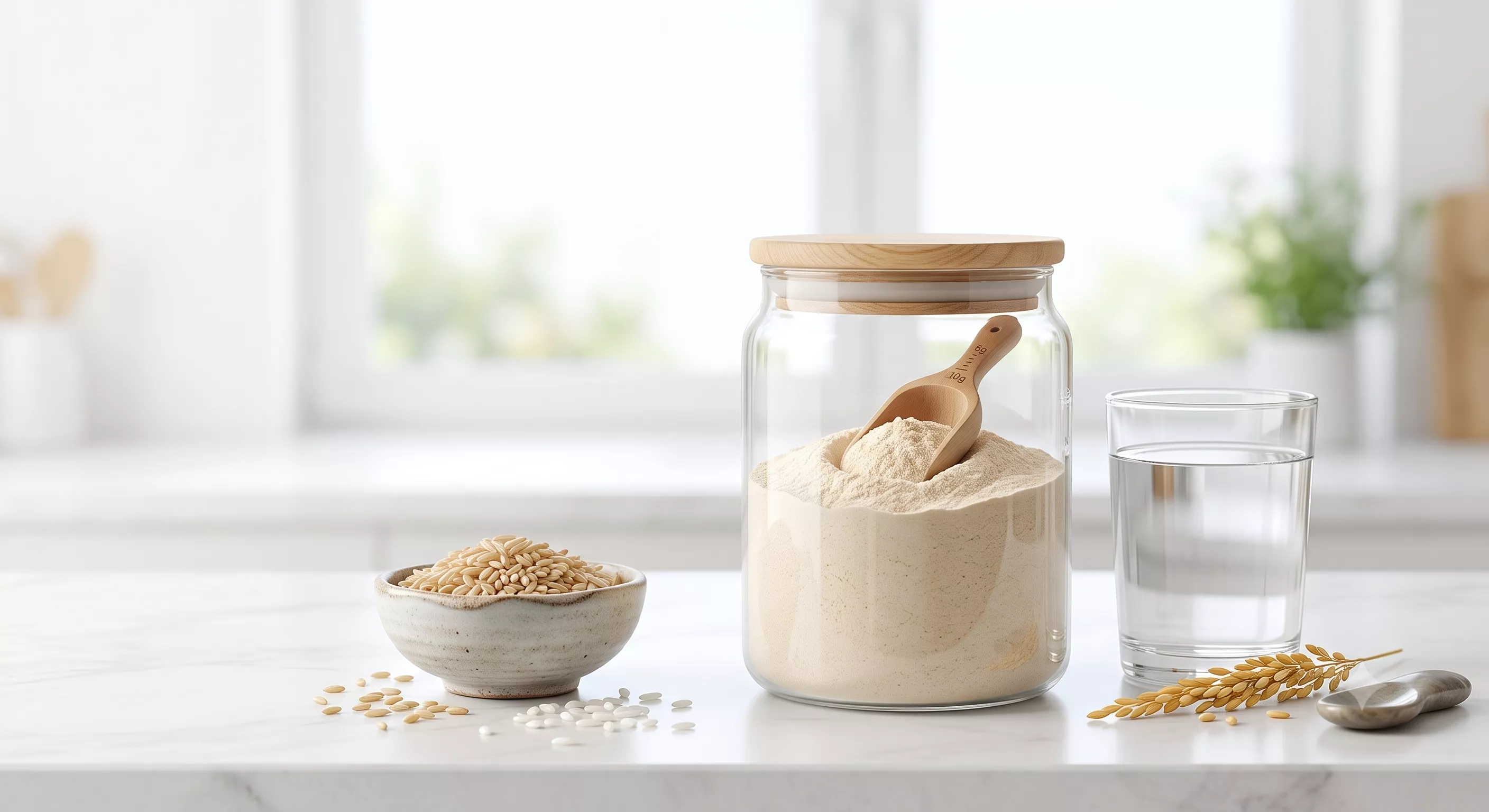
Source ultra-pure, 100% water-soluble wholesale hydrolyzed rice protein peptide in bulk. Over 85% molecules under 1000 Da. Ideal for infant nutrition, clean-label sports formulas, and sensitive skincare.
Tel:+86 21 65010906
Cell/Whatsapp/Wechat:
+86 13482884055
+86 18657345785
Email: sales@beyondbiopharma.com





User Comments
Service Experience Sharing from Real Customers
Megan
Pastry ChefAs someone who's been baking professionally for 8 years, I was skeptical about switching from traditional gelatin. But this agar-agar powder is a game-changer for my vegan desserts! It sets beautifully and doesn't alter the flavor. My lemon tarts have never been better.
Leo
Home CookOkay, full disclosure—I'm just a dad trying to make fun snacks for my kids. This carrageenan-based thickener actually worked in my homemade gummy bears! Messed up my first batch (totally my fault), but the second batch had perfect chew. Kids approved!
Rebecca
Lab TechnicianI use pectin powder for microbiology media prep in our lab, and it's surprisingly effective for culinary uses too. Tried it in jam last weekend—set perfectly without that animal-product aftertaste. Feels good to have a plant-based option that actually performs.
Marcus
Content CreatorBeen filming a series on sustainable cooking and tested this arrowroot starch alternative. It doesn't work exactly like gelatin (takes longer to set), but the clarity in my fruit gelees is insane! Plus, my vegetarian subscribers are thrilled I found a solid option.