English EN


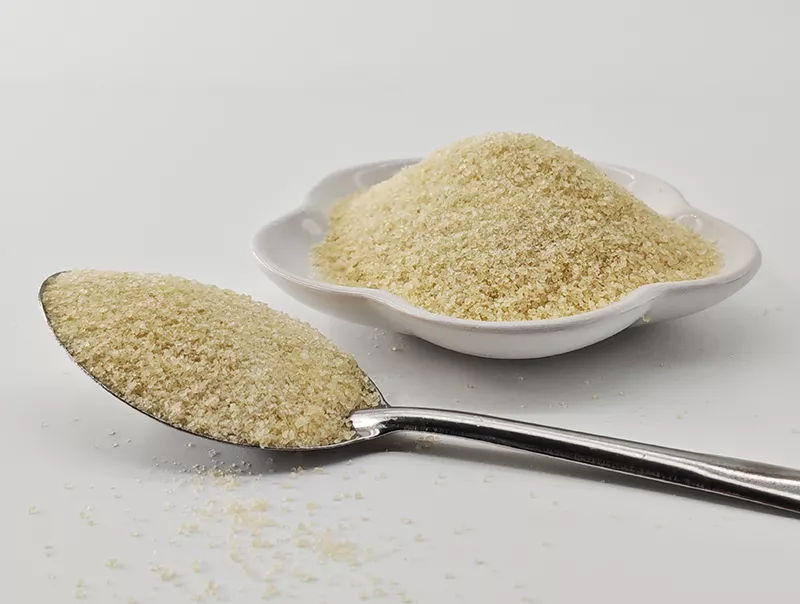
How to Use Gelatin Powder? Applications of Gelatin Powder
Use gelatin powder by blooming it in cold water, dissolving gently, and adding to recipes for perfect texture in desserts, sauces, and supplements.
More
Gelatin is a protein derived from collagen, commonly used in cooking and baking to modify texture. When heated with a liquid, gelatin granules absorb water and swell, then dissolve into a solution. Upon cooling, the protein chains form a three-dimensional network that traps liquid, creating a semi-solid gel. This process is essential for achieving the desired thickness in dishes like panna cotta, jelly, and marshmallows.
The strength of the gel depends on the concentration of gelatin and the temperature. Higher concentrations yield firmer gels, while lower concentrations produce softer, more fluid textures. The interaction between gelatin and liquid is reversible—heating melts the gel, and cooling resets the structure, making it versatile for both hot and cold preparations.
In everyday cooking, gelatin is often used to thicken sauces, stabilize whipped cream, or set fruit desserts. For example, adding gelatin to a fruit puree allows it to hold its shape when molded, while in baking, it can be used to create glossy glazes or fillings that don't run. Understanding this science helps cooks control consistency and texture precisely.
Learn more about specific gelatin applications:
Gelatin serves as a versatile thickener and stabilizer across a wide range of everyday dishes. In savory cooking, it enriches sauces and gravies, providing a silky, glossy finish without altering flavor. For sweet preparations, gelatin is essential in creating jellied desserts, panna cotta, and mousses, delivering a tender yet firm texture that holds its shape. Its unique ability to form a reversible gel makes it ideal for both hot and cold applications, from aspics to fruit jellies.
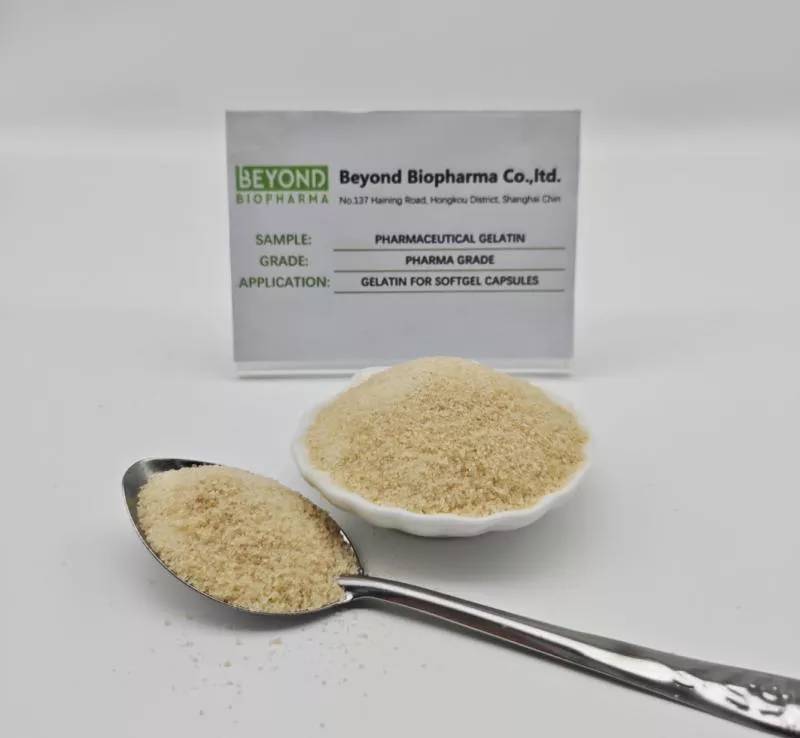
Common household uses include thickening pie fillings, stabilizing whipped cream, and setting creamy cheesecakes. Professional chefs also rely on gelatin to clarify consommés and create elegant layered terrines. Whether in powdered or sheet form, gelatin offers precise control over final consistency, making it a staple in both home kitchens and commercial food production.
In baking, gelatin is prized for its ability to provide structure and stability to airy, delicate preparations. When used correctly, it prevents syneresis (weeping) and helps mousses, whipped creams, and chiffon fillings hold their shape for hours or even days. The key lies in blooming the gelatin in cold liquid before gently warming it to activate its setting power.
Below is a quick reference for typical gelatin ratios used to stabilize different baking components. These proportions ensure a firm yet silky texture without making the final product rubbery.
| Application | Gelatin Type | Ratio (per 1 cup liquid) | Bloom Time |
|---|---|---|---|
| Whipped cream topping | Powdered gelatin | 1 teaspoon | 5 minutes |
| Fruit mousse | Sheet gelatin | 2 sheets (gold) | 10 minutes |
| Custard filling | Powdered gelatin | 1.5 teaspoons | 5 minutes |
| Chiffon cake | Sheet gelatin | 1 sheet (silver) | 8 minutes |
| Panna cotta layer | Powdered gelatin | 2 teaspoons | 5 minutes |
Note: Bloom time may vary slightly depending on water temperature and gelatin brand. Always follow package instructions for best results.
Always bloom gelatin in cold water (or another cold liquid) for the time specified above. Never add gelatin directly to hot liquid or it will become lumpy and lose its thickening power. Once bloomed, gently warm the gelatin mixture—either in a microwave for 5–10 seconds or over a double boiler—until it becomes fluid, then whisk it into your cream or mousse base.
For stabilized whipped cream, add the melted gelatin while the cream is still cold but before you begin whipping. This ensures even distribution and a light, airy texture that holds peaks for days. For mousses, fold the gelatin into the fruit puree or custard before combining with whipped cream.
If you are working with a recipe that calls for a specific gelatin strength, consider using standardized gelatin sheets for consistent gels. For dairy-based desserts, premium pharmaceutical gelatin offers neutral flavor and high clarity. When making fruit-based mousses, food-grade porcine gelatin works well with acidic ingredients. For a vegetarian-friendly alternative in some recipes, food-grade hyaluronic acid powder can be used as a stabilizer, though it behaves differently than gelatin.
Proper hydration and blooming are essential steps to achieve a smooth, lump-free texture when using gelatin in recipes. Begin by sprinkling gelatin powder evenly over cold water or another cold liquid, using a ratio of about 1 part gelatin to 3 parts liquid. Allow it to sit undisturbed for 5 to 10 minutes until the granules absorb the liquid and become soft and spongy. This process, known as blooming, ensures the gelatin dissolves evenly when heated, preventing clumps and ensuring a silky consistency.
After blooming, gently warm the mixture over low heat or in a microwave in short bursts, stirring until fully dissolved. Avoid boiling, as high heat can weaken the gelatin's thickening power. For recipes that require cold-set gels, such as panna cotta or fruit jellies, always bloom gelatin in a cold liquid before incorporating it into the warm base. Stir the dissolved gelatin thoroughly into the main mixture to distribute it evenly. Following these tips will help you achieve professional, lump-free results in everyday cooking and baking.
Gelatin vs. Cornstarch
Gelatin provides a smooth, elastic, and melt-in-the-mouth texture, ideal for creamy desserts and jellied dishes. Cornstarch creates a thicker, opaque, and slightly starchy consistency, making it better for gravies and sauces that require a stable, non-gelling result. Choose gelatin when you need a clear, firm gel that sets at cool temperatures; choose cornstarch for quick, heat-activated thickening in dairy-based or acidic liquids.
Learn more about gelatin for gummiesGelatin vs. Agar
Agar, derived from seaweed, sets firmly at room temperature and remains stable even in warm conditions, making it suitable for vegan recipes and hot climates. Gelatin, sourced from animal collagen, offers a softer, more delicate gel that melts at body temperature, providing a superior mouthfeel for panna cotta and mousses. Opt for gelatin when you want a creamy, tender texture; use agar when you need a firmer, heat-resistant gel without animal products.
Explore standardized gelatin sheetsPractical Tips for Choosing
Consider the dish’s temperature, acidity, and desired texture. Gelatin works best in cool, neutral to slightly acidic environments, while cornstarch requires boiling to activate. Agar sets quickly and can be reheated, but may become brittle. For baking, gelatin adds stability to whipped creams and frostings; for vegan or kosher needs, agar is a reliable alternative. Always test ratios, as gelatin and agar have different setting strengths.
See premium gelatin for coatingKey Takeaway
Select gelatin for its unique thermo-reversible gel, clarity, and smooth texture in cold preparations. Reserve cornstarch for hot, opaque sauces and agar for vegan or heat-stable gels. Understanding these differences ensures perfect thickening results every time.
Discover ultra-high viscosity gelatinThe science of gelatin reveals its unique ability to interact with liquids, forming a stable network that creates structure and thickness. This protein-based thickener is essential in both savory and sweet applications, from silky sauces and gravies to elegant jellied desserts and creamy panna cotta. In baking, gelatin plays a critical role in stabilizing creams, mousses, and whipped toppings, ensuring they maintain their texture over time.
Proper hydration and blooming are crucial for achieving smooth, lump-free results, making gelatin a reliable choice for consistent thickening. When compared to other thickeners like cornstarch or agar, gelatin offers a unique melt-in-the-mouth quality and clarity that is ideal for delicate dishes. Understanding when and why to choose gelatin over alternatives empowers cooks and bakers to achieve the perfect consistency and mouthfeel in their recipes.
Ultimately, mastering gelatin's properties allows for greater control over texture, ensuring successful culinary creations every time.


We provide you with comprehensive foreign trade solutions to help enterprises achieve global development
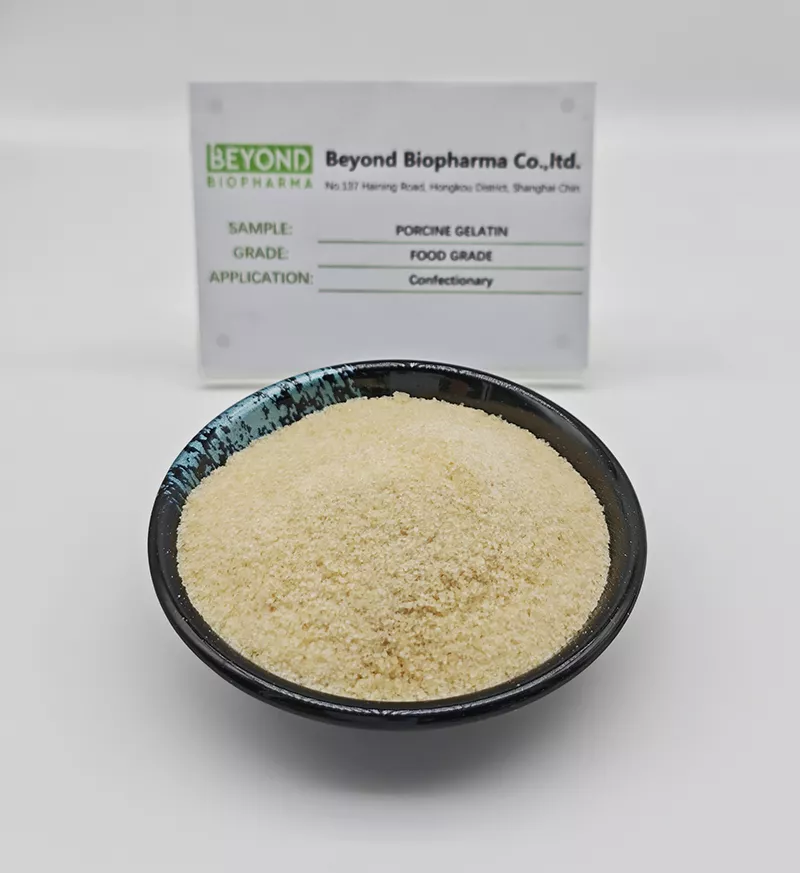
Food-grade porcine gelatin is a highly versatile and cost-effective natural protein derived from the collagen found in pig skin and bones. It is a premier gelling agent known for its exceptional clarity, neutral taste, and thermal reversibility.
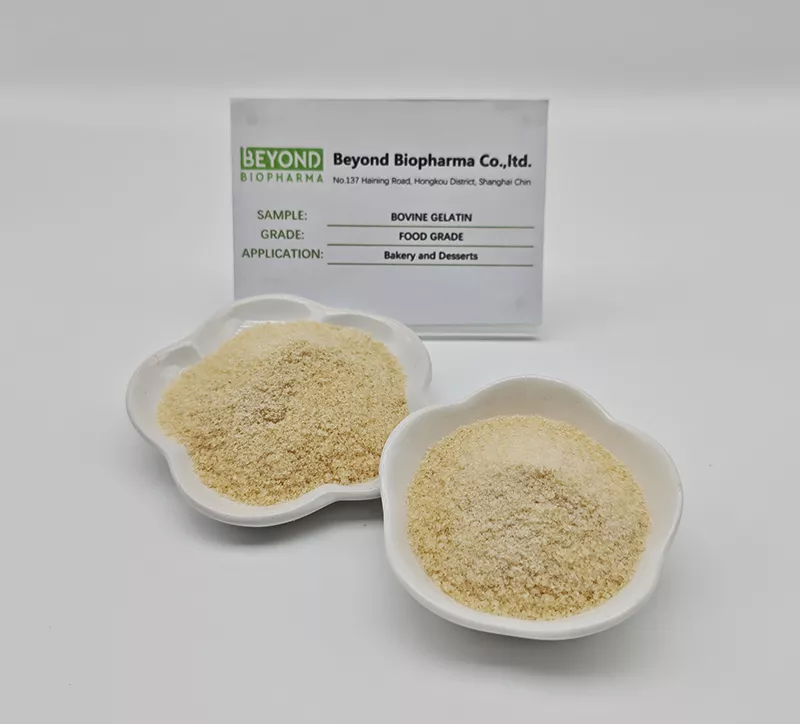
20 years experiences, 5000 ton/year capacity, Sustained supply with stable quality
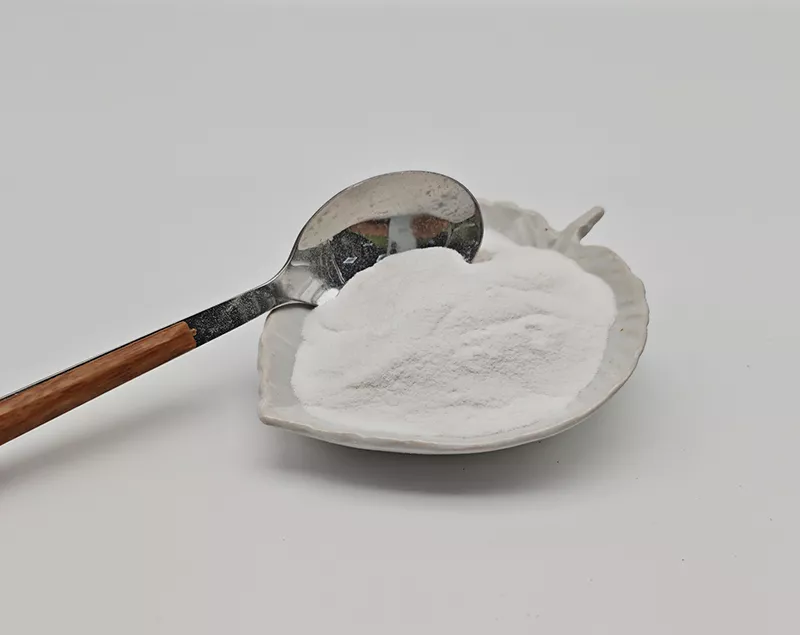
Fish Gelatin for foods is increasingly recognized as the premium alternative to traditional mammalian sources, meeting the growing global demand for clean-label ingredients that align with diverse dietary and religious requirements. Derived from the skin and scales of fish like cod and tilapia, fish gelatin offers unique functional benefits that make it an exceptional gelling, stabilizing, and texturizing agent.
The High-Performance Barrier for Core Material Protection and Controlled Release.
Tel:+86 21 65010906
Cell/Whatsapp/Wechat:
+86 13482884055
+86 18657345785
Email: sales@beyondbiopharma.com