Best Gelatin Powder Veg for Perfect Vegan Desserts
Looking for the best vegan gelatin powder to create flawless plant-based desserts? This guide covers top-rated options, how to use them in puddings, gummies, and mousses, and what to look for in terms of texture and setting power. Whether you are a home baker or a professional pastry chef, these insights will help you achieve perfect results every time.
What Makes a Great Vegan Gelatin Powder?
Traditional gelatin comes from animal collagen, which is why vegans and vegetarians need plant-based alternatives. The best vegan gelatin powders are typically made from ingredients like agar-agar (derived from seaweed), carrageenan, or pectin. Each has unique gelling properties: agar-agar sets firmly at room temperature and works well in jellies and gummies, while carrageenan creates a softer, creamier texture ideal for puddings and mousses. When choosing a product, look for one that is unflavored, dissolves easily, and provides consistent results batch after batch. Many commercial vegan gelatins also include stabilizers like locust bean gum or xanthan gum to improve texture and prevent syneresis (water separation).
Top Vegan Gelatin Options for Desserts
Based on real user feedback and culinary testing, here are some of the most reliable vegan gelatin powders available today:
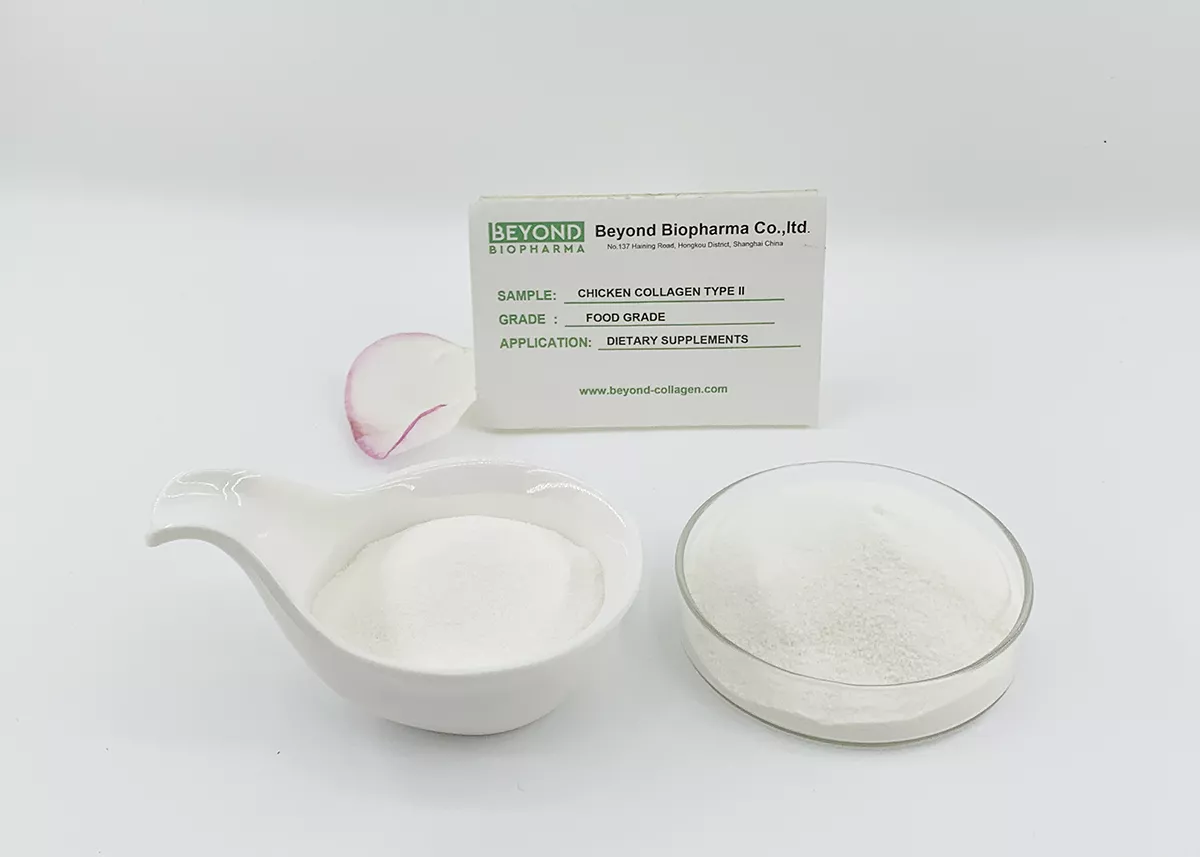
- Agar-Agar Powder – Derived from red algae, this is the most popular vegan gelatin. It sets firmly at room temperature and is perfect for fruit jellies, vegan panna cotta, and layered desserts. Use about 1 teaspoon of agar powder per cup of liquid for a firm set.
- Carrageenan Powder – Extracted from Irish moss, carrageenan produces a softer, more elastic gel. It is excellent for creamy desserts like vegan cheesecakes, mousses, and custards. Look for iota carrageenan for a flexible gel or kappa carrageenan for a firmer set.
- Pectin (High-Methoxyl or Low-Methoxyl) – Naturally found in fruits, pectin works best with acidic ingredients and sugar. It is ideal for making vegan gummies, fruit spreads, and glazes. Low-methoxyl pectin can set without sugar, making it a good choice for low-calorie desserts.
How to Use Vegan Gelatin Powder in Desserts
Using vegan gelatin powder is slightly different from traditional gelatin. Here are key tips for success:
- Hydration is crucial – Most vegan gelatins need to be bloomed (soaked) in cold water before heating. For agar-agar, let it sit in cold liquid for 5–10 minutes, then bring to a boil while stirring. For carrageenan, follow the package instructions, as some require heating to 80°C (176°F) to activate.
- Acidity matters – Agar-agar can lose its setting power in highly acidic ingredients (like lemon juice or passion fruit). If your dessert is acidic, consider using a blend of agar and carrageenan, or increase the amount of agar by 10–20%.
- Sweeteners and flavors – Vegan gelatin powders are neutral in taste, so they pair well with fruit purees, plant-based milks, and natural sweeteners like agave or maple syrup. Add flavors after the gelatin has dissolved but before it starts to set.
- Setting time and temperature – Agar-agar sets at room temperature within 30–60 minutes, while carrageenan may need refrigeration. Always allow your dessert to cool completely before serving for the best texture.
Common Mistakes to Avoid
Even experienced bakers can run into issues with vegan gelatin. Here are the most common pitfalls and how to avoid them:
- Not boiling agar-agar – Agar must be brought to a full boil (at least 1 minute) to fully dissolve and activate its gelling properties. Simply heating it will result in a weak or grainy set.
- Adding too much or too little – Follow the recommended ratios carefully. Using too much agar can create a rubbery texture, while too little will leave your dessert runny. For a standard firm jelly, use 1 teaspoon of agar powder per cup of liquid.
- Overmixing after setting begins – Once the gelatin starts to thicken (usually below 40°C / 104°F for agar), avoid stirring vigorously, as this can break the gel structure and cause a lumpy texture.
- Ignoring ingredient interactions – Some ingredients like kiwi, pineapple, and papaya contain enzymes that can break down gelatin. If using these fruits, cook them first to deactivate the enzymes, or use a heat-stable vegan gelatin blend.
Real-World Recipe Ideas
To get you started, here are three simple vegan desserts that showcase the versatility of plant-based gelatin powders:
- Vegan Berry Panna Cotta – Use carrageenan powder (about 1.5 teaspoons per 2 cups of coconut cream) with a touch of vanilla and agave. Layer with a quick agar-agar berry compote for a stunning two-tone dessert.
- Citrus Gummy Candies – Combine agar-agar powder (1 teaspoon per cup of orange or lemon juice) with a sweetener of your choice. Pour into silicone molds and let set at room temperature for 30 minutes.
- Chocolate Mousse – Blend silken tofu with melted dark chocolate and a small amount of carrageenan (about 0.5 teaspoon per cup). Chill for 2 hours for a rich, creamy mousse that holds its shape.
For more detailed information on sourcing high-quality vegan gelatin and other plant-based ingredients, feel free to explore our resources on standardized gelling agents. Whether you are making a simple fruit jelly or an elaborate layered cake, the right vegan gelatin powder makes all the difference in achieving a perfect, professional result.