 English EN


Hydrolyzed Plant Protein Peptides and Their Health Benefits
Hydrolyzed plant protein offers small bioactive peptides for rapid gut absorption, reducing inflammation while supporting heart, gut, and immune health.
More
For years, plant-based protein powders have been the go-to choice for vegans, vegetarians, and those with dairy sensitivities. However, not all plant proteins are created equal. While traditional options like pea flour or brown rice protein offer a solid nutritional base, they often fall short in one critical area: digestive efficiency. This is where vegan protein peptides step in. By breaking down whole proteins into smaller, bioactive chains, these peptides offer a level of performance that whole-food proteins simply cannot match.
The human body does not absorb whole proteins directly. It must first break them down into individual amino acids and di- or tri-peptides through a lengthy digestive process. Traditional plant proteins, with their complex globular structures and fibrous cell walls, can be particularly challenging to digest. This often leads to bloating, gas, and a delayed delivery of amino acids to muscle tissue.
Vegan protein peptides bypass this bottleneck. Through a controlled enzymatic hydrolysis process, manufacturers cleave the protein strands into short-chain peptides. These fragments are so small that they are absorbed directly into the bloodstream through the intestinal wall without requiring extensive breakdown. Clinical studies indicate that peptide-based formulas can elevate plasma amino acid levels significantly faster than intact proteins, making them ideal for post-workout recovery windows.
When we look at the numbers, the difference becomes clear. Traditional brown rice protein typically has a Protein Digestibility-Corrected Amino Acid Score (PDCAAS) of around 0.75 to 0.80. While respectable, it is limited by its low lysine content. Pea protein scores higher at 0.89 to 0.92, but still requires careful blending with other proteins to achieve a complete amino acid profile.
In contrast, pea protein peptides and rice protein peptides exhibit improved solubility and a much higher rate of nitrogen retention. Because the hydrolysis process pre-digests the protein, the body utilizes a greater percentage of the ingested nitrogen for muscle protein synthesis rather than excreting it. This translates to more effective muscle repair with the same serving size.
Traditional plant proteins are often praised solely for their amino acid content. However, vegan protein peptides offer additional bioactive functions that whole proteins do not. Certain peptide sequences derived from soy and corn have been shown to exhibit antioxidant properties, helping to neutralize free radicals generated during intense exercise. Others demonstrate ACE-inhibitory activity, which can support healthy blood pressure levels.
For example, corn peptides are uniquely rich in glutamine and branched-chain amino acids (BCAAs), but they also contain specific short-chain sequences that have been linked to reduced fatigue perception. Similarly, soybean oligopeptides have a lower molecular weight distribution, which allows them to be absorbed even faster than standard soy protein isolate, making them a superior choice for medical nutrition and sports recovery formulas.
One of the most common complaints with traditional plant proteins is gastrointestinal distress. The oligosaccharides and fiber present in whole pea or soy flour can ferment in the gut, causing bloating and discomfort. The enzymatic hydrolysis used to create peptides removes many of these problematic carbohydrates. Additionally, the resulting peptides are less antigenic than the parent proteins, meaning they are less likely to trigger an immune response in sensitive individuals.
For those with compromised gut health or athletes who need to consume protein frequently throughout the day, this is a game-changer. Products like wheat gluten peptides and walnut peptides offer a hypoallergenic alternative that is gentle on the stomach while still delivering a potent dose of nitrogen.
From a practical standpoint, the benefits of vegan protein peptides extend to taste and mixability. Traditional plant proteins are notoriously gritty and have a strong, earthy flavor that requires heavy masking. Peptides, due to their smaller size, dissolve almost completely in water, creating a smooth, neutral-tasting base. This allows formulators to create cleaner labels with fewer artificial flavors and sweeteners.
Furthermore, the rapid absorption profile makes peptides uniquely suited for intra-workout formulas and rapid recovery shakes. While a traditional plant protein shake is best consumed after a workout, a peptide blend can be consumed during exercise to maintain a positive nitrogen balance, reducing muscle breakdown and accelerating the repair process.
The evidence is compelling. Vegan protein peptides are not just a marketing gimmick; they represent a genuine technological advancement in plant-based nutrition. By delivering amino acids faster, reducing digestive stress, and offering additional bioactive benefits, they outperform traditional plant proteins across nearly every metric that matters to athletes and health-conscious consumers.
If you are currently using a standard plant protein powder and experiencing bloating or slow recovery, or if you simply want to maximize the efficiency of your nutrition, switching to a peptide-based product is a logical next step. The future of plant-based performance nutrition lies in these small but mighty chains of amino acids.

We provide you with comprehensive foreign trade solutions to help enterprises achieve global development
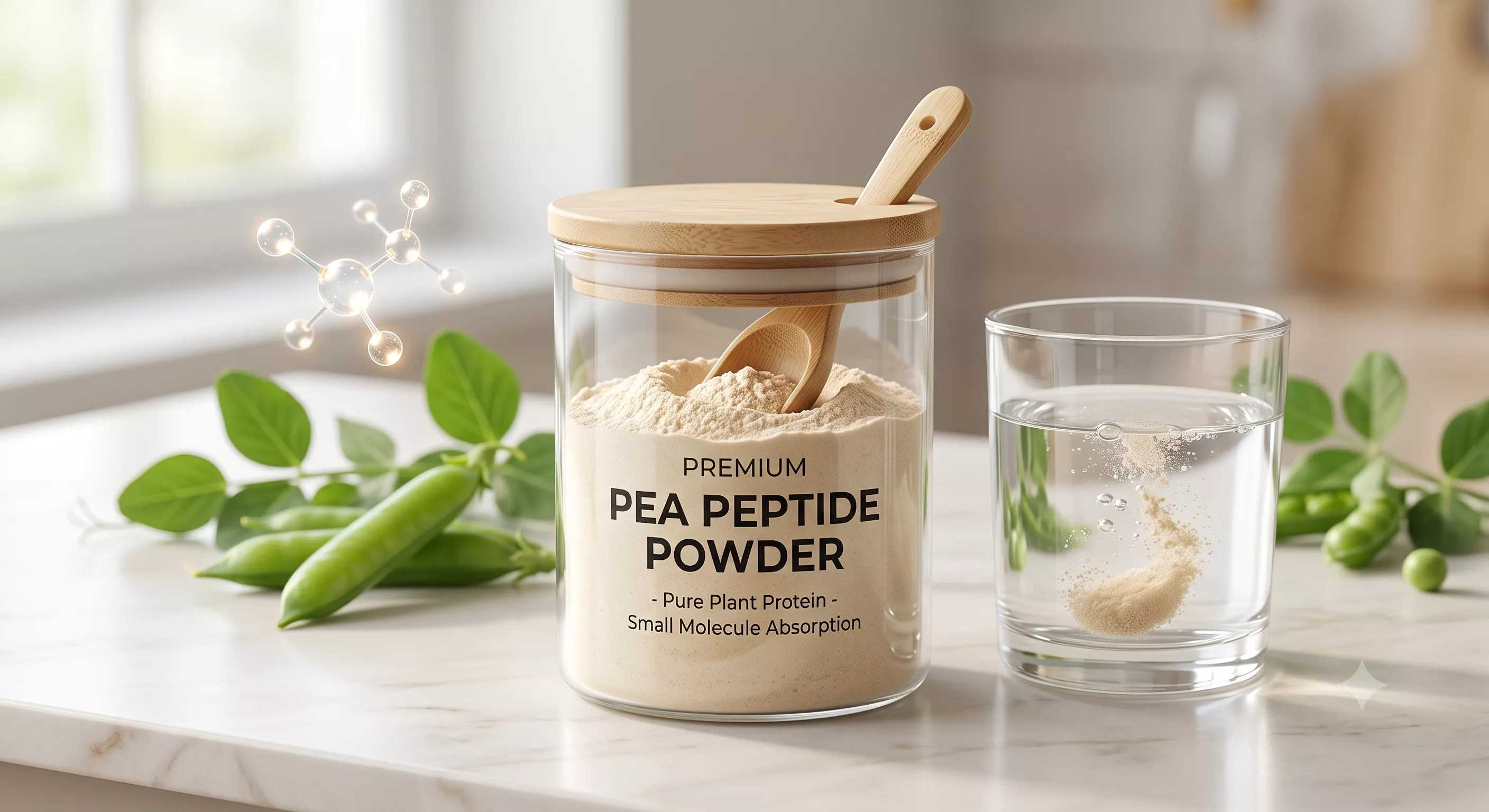
Source high-purity, hypoallergenic hydrolyzed pea peptide powder in bulk. Complete water solubility, rich in BCAAs, ideal for vegan recovery formulas.
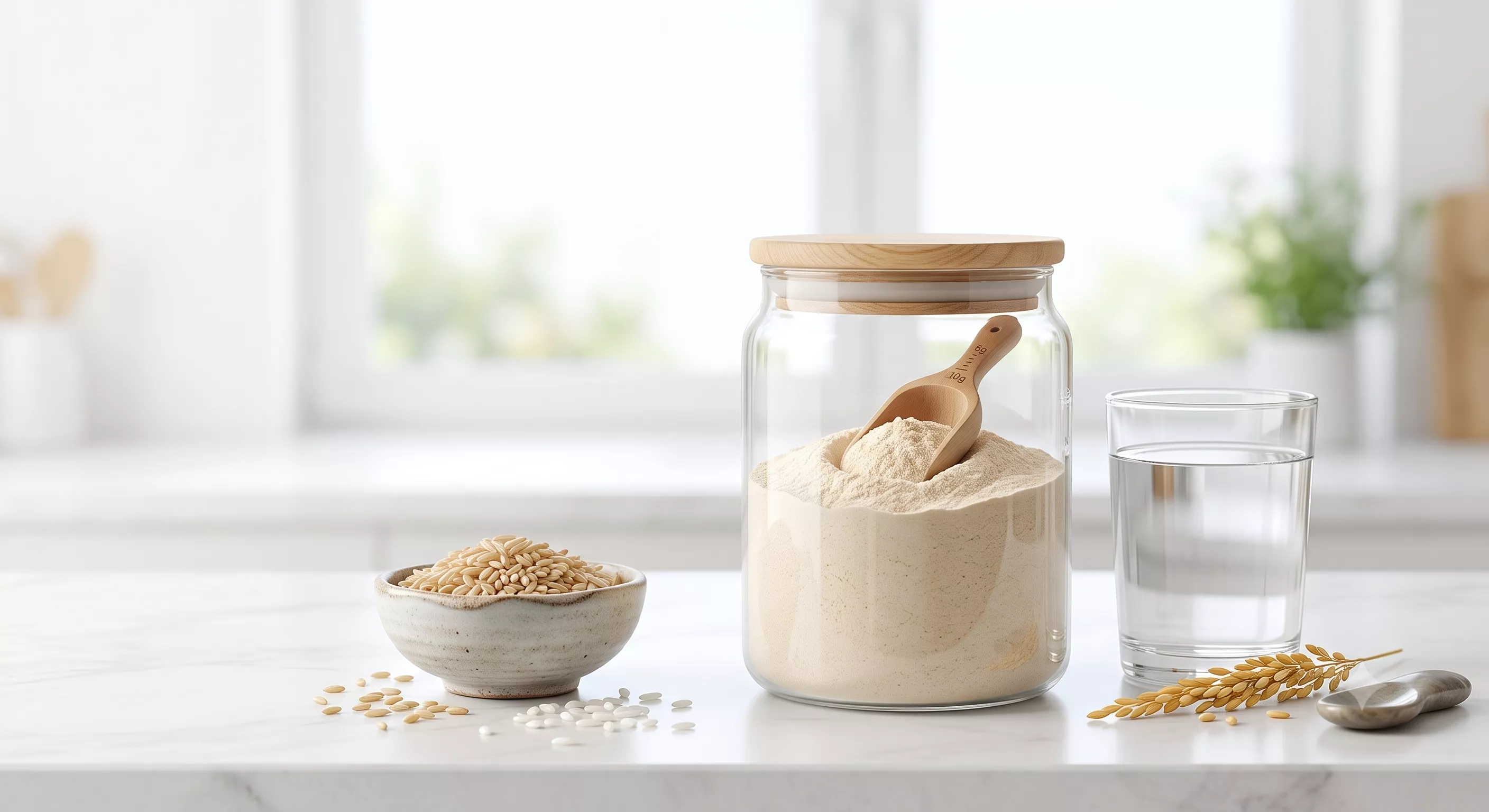
Source ultra-pure, 100% water-soluble wholesale hydrolyzed rice protein peptide in bulk. Over 85% molecules under 1000 Da. Ideal for infant nutrition, clean-label sports formulas, and sensitive skincare.
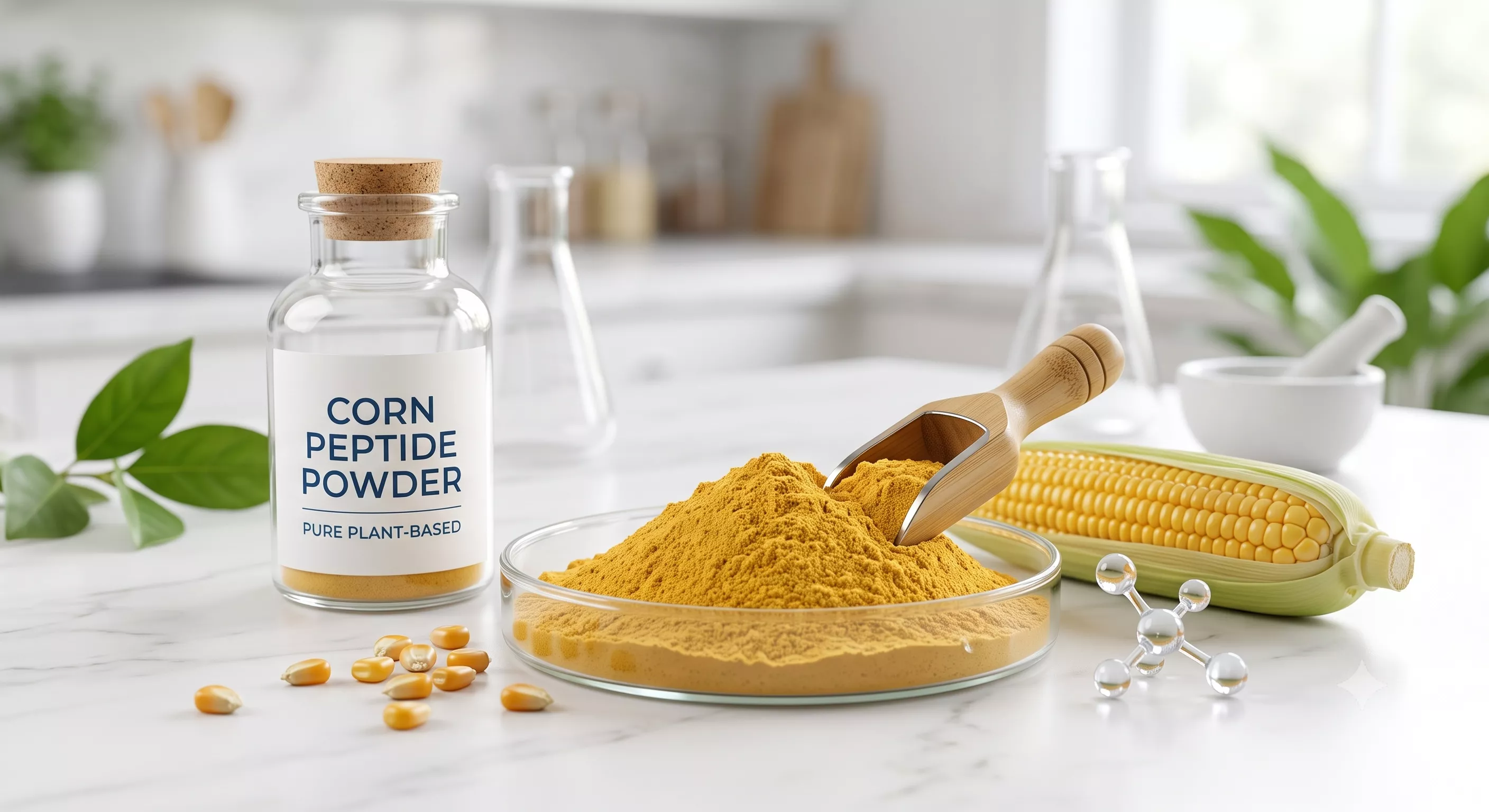
Source high-purity wholesale hydrolyzed corn protein peptide powder in bulk. Over 85% oligopeptides under 1000 Da. Rich in Alanine and Leucine for liver support and sobriety formulas.
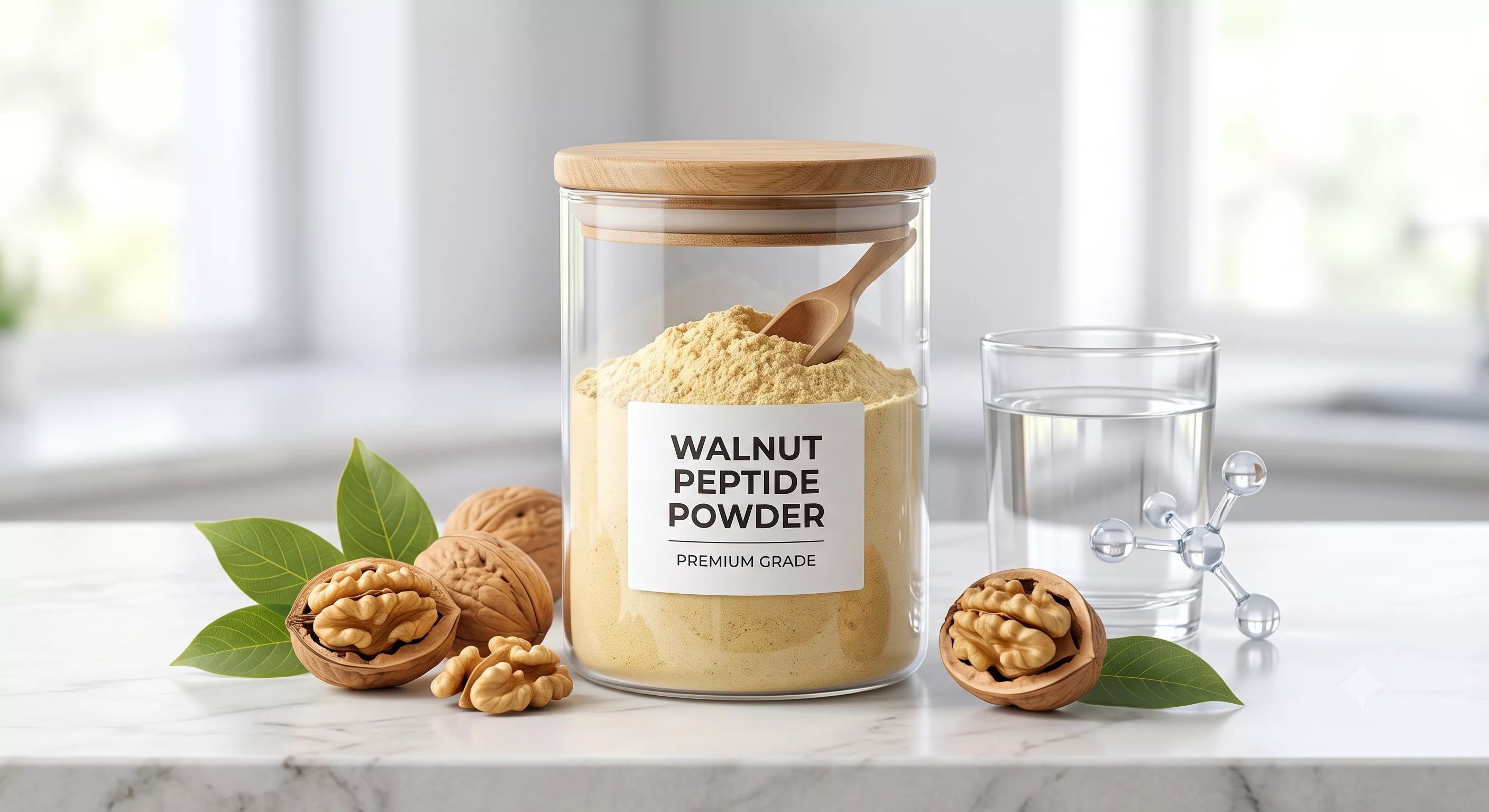
Source wholesale hydrolyzed walnut protein peptide powder in bulk. Over 85% low-molecular-weight oligopeptides rich in Glutamic Acid. Perfect for cognitive formulas and sleep aid supplements.
Select the most popular foreign trade service products to meet your diverse needs
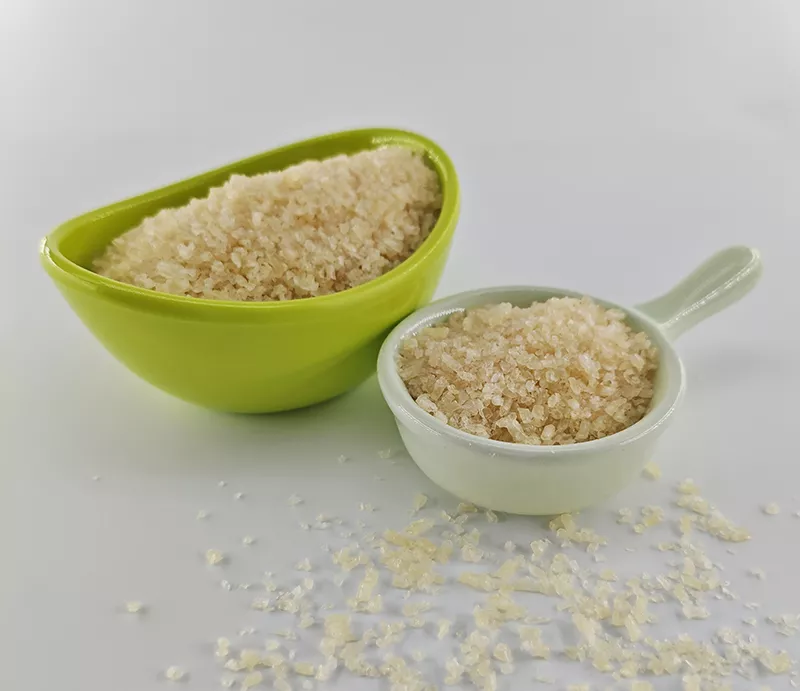
Stability, Swallowing Enhancement, and Controlled Release
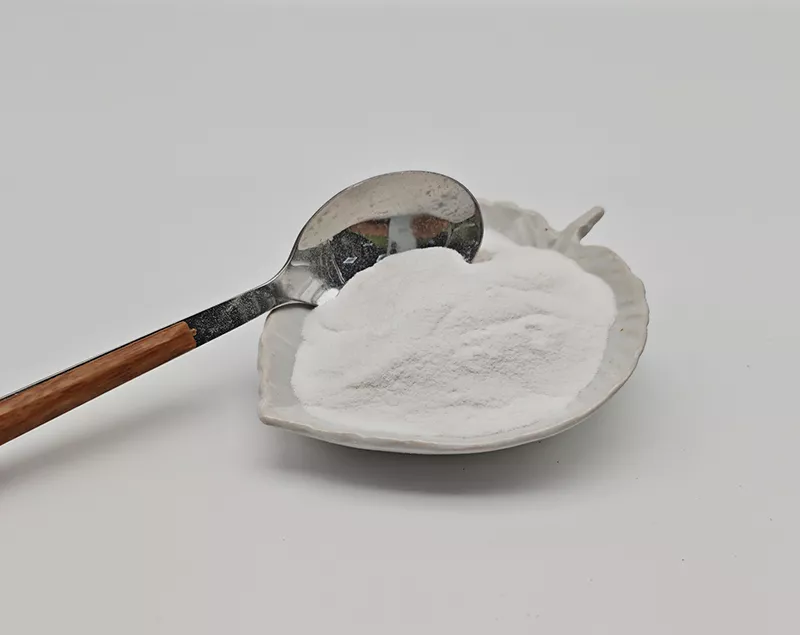
Fish Gelatin for foods is increasingly recognized as the premium alternative to traditional mammalian sources, meeting the growing global demand for clean-label ingredients that align with diverse dietary and religious requirements. Derived from the skin and scales of fish like cod and tilapia, fish gelatin offers unique functional benefits that make it an exceptional gelling, stabilizing, and texturizing agent.
Source wholesale hydrolyzed walnut protein peptide powder in bulk. Over 85% low-molecular-weight oligopeptides rich in Glutamic Acid. Perfect for cognitive formulas and sleep aid supplements.
Tel:+86 21 65010906
Cell/Whatsapp/Wechat:
+86 13482884055
+86 18657345785
Email: sales@beyondbiopharma.com





User Comments
Service Experience Sharing from Real Customers
Ethan
CrossFit CoachI’ve tried a ton of plant-based proteins over the years, and these Vegan Protein Peptides are the first ones that actually dissolve completely in my shaker without turning into a gritty paste. The flavor is mild enough that I can mix it into my morning oats or just water post-WOD. My recovery time has noticeably improved—less soreness the day after heavy deadlifts. Legit game changer for a guy who hates the bloated feeling from standard powders.
Maya
Registered DietitianI recommend these to clients who struggle with digestive issues from other vegan blends. The peptide form seems to be easier on the gut—no bloating or gas reported so far. I personally use them in smoothies post-run and appreciate that the ingredient list is clean without artificial sweeteners. Only giving 4 stars because the vanilla could be a touch more pronounced, but overall a solid, science-backed option.
Liam
Software DeveloperHonestly, I bought this on a whim because I needed something quick between coding sprints and my stomach can’t handle whey. I was not expecting much flavor-wise, but the unflavored version is surprisingly neutral—no weird aftertaste. I just stir it into my cold brew or almond milk and it’s gone in seconds. Keeps me full for hours without that heavy feeling. Pretty stoked I found this.
Sophie
Yoga Instructor & Studio OwnerI wanted to love these because the concept of hydrolyzed vegan peptides sounds great for post-yoga repair. The texture is fine and it mixes well, but I found the chocolate flavor a bit too earthy for my taste—almost like raw cacao nibs without sweetness. It’s not bad, just not my favorite. I’ll finish the bag, but I might switch back to my old brand next time. Good macros though.