 English EN


Bioactive Plant Peptides: Antioxidant, ACE-Inhibitory & Immune Roles
Bioactive plant peptides offer antioxidant, ACE-inhibitory, and immune benefits for heart health, chronic disease prevention, and modern nutrition.
More
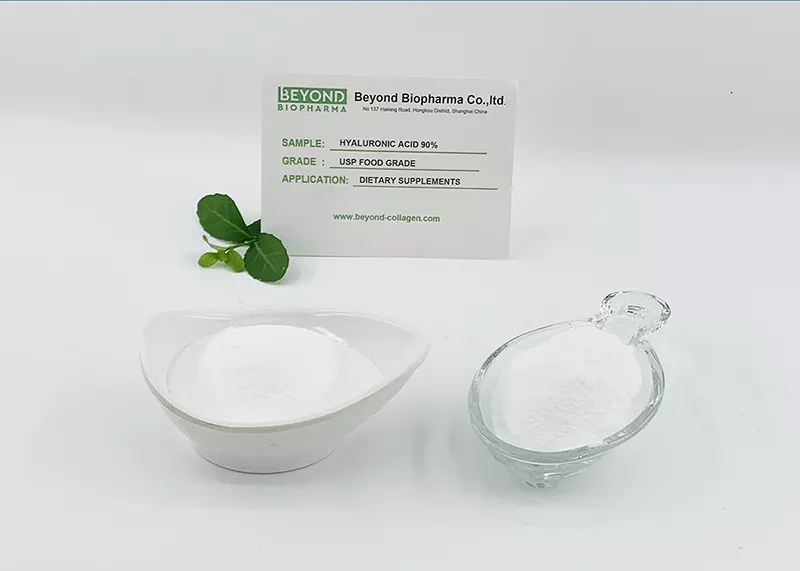
Antioxidant peptides are short-chain amino acid sequences derived from hydrolyzed proteins that exhibit the ability to neutralize free radicals and reduce oxidative stress. For overseas buyers in the food-ingredient, supplement, and pharmaceutical sectors, sourcing antioxidant peptides with consistent quality, high solubility, and low odor remains a persistent pain point. Batch-to-batch variability, fishy smells in marine-sourced peptides, and certification hurdles for vegan or allergen-free claims often complicate procurement decisions.
The production of antioxidant peptides typically involves enzymatic hydrolysis of protein-rich raw materials such as fish collagen, bovine gelatin, or plant proteins like pea and rice. During hydrolysis, proteases break down long protein chains into smaller peptide fragments, typically with molecular weights between 500 and 5,000 Da. This process exposes amino acid residues — particularly hydrophobic ones like glycine, proline, and histidine — that act as electron donors or metal chelators, giving the peptides their antioxidant capacity.
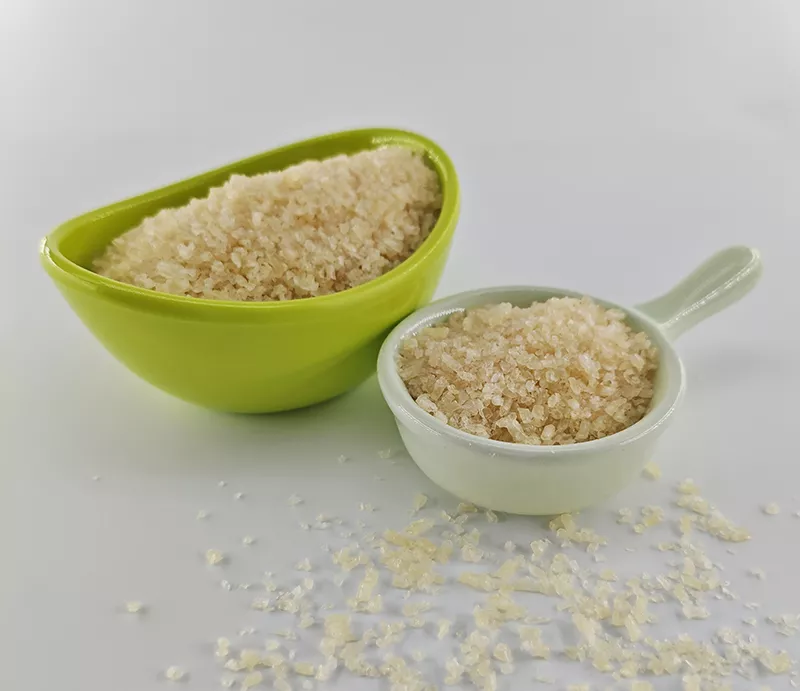
In application, the functional performance of antioxidant peptides depends on their molecular weight distribution, amino acid composition, and solubility. Lower molecular weight peptides (around 1,000–3,000 Da) generally exhibit faster absorption and higher radical-scavenging activity. For example, fish collagen tripeptides are known for their rapid uptake in the body, making them popular in beauty-from-within and sports recovery formulations. Gelatin-derived peptides, on the other hand, offer higher gel strength (bloom values of 150–260 g for pharmaceutical gummies) and are often used in functional confectionery and softgel shells.
For plant-based formulations, hydrolyzed pea or rice protein peptides provide a vegan-friendly alternative with comparable antioxidant activity. These peptides are processed under controlled temperature and pH conditions to preserve bioactivity and minimize bitterness. At Beyond Biopharma, the production lines use fully automatic stainless-steel sealed piping and automated temperature/pH control, ensuring consistent hydrolysis profiles across batches.
When evaluating antioxidant peptide ingredients, buyers should focus on a few key parameters. The table below outlines commonly accepted industry ranges for different types of peptides. Note that these are typical ranges; final values should always be confirmed via Certificate of Analysis (COA) from the supplier.
| Parameter | Edible Gelatin (Bovine/Porcine/Fish) | Collagen Peptides (Fish/Bovine) | Plant Protein Peptides (Pea/Rice/Soy) |
|---|---|---|---|
| Bloom (g) | 50–300 (pharma/gummies: 150–260) | N/A (non-gelling) | N/A |
| Viscosity (mPa·s) | 2.0–5.5 | Low (typically | Low |
| Molecular Weight (Da) | N/A (polymer) | 2,000–5,000 (fish: lower end) | |
| Protein Content (%) | ≥ 85 | ≥ 90 | 80–90 |
| Moisture (%) | ≤ 14 | ≤ 8 | ≤ 8 |
| Mesh Size | 8–60 | 20–80 | 40–100 |
*Typical industry range; final values per COA / sample.
Selecting the right antioxidant peptide depends on your target application. Below is a breakdown by industry with recommended ingredient types.
For joint health applications, Beyond Biopharma also supplies food-grade hyaluronic acid powder and bovine chondroitin sulfate sodium, which can be combined with antioxidant peptides for synergistic effects.
Beyond Biopharma is a Shanghai, China–based manufacturer specializing in collagen peptides, gelatin, and plant protein peptides for B2B bulk supply and formulation/OEM support. With over 10 years of experience in the food-ingredient industry, our products are exported to more than 50 countries. Our facility operates with an annual capacity of approximately 3,000 MT for collagen and 5,000 MT for gelatin, supported by a fully automatic production line, GMP clean workshop, stainless-steel sealed piping, and automated temperature/pH control.
We hold ISO 9001 certification, are US FDA registered, and maintain a GMP clean workshop. Select products carry Halal or Kosher certification (e.g., fish gelatin), and our bovine bone gelatin is BSE-free. Our in-house lab conducts heavy-metal and microbiological testing, and a dedicated QA/QC team ensures every batch meets specifications. We offer three grades — food, pharmaceutical, and cosmetic — and provide free samples along with formulation and selection support.
Q: What is the difference between antioxidant peptides and regular collagen peptides?
A: Antioxidant peptides are specifically hydrolyzed to expose amino acid residues that neutralize free radicals, while regular collagen peptides focus on structural support for skin and joints. Both can be derived from the same raw materials, but antioxidant peptides are optimized for higher radical-scavenging activity.
Q: How do I ensure batch-to-batch consistency when sourcing antioxidant peptides?
A: Request a Certificate of Analysis (COA) for each batch, focusing on molecular weight distribution, protein content, and solubility. Work with suppliers like Beyond Biopharma that use automated production lines and in-house QA/QC testing to minimize variability.
Q: Can antioxidant peptides be used in vegan or allergen-free formulations?
A: Yes. Plant protein peptides from pea, rice, or soy are vegan-friendly and free from common allergens like dairy and gluten. They offer comparable antioxidant activity to animal-derived peptides and are suitable for clean-label products.
Q: What certifications should I look for when importing antioxidant peptides?
A: Key certifications include ISO 9001, US FDA registration, and GMP compliance. For specific markets, Halal or Kosher certification may be required. Beyond Biopharma offers these for select products, including fish gelatin.
Q: How do I choose between fish and bovine collagen peptides for antioxidant applications?
A: Fish collagen peptides typically have lower molecular weight and faster absorption, making them ideal for beauty and sports nutrition. Bovine collagen peptides offer higher bloom for gelling applications and are often more cost-effective for bulk use.
Q: What is the typical shelf life of antioxidant peptide powders?
A: Most antioxidant peptide powders have a shelf life of 24–36 months when stored in a cool, dry place away from direct sunlight. Always verify with the supplier's COA for specific storage recommendations.
If you are evaluating antioxidant peptides for your next product formulation, we invite you to reach out to Beyond Biopharma. Please provide your application type, required grade (food, pharmaceutical, or cosmetic), estimated quantity or MOQ, target specifications (bloom, mesh, molecular weight, certifications), and destination country. Our team will send free samples and a competitive quote tailored to your needs. We look forward to supporting your sourcing requirements with reliable, certified ingredients.

We provide you with comprehensive foreign trade solutions to help enterprises achieve global development
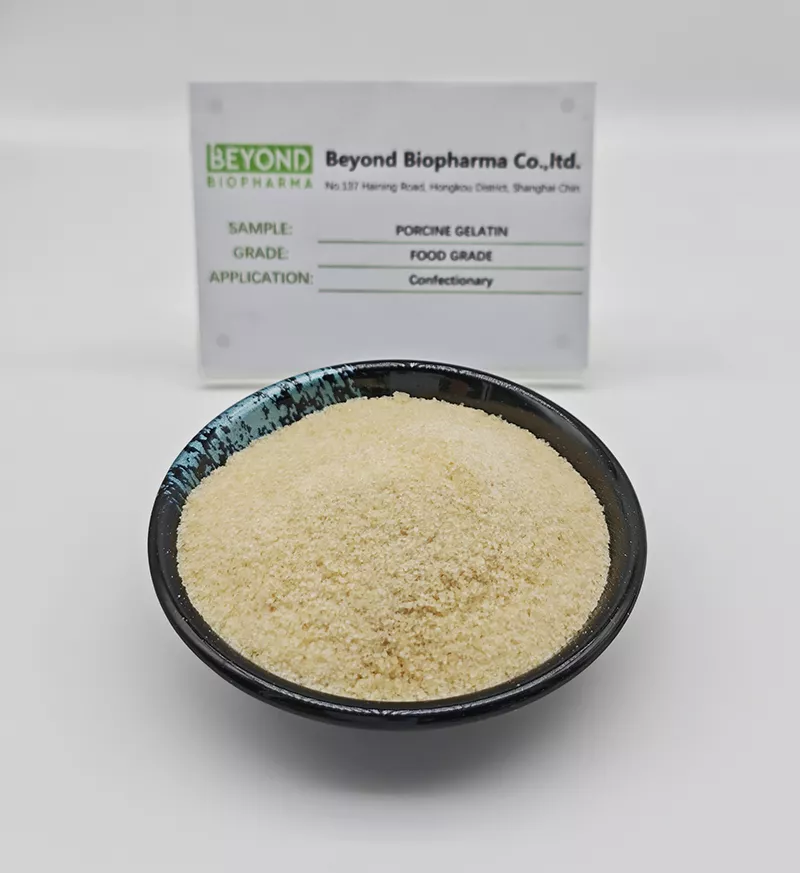
Food-grade porcine gelatin is a highly versatile and cost-effective natural protein derived from the collagen found in pig skin and bones. It is a premier gelling agent known for its exceptional clarity, neutral taste, and thermal reversibility.
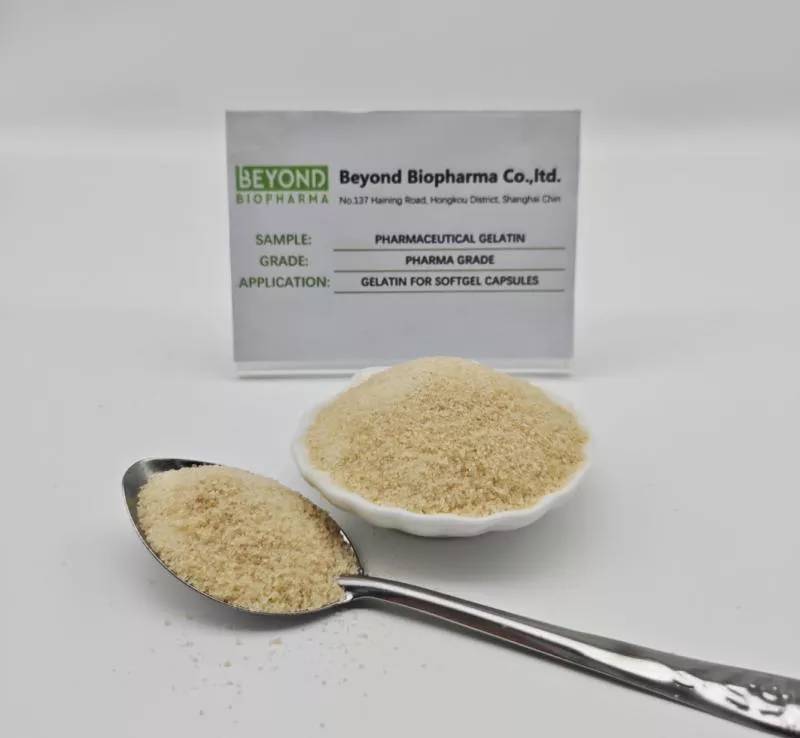
Softgel encapsulation demands a gelatin with unique physical attributes to perform optimally during the high-speed manufacturing process
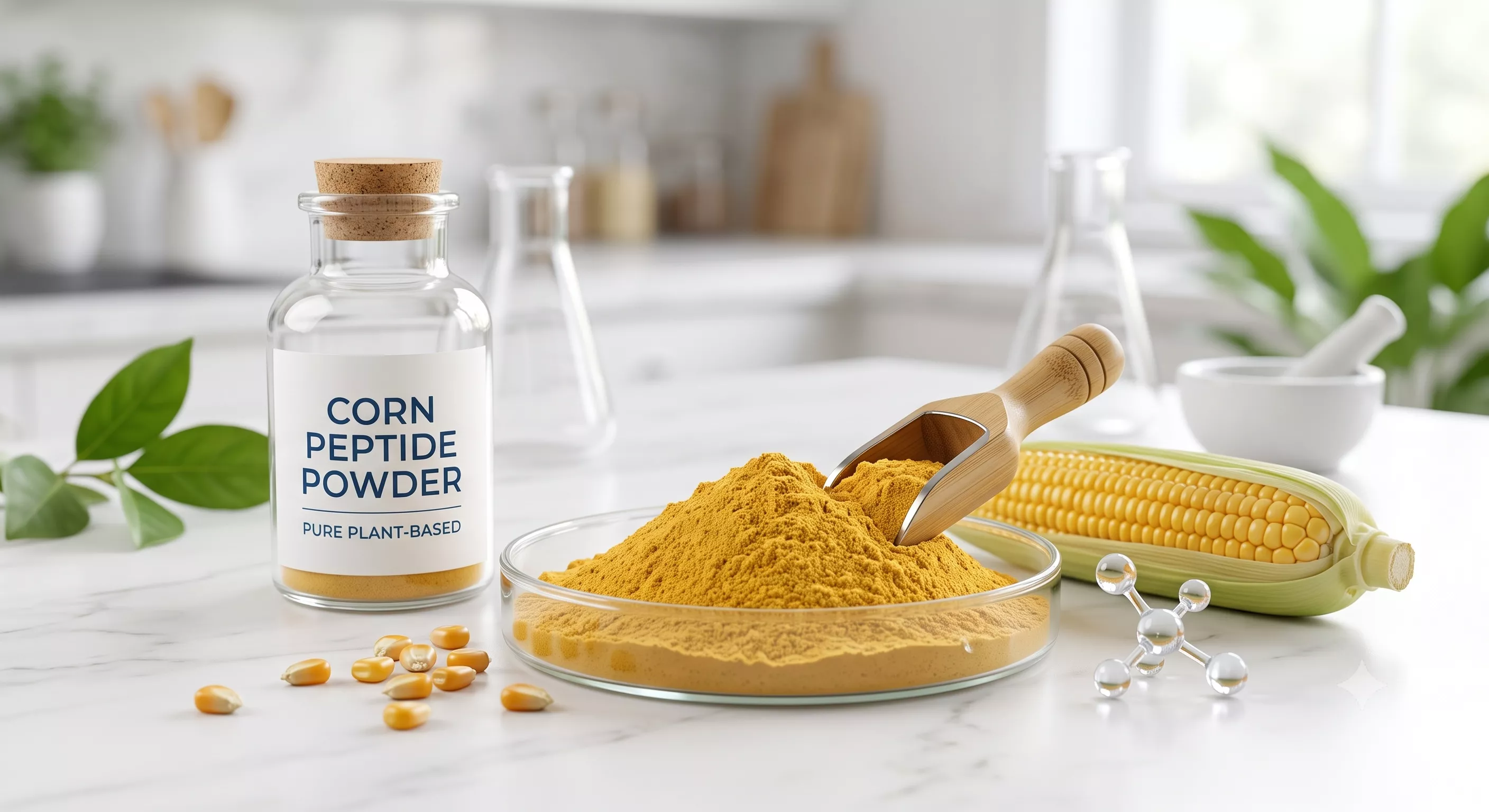
Source high-purity wholesale hydrolyzed corn protein peptide powder in bulk. Over 85% oligopeptides under 1000 Da. Rich in Alanine and Leucine for liver support and sobriety formulas.
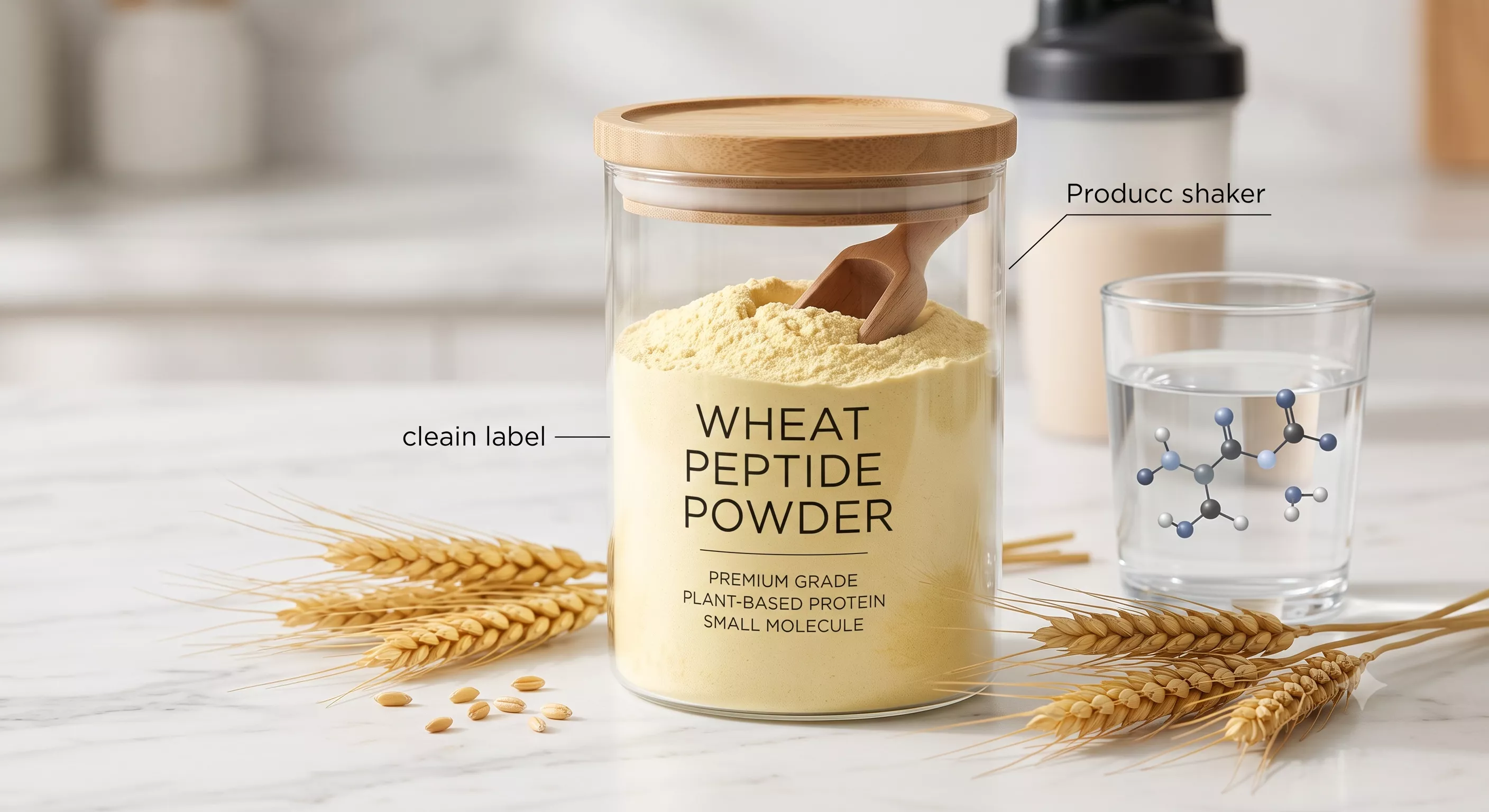
Source ultra-pure, high-solubility wholesale hydrolyzed wheat gluten peptide in bulk. Rich in plant-bound Glutamine ($\ge 25\%$) for muscle recovery and gut barrier health.
Select the most popular foreign trade service products to meet your diverse needs
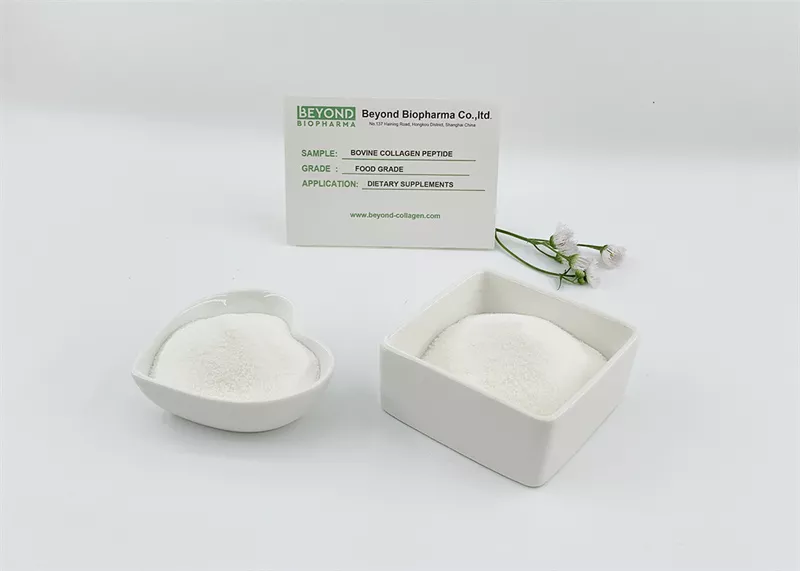
Manufacturer of bovine collagen peptide, shipping in containers all around the world
Softgel encapsulation demands a gelatin with unique physical attributes to perform optimally during the high-speed manufacturing process
High Molecular Weight for Superior Joint, Skin, and Eye Health.
Tel:+86 21 65010906
Cell/Whatsapp/Wechat:
+86 13482884055
+86 18657345785
Email: sales@beyondbiopharma.com





User Comments
Service Experience Sharing from Real Customers
jack_morrison
Clinical Research CoordinatorI’ve been testing these antioxidant peptides on a small cohort of post-surgery patients for wound recovery. The reduction in oxidative stress markers was measurable within two weeks. No weird side effects, and the patients reported better energy. This isn't snake oil—it actually works.
lina_zhang
Formulation ChemistWe reformulated our anti-aging serum with these peptides. The stability in emulsion is solid, and the in vitro free radical scavenging activity beat our old ingredient by about 18%. Only giving 4 stars because the raw material cost is a bit high for bulk orders, but the results justify it.
mike_henson
Livestock NutritionistAdded this to the feed for our aging breeding sows. Their litter survival rate improved noticeably, and the sows looked healthier after farrowing. I was skeptical about peptides in animal feed, but the data doesn't lie. Will reorder for next cycle.
sarah_cortez
Food Safety & Quality ManagerWe tested these as a natural preservative alternative for ready-to-eat meat products. Lipid oxidation dropped significantly over a 30-day shelf life study. No off-flavors or color changes. Finally a clean-label solution that actually extends shelf life without synthetic additives.