 English EN


Functional Plant Peptides: Corn, Wheat & Walnut Peptides for Endurance & Recovery
Functional plant peptides from corn, wheat, and walnut speed muscle recovery, rebuild glycogen, protect gut health, and lower central workout fatigue.
More
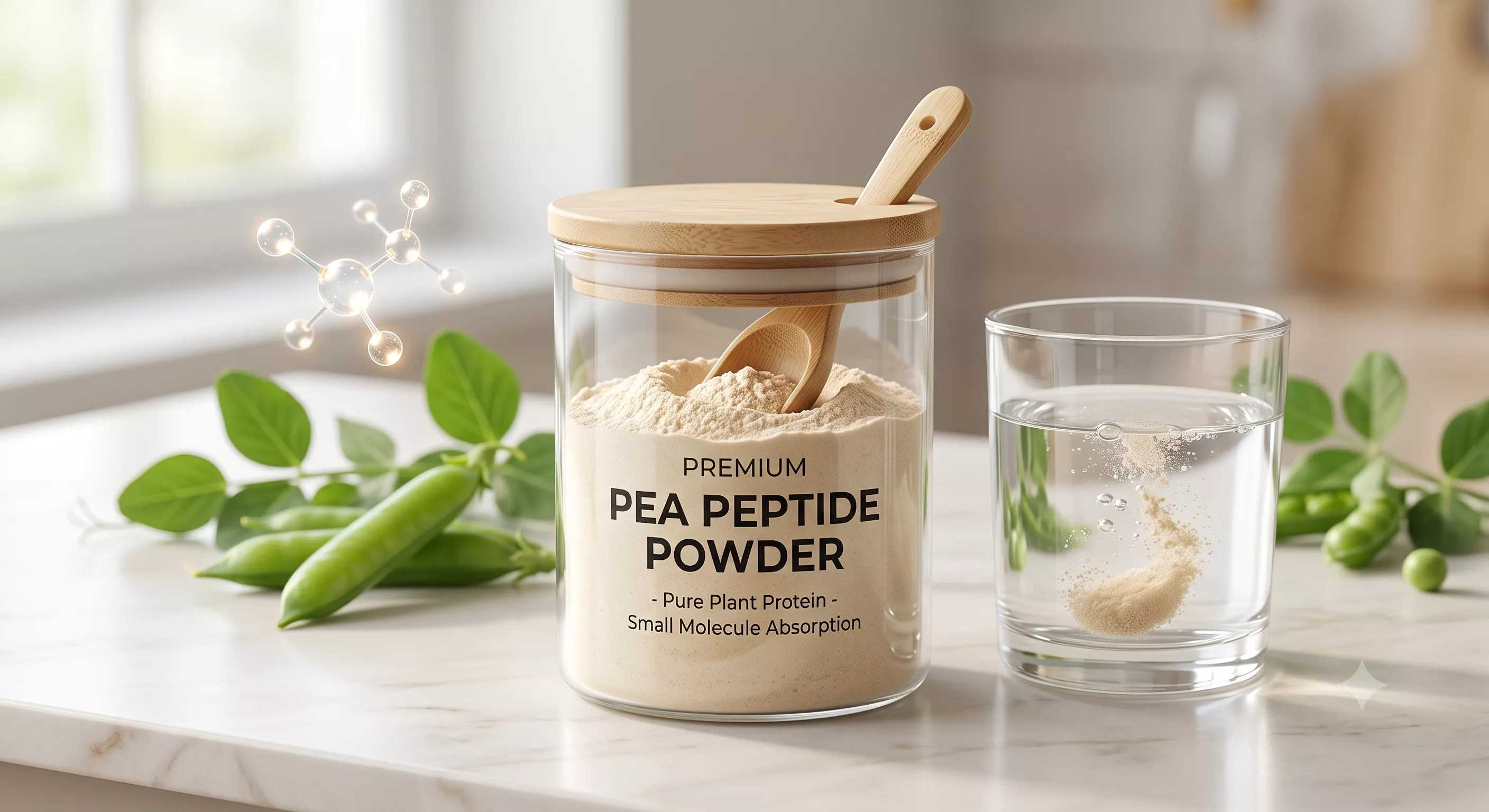
To appreciate how plant-based peptides benefit skin and hair, it helps to understand what they actually are. Proteins are long chains of amino acids, and peptides are essentially shorter chains—think of them as smaller, more digestible pieces of protein. When consumed, these peptides are easily absorbed into the bloodstream, where they can exert biological effects, including stimulating fibroblasts in the skin to produce collagen and elastin.
Plant-based peptides are typically derived from sources like peas, walnuts, rice, and soy. Unlike collagen peptides sourced from bovine or marine origins, plant peptides offer a vegan-friendly alternative that still delivers targeted amino acid profiles. For example, pea peptides are rich in lysine and proline, two amino acids that play a critical role in collagen synthesis. Walnut peptides, on the other hand, provide arginine, which supports blood circulation to the scalp and hair follicles, potentially encouraging healthier hair growth.
The appeal of plant-based options extends beyond dietary preferences. Many consumers are drawn to the sustainability and ethical considerations of plant-derived ingredients. Additionally, plant peptides are often hypoallergenic, making them a suitable choice for individuals who experience sensitivities to common animal-derived supplements.
Collagen is the most abundant protein in the human body, providing structural support to skin, tendons, ligaments, and bones. Starting in our mid-20s, natural collagen production begins to decline at a rate of about 1% per year. This decline manifests as fine lines, sagging skin, and weaker hair strands. The premise behind peptide supplementation is that specific peptide sequences can act as signaling molecules, "telling" the body to ramp up its own collagen production.
Research has demonstrated that certain plant peptides can influence the expression of genes related to extracellular matrix proteins. For instance, a study published in the Journal of Agricultural and Food Chemistry found that peptides derived from rice protein exhibited antioxidant properties and promoted the proliferation of human skin fibroblasts. Similarly, walnut peptides have been shown to inhibit the activity of matrix metalloproteinases (MMPs), enzymes that break down collagen when overactive due to UV exposure or aging.
While the research on plant peptides is not as extensive as that on marine or bovine collagen, the existing evidence is promising. The key advantage lies in the bioavailability of these smaller peptide chains—they are more readily absorbed than whole proteins, meaning a greater proportion of the beneficial amino acids actually reaches the skin and hair follicles.
For years, bovine and marine collagen peptides dominated the market. They are well-researched and effective, but they come with limitations. Marine collagen, for example, is derived from fish skin and scales, which may not align with vegan or pescatarian lifestyles. Bovine collagen, sourced from cow hides, raises concerns for some regarding sourcing practices and potential allergens.
Plant-based peptides offer a compelling alternative. They are naturally free from common allergens like fish and beef, and they align with a broader range of dietary preferences. Moreover, plant peptides often come with additional bioactive compounds. For instance, pea protein isolate contains glutamine, which supports gut health—a crucial factor in nutrient absorption and overall skin condition. The gut-skin axis is a well-documented connection, meaning a healthy digestive system often translates to clearer, more radiant skin.
It is also worth noting that plant-based peptides are not simply a "substitute" for animal collagen. They work through slightly different mechanisms. While animal-derived collagen provides the exact amino acid building blocks for collagen, plant peptides stimulate the body's own production. This distinction is important because it means plant peptides can support not just collagen but also other structural proteins like elastin and keratin, offering a more holistic approach to skin and hair health.
Not all plant peptides are created equal. Different sources offer distinct amino acid profiles and bioactive properties. Understanding these differences can help you choose the right supplement for your specific needs.
Pea Protein Peptides: Peas are an excellent source of lysine, an essential amino acid that is a precursor to carnitine and plays a direct role in collagen formation. Pea peptides also contain high levels of arginine, which supports blood flow—beneficial for delivering nutrients to the scalp and skin. A study in the International Journal of Cosmetic Science highlighted that pea peptides could enhance skin hydration and reduce transepidermal water loss, leading to a plumper appearance.
Walnut Peptides: Walnuts are rich in polyunsaturated fatty acids and antioxidants, but their peptides are particularly interesting for hair health. Walnut peptides provide cysteine, an amino acid that is a building block of keratin—the protein that makes up hair strands. Additionally, the antioxidant properties of walnut peptides help protect hair follicles from oxidative stress, which is a contributing factor to premature graying and hair thinning.
Rice Peptides: Rice protein is hypoallergenic and easily digestible. Its peptides are known for their antioxidant and anti-inflammatory properties. Research suggests that rice peptides can help soothe irritated skin and may support the skin's natural barrier function, making them ideal for sensitive skin types.
Soy Peptides: Soy contains isoflavones, which are phytoestrogens that can mimic estrogen's effects in the body. This is relevant because estrogen plays a role in maintaining skin thickness and elasticity. Soy peptides have been studied for their ability to improve skin firmness and reduce the appearance of wrinkles, particularly in post-menopausal women.
Adding plant-based peptides to your routine is straightforward, thanks to the variety of formats available. Peptide powders, such as pea peptide powder or walnut peptide powder, can be easily mixed into smoothies, oatmeal, or yogurt. These powders are flavorless or mildly nutty, making them versatile additions to a morning meal.
For those who prefer a more targeted approach, some skincare products now incorporate plant peptides topically. However, oral supplementation remains the most effective way to deliver peptides to the deeper layers of the skin and the hair follicles, as the digestive system breaks down the peptides into absorbable amino acids and short-chain peptides that enter the bloodstream.
Consistency is key. Unlike topical creams that offer immediate but temporary effects, oral peptides work gradually. Most clinical studies on collagen peptides show visible improvements in skin elasticity and hair thickness after 8 to 12 weeks of daily use. It is also important to pair peptide supplementation with a balanced diet rich in vitamin C, which is a cofactor for collagen synthesis. Citrus fruits, bell peppers, and broccoli are excellent sources.
Plant-based peptides are generally well-tolerated, but it is always wise to be informed. Because they are derived from food sources, the risk of adverse reactions is low. However, individuals with specific legume allergies, such as peanuts or soy, should exercise caution with pea or soy peptides. Always read the ingredient label carefully and consult with a healthcare provider if you have underlying health conditions or are pregnant or nursing.
Another consideration is the quality of the supplement. Look for products that specify the peptide content and the source of the plant protein. Third-party testing for heavy metals and contaminants is a good indicator of quality. Reputable manufacturers, like those who produce collagen peptides for skin health, often provide transparency about their sourcing and manufacturing processes.
As consumer demand for clean, sustainable, and effective beauty solutions grows, plant-based peptides are poised to play a significant role. The global market for plant-based proteins is expanding rapidly, and peptides are at the forefront of this innovation. Researchers are continuously identifying new plant sources and refining extraction methods to enhance peptide potency and bioavailability.
We are also seeing a convergence of the food and beauty industries, often referred to as "nutricosmetics." Products like food-grade hyaluronic acid powder are being combined with plant peptides to create comprehensive beauty supplements that address hydration from within. This holistic approach recognizes that skin and hair health are not just about what you apply topically, but also about what you consume.
For those seeking a natural, ethical, and science-backed way to support their appearance, plant-based peptides offer a compelling option. They represent a shift toward preventive wellness—nourishing the body's own regenerative capabilities rather than relying on external fixes. As always, the best results come from a combination of good nutrition, proper hydration, adequate sleep, and a consistent skincare routine.
Whether you are just beginning to explore peptide supplements or are looking to switch from an animal-derived product, plant-based peptides deserve a closer look. With their unique amino acid profiles, antioxidant properties, and alignment with sustainable values, they are more than just a trend—they are a thoughtful investment in your long-term skin and hair health.

We provide you with comprehensive foreign trade solutions to help enterprises achieve global development
Source high-purity, hypoallergenic hydrolyzed pea peptide powder in bulk. Complete water solubility, rich in BCAAs, ideal for vegan recovery formulas.
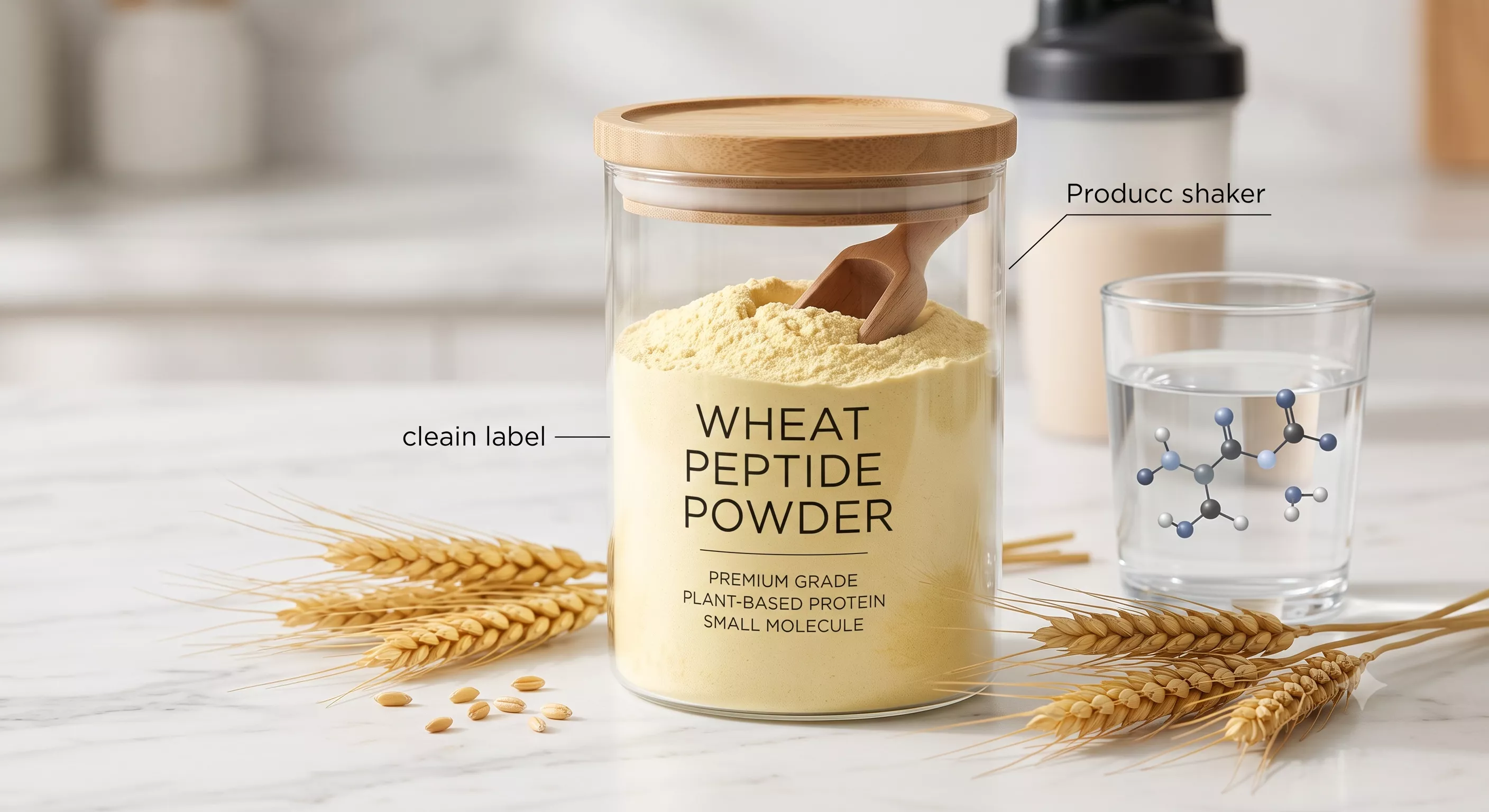
Source ultra-pure, high-solubility wholesale hydrolyzed wheat gluten peptide in bulk. Rich in plant-bound Glutamine ($\ge 25\%$) for muscle recovery and gut barrier health.
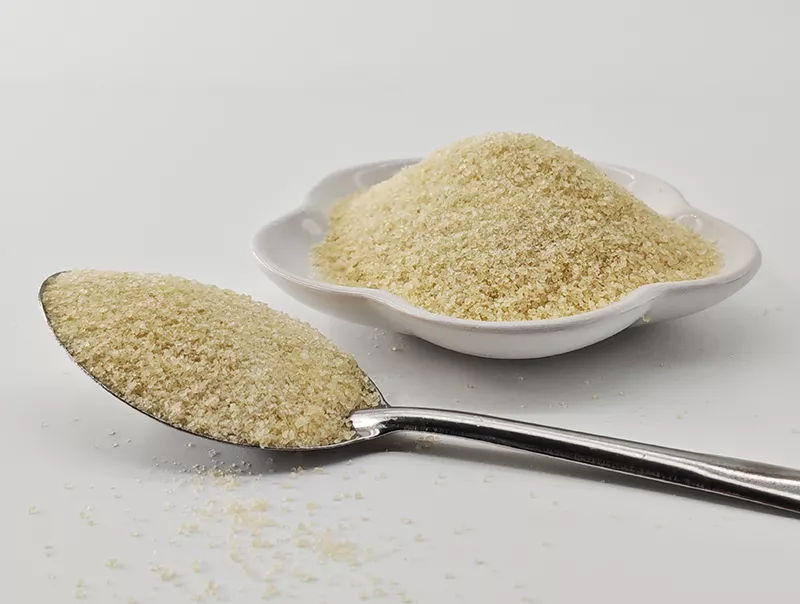
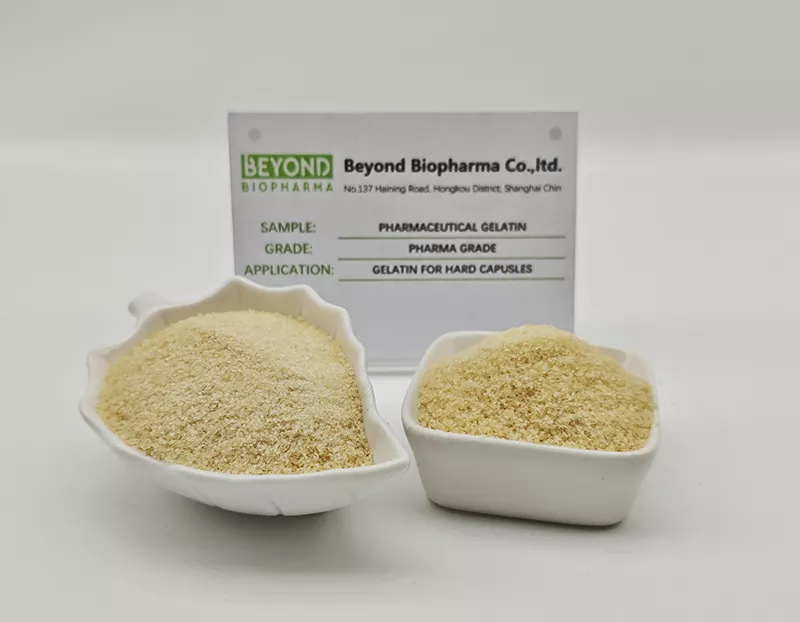
The High-Performance Barrier for Core Material Protection and Controlled Release.
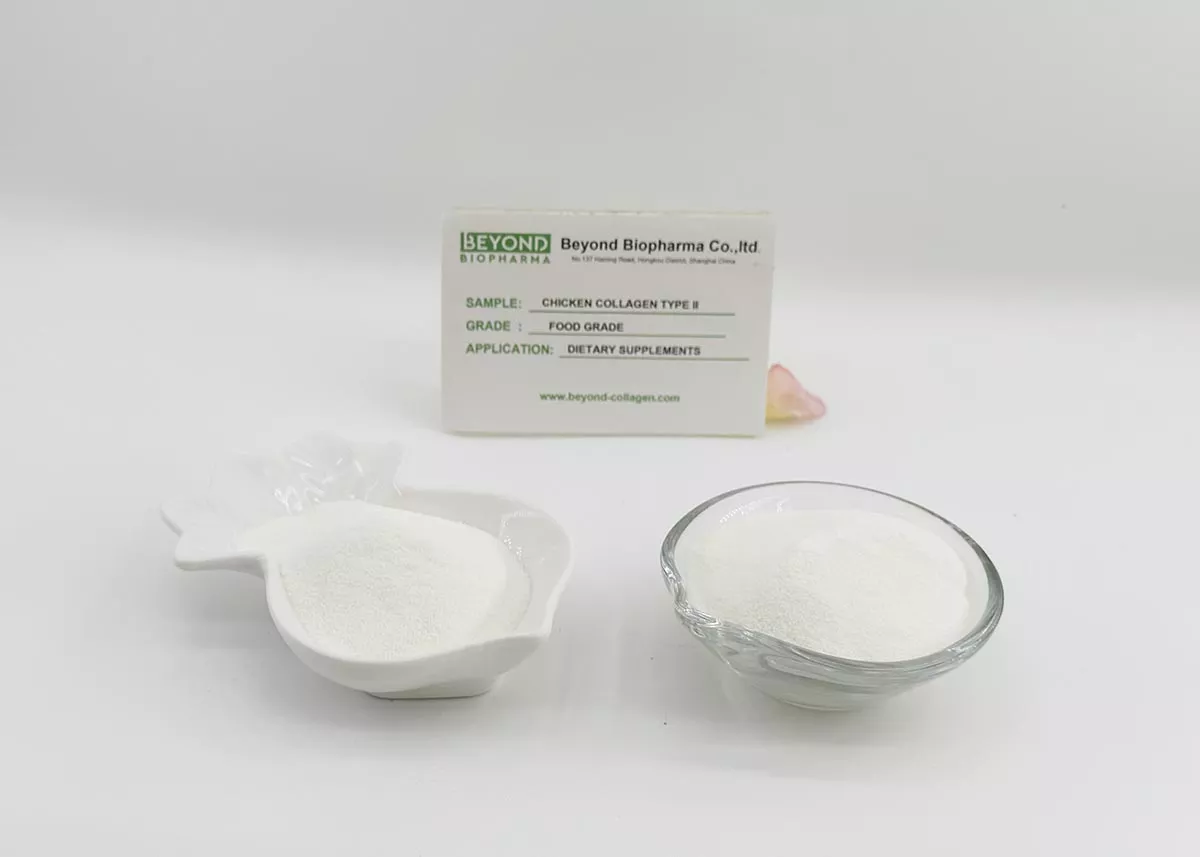
BEYOND BIOPHARMA is a specialized manufacturer of highly purified Hydrolyzed Collagen Type II. Through advanced enzymatic hydrolysis, we create low-molecular-weight collagen peptides that are highly bioavailable, offering foundational nutritional support for cartilage repair, joint function, and skin health. Our product is designed for rapid absorption and maximum efficacy in oral supplements.
Select the most popular foreign trade service products to meet your diverse needs
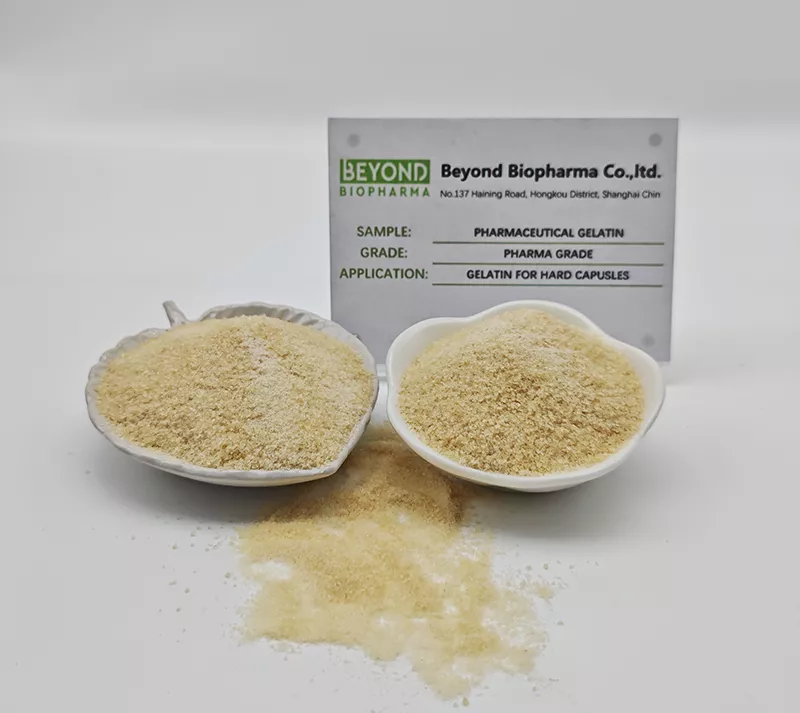
The high-strength and rapid-setting characteristics of Bovine Bone Gelatin ensure it forms a stable, uniform, and durable shell that preserves the integrity of the active pharmaceutical ingredient (API).
Source ultra-pure, high-solubility wholesale hydrolyzed wheat gluten peptide in bulk. Rich in plant-bound Glutamine ($\ge 25\%$) for muscle recovery and gut barrier health.
The High-Performance Barrier for Core Material Protection and Controlled Release.
Tel:+86 21 65010906
Cell/Whatsapp/Wechat:
+86 13482884055
+86 18657345785
Email: sales@beyondbiopharma.com





User Comments
Service Experience Sharing from Real Customers
Marcus
Clinical NutritionistI’ve been recommending plant-based peptide supplements to my clients for gut repair, and this one actually delivers. The amino profile is clean—no bloating like with some dairy-based ones. A few of my patients reported better recovery after switching to this brand. Solid product.
Lena
Yoga Instructor & Meal Prep CoachHonestly, I was skeptical at first because most plant proteins taste like dirt to me. But these peptides mix into my morning smoothie without any weird aftertaste. I’ve noticed less muscle soreness after back-to-back classes. Would love if they came in a bigger tub, though.
Omar
Biomedical Engineering StudentI’m doing a small personal project on alternative protein sources for athletic recovery, and these peptides have been my go-to. The solubility is impressive—no clumps even in cold water. Plus, the ingredient list is short and recognizable, which is rare in this space.
Priya
Restaurant Owner & Plant-Based ChefI bought this to test for a new recovery smoothie on our menu. The texture is great, and it blends well with oat milk. But the flavor is a bit too neutral—almost chalky if you don’t add fruit. Works decently in savory applications though. Might tweak the recipe.