English EN


How Fish Collagen Powder Supports Skin and Joint Health
Fish collagen powder boosts skin hydration, elasticity, and joint health with fast-absorbing peptides for visible results and pain relief.
More
Beyond Biopharma
May-30-2026
Collagen peptide fragments, rich in specific amino acid sequences such as proline-hydroxyproline-glycine (Pro-Hyp-Gly), are recognized by fibroblast cell surface receptors. This interaction triggers intracellular signaling pathways, including the TGF-β/Smad and MAPK cascades, which upregulate the expression of collagen type I and III genes. The peptides effectively mimic the natural degradation products of extracellular matrix, providing a feedback loop that maintains tissue homeostasis.
Clinical studies demonstrate that daily intake of 2.5–10 grams of collagen peptides significantly increases dermal collagen density and reduces skin wrinkling. Fibroblast proliferation is enhanced by 30–50% in vitro when exposed to these fragments, leading to improved skin elasticity and joint cartilage repair. The signaling effect is dose-dependent and sustained over weeks of supplementation.
For optimal results, peptides with a molecular weight below 5 kDa are most effective for absorption and bioactivity. Products such as fish collagen peptide for skin health supplements and bovine chondroitin sulfate sodium are formulated to support this signaling process. Additionally, edible bovine gelatin for foods applications provides a natural source of these bioactive fragments.
The combination of specific peptide sequences and their ability to resist complete digestion ensures that sufficient intact fragments reach the bloodstream to activate fibroblasts. This mechanism underpins the efficacy of collagen supplements in promoting skin, joint, and bone health.
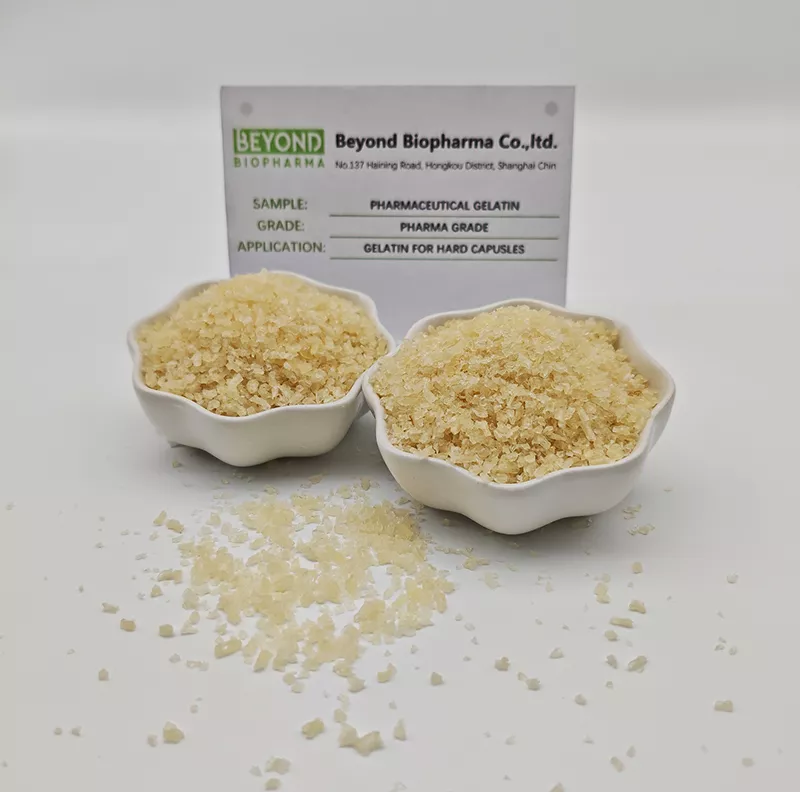
The extracellular matrix (ECM) provides structural support to skin, joints, and bones. Collagen peptide protein fragments deliver key amino acids—primarily glycine, proline, and hydroxyproline—that are essential for ECM integrity.
Glycine, the smallest amino acid, allows for tight triple-helix packing, which is critical for collagen fiber strength. Proline and hydroxyproline stabilize the helical structure, directly contributing to skin firmness by maintaining dense fiber networks.
Elasticity is supported by the balance of these amino acids, which promote cross-linking between collagen fibrils. This cross-linking resists mechanical stress and allows the skin to recoil after stretching, reducing sagging and wrinkles.
Supplementing with hydrolyzed collagen peptides provides a direct source of these specific amino acids, signaling fibroblasts to increase ECM production. This reinforces the dermal matrix, improving both firmness and elasticity over time.
Clinical studies show that consistent intake of collagen peptides rich in glycine and proline leads to measurable improvements in skin hydration, density, and viscoelastic properties, making them a targeted nutritional strategy for age-related skin changes.
Collagen peptide fragments stimulate chondrocytes to produce type II collagen and proteoglycans, which maintain the structural integrity of cartilage matrix. They also upregulate hyaluronic acid synthesis in synovial fibroblasts, enhancing synovial fluid viscosity and joint lubrication.
By inhibiting pro-inflammatory cytokines such as IL-1β and TNF-α, collagen peptides reduce matrix metalloproteinase (MMP) activity, slowing cartilage degradation and supporting long-term joint resilience.
| Mechanism | Target Tissue | Outcome |
|---|---|---|
| Stimulate collagen & proteoglycan synthesis | Cartilage matrix | Improved structural integrity |
| Upregulate hyaluronic acid production | Synovial fluid | Enhanced viscosity & lubrication |
| Inhibit IL-1β & TNF-α signaling | Joint tissues | Reduced inflammation |
| Suppress MMP activity | Cartilage | Slower degradation |
Data compiled from in vitro and clinical studies demonstrate that consistent collagen peptide intake supports joint cushioning by preserving cartilage thickness and optimizing synovial fluid properties, thereby reducing friction and discomfort during movement.
For further reading on collagen-based ingredients, visit fish collagen peptide or bovine chondroitin sulfate resources.
Collagen peptides play a pivotal role in supporting bone health by directly influencing osteoblast activity. Osteoblasts are the bone-building cells responsible for synthesizing new bone matrix and regulating mineralization. Research indicates that specific collagen peptide fragments can stimulate osteoblast proliferation and differentiation, leading to enhanced bone mineral density (BMD).
The mechanism involves collagen peptides acting as signaling molecules that bind to integrin receptors on osteoblast cell surfaces. This binding activates intracellular pathways, including the MAPK and Wnt signaling cascades, which promote the expression of key osteogenic markers such as alkaline phosphatase (ALP), osteocalcin, and type I collagen. These markers are essential for proper bone matrix formation and mineralization.
Clinical studies have demonstrated that daily supplementation with collagen peptides (typically 5-10 grams) can significantly increase BMD in postmenopausal women and older adults, populations at higher risk for osteoporosis. The glycine, proline, and hydroxyproline content in collagen peptides also provides the necessary amino acids for collagen synthesis within the bone matrix, further strengthening the skeletal framework.
For optimal bone health outcomes, collagen peptides are often combined with vitamin C, calcium, and vitamin D, as these nutrients work synergistically to support osteoblast function and calcium absorption. The bioactive peptides in hydrolyzed collagen are particularly effective due to their small molecular size, which enhances bioavailability and tissue targeting.
To explore high-quality collagen peptide sources for bone health applications, visit Beyond Biopharma's collagen peptide product page for detailed specifications and research-backed formulations.
Collagen supplements have gained widespread attention for their role in supporting connective tissues. However, the form of collagen consumed significantly influences its effectiveness. Whole collagen molecules are too large for the human body to absorb efficiently, whereas hydrolyzed collagen peptides—broken down into smaller fragments—offer superior bioavailability.
The digestive system must break down proteins into amino acids or small peptides for absorption. Whole collagen, with its high molecular weight, resists complete breakdown, limiting its uptake. Enzymatic hydrolysis pre-digests collagen into low-molecular-weight peptides, which are rapidly absorbed through the intestinal wall and into the bloodstream.
Hydrolyzed collagen peptides, such as those derived from fish or bovine sources, achieve higher plasma concentrations after ingestion compared to non-hydrolyzed collagen. Studies show that specific dipeptides and tripeptides, like proline-hydroxyproline, survive further digestion and reach target tissues, including skin, joints, and bones.
The improved absorption of hydrolyzed fragments translates into measurable benefits. Regular intake of collagen peptides stimulates fibroblast activity in the skin, supports cartilage matrix synthesis in joints, and enhances bone mineral density. These effects are less pronounced with whole collagen due to its poor digestibility.
For optimal results, choose hydrolyzed collagen peptide supplements that have undergone rigorous quality control. Products like fish collagen peptide for skin health or bovine chondroitin sulfate exemplify the efficacy of fragmented collagen. Additionally, edible bovine gelatin and porcine gelatin for gummies offer versatile options for supplementation.
When selecting a collagen product, verify that it specifies "hydrolyzed" or "collagen peptides" on the label. Dosage and timing also matter: taking peptides on an empty stomach may enhance absorption. Combining with vitamin C can further support collagen synthesis in the body.
In summary, hydrolyzed collagen fragments provide a scientifically validated advantage over whole collagen. Their small size ensures efficient delivery to tissues where they are needed most, making them a superior choice for those seeking to maintain skin elasticity, joint comfort, and skeletal strength.
Summary: Mechanisms and Benefits of Collagen Peptide Fragments
Stimulating Collagen Synthesis
Bioactive peptide fragments directly signal fibroblasts, upregulating procollagen production and enhancing the deposition of new collagen fibrils in the dermal matrix.
Reinforcing the Extracellular Matrix
Specific amino acids—glycine, proline, and hydroxyproline—provide essential building blocks for tropocollagen, restoring skin firmness, elasticity, and structural integrity.
Protecting Cartilage and Synovial Fluid
Collagen peptides accumulate in joint tissues, stimulating proteoglycan synthesis and reducing inflammatory mediators, thereby improving cushioning and joint comfort.
Enhancing Bone Mineral Density
Osteoblast activity is upregulated by collagen-derived peptides, promoting matrix mineralization and supporting bone density, particularly in age-related decline.
Optimizing Bioavailability and Absorption
Hydrolyzed collagen fragments (low molecular weight di- and tripeptides) resist gastric degradation and are efficiently transported across the intestinal barrier, achieving significantly higher plasma levels than intact collagen.
Collectively, these mechanisms demonstrate that specific collagen peptide fragments—through fibroblast activation, matrix reinforcement, cartilage protection, osteoblast stimulation, and superior absorption—offer a multi‑target approach for maintaining skin, joint, and bone health.


We provide you with comprehensive foreign trade solutions to help enterprises achieve global development
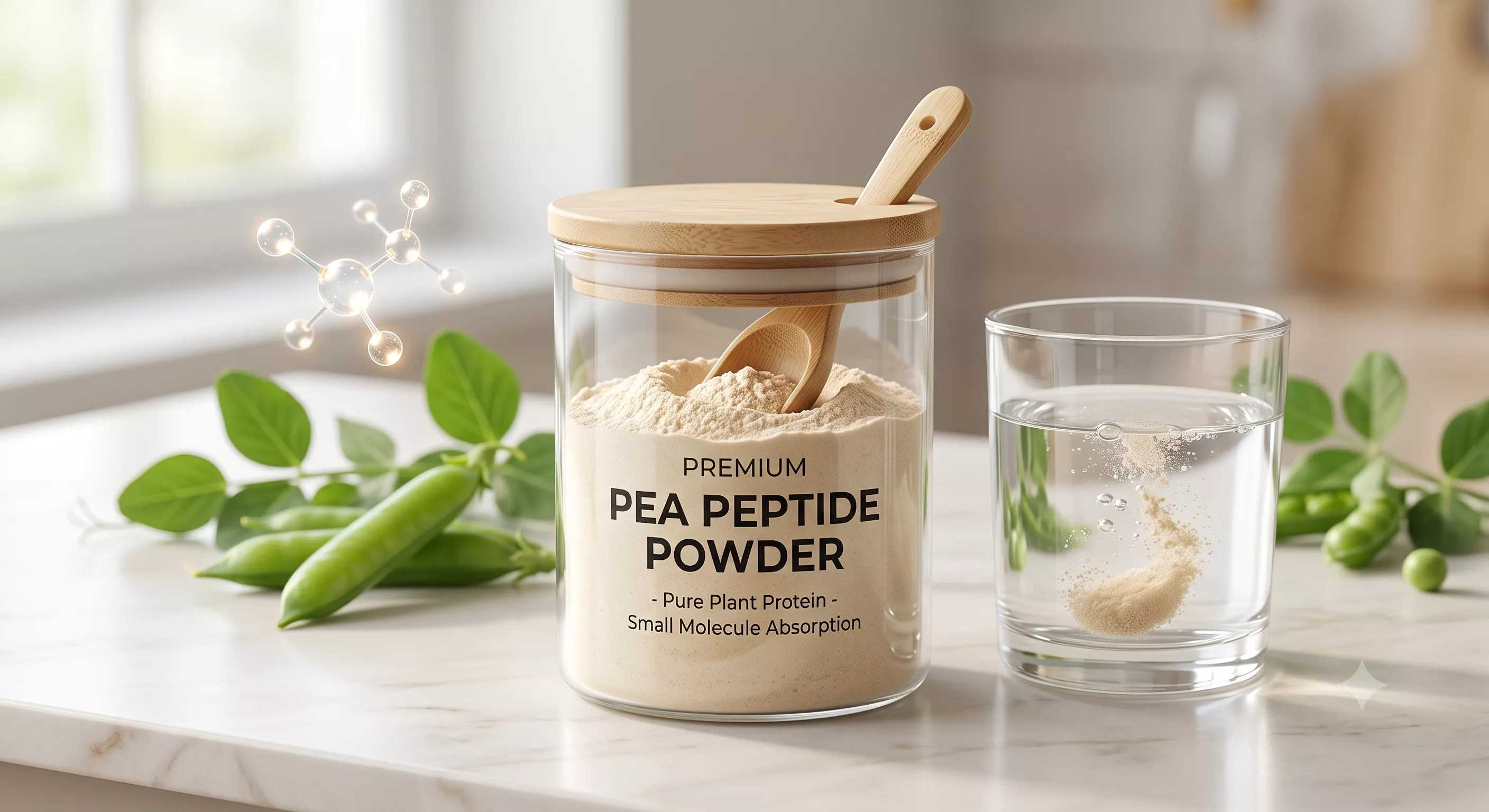
Source high-purity, hypoallergenic hydrolyzed pea peptide powder in bulk. Complete water solubility, rich in BCAAs, ideal for vegan recovery formulas.

Source ultra-pure, 100% water-soluble wholesale hydrolyzed rice protein peptide in bulk. Over 85% molecules under 1000 Da. Ideal for infant nutrition, clean-label sports formulas, and sensitive skincare.

Source high-purity wholesale hydrolyzed corn protein peptide powder in bulk. Over 85% oligopeptides under 1000 Da. Rich in Alanine and Leucine for liver support and sobriety formulas.

Source wholesale hydrolyzed walnut protein peptide powder in bulk. Over 85% low-molecular-weight oligopeptides rich in Glutamic Acid. Perfect for cognitive formulas and sleep aid supplements.
Tel:+86 21 65010906
Cell/Whatsapp/Wechat:
+86 13482884055
+86 18657345785
Email: sales@beyondbiopharma.com