 English EN


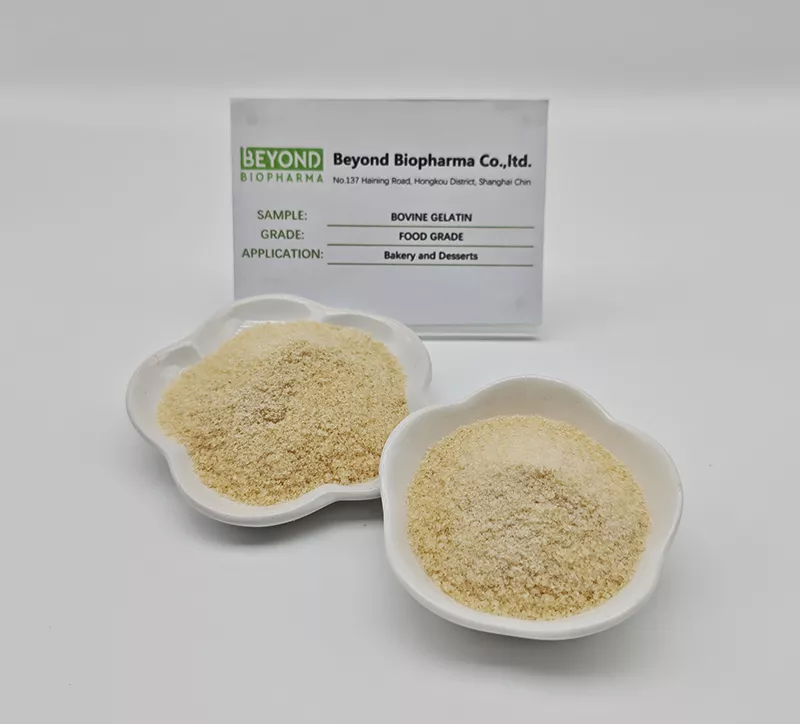
Bovine gelatin pros and cons everyone should know
Bovine gelatin offers strong gelling and health benefits but has dietary, ethical, and allergen concerns. Compare bovine gelatin to other gelatin options here.
More
Sourcing edible organic gelatin that meets both quality and regulatory standards can be a challenge for overseas buyers. This article defines edible organic gelatin, explains its production process and key parameters, and provides practical guidance for food, pharmaceutical, and nutraceutical applications. Whether you are a purchasing manager or a product developer, you will find actionable insights to make informed decisions.
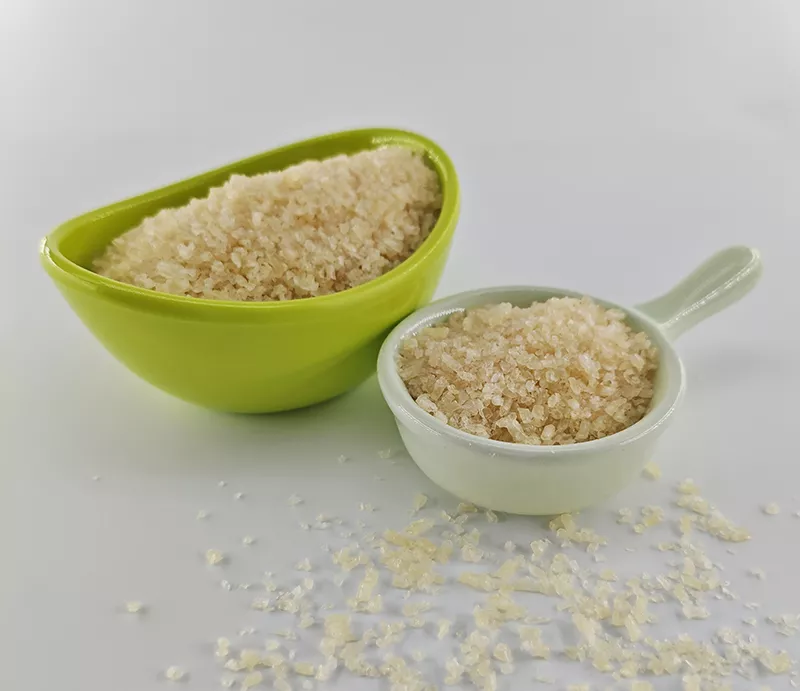
Edible organic gelatin is a purified protein derived from collagen-rich animal tissues, such as bovine hide, porcine skin, or fish skin, through a controlled hydrolysis process. Unlike standard gelatin, organic variants are sourced from animals raised without antibiotics or growth hormones, and the processing avoids synthetic chemicals. This makes it a preferred ingredient for clean-label products in the food and supplement industries. For buyers, batch consistency and low odor are critical quality markers—factors that directly impact final product performance.
At Beyond Biopharma, we offer edible gelatin in bovine, porcine, and fish grades, each tailored to specific application needs. Our manufacturing facility in Shanghai ensures full traceability from raw material to finished powder.
The production of edible organic gelatin involves enzymatic hydrolysis, where collagen is broken down into smaller peptides. The process begins with cleaning and demineralizing raw materials, followed by controlled heating and pH adjustments. The resulting gelatin is then filtered, concentrated, dried, and milled into a fine powder. Key performance indicators include bloom strength (gel strength) and viscosity, which determine how the gelatin behaves in applications like gummies or capsules.
For collagen peptides, molecular weight plays a crucial role in absorption. Fish collagen peptides, for example, typically have a lower molecular weight (2,000–5,000 Da), leading to faster uptake in the body. Plant-based alternatives, such as bovine collagen peptide, offer higher bloom values for structural applications.
Understanding standard parameters helps buyers compare suppliers effectively. Below is a table of common industry ranges for edible organic gelatin and collagen peptides. Note: These are typical industry ranges; final values should be verified per Certificate of Analysis (COA) or sample.
| Parameter | Edible Gelatin | Collagen Peptide | Plant Protein Peptide |
|---|---|---|---|
| Bloom (g) | 50–300 (pharma/gummies: 150–260) | N/A | N/A |
| Viscosity (mPa·s) | 2.0–5.5 | N/A | N/A |
| Mesh size | 8–60 | N/A | N/A |
| Moisture (%) | ≤14 | ≤8 | ≤10 |
| Protein (%) | ≥85 | ≥90 | 80–90 |
| Molecular weight (Da) | N/A | 2,000–5,000 (fish: lower) |
High solubility and low odor are quality markers for collagen peptides, while plant protein peptides offer allergen-free profiles depending on the source (pea, rice, or soy).
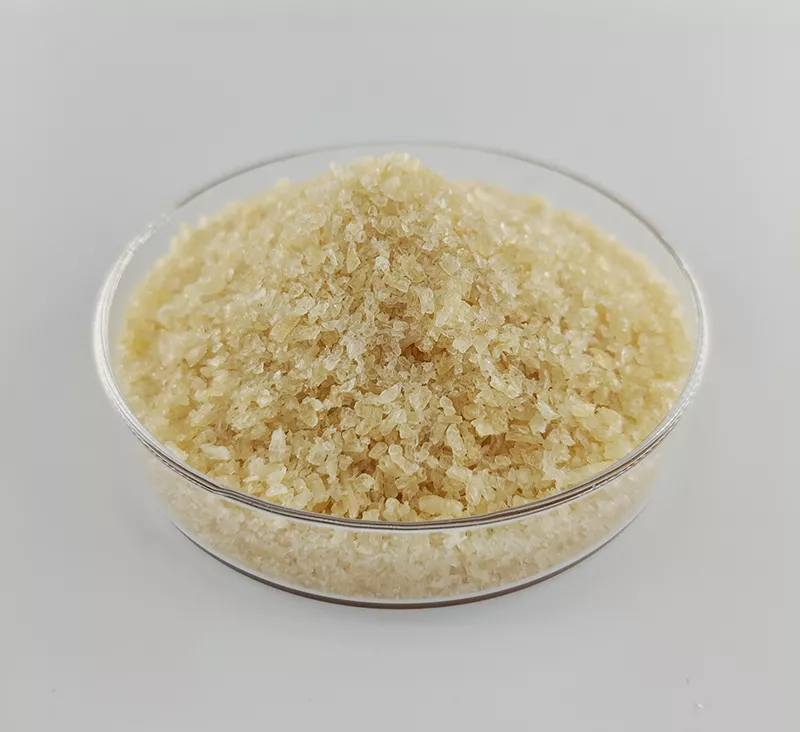
Edible organic gelatin is versatile across multiple industries. Here is a breakdown of common uses and selection guidance:
Each application demands specific specs. For example, softgels require ultra-high-viscosity gelatin, while gummies need a balanced bloom and mesh size.
Beyond Biopharma is a Shanghai-based manufacturer with over 10 years of experience in the food-ingredient industry. Our products are exported to 50+ countries, serving food, pharmaceutical, and nutraceutical buyers. Here are key differentiators:
Our products are compatible with industry standards from suppliers like Rousselot, Gelita, and Nitta Gelatin, but we offer competitive pricing and custom bulk supply.
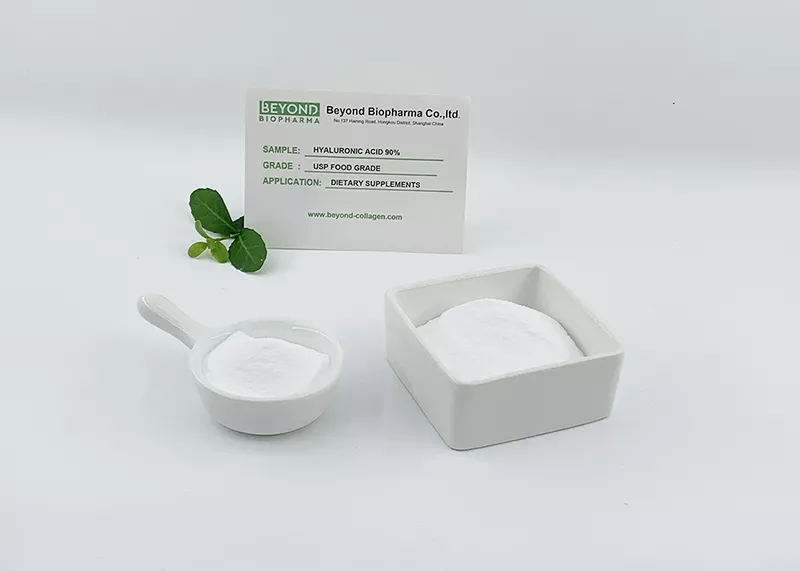
For buyers exploring vegan options, plant protein peptides from pea, rice, or soy offer similar functionality but with different amino acid profiles. While gelatin provides high bloom for structural applications, plant peptides excel in solubility and allergen-free claims. Beyond Biopharma supplies food-grade hyaluronic acid powder and joint health ingredients to complement both gelatin and plant-based formulations.
Q: Is edible organic gelatin suitable for halal or kosher diets?
Yes. Select products from Beyond Biopharma, including fish gelatin, carry Halal and Kosher certifications. Always verify the specific product COA for certification details.
Q: What is the difference between edible gelatin and collagen peptides?
Edible gelatin has higher bloom and viscosity, making it ideal for gelling applications like gummies. Collagen peptides are hydrolyzed to lower molecular weights for better solubility and absorption, often used in supplements.
Q: How do I choose the right bloom value for my product?
For gummies and softgels, a bloom of 150–260 is typical. Higher bloom provides firmer gels. For capsules, viscosity is more critical. Request a sample to test compatibility.
Q: Can edible organic gelatin be used in vegan products?
No, gelatin is animal-derived. For vegan formulations, consider plant protein peptides from pea, rice, or soy, which offer similar functionality without animal ingredients.
Q: What certifications should I look for when sourcing gelatin?
Key certifications include ISO 9001, FDA registration, GMP, Halal, Kosher, and BSE-free for bovine products. Beyond Biopharma provides all these for relevant grades.
Q: How do I request a sample for testing?
Contact Beyond Biopharma with your application, required grade, target specs, and destination country. We offer free samples and formulation support to ensure the right fit.
To ensure you receive the right product, please provide the following details when requesting a quote:
Beyond Biopharma will send free samples and a competitive quote. We support custom bulk supply and formulation/OEM services. Our team is ready to help you find the best edible organic gelatin for your needs.

We provide you with comprehensive foreign trade solutions to help enterprises achieve global development
20 years experiences, 5000 ton/year capacity, Sustained supply with stable quality
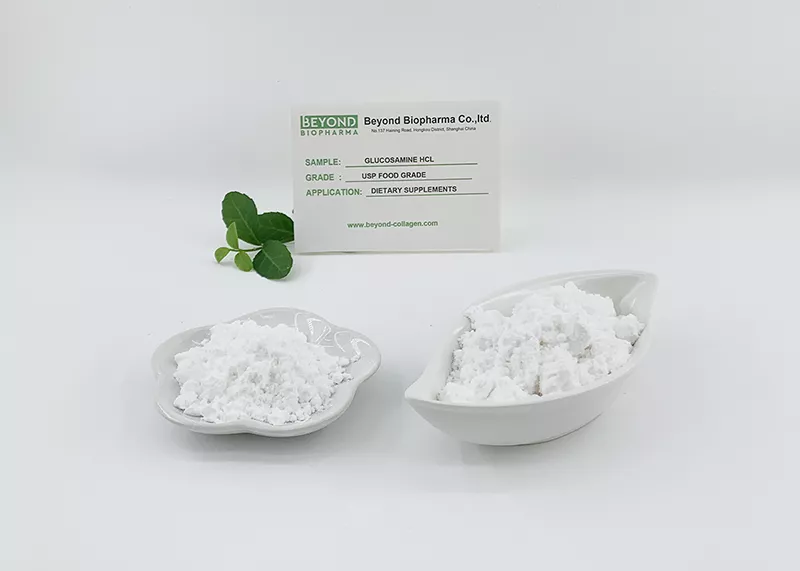
The Purest Plant-Based Joint Support Solution
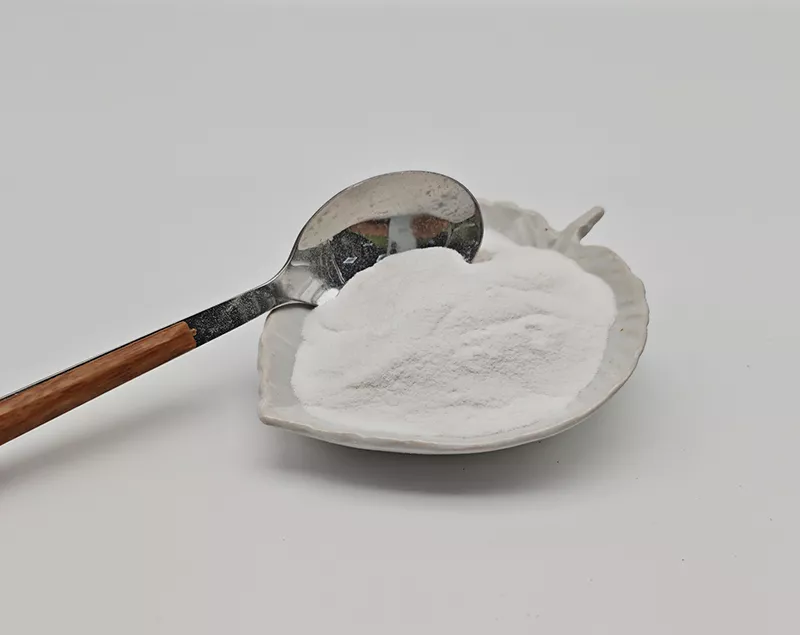
Fish Gelatin for foods is increasingly recognized as the premium alternative to traditional mammalian sources, meeting the growing global demand for clean-label ingredients that align with diverse dietary and religious requirements. Derived from the skin and scales of fish like cod and tilapia, fish gelatin offers unique functional benefits that make it an exceptional gelling, stabilizing, and texturizing agent.
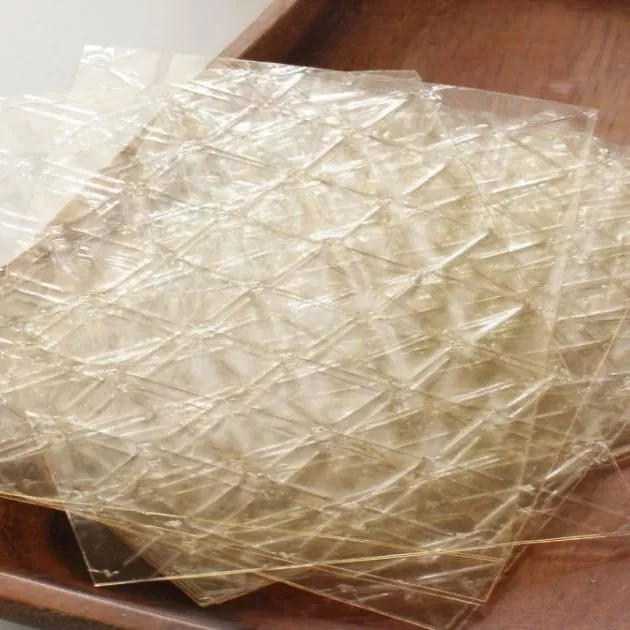
Our Gelatin Sheets are produced to precise standards, ensuring consistency and reliability across different Bloom grades (Silver being the most common professional choice).
Select the most popular foreign trade service products to meet your diverse needs
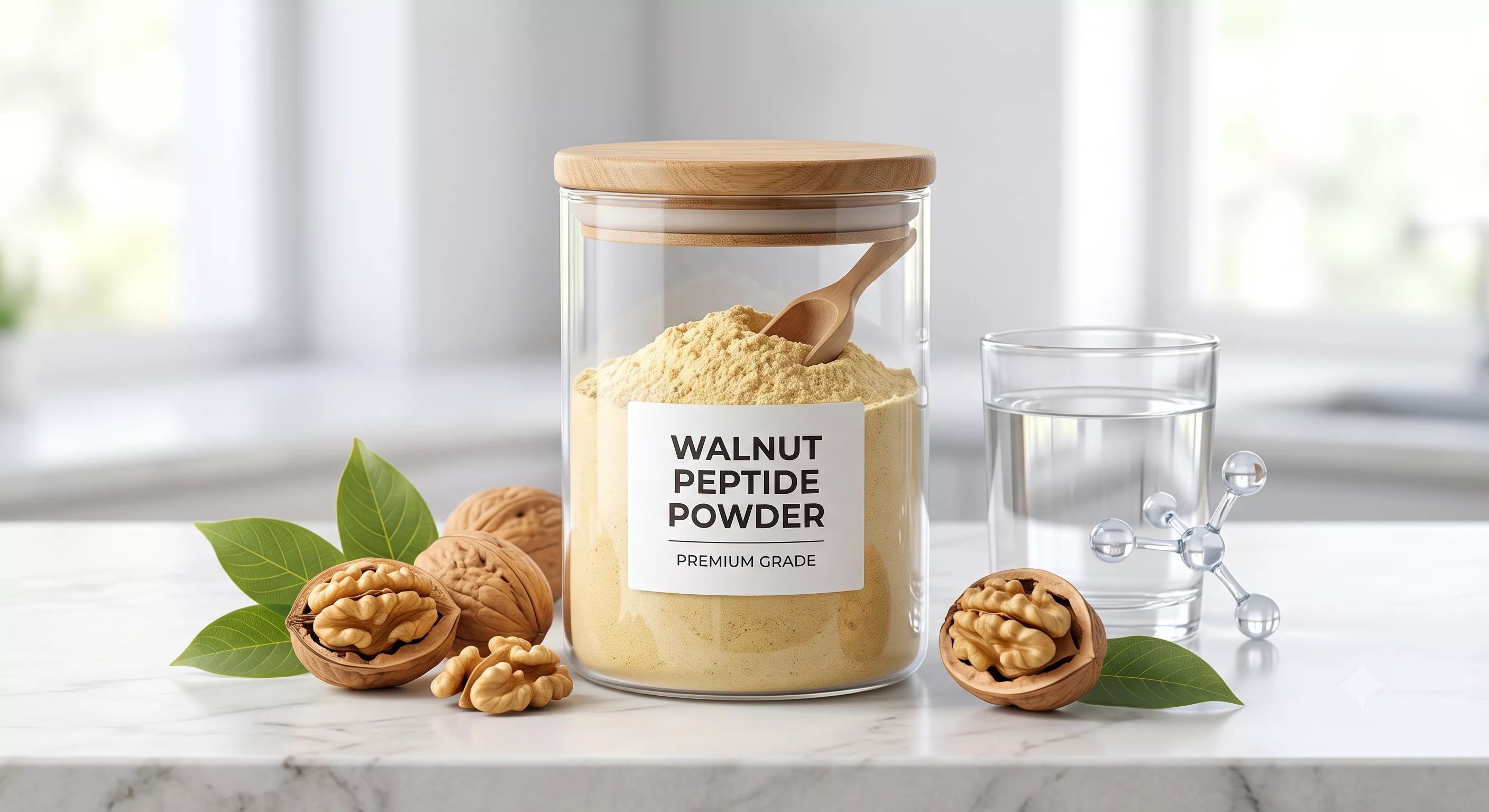
Source wholesale hydrolyzed walnut protein peptide powder in bulk. Over 85% low-molecular-weight oligopeptides rich in Glutamic Acid. Perfect for cognitive formulas and sleep aid supplements.
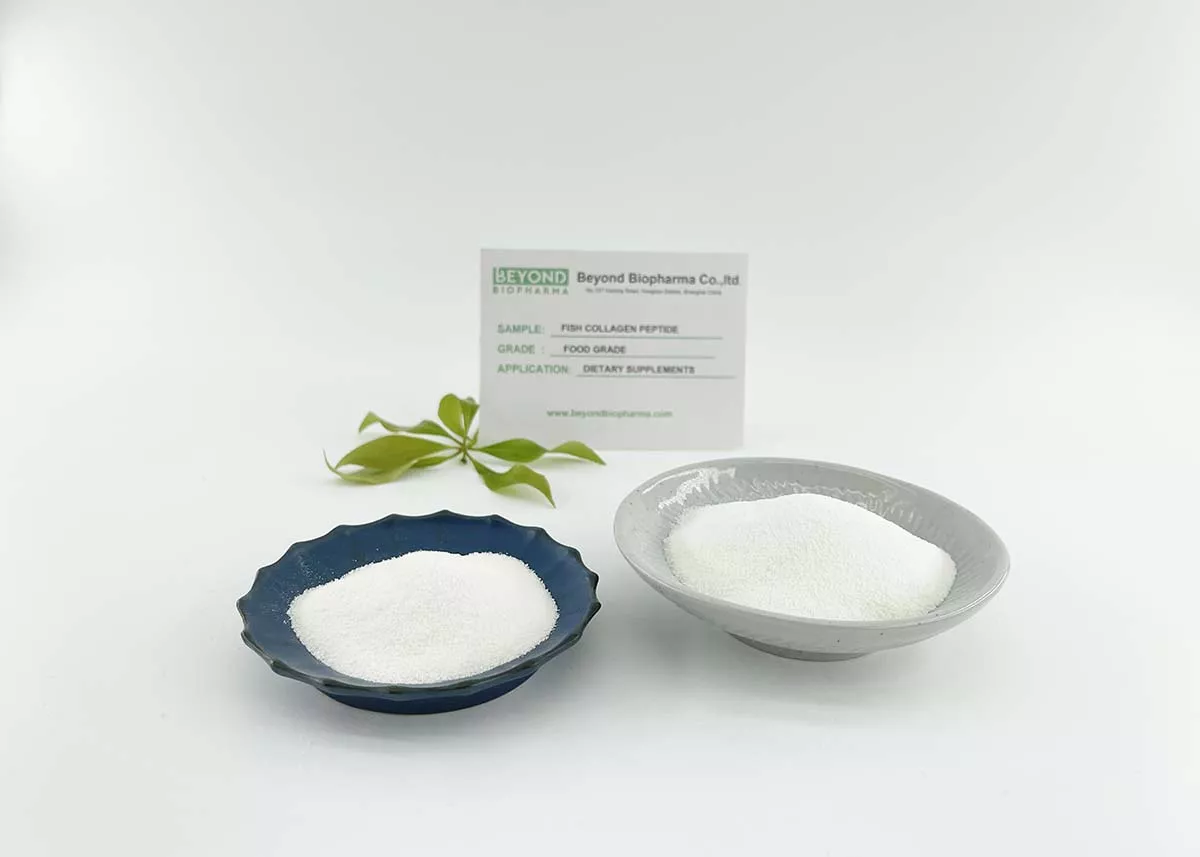
Premium marine-sourced collagen peptides with >90% protein content and low molecular weight (1000-3000 Da) for superior bioavailability. Sustainably sourced, neutral taste, and fully soluble—ideal for nutricosmetics and functional foods.
Stability, Swallowing Enhancement, and Controlled Release
Tel:+86 21 65010906
Cell/Whatsapp/Wechat:
+86 13482884055
+86 18657345785
Email: sales@beyondbiopharma.com





User Comments
Service Experience Sharing from Real Customers
Megan
Pastry ChefAs someone who's tried countless gelatins for my vegan desserts, this one is a game-changer. It sets perfectly every time and has no weird aftertaste. My customers can't even tell it's plant-based! Finally found a reliable one after years of experimenting.
Leo
Home CookI was skeptical at first because my last attempt at organic gelatin was a disaster. This one actually worked for my homemade gummies! The texture is spot-on, though I wish it dissolved a bit faster. Still, my kids love the fruit snacks I make now.
Sam
NutritionistI recommend this to clients who want clean-label supplements. The sourcing is transparent, and it blends smoothly into protein shakes without clumping. Unlike some brands, it doesn't have that 'hay-like' smell. Really impressed with the purity.
Chloe
Lab TechnicianWe use this in our prototype edible packaging tests. It's surprisingly consistent batch-to-batch, which matters for our experiments. The solubility rate is a tad slower than industrial gelatin, but for an organic option? It's top-tier. No artificial residues detected in our analysis.