 English EN


Bovine gelatin pros and cons everyone should know
Bovine gelatin offers strong gelling and health benefits but has dietary, ethical, and allergen concerns. Compare bovine gelatin to other gelatin options here.
More
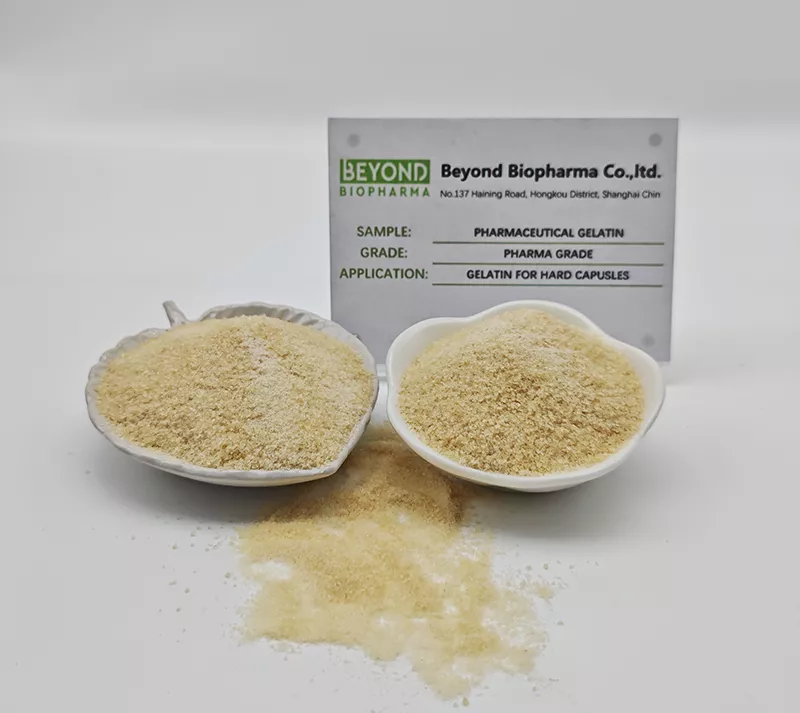
If you are sourcing edible gelatin plastic for your product line, you already know the pain points: inconsistent batch quality, unpleasant odor or fishy smell, poor solubility, complex certification barriers, and growing demands for allergen-free or vegan-friendly options. Edible gelatin plastic is a bioplastic derived from natural gelatin—typically from bovine, porcine, or fish sources—that offers a biodegradable, food-safe alternative to conventional petroleum-based plastics. It is increasingly used in food packaging, edible films, and even as a carrier for active ingredients in nutraceuticals and pharmaceuticals.
The production process involves enzymatic hydrolysis of collagen-rich raw materials—such as bovine hide, porcine skin, or fish scales—to extract gelatin. This gelatin is then purified, dried, and milled into a powder or sheet form. When combined with plasticizers like glycerol or sorbitol, it forms a flexible, film-like material. Key performance indicators include bloom strength (gel firmness), viscosity, and molecular weight. For edible gelatin plastic, a bloom range of 150–260 g is typical for gummy and softgel applications, while lower bloom values (50–150 g) suit softer films. Viscosity generally falls between 2.0 and 5.5 mPa·s, and mesh size ranges from 8 to 60. Moisture content is kept below 14% to ensure stability and shelf life.
Below is a table of common parameters for edible gelatin plastic. These are typical industry ranges; final values should be confirmed via Certificate of Analysis (COA) and sample testing.
| Parameter | Typical Range | Notes |
|---|---|---|
| Bloom (g) | 50–300 | Pharma/gummies often 150–260 Bloom |
| Viscosity (mPa·s) | 2.0–5.5 | Affects film flexibility |
| Mesh | 8–60 | Particle size for dissolution |
| Moisture (%) | ≤14 | Critical for stability |
| Protein (%) | ≥90 | For collagen peptides |
| Molecular Weight (Da) | 2,000–5,000 | Fish typically lower, faster absorption |
Note: These are generic industry parameters. Always request a COA and sample for your specific application.
Edible gelatin plastic finds use across multiple industries. For food applications, it is ideal for gummies, softgels, and edible films that require a clean, neutral taste and consistent gel strength. In the nutraceutical sector, it serves as a carrier for active ingredients like bovine collagen peptide or food-grade hyaluronic acid powder. For pharmaceutical excipient buyers, high-bloom gelatin is essential for hard capsules and tablet coating, while ultra-high-viscosity grades support softgel shells. When selecting, consider your target bloom, viscosity, and certification needs—such as Halal, Kosher, or BSE-free status. For plant-based or vegan formulations, explore vegan glucosamine hydrochloride or plant protein peptides as alternatives.
Beyond Biopharma is a Shanghai, China–based manufacturer with over 10 years of experience in the food-ingredient industry. Our products are exported to more than 50 countries. We operate a fully automatic production line with GMP clean workshops, stainless-steel sealed piping, and automated temperature/pH control. Our annual capacity is approximately 3,000 MT for collagen and 5,000 MT for gelatin. We hold ISO 9001 certification, are US FDA registered, and select products carry Halal or Kosher certification (e.g., fish gelatin). Our bovine bone gelatin is BSE-free, and we maintain an in-house lab for heavy-metal and microbiological testing with a dedicated QA/QC team. We offer three grades—food, pharmaceutical, and cosmetic—and provide free samples along with formulation and selection support.
Yes, edible gelatin plastic is biodegradable. It is derived from natural collagen, which breaks down in the environment under appropriate conditions, making it a sustainable alternative to petroleum-based plastics.
Standard gelatin is animal-based, so it is not vegan. However, plant protein peptides from sources like pea, rice, or soy can be used to create similar bioplastics that are allergen-free and suitable for vegan formulations.
Key certifications include ISO 9001, US FDA registration, Halal, Kosher, and BSE-free status for bovine sources. Always request a COA to verify heavy-metal and microbiological compliance.
Work with a manufacturer that uses automated production lines and in-house QA/QC testing. Request samples and a COA for each batch to confirm bloom, viscosity, and moisture levels meet your specs.
When stored in a cool, dry place away from direct sunlight, edible gelatin plastic typically has a shelf life of 12–24 months. Always check the manufacturer's recommended storage conditions.
Yes, Beyond Biopharma offers free samples for evaluation. Contact us with your application, required grade, and target specs to receive a sample and quote.
To get started with edible gelatin plastic for your next project, please provide the following details: your specific application (food, pharmaceutical, or cosmetic), required grade, estimated quantity or MOQ, target specifications (bloom, mesh, molecular weight, certifications), and destination country. Beyond Biopharma will send you free samples and a competitive quote tailored to your needs. Contact our team today to discuss your requirements and ensure your formulations meet the highest quality standards.

We provide you with comprehensive foreign trade solutions to help enterprises achieve global development
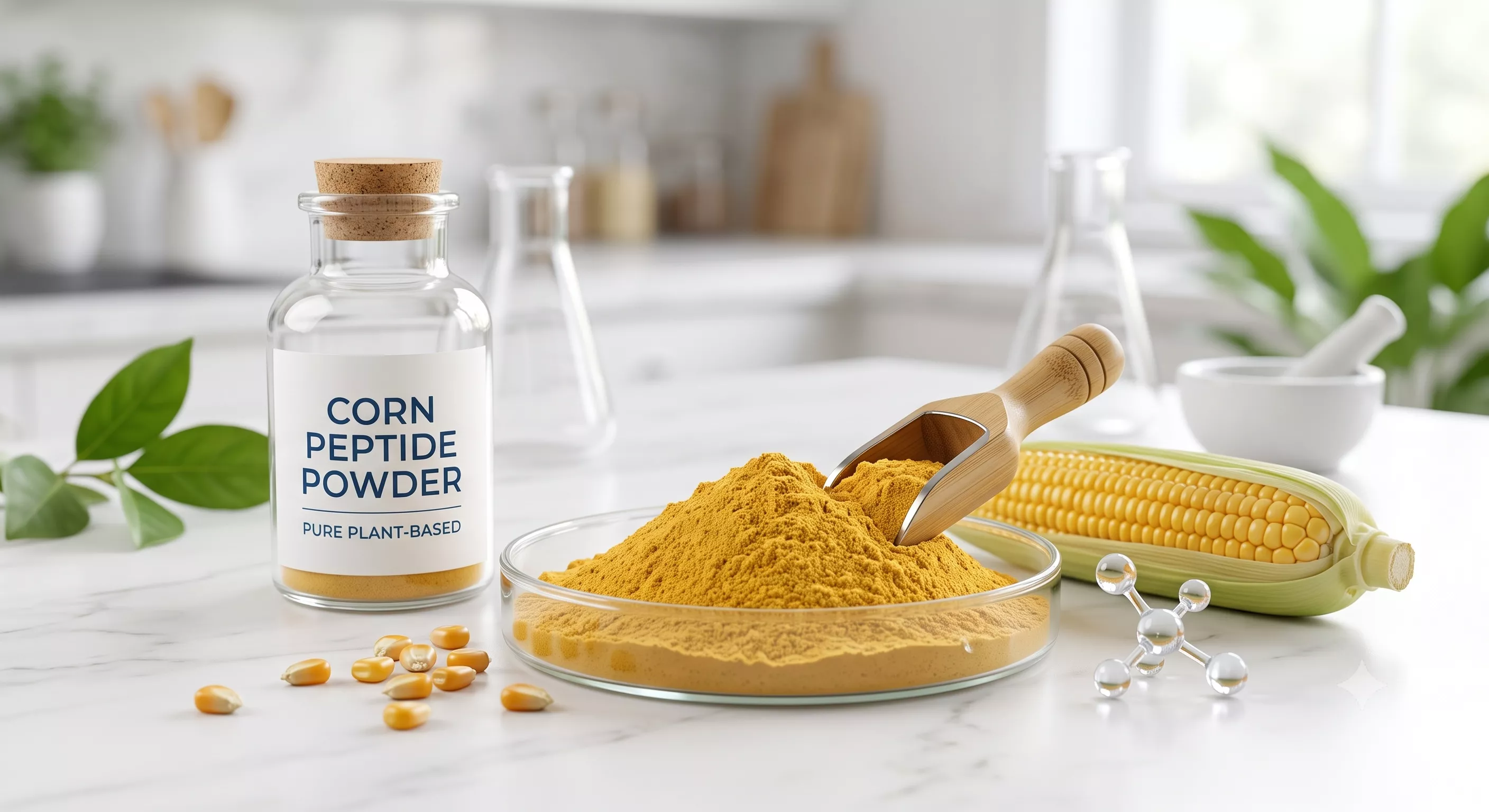
Source high-purity wholesale hydrolyzed corn protein peptide powder in bulk. Over 85% oligopeptides under 1000 Da. Rich in Alanine and Leucine for liver support and sobriety formulas.
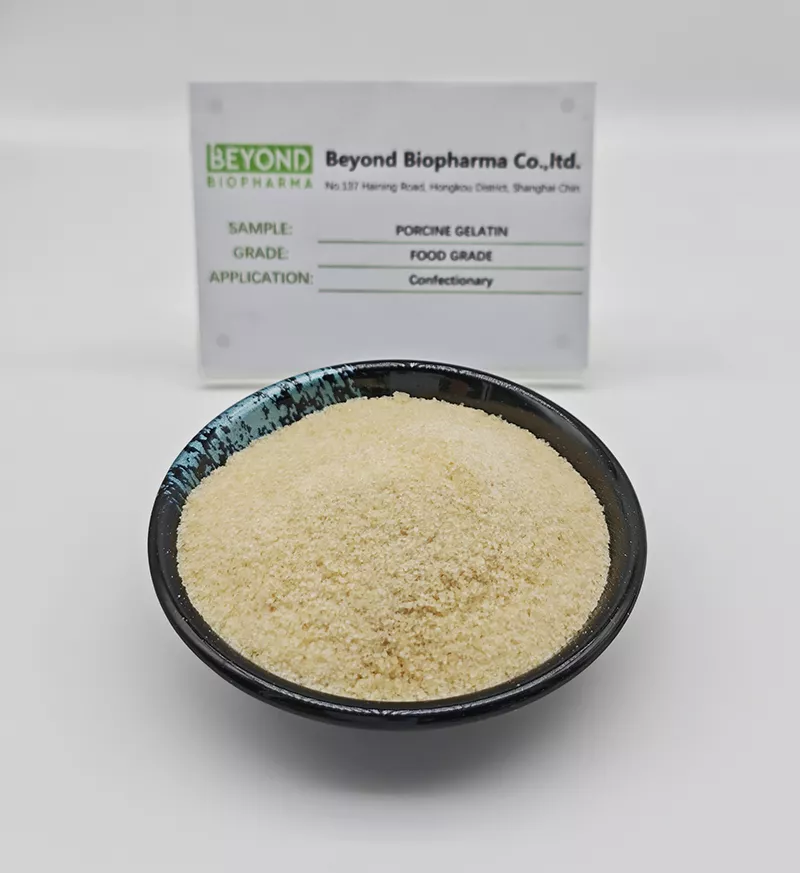
Food-grade porcine gelatin is a highly versatile and cost-effective natural protein derived from the collagen found in pig skin and bones. It is a premier gelling agent known for its exceptional clarity, neutral taste, and thermal reversibility.
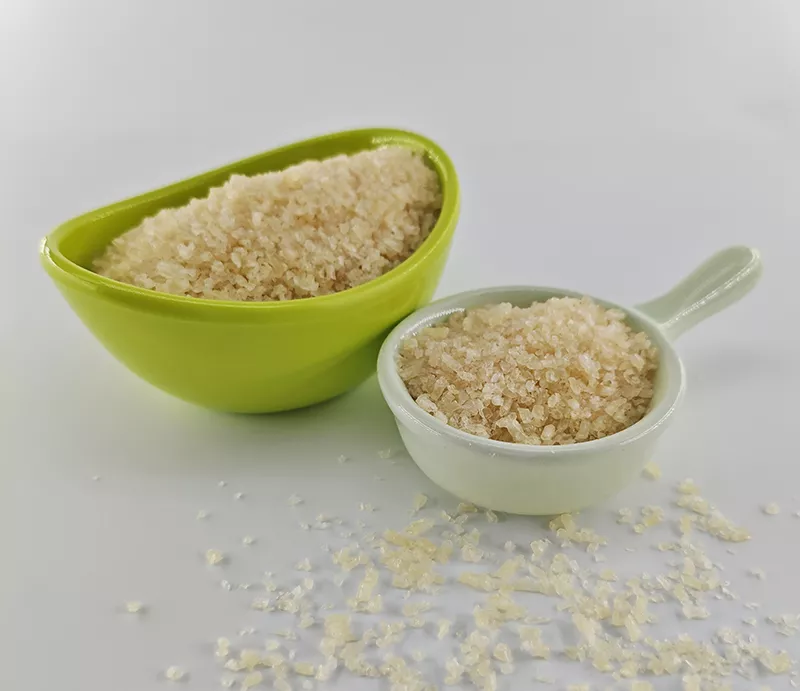
Stability, Swallowing Enhancement, and Controlled Release
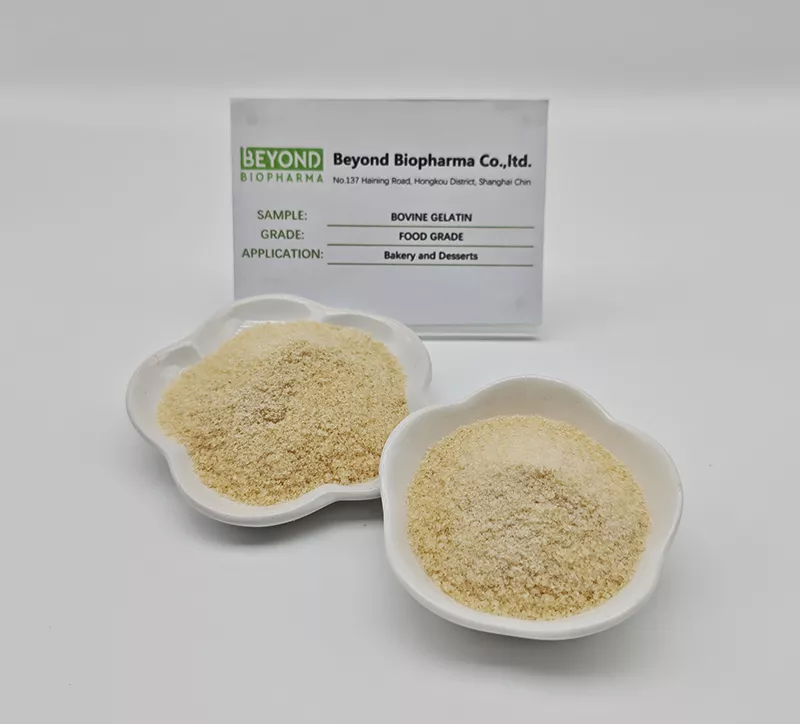
20 years experiences, 5000 ton/year capacity, Sustained supply with stable quality
Select the most popular foreign trade service products to meet your diverse needs
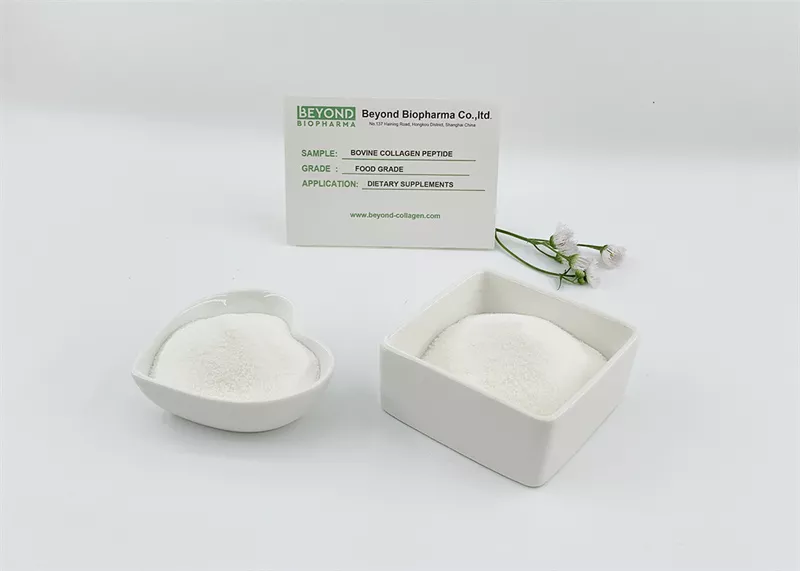
Manufacturer of bovine collagen peptide, shipping in containers all around the world
Stability, Swallowing Enhancement, and Controlled Release
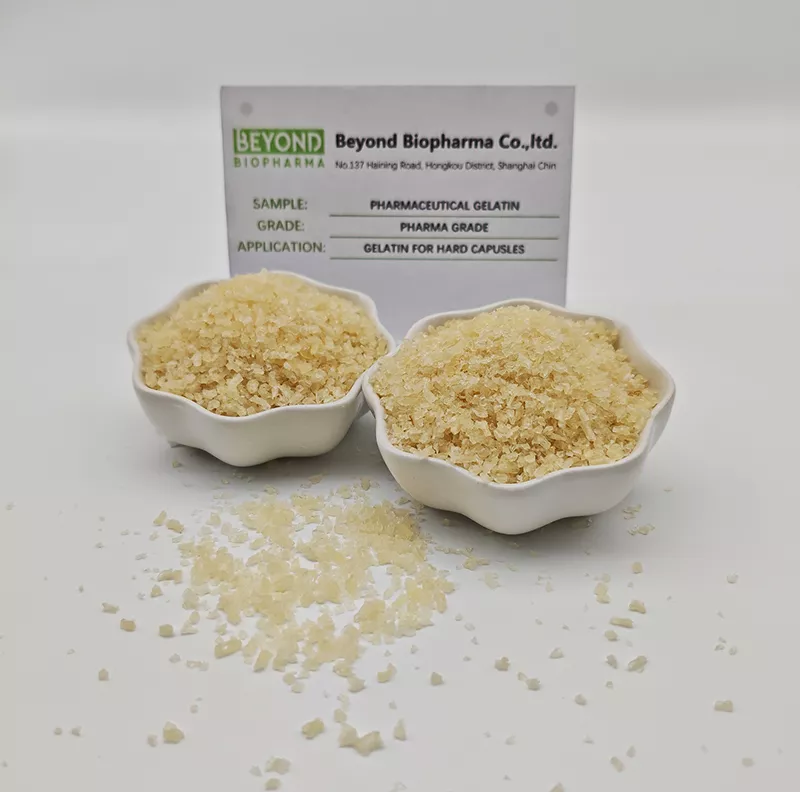
Precision, Purity, and Optimal Machinability
Tel:+86 21 65010906
Cell/Whatsapp/Wechat:
+86 13482884055
+86 18657345785
Email: sales@beyondbiopharma.com





User Comments
Service Experience Sharing from Real Customers
Megan
Culinary InstructorAs someone who teaches sustainable cooking, I was skeptical but gave this a try for my dessert plating class. It holds shapes beautifully for chocolate garnishes and dissolves cleanly – no weird aftertaste! My students loved the eco-angle. It's not perfect for every application, but for what it does, it's impressive.
Leo
Packaging DesignerFinally! A material that actually breaks down in my home compost. We've been testing edible gelatin plastic for prototype luxury gift boxes in the cosmetics industry. Clients are thrilled with the premium feel and the sustainability story. This is a game-changer for reducing single-use waste.
Chloe
Baker & Cafe OwnerOkay, so it's cool for fancy stuff like sealing jam jars with a decorative top film. Works as advertised. But for daily bakery use? It's a bit finicky in high humidity – we had some wraps get tacky. Great concept, needs a bit more real-world durability for busy shops like mine.
Raj
Research ScientistFrom a materials science perspective, this is brilliant. I ordered some to experiment with for lab sample capsules. The permeability is controllable, and it's inert with most compounds we use. The fact it's edible and derived from renewable sources solves so many contamination and disposal headaches. Huge potential.