 English EN


Bovine gelatin pros and cons everyone should know
Bovine gelatin offers strong gelling and health benefits but has dietary, ethical, and allergen concerns. Compare bovine gelatin to other gelatin options here.
More
Non edible gelatin is a hydrolyzed protein derived from animal collagen, typically from bovine hides, bones, or porcine skin, but processed under conditions that do not meet food-grade purity standards. It is not intended for ingestion. Instead, it serves as a functional binder, thickener, or film-forming agent in industrial sectors. Common applications include sandpaper adhesives, match head binders, paperboard sizing, and abrasive wheel manufacturing. The key difference from edible gelatin lies in its lower microbiological control, higher ash content, and often darker color, which are acceptable for non-food uses.
The production process for non edible gelatin follows similar steps to food-grade gelatin but with less stringent purification. Raw collagen-rich materials are first cleaned and degreased. They undergo acid or alkaline hydrolysis to break down collagen into gelatin. The resulting liquor is filtered, concentrated, and dried into a powder or sheet. Because the end use does not require high clarity or low odor, steps like extensive deashing or activated carbon treatment are often skipped. This makes industrial gelatin more cost-effective. For buyers comparing with fish gelatin, note that fish-derived industrial gelatin is less common due to higher raw material costs.
Industrial gelatin is graded by bloom strength, viscosity, mesh size, and moisture content. Below is a table of typical parameter ranges. Note these are industry averages; final values should be confirmed per Certificate of Analysis (COA) or sample.
| Parameter | Typical Range (Industrial Grade) | Notes |
|---|---|---|
| Bloom (g) | 50–250 | Lower bloom for adhesives; higher for abrasives |
| Viscosity (mPa·s) | 2.0–5.0 | Affects coating thickness |
| Mesh Size | 8–60 | Coarser for dry blending |
| Moisture (%) | ≤14 | Standard for shelf stability |
| Ash (%) | 2–5 | Higher than food grade |
Typical industry range; final values per COA / sample.
Non edible gelatin is valued for its adhesive and binding properties. Key applications include:
For buyers in nutraceutical or pharmaceutical sectors, note that non edible gelatin should never be substituted for pharmaceutical gelatin in capsule or coating applications, as purity standards differ significantly.
The primary differences lie in purity, microbiological limits, and processing. Edible gelatin must meet strict food safety standards, including low heavy metals and microbial counts. Pharmaceutical gelatin requires even tighter controls for capsule manufacturing. Non edible gelatin, in contrast, may have higher ash, darker color, and a mild odor, which are acceptable for industrial use. However, it is not interchangeable with porcine gelatin for food applications. When sourcing, always specify the intended use to avoid cross-grade contamination.
Beyond Biopharma, based in Shanghai, China, brings over 10 years of experience in the food-ingredient industry, with products exported to more than 50 countries. While our core expertise lies in collagen peptides, gelatin, and plant protein peptides, we understand the full gelatin spectrum. Our facility operates with a fully automatic production line, GMP clean workshop, stainless-steel sealed piping, and automated temperature/pH control. We hold ISO 9001 certification, US FDA registration, and select products are Halal and Kosher verified. For industrial buyers, we can provide specification sheets and free samples upon request. Our dedicated QA/QC team ensures batch consistency, and we offer three grades—food, pharmaceutical, and cosmetic—to match your exact needs.
Q: Can non edible gelatin be used in food products?
No. Non edible gelatin does not meet food safety standards for microbiological limits, heavy metals, or purity. It is strictly for industrial applications like adhesives and abrasives. Always use food-grade or pharmaceutical-grade gelatin for consumable products.
Q: What is the typical bloom strength for industrial gelatin?
Industrial gelatin typically ranges from 50 to 250 bloom. Lower bloom (50–150) is common for adhesives, while higher bloom (200–250) is used in abrasive binders. Confirm with your supplier via COA.
Q: Does non edible gelatin have a strong odor?
It can have a mild, characteristic odor due to less refining. This is normal for industrial grades. If low odor is required for your process, consider specifying a higher-purity grade or requesting a sample first.
Q: Is non edible gelatin available in kosher or halal certified forms?
It is less common, but some suppliers offer certified industrial gelatin. Beyond Biopharma provides Halal and Kosher verified options for select gelatin products, including fish gelatin. Contact us to discuss certification needs.
Q: What is the shelf life of non edible gelatin?
When stored in a cool, dry place, industrial gelatin typically has a shelf life of 2–3 years. Moisture content should remain below 14% to prevent degradation. Always check the manufacturer's recommended storage conditions.
Q: Can non edible gelatin be used as a substitute for synthetic adhesives?
In some applications, yes. Gelatin-based adhesives offer good initial tack and are biodegradable. However, they are less water-resistant than synthetic options. Test compatibility with your specific substrate and environment.
If you are sourcing non edible gelatin for industrial use, we invite you to share your requirements. Please provide your application, required grade (industrial, food, or pharmaceutical), estimated quantity or MOQ, target specifications (bloom, mesh, viscosity, certifications), and destination country. Beyond Biopharma can send free samples and a tailored quotation. Our team supports custom bulk supply and formulation guidance to match your production needs.
Non edible gelatin remains a cost-effective solution for many industrial processes. Understanding its properties and sourcing from a reliable manufacturer ensures consistent quality. Contact us to discuss your project.

We provide you with comprehensive foreign trade solutions to help enterprises achieve global development
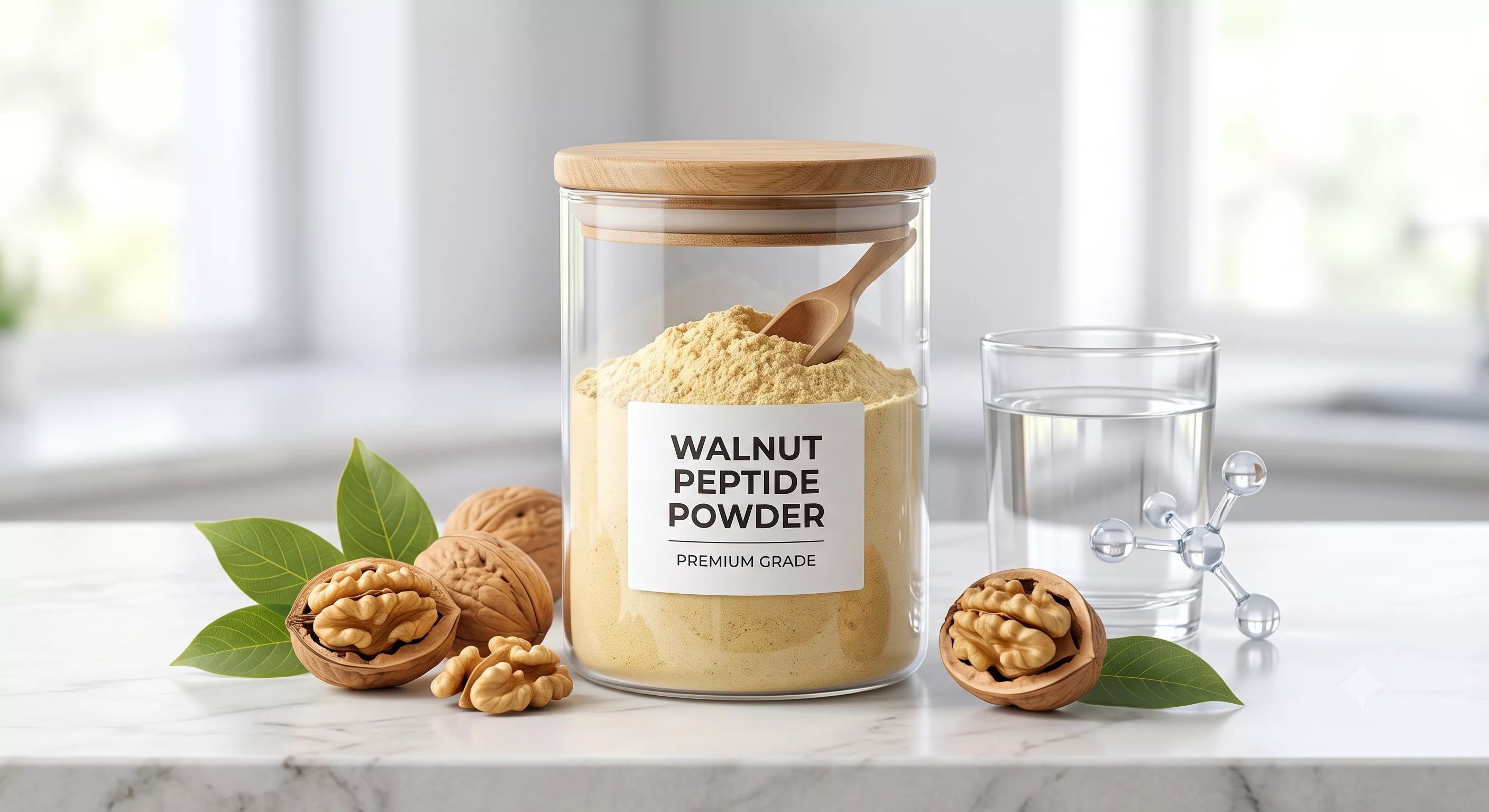
Source wholesale hydrolyzed walnut protein peptide powder in bulk. Over 85% low-molecular-weight oligopeptides rich in Glutamic Acid. Perfect for cognitive formulas and sleep aid supplements.
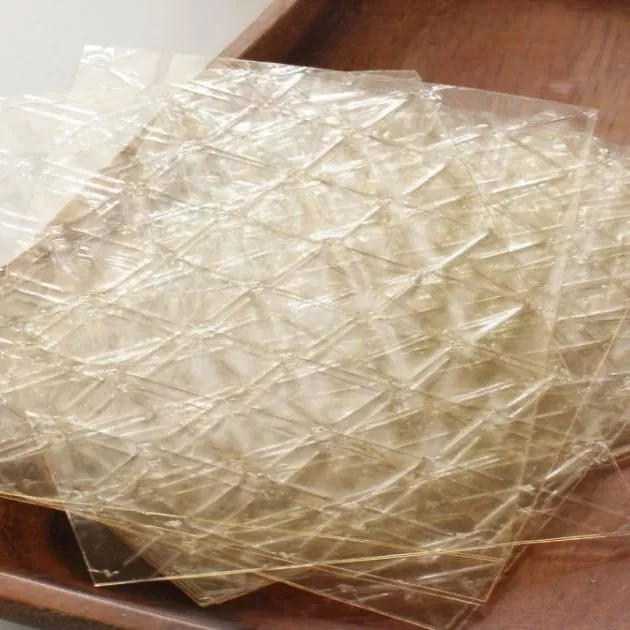
Our Gelatin Sheets are produced to precise standards, ensuring consistency and reliability across different Bloom grades (Silver being the most common professional choice).
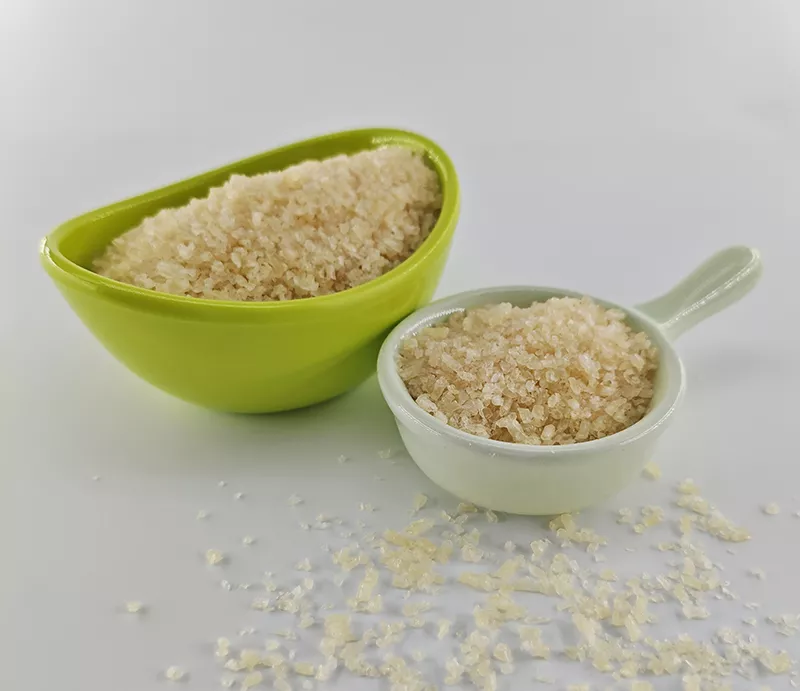
Stability, Swallowing Enhancement, and Controlled Release
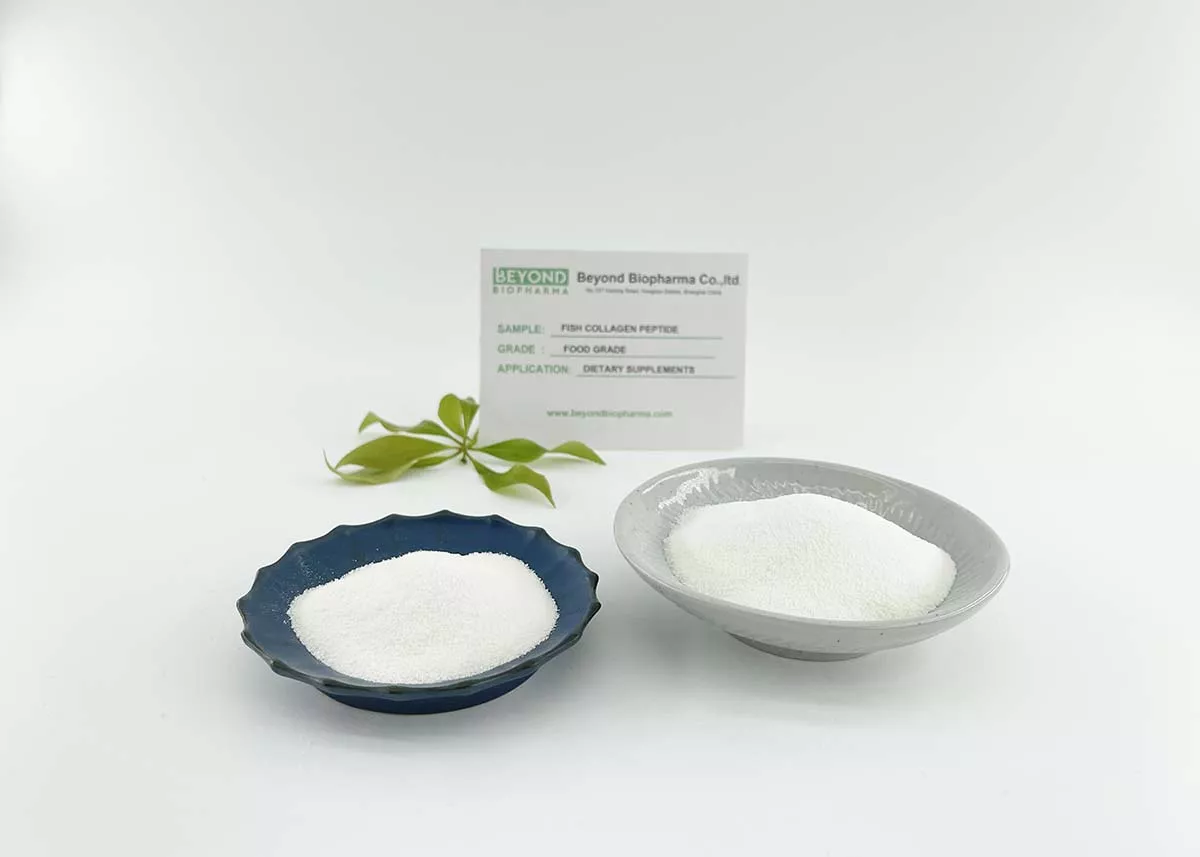
Premium marine-sourced collagen peptides with >90% protein content and low molecular weight (1000-3000 Da) for superior bioavailability. Sustainably sourced, neutral taste, and fully soluble—ideal for nutricosmetics and functional foods.
Select the most popular foreign trade service products to meet your diverse needs
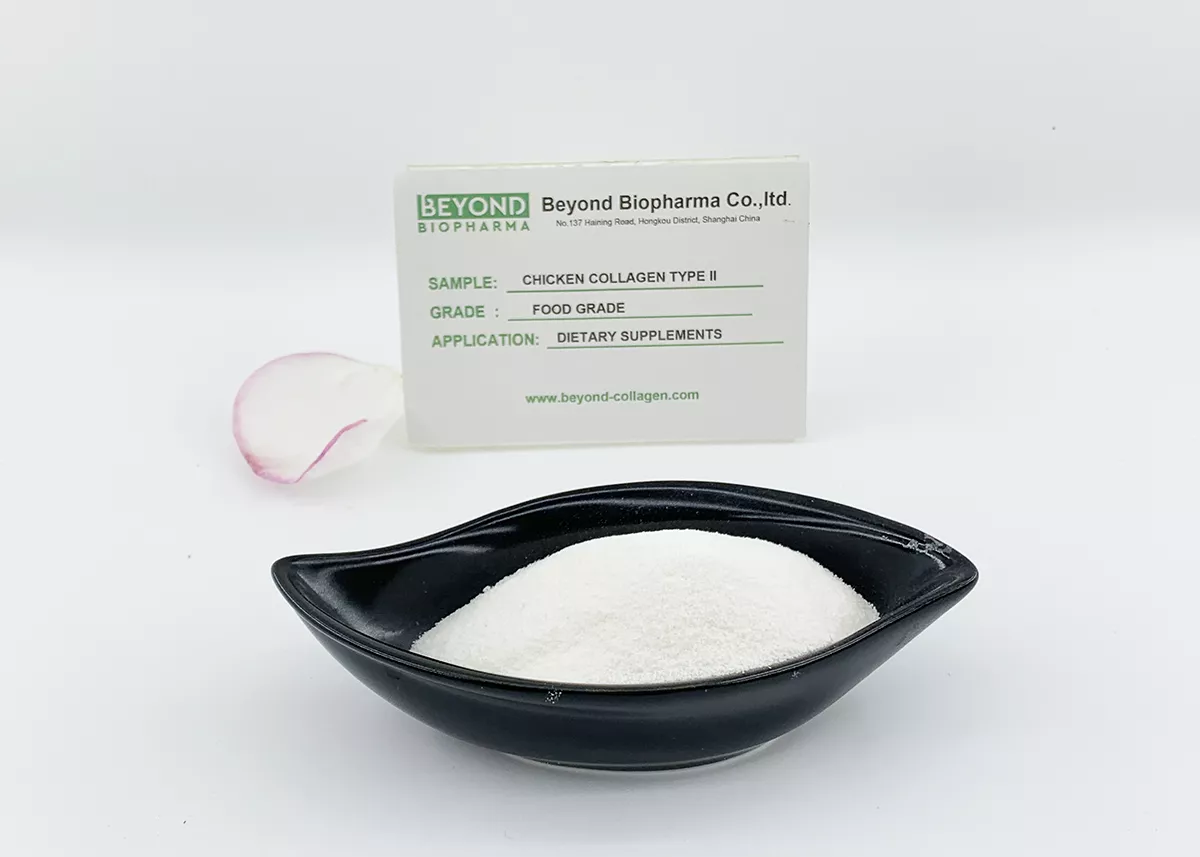
BEYOND BIOPHARMA is a specialized manufacturer of high-quality Undenatured Collagen Type II. Utilizing low-temperature, non-enzymatic extraction methods, our Undenatured Collagen Type II retains its native, triple-helix structure, essential for modulating the immune system's response to joint health and providing superior support for mobility, flexibility, and overall joint comfort.
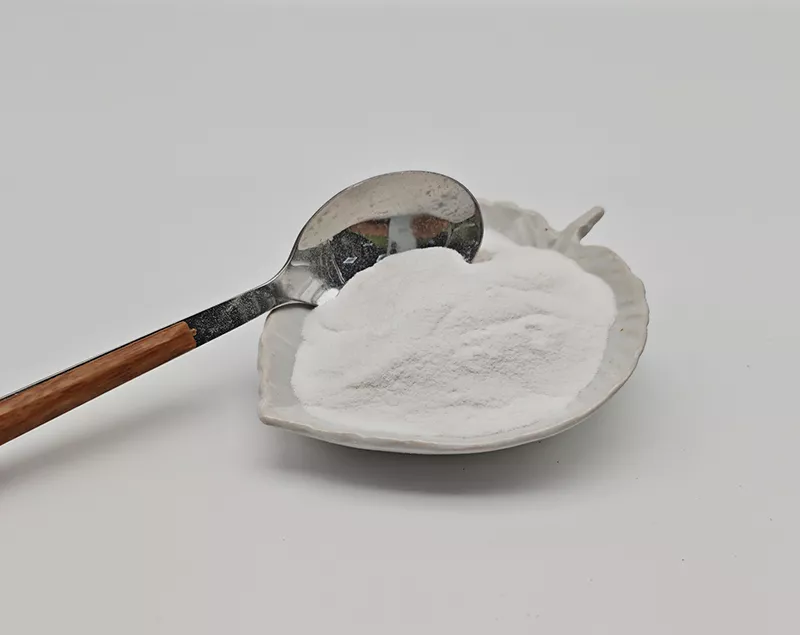
Fish Gelatin for foods is increasingly recognized as the premium alternative to traditional mammalian sources, meeting the growing global demand for clean-label ingredients that align with diverse dietary and religious requirements. Derived from the skin and scales of fish like cod and tilapia, fish gelatin offers unique functional benefits that make it an exceptional gelling, stabilizing, and texturizing agent.
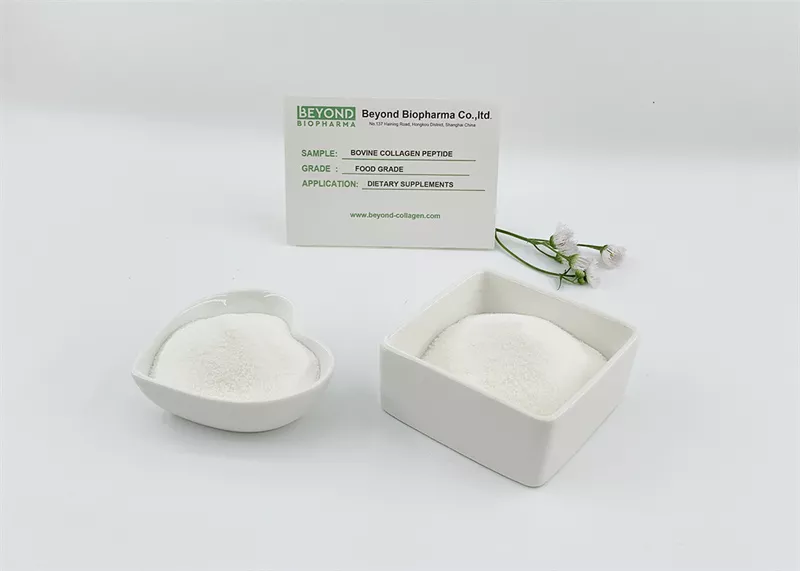
Manufacturer of bovine collagen peptide, shipping in containers all around the world
Tel:+86 21 65010906
Cell/Whatsapp/Wechat:
+86 13482884055
+86 18657345785
Email: sales@beyondbiopharma.com





User Comments
Service Experience Sharing from Real Customers
Megan
Lab TechnicianAs someone who works in a research lab, I've tried a few brands of non-edible gelatin for our culture media prep. This one dissolves consistently without clumping, which saves us time. The particle size is uniform – not perfect, but definitely above average. We'll keep ordering.
Leo
Art ConservatorI was skeptical at first, but this gelatin worked wonders for a delicate paper restoration project. It provided just the right amount of reversible adhesion without damaging the fibers. My colleague recommended it after using it for sizing canvases. A game-changer for archival work!
Chloe
Cosmetics FormulatorWe switched to this for our capsule-based skincare samples. It holds the active ingredients stable and dissolves at the right rate in testing. The supplier is reliable, though I wish the bulk packaging was a bit sturdier. Overall, solid performance for the price.
Ryan
High School Science TeacherBought this for my students' DIY biofilm experiments. It's so much easier and safer to handle than edible gelatin since there's no risk of kids accidentally eating it. The kids loved how clear the gels turned out. Made my lesson on microbial growth a total hit!