 English EN


Tackling the Gelatin Cross-Linking Phenomenon in Softgel Capsules
USP Tier 2 enzyme testing resolves cross-linking and cloudy softgels: diagnosing gelatin capsule shell failures. High-purity gelatin prevents shell degradation.
More
Edible organic gelatin is a purified protein ingredient derived from collagen-rich animal tissues, such as bovine hide, porcine skin, or fish skin, through a controlled hydrolysis process. For overseas purchasing managers and R&D professionals, a common pain point is ensuring batch-to-batch consistency in gel strength, clarity, and odor — especially when scaling from sample to bulk orders. This article addresses those concerns and provides a clear framework for using 150 g of edible organic gelatin effectively.
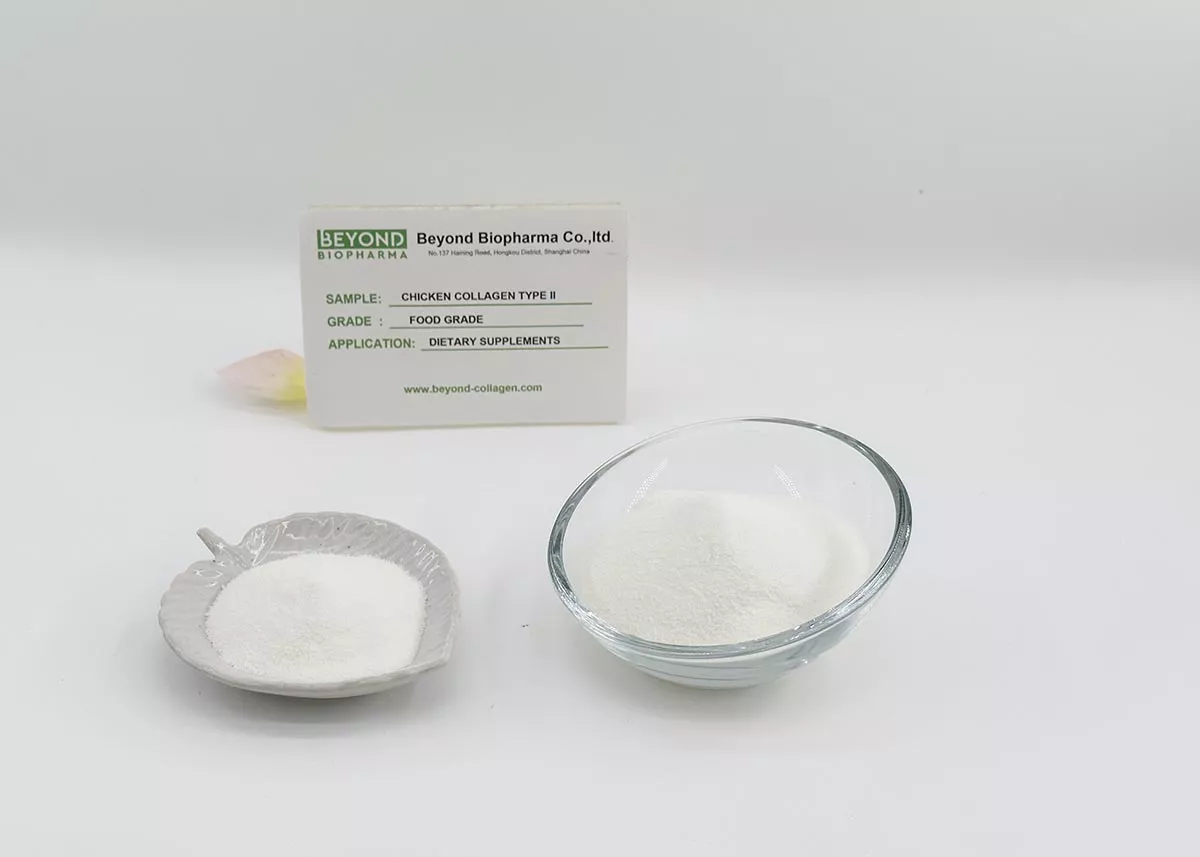
The production of edible organic gelatin involves several controlled steps: raw material cleaning, acid or alkaline pretreatment, hot water extraction, filtration, concentration, drying, and milling. The key performance metric is Bloom value, which measures gel strength. For most food and pharmaceutical applications, a Bloom range of 150–260 g is typical. Viscosity (2.0–5.5 mPa·s) and mesh size (8–60) also influence dissolution rate and final texture. Lower molecular weight fractions, often found in fish gelatin, dissolve faster and are preferred for clear broths or soft gel capsules.
When using a 150 g batch, the bloom strength directly affects the firmness of gummies, puddings, or capsule shells. For example, a 150 Bloom gelatin yields a medium-firm gel suitable for confectionery, while 250 Bloom is better for hard capsules requiring higher rigidity. Always check the Certificate of Analysis (COA) for exact values, as these are typical industry ranges and final specs vary per supplier.
The table below summarizes common parameter ranges for edible organic gelatin. These are generic industry benchmarks; always request a COA from your supplier for lot-specific data.
| Parameter | Typical Range | Notes |
|---|---|---|
| Bloom (g) | 50–300 | Pharma/gummies often 150–260 |
| Viscosity (mPa·s) | 2.0–5.5 | Measured at 60°C, 6.67% solution |
| Mesh size | 8–60 | Finer mesh dissolves faster |
| Moisture (%) | ≤14 | Lower moisture improves shelf life |
| Protein (%) | ≥85 | Collagen peptides often ≥90% |
Note: These are typical industry ranges; final values per COA / sample.
Edible organic gelatin is widely used across multiple industries. Below is selection guidance by application:
Beyond Biopharma, based in Shanghai, China, is a B2B manufacturer with over 10 years of experience in collagen peptides, gelatin, and plant protein peptides. Our products are exported to more than 50 countries. We operate fully automatic production lines in GMP clean workshops, with stainless-steel sealed piping and automated temperature/pH control. Our annual capacity is approximately 3,000 MT for collagen and 5,000 MT for gelatin. We hold ISO 9001 certification, are US FDA registered, and select products carry Halal or Kosher certification (e.g., fish gelatin). Our bovine bone gelatin is BSE-free. An in-house lab performs heavy-metal and microbiological testing, supported by a dedicated QA/QC team. We offer three grades — food, pharmaceutical, and cosmetic — and provide free samples along with formulation and selection support.
Q1: What is the difference between edible gelatin and pharmaceutical gelatin?
Pharmaceutical gelatin meets stricter purity and microbiological limits, with tighter viscosity and bloom specifications. Edible gelatin is suitable for food and confectionery but may have slightly broader tolerances. Always confirm the intended grade with your supplier.
Q2: How should I store 150 g of edible organic gelatin?
Store in a cool, dry place below 25°C, away from direct sunlight and moisture. Keep the container sealed to prevent clumping and microbial growth. Proper storage ensures consistent performance for up to 24 months.
Q3: Can I use edible organic gelatin in vegan products?
No, traditional gelatin is animal-derived. For vegan formulations, consider plant protein peptides from pea, rice, or soy, which offer similar gelling or texturizing properties without animal ingredients.
Q4: How do I dissolve 150 g of gelatin for best results?
Sprinkle the powder into cold water (1:5 ratio) and let it bloom for 5–10 minutes. Then gently heat to 50–60°C while stirring until fully dissolved. Avoid boiling, as high heat can degrade gel strength.
Q5: What certifications should I look for when sourcing edible organic gelatin?
Key certifications include ISO 9001, FDA registration, Halal, Kosher, and BSE-free status for bovine sources. Request a COA to verify heavy metals, microbiological counts, and bloom value for each batch.
Q6: Is fish gelatin a suitable alternative to bovine or porcine gelatin?
Yes, fish gelatin has a lower melting point and is often preferred for soft capsules and clear applications. It is also acceptable in many Halal and Kosher diets. However, it may have a slightly fishy odor if not properly processed.
To ensure you get the right edible organic gelatin for your application, please provide the following details when contacting Beyond Biopharma: your intended application (food, pharmaceutical, or cosmetic), required grade, quantity/MOQ, target specifications (bloom, mesh, molecular weight, certifications), and destination country. We will send free samples and a competitive quote tailored to your needs. Our team is ready to support your formulation and selection process with technical expertise and bulk supply options.

We provide you with comprehensive foreign trade solutions to help enterprises achieve global development
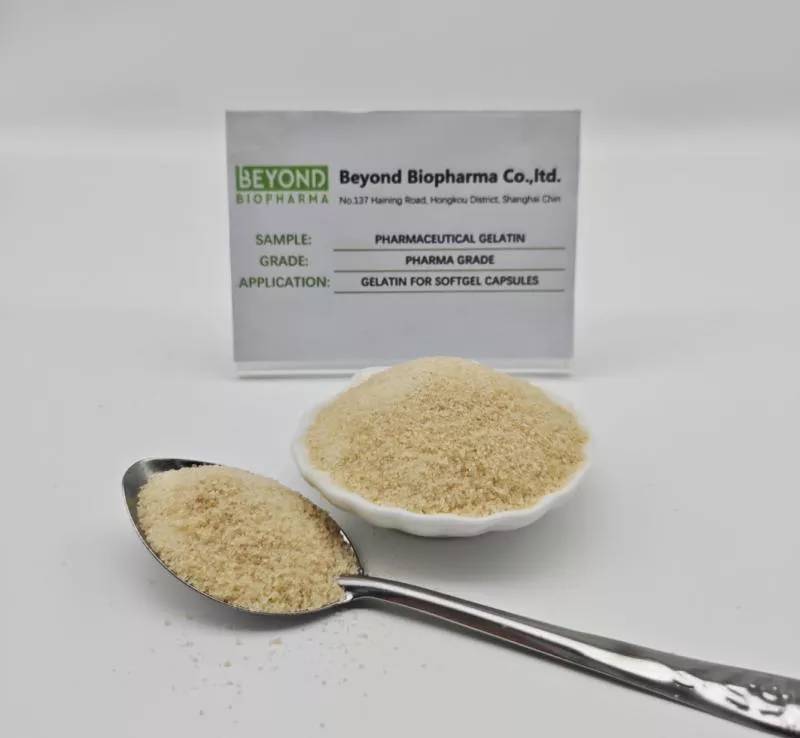
Softgel encapsulation demands a gelatin with unique physical attributes to perform optimally during the high-speed manufacturing process
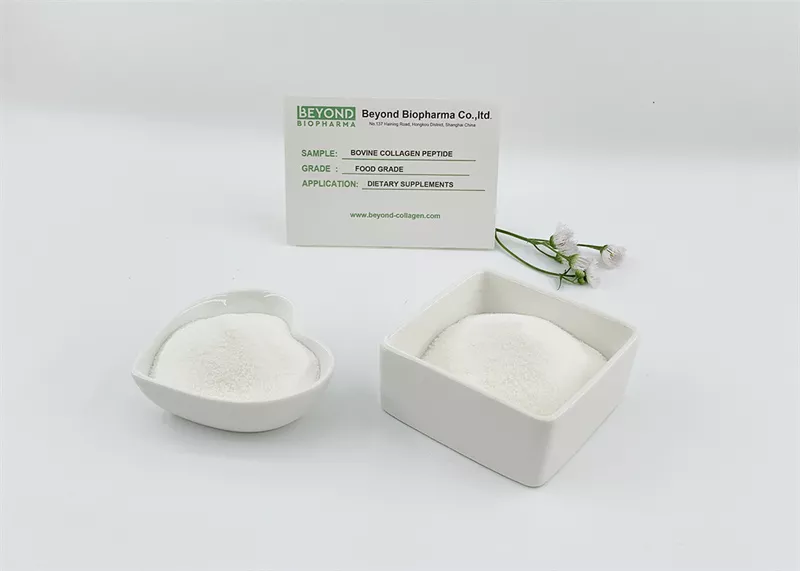
Manufacturer of bovine collagen peptide, shipping in containers all around the world
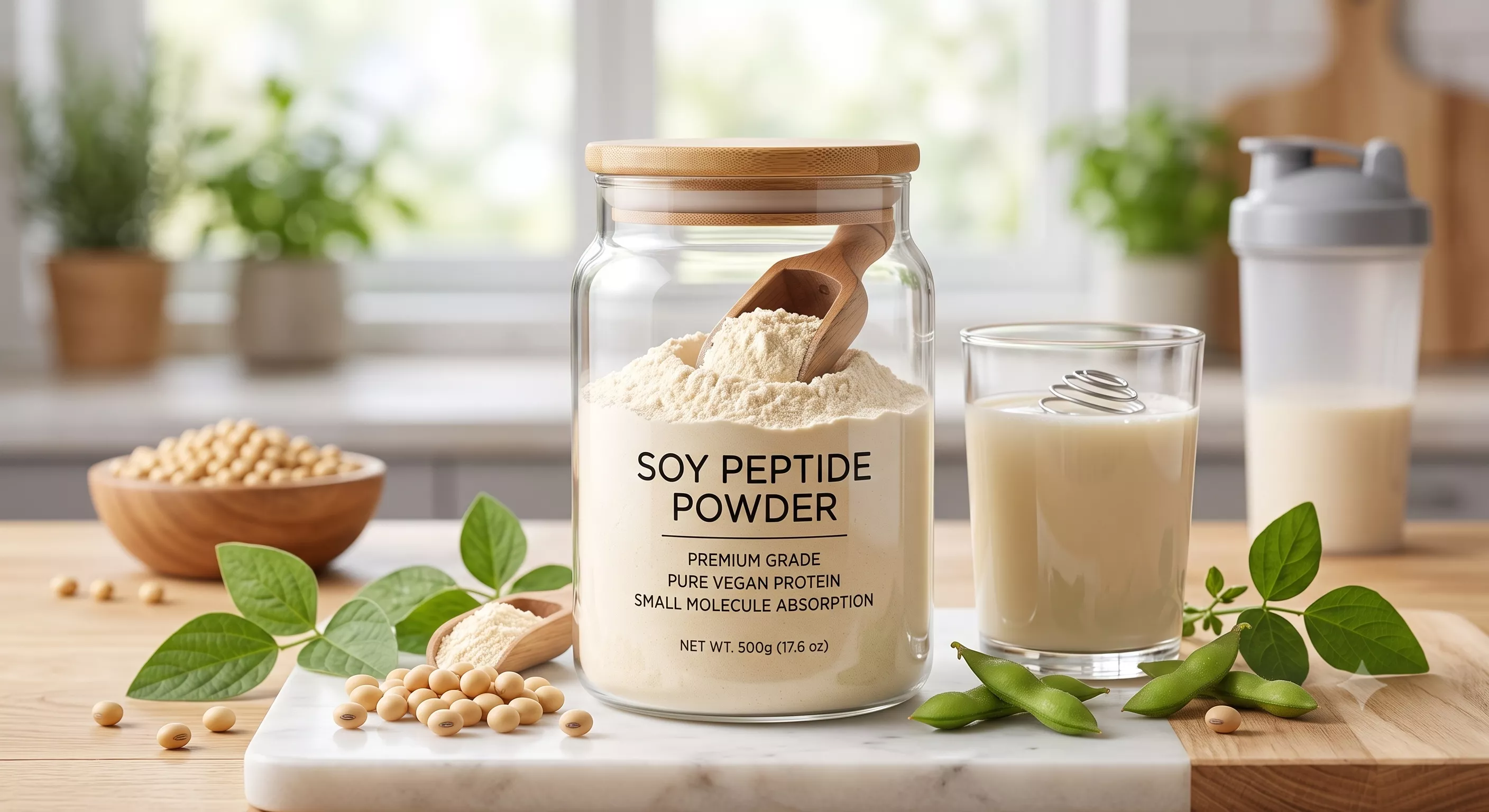
Source ultra-pure, non-GMO hydrolyzed soybean oligopeptide powder in bulk. Complete water solubility, over 80% peptides under 1000 Da. Ideal for sports nutrition and immune recovery formulas.
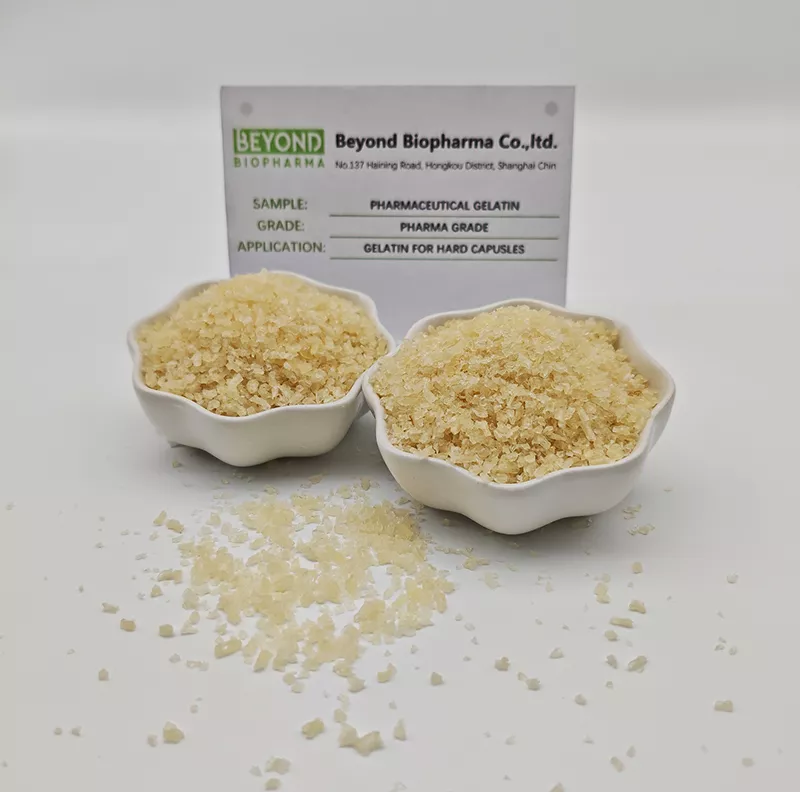
Precision, Purity, and Optimal Machinability
Select the most popular foreign trade service products to meet your diverse needs
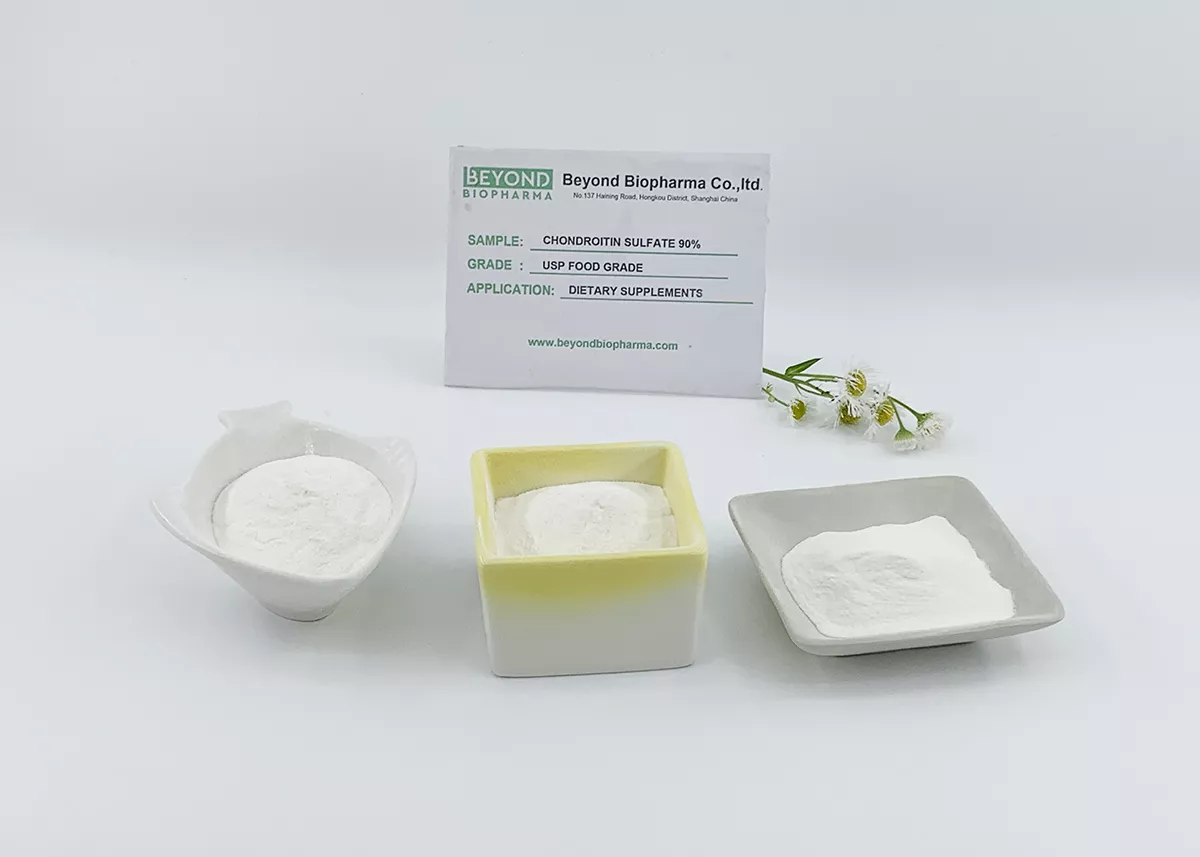
High Purity and Efficacy for Joint Health Formulations
Manufacturer of bovine collagen peptide, shipping in containers all around the world
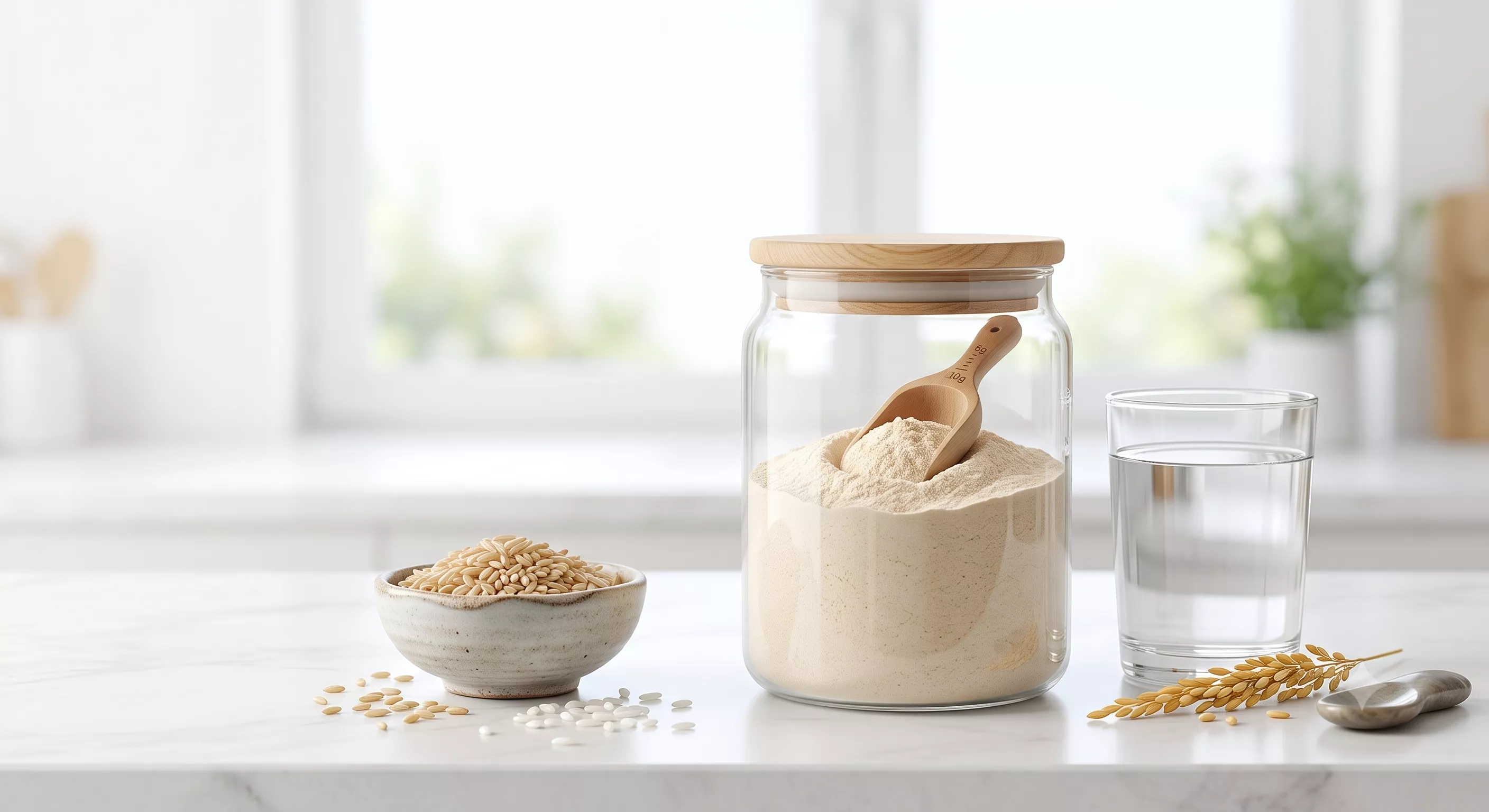
Source ultra-pure, 100% water-soluble wholesale hydrolyzed rice protein peptide in bulk. Over 85% molecules under 1000 Da. Ideal for infant nutrition, clean-label sports formulas, and sensitive skincare.
Tel:+86 21 65010906
Cell/Whatsapp/Wechat:
+86 13482884055
+86 18657345785
Email: sales@beyondbiopharma.com





User Comments
Service Experience Sharing from Real Customers
Megan
Pastry ChefAs someone who's tried multiple brands, this gelatin is a game-changer for my vegan desserts. The texture sets perfectly every time, and it dissolves without that weird aftertaste some others have. My chocolate mousse has never been smoother!
Leo
Home BakerI was skeptical about organic gelatin actually working as well, but this proved me wrong. Made some killer gummy bears for my kids' party—they held shape beautifully. Only reason it's not a 5 is I wish the packaging had a resealable option.
Chloe
NutritionistFinally a gelatin I can recommend to clients without hesitation! Sourced responsibly, no odd additives, and it blends seamlessly into protein shakes or homemade supplements. The 150g size is perfect for testing recipes before buying bulk.
Raj
Food Science StudentUsed this for a lab project comparing gelling agents—impressive bloom strength for an organic product. It's consistent batch-to-batch, which matters for experimentation. A bit pricier than conventional, but you're paying for the quality sourcing.