 English EN


Bovine gelatin pros and cons everyone should know
Bovine gelatin offers strong gelling and health benefits but has dietary, ethical, and allergen concerns. Compare bovine gelatin to other gelatin options here.
More
When you have 150 grams of edible gelatin on hand, the possibilities stretch far beyond simple jelly desserts. For overseas buyers in the food-ingredient, supplement, and pharmaceutical industries, this quantity represents a practical batch size for testing formulations, scaling up production, or creating sample runs. The real challenge often lies not in the amount, but in ensuring batch-to-batch consistency, controlling odor, and achieving the right solubility for your specific application. Edible gelatin, whether sourced from bovine, porcine, or fish, serves as a versatile gelling, thickening, and stabilizing agent. Understanding how to use it effectively can save time and reduce waste in your production line.
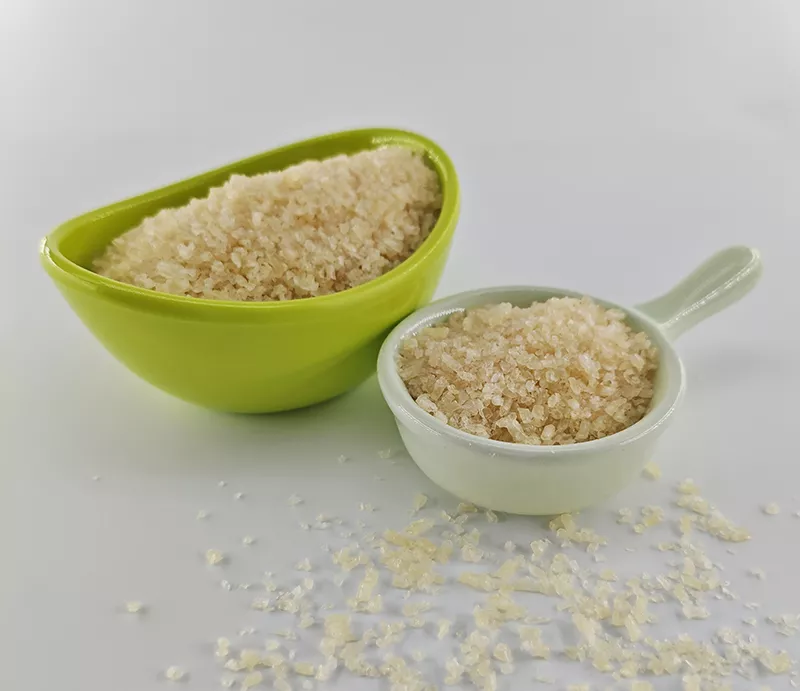
Edible gelatin is derived from collagen found in animal bones, hides, and connective tissues. The production process involves acid or alkaline hydrolysis, followed by extraction, filtration, and drying. The key parameter that determines performance is Bloom strength, which measures gel firmness. A typical industry range for edible gelatin is Bloom 50–300 g, with pharmaceutical and gummy applications often requiring 150–260 Bloom. Viscosity, usually between 2.0 and 5.5 mPa·s, and mesh size (8–60) also influence how the gelatin dissolves and sets. For collagen peptides, molecular weight typically falls between 2,000 and 5,000 Da, with fish-derived variants being lower for faster absorption. These are generic industry ranges; final values should always be verified per Certificate of Analysis (COA) or sample testing.
When sourcing edible gelatin, buyers often look for consistent parameters. Below is a table of common specs based on industry standards. Always request a COA for your specific batch.
| Parameter | Typical Range | Common Application |
|---|---|---|
| Bloom (g) | 50–300 | Gummies (150–260), softgels (high-bloom) |
| Viscosity (mPa·s) | 2.0–5.5 | Capsule shells, thickening agents |
| Mesh size | 8–60 | Powdered mixes, instant dissolution |
| Moisture (%) | ≤14 | All grades |
| Protein (collagen peptides) | ≥90% | Sports nutrition, beauty supplements |
Note: These are typical industry ranges. Final values depend on your supplier and specific grade. For example, edible bovine gelatin from a reliable source will come with a detailed spec sheet.
With 150 grams, you can create multiple small batches for testing or a single larger batch for production. Here are the most common uses:
Beyond Biopharma, based in Shanghai, China, has over 10 years of experience in the food-ingredient industry. Our products are exported to more than 50 countries. We operate a fully automatic production line with GMP clean workshops, stainless-steel sealed piping, and automated temperature and pH control. Our annual capacity is approximately 3,000 MT for collagen and 5,000 MT for gelatin. We hold ISO 9001 certification, are US FDA registered, and select products carry Halal or Kosher certification. Our bovine bone gelatin is BSE-free. Every batch undergoes in-house heavy-metal and microbiological testing by our dedicated QA/QC team. We offer three grades: food, pharmaceutical, and cosmetic. Whether you need food-grade porcine gelatin for gummies or pharmaceutical-grade for capsules, we support custom bulk supply and formulation/OEM services. Free samples and formulation support are available upon request.
Q1: What is the difference between edible gelatin and collagen peptides?
Edible gelatin forms a gel when cooled, while collagen peptides are hydrolyzed for cold-water solubility and do not gel. Gelatin is used for texture in gummies and capsules; collagen peptides are used for protein supplementation and joint health.
Q2: Can I use 150 grams of gelatin for vegan or plant-based products?
No, traditional gelatin is animal-derived. For vegan formulations, consider plant protein peptides such as pea or rice hydrolysates. Beyond Biopharma offers plant-based options that are allergen-free and vegan-friendly.
Q3: How do I ensure my gelatin dissolves without clumping?
Bloom the gelatin in cold water for 5–10 minutes before heating. Use a 1:5 ratio of gelatin to water. Stir gently while warming to 50–60°C. Avoid boiling, as it can reduce gel strength.
Q4: What certifications should I look for when buying edible gelatin?
Look for ISO 9001, FDA registration, and Halal or Kosher if required. For bovine gelatin, ensure it is BSE-free. Beyond Biopharma provides all these certifications upon request.
Q5: How long does edible gelatin last in storage?
When stored in a cool, dry place below 25°C, gelatin can last 2–3 years. Keep it sealed to avoid moisture absorption, which can cause clumping and reduce performance.
Q6: Can I mix different Bloom strengths of gelatin?
Yes, blending different Bloom strengths can achieve a custom texture. However, it is easier to order a specific grade from your supplier. Beyond Biopharma can provide custom blends for your application.
Ready to source edible gelatin for your next project? Tell us your application, required grade (food, pharmaceutical, or cosmetic), quantity or MOQ, target specifications (Bloom, mesh, molecular weight, certifications), and destination country. Beyond Biopharma will send free samples and a competitive quote. Our team provides formulation and selection support to help you find the right product for your needs. Contact us today to start the conversation.
Whether you are developing gummy supplements, softgel capsules, or clean-label foods, edible gelatin from a trusted manufacturer ensures consistency and quality. With 150 grams, you can test, scale, and succeed.

We provide you with comprehensive foreign trade solutions to help enterprises achieve global development
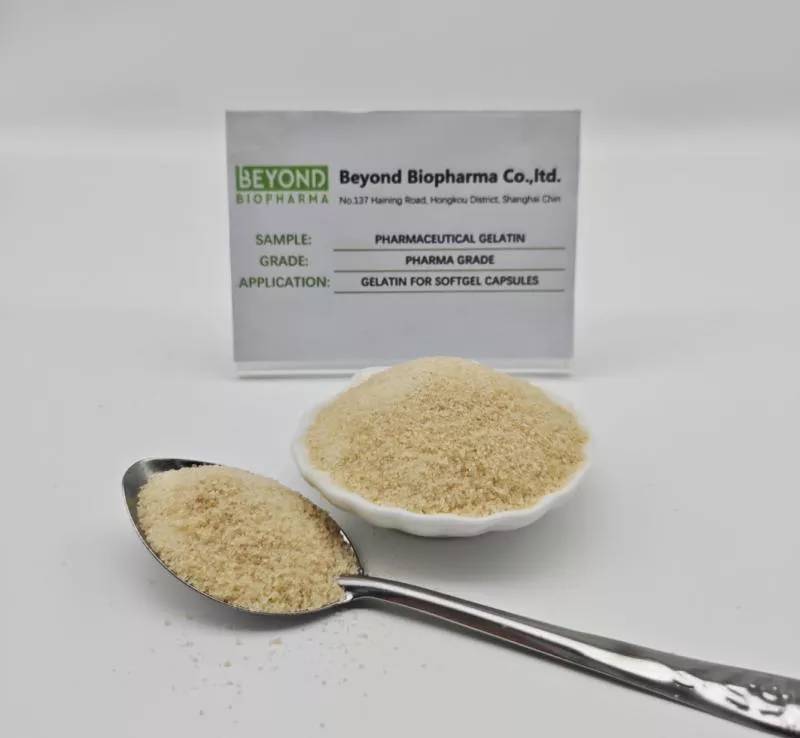
Softgel encapsulation demands a gelatin with unique physical attributes to perform optimally during the high-speed manufacturing process
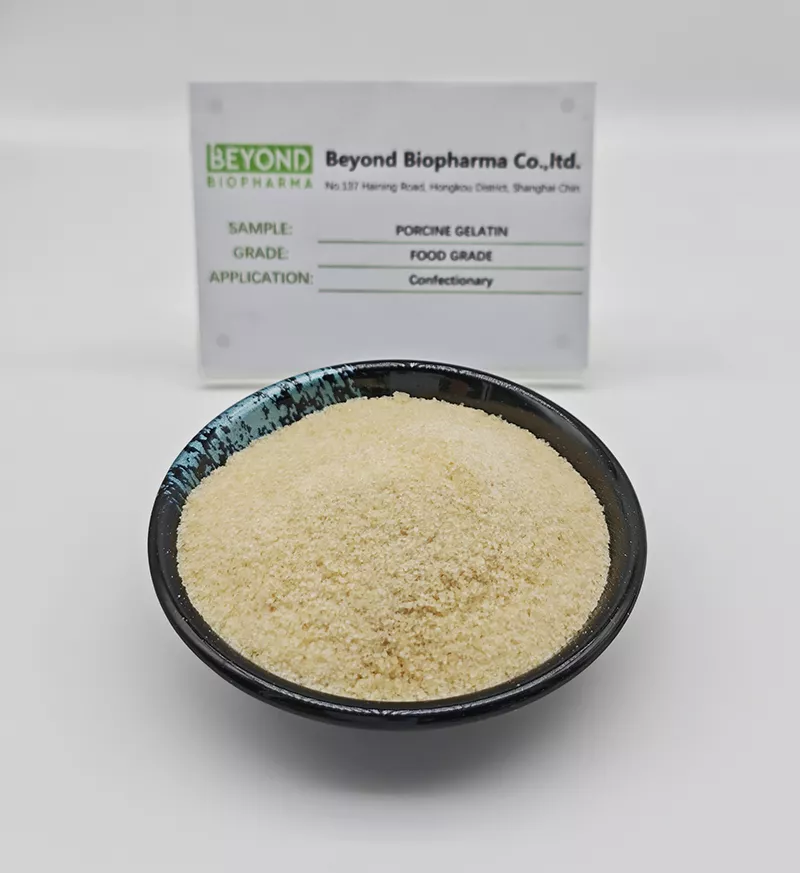
Food-grade porcine gelatin is a highly versatile and cost-effective natural protein derived from the collagen found in pig skin and bones. It is a premier gelling agent known for its exceptional clarity, neutral taste, and thermal reversibility.
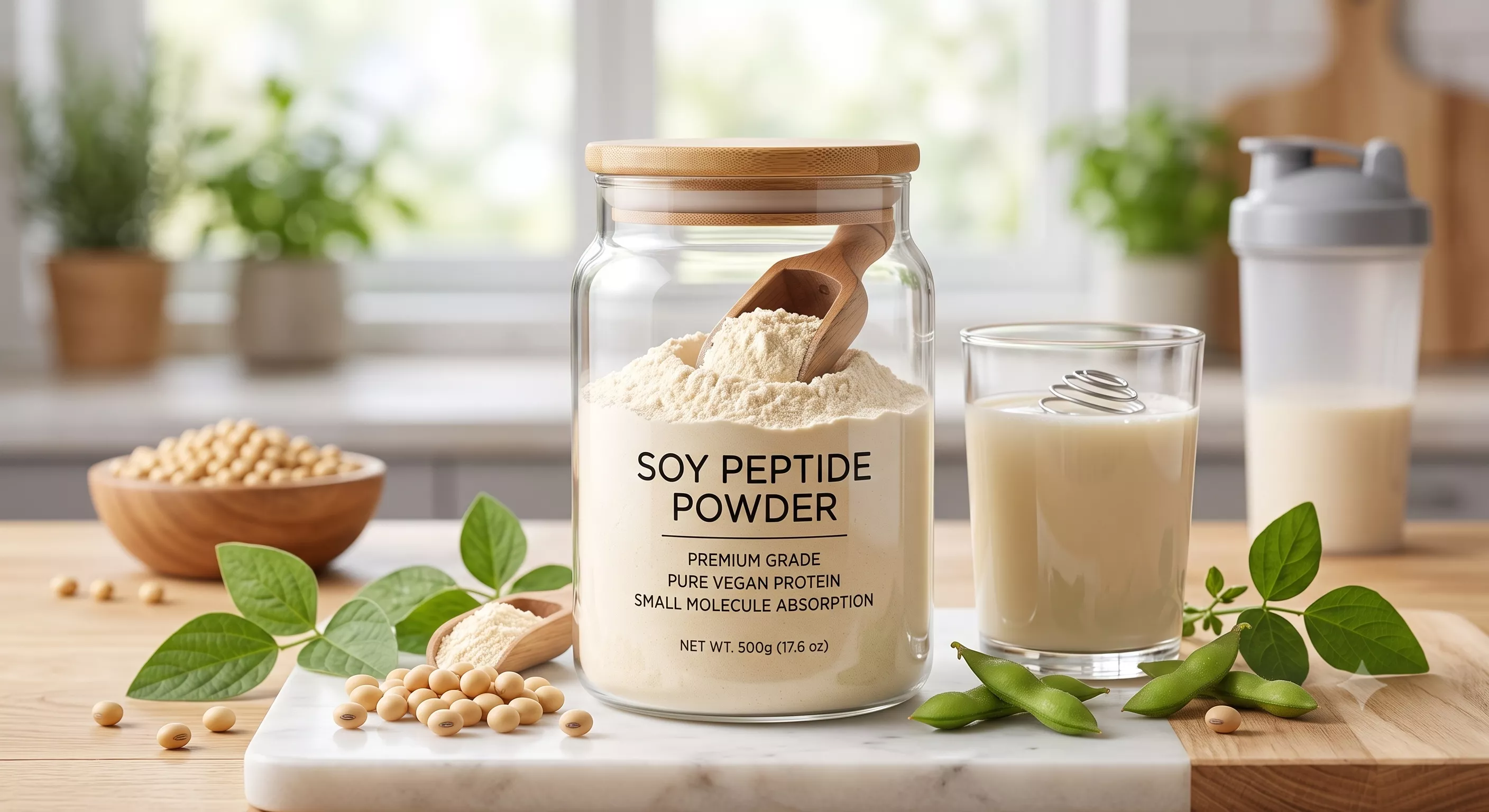
Source ultra-pure, non-GMO hydrolyzed soybean oligopeptide powder in bulk. Complete water solubility, over 80% peptides under 1000 Da. Ideal for sports nutrition and immune recovery formulas.
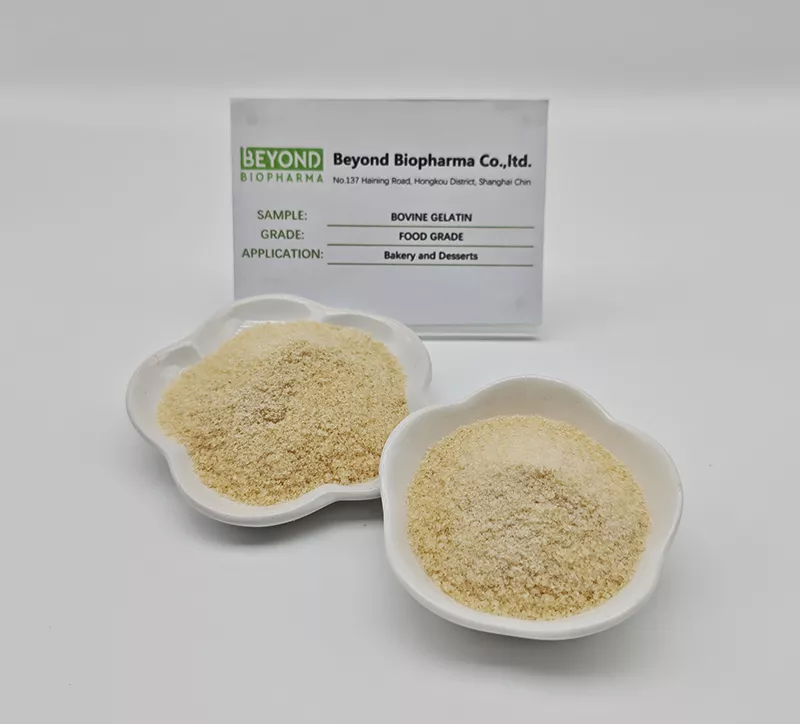
20 years experiences, 5000 ton/year capacity, Sustained supply with stable quality
Select the most popular foreign trade service products to meet your diverse needs
Softgel encapsulation demands a gelatin with unique physical attributes to perform optimally during the high-speed manufacturing process
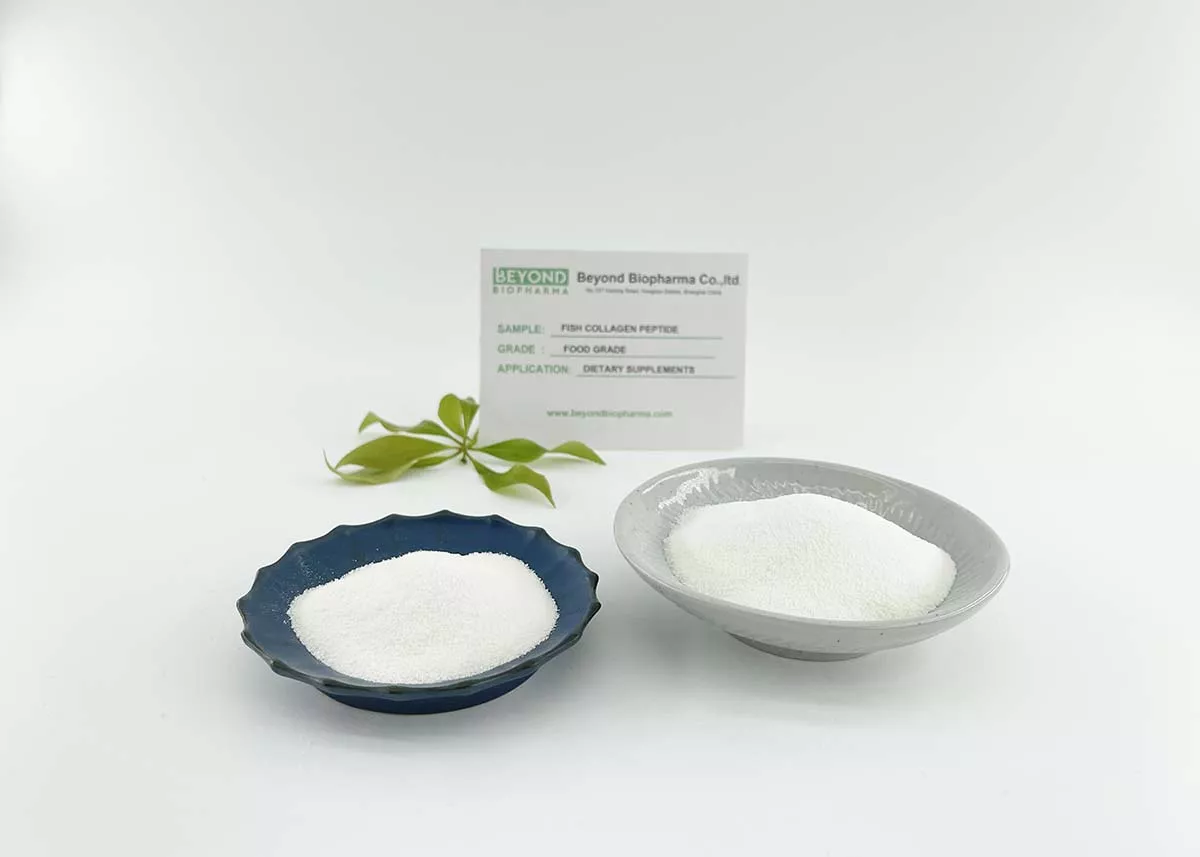
Premium marine-sourced collagen peptides with >90% protein content and low molecular weight (1000-3000 Da) for superior bioavailability. Sustainably sourced, neutral taste, and fully soluble—ideal for nutricosmetics and functional foods.
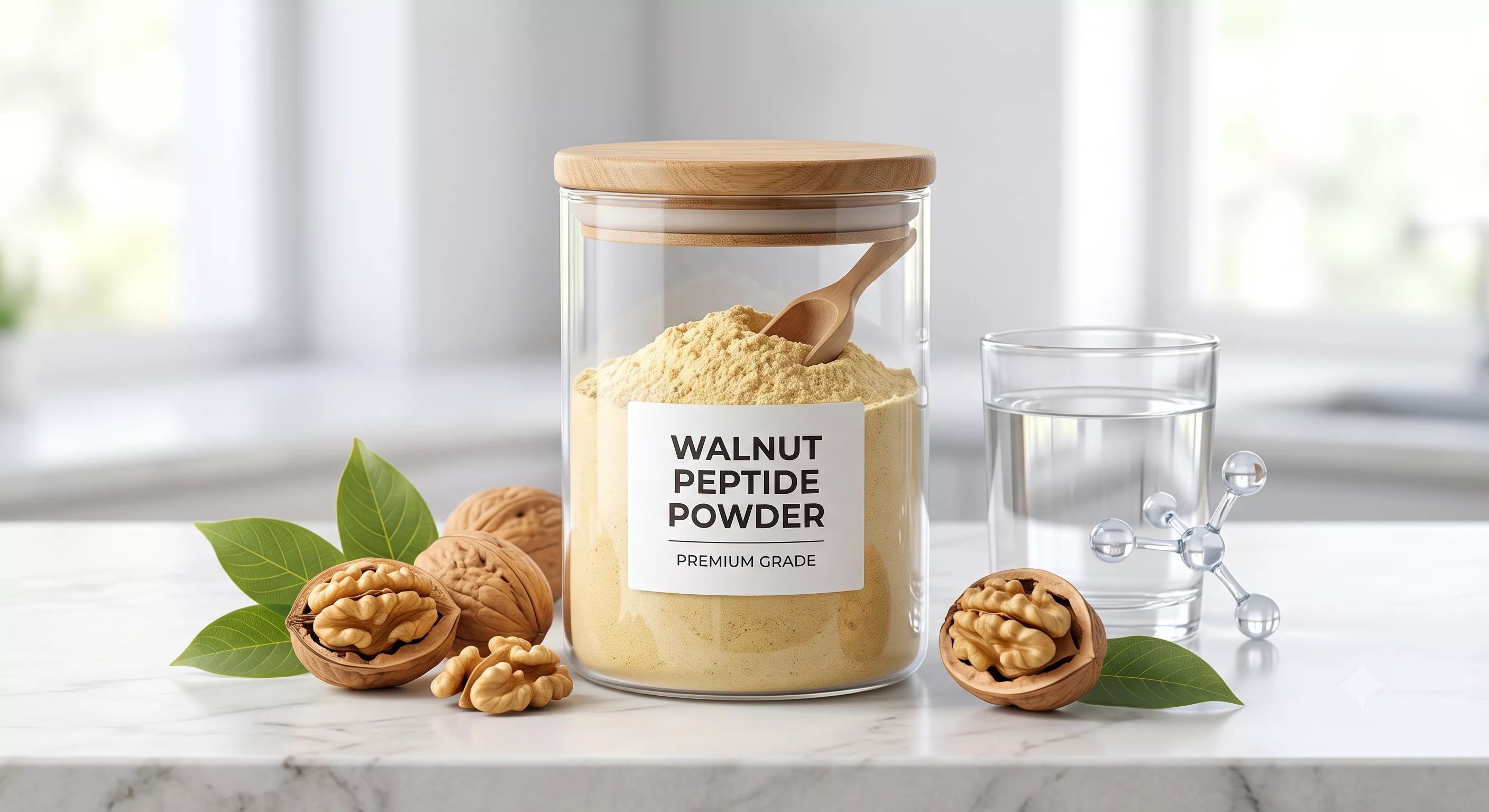
Source wholesale hydrolyzed walnut protein peptide powder in bulk. Over 85% low-molecular-weight oligopeptides rich in Glutamic Acid. Perfect for cognitive formulas and sleep aid supplements.
Tel:+86 21 65010906
Cell/Whatsapp/Wechat:
+86 13482884055
+86 18657345785
Email: sales@beyondbiopharma.com





User Comments
Service Experience Sharing from Real Customers
Megan
Pastry ChefAs someone who's been baking professionally for 8 years, I'm picky about my ingredients. This 150g pack of gelatin is consistently clear-setting and odorless—perfect for mirror glazes and panna cotta. The resealable pouch keeps it fresh. No clumping issues like some brands.
Leo
Home BrewerUsed this to fine-tune a hazy IPA—cleared the beer without stripping flavor. The 150g size is handy for small batches. Might sound niche, but it works great. One star off because the powder is super fine, so wear a mask when measuring!
Chloe
Science TeacherBought this for a classroom DNA extraction lab with strawberries. The kids loved the hands-on activity, and the gelatin performed flawlessly. The small package was just right for 30 lab groups. Plus, it's food-safe so no worries about chemicals.
Raj
Cosplay ArtistI use edible gelatin for special effects wounds and mold-making—sounds weird, but it's skin-safe and biodegradable. This batch held detail better than expected. Only downside: it sets fast in cool rooms, so you gotta work quick. Great for prosthetics!