 English EN


Bovine gelatin pros and cons everyone should know
Bovine gelatin offers strong gelling and health benefits but has dietary, ethical, and allergen concerns. Compare bovine gelatin to other gelatin options here.
More
Edible gelatin crystals are a popular choice for adding texture, visual appeal, and functional benefits to food products. If you are a purchasing manager or product developer looking to source consistent, high-quality gelatin for crystal formation, understanding the process and key specifications is essential. This guide covers everything from the working principle of gelatin to practical application tips, helping you make informed decisions for your next product line.
Edible crystals are essentially gelatin-based gels that have been shaped, dried, or crystallized to create a crunchy or chewy texture. The process relies on gelatin's unique ability to form a thermoreversible gel when dissolved in water and cooled. The key to achieving the right crystal structure lies in controlling the gelatin concentration, bloom strength, and cooling rate. For most confectionery applications, a bloom value between 150 and 260 is typical, as this range provides the necessary firmness and clarity.
Gelatin is derived from collagen through partial hydrolysis. When heated in water, the protein chains unwind and disperse. Upon cooling, they re-form a three-dimensional network that traps water, creating a gel. For edible crystals, this gel is often sliced, diced, or extruded into small shapes, then dried to reduce moisture content. The final product can be coated with sugar or left as clear, jewel-like crystals. The molecular weight of the gelatin (typically 2,000–5,000 Da for collagen peptides) influences the gel strength and melting point. For crystal applications, a higher bloom gelatin (e.g., 200–260 Bloom) is preferred for firmer, more stable structures.
When sourcing gelatin for edible crystals, buyers should evaluate the following typical industry parameters. Note that final values should always be confirmed via Certificate of Analysis (COA) and sample testing.
| Parameter | Typical Industry Range | Notes |
|---|---|---|
| Bloom (g) | 150–260 | Higher bloom = firmer gel; 200+ recommended for crystals |
| Viscosity (mPa·s) | 2.0–5.5 | Affects flow and setting time |
| Mesh Size | 8–60 | Finer mesh for faster dissolution |
| Moisture (%) | ≤14 | Lower moisture improves shelf stability |
*Typical industry range; final values per COA / sample.
Edible gelatin crystals are used across several industries. Here is how to choose the right grade for your application:
Beyond Biopharma is a Shanghai-based manufacturer with over 10 years of experience in the food-ingredient industry. Our products are exported to more than 50 countries, and we maintain an annual production capacity of approximately 3,000 MT of collagen and 5,000 MT of gelatin. Our facility features a fully automatic production line, GMP clean workshop, and stainless-steel sealed piping with automated temperature and pH control. We hold ISO 9001 certification, US FDA registration, and select products carry Halal or Kosher certification (e.g., fish gelatin). Our bovine bone gelatin is BSE-free, and our in-house lab conducts rigorous heavy-metal and microbiological testing. We offer three grades—food, pharmaceutical, and cosmetic—and provide free samples along with formulation and selection support.
Q: What bloom strength is best for making edible crystals?
A: A bloom value between 200 and 260 is generally recommended for edible crystals, as it provides a firm, stable gel that holds its shape during drying and cutting.
Q: Can I use fish gelatin for edible crystals?
A: Yes, fish gelatin is an excellent choice, especially for clean-label or Halal/Kosher products. It typically has a lower melting point, so adjust your cooling process accordingly.
Q: How do I prevent my gelatin crystals from becoming sticky?
A: Ensure the moisture content is below 14% after drying. Coating the crystals with a fine layer of starch or sugar can also reduce stickiness.
Q: What is the shelf life of edible gelatin crystals?
A: When stored in a cool, dry place away from direct sunlight, properly dried gelatin crystals can last 12–24 months. Always check the COA for specific stability data.
Q: Do you offer samples for R&D testing?
A: Yes, Beyond Biopharma provides free samples. Please share your application, required grade, and target specifications, and we will send a sample for evaluation.
Q: Can I get gelatin with custom bloom and mesh size?
A: Absolutely. We support custom bulk supply. Contact us with your desired bloom range, mesh size, and quantity, and our team will work with you to meet your specifications.
If you are ready to source edible gelatin crystals for your next product, we invite you to reach out. Please provide the following details so we can send you a tailored quote and free samples:
Our team at Beyond Biopharma is ready to support your project with consistent quality, competitive pricing, and expert formulation guidance. Contact us today to start the conversation.

We provide you with comprehensive foreign trade solutions to help enterprises achieve global development
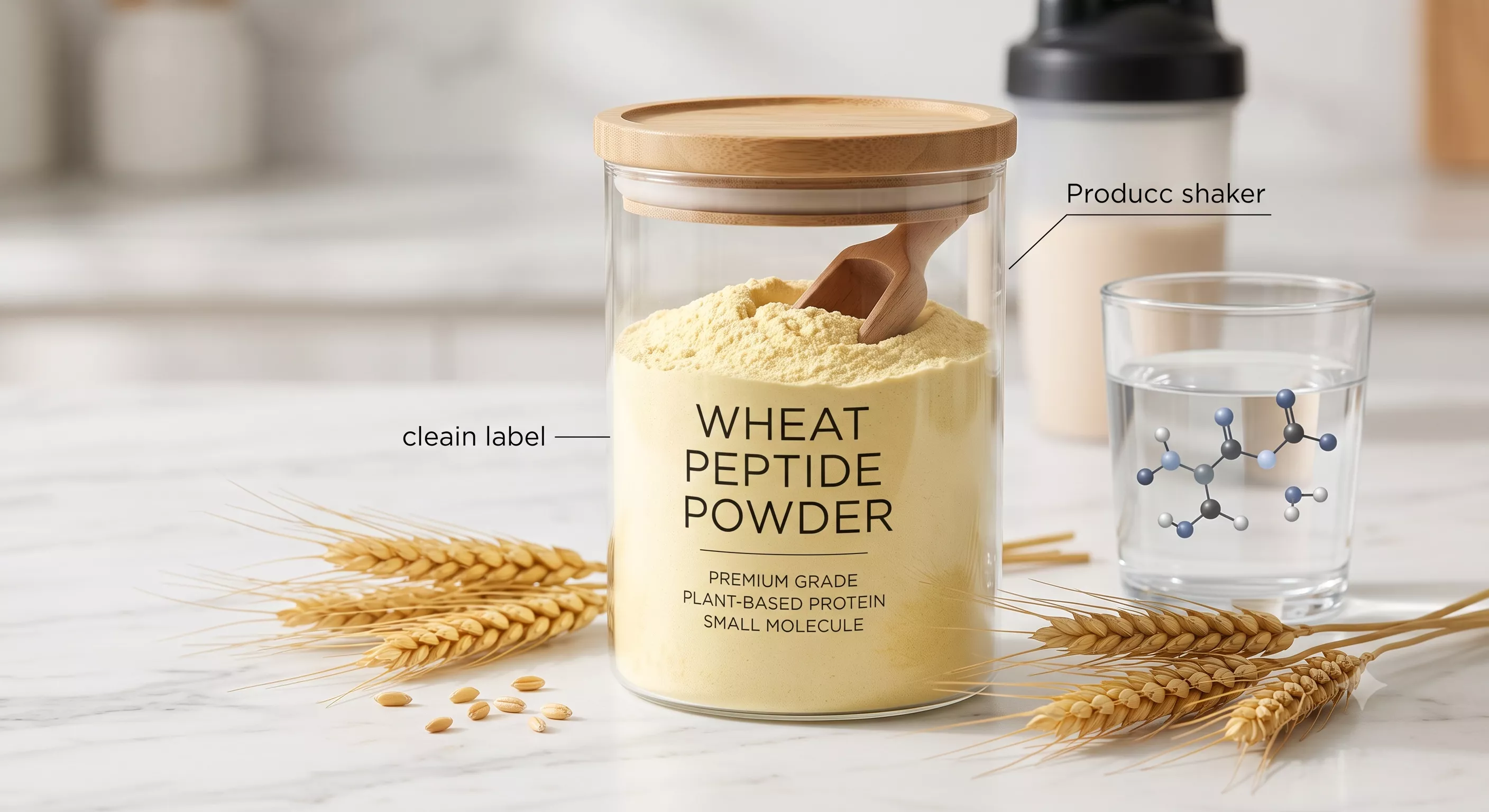
Source ultra-pure, high-solubility wholesale hydrolyzed wheat gluten peptide in bulk. Rich in plant-bound Glutamine ($\ge 25\%$) for muscle recovery and gut barrier health.
The Purest Plant-Based Joint Support Solution
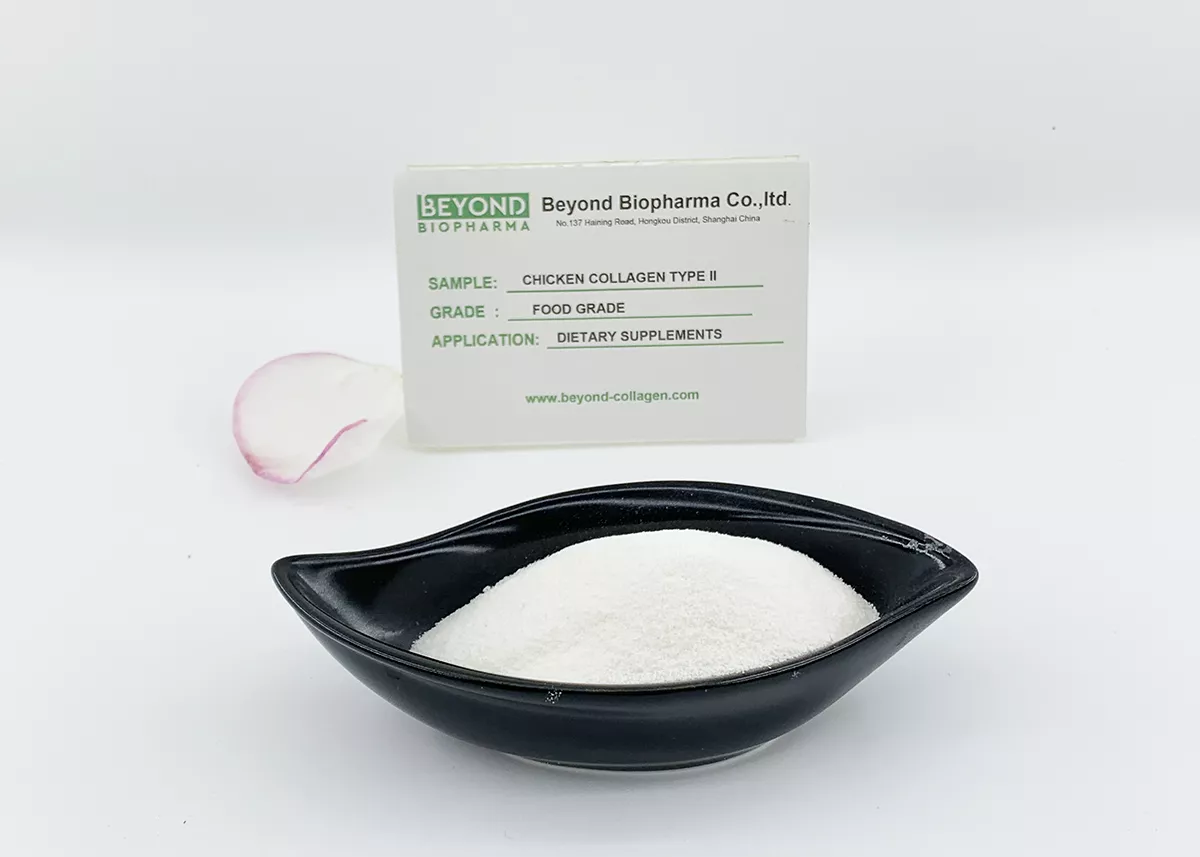
BEYOND BIOPHARMA is a specialized manufacturer of high-quality Undenatured Collagen Type II. Utilizing low-temperature, non-enzymatic extraction methods, our Undenatured Collagen Type II retains its native, triple-helix structure, essential for modulating the immune system's response to joint health and providing superior support for mobility, flexibility, and overall joint comfort.
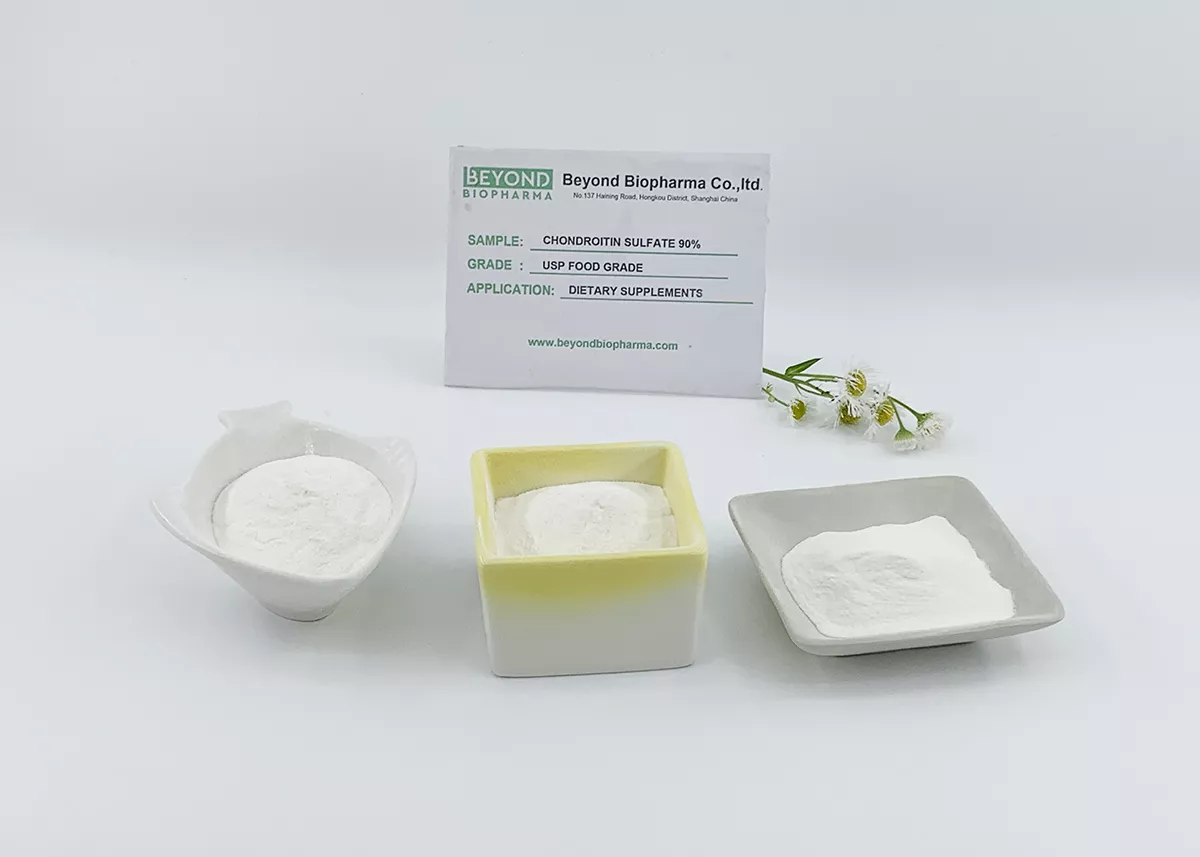
High Purity and Efficacy for Joint Health Formulations
Select the most popular foreign trade service products to meet your diverse needs
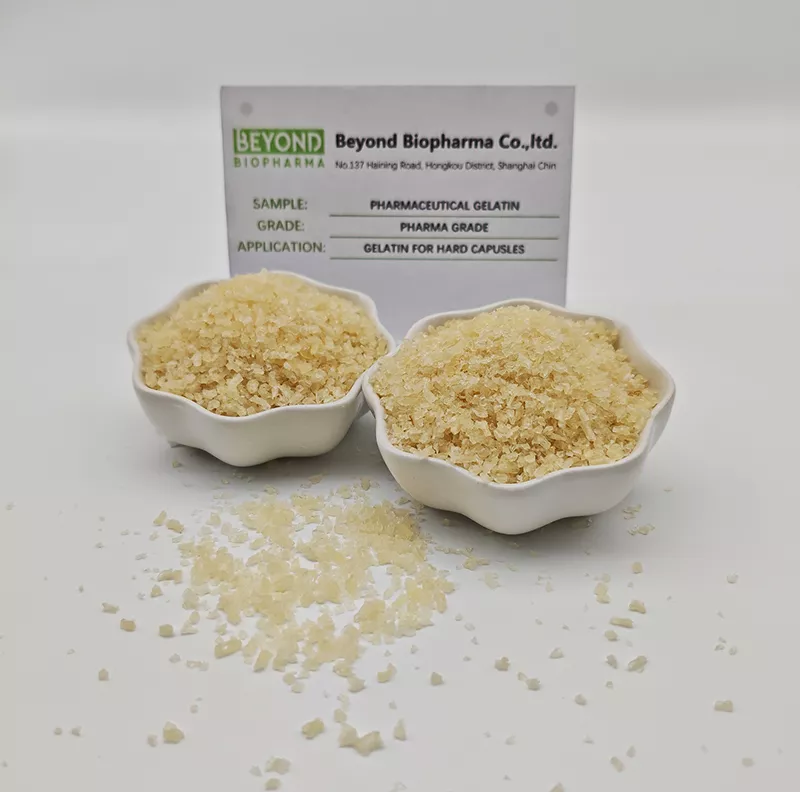
Precision, Purity, and Optimal Machinability
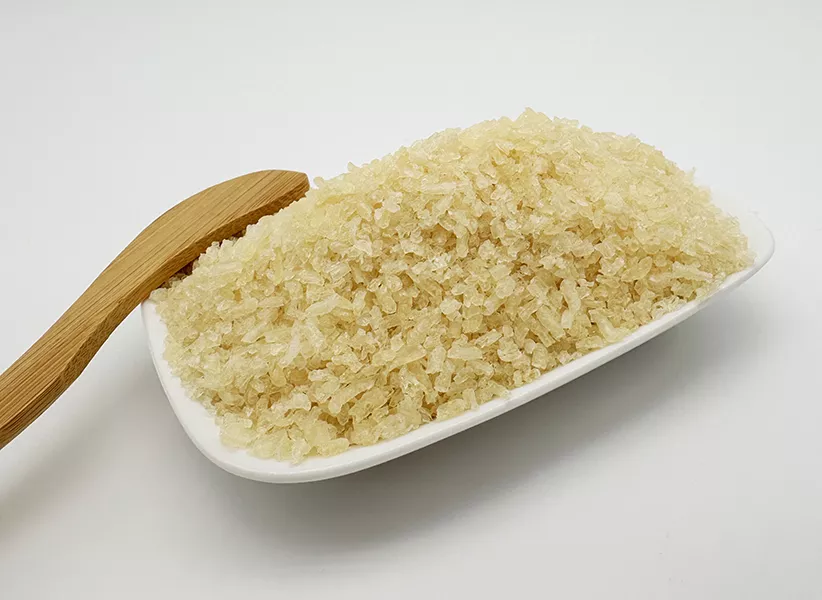
Our Bovine Hides Gelatin is engineered for versatility and compliance, ensuring performance across various applications.
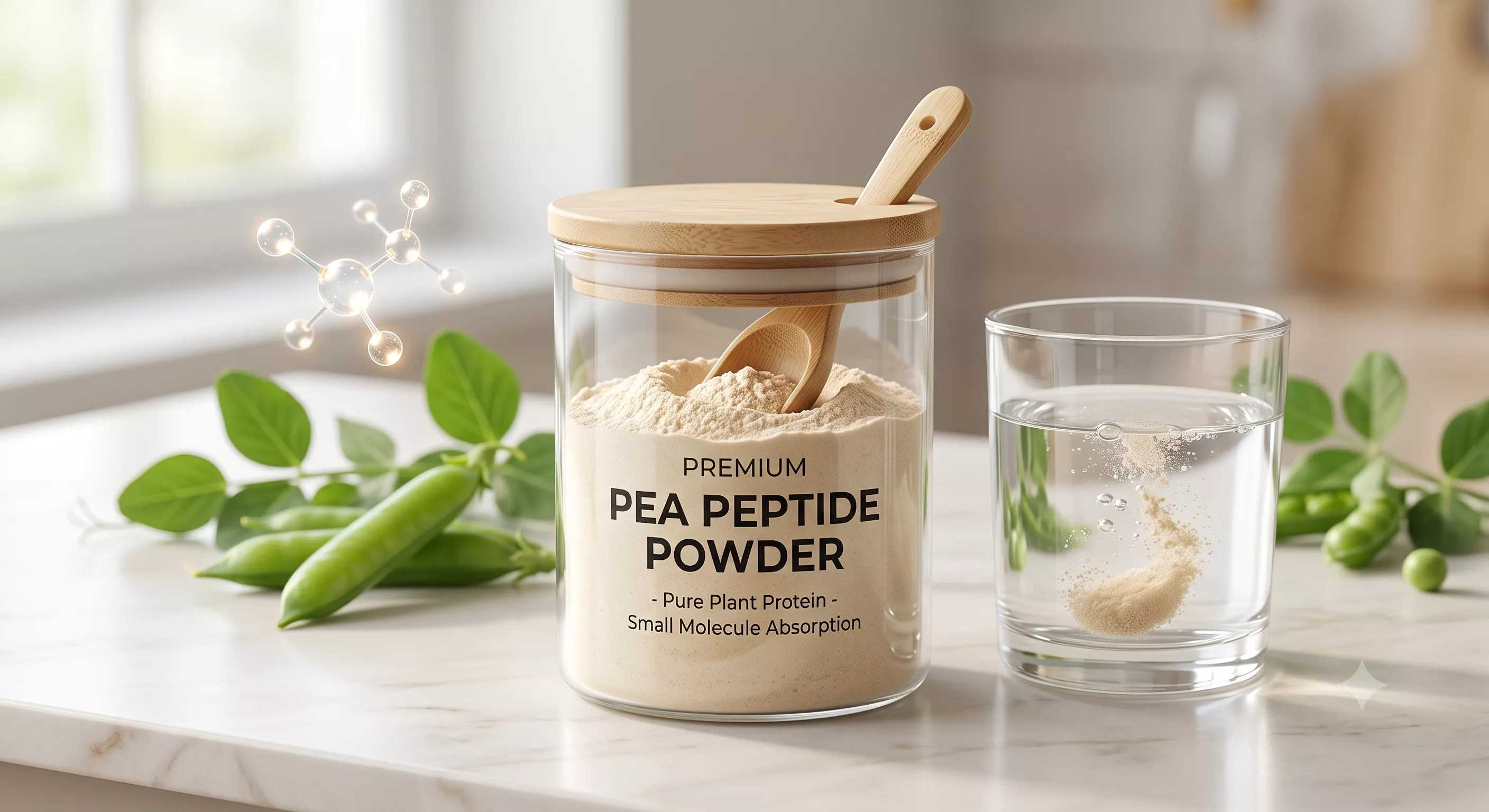
Source high-purity, hypoallergenic hydrolyzed pea peptide powder in bulk. Complete water solubility, rich in BCAAs, ideal for vegan recovery formulas.
Tel:+86 21 65010906
Cell/Whatsapp/Wechat:
+86 13482884055
+86 18657345785
Email: sales@beyondbiopharma.com





User Comments
Service Experience Sharing from Real Customers
Megan
Elementary School TeacherAs a teacher always looking for fun science projects, this edible crystal kit was a total win! My 4th graders were absolutely mesmerized watching the crystals form overnight. The gelatin made them perfectly safe to handle and taste (though we mostly just admired them!). The instructions were clear even for kids to follow along. Way better than borax crystals for classroom use.
Leo
Home BakerI've been experimenting with decorative desserts for my small business, and these edible crystals were a game-changer for cake toppers! They have this gorgeous, gem-like sparkle that sugar alone can't achieve. Lost one star because getting the perfect clarity takes some practice with temperature control, but honestly? Even the 'mistakes' looked beautiful. Clients keep asking how I make them!
Chloe
Stay-at-Home ParentOkay, I was skeptical at first—edible crystals sounded too good to be true. But my 7-year-old and I tried this last rainy afternoon and it was pure magic! We made pastel-colored 'geodes' using gelatin and fruit juice. The process was surprisingly simple, and watching her face light up when we pulled them out of the molds? Priceless. They tasted like jello but looked like something from a museum. Already planning our next batch!
Raj
Chemistry Graduate StudentFrom a technical perspective, this is a brilliant edible model for crystal growth principles. I used it for a community outreach event to demonstrate supersaturated solutions without safety concerns. The gelatin matrix slows crystallization enough that you can actually observe the faceting process. Not quite museum-quality mineralogy, but for an accessible, tasty analog? Fantastic. Would recommend adding food coloring in drops though—mine got a bit too dark on the first try.