 English EN


Bovine gelatin pros and cons everyone should know
Bovine gelatin offers strong gelling and health benefits but has dietary, ethical, and allergen concerns. Compare bovine gelatin to other gelatin options here.
More
Edible gelatin is a purified protein derived from collagen, typically sourced from bovine hide, porcine skin, or fish skin. It is a key ingredient in baking and confectionery because of its unique ability to form a thermoreversible gel—meaning it melts when heated and sets when cooled. This property is essential for creating stable, elastic textures in products like gummy candies, marshmallows, panna cotta, and fruit jellies.
For overseas buyers, a common sourcing pain point is batch consistency. Variations in bloom strength, viscosity, or mesh size can lead to unpredictable results in production. Additionally, issues like off-odors (fishy smell in some fish gelatins), poor solubility, or certification barriers (Halal, Kosher, or allergen-free requirements) can complicate procurement. Selecting a reliable supplier who provides consistent quality and clear documentation is essential.
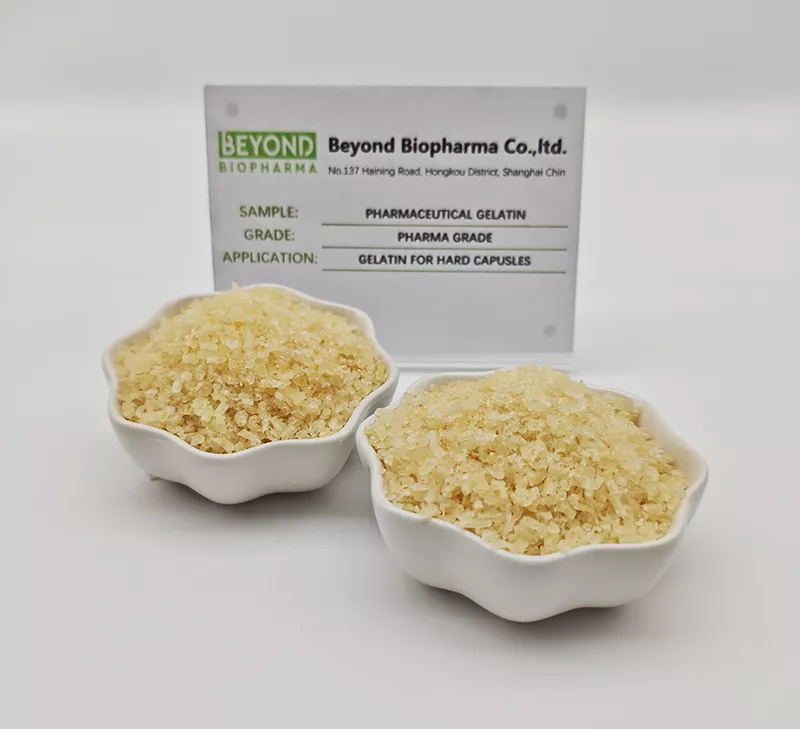
Edible gelatin is produced through a controlled process of hydrolysis, where collagen-rich raw materials are treated with acid or alkali, then extracted with hot water, filtered, concentrated, and dried. The key parameter that defines its performance is Bloom—a measure of gel strength. Higher Bloom values (e.g., 250–300 g) produce firmer, more brittle gels, while lower Bloom values (e.g., 50–150 g) yield softer, more elastic textures.
In baking, gelatin functions by forming a three-dimensional network that traps water and air. When dissolved in warm liquid and then cooled, the protein chains re-associate, creating a stable gel. This process is reversible, so gelatin-set products can be re-melted and re-set, which is useful for layered desserts or molded confections. The solubility and clarity of the gelatin are also important—high-quality edible gelatin dissolves completely without cloudiness or residue.
When sourcing edible gelatin, buyers should evaluate the following common specifications. Note that these are typical industry ranges; final values should be confirmed per Certificate of Analysis (COA) and sample.
| Parameter | Typical Industry Range | Notes |
|---|---|---|
| Bloom (g) | 50–300 | Pharma/gummies often use 150–260 Bloom |
| Viscosity (mPa·s) | 2.0–5.5 | Measured at 6.67% solution, 60°C |
| Mesh Size | 8–60 | Finer mesh dissolves faster |
| Moisture (%) | ≤14 | Lower moisture improves shelf life |
| pH | 4.5–6.5 | Neutral pH for most applications |
| Ash (%) | ≤2 | Indicates purity |
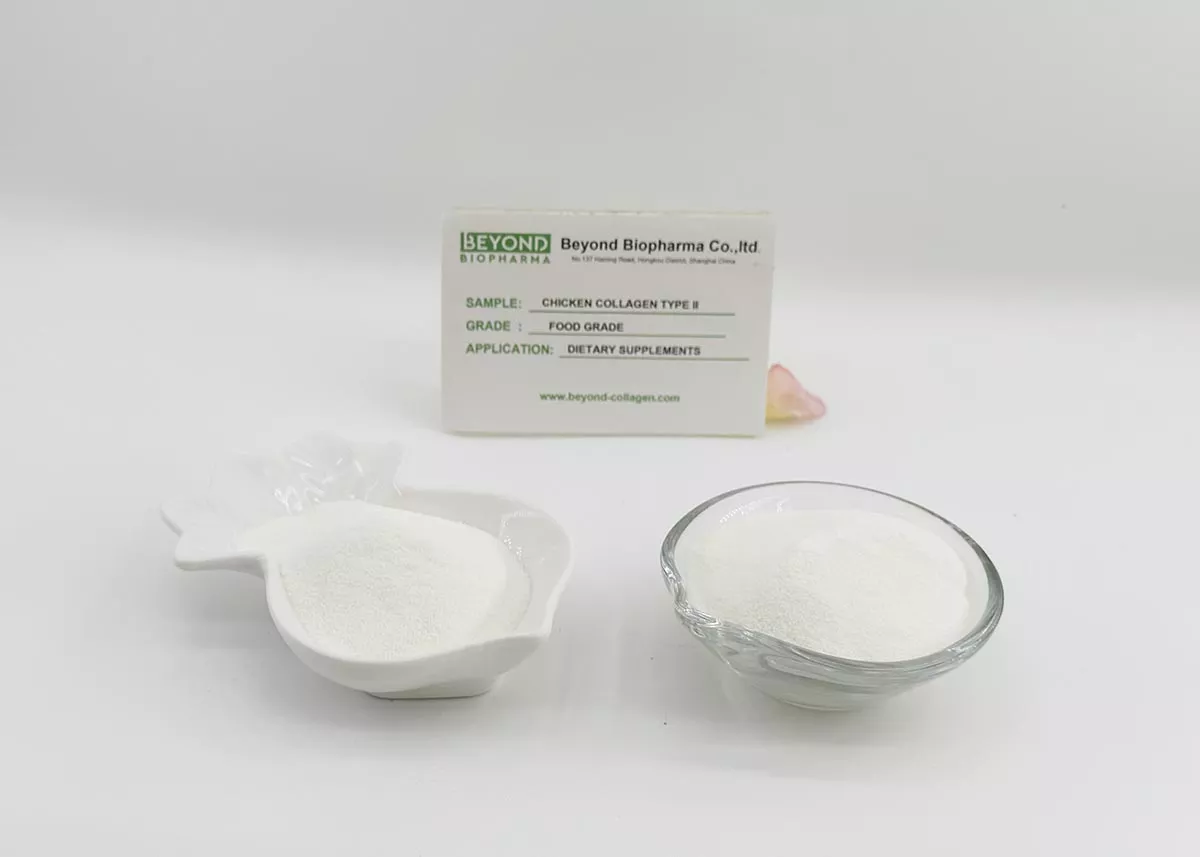
For collagen peptides, which are often used in baking for nutritional fortification rather than gelling, typical molecular weight ranges are 2,000–5,000 Da, with protein content ≥90%. Fish collagen peptides tend to have lower molecular weights, offering faster absorption and higher solubility, which is beneficial for clear beverages or gummies.
Edible gelatin is versatile across many product categories. Here is a breakdown of common applications and selection guidance:
Beyond Biopharma is a Shanghai, China–based manufacturer specializing in collagen peptides, gelatin, and plant protein peptides. With over 10 years of experience in the food-ingredient industry, our products are exported to more than 50 countries. Our facility has an annual production capacity of approximately 3,000 MT for collagen and 5,000 MT for gelatin. We operate a fully automatic production line with GMP clean workshops, stainless-steel sealed piping, and automated temperature and pH control to ensure batch-to-batch consistency.
Our quality management system is certified to ISO 9001, and we are registered with the US FDA. Select products carry Halal and Kosher certifications—for example, our Halal and Kosher Verified Fish Gelatin. Our bovine bone gelatin is BSE-free, and we maintain an in-house laboratory for heavy-metal and microbiological testing, supported by a dedicated QA/QC team. We offer three grades—food, pharmaceutical, and cosmetic—and provide free samples along with formulation and selection support.
Yes, but the texture will differ. Agar-agar produces a firmer, more brittle gel that is not thermoreversible (it sets at a higher temperature and does not melt in the mouth). Gelatin provides a smoother, creamier texture that melts at body temperature, which is preferred for many desserts.
Always bloom gelatin in cold water first—sprinkle the powder over cold liquid and let it sit for 5–10 minutes until it becomes a sponge-like mass. Then gently heat the mixture, stirring until fully dissolved. Avoid boiling, as high heat can degrade the gelatin's gelling ability.
For standard gummy candies, a Bloom of 200–260 g is recommended. This provides a chewy yet firm texture that holds its shape well. Lower Bloom (150–180 g) will yield softer gummies, while higher Bloom (260–300 g) produces a harder, more brittle chew.
Yes, high-quality fish gelatin from reputable suppliers is refined to have a very mild, neutral odor and flavor. It is an excellent alternative for consumers who avoid porcine or bovine products due to dietary restrictions. Always request a sample to verify the sensory profile.
Lower molecular weight collagen peptides (2,000–3,000 Da) dissolve more readily in cold liquids and are less likely to form a gel, making them ideal for clear beverages and protein fortification without altering texture. Higher molecular weight peptides (3,000–5,000 Da) may provide some body to products but are still non-gelling.
Key certifications include Halal, Kosher, ISO 9001, and FDA registration. For bovine gelatin, ensure it is BSE-free. If you require allergen-free or vegan options, look for plant-based alternatives or certified fish gelatin. Always request a COA to verify compliance with your specifications.
Selecting the right edible gelatin for your baking or confectionery application is crucial for achieving consistent, high-quality results. At Beyond Biopharma, we support buyers with custom bulk supply and formulation/OEM services. To help us recommend the best product for your needs, please provide the following information:
We will send free samples and a competitive quote promptly. Contact our team today to start your sourcing journey with a trusted partner in the global food-ingredient industry.

We provide you with comprehensive foreign trade solutions to help enterprises achieve global development
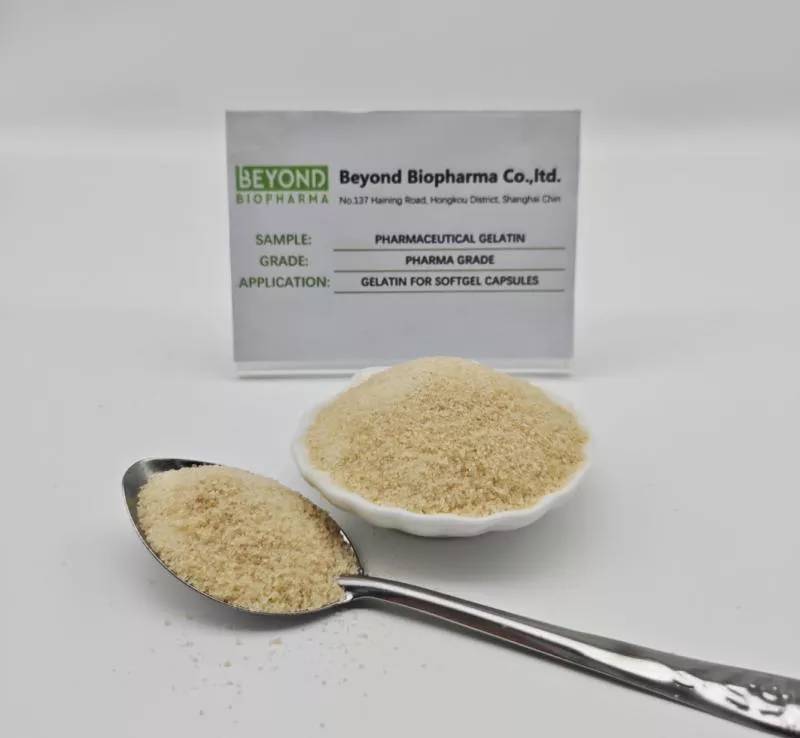
Softgel encapsulation demands a gelatin with unique physical attributes to perform optimally during the high-speed manufacturing process
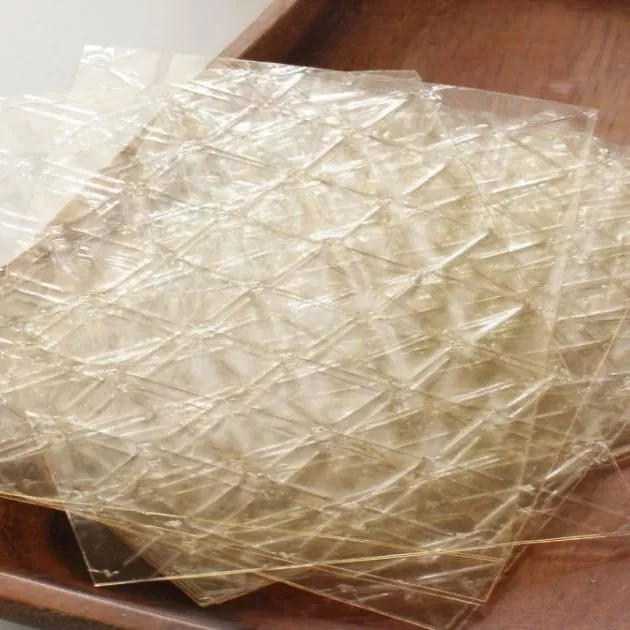
Our Gelatin Sheets are produced to precise standards, ensuring consistency and reliability across different Bloom grades (Silver being the most common professional choice).
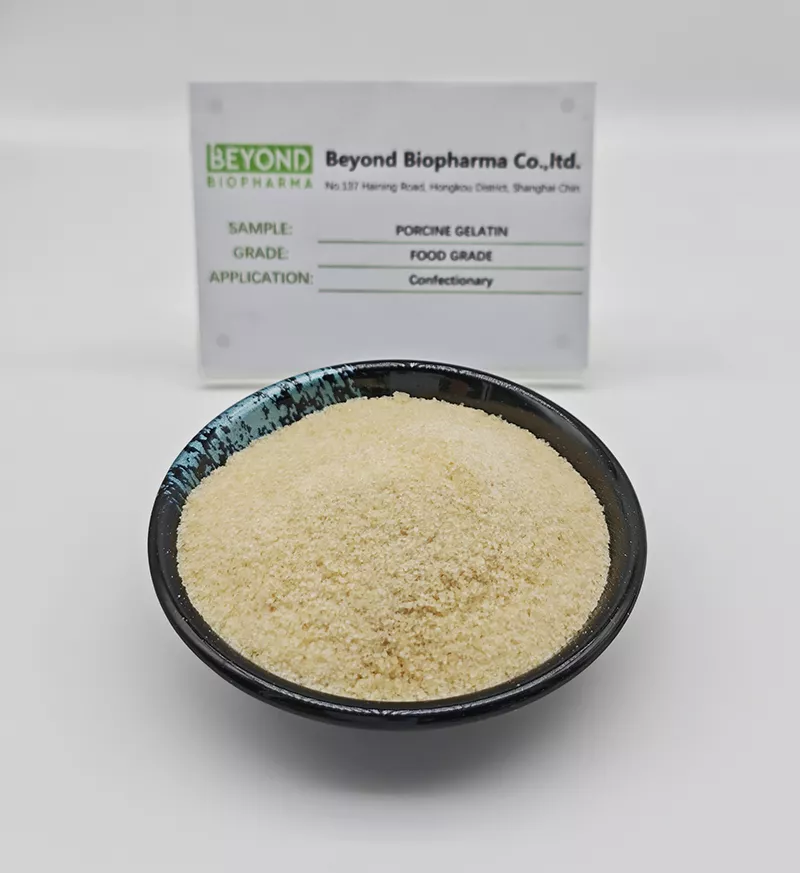
Food-grade porcine gelatin is a highly versatile and cost-effective natural protein derived from the collagen found in pig skin and bones. It is a premier gelling agent known for its exceptional clarity, neutral taste, and thermal reversibility.
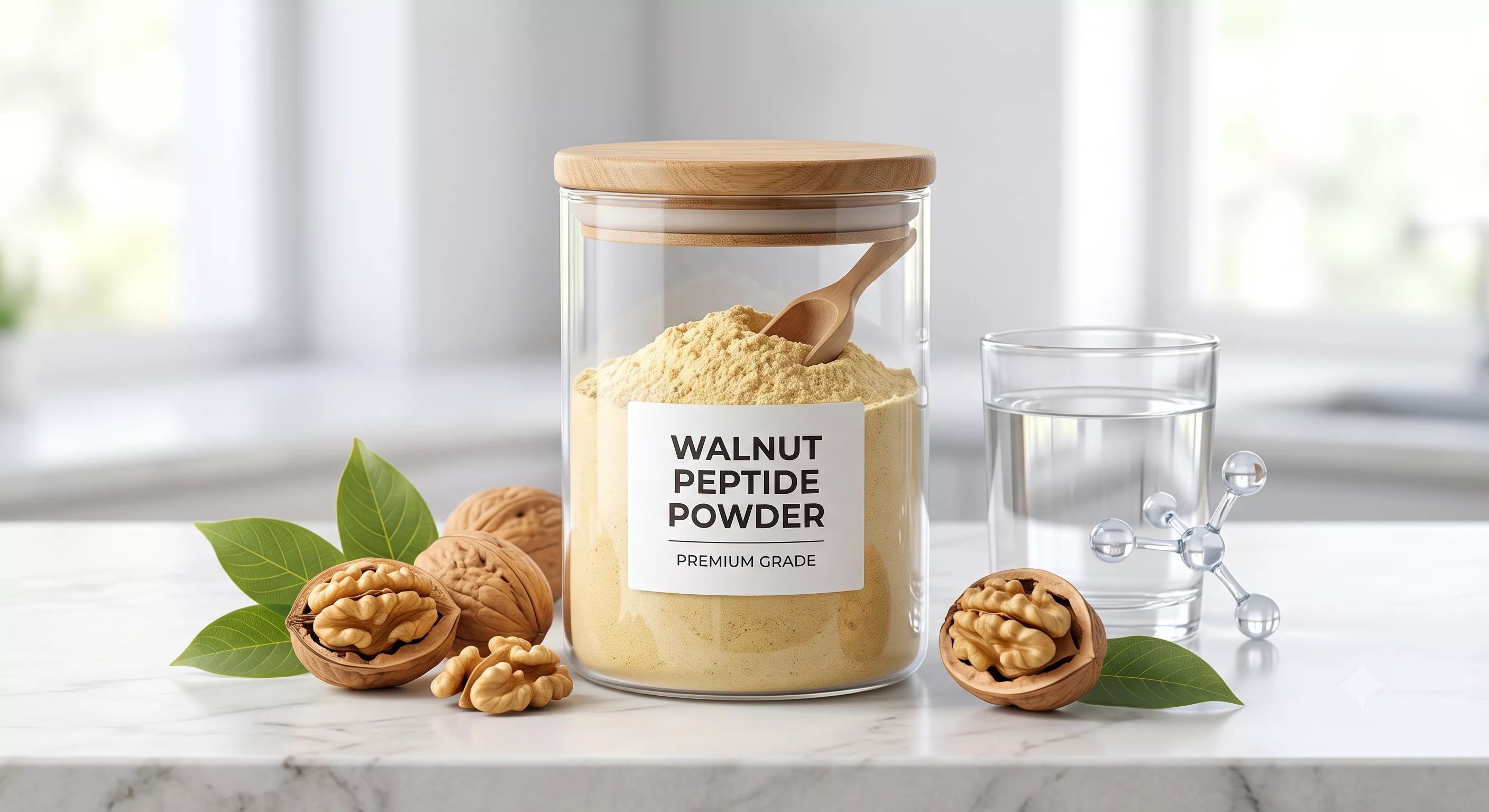
Source wholesale hydrolyzed walnut protein peptide powder in bulk. Over 85% low-molecular-weight oligopeptides rich in Glutamic Acid. Perfect for cognitive formulas and sleep aid supplements.
Select the most popular foreign trade service products to meet your diverse needs
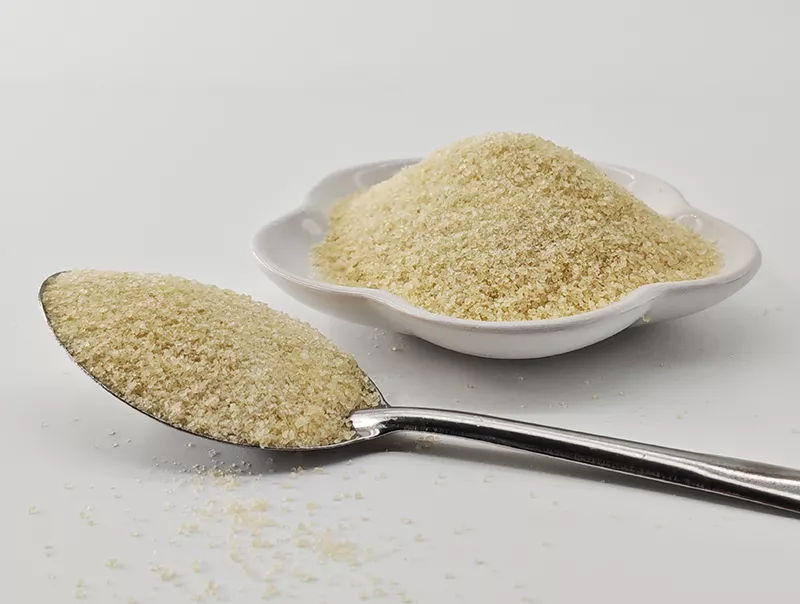
The High-Performance Barrier for Core Material Protection and Controlled Release.
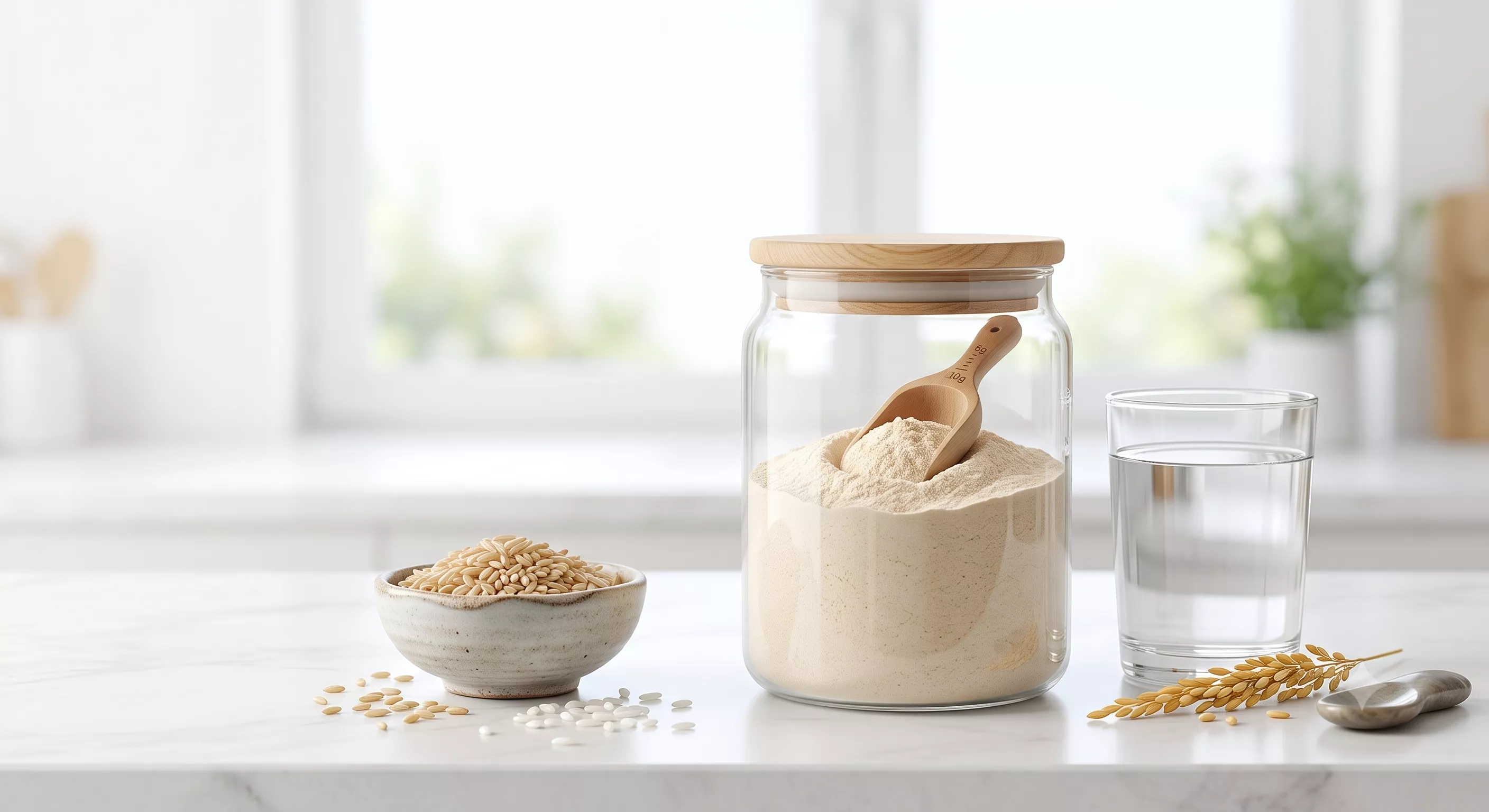
Source ultra-pure, 100% water-soluble wholesale hydrolyzed rice protein peptide in bulk. Over 85% molecules under 1000 Da. Ideal for infant nutrition, clean-label sports formulas, and sensitive skincare.
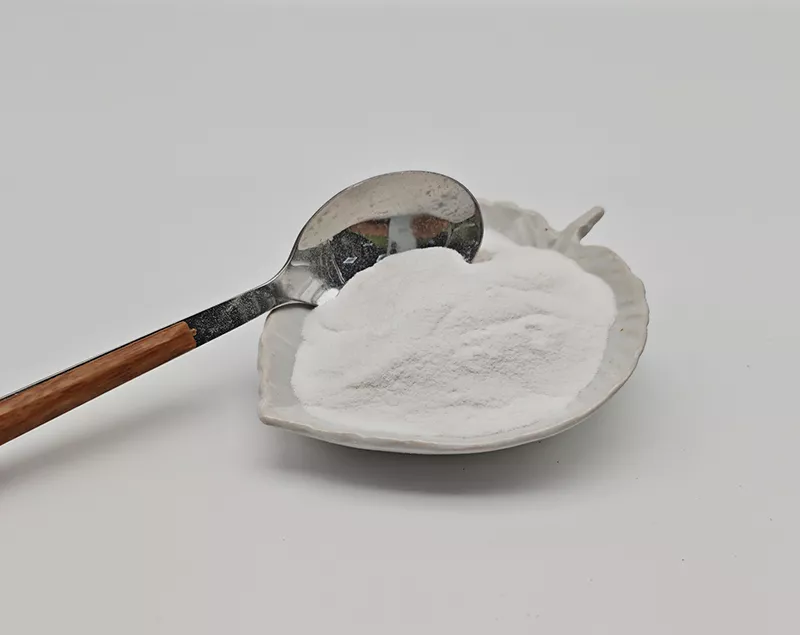
Fish Gelatin for foods is increasingly recognized as the premium alternative to traditional mammalian sources, meeting the growing global demand for clean-label ingredients that align with diverse dietary and religious requirements. Derived from the skin and scales of fish like cod and tilapia, fish gelatin offers unique functional benefits that make it an exceptional gelling, stabilizing, and texturizing agent.
Tel:+86 21 65010906
Cell/Whatsapp/Wechat:
+86 13482884055
+86 18657345785
Email: sales@beyondbiopharma.com





User Comments
Service Experience Sharing from Real Customers
Megan
Home BakerAs someone who's always been intimidated by gelatin, this product was a game-changer! I finally managed to make those stunning mirror glaze cakes for my daughter's birthday without any lumps or weird textures. The instructions were actually readable for a non-professional like me. So glad I gave it a shot!
Leo
Culinary StudentUsed this for my pastry school project on modernist desserts. The bloom strength is consistent, which is crucial when you're trying to replicate recipes precisely. Knocked off one star because the packaging could be a bit more resealable, but the product itself performs great for panna cotta and fruit gelees.
Chloe
Food BloggerOkay, I've tried a few brands, but this one dissolves so smoothly—no fishy smell at all! I used it for my rainbow jelly cake tutorial and got tons of questions about what gelatin I used. It just behaves predictably every time. My followers noticed the difference in clarity right away. Total win!
Ryan
Catering ManagerWe go through this stuff by the bucket in our catering business. It holds up perfectly even on outdoor dessert tables in summer heat, which is a lifesaver. The consistency batch-to-batch means I never have to worry about my champagne gelee shots failing during big events. Reliable professional-grade product.