English EN


How to Use Gelatin Powder? Applications of Gelatin Powder
Use gelatin powder by blooming it in cold water, dissolving gently, and adding to recipes for perfect texture in desserts, sauces, and supplements.
More
Choosing the right organic gelatin powder can make or break your culinary creations. Whether you are crafting silky panna cotta, firm fruit jellies, or nourishing bone broth, the quality and purity of your gelatin matter. This guide walks you through the key factors to consider, from bloom strength to sourcing, ensuring every recipe turns out perfectly every time.
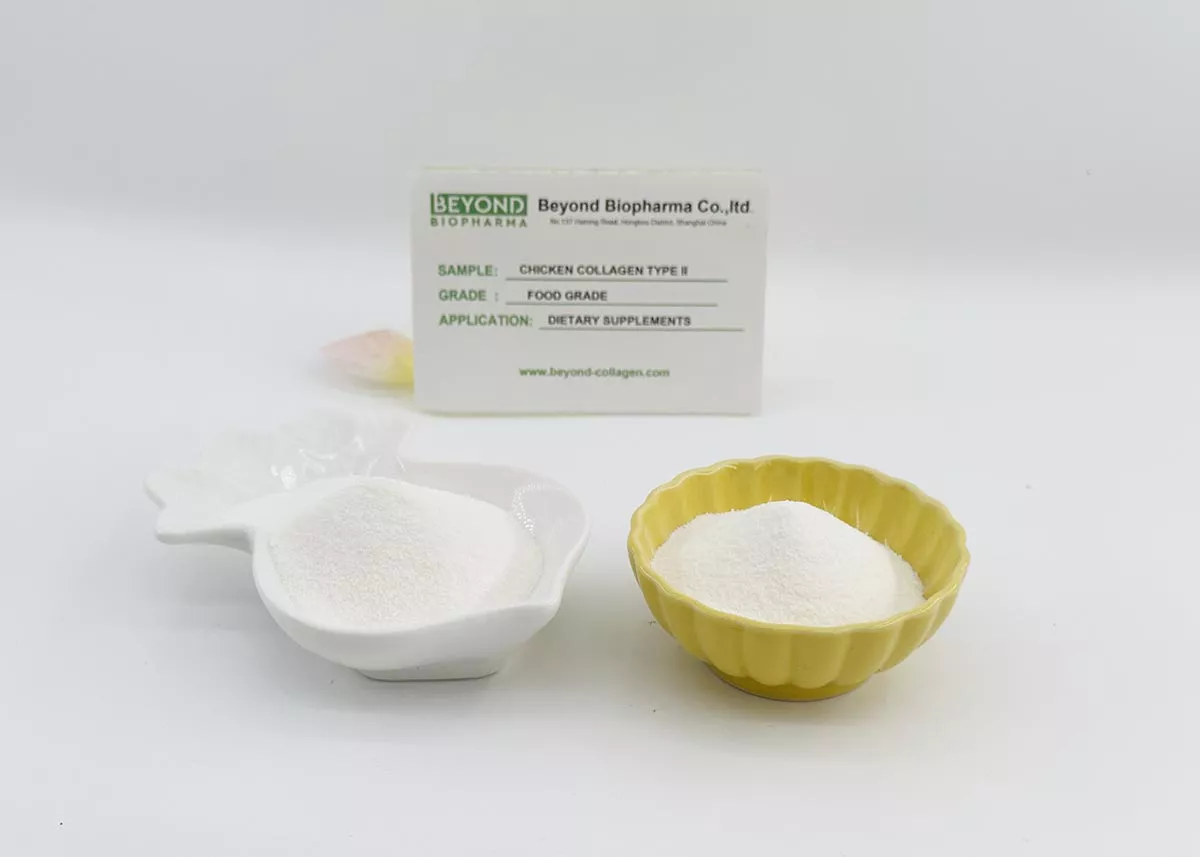
Bloom strength is the standard measure of gel firmness, ranging from around 50 to 300. For most dessert recipes, a bloom between 200 and 250 provides a clean, firm set without being rubbery. Lower bloom gelatins (around 100 to 150) work well for soft, creamy textures like mousses or marshmallows. Always check the bloom value on your organic gelatin powder label, as it directly affects the final consistency of your dish.
Organic certification ensures the gelatin is free from synthetic hormones, pesticides, and GMOs. Look for products sourced from grass-fed, pasture-raised bovine hides or sustainable fish skins. A reputable supplier like Beyond Biopharma offers transparent sourcing and third-party testing. Avoid gelatin with added flavors, colors, or preservatives, as these can alter taste and texture in delicate recipes.
Blooming is a simple but critical step. Sprinkle the gelatin powder evenly over cold water (use about 4 to 5 times the weight of gelatin in water) and let it sit for 5 to 10 minutes until it becomes a spongy mass. Never stir immediately, as this can cause clumping. Once bloomed, gently heat the mixture until the gelatin dissolves completely, but avoid boiling, which can weaken its gelling power. This technique ensures a smooth, lump-free texture in your final product.
Organic gelatin powder shines in a wide range of dishes. For classic fruit jellies, use 1 tablespoon of gelatin per 2 cups of liquid for a firm set. In panna cotta, 1 teaspoon per cup of cream yields a silky, spoonable texture. For homemade gummy candies, a higher concentration (about 2 tablespoons per cup) creates a chewy bite. Beyond desserts, gelatin is excellent for clarifying consommés or adding body to cold soups.
To maintain peak performance, store your organic gelatin powder in an airtight container in a cool, dark, dry place. Avoid humidity, as moisture can cause clumping and reduce bloom strength. Properly stored, gelatin can last for several years without significant loss of quality. Always check for any off odors or discoloration before use, especially if the package has been opened for a long time.
Conventional gelatin often comes from animals raised with antibiotics and growth promoters. Organic gelatin, by contrast, guarantees a cleaner product that aligns with health-conscious lifestyles. It also supports sustainable farming practices. For those with dietary restrictions, certified organic fish gelatin is an excellent alternative, offering the same gelling properties with a different amino acid profile. For more options, explore halal and kosher verified fish gelatin.
If your gelatin dessert does not set properly, the culprit is often insufficient blooming time, overheating, or using acidic ingredients like pineapple or kiwi without proper preparation. For acidic fruits, briefly cook them first to denature the enzymes that break down gelatin. If the texture is too firm, reduce the gelatin amount by 10 to 15 percent next time. Keeping a simple kitchen scale helps ensure accuracy.
Investing in the best organic gelatin powder elevates your cooking from good to exceptional. Pay attention to bloom strength, sourcing, and proper technique, and you will consistently achieve beautiful, delicious results. Whether you are a home cook or a professional chef, a reliable organic gelatin is an indispensable pantry staple.


We provide you with comprehensive foreign trade solutions to help enterprises achieve global development
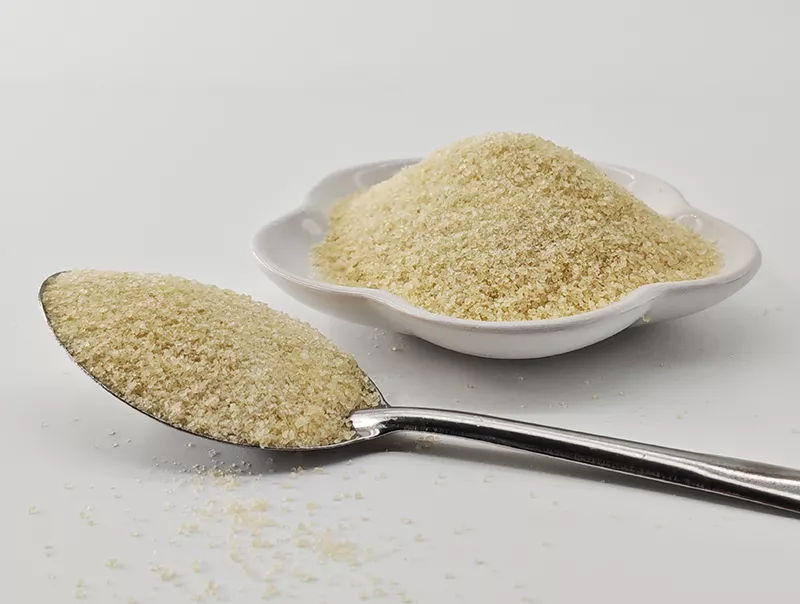
The High-Performance Barrier for Core Material Protection and Controlled Release.
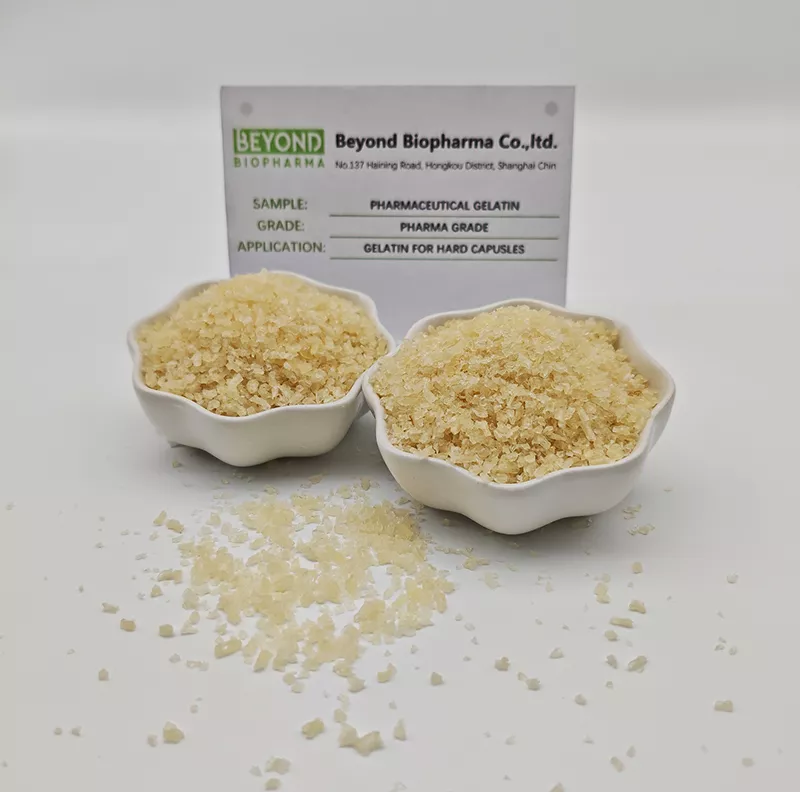
Precision, Purity, and Optimal Machinability
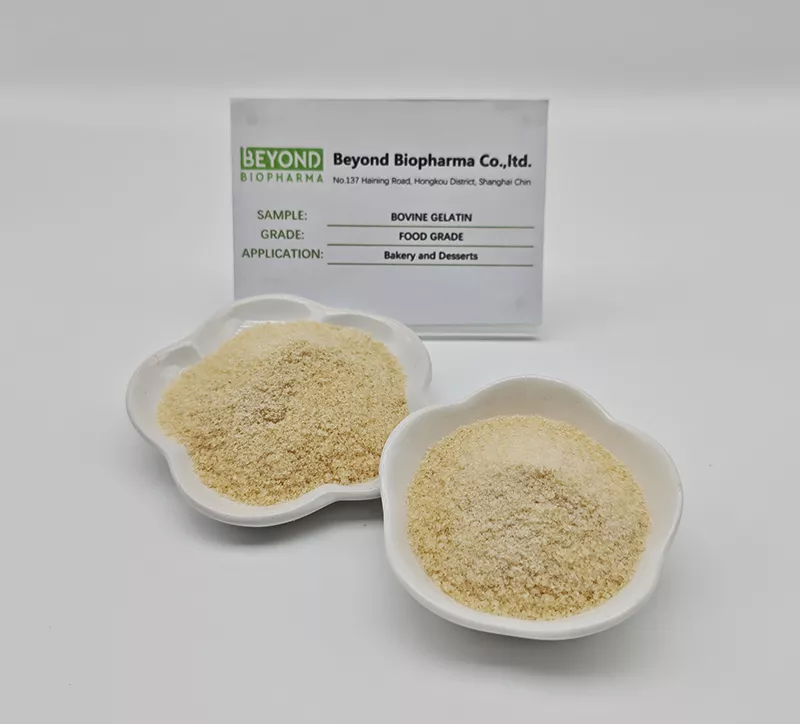
20 years experiences, 5000 ton/year capacity, Sustained supply with stable quality
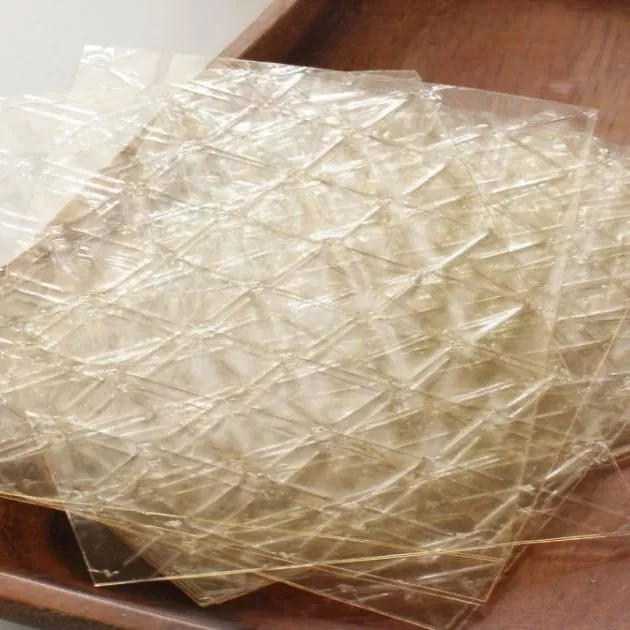
Our Gelatin Sheets are produced to precise standards, ensuring consistency and reliability across different Bloom grades (Silver being the most common professional choice).
Tel:+86 21 65010906
Cell/Whatsapp/Wechat:
+86 13482884055
+86 18657345785
Email: sales@beyondbiopharma.com