How Does Hyaluronic Acid Work to Hydrate Your Skin and Boost Collagen?
Author: Beyond Biopharma
May-19-2026
Hyaluronic acid (HA) is a naturally occurring glycosaminoglycan renowned for its extraordinary water-binding capacity, acting as a molecular sponge that holds up to 1000 times its weight in water. At the molecular level, HA's repeating disaccharide units create a hydrophilic matrix that intercalates with the stratum corneum and deeper epidermal layers, establishing a moisture gradient that drives transdermal hydration from the dermis upward. Beyond passive water retention, HA fragments generated by enzymatic degradation activate CD44 receptors on dermal fibroblasts, triggering the PI3K/Akt and MAPK signaling cascades that upregulate pro-collagen type I and III synthesis. This dual action — immediate surface hydration and deep signaling for collagen production — creates a synergistic loop: well-hydrated fibroblasts exhibit improved metabolic activity, while newly deposited collagen reinforces the extracellular matrix, reducing transepidermal water loss and enhancing skin firmness. Topical HA primarily replenishes the superficial reservoir and induces mild fibroblast stimulation via small molecular weight fractions, whereas injectable HA (e.g., dermal fillers) delivers high-density cross-linked polymer that provides sustained volume, mechanical stretch, and prolonged CD44 engagement, leading to more pronounced neocollagenesis. The continuous turnover of HA — with a half-life of less than 24 hours in the epidermis — underscores the need for regular replenishment, whether through topical formulations optimized for molecular weight distribution or strategically placed injectables that resist rapid degradation, ultimately supporting both immediate plumping and long-term structural reinforcement.
The Molecular Mechanism: How Hyaluronic Acid Attracts and Retains Moisture in the Skin
Hyaluronic acid (HA) is a naturally occurring glycosaminoglycan found in the extracellular matrix of skin. Its unique molecular structure allows it to act as a powerful humectant, drawing water from the environment and deeper skin layers into the stratum corneum.
Each HA molecule can hold up to 1,000 times its weight in water, forming a viscous gel that fills the spaces between collagen and elastin fibers. This hydration plumps the skin, reduces the appearance of fine lines, and supports fibroblast activity for collagen synthesis.
For deeper dermal hydration, low-molecular-weight HA penetrates the epidermis, while high-molecular-weight HA forms a protective film on the surface. This dual action ensures both immediate moisture and long-term resilience.
From Surface to Deep Layers: The Role of Hyaluronic Acid in Transdermal Hydration
Hyaluronic acid (HA) is a naturally occurring glycosaminoglycan found throughout the body, with the highest concentrations in skin, joints, and eye tissues. Its unique molecular structure allows it to bind up to 1,000 times its weight in water, making it a critical molecule for maintaining skin moisture and structural integrity.
When applied topically, HA molecules form a breathable film on the skin's surface, reducing transepidermal water loss (TEWL). This immediate surface hydration plumps the stratum corneum, smoothing fine lines and creating a dewy appearance. However, the benefits extend far beyond the surface level.
Low molecular weight HA (typically
By activating CD44 receptors on fibroblast membranes, HA triggers a cascade of intracellular signals that upregulate collagen synthesis. This process helps restore the skin's extracellular matrix, improving firmness, elasticity, and reducing the appearance of wrinkles over time. The result is a comprehensive hydration strategy that works from the outside in and the inside out.
Stimulating Collagen Synthesis: The Signaling Pathway Between Hyaluronic Acid and Fibroblasts
Hyaluronic acid (HA) binds to CD44 receptors on the surface of dermal fibroblasts, activating intracellular signaling cascades that promote collagen gene expression. This interaction upregulates transforming growth factor-beta (TGF-β) and stimulates the production of type I and type III collagen fibers, essential for skin firmness and elasticity.
| Signaling Component |
Role in Pathway |
Effect on Collagen |
| CD44 Receptor |
Membrane binding site for HA |
Activates fibroblast proliferation |
| TGF-β |
Downstream signaling cytokine |
Upregulates collagen mRNA |
| Smad Proteins |
Nuclear transcription factors |
Promotes collagen gene transcription |
| MAP Kinase |
Signal amplification cascade |
Enhances fibroblast activity |
The binding of hyaluronic acid to CD44 receptors initiates a phosphorylation cascade that ultimately increases the expression of collagen-related genes. This process is critical for maintaining dermal matrix integrity and counteracting age-related collagen loss.
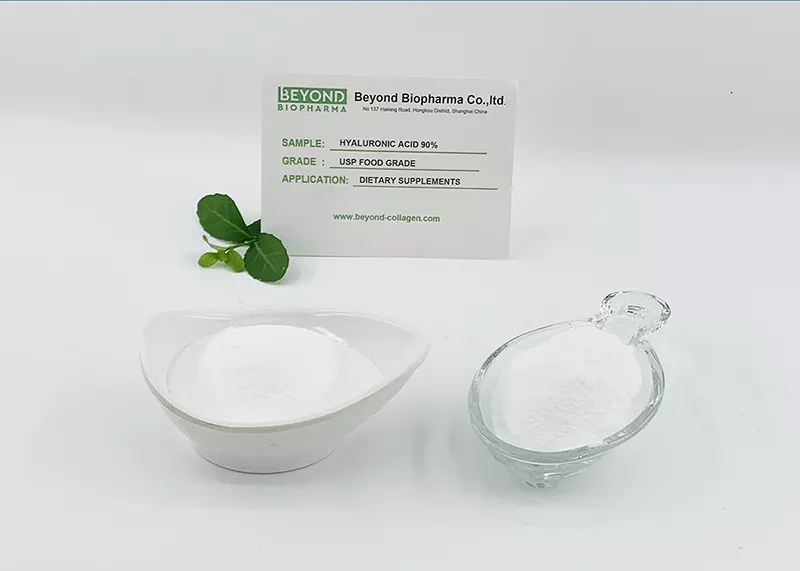
For further details on high-purity hyaluronic acid and collagen-supporting ingredients, explore our specialized product range: Food Grade Hyaluronic Acid Powder, Bovine Collagen Peptide, and High Bloom Gelatin.
The Synergistic Effect: Why Hydration and Collagen Boost Work Together for Skin Firmness
Hyaluronic acid is a powerful humectant that attracts and retains moisture in the skin, creating a plump and hydrated base. This hydration is essential for maintaining the skin's elasticity and suppleness. When the skin is well-hydrated, it provides an optimal environment for collagen production, as fibroblasts—the cells responsible for collagen synthesis—function more efficiently in a moist environment.
Collagen, on the other hand, is the structural protein that gives skin its firmness and strength. As we age, collagen production naturally declines, leading to sagging and wrinkles. By boosting collagen levels, the skin regains its structural integrity. The combination of deep hydration from hyaluronic acid and increased collagen synthesis works synergistically: hydration supports collagen health, while collagen helps maintain the skin's framework to hold moisture.
This dual action results in visibly firmer, smoother, and more youthful-looking skin. Regular use of hyaluronic acid alongside collagen-boosting ingredients can significantly improve skin firmness by addressing both moisture retention and structural support, making them a perfect pair for anti-aging skincare routines.
Degradation and Renewal: How Topical and Injectable Hyaluronic Acid Differ in Supporting Collagen
Hyaluronic acid (HA) plays a dual role in skin hydration and collagen support, but its delivery method—topical or injectable—determines the mechanism and longevity of its effects. Understanding these differences is key to optimizing skincare and aesthetic treatments.
Topical Hyaluronic Acid: Surface Hydration and Limited Collagen Impact
Applied to the skin's surface, topical HA acts primarily as a humectant, drawing moisture from the environment into the epidermis. Due to its high molecular weight, it cannot penetrate deeply into the dermis. This hydration plumps the skin and improves barrier function, but its effect on collagen synthesis is indirect and minimal. Regular use may support fibroblast activity by maintaining a hydrated environment, yet it does not directly stimulate new collagen production.
For more targeted collagen support, explore food-grade HA powder for internal use or bovine collagen peptides as complementary ingredients.
Injectable Hyaluronic Acid: Deep Delivery and Collagen Stimulation
Injectable HA is administered directly into the dermis or subdermal layers, where it binds water and provides immediate volume. Beyond hydration, these injections trigger a biological response: the body gradually degrades the HA, and this degradation process stimulates fibroblasts to produce new collagen. Over weeks to months, this leads to structural renewal and improved skin firmness. The effect is more pronounced and longer-lasting than topical application, as the HA acts as both a filler and a bioactive scaffold.
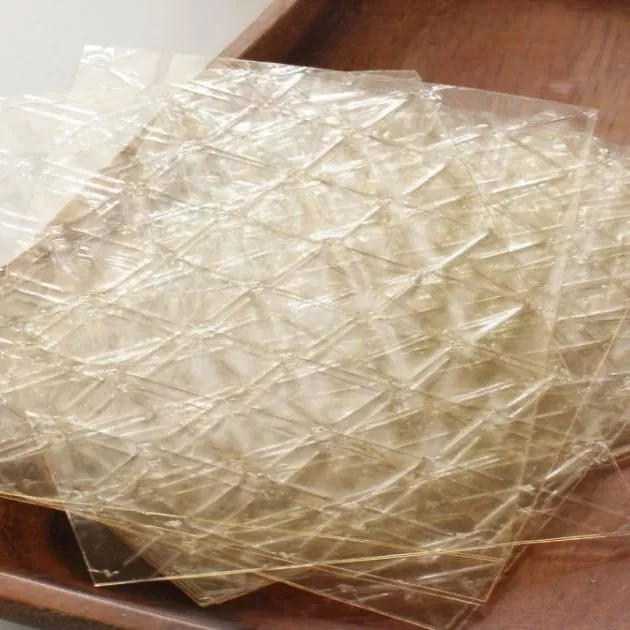
For high-quality gelatin bases that complement injectable formulations, see standardized gelatin sheets or ultra-high viscosity gelatin.
Key Differences in Degradation and Renewal Pathways
Topical HA degrades rapidly on the skin surface, often within hours, offering transient hydration without triggering a wound-healing or collagen-remodeling response. In contrast, injectable HA undergoes enzymatic breakdown over months, creating a sustained signal for collagen synthesis. This renewal process is central to its anti-aging benefits, as new collagen fibers replace the degraded HA matrix, restoring dermal structure.
For clean-label options in HA-based products, visit halal and kosher fish gelatin or edible bovine gelatin.
Practical Considerations for Collagen Support
Choosing between topical and injectable HA depends on treatment goals. Topical formulations are ideal for daily hydration and barrier maintenance, while injectables are suited for volumizing and collagen renewal. Combining both approaches may offer synergistic benefits, but only injectable HA provides direct, measurable collagen stimulation through its degradation-renewal cycle.
For further reading on gelatin and HA synergies, see high bloom gelatin or gelatin for micro-encapsulation.
Summary
The Molecular Mechanism: How Hyaluronic Acid Attracts and Retains Moisture in the Skin
Hyaluronic acid (HA) acts as a powerful humectant due to its unique molecular structure, which allows it to bind up to 1,000 times its weight in water. Through hydrogen bonding, HA forms a hydrated matrix that traps moisture within the extracellular space, maintaining osmotic balance and preventing transepidermal water loss at the molecular level.
From Surface to Deep Layers: The Role of Hyaluronic Acid in Transdermal Hydration
Depending on its molecular weight, HA penetrates the skin at varying depths. Low-molecular-weight HA reaches the dermis, while high-molecular-weight HA forms a moisture film on the surface. This gradient effect ensures continuous hydration from the stratum corneum to the deeper connective tissue, supporting overall skin plumpness and elasticity.
Stimulating Collagen Synthesis: The Signaling Pathway Between Hyaluronic Acid and Fibroblasts
HA interacts with CD44 receptors on fibroblast cell membranes, activating intracellular signaling cascades such as the PI3K/Akt and MAPK pathways. This upregulates the expression of collagen type I and III genes, leading to increased collagen production. The mechanical stretch from hydrated tissue further enhances fibroblast activity, creating a positive feedback loop for matrix renewal.
The Synergistic Effect: Why Hydration and Collagen Boost Work Together for Skin Firmness
Hydration and collagen synthesis are interdependent. Adequate moisture maintains the structural integrity of collagen fibers, while newly synthesized collagen provides a scaffold for HA deposition. This synergy increases dermal density and tensile strength, resulting in visibly firmer, more resilient skin. Without sufficient hydration, collagen cross-linking is impaired, reducing firmness.
Degradation and Renewal: How Topical and Injectable Hyaluronic Acid Differ in Supporting Collagen
Topical HA primarily hydrates the epidermis and is degraded by hyaluronidases within 24–48 hours, offering temporary plumping and minor collagen stimulation via receptor activation. In contrast, injectable HA (dermal fillers) cross-links with the extracellular matrix, resisting enzymatic breakdown for months. This sustained presence continuously triggers fibroblast collagen production, leading to long-term structural remodeling and neocollagenesis.
In essence, hyaluronic acid functions as both a direct hydrator and a bioactive signaler. By attracting moisture across all skin layers and activating fibroblast-mediated collagen synthesis, HA restores the skin’s natural matrix. The combination of hydration and collagen reinforcement is essential for maintaining firmness, elasticity, and a youthful appearance. Understanding the distinct roles of topical and injectable HA allows for targeted skincare and aesthetic strategies.
How Does Hyaluronic Acid Work to Hydrate Your Skin and Boost Collagen?
Hyaluronic acid (HA) is a natural glycosaminoglycan that binds up to 1000 times its weight in water. It attracts moisture from the dermis and environment, plumping the skin. HA also interacts with CD44 receptors on fibroblasts, activating intracellular signals that upregulate procollagen synthesis, thereby supporting both immediate hydration and long-term collagen production.
The Molecular Mechanism: How Hyaluronic Acid Attracts and Retains Moisture in the Skin
HA's repeating disaccharide units (glucuronic acid and N-acetylglucosamine) form a flexible coil that traps water via hydrogen bonding. Its high molecular weight creates a viscous network that slows water evaporation. In the extracellular matrix, HA organizes proteoglycans and maintains osmotic balance, ensuring sustained moisture retention from the stratum corneum to the deep dermis.
From Surface to Deep Layers: The Role of Hyaluronic Acid in Transdermal Hydration
Topical HA with low molecular weight (≤50 kDa) penetrates the epidermis, delivering moisture to the basal layer. Medium-weight HA (100–300 kDa) targets the upper dermis, while high-molecular-weight HA (1–2 MDa) forms a moisture-locking film on the surface. This gradient effect ensures hydration from the outer barrier to the deep fibroblast-rich dermis.
Stimulating Collagen Synthesis: The Signaling Pathway Between Hyaluronic Acid and Fibroblasts
HA binds to CD44 and RHAMM receptors on fibroblasts, triggering the PI3K/Akt and MAPK/ERK pathways. This activation increases the expression of TGF-β1 and connective tissue growth factor (CTGF), which promote collagen type I and III synthesis. Additionally, HA fragments (from enzymatic degradation) stimulate elastin and fibrillin production, reinforcing the dermal matrix.
Degradation and Renewal: How Topical and Injectable Hyaluronic Acid Differ in Supporting Collagen
Topical HA provides temporary surface hydration and mild collagen stimulation via receptor interaction, but its effects are limited by enzymatic breakdown (hyaluronidase) within 24–48 hours. Injectable HA (crosslinked) resists degradation for months, continuously volumizing the dermis and mechanically stretching fibroblasts, which triggers mechanotransduction pathways that boost collagen and elastin remodeling. The gradual breakdown of injectable HA also releases bioactive fragments that further signal repair.

 English EN