English EN


How to Use Gelatin Powder? Applications of Gelatin Powder
Use gelatin powder by blooming it in cold water, dissolving gently, and adding to recipes for perfect texture in desserts, sauces, and supplements.
More
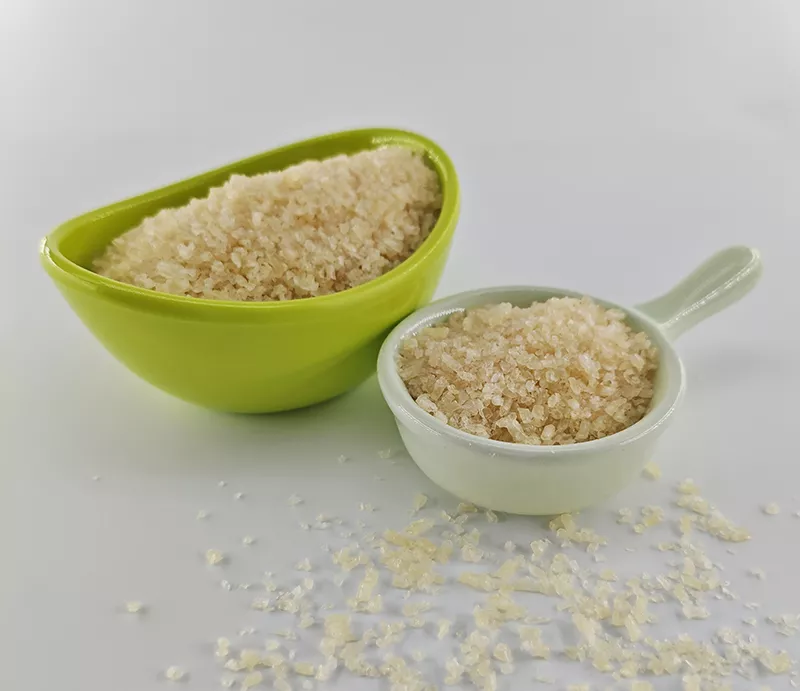
Gelatin is a natural protein derived from animal collagen, typically from bovine or porcine sources. It acts as a gelling agent, thickener, and stabilizer in countless recipes, from creamy panna cotta to firm fruit jellies and marshmallows. The key to its performance lies in bloom strength, a measure of how firm the gel becomes. Both powder and sheet gelatin are measured in bloom, but their handling and dissolving methods differ. Understanding these nuances helps you avoid lumps, uneven setting, or weak gels.
Gelatin powder is the most widely available form in supermarkets and online stores. It consists of fine granules that need to be bloomed in cold water before dissolving into warm liquid. One major advantage is its precise measurement by weight or volume. For example, one standard packet of powdered gelatin (about 7 grams) sets around 2 cups of liquid. Powdered gelatin is ideal for recipes where you want consistent results, such as homemade gummy candies, stabilized whipped cream, or protein-enriched broths. It dissolves quickly and is less prone to clumping if you follow the proper blooming technique.
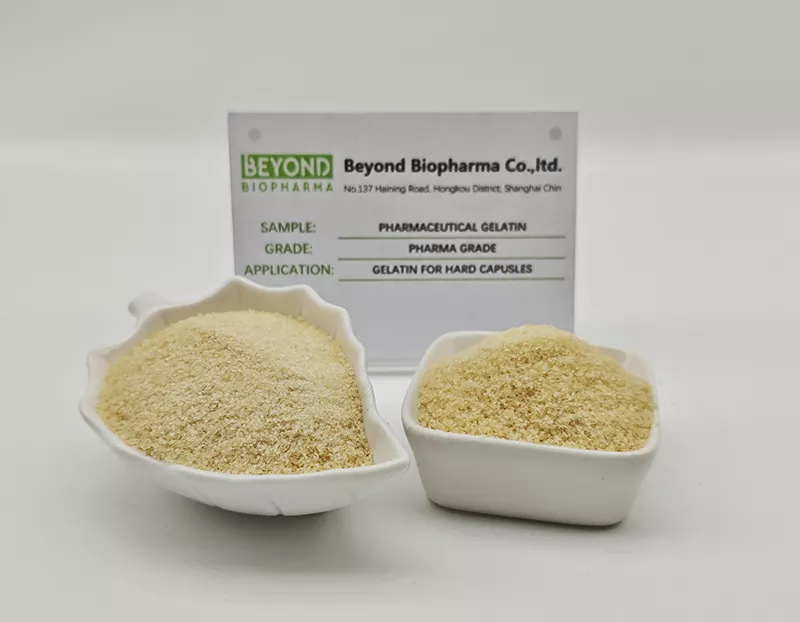
Gelatin sheets, also called leaf gelatin, are thin, translucent sheets that offer a more refined texture and clarity. They are favored by pastry chefs and confectioners because they dissolve evenly without foaming or air bubbles. Sheets come in different bloom strengths, typically labeled as bronze, silver, gold, or platinum, with gold being the most common for general use. To use sheets, you soak them in cold water for about 5 to 10 minutes until soft, then squeeze out excess water and stir into warm liquid. The result is a very smooth, clear gel that works beautifully in mirror glazes, mousses, and elegant terrines. Sheets also allow for more precise control because each sheet has a known bloom weight, making it easier to adjust gel firmness.
When comparing gelatin powder and sheets, consider these practical factors. Powder is more affordable and easier to find, but it can produce a slightly cloudy gel if not dissolved properly. Sheets cost more per gram but yield a crystal-clear gel with no odor or aftertaste. Powder works well for large batches and everyday cooking, while sheets excel in delicate desserts where appearance matters. In terms of bloom strength, 1 teaspoon of powdered gelatin (about 3 grams) is roughly equivalent to 1 gold leaf sheet (about 2 grams), but always check the bloom rating on your specific product. For recipes that require precise gel strength, such as panna cotta or jelly candies, using sheets gives you more predictable results.
Your choice ultimately depends on your cooking style and the dish you are making. If you frequently make savory jellied stocks, fruit gummies, or protein shakes, powdered gelatin is a practical and cost-effective option. For elegant desserts like bavarois, mirror cakes, or layered mousses, investing in gelatin sheets will elevate the texture and visual appeal. Many home cooks keep both forms on hand, using powder for everyday needs and sheets for special occasions. Remember to always bloom gelatin in cold water, never hot, to ensure even hydration and avoid a rubbery texture. Whether you choose powder or sheets, proper technique is the key to success.
For those looking to explore high-quality gelatin options, you can find more details about specific products like food-grade porcine gelatin for gummies and jellies or premium pharmaceutical gelatin for tablet coating to match your specific application needs.


We provide you with comprehensive foreign trade solutions to help enterprises achieve global development
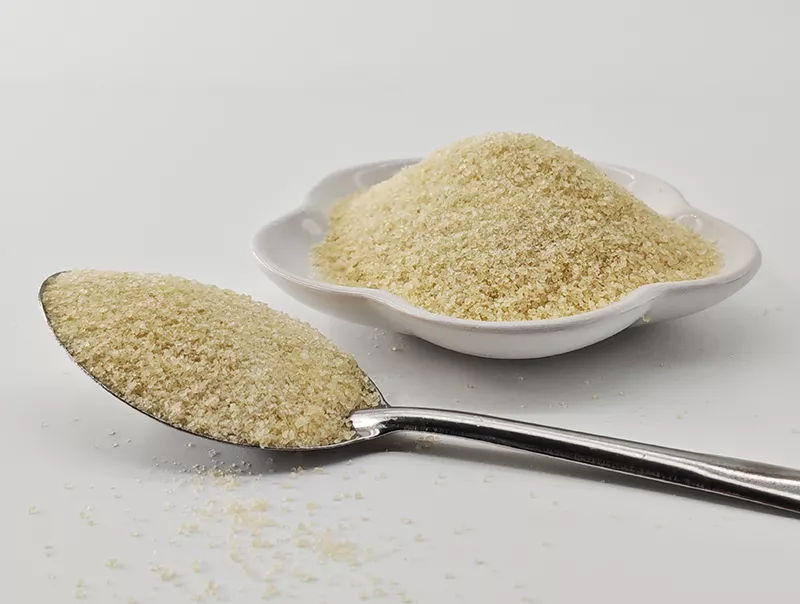
The High-Performance Barrier for Core Material Protection and Controlled Release.
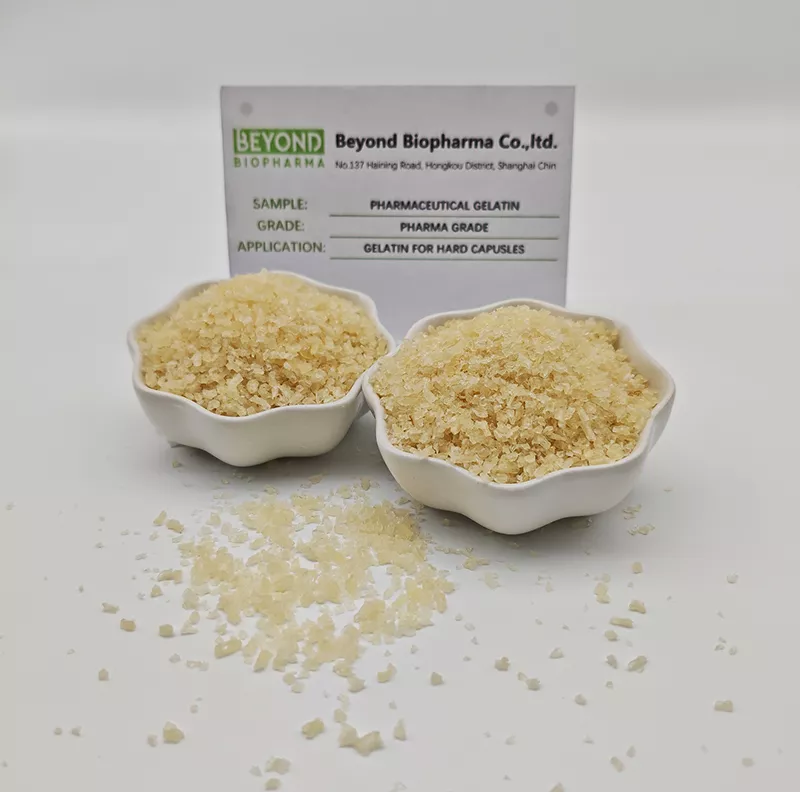
Precision, Purity, and Optimal Machinability
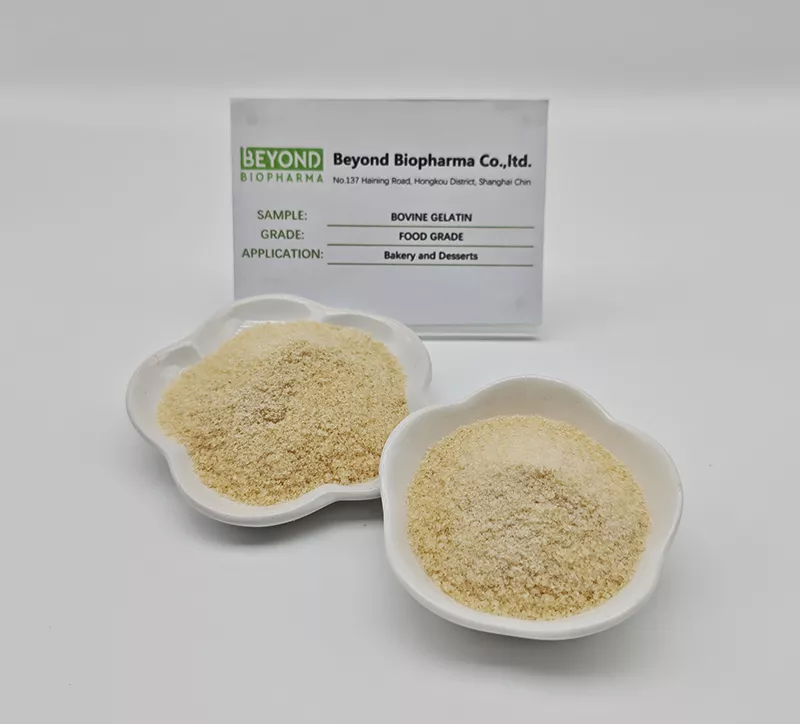
20 years experiences, 5000 ton/year capacity, Sustained supply with stable quality
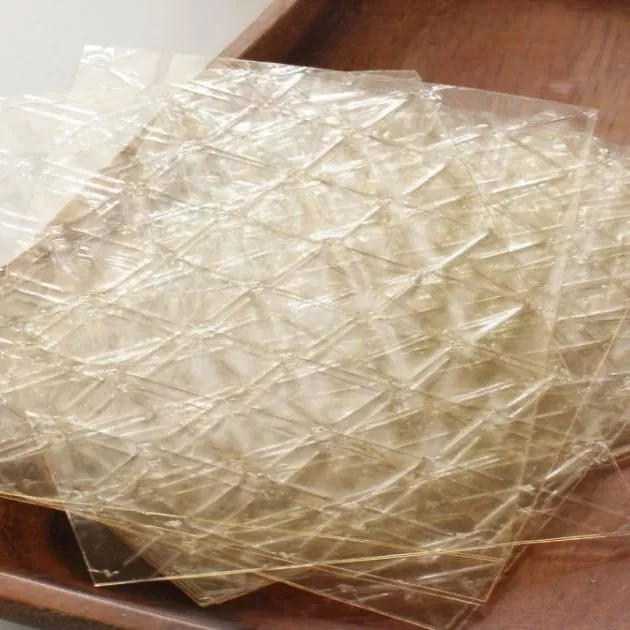
Our Gelatin Sheets are produced to precise standards, ensuring consistency and reliability across different Bloom grades (Silver being the most common professional choice).
Tel:+86 21 65010906
Cell/Whatsapp/Wechat:
+86 13482884055
+86 18657345785
Email: sales@beyondbiopharma.com