English EN


What Is the Best Edible Gelatin for Cooking and Baking?
A practical guide to selecting the best edible gelatin for cooking and baking, covering Bloom strength, animal sources, and application tips for gummies, desserts, and savory dishes.
More
Looking for the best gelatin powder near you? Whether you are a home baker perfecting a silky panna cotta or a home cook crafting hearty bone broth, the quality of gelatin makes all the difference. This guide explores premium gelatin options ideal for baking and cooking, focusing on real-world performance, sourcing transparency, and practical tips to help you choose the right product for your kitchen. No fluff, just honest advice grounded in how gelatin actually behaves in recipes.
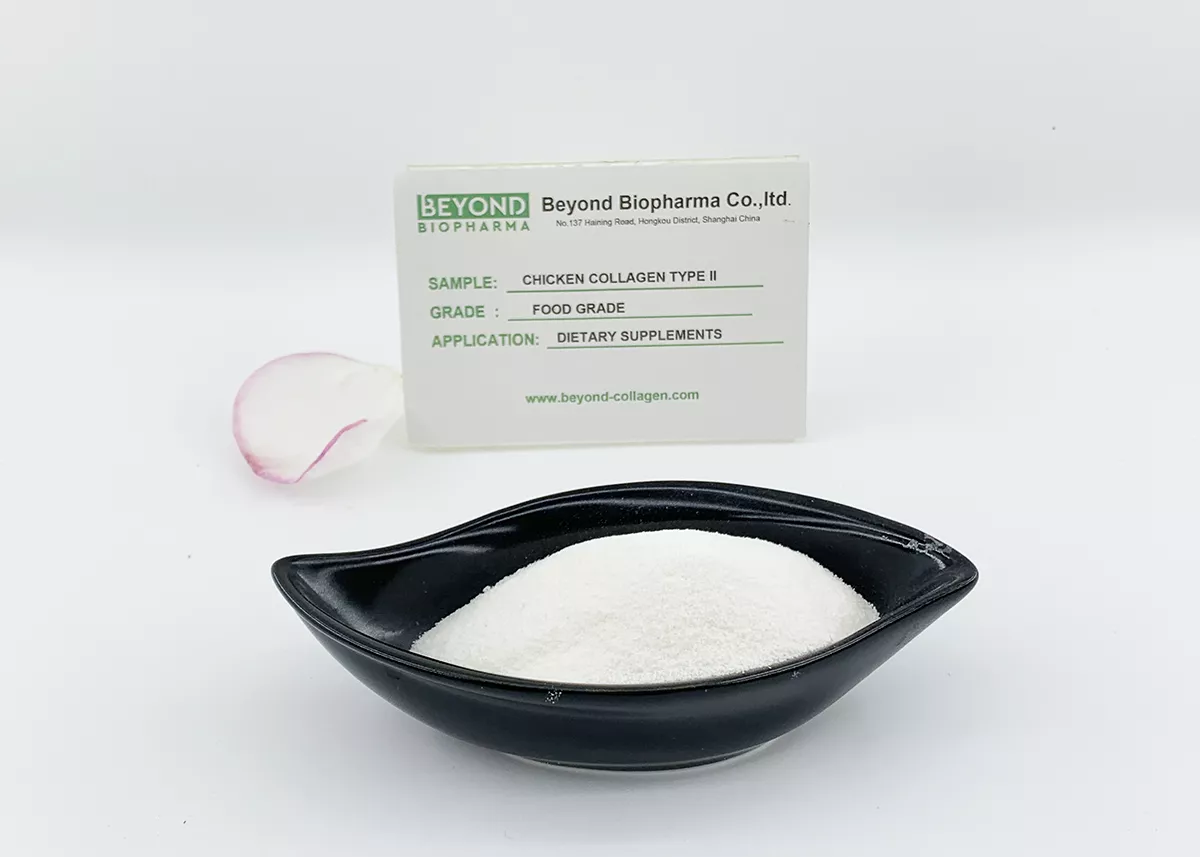
Not all gelatin powders are created equal. Premium gelatin typically comes from grass-fed bovine hides or responsibly sourced porcine skins, ensuring a clean, neutral flavor that won't overpower your dishes. The bloom strength (measured in bloom grams) is a key indicator: higher bloom numbers, like 250 or 300, mean firmer gels and faster setting times, which is crucial for delicate desserts like mousses or firm gummies. For cooking, a mid-range bloom (around 200) offers flexibility for thickening sauces or clarifying consommés. Always check for certifications like Halal, Kosher, or non-GMO, as these reflect strict quality controls. Beyond that, a fine, consistent powder that dissolves easily without clumping is a hallmark of a well-processed product.
When shopping locally, look for brands that list the source animal and bloom strength on the label. Many specialty baking stores and high-end grocers carry gelatin from trusted manufacturers. For example, food-grade porcine gelatin used for gummies and jellies is a popular choice for its reliable setting properties and neutral taste. If you are near a store that stocks bulk bins, you can often smell and see the difference: premium gelatin has almost no odor and a bright, translucent appearance.
Baking with gelatin requires understanding its role: it provides structure, stability, and a smooth mouthfeel. For no-bake cheesecakes, a bloom strength of 225 to 250 is ideal because it sets firmly without becoming rubbery. For fruit glazes or mirror cakes, lower bloom gelatin (around 160 to 180) creates a softer, more spreadable gel. Always bloom gelatin in cold water for 5 to 10 minutes before gently heating it to dissolve, never boil it, as high heat can break down its gelling power. If a recipe calls for sheet gelatin, you can substitute powdered gelatin: one sheet typically equals about 3 grams of powder.
Many professional bakers prefer premium pharmaceutical gelatin for tablet coating because of its consistent particle size and high purity, which translates to predictable results in the kitchen. When testing a new brand, do a small trial: bloom 10 grams in 60 ml of cold water, then dissolve and chill. A good gelatin will set into a firm, clear gel within 2 to 3 hours. If it remains cloudy or weepy, the quality may be compromised.
Gelatin is a powerhouse in savory cooking too. It enriches broths, adds body to sauces, and can even be used to clarify stocks through the raft method. For a rich, silky bone broth, add gelatin powder directly to simmering liquid, it dissolves quickly and boosts the protein content without altering flavor. In terrines and pâtés, gelatin helps bind ingredients and creates a clean slice. For home cooks, a medium bloom gelatin (around 200) is versatile enough for both hot and cold applications.
If you are making gummy candies or fruit jellies at home, the choice of gelatin matters even more. Food-grade porcine gelatin used for gummies and jellies is a go-to for its clean set and ability to hold flavors well. For a firmer chew, use a higher bloom; for a softer bite, lower the bloom or reduce the amount. Always store gelatin powder in a cool, dry place, as humidity can cause clumping and reduce its effectiveness.
Finding the best gelatin powder near you often starts with specialty food stores, natural grocers, and baking supply shops. Many carry brands that prioritize transparency about sourcing and processing. Look for products that specify the animal source (bovine, porcine, or fish) and the bloom strength. If you are in a larger city, check out stores that focus on artisanal baking ingredients, they often stock small-batch gelatin with unique properties. For example, bovine chondroitin sulfate sodium is sometimes sold alongside gelatin for joint health, but for cooking, stick with pure gelatin powder.
Online retailers also offer convenience, but local shopping lets you inspect the product firsthand. Ask the store staff about their best-selling gelatin for baking, they often have insights from other customers. If you are near a store that carries ultra-high viscosity gelatin for softgel capsules, that same supplier may offer a food-grade version perfect for your kitchen. Always compare prices per gram, as premium gelatin costs more but delivers better results, meaning you use less per recipe.
To get the most out of your gelatin, follow these straightforward steps. Always bloom the powder in cold liquid (water, juice, or broth) for at least 5 minutes. The ratio is typically 1 part gelatin to 5 parts liquid by weight. After blooming, warm the mixture gently, stirring until fully dissolved. Never boil, as this weakens the gel. For recipes that include acidic fruits like pineapple or kiwi, use a higher bloom gelatin or cook the fruit first to denature the enzymes that can break down gelatin.
If you are experimenting with new recipes, keep a notebook of your bloom strengths and results. This helps you fine-tune textures over time. For example, hydrolyzed collagen type II powder for comprehensive joint is not the same as gelatin, as it is already broken down and won't gel. Stick with traditional gelatin for setting purposes. And remember, gelatin can be re-melted and reset, but repeated heating reduces its strength, so plan your batches accordingly.
Using premium gelatin powder transforms your dishes. In baking, it ensures a clean, consistent set that holds its shape without weeping. In cooking, it adds body and richness that elevates simple broths into restaurant-quality stocks. Low-quality gelatin often has a faint off-flavor or uneven setting, which can ruin a delicate panna cotta or a clear consommé. Investing in a trusted brand pays off in both taste and texture.
For those who value sustainability, many premium gelatin producers source from grass-fed, pasture-raised animals, which aligns with ethical cooking practices. Pharmaceutical-grade bovine bone gelatin for hard capsules, BSE-free is an example of a product that meets high safety and purity standards, giving you peace of mind in your kitchen. Whether you are baking for a family gathering or cooking a special meal, the right gelatin makes all the difference.


We provide you with comprehensive foreign trade solutions to help enterprises achieve global development
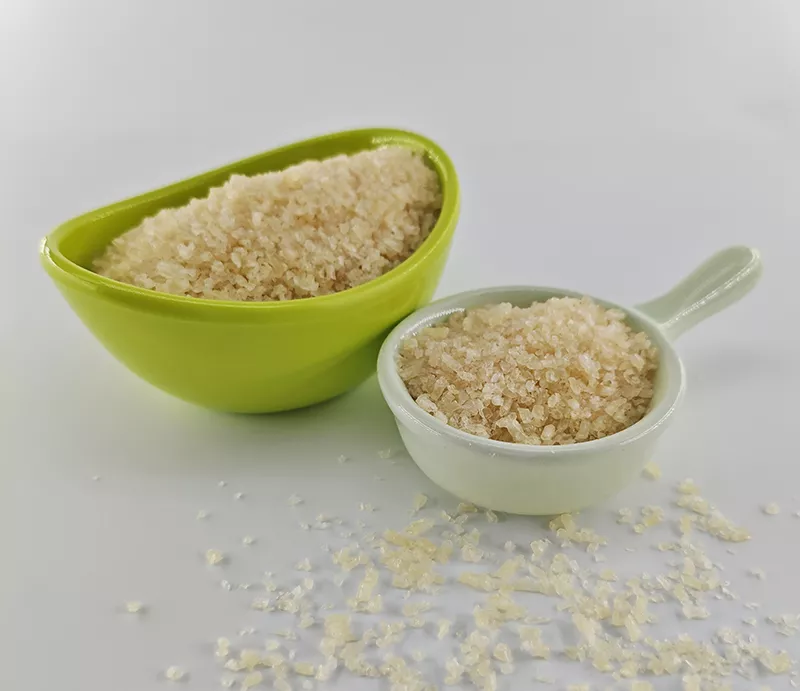
Stability, Swallowing Enhancement, and Controlled Release
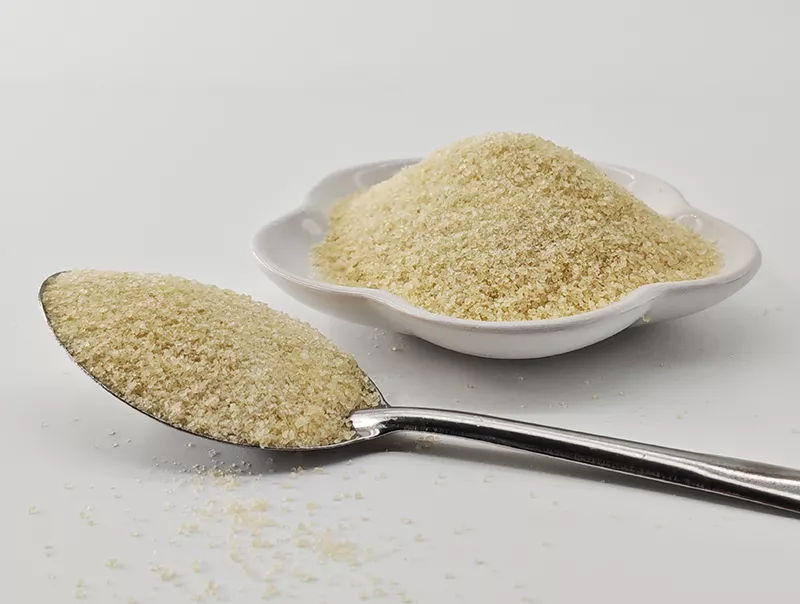
The High-Performance Barrier for Core Material Protection and Controlled Release.
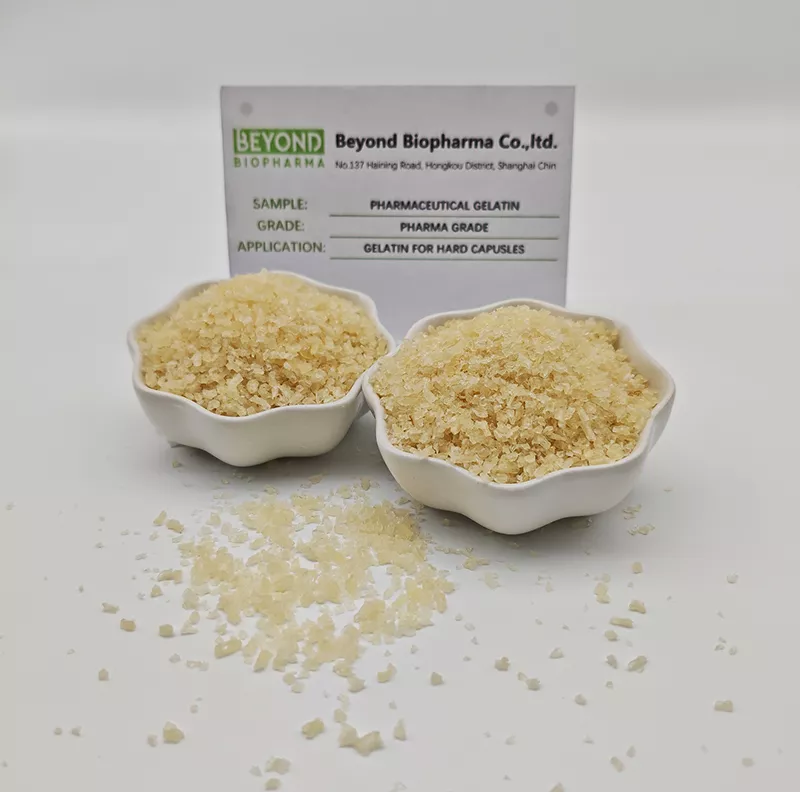
Precision, Purity, and Optimal Machinability
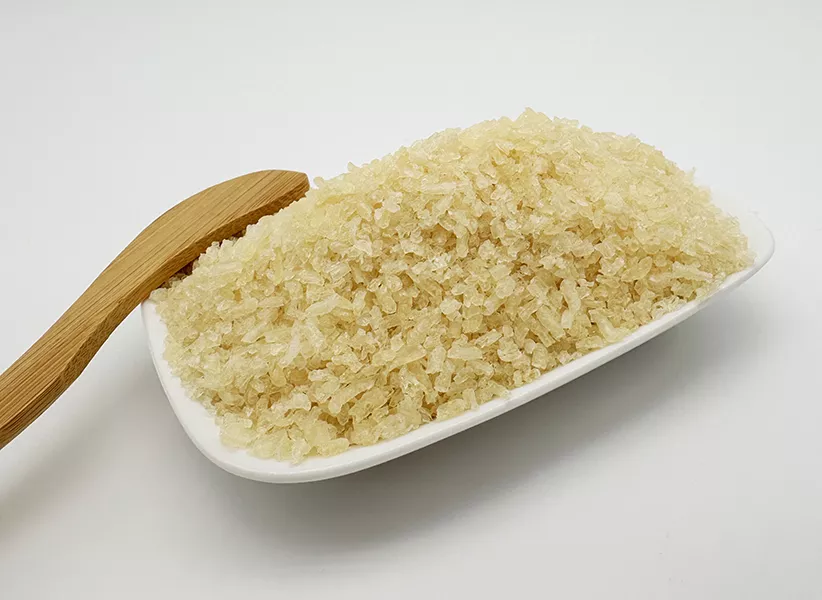
Our Bovine Hides Gelatin is engineered for versatility and compliance, ensuring performance across various applications.
Tel:+86 21 65010906
Cell/Whatsapp/Wechat:
+86 13482884055
+86 18657345785
Email: sales@beyondbiopharma.com