 English EN


Pea Protein Peptide vs. Whey: Can Plant Protein Build Comparable Muscle?
Pea protein peptide can build muscle comparable to whey when intake is sufficient, offering a plant-based, hypoallergenic option for muscle growth.
More
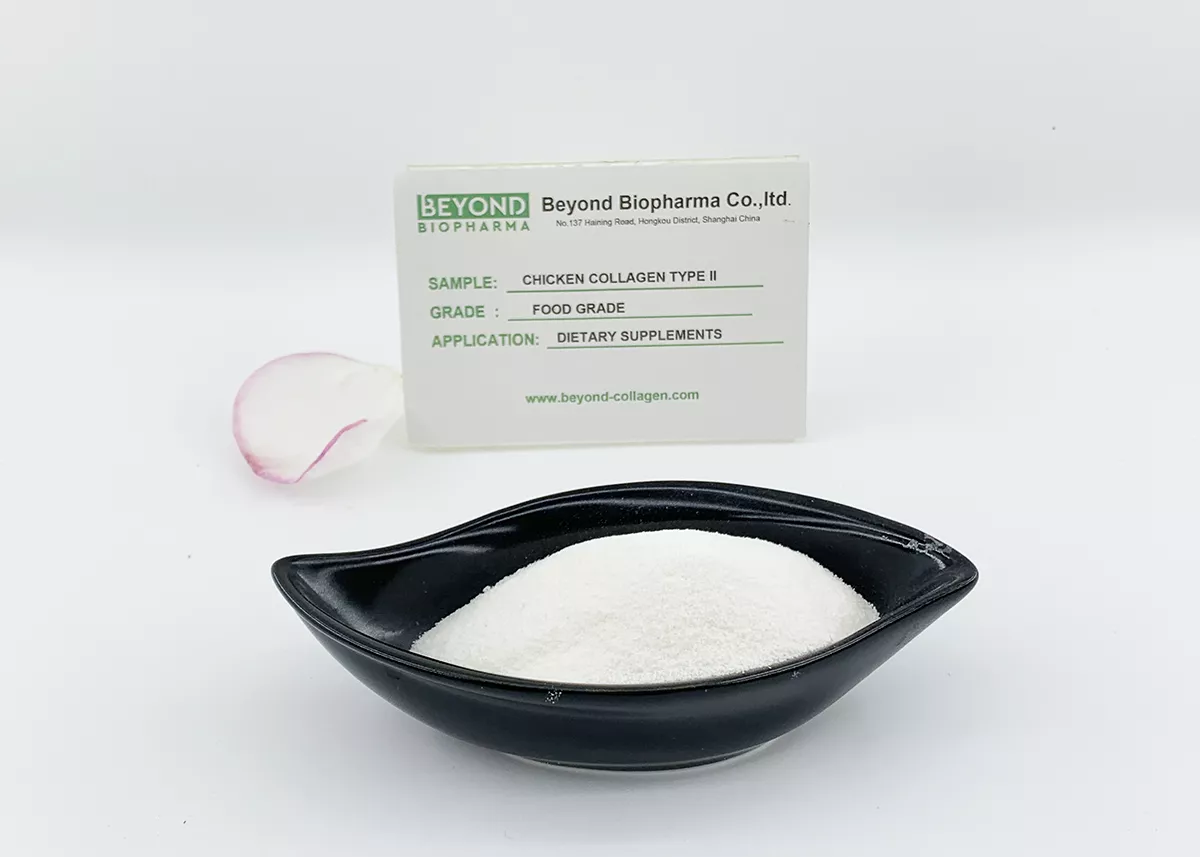
In simple terms, plant protein hydrolysates are proteins that have been broken down into smaller peptide chains and free amino acids through enzymatic hydrolysis. This process mimics natural digestion, making the protein easier for the body to absorb and changing its functional behavior in food matrices. Unlike intact proteins, hydrolysates are more soluble across a wider pH range, more heat-stable, and often exhibit surface-active properties that are highly desirable in emulsions and foams.
For food manufacturers, this means a single ingredient can serve multiple roles—acting as an emulsifier in dressings, a texture enhancer in baked goods, a bioactive component in sports nutrition, or a flavor modulator in savory products. The degree of hydrolysis (DH) is the key variable; it determines peptide chain length and, consequently, the functional profile. Low-DH hydrolysates retain more of the original protein's structure, while high-DH hydrolysates are dominated by short peptides and free amino acids, offering different solubility and bioactivity benefits.
The functional performance of plant protein hydrolysates varies by source and processing conditions, but several benefits are consistently observed across applications:
One of the most immediate improvements is solubility. Native plant proteins, especially pea and rice, tend to have poor solubility near their isoelectric point (pH 4–5), which limits their use in acidic beverages and emulsions. Hydrolysis exposes charged groups and reduces molecular weight, allowing the peptides to remain soluble even in low-pH environments. This is particularly valuable for protein-fortified juices, sports drinks, and clear nutritional beverages where precipitation is a common issue.
Hydrolysates with a moderate degree of hydrolysis (around 5–10%) exhibit excellent surface activity. The peptides can rapidly adsorb at oil-water interfaces, forming stable films that prevent coalescence. In salad dressings, mayonnaise alternatives, and dairy-free ice creams, these hydrolysates help create smooth, stable emulsions without relying on synthetic emulsifiers. Similarly, in whipped toppings and aerated desserts, certain hydrolysates improve foam volume and stability by stabilizing air bubbles.
Beyond physical functionality, hydrolysis releases bioactive peptides that can exert antioxidant, ACE-inhibitory, and anti-inflammatory activities. For example, soybean oligopeptides have been studied for their ability to support cardiovascular health through angiotensin-converting enzyme (ACE) inhibition. Rice protein peptides have shown antioxidant properties that could help reduce oxidative stress in the body. These bioactivities add a functional dimension to food products, allowing brands to make structure-function claims that resonate with health-conscious consumers.
Bitterness is a known challenge with protein hydrolysates, particularly those with high DH values. However, when selected carefully, certain hydrolysates can actually mask off-notes from other ingredients, such as vitamins, minerals, or artificial sweeteners. For instance, pea protein peptides have a milder flavor profile compared to intact pea protein, making them easier to incorporate into savory snacks and plant-based meat alternatives without overpowering the seasoning.
Not all plant hydrolysates behave the same way. Understanding the unique characteristics of each source helps formulators make informed decisions:
Soy hydrolysates are among the most studied. They offer excellent emulsifying properties and a well-balanced amino acid profile. The oligopeptides derived from soy have been linked to improved muscle recovery and reduced fatigue in clinical studies. In food applications, they work well in protein bars, meal replacements, and savory sauces where a mild, slightly nutty flavor is acceptable.
Pea hydrolysates are prized for being allergen-friendly and non-GMO. They have a clean label appeal that resonates with consumers avoiding soy or dairy. Functionally, pea peptides exhibit good solubility at acidic pH and moderate emulsifying capacity. They are increasingly used in plant-based yogurts, protein shakes, and meat analogs. Recent studies indicate that pea protein hydrolysates can also improve the water-holding capacity of meat alternatives, leading to juicier textures.
Rice hydrolysates are hypoallergenic and easily digestible, making them suitable for infant nutrition and medical foods. Their functional profile is characterized by high solubility and low viscosity, which is beneficial for high-protein liquid formulations. Rice peptides have demonstrated antioxidant activity in vitro, and emerging research suggests they may support skin health by promoting collagen synthesis.
Corn hydrolysates, often derived from zein, have unique hydrophobic characteristics. They are excellent film-formers and can be used as edible coatings for nuts, fruits, and confectionery items. Corn peptides have also been studied for their ability to alleviate hangover symptoms and support liver health, which opens up opportunities in functional beverages targeting recovery and wellness.
Walnut hydrolysates are a newer entrant but show promising antioxidant and anti-inflammatory activities. Walnut peptides have a pleasant, slightly sweet flavor that works well in bakery products, granola bars, and nut-based beverages. They also exhibit good oil-binding capacity, which can enhance the mouthfeel of low-fat products.
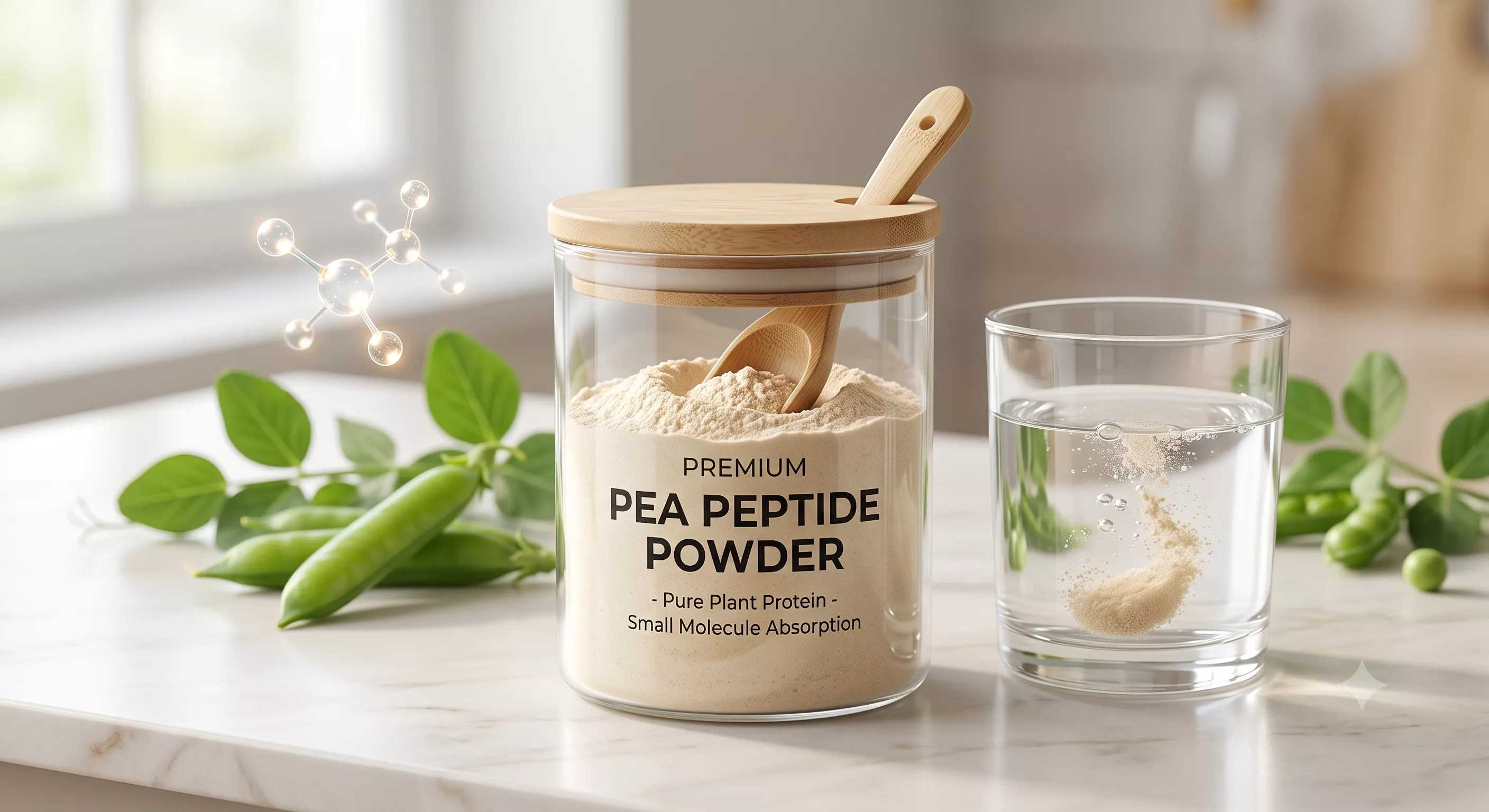
When incorporating plant protein hydrolysates into a food product, several factors need to be considered to achieve optimal performance:
The DH directly impacts bitterness, solubility, and bioactivity. For emulsification, a lower DH (5–8%) is often preferred because longer peptides provide better steric stabilization. For bioactive applications, a higher DH (15–20%) may be necessary to release short active peptides. It is advisable to work with suppliers who can provide custom hydrolysis profiles tailored to specific applications.
The choice of enzyme (e.g., alcalase, flavourzyme, papain) and processing parameters (temperature, pH, time) significantly influences the peptide profile. Some enzymes produce more bitter peptides than others, so a combination of endopeptidases and exopeptidases is often used to control bitterness. Additionally, the use of flavourzyme can help trim hydrophobic amino acids from peptide ends, reducing bitterness while maintaining functionality.
Plant hydrolysates can interact with polysaccharides, salts, and other proteins in complex food systems. For example, in dairy-free beverages, the addition of pea hydrolysates may require adjusting the stabilizer system to prevent sedimentation. In baked goods, the water-binding capacity of hydrolysates can affect dough rheology, so hydration levels may need to be adjusted. Conducting small-scale trials is essential to fine-tune formulations.
Plant protein hydrolysates are generally recognized as safe (GRAS) in the United States and have a positive regulatory status in the EU and other regions. However, labeling requirements vary. Some hydrolysates may be labeled as "pea protein peptides" or "soy oligopeptides," which can be a marketing advantage. It is important to verify the specific regulatory status in your target markets and ensure that any health claims are substantiated by scientific evidence.
To illustrate the practical impact of plant protein hydrolysates, let us look at a few application scenarios:
A sports nutrition brand was struggling with protein precipitation in a lemon-flavored RTD beverage (pH 3.5). By replacing 30% of the intact pea protein with a low-DH pea hydrolysate, they achieved a clear, stable solution with no sedimentation over a 12-month shelf life. The hydrolysate also contributed a slight savory note that complemented the lemon flavor.
A manufacturer of vegan burgers was experiencing dry, crumbly textures. Incorporating soy oligopeptides at 2% (w/w) improved the water-holding capacity and fat-binding properties, resulting in a juicier, more cohesive patty. The peptides also helped mask the beany flavor of the pea protein base, allowing the spice blend to shine through.
A clean-label dressing brand wanted to remove egg yolk as an emulsifier. They found that a combination of rice and corn hydrolysates provided the necessary emulsion stability, with the rice peptides contributing to a creamy mouthfeel and the corn peptides forming a protective film around oil droplets. The final product had a clean label and a 6-month shelf life.
Ensuring consistent quality of plant protein hydrolysates requires robust analytical methods. Key parameters to monitor include:
Working with a supplier that provides detailed specifications and batch-to-batch consistency is critical for large-scale production. Reputable manufacturers like Beyond Biopharma offer comprehensive documentation and custom hydrolysis services to meet specific functional requirements.
The market for plant protein hydrolysates is expected to grow significantly in the coming years, driven by the demand for clean-label, plant-based, and functional ingredients. Innovations in enzyme technology, membrane filtration, and fermentation are making it possible to produce hydrolysates with more precise peptide profiles and enhanced bioactivities. Additionally, the use of AI and machine learning to predict peptide functionality from sequence data is an emerging trend that could accelerate product development.
For food manufacturers, the key takeaway is that plant protein hydrolysates are not a one-size-fits-all solution. Each source and hydrolysis condition offers a distinct set of functional properties. By understanding these nuances and working closely with ingredient suppliers, formulators can unlock new possibilities for product innovation, improve existing formulations, and meet the evolving expectations of health-conscious consumers.
Plant protein hydrolysates have moved beyond being just a protein supplement. They are now recognized as versatile functional ingredients that can improve solubility, emulsification, texture, and bioactivity in a wide range of food products. Whether you are developing a high-protein beverage, a plant-based meat alternative, or a clean-label dressing, there is likely a hydrolysate that can help you achieve your goals. The key is to select the right source, degree of hydrolysis, and processing conditions to match your specific application needs. With the growing body of scientific evidence and the availability of high-quality commercial products, now is the time to explore how plant protein hydrolysates can enhance your next product launch.

We provide you with comprehensive foreign trade solutions to help enterprises achieve global development
Source high-purity, hypoallergenic hydrolyzed pea peptide powder in bulk. Complete water solubility, rich in BCAAs, ideal for vegan recovery formulas.
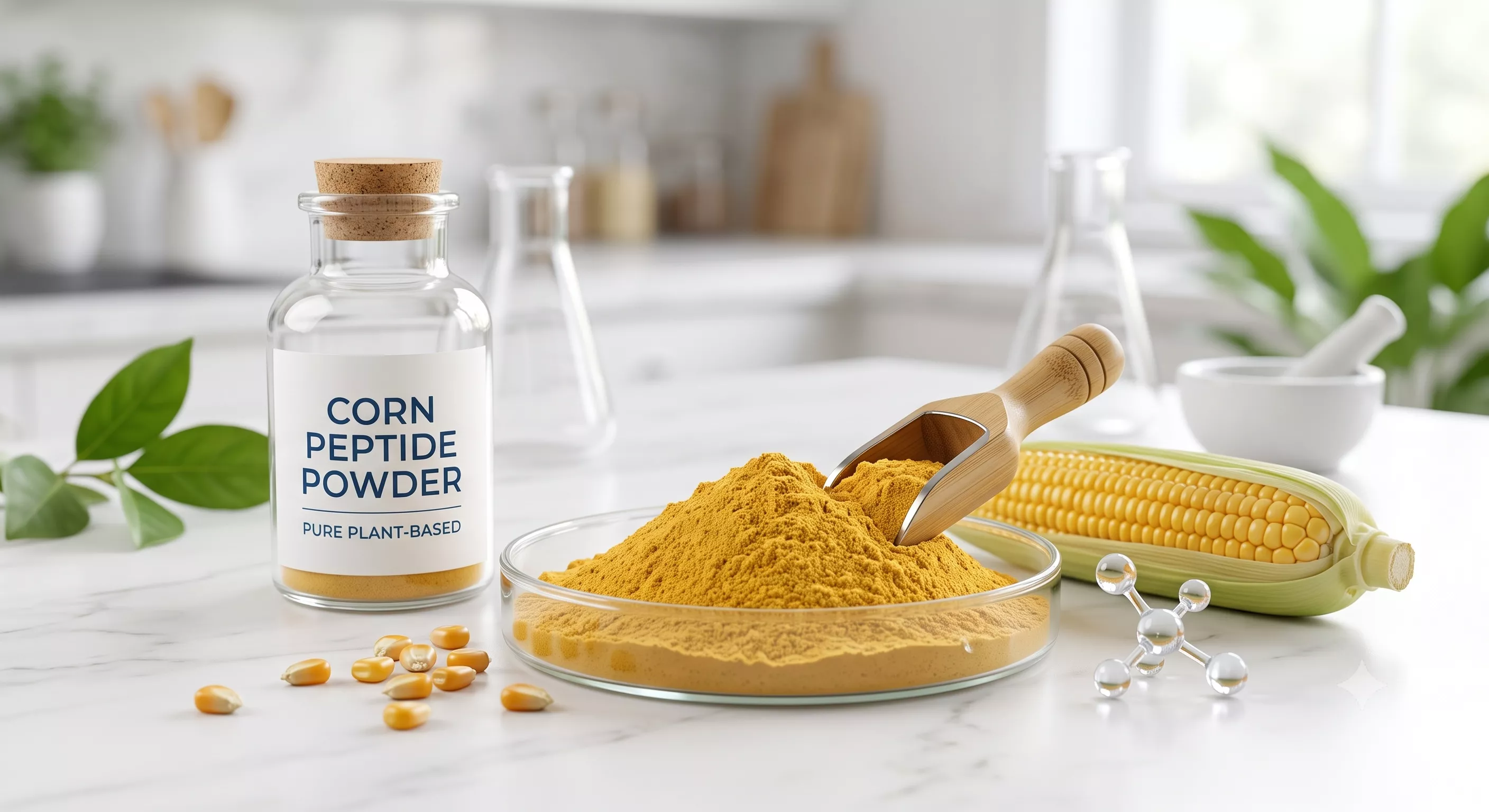
Source high-purity wholesale hydrolyzed corn protein peptide powder in bulk. Over 85% oligopeptides under 1000 Da. Rich in Alanine and Leucine for liver support and sobriety formulas.
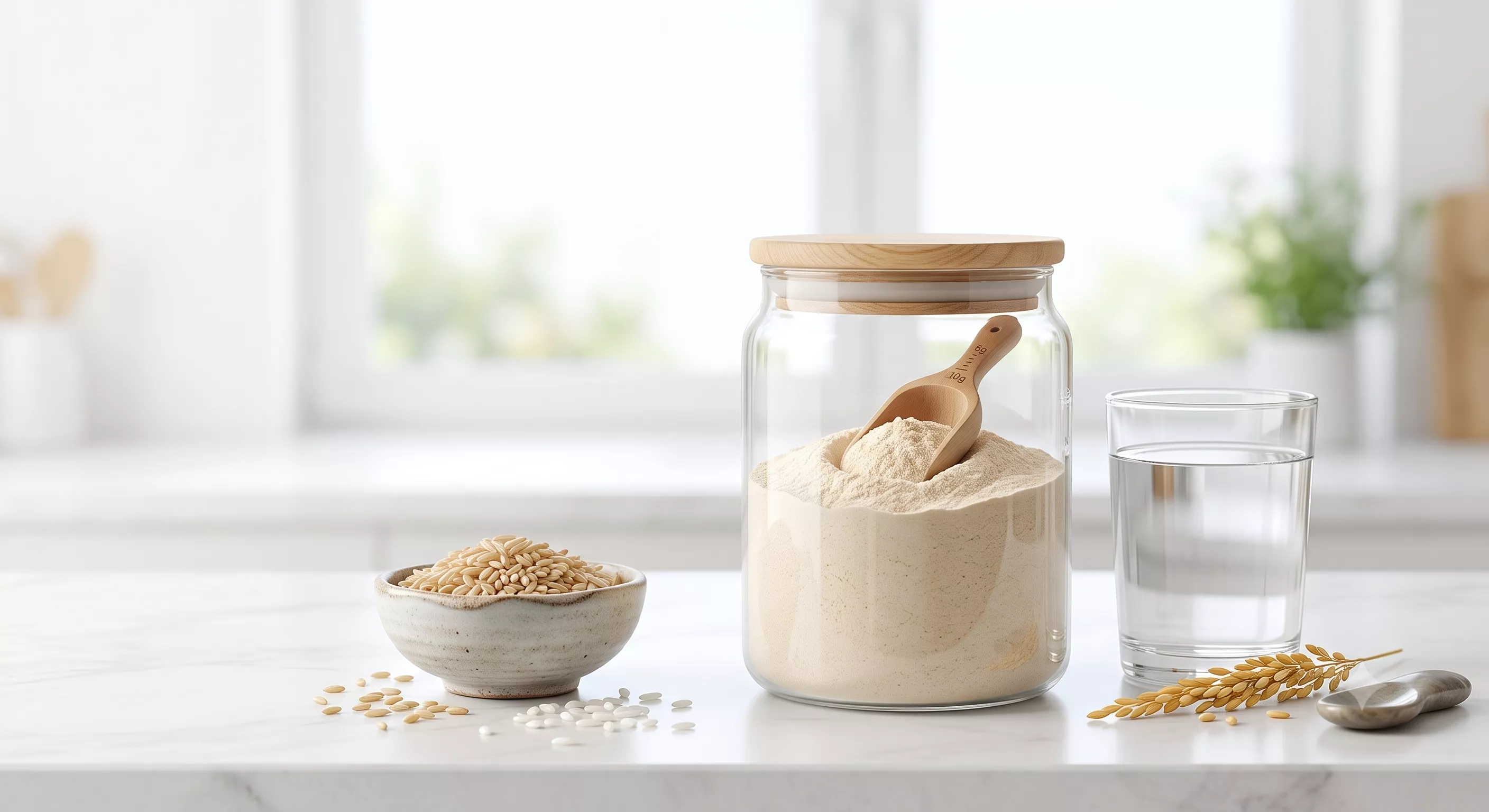
Source ultra-pure, 100% water-soluble wholesale hydrolyzed rice protein peptide in bulk. Over 85% molecules under 1000 Da. Ideal for infant nutrition, clean-label sports formulas, and sensitive skincare.
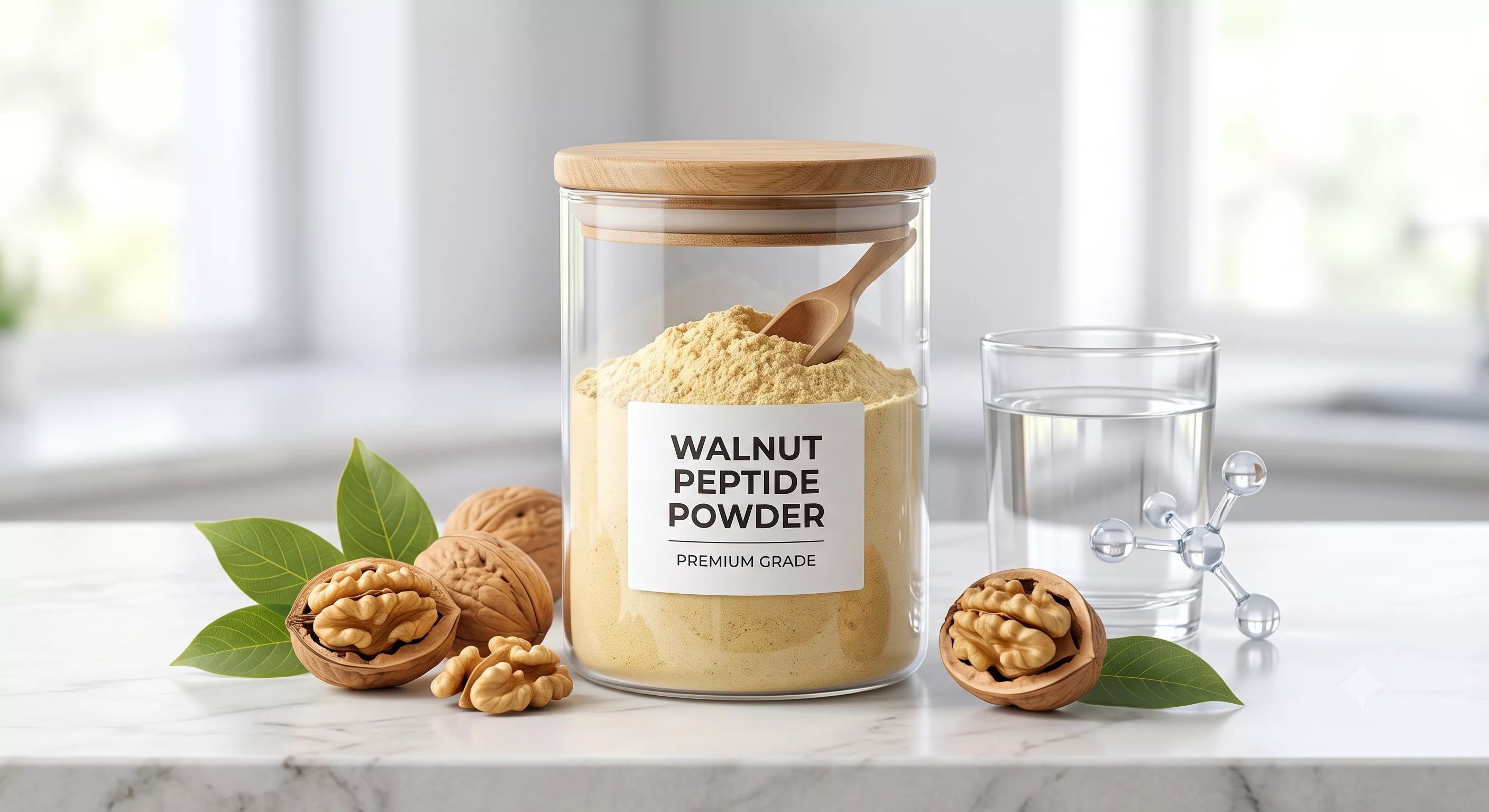
Source wholesale hydrolyzed walnut protein peptide powder in bulk. Over 85% low-molecular-weight oligopeptides rich in Glutamic Acid. Perfect for cognitive formulas and sleep aid supplements.
Select the most popular foreign trade service products to meet your diverse needs
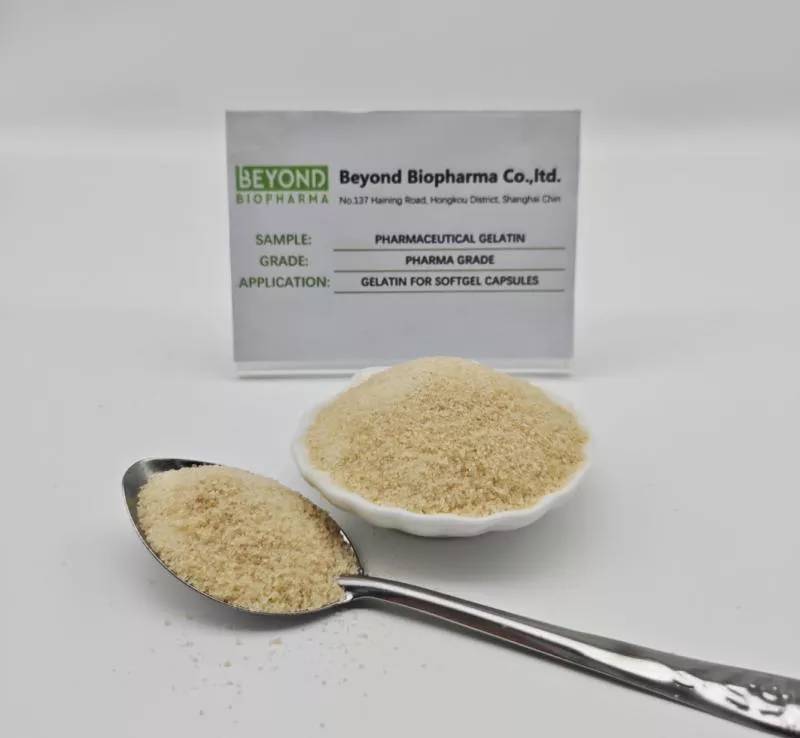
Softgel encapsulation demands a gelatin with unique physical attributes to perform optimally during the high-speed manufacturing process
Source high-purity, hypoallergenic hydrolyzed pea peptide powder in bulk. Complete water solubility, rich in BCAAs, ideal for vegan recovery formulas.
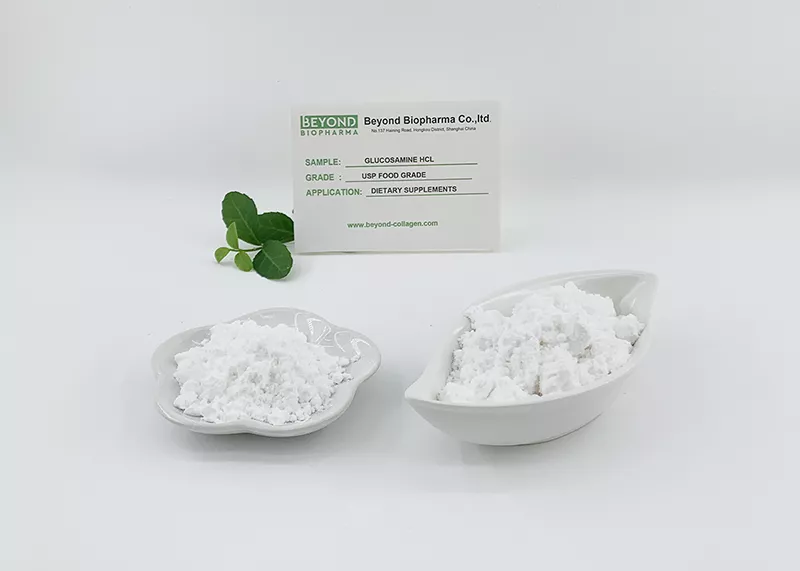
The Purest Plant-Based Joint Support Solution
Tel:+86 21 65010906
Cell/Whatsapp/Wechat:
+86 13482884055
+86 18657345785
Email: sales@beyondbiopharma.com





User Comments
Service Experience Sharing from Real Customers
Mike
配方研发主管之前试过好几个牌子的植物水解蛋白,要么苦味压不下去,要么溶解度差。这个批次我们拿来做高蛋白即饮饮料,口感干净得让我意外,冷冲也不结块。已经在内部配方里把它列为标准原料了,成本控制也比预期好。
Emma
素食食品博主说实话,我买来纯粹是想在家复刻一下那种网红高蛋白芝士酱。结果成品拉丝效果居然很不错,而且没有那种豆腥味。唯一扣一星是因为包装袋封口设计不太友好,倒的时候容易洒出来。但产品本身绝对值得回购。
Tom
运动营养产品经理我们实验室测试了不同水解度的样品,这款在模拟胃液环境下的肽释放曲线非常理想。氨基酸谱也很全面,支链氨基酸含量高。已经推荐给采购部门作为下一批植物蛋白粉的候选原料。对于植物基运动补剂来说,这是目前性价比最高的选择。
Sophie
家庭烘焙爱好者我主要想用它来给全麦面包增加蛋白质含量,按照说明替换了10%的面粉。面包烤出来确实更软,但有一股淡淡的类似青草的味道,不是所有人都能接受。家人觉得还行,我自己更喜欢无味型的。可能更适合做咸味糕点或者能量球,不适合直接做甜面包。