
EN
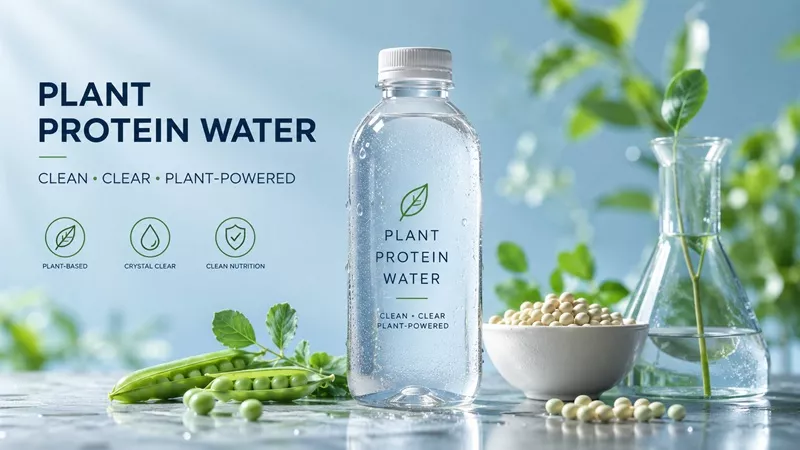
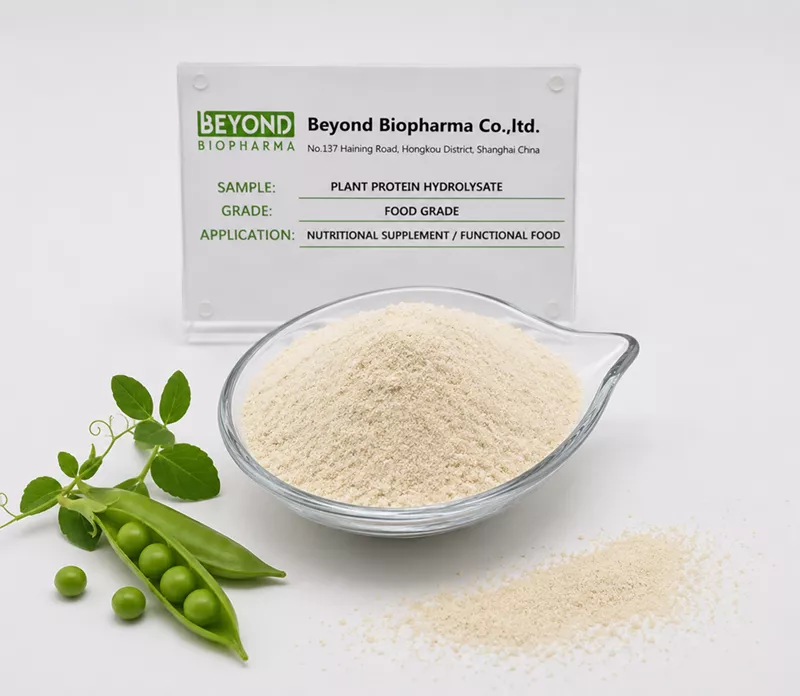
Creating crystal-clear plant protein waters requires careful selection of ingredients and precise formulation. Beyond Biopharma’s Plant Protein Peptide offers high solubility and a neutral taste, making it ideal for clear beverage applications. Clarity, taste, and shelf stability drive consumer acceptance. Technical challenges include solubility, haze, and flavor integration. The global protein water market is expanding rapidly, with plant-based options projected to hold a significant share:
The market is expected to grow from USD 1,381.3 million in 2025 to USD 3,066 million by 2035.
Plant-based protein waters are projected to capture 28.1% value share in 2025.
Plant peptides for beverage formulation play a key role in meeting these demands.
Choose hydrolyzed plant peptides for better solubility and clarity in protein waters. These peptides dissolve easily, preventing cloudiness and improving texture.
Maintain a pH level between 2.5 and 3.5 to enhance protein solubility and stability. This adjustment helps prevent aggregation and sediment formation.
Utilize advanced filtration and clarification techniques to remove unwanted particles. This ensures a visually appealing and clear beverage.
Incorporate neutral-taste peptides to mask off-flavors and improve overall taste. This enhances consumer acceptance and satisfaction.
Focus on allergen-free and vegan options to meet consumer demands. This aligns with current trends and builds trust in your product.
Solubility stands as one of the biggest hurdles in plant protein water formulation. Many plant-based proteins do not dissolve well in water. This can lead to a gritty texture and visible particles in the drink. Some proteins, like pea protein, often struggle with solubility, heat stability, and pH balance. These issues become more noticeable in low-pH beverages, where proteins may clump together or settle at the bottom. When proteins aggregate, they form larger particles that make the beverage cloudy and unappealing.
Plant-based proteins often face solubility issues, affecting taste and texture.
Pea protein can lead to solubility, heat stability, and pH balance challenges.
Low-pH beverages encounter significant solubility, clarity, and stability issues with many proteins.
Choosing hydrolyzed plant peptides, such as Beyond Biopharma’s Plant Protein Peptide, helps overcome these challenges. These peptides dissolve quickly and remain stable, even in acidic drinks.
Haze and turbidity refer to the cloudiness that can appear in protein waters. This cloudiness comes from undissolved protein particles or aggregates. Consumers expect clear protein waters, so haze is a major concern. Even small amounts of undissolved protein can scatter light and make the drink look dull or milky. Factors like protein source, processing method, and pH level all affect clarity.
Tip: Using low-molecular-weight peptides and proper filtration can help reduce haze and improve visual appeal.
Taste plays a key role in the success of plant protein waters. Many plant proteins have strong or bitter flavors. These off-flavors can come from the protein source or from the processing steps. For example, some proteins may taste earthy or beany. If not managed, these flavors can overpower the beverage and reduce consumer acceptance. Neutral-taste peptides, like those from Beyond Biopharma, allow for better flavor integration and a more enjoyable drinking experience.
Shelf stability determines how long a protein water stays fresh and clear. Most commercial plant protein waters last between 1 and 2 months at 5 °C. Some products can remain stable for up to 12 months at room temperature. Several factors affect shelf life:
Protein solubility
Proteolysis (breakdown of proteins)
Generation of free amino acids
Influence of heat treatment during processing
If proteins break down or settle over time, the drink may develop sediment or lose clarity. Careful selection of ingredients and processing methods helps maintain stability and extend shelf life.
Choosing the right plant peptides for beverage formulation is essential for achieving a clear, stable, and appealing drink. Hydrolyzed plant peptides are preferred because they dissolve easily and do not form clumps or sediment. The selection process involves several important criteria, which are summarized in the table below:
Criteria | Description |
|---|---|
Solubility | Proteins must dissolve well to avoid turbidity caused by particles or aggregates. |
Degree of Hydrolysis | Affects the size of peptides and their solubility, influencing clarity. |
Size of Peptides | Smaller peptides are less likely to aggregate, contributing to a clearer beverage. |
Tendency to Interact | Peptides that interact can affect clarity and mouthfeel, making them unsuitable for clear drinks. |
Beyond Biopharma’s Plant Protein Peptide meets these criteria. The product contains low-molecular-weight peptides, ranging from 1,000 to 3,000 Da, which ensures high solubility and rapid absorption. This makes it an excellent choice for plant peptides for beverage formulation, especially when clarity and smooth texture are required.
Hydrolyzed plant peptides offer several advantages over intact proteins in beverage applications. These benefits are especially important for plant peptides for beverage formulation:
Hydrolyzed plant peptides are more soluble in water-based systems.
They are easier to incorporate into clear or low-viscosity beverages.
They contribute less to heaviness or texture challenges.
Hydrolysates dissolve quickly in cold systems, enhancing clarity and reducing grit.
They improve mouthfeel in beverages and ready-to-drink formulations.
Beyond Biopharma’s Plant Protein Peptide is designed for 100% water solubility. This feature allows the peptides to dissolve completely, leaving no visible particles or sediment. The neutral taste profile also supports flavor integration, which is critical for consumer acceptance. These functional properties help manufacturers meet industry standards for clear, high-protein beverages.
Modern consumers expect transparency and safety in their food and beverage choices. Plant peptides for beverage formulation must address these demands by being allergen-free and vegan-friendly. Beyond Biopharma’s Plant Protein Peptide is non-GMO, free from common allergens, and suitable for vegan diets. This aligns with current trends and regulatory requirements:
The global vegan population is growing, with about 79 million vegans worldwide as of 2022.
Plant-based food sales in North America have increased by 300% over the last five years.
Consumers view vegan collagen and plant-based proteins as safer, cleaner, and more sustainable.
Certifications like USDA Organic and Non-GMO Project Verified help brands build trust.
Social media and advocacy groups are raising awareness of vegan and cruelty-free products.
Regulatory frameworks are also evolving to support plant peptides for beverage formulation:
Policies now encourage plant-based product development through tax benefits and easier approval processes.
The European Union’s Novel Food Regulation includes plant-based proteins, making market entry smoother.
The U.S. FDA is updating labeling and safety standards for plant-derived ingredients, which increases transparency and consumer confidence.
By choosing allergen-free and vegan plant peptides for beverage formulation, brands can meet both regulatory standards and consumer expectations. Beyond Biopharma’s Plant Protein Peptide provides a reliable solution for manufacturers seeking to create clear, high-protein beverages that appeal to a wide audience.
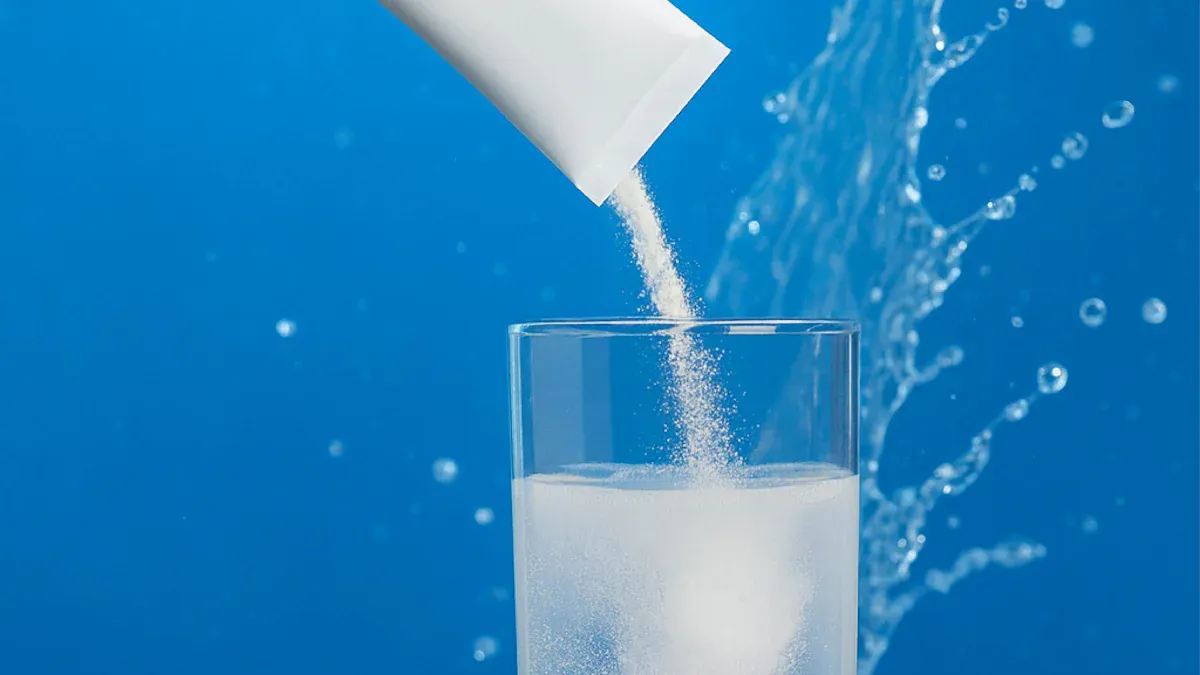
Filtration and clarification are essential steps in producing crystal-clear plant protein waters. These processes remove insoluble particles that can cause haze or cloudiness. Several advanced methods help achieve a clear final product:
Column chromatography separates components by size, charge, or affinity, removing unwanted particles.
Gel filtration, also called size exclusion, targets larger insoluble molecules.
Ion exchange uses charge interactions to clarify the beverage.
These techniques ensure that only the smallest, most soluble peptides remain in the solution. This step is vital for both clarity and long-term stability.
Adjusting the pH of plant protein waters to a range between 2.5 and 3.5 can greatly improve clarity. Proteins dissolve better at lower pH levels, which helps prevent aggregation and sediment formation. However, a low pH may introduce a sour taste, so careful balancing is needed. Maintaining the right pH not only supports clarity but also enhances the stability of the beverage during storage. Beyond Biopharma’s Plant Protein Peptide is designed to perform well in this pH range, ensuring consistent results.
Controlled enzymatic hydrolysis is a key process for improving both clarity and stability in plant protein beverages. This method breaks down large protein molecules into smaller peptides, which dissolve more easily and resist aggregation. The process involves adjusting protease dosage and pH to create peptide fractions with better surface properties. Studies show that hydrolyzed soy and pea proteins have higher solubility and improved emulsifying activity, which leads to smaller droplet sizes and better creaming stability.
Processing Step | Benefit for Clarity and Stability |
|---|---|
Enzymatic Hydrolysis | Increases solubility and prevents aggregation |
pH Control | Maintains clarity and supports long-term stability |
Filtration | Removes insoluble particles for a clear beverage |
Beyond Biopharma uses precise enzymatic hydrolysis and pH control to deliver plant protein peptides with excellent clarity and stability. These best practices help manufacturers produce beverages that remain clear and appealing throughout their shelf life.
Clarity is a key quality in plant protein drinks. Manufacturers use several clarifying agents to remove particles that cause cloudiness. These agents work by binding or removing unwanted materials from the liquid. Common clarifying agents include:
Protein-based agents such as gelatin and casein. These bind to negatively charged particles and help them settle out.
Mineral-based agents like bentonite clay. This clay adsorbs proteins and removes heat-unstable proteins, which can make drinks cloudy.
Enzymatic agents such as pectinase. Pectinase breaks down pectins, reducing viscosity and making the drink clearer.
Choosing the right clarifying agent depends on the type of plant protein and the desired texture of the final beverage. Each agent affects clarity and texture in different ways.
Sediment can form in plant protein drinks if particles settle at the bottom. This affects both appearance and texture. Several strategies help minimize sediment formation:
Use a colloidal MCC gel system. This creates a three-dimensional network that holds particles in place without making the drink thick.
Combine MCC gel with CMC. This combination adjusts viscosity at the micro level, slowing down particle movement while keeping a pleasant texture.
Optimize homogenization. Proper homogenization reduces particle size, which prevents settling and keeps the texture smooth.
These methods help maintain a uniform texture and prevent gritty or uneven mouthfeel in the drink.
Color plays a big role in how consumers judge plant protein drinks. Clear or lightly colored beverages look more appealing. Processing steps such as filtration and the use of clarifying agents help remove pigments that can darken the drink. Selecting plant protein peptides with high purity also reduces unwanted color. A clear appearance often signals a clean texture and high quality, which increases consumer trust.
Plant protein waters often have off-flavors that can affect consumer acceptance. Neutral-taste peptides, like those from Beyond Biopharma, help with flavor integration and make the drink more enjoyable. Several techniques can support the optimization of taste without sacrificing clarity. The table below shows common methods used for masking off-flavors in plant protein waters:
Technique | Description |
|---|---|
Microencapsulation | Protects proteins and masks off flavors. |
Enzymatic treatment | Improves solubility of plant proteins. |
Optimized spray drying | Produces uniform particles that enhance dispersibility. |
Natural masking agents | Interact with taste receptors to neutralize bitter peptides and metallic notes. |
Bitterness blockers | Bind to bitter taste receptors, preventing the perception of unwanted flavors. |
Enhance stability and mouthfeel using gellan gum, pectin, and acacia gum. |
These methods support the optimization of both taste and clarity. Using hydrocolloid systems also helps with texturization, making the drink smoother.
Sweeteners and flavor systems play a key role in the optimization of plant protein waters. They mask any remaining off-flavors and improve the overall taste. Natural sweeteners, such as stevia or monk fruit, are popular choices. They do not add calories and keep the beverage clear. Flavor systems can include fruit extracts or botanical blends. These systems work well with neutral-taste peptides, allowing for better flavor integration. The right combination of sweeteners and flavors leads to successful optimization of taste and consumer satisfaction.
Texturization is essential for creating a pleasant mouthfeel in plant protein waters. Optimization of texturization ensures the drink is not too thin or too thick. Hydrocolloid systems, such as gellan gum or pectin, help achieve the desired texture. These ingredients prevent sediment and give the beverage a smooth feel. Plant protein texturization also applies to plant-based meat products. In these applications, texturization creates a meat-like bite and structure. Optimization of plant protein texturization is important for both beverages and alternative meats. Manufacturers focus on texturization to meet consumer expectations for mouthfeel and product quality. The use of neutral-taste peptides supports the optimization of both flavor and texturization, making the final product more appealing.

Plant protein peptides are changing the beverage market. They help create clear protein waters and ready-to-drink (RTD) beverages that meet consumer demands for convenience and nutrition. Beyond Biopharma’s Plant Protein Peptide dissolves fully in water, making it ideal for these products. The table below shows the main types of protein beverages found in stores:
Beverage Type | Description |
|---|---|
Ready-to-Drink (RTD) Shakes | Fastest-growing category, driven by convenience, includes whey and plant-based options. |
Clear Protein Beverages and Waters | High clarity beverages resembling fruit juice, using whey isolate or advanced plant protein techniques. |
Hybrid Beverages | Combines whey and plant proteins for nutritional synergy and sustainability. |
Specialty Applications | Includes protein coffee and sports drinks, enhancing energy and functional benefits. |
Clear protein waters use advanced plant protein peptides to achieve high clarity and smooth texture. These beverages are popular with athletes and health-focused consumers.
Plant-based meat is a fast-growing area in food innovation. Beyond Biopharma’s Plant Protein Peptide supports plant-based meat formulation by improving texture and nutrition. Many plant-based meat products face texture challenges, such as insufficient solubility, gelling, and water-holding capacity. The peptide’s high solubility reduces grittiness and improves clarity in liquid systems. Strong processing stability helps maintain functionality across different pH levels and heat treatments. The table below highlights key benefits:
Functional Property | Benefit |
|---|---|
High Solubility | Reduces grittiness and improves clarity in liquid systems. |
Strong Processing Stability | Maintains functionality across various pH ranges and thermal processes. |
Plant-based meat formulation uses these peptides to create products that look, taste, and feel like traditional meat. This versatility allows manufacturers to develop burgers, sausages, and other plant-based meat products with improved mouthfeel and nutrition.
Plant protein peptides play a vital role in clinical and senior nutrition. They support muscle repair without causing bloating, making them suitable for performance powders and recovery drinks. Older adults benefit from easy digestion, which helps fight muscle loss. These peptides promote satiety, helping people feel full longer. They also support gut health, which is important for holistic wellness. Many medical foods and wellness shakes use plant protein peptides to deliver these benefits.
Note: Beyond Biopharma’s Plant Protein Peptide is used in plant-based meat, dairy alternatives, and clinical nutrition products. Its versatility and nutritional value make it a top choice for manufacturers.
Precipitation in plant protein waters can make drinks look cloudy and unappealing. Several factors can cause this problem. Proteins may lose their natural shape in alkaline conditions, which leads to denaturation. This process lowers protein digestibility and can also pull unwanted compounds, such as polyphenols and pigments, into the solution. These compounds can further increase cloudiness and affect taste.
To prevent precipitation, consider the following strategies:
Avoid using high pH or strong alkaline conditions during processing.
Use gentle extraction methods, such as reverse micelles, to help proteins keep their native structure.
Select hydrolyzed plant peptides that dissolve easily and remain stable in a wide pH range.
Monitor processing temperatures to avoid protein damage.
Tip: Maintaining the right pH and using advanced extraction techniques can help keep your beverage clear and stable.
Haze in plant protein beverages often results from interactions between proteins and other components, such as fruit bases or botanical extracts. Enzyme-based approaches can help manage and reduce haze. The table below outlines common enzyme strategies and their purposes:
Enzyme Approach | Purpose |
|---|---|
Pectin management | Controls haze and thickness from fruit or botanical sources. |
Cell wall breakdown | Increases extraction yield and reduces harshness from fruit and vegetable materials. |
Starch and dextrin control | Minimizes haze and sediment from leftover starches in plant ingredients. |
Protein interaction support | Improves clarity by managing how proteins interact with other beverage components. |
Polyphenol and tannin behavior | Enhances visual stability in drinks with polyphenols or tannins. |
Using the right enzymes at each stage can help achieve a crystal-clear appearance and improve product quality.
Mouthfeel is a key factor in consumer satisfaction. Plant protein waters should feel smooth and pleasant, not gritty or thin. To improve mouthfeel, manufacturers often use hydrocolloid systems, such as gellan gum or pectin. These ingredients help create a balanced texture without adding heaviness. Homogenization can also break down particles, making the drink smoother. Selecting neutral-taste, low-molecular-weight peptides, like those from Beyond Biopharma, supports a clean mouthfeel and enhances the overall drinking experience.
A well-formulated plant protein water combines clarity, stability, and a satisfying mouthfeel for the best consumer appeal.
Formulation of crystal-clear plant protein waters requires careful attention to each step. The table below summarizes research findings on protein water formulation:
Key Component | Challenges | Solutions |
|---|---|---|
Protein Selection | Cloudiness, bitterness | Hydrolyzed peptides for clarity and solubility |
pH Control | Stability, solubility | Target pH 2.5–3.5 for optimal protein formulation |
Stabilisation | Sedimentation, texture | Minimal stabilizers and correct mixing systems |
Taste Masking | Bitter, chalky flavor | Sweetness and flavor masking systems |
Sparkling Stability | Foam, pressure, distortion | Controlled protein levels and special processing |
Beyond Biopharma’s Plant Protein Peptide supports formulation by offering high solubility, neutral taste, and stability. This protein ingredient helps manufacturers achieve clear beverages with excellent flavor. End product formulation benefits from these features, ensuring consumer satisfaction.
Future trends in protein water formulation include:
Focus on satiety, digestive health, and lower sugar content.
Demand for traceable protein sources and clean label products.
Growth in personalized nutrition and sustainable practices.
Explore new plant peptide solutions for your next formulation. Continued research and innovation will shape the future of protein beverage formulation.
Extrusion is a process that shapes and cooks plant proteins under heat and pressure. It improves solubility and texture. Many manufacturers use extrusion to create uniform particles. This step helps achieve clarity and stability in plant protein waters.
Extrusion can enhance the nutritional profile by breaking down proteins into smaller, more digestible forms. This process increases bioavailability. It also helps preserve essential amino acids. Extrusion supports the development of beverages with improved nutritional benefits.
Yes. Combining extrusion with hydrocolloids helps stabilize plant protein waters. Hydrocolloids prevent sedimentation and improve mouthfeel. This combination ensures a clear, smooth beverage. Many formulators use both methods for optimal results.
Extrusion offers precise control over texture and solubility. It produces consistent results. Other methods may not achieve the same clarity or stability. Extrusion is widely used in the industry for its efficiency and effectiveness.
Extrusion can reduce off-flavors by removing unwanted compounds. It creates a cleaner taste profile. This process, when combined with flavor systems, helps deliver a pleasant drinking experience. Many brands rely on extrusion for better-tasting plant protein beverages.


Tel:+86 21 65010906
Cell/Whatsapp/Wechat:
+86 13482884055
+86 18657345785
Email: sales@beyondbiopharma.com


 English EN




