 English EN


Fish Gelatin Powder or Beef and Pork Gelatin Which Is Right for You
Compare fish gelatin powder with beef and pork gelatin to find the best option for dietary needs, texture, and recipes, including kosher and halal diets.
More
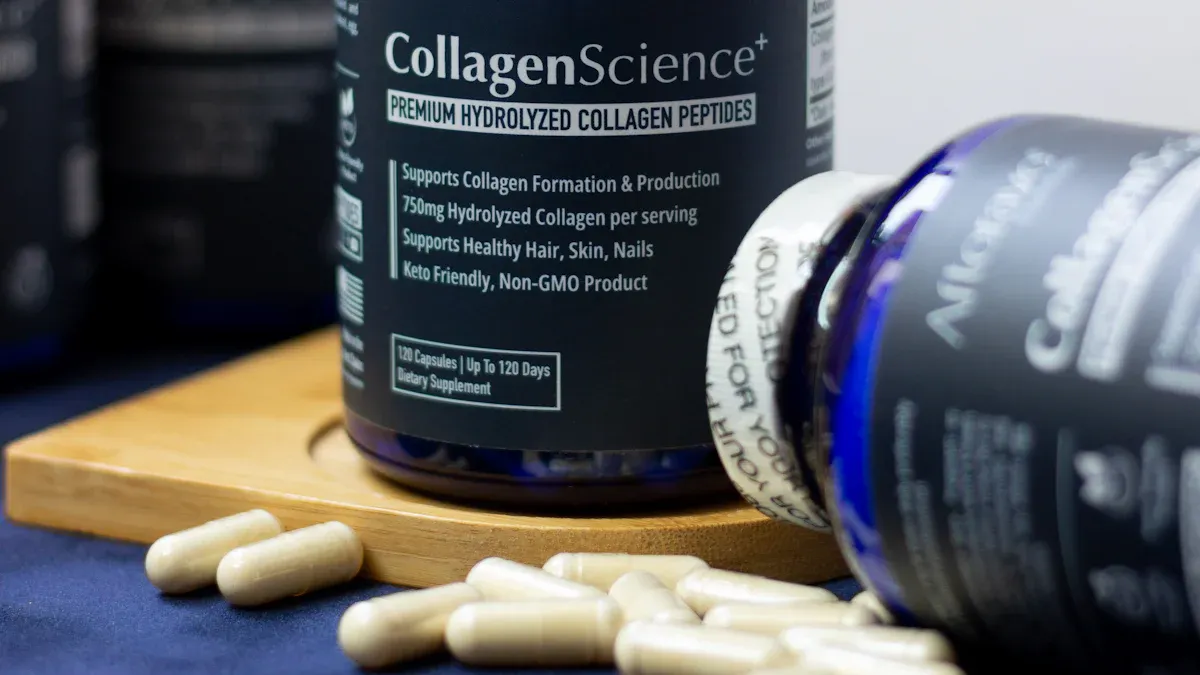
You may wonder whether glucosamine sulphate or hydrochloride works better for your joints.
A 3-year trial showed that glucosamine sulphate improved knee osteoarthritis symptoms more than hydrochloride.
Another study found hydrochloride mainly helped with pain, not joint function.
Recent studies support glucosamine sulphate as the more effective choice.
Glucosamine sulphate is generally more effective than hydrochloride for improving joint health, especially in osteoarthritis.
Choose glucosamine sulphate for better absorption and potential cartilage repair; it may also lower the risk of joint surgery.
Consult your doctor before starting glucosamine supplements, especially if you have allergies or other health conditions.
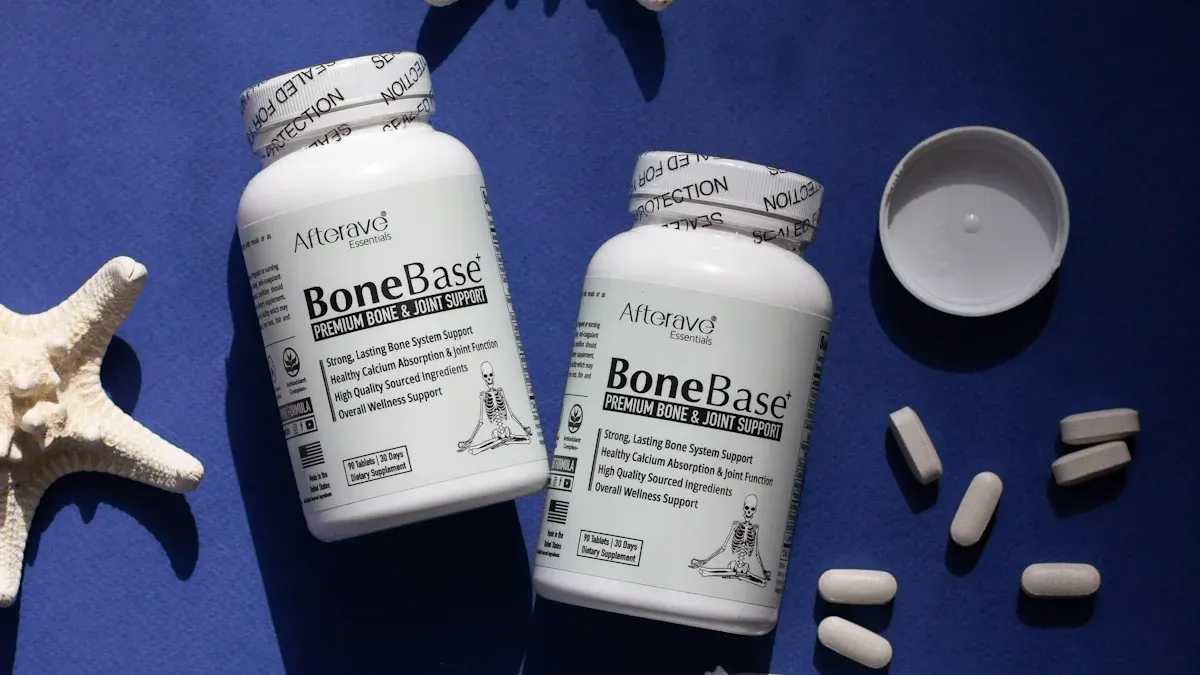
You may see glucosamine sulphate in many joint supplements. This form combines glucosamine with sulfate. The sulfate part helps your body repair cartilage. You can find glucosamine sulphate in the fluid and tissues that cushion your joints. Most companies make it from shellfish shells, but some use lab-made versions.
Here is a table to help you understand more:
| Source/Form | Description |
|---|---|
| Natural Sugar | Found in and around the fluid and tissues that cushion joints (cartilage). |
| Shellfish | Glucosamine is derived from the hard covering of shellfish. |
| Laboratory | Can also be synthesized in a laboratory. |
| Forms | Includes glucosamine sulfate, glucosamine hydrochloride, and others. |
Glucosamine sulphate has better bioavailability than other forms. This means your body absorbs it well. Studies show that it may help repair cartilage and support joint health. Some research links regular use to a lower risk of type 2 diabetes. Most experts agree that it is safe for most people.
You might notice glucosamine hydrochloride in some supplements. This form bonds glucosamine with hydrochloric acid. It dissolves easily in water, making it highly soluble. However, your body may not absorb it as well as glucosamine sulphate.
Here are some key points to remember:
Glucosamine hydrochloride is more soluble but may not work as well for joint health.
Both forms are safe and have similar side effects.
You can find both types in many stores and online.
When you compare glucosamine sulphate or hydrochloride, you see that the main difference is in how your body uses them. Sulphate forms tend to have more research support and may work better for joint problems.
You may want to know how glucosamine sulphate or hydrochloride works for joint pain. Researchers have compared both forms in clinical trials. One multicenter, randomized, double-blind study looked at pain relief for osteoarthritis. The results showed no significant differences in pain reduction between glucosamine sulphate and glucosamine hydrochloride. Both forms helped with pain, but neither stood out as better.
Here is a table that shows the findings:
| Study Type | Findings | Comparison | Confidence Interval |
|---|---|---|---|
| Multicenter, randomized, double-blind clinical trial | Non-inferiority of GS/CS capsules vs. Cosamin DS® for OA pain relief | No significant differences in pain reduction between GS and GH | Lower limit of 90% CI: -8.39% (greater than -10.00%) |
You can see that both forms work for pain, but the difference is small. Some studies suggest that glucosamine sulphate may help more with joint function, while hydrochloride mainly helps with pain.
Meta-analyses and systematic reviews give you a bigger picture. These studies combine results from many trials. Recent reviews show that glucosamine sulphate or hydrochloride do not significantly affect pain, function, or stiffness compared to placebo. Glucosamine shows a significant effect only on stiffness improvement. Chondroitin may help with pain and function, but the combination of glucosamine and chondroitin does not work better than placebo. Adverse events are similar for all groups.
Glucosamine sulphate or hydrochloride do not significantly improve pain, function, or stiffness compared to placebo.
Glucosamine helps with stiffness more than pain or function.
Chondroitin may reduce pain and improve function.
Combining glucosamine and chondroitin does not show extra benefits.
Side effects are not different from placebo.
Systematic reviews also rate the quality of evidence for both forms. The table below shows the results:
| Outcome | Glucosamine Effect | Placebo Effect | Statistical Significance |
|---|---|---|---|
| Pain | Improved by 10 points (SMD -0.47; 95% CI -0.72 to -0.23) | Pain score of 7 points | Not uniformly positive |
| Function | 11% improvement (SMD -0.47; 95% CI -0.82 to -0.12) | N/A | Not uniformly positive |
| WOMAC Scores | No significant benefit | N/A | Not statistically significant |
You can see that the results are mixed. Glucosamine sulphate or hydrochloride may help some people, but the benefits are not strong for everyone.
Bioavailability tells you how much of a supplement your body can use. Pharmacokinetic studies show that glucosamine sulphate has higher oral bioavailability than glucosamine hydrochloride. This means your body absorbs more sulphate. The table below shows the differences:
| Glucosamine Type | Median Oral Bioavailability | Synovial Fluid Concentrations (1h and 6h) | Plasma Concentrations (12h) |
|---|---|---|---|
| Glucosamine Sulphate | 9.4% | Significantly higher | Higher than baseline |
| Glucosamine Hydrochloride | 6.1% | Not significantly higher | Not higher than baseline |
You may notice that glucosamine sulphate reaches higher levels in your joints and blood. This could explain why some studies show better results for sulphate. Researchers also found that the maximum concentration of glucosamine is higher when you take it alone, not with chondroitin sulfate.
Tip: If you want your body to absorb glucosamine better, you may choose glucosamine sulphate instead of hydrochloride.
You want to know if these supplements are safe. Most studies show that both forms have a good safety profile. People in clinical trials reported few side effects, and the number of problems was similar for both groups. Here are some common side effects you might notice:
| Side Effect | Description |
|---|---|
| Itching | Mild skin reaction |
| Digestive problems | Heartburn, diarrhea, vomiting, nausea |
| Fatigue | General tiredness |
| Headache | Common mild pain |
| Difficulty sleeping | Trouble with sleep |
| Sun sensitivity | Increased sensitivity to sunlight |
| Nail changes | Changes in nail appearance |
| Allergic reactions | Possible for those with shellfish allergies |
| Asthma flares | Worsening symptoms in some people |
You may also experience indigestion, constipation, drowsiness, or mild skin rashes. Most side effects are mild and go away on their own.
Note: If you have a shellfish allergy, you should talk to your doctor before using these supplements.
Experts often recommend glucosamine sulphate for joint health. Studies show that it works better than glucosamine hydrochloride for pain relief and long-term safety. Many doctors prefer glucosamine sulphate because it may lower the chance of needing joint surgery. Medical organizations do not make a strong choice between the two, but research supports glucosamine sulphate for osteoarthritis. You can safely use up to 2000 mg per day.
You should think about your own health before choosing glucosamine sulphate or hydrochloride. Consider these factors:
Allergies
Pregnancy or breastfeeding
Age (older adults or children)
Current medications
If you have asthma, diabetes, or take warfarin, use caution. Glucosamine may raise the risk of glaucoma, especially if you have a family history or other health problems. Always check with your doctor if you have questions about your health.

You can learn a lot from people who have tried glucosamine supplements. Many users share their stories online and in support groups. Some report that glucosamine sulphate helped them feel much better. One person said their osteoarthritis symptoms improved so much that daily life became easier. Others had mixed results. A few users noticed side effects like diarrhea and switched to different supplements. Some found that glucosamine hydrochloride did not work as well for them. Another person mentioned weight gain but still felt some relief from arthritis pain.
You may notice that glucosamine sulphate often receives more positive feedback. Studies show it has a stronger effect on pain reduction compared to glucosamine hydrochloride. Most trials use glucosamine sulphate, and results vary from person to person. Trials with glucosamine hydrochloride show consistent outcomes, but the effect is usually small.
Glucosamine sulphate often improves pain and mobility.
Glucosamine hydrochloride may cause side effects or show less improvement.
Experiences differ based on health, age, and supplement quality.
You probably hope that glucosamine will help your joints feel better. Most patients expect relief from pain and want to prevent joint damage. Some people experience modest relief after using glucosamine sulphate or hydrochloride for several months. Many try these supplements for osteoarthritis, but not everyone continues after a few months. You may find that results depend on your body and how long you use the supplement.
Tip: Keep realistic expectations. Glucosamine may help with pain, but it does not work for everyone. You should talk to your doctor if you have questions about joint health.
Current research shows glucosamine sulphate works better than hydrochloride for joint health, especially in osteoarthritis. You can see expert advice in the table below:
| Source | Recommendation | Notes |
|---|---|---|
| Arthritis Foundation | Try glucosamine sulfate | Consult your healthcare provider before starting. |
| Mayo Clinic | Prefer glucosamine sulfate | Best for knee osteoarthritis. |
You should know that studies on glucosamine sulphate or hydrochloride have mixed results and some quality concerns. Stay updated as new research appears.
You can take both forms, but most studies show no extra benefit. You may choose one based on your doctor’s advice.
You may notice improvement in joint pain after 4 to 8 weeks. Some people need more time. Results vary for each person.
| Age Group | Recommendation |
|---|---|
| Children | Not recommended |
| Adults | Safe for most people |
You should ask your doctor before giving glucosamine to children.
Key Applications and Synthesis Techniques for Aminoguanidine Bicarbonate
Research-Driven Strategies to Enhance 2 5-Furandicarboxylic Acid Sustainability
Innovative Approaches to Aminoguanidine Bicarbonate Synthesis and Uses
The Health Benefits of Bovine Gelatin Powder Explained
Comparative Analysis of Bovine, Fish, and Pork Gelatin Powders

We provide you with comprehensive foreign trade solutions to help enterprises achieve global development
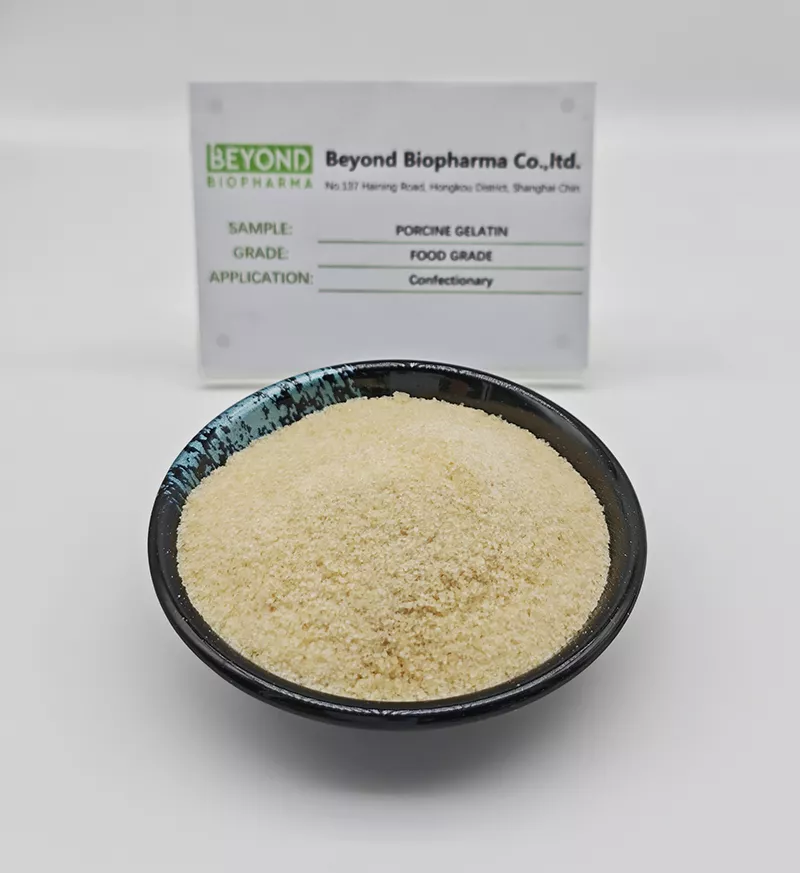
Food-grade porcine gelatin is a highly versatile and cost-effective natural protein derived from the collagen found in pig skin and bones. It is a premier gelling agent known for its exceptional clarity, neutral taste, and thermal reversibility.
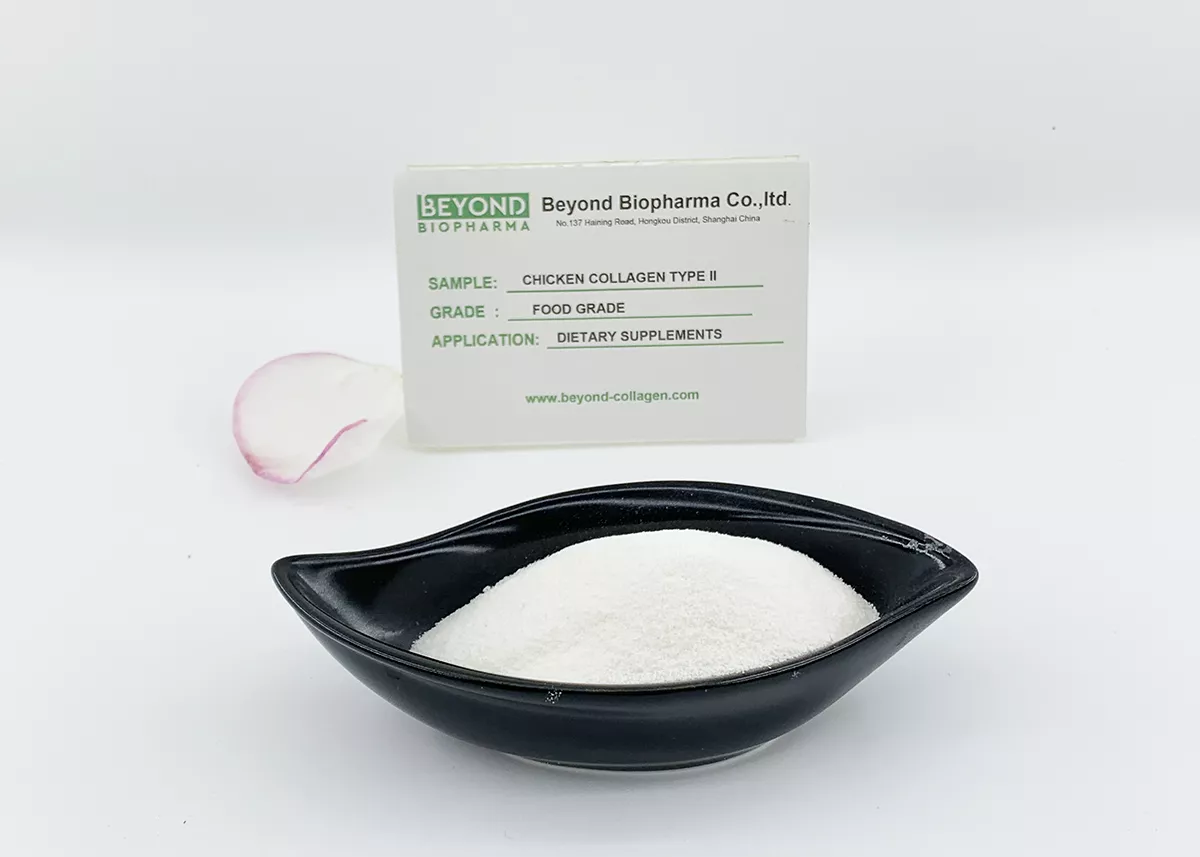
BEYOND BIOPHARMA is a specialized manufacturer of high-quality Undenatured Collagen Type II. Utilizing low-temperature, non-enzymatic extraction methods, our Undenatured Collagen Type II retains its native, triple-helix structure, essential for modulating the immune system's response to joint health and providing superior support for mobility, flexibility, and overall joint comfort.
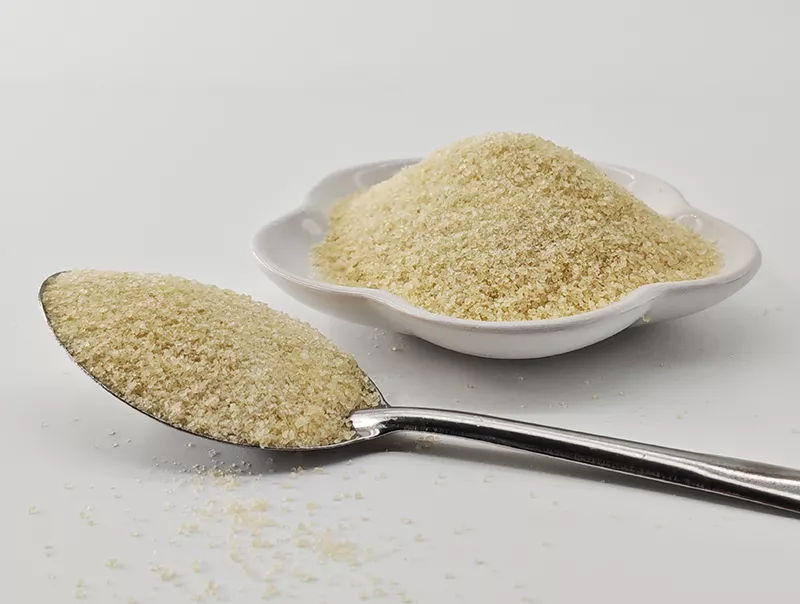
The High-Performance Barrier for Core Material Protection and Controlled Release.
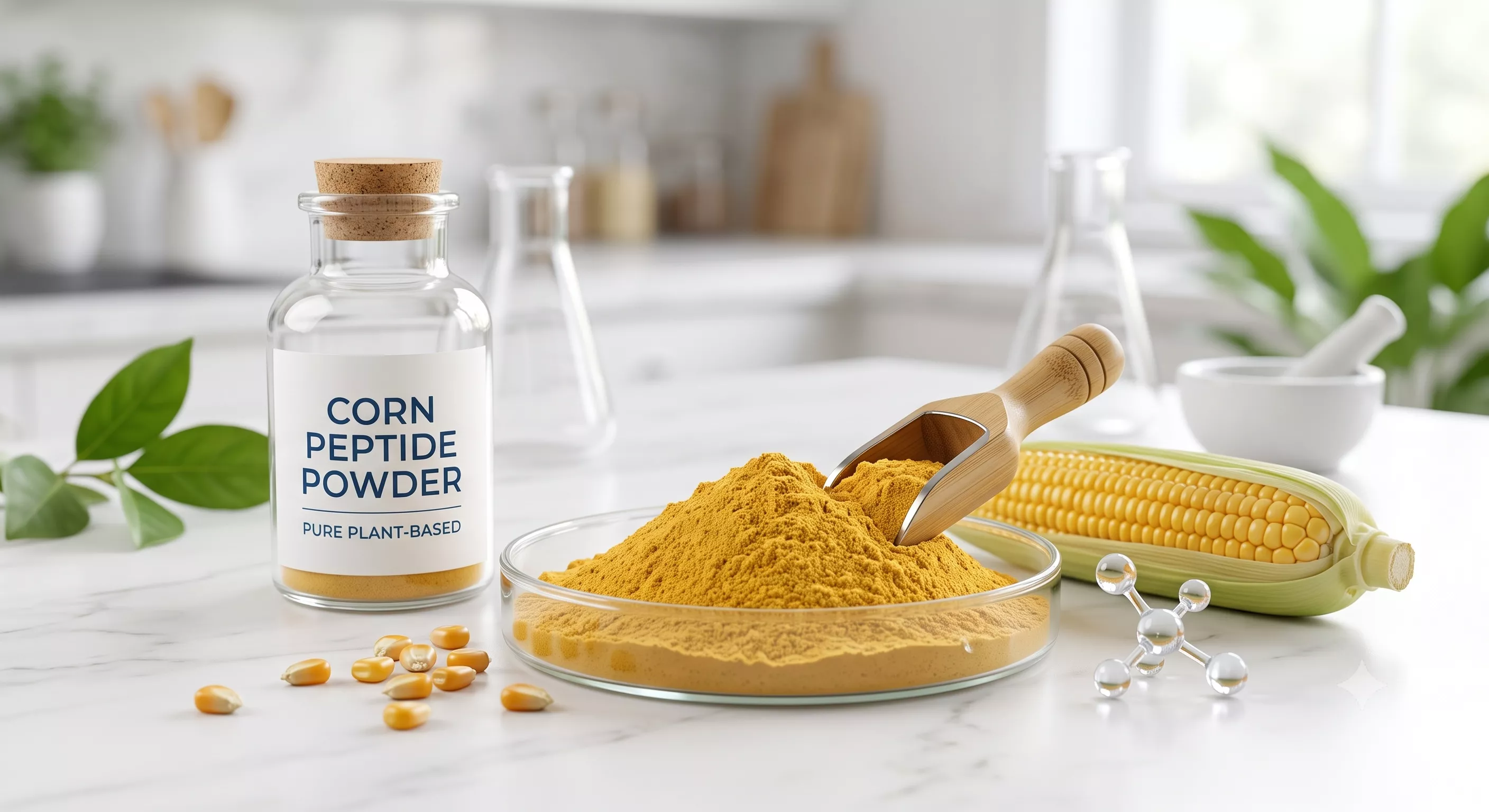
Source high-purity wholesale hydrolyzed corn protein peptide powder in bulk. Over 85% oligopeptides under 1000 Da. Rich in Alanine and Leucine for liver support and sobriety formulas.
Select the most popular foreign trade service products to meet your diverse needs

Our Gelatin Sheets are produced to precise standards, ensuring consistency and reliability across different Bloom grades (Silver being the most common professional choice).
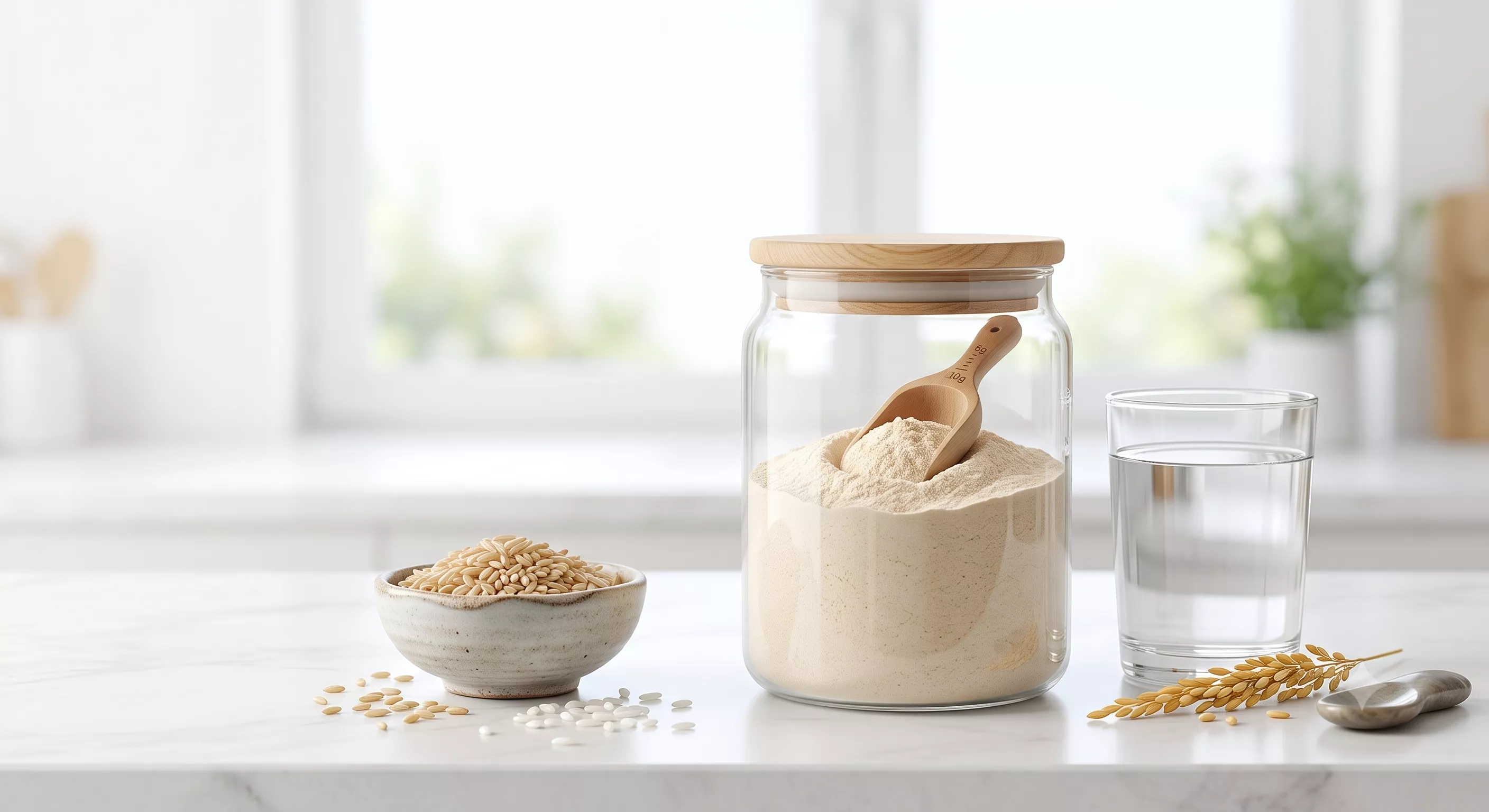
Source ultra-pure, 100% water-soluble wholesale hydrolyzed rice protein peptide in bulk. Over 85% molecules under 1000 Da. Ideal for infant nutrition, clean-label sports formulas, and sensitive skincare.
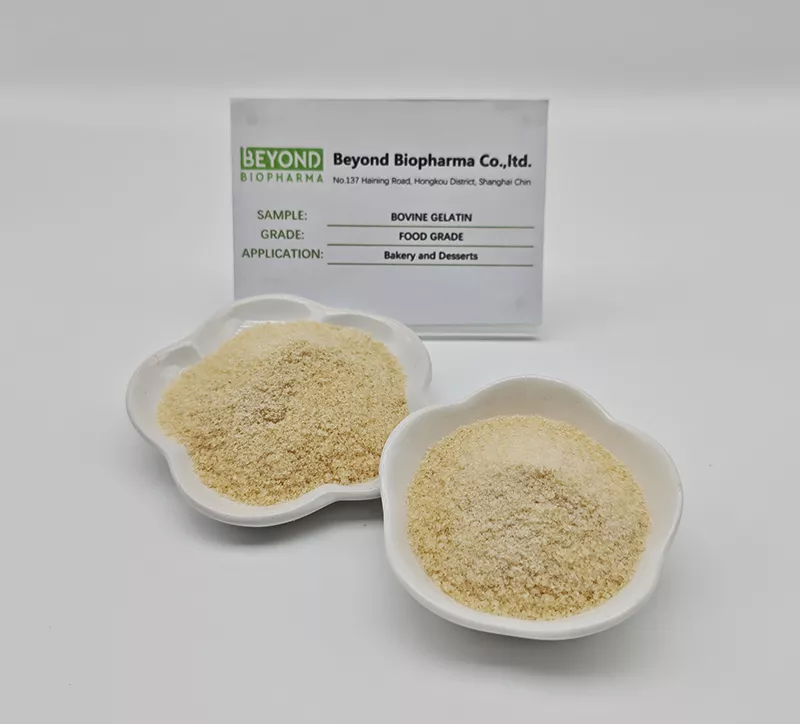
20 years experiences, 5000 ton/year capacity, Sustained supply with stable quality
Tel:+86 21 65010906
Cell/Whatsapp/Wechat:
+86 13482884055
+86 18657345785
Email: sales@beyondbiopharma.com





User Comments
Service Experience Sharing from Real Customers
Megan
Physical TherapistAfter years of knee discomfort from my active job, I tried glucosamine sulphate on a colleague's suggestion. Within three weeks, I noticed a real difference in morning stiffness. It's become part of my daily routine – feels like giving my joints the support they need. No more clicking sounds when I climb stairs!
Leo
Construction SupervisorMy back and knees were killing me after long days on site. Started with the hydrochloride version because it was easier to find. Honestly, I was skeptical, but after a month I'm moving way easier. It's not a miracle cure, but it takes the edge off. I'll keep using it.
Sarah
Amateur Marathon RunnerAs a weekend warrior pushing 50, my recovery was getting slower. Switched to glucosamine sulphate after reading some studies. The difference in post-run joint soreness is night and day – I feel like I can actually keep doing this for years. Worth every penny.
Tom
Retired TeacherMy doctor mentioned glucosamine for my arthritis, so I tried the hydrochloride kind. I don't know about the science, but my hands feel less stiff when I'm gardening now. It's subtle, but I notice I can open jars easier. Just wish I'd started sooner.