 English EN


How to Select the Optimal Gelatin Bloom and Collagen Molecular Weight for Your Application
At Beyond Biopharma, we specialize in bridging the gap between raw material science and finished product performance.
More
If you are sourcing glucosamine hydrochloride for your next joint health formulation, you already know the pain points: batch-to-batch consistency, raw material purity, and navigating certification requirements like Halal, Kosher, or allergen-free documentation. The glucosamine hydrochloride market forecast for 2024-2030 indicates a compound annual growth rate (CAGR) of approximately 6-8%, fueled by an aging global population and increased consumer awareness around preventive healthcare. As a purchasing manager or product developer, understanding where this market is heading helps you make smarter sourcing decisions.
Glucosamine hydrochloride is typically derived from chitin, which is extracted from the shells of shellfish like shrimp and crabs. The production process involves hydrolysis and purification steps to yield a fine, white crystalline powder. Unlike glucosamine sulfate, the hydrochloride form is more stable and has a higher glucosamine base content (typically around 83% vs. 65% for sulfate). This makes it a preferred choice for solid dosage forms like tablets and capsules, where purity and stability are critical.
For buyers, the key quality markers include solubility, particle size uniformity, and absence of heavy metals. A reliable supplier will provide a Certificate of Analysis (COA) for every batch, detailing these parameters. The glucosamine hydrochloride market forecast suggests that demand for high-purity, low-odor grades will rise, especially in the nutraceutical and pharmaceutical sectors.
When evaluating glucosamine HCl, buyers should look at the following common parameters. Please note these are typical industry ranges; final values should always be confirmed per the supplier's COA and sample.
| Parameter | Typical Industry Range | Notes |
|---|---|---|
| Assay (Glucosamine HCl) | 98.0% - 102.0% | On a dry basis; higher purity preferred for pharma |
| pH (1% solution) | 3.0 - 5.0 | Indicates acidity level |
| Loss on Drying | ≤ 1.0% | Low moisture ensures stability |
| Heavy Metals (as Pb) | ≤ 10 ppm | Stricter limits for pharma grade |
| Particle Size | 80 mesh to 200 mesh | Affects flowability and blending |
| Residual Solvents | Meet USP/EP limits | Critical for pharmaceutical applications |
Note: The above values are typical industry ranges. Always request the actual COA from your supplier for the specific batch.
Glucosamine hydrochloride is a versatile ingredient used across several industries. Here is how to select the right grade for your application:
Beyond Biopharma is a Shanghai, China-based manufacturer with over 10 years of experience in the food-ingredient industry. Our products are exported to more than 50 countries. We operate a fully automatic production line with GMP clean workshops, stainless-steel sealed piping, and automated temperature/pH control. Our facility has an annual capacity of approximately 3,000 MT for collagen and 5,000 MT for gelatin, and we also supply high-quality glucosamine HCl as part of our Joint Health Ingredients line.
We hold ISO 9001 certification, are US FDA registered, and maintain a GMP clean workshop. Select products carry Halal and Kosher certifications. Our in-house lab conducts heavy-metal and microbiological testing, supported by a dedicated QA/QC team. We offer three grades: food, pharmaceutical, and cosmetic. We also provide free samples and formulation support to help you find the right fit.
Q1: What is the difference between glucosamine HCl and glucosamine sulfate?
Glucosamine HCl has a higher glucosamine base content (about 83%) compared to sulfate (about 65%). It is also more stable and does not require added salt (like sodium or potassium chloride) for stabilization. This makes HCl a better choice for those watching their sodium intake or for solid dosage forms.
Q2: Is glucosamine HCl suitable for vegan or allergen-free formulations?
Standard glucosamine HCl is derived from shellfish, so it is not vegan and may be an allergen for some. However, there are vegan alternatives like fermented corn-based glucosamine. Always verify the source with your supplier if you need a shellfish-free or vegan option.
Q3: What certifications should I look for when sourcing glucosamine HCl?
Key certifications include ISO 9001 for quality management, GMP for manufacturing practices, and Halal/Kosher if targeting those markets. Also request a COA showing heavy metals, microbial limits, and assay purity. US FDA registration is a plus for North American buyers.
Q4: How does the glucosamine hydrochloride market forecast look for 2024-2030?
The market is expected to grow at a CAGR of 6-8% through 2030, driven by aging demographics, rising sports nutrition demand, and increased focus on preventive joint health. Asia-Pacific and North America are key growth regions. This forecast underscores the importance of securing a reliable supply chain now.
Q5: Can I get a sample before placing a bulk order?
Yes. Beyond Biopharma offers free samples for evaluation. We recommend testing the sample in your specific application to confirm solubility, odor, and performance. Contact us with your requirements, and we will arrange shipment.
Q6: What is the typical MOQ for glucosamine HCl?
MOQ varies by grade and packaging. For standard food-grade glucosamine HCl, MOQ is typically 25 kg (one drum). For pharmaceutical grade or custom mesh sizes, MOQ may be higher. Contact our sales team for a specific quote based on your volume needs.
To help us serve you better, please provide the following information when you reach out:
Beyond Biopharma will provide a tailored quote and arrange free samples for your evaluation. The glucosamine hydrochloride market forecast for 2024-2030 points to increasing demand, so securing a trusted partner now ensures you stay ahead of the curve. Contact us today to discuss your sourcing needs.

We provide you with comprehensive foreign trade solutions to help enterprises achieve global development
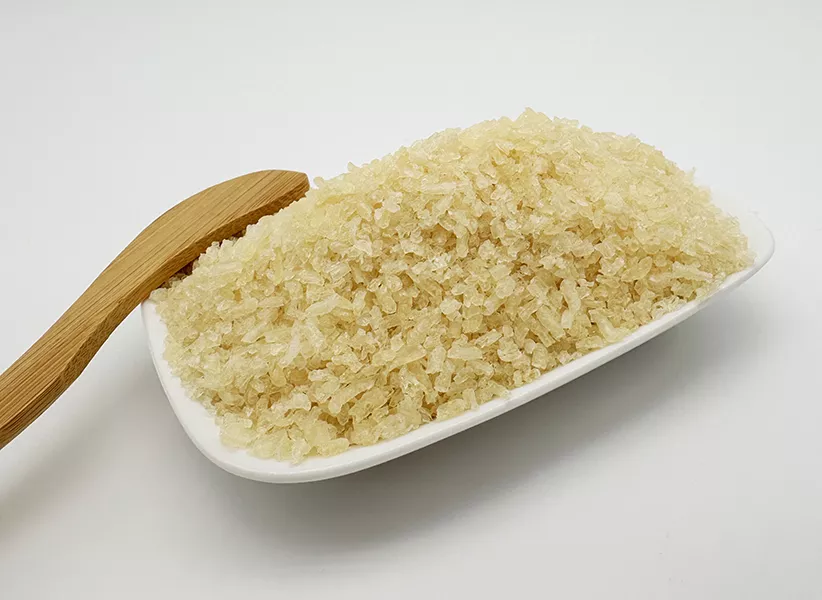
Our Bovine Hides Gelatin is engineered for versatility and compliance, ensuring performance across various applications.
The High-Performance Barrier for Core Material Protection and Controlled Release.
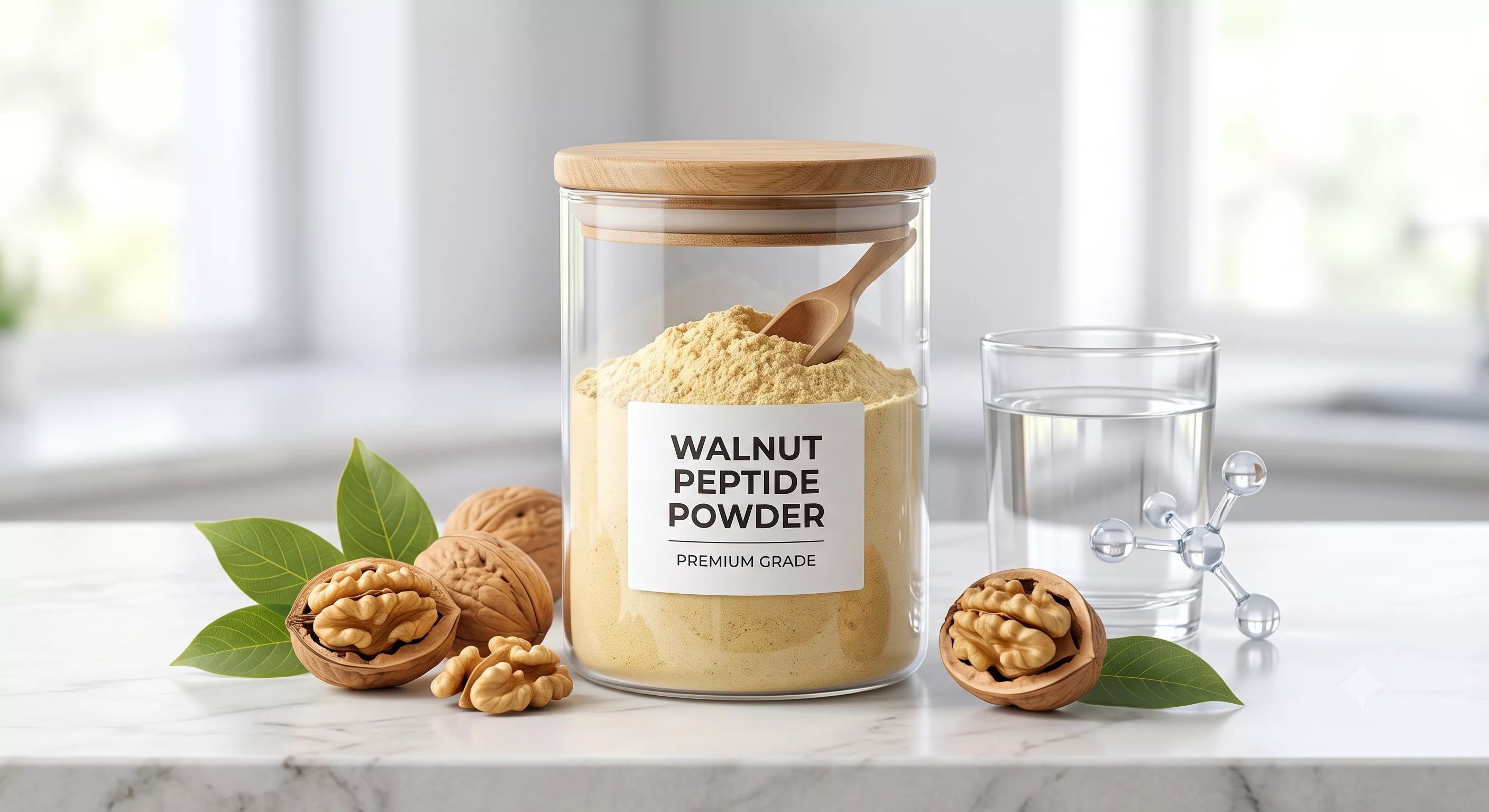
Source wholesale hydrolyzed walnut protein peptide powder in bulk. Over 85% low-molecular-weight oligopeptides rich in Glutamic Acid. Perfect for cognitive formulas and sleep aid supplements.
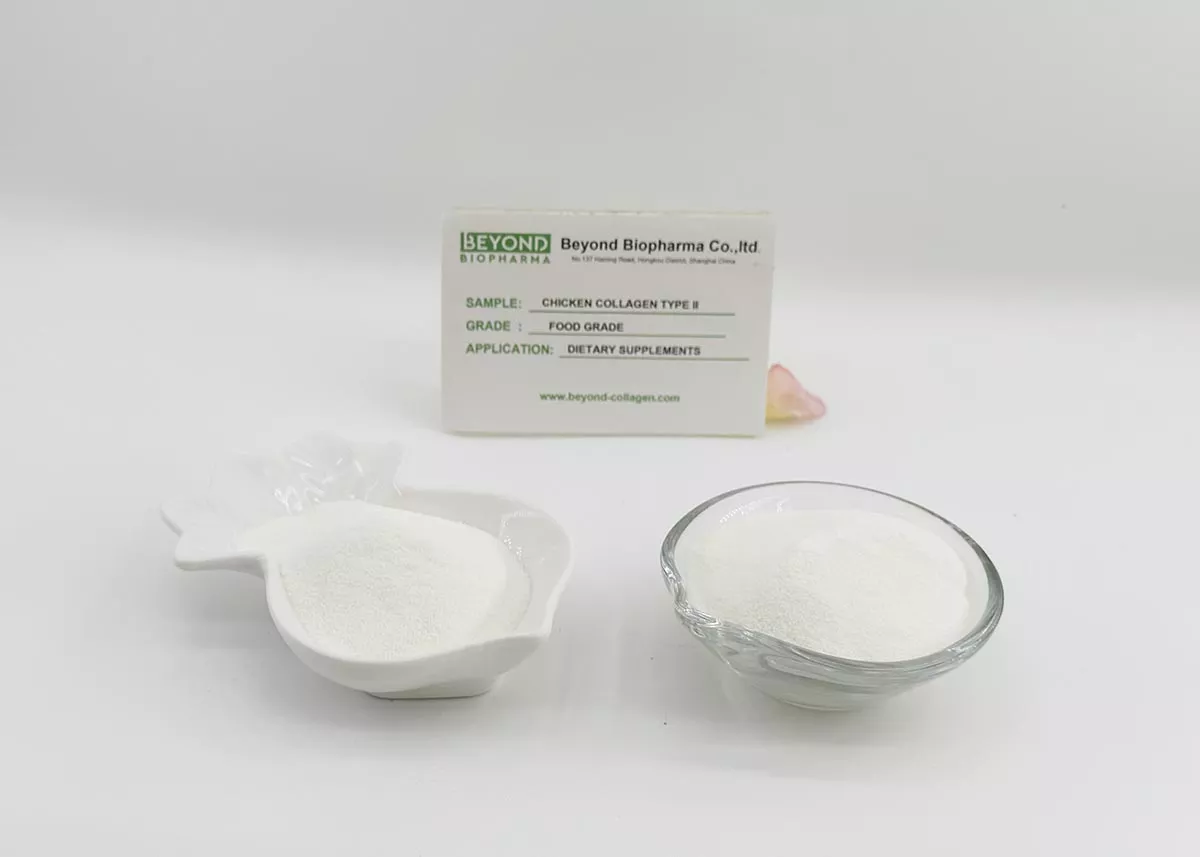
BEYOND BIOPHARMA is a specialized manufacturer of highly purified Hydrolyzed Collagen Type II. Through advanced enzymatic hydrolysis, we create low-molecular-weight collagen peptides that are highly bioavailable, offering foundational nutritional support for cartilage repair, joint function, and skin health. Our product is designed for rapid absorption and maximum efficacy in oral supplements.
Select the most popular foreign trade service products to meet your diverse needs
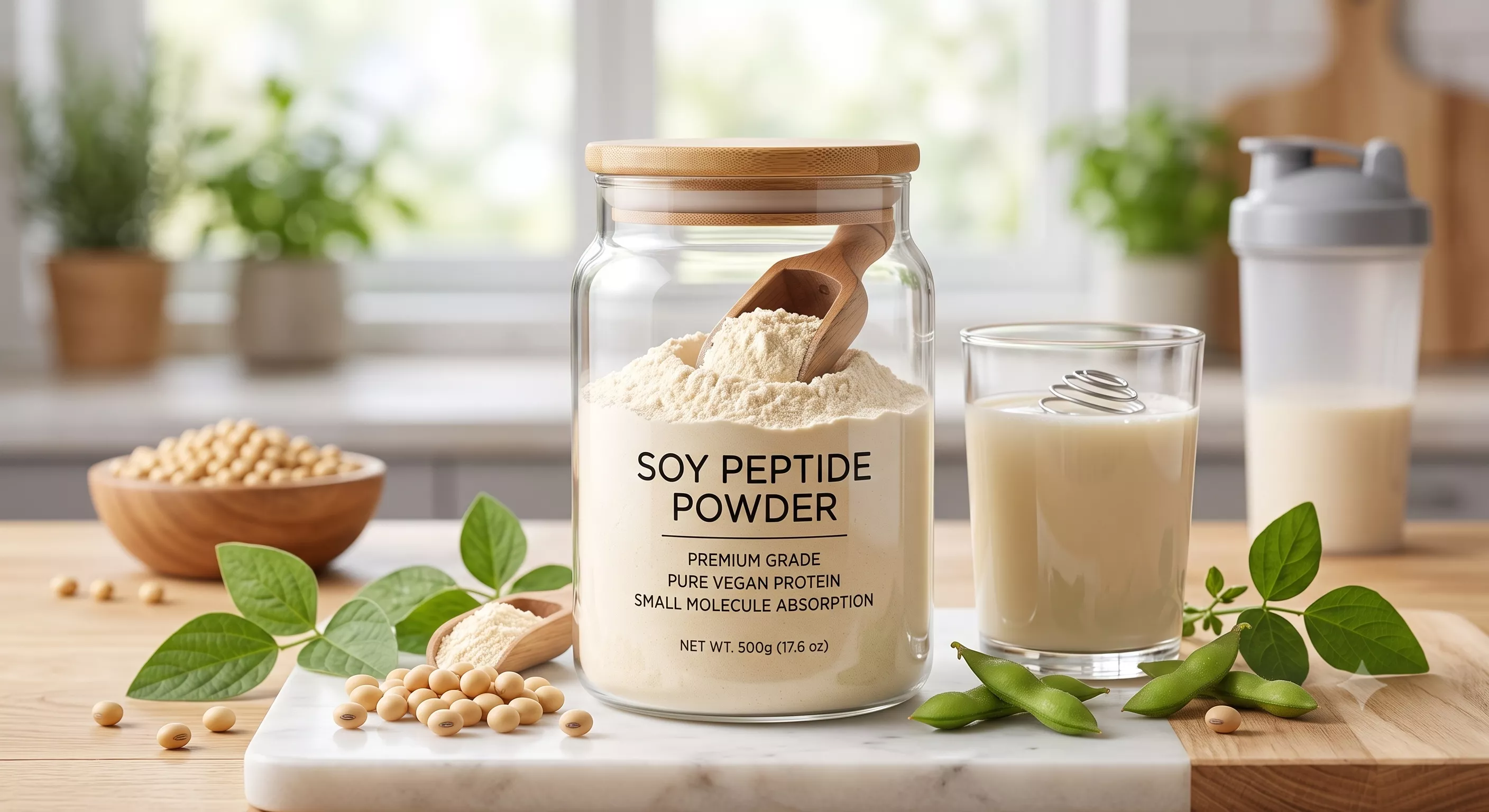
Source ultra-pure, non-GMO hydrolyzed soybean oligopeptide powder in bulk. Complete water solubility, over 80% peptides under 1000 Da. Ideal for sports nutrition and immune recovery formulas.
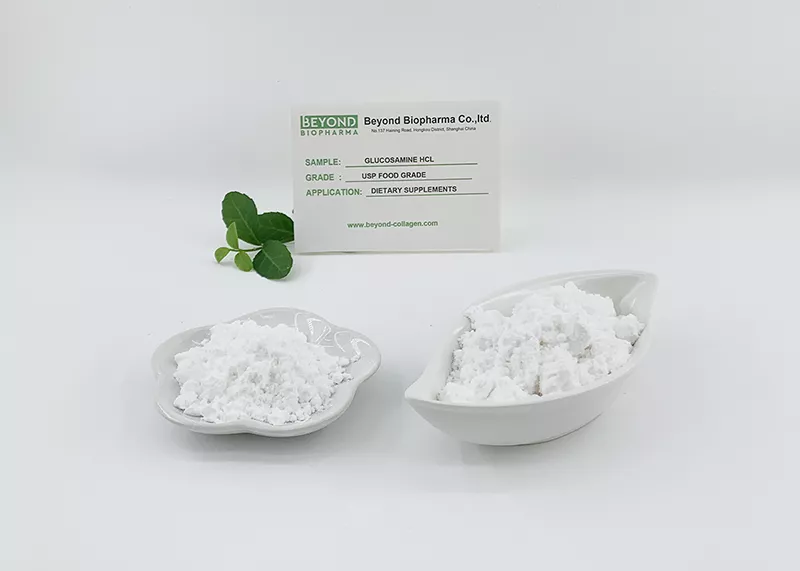
The Purest Plant-Based Joint Support Solution
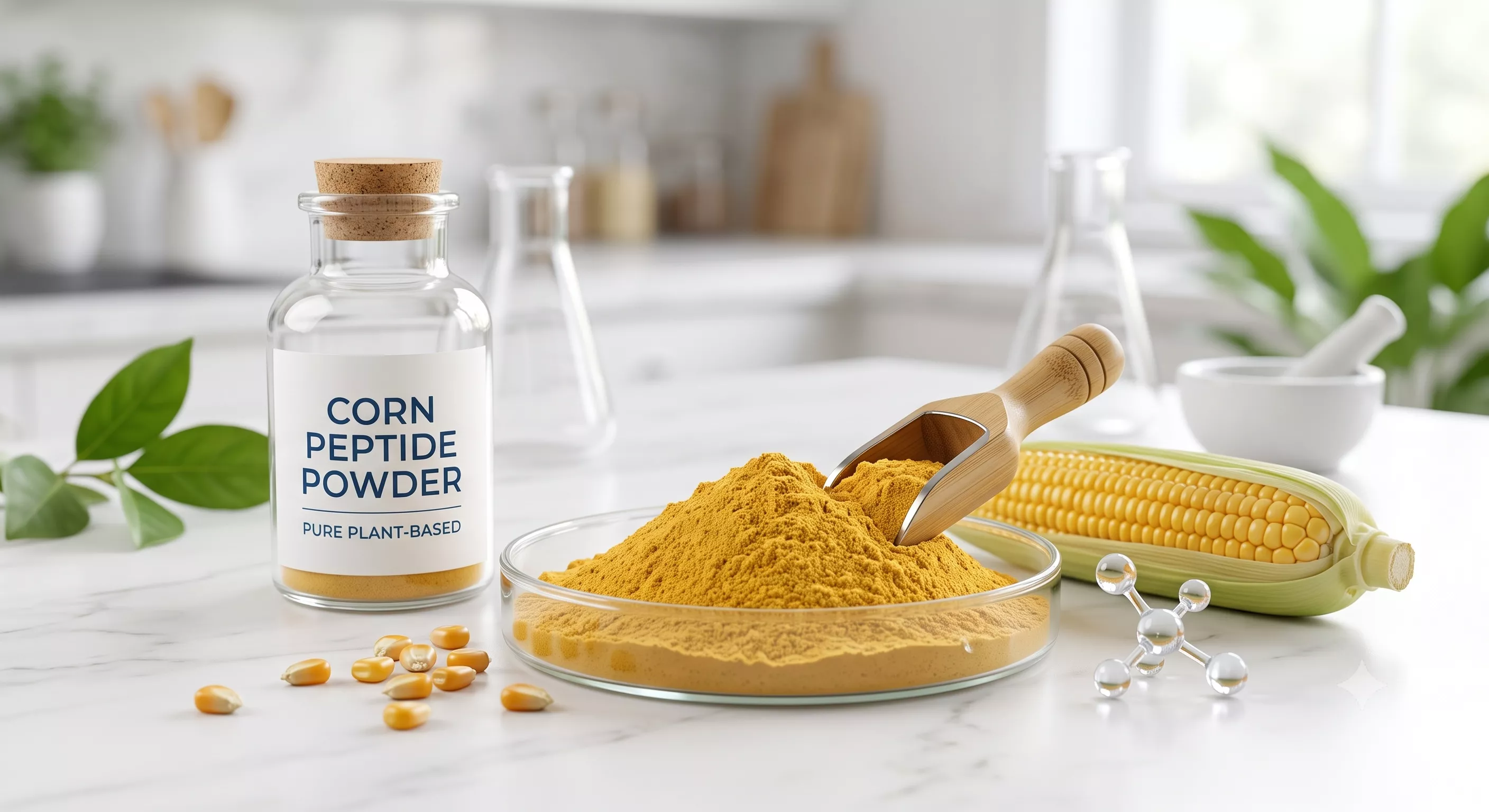
Source high-purity wholesale hydrolyzed corn protein peptide powder in bulk. Over 85% oligopeptides under 1000 Da. Rich in Alanine and Leucine for liver support and sobriety formulas.
Tel:+86 21 65010906
Cell/Whatsapp/Wechat:
+86 13482884055
+86 18657345785
Email: sales@beyondbiopharma.com





User Comments
Service Experience Sharing from Real Customers
Jack
Physical TherapistAs someone who works with joint health daily, I found the market forecast report surprisingly accurate. The data on glucosamine hydrochloride adoption trends in the sports nutrition sector matched what I've observed in my practice. The regional breakdown was particularly useful – though I wish it had more on long-term efficacy studies.
Jacqueline
Procurement ManagerThis forecast saved our team weeks of research! The pricing volatility projections for glucosamine hydrochloride helped us negotiate better contracts with suppliers. The section on Asia-Pacific raw material sourcing was spot-on – we've already adjusted our Q4 strategy based on these insights. Well worth the investment.
Jackson
Fitness CoachDecent overview for someone new to the supplement industry, but as a professional who's followed this market for years, I noticed some gaps in the competitive analysis. The growth predictions for pet joint care applications seem optimistic based on my conversations with distributors. Still, the charts were clear and easy to share with clients.
Jake
Research AnalystThe methodology section was impressively transparent – rare in market forecasts! Their take on regulatory impacts for glucosamine hydrochloride in Europe aligned with our internal models. I'm docking one star because the mobile version of the report tables was clunky to navigate. Overall, a solid reference for our investment committee presentation last month.