 English EN


Bovine gelatin pros and cons everyone should know
Bovine gelatin offers strong gelling and health benefits but has dietary, ethical, and allergen concerns. Compare bovine gelatin to other gelatin options here.
More
When you are sourcing gelatin powder for gummies, softgels, capsules, or functional foods, the first question is always: where does it come from, and does the source affect performance? The answer is yes — and knowing the origin helps you avoid common pitfalls like inconsistent gel strength, off-odor, poor solubility, or certification roadblocks. This guide covers everything a purchasing manager or R&D professional needs to evaluate suppliers.
Commercially, gelatin powder is produced from collagen-rich animal tissues. The four primary sources are:
Each source imparts subtle differences in gel strength, viscosity, clarity, and odor profile. For example, fish gelatin often has a lower melting point, which can be an advantage in certain encapsulation processes but may require formulation adjustments.
The production of gelatin powder involves a multi-step process that converts raw collagen into a stable, functional ingredient. The key stages are:
Modern facilities use fully automatic production lines with stainless-steel sealed piping and automated temperature/pH control to ensure batch-to-batch uniformity. This is especially important for pharmaceutical-grade gelatin where viscosity and bloom must meet tight specifications.
When evaluating gelatin powder, buyers should review the following common specifications. Note that these are typical industry ranges; final values should be confirmed per Certificate of Analysis (COA) and sample.
| Parameter | Typical Range | Notes |
|---|---|---|
| Bloom (gel strength) | 50–300 g | Pharma/gummies often 150–260 Bloom |
| Viscosity | 2.0–5.5 mPa·s | Higher viscosity for softgel shells |
| Mesh size | 8–60 mesh | Coarser for slow dissolution, finer for rapid |
| Moisture | ≤14% | Standard for shelf stability |
| Protein content | ≥90% | Collagen peptides typically higher |
| Molecular weight | 2,000–5,000 Da | Fish collagen often lower (faster absorption) |
Typical industry range; final values per COA / sample. For pharmaceutical applications, additional tests for heavy metals, microbiological limits, and BSE/TSE compliance are standard.
Selecting the right gelatin powder depends on your end use. Here is a breakdown by industry:
For each application, we recommend reviewing the food-grade porcine gelatin for gummies and jellies or ultra-high viscosity gelatin for softgel capsules depending on your process needs.
Beyond Biopharma is a Shanghai, China–based manufacturer specializing in collagen peptides, gelatin, and plant protein peptides for B2B buyers. With over 10 years in the food-ingredient industry, we export to more than 50 countries. Our facility has an annual capacity of approximately 3,000 MT for collagen and 5,000 MT for gelatin, supported by a fully automatic production line, GMP clean workshop, stainless-steel sealed piping, and automated temperature/pH control.
We hold ISO 9001 certification, are US FDA registered, and operate a GMP clean workshop. Select products carry Halal and Kosher certifications (e.g., fish gelatin). Our bovine bone gelatin is BSE-free, and we maintain an in-house lab for heavy-metal and microbiological testing with a dedicated QA/QC team.
Our product lines include standardized gelatin sheets for consistent gels, edible gelatin (bovine, porcine, fish), pharmaceutical gelatin (bovine bone for hard capsules, ultra-high-viscosity for softgels), collagen peptide (fish and bovine), undenatured collagen type II, plant protein peptides (pea, rice, soy), and joint health ingredients (chondroitin sulfate, glucosamine HCl, hyaluronic acid). We offer free samples and formulation support across three grades: food, pharmaceutical, and cosmetic.
Q: What is the difference between gelatin and collagen peptides?
A: Gelatin is partially hydrolyzed collagen that forms a gel when cooled. Collagen peptides are more fully hydrolyzed, with lower molecular weight (2,000–5,000 Da), and dissolve in cold water without gelling. Both are sourced from the same raw materials but serve different functional roles.
Q: How do I choose between bovine, porcine, and fish gelatin?
A: Consider your target market's dietary restrictions (halal, kosher, vegan), required gel strength (bloom), and odor profile. Bovine hide offers high bloom, porcine is versatile, and fish gelatin suits kosher/halal needs with lower melting point.
Q: What certifications should I look for in a gelatin supplier?
A: Key certifications include ISO 9001, FDA registration, GMP, Halal, Kosher, and BSE-free documentation for bovine products. In-house heavy-metal and microbiological testing reports are also important for quality assurance.
Q: Can gelatin powder be used in vegan formulations?
A: Standard gelatin is animal-derived. For vegan applications, consider plant protein peptides (pea, rice, soy) as alternatives. These offer gelling and binding properties without animal origin.
Q: How do I test gelatin quality before placing a bulk order?
A: Request a free sample and a Certificate of Analysis (COA) covering bloom, viscosity, mesh, moisture, protein, and microbiological limits. Conduct a small-scale trial in your own formulation to verify performance.
Q: What is the typical MOQ for pharmaceutical-grade gelatin?
A: MOQ varies by supplier and grade. For custom bulk supply, contact the manufacturer directly with your required grade, bloom, and destination to receive a tailored quote and sample.
To ensure you get the right gelatin powder for your application, please provide the following details when contacting Beyond Biopharma:
We will send free samples and a competitive quote based on your requirements. Our team is ready to support your formulation and selection process.

We provide you with comprehensive foreign trade solutions to help enterprises achieve global development
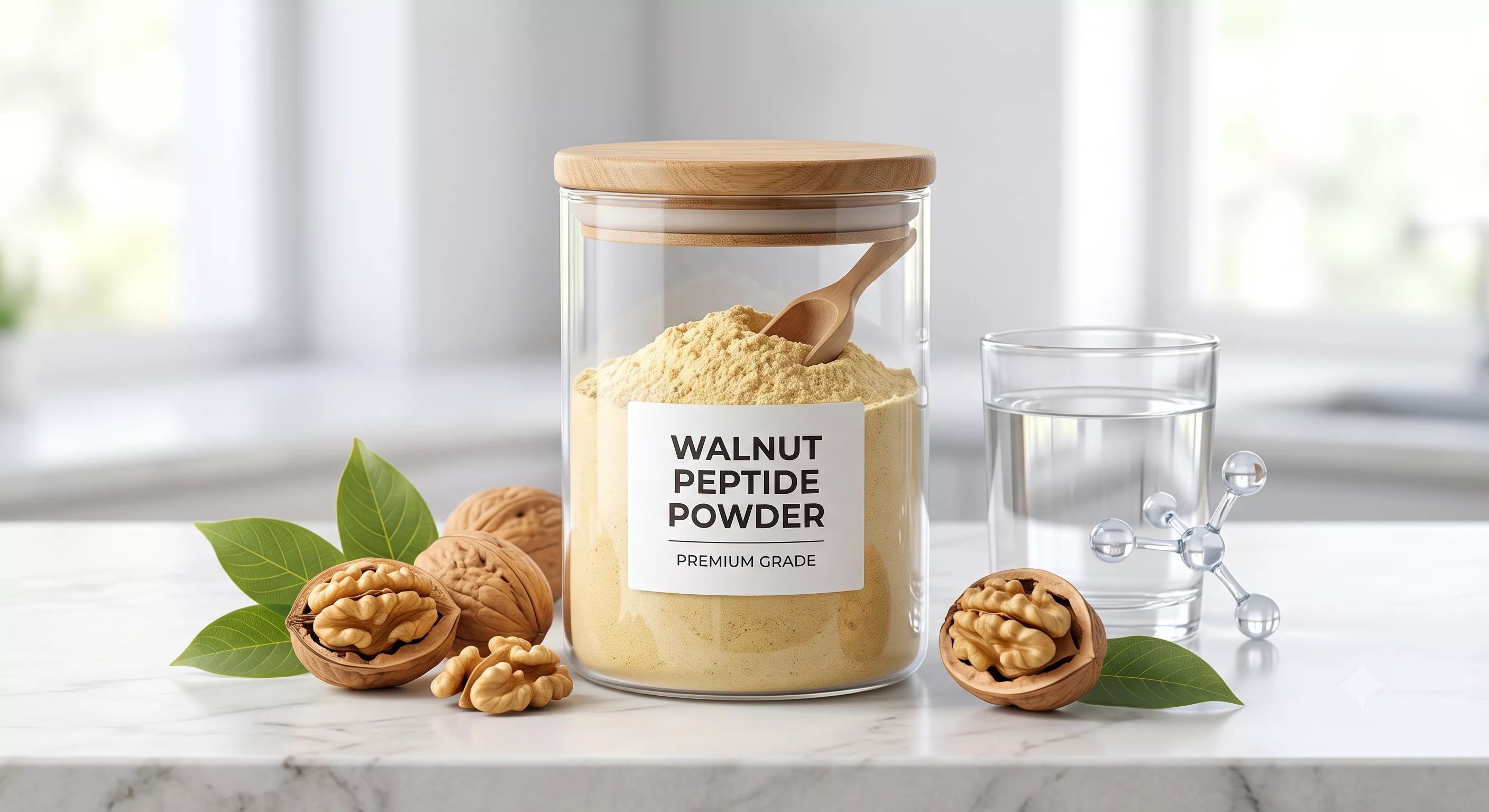
Source wholesale hydrolyzed walnut protein peptide powder in bulk. Over 85% low-molecular-weight oligopeptides rich in Glutamic Acid. Perfect for cognitive formulas and sleep aid supplements.
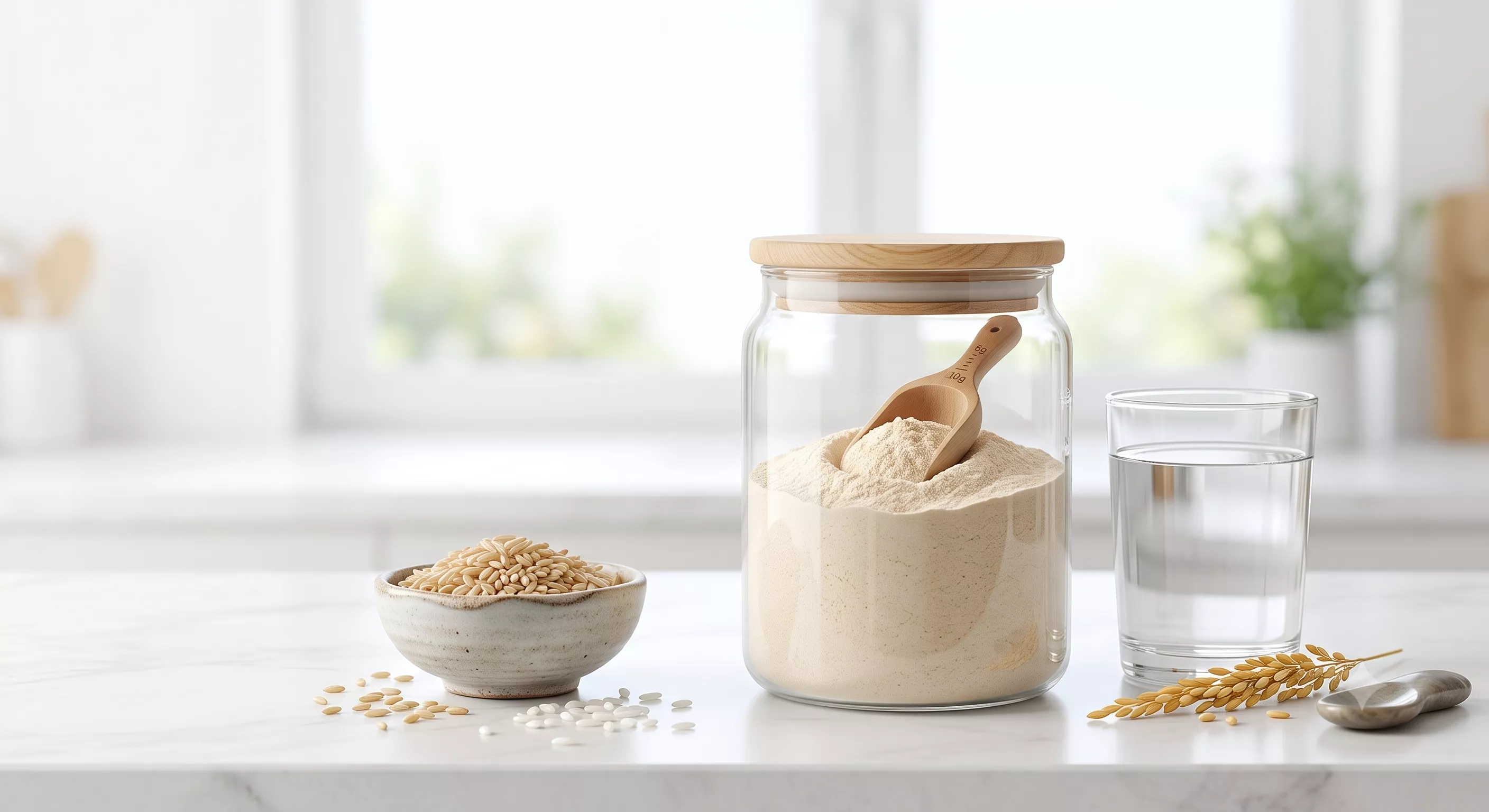
Source ultra-pure, 100% water-soluble wholesale hydrolyzed rice protein peptide in bulk. Over 85% molecules under 1000 Da. Ideal for infant nutrition, clean-label sports formulas, and sensitive skincare.
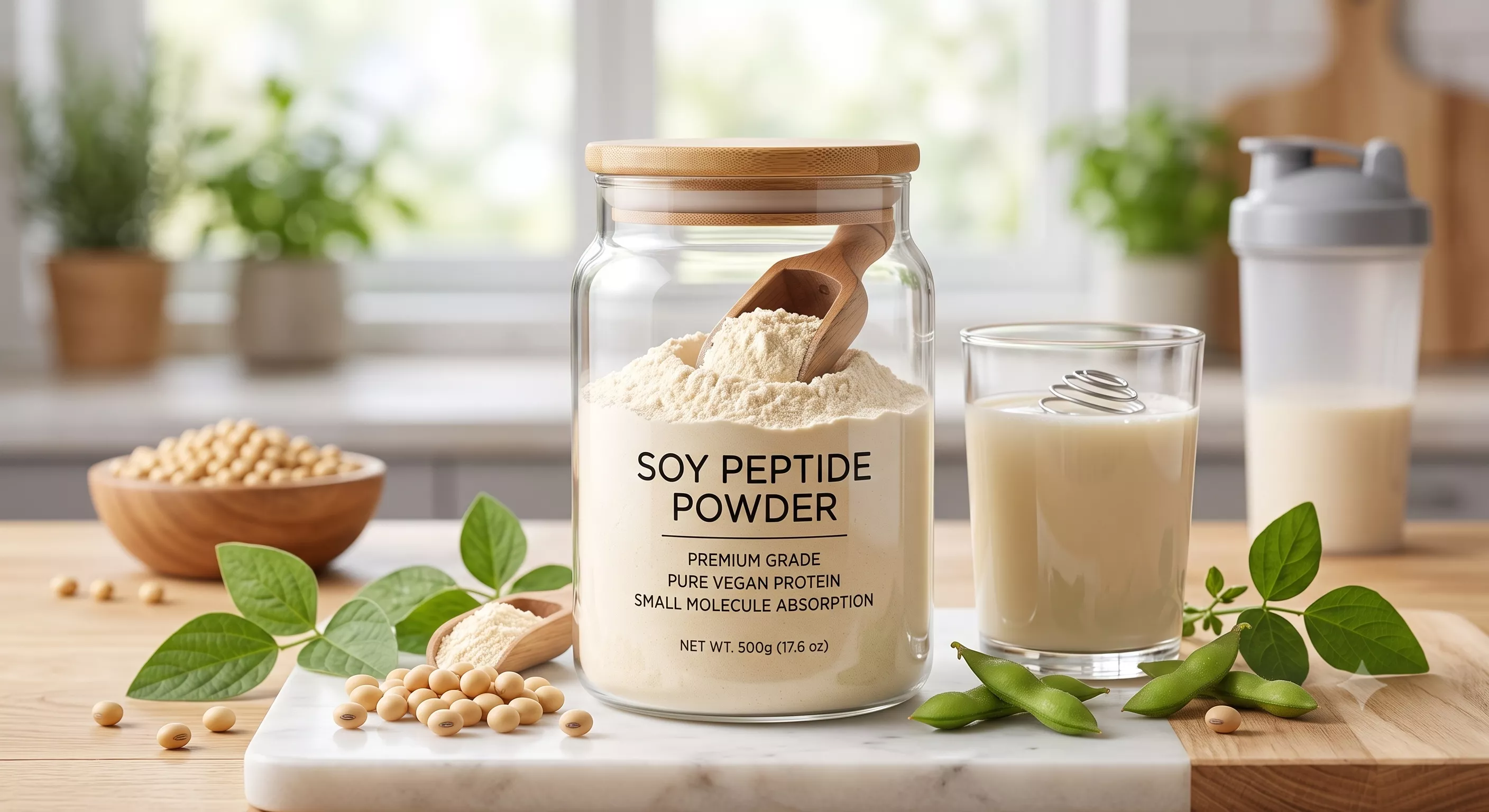
Source ultra-pure, non-GMO hydrolyzed soybean oligopeptide powder in bulk. Complete water solubility, over 80% peptides under 1000 Da. Ideal for sports nutrition and immune recovery formulas.
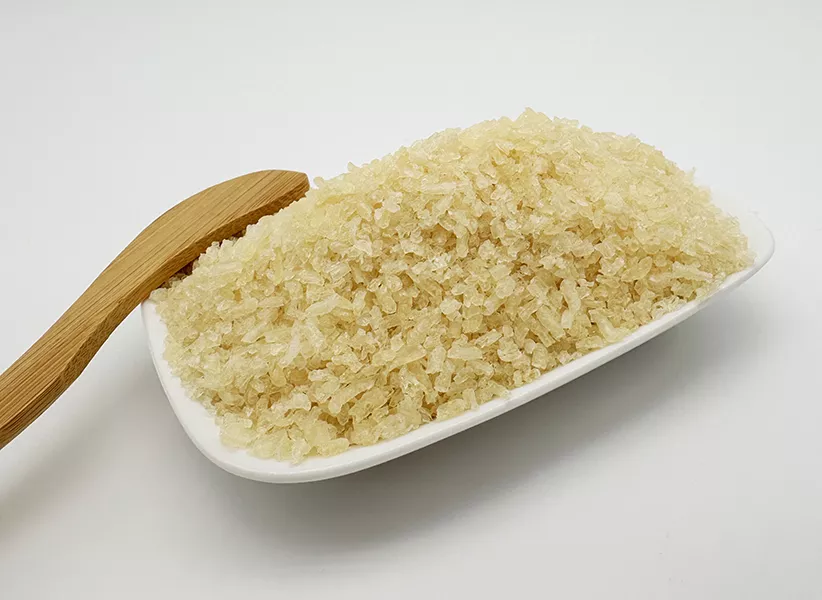
Our Bovine Hides Gelatin is engineered for versatility and compliance, ensuring performance across various applications.
Select the most popular foreign trade service products to meet your diverse needs
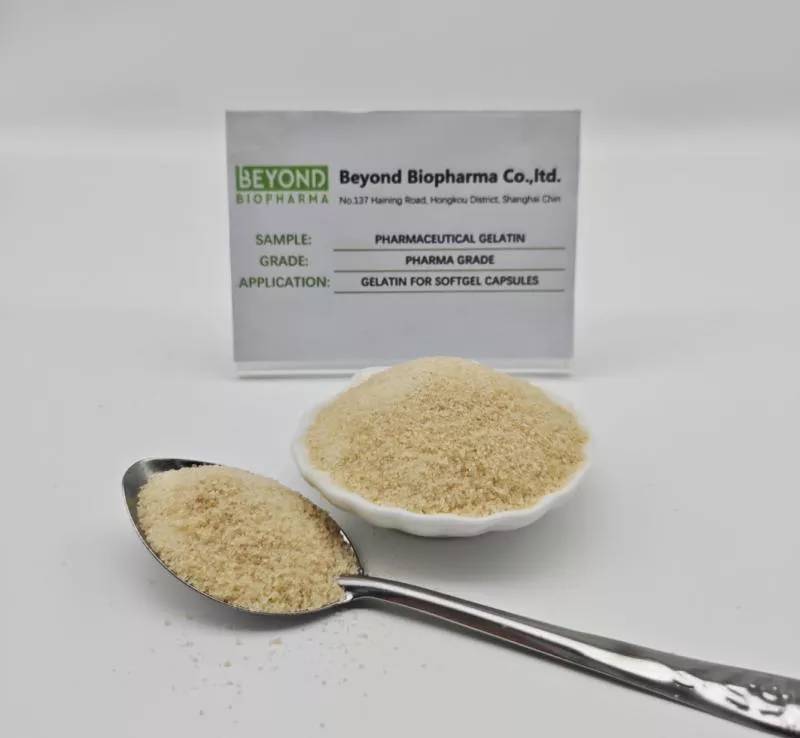
Softgel encapsulation demands a gelatin with unique physical attributes to perform optimally during the high-speed manufacturing process
Source ultra-pure, 100% water-soluble wholesale hydrolyzed rice protein peptide in bulk. Over 85% molecules under 1000 Da. Ideal for infant nutrition, clean-label sports formulas, and sensitive skincare.
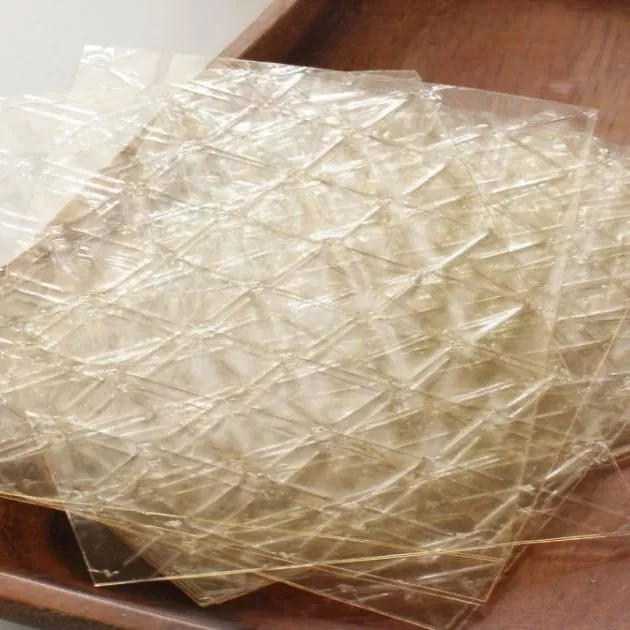
Our Gelatin Sheets are produced to precise standards, ensuring consistency and reliability across different Bloom grades (Silver being the most common professional choice).
Tel:+86 21 65010906
Cell/Whatsapp/Wechat:
+86 13482884055
+86 18657345785
Email: sales@beyondbiopharma.com





User Comments
Service Experience Sharing from Real Customers