
EN
In the world of softgel R&D and manufacturing, gelatin is far more than a simple "filler" or excipient. While procurement teams often view it as a commodity on a specification sheet, the Bloom Value (Gel Strength) is the secret lever that controls everything from film uniformity and machine speed to whether a patient actually receives the active dose on time.
Selecting the right Bloom value isn't just a technical choice—it is a strategic decision that impacts your bottom line.
.webp)
Bloom value measures the rigidity of a gelatin gel. For formulation engineers using the rotary die process, the difference between 160 Bloom and 250 Bloom is night and day:
● Film Formation & Thickness: High-bloom gelatin (e.g., 250g) sets significantly faster on the cooling drums. This rapid gelation allows for thicker, mechanically stronger ribbons that can withstand the high-speed impact of injection without compromising wall thickness. Low-bloom gelatin (e.g., 160g) is more fluid, which can lead to "leakers" or uneven "wonky" capsules if the equipment isn't perfectly calibrated.
● Drying Efficiency: High-bloom gelatin releases water more efficiently during the initial stages of drying, which can significantly shorten tunnel times and increase overall factory throughput.
Choosing a gelatin specification is essentially "buying certainty" for your production environment.
Dimension | 160 Bloom (Low) | 250 Bloom (High) | R&D Insight |
Mechanical Strength | Soft, flexible, high elasticity. | Tough, rigid, high structural integrity. | High bloom is essential for oversized or uniquely shaped capsules to prevent leakage. |
High Humidity (>65% RH) | High Risk: Prone to moisture absorption, stickiness, and softening. | Stable: Better thermal stability and peptide chain control. | High bloom is the "insurance policy" for Southeast Asian markets or monsoon seasons. |
Low Humidity (Dry) | Fragile: Rapid water loss leads to brittle shells. | Resilient: Retains structural toughness even when dry. | Protects product integrity during winter transport. |
Disintegration | Generally faster; less sensitive to contents. | Cross-linking Risk: May require anti-crosslinking agents. | It is a "Formulation Art"—balancing strength with solubility. |

Have you ever had a batch fail its 60-minute disintegration test? It is rarely a single-factor failure; it is often a clash between Bloom value and the fill material.
1. The Double-Edged Sword of 250 Bloom: High-bloom gelatin has a higher α-chain content. When paired with fill materials containing aldehydes (or stored in high heat/humidity), these chains can undergo cross-linking, forming an insoluble "pellicle" on the inner surface of the shell. After 90 days of accelerated stability testing, dissolution rates can plummet.
2. The 160 Bloom Trap: While low-bloom gelatin typically dissolves faster, it is vulnerable to oil migration. When encapsulating oily bases (like olive oil), improper shell formulation can lead to oil penetrating the gelatin matrix, creating a "coated" effect that prevents disintegration within the required timeframe.
Precision in Bloom value isn't just for the lab; it's for the finance department.
Cost Warning: Industry data shows that if Bloom value fluctuations between batches exceed $\pm$10g, the breakage rate during high-speed filling can surge by 300%, directly eroding company profits.
Conversely, high-quality pharmaceutical gelatin maintains a "Bloom Range" within 5g even after 48 months of storage under standard condition.
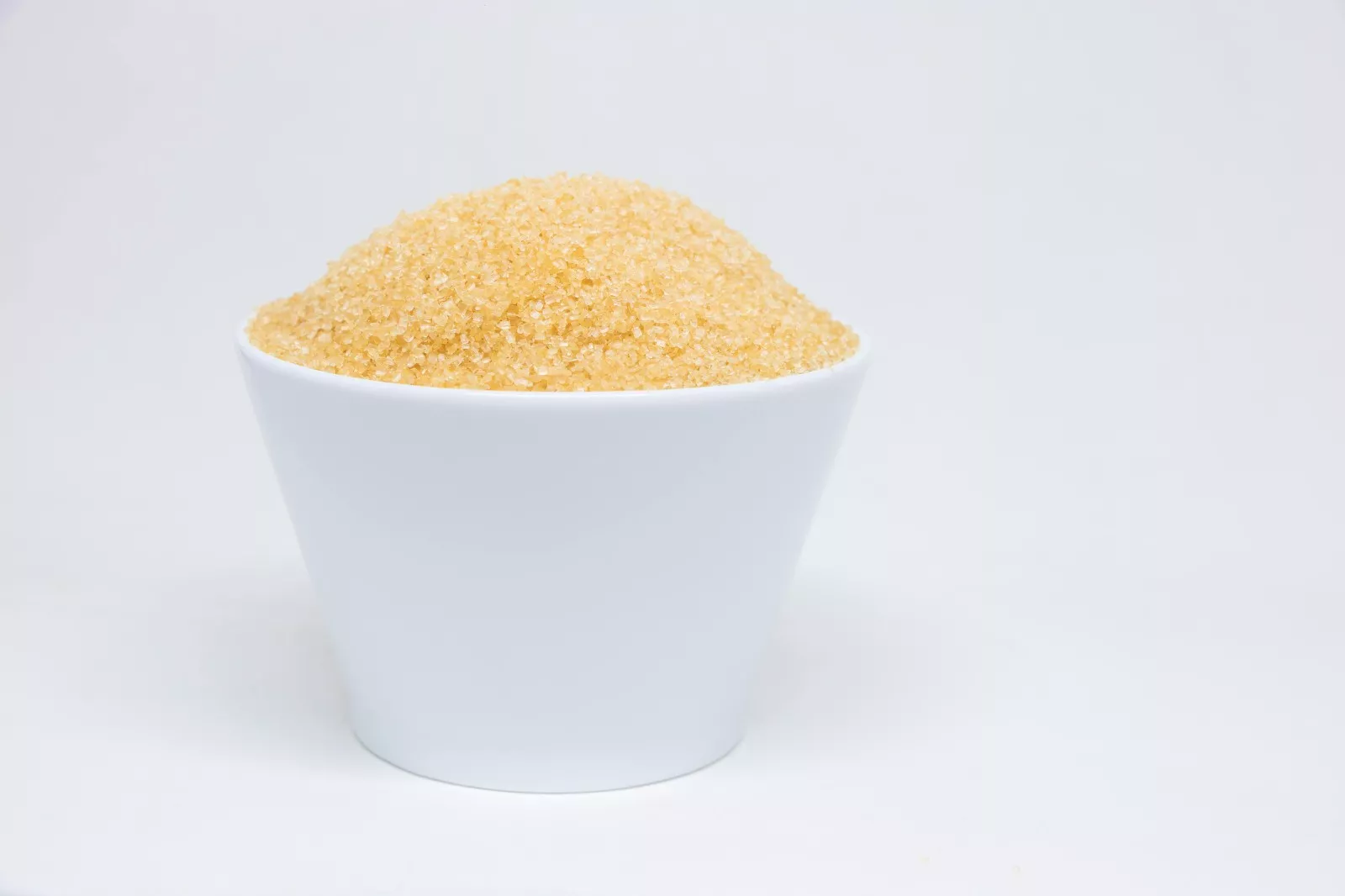
When starting a new project, don't just ask for "gelatin." Partner with a supplier like BEYOND BIOPHARMA to align your specifications with your target market and fill characteristics:
● Choose High Bloom (250g) if you need maximum production speed, lower breakage, and stability in humid climates (just be sure to refine your anti-crosslinking strategy).
● Choose Low Bloom (160g) if your primary goal is rapid drug release and you have a climate-controlled manufacturing and distribution chain.
By selecting the right Bloom value at the outset, you aren't just buying a raw material—you are injecting "Stability" and "Capacity Redundancy" into your product’s entire lifecycle.


Tel:+86 21 65010906
Cell/Whatsapp/Wechat:
+86 13482884055
+86 18657345785
Email: sales@beyondbiopharma.com





 English EN


