 English EN


Bovine gelatin pros and cons everyone should know
Bovine gelatin offers strong gelling and health benefits but has dietary, ethical, and allergen concerns. Compare bovine gelatin to other gelatin options here.
More
When sourcing edible gelatin for food production, understanding the specification sheet is just as important as the price per kilogram. Whether you are formulating gummy candies, dairy desserts, or pharmaceutical capsules, the key parameters—Bloom strength, viscosity, mesh size, and microbiological limits—determine how the gelatin will perform in your process. This guide breaks down the essential specifications you need to review before placing your next order.
The most critical specification for any edible gelatin is its Bloom strength, measured in grams. This value indicates the gel firmness: a 100 Bloom gelatin produces a soft, tender gel suitable for mousses, while a 250–300 Bloom grade works best for chewy gummies or hard capsules. For example, a typical bovine gelatin for confectionery might fall in the 150–250 Bloom range, offering a balance between elasticity and setting speed.
Another key figure is viscosity, usually expressed in mPas at 6.67% concentration and 60°C. Higher viscosity (4.0–6.0 mPas) is preferred for products requiring a thick body, such as fruit jellies, while lower viscosity grades (2.0–3.5 mPas) are chosen for coating or film-forming applications. Always ask your supplier for the viscosity range, as this directly affects your production line's pumping and mixing behavior.
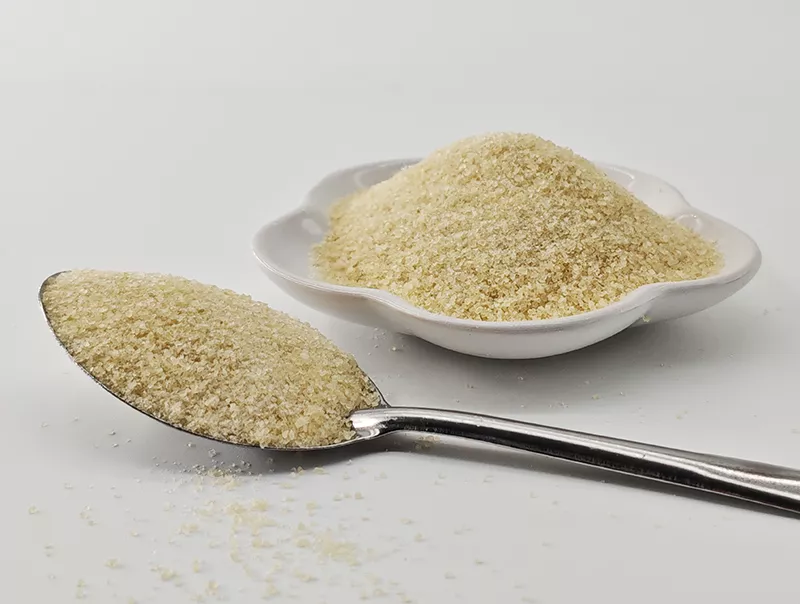
Gelatin is available in different mesh sizes, typically from 8 mesh to 30 mesh. A finer mesh (e.g., 20–30 mesh) dissolves faster in cold water, which is beneficial for high-shear mixing systems. Coarser granules (8–12 mesh) are more dust-free and easier to handle in bulk. For edible applications, most buyers prefer a consistent particle distribution to ensure uniform hydration without clumping.
The gelling and melting temperatures are also listed on the technical data sheet. Standard edible gelatin sets at around 25–30°C and melts at 30–35°C, close to body temperature. This property is essential for a pleasant mouthfeel in desserts. If you are producing products that must withstand warmer climates, request a higher Bloom grade with a slightly elevated melting point.
For food-grade gelatin, the specification must include limits for heavy metals (lead, arsenic, mercury), sulfur dioxide, and peroxides. A reliable supplier will certify that their product meets international standards such as FCC or EP. Microbiological purity is equally critical: total plate count should be below 1,000 CFU/g, with no Salmonella or E. coli detected in 10 g samples.
If your market requires Halal or Kosher certification, confirm that the gelatin source (bovine or fish) and the processing line carry valid certificates. Bovine gelatin from countries with low BSE risk is often preferred for gummy production, while fish gelatin offers an alternative for specific religious dietary laws.
For detailed product specifications, download the relevant data sheets below:
Not all gelatin is created equal. For confectionery, you need a high-clarity grade with low odor and taste. For dairy products, a stabilizer-grade gelatin with balanced Bloom and viscosity prevents syneresis in yogurt. In pharmaceutical hard capsules, a high Bloom (240–300 g) gelatin with tight viscosity control ensures consistent fill weight and dissolution profiles.
When reviewing a specification, always ask for the pH range (typically 4.5–6.5 for edible types) and the ash content (below 2.5%). These values influence the gelatin's interaction with other ingredients, especially in acidic fruit systems.
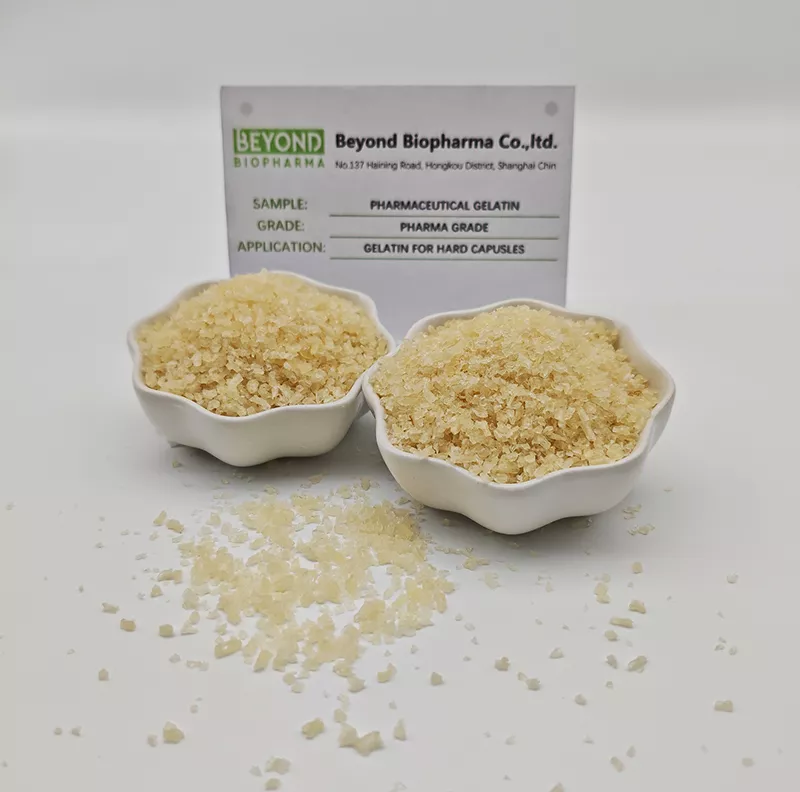
Depending on your application, consider these specialized gelatin grades:
To deepen your understanding of gelatin selection and usage, explore these related articles:
The right specification sheet protects your product quality and your production efficiency. Always request a certificate of analysis (COA) for each batch and verify that the Bloom strength, viscosity, and microbial counts match your agreed-upon parameters. A trustworthy supplier will share these details openly, helping you build a consistent final product.

We provide you with comprehensive foreign trade solutions to help enterprises achieve global development
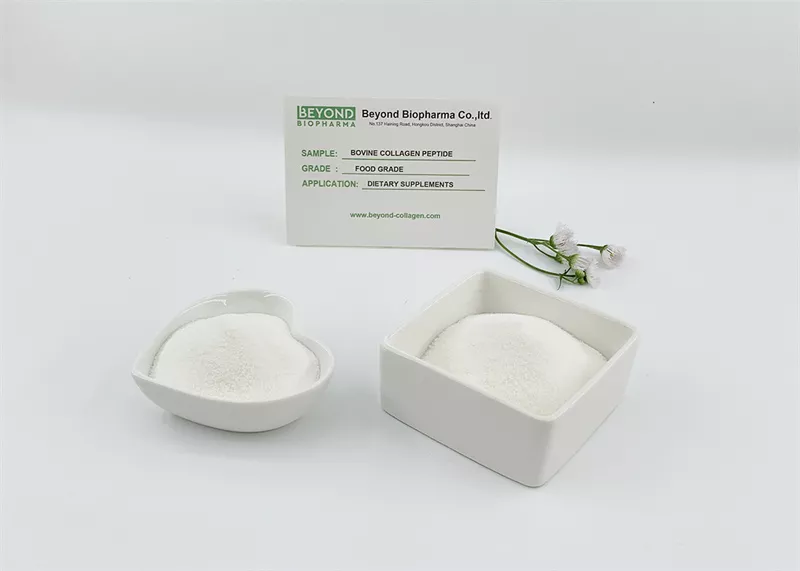
Manufacturer of bovine collagen peptide, shipping in containers all around the world
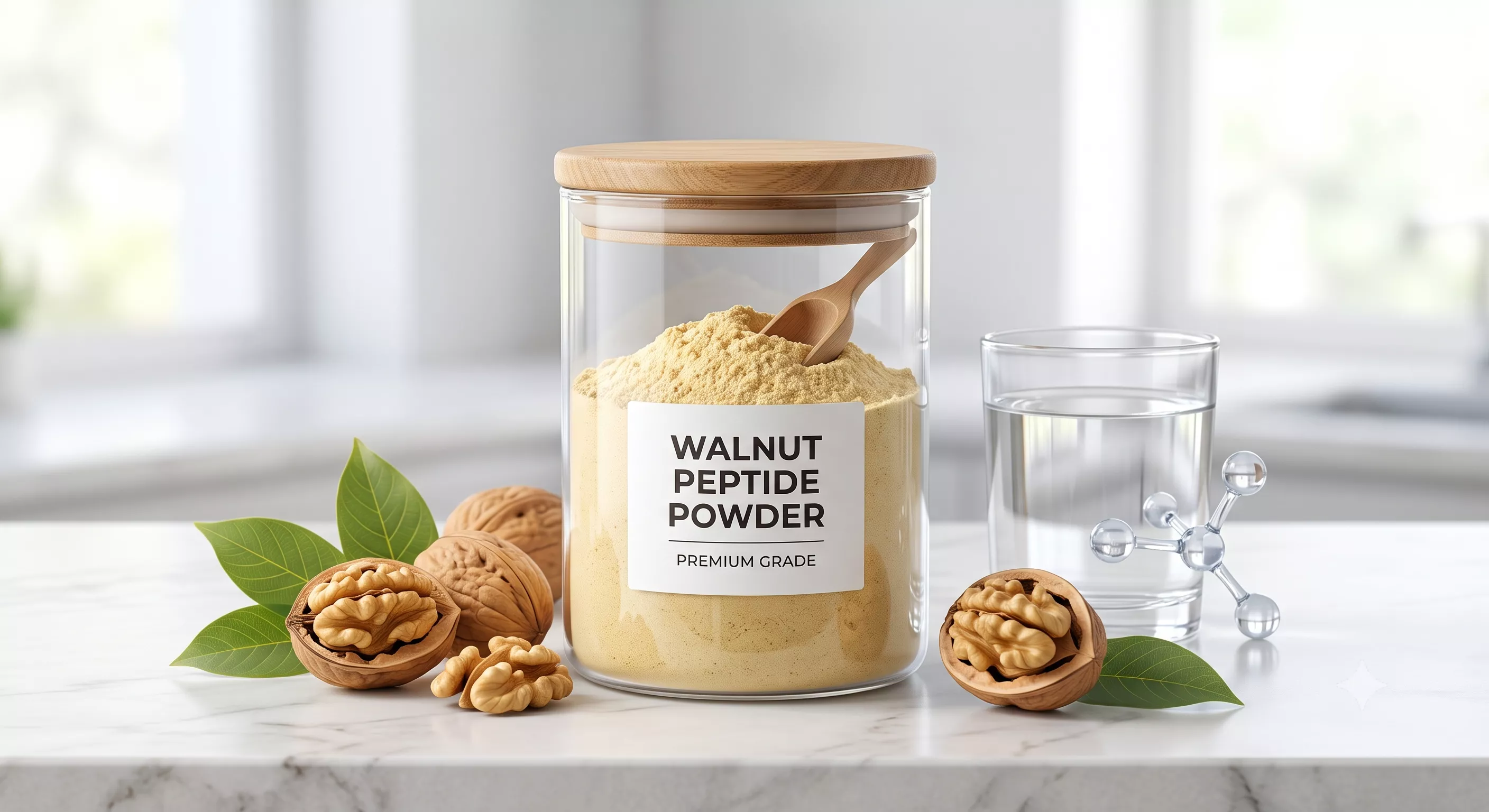
Source wholesale hydrolyzed walnut protein peptide powder in bulk. Over 85% low-molecular-weight oligopeptides rich in Glutamic Acid. Perfect for cognitive formulas and sleep aid supplements.
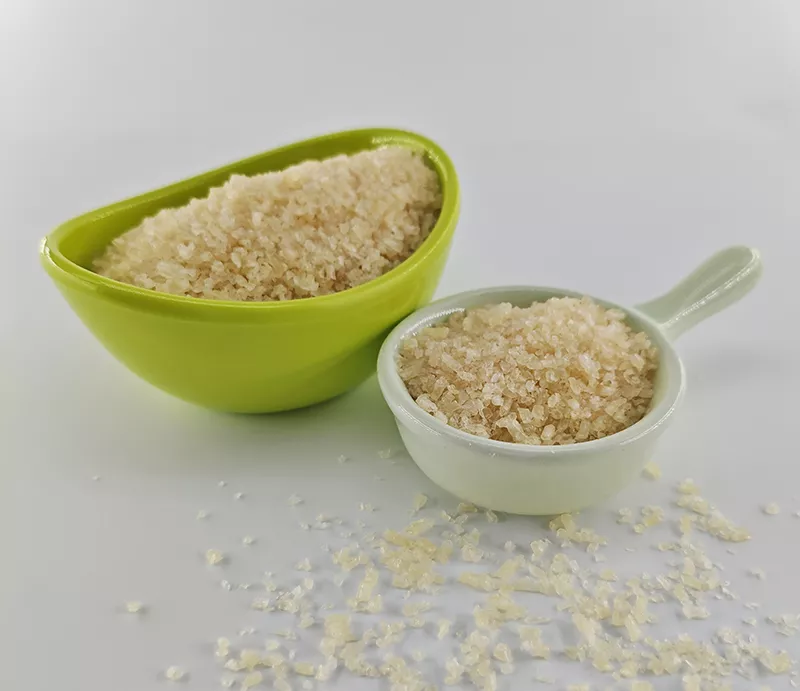
Stability, Swallowing Enhancement, and Controlled Release
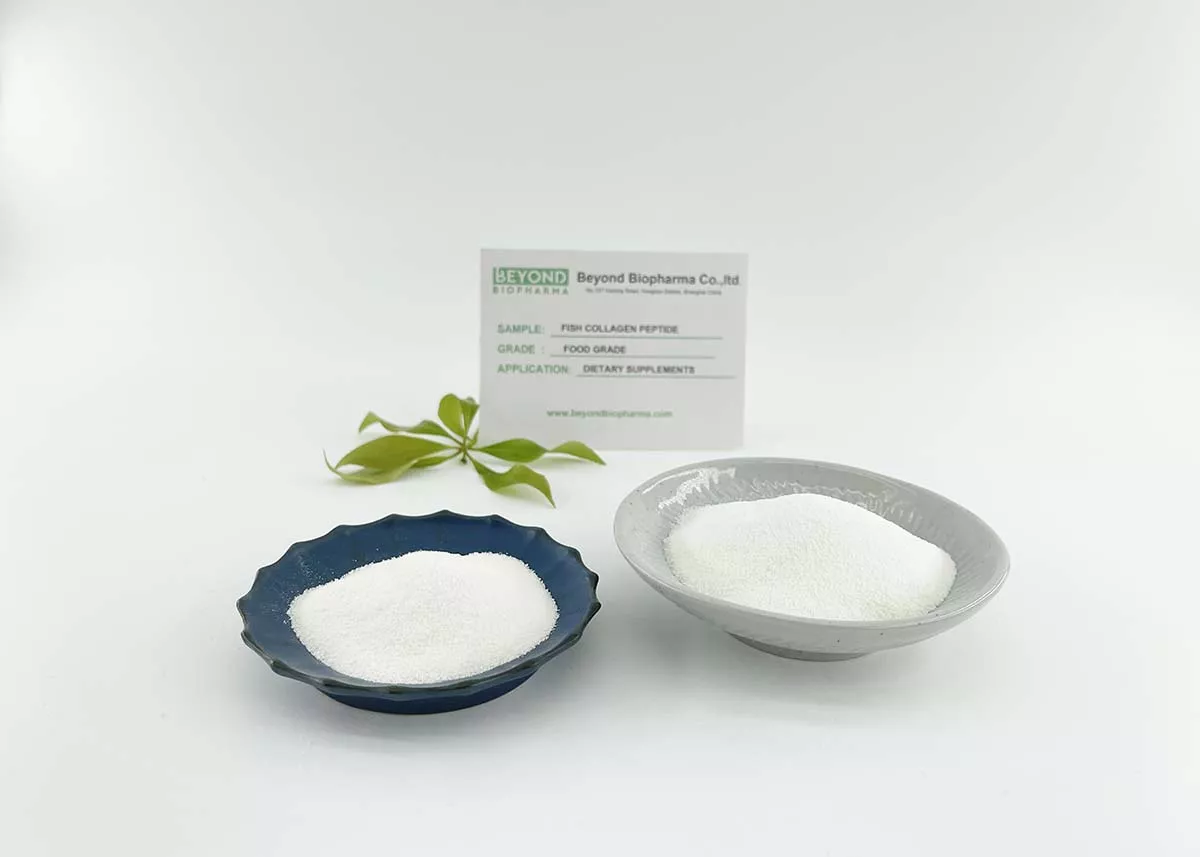
Premium marine-sourced collagen peptides with >90% protein content and low molecular weight (1000-3000 Da) for superior bioavailability. Sustainably sourced, neutral taste, and fully soluble—ideal for nutricosmetics and functional foods.
Select the most popular foreign trade service products to meet your diverse needs
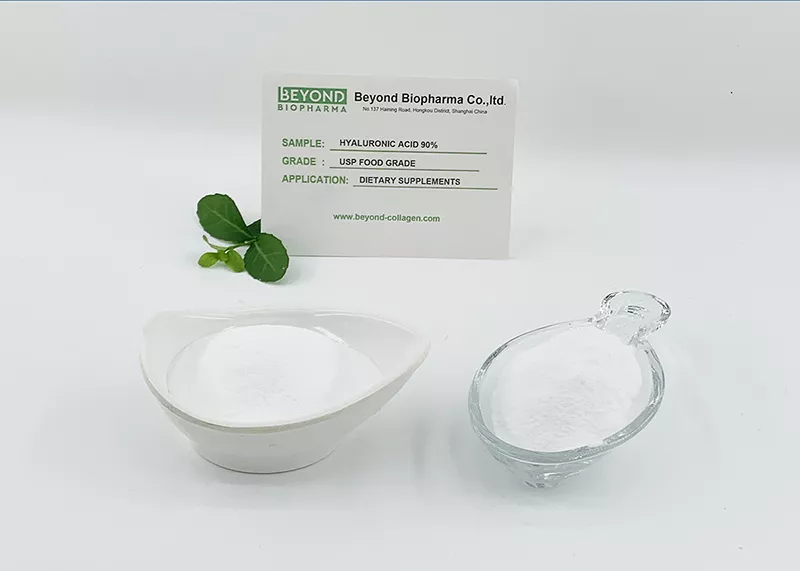
High Molecular Weight for Superior Joint, Skin, and Eye Health.
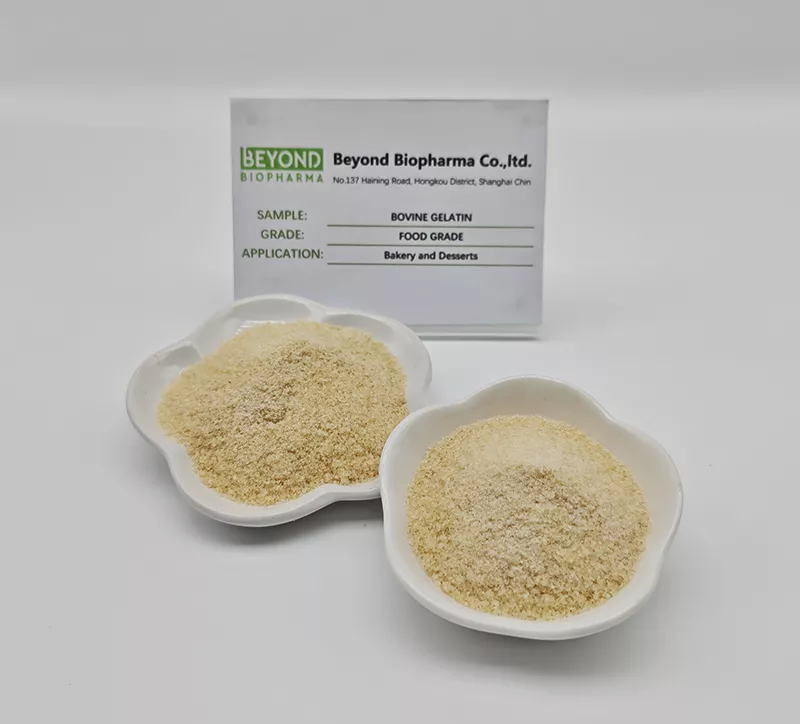
20 years experiences, 5000 ton/year capacity, Sustained supply with stable quality
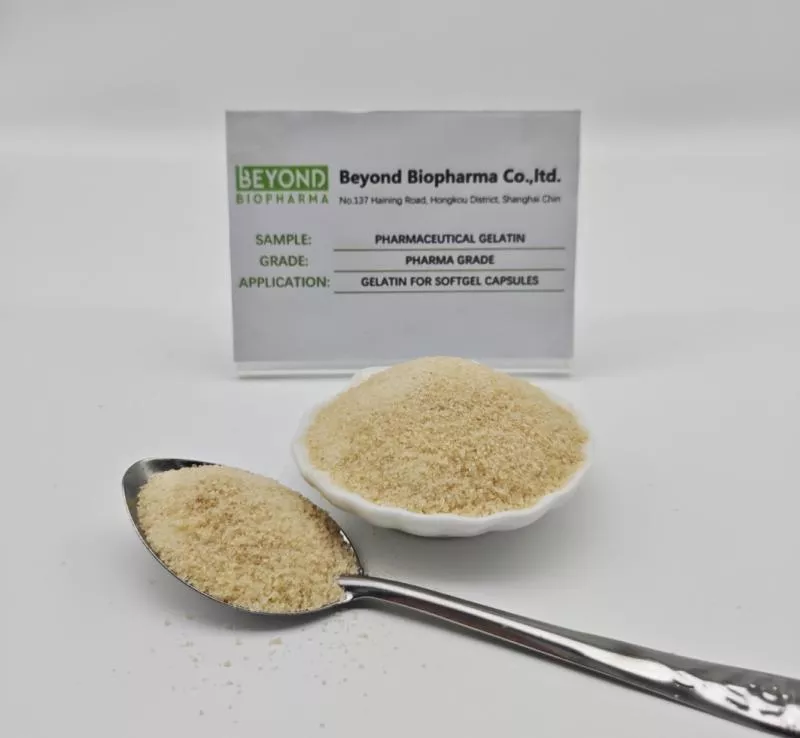
Softgel encapsulation demands a gelatin with unique physical attributes to perform optimally during the high-speed manufacturing process
Tel:+86 21 65010906
Cell/Whatsapp/Wechat:
+86 13482884055
+86 18657345785
Email: sales@beyondbiopharma.com





User Comments
Service Experience Sharing from Real Customers
Marcus Chen
R&D Food TechnologistWe reformulated our gummy line last quarter and switched to this edible gelatin spec after a supplier mess. Bloom strength is consistently 250, which our lab verified twice. The clarity in solution is noticeably better than the previous brand—no haze even at 10% concentration. Setting time is predictable, which saves us real money on the cooling tunnel. If you're in confectionery, this is a solid workhorse.
Priya Patel
Quality Assurance SupervisorWe use this for pharmaceutical capsule shells, so I'm picky about heavy metals and microbial limits. The COA matches the spec sheet every single batch we've received (six so far). Viscosity is a touch higher than our old supplier, so we had to tweak the dipping tank temp by 2 degrees, but once we did, it ran smooth. Only reason for 4 stars is the lead time—took 3 weeks longer than quoted initially.
Tomás Rivera
Pastry Chef / OwnerI run a small artisan patisserie and make my own marshmallows and pâte de fruit. This gelatin is the first one I've found that doesn't smell 'beefy' even when melted gently at 40°C. The gel strength is perfect for a chewy but not rubbery texture. I also love that the particle size is fine enough to bloom without clumping in cold water. My customers noticed the difference in mouthfeel immediately.
Lena Kowalski
Product Development ManagerHonestly, the spec is fine—ash content and pH are within range, and it dissolves cleanly in our collagen drinks. But we had one pallet arrive with slightly yellowed granules on the top layer. It didn't affect the final product color after filtration, but it made me nervous. Customer service was responsive and offered a discount on the next order, but I need consistency, not apologies. Will test one more batch before fully committing.