 English EN


Bovine gelatin pros and cons everyone should know
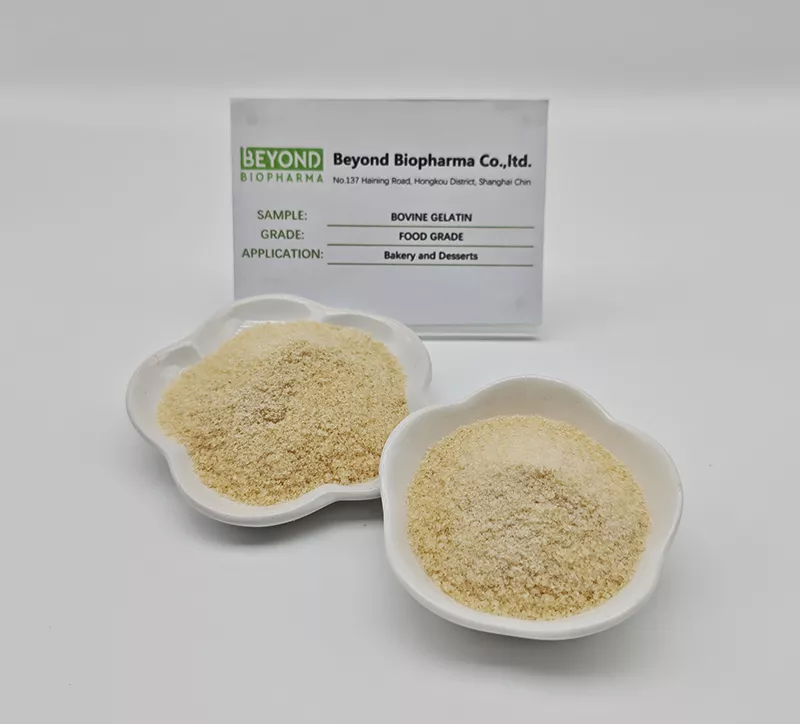
Bovine gelatin offers strong gelling and health benefits but has dietary, ethical, and allergen concerns. Compare bovine gelatin to other gelatin options here.
More
Sourcing edible gelatin for gummies, softgels, or confectionery can feel like a puzzle — batch consistency, bloom strength, odor control, and certification requirements all matter. This guide walks you through the key specs, application fit, and how to evaluate edible gelatin manufacturers so you make a confident buying decision.
If you are a purchasing manager, R&D lead, or QA specialist looking for reliable edible gelatin manufacturers, you already know that not all suppliers deliver the same quality. The difference often comes down to raw material sourcing, process control, and how well the gelatin performs in your specific application — whether that is gummy vitamins, marshmallows, or hard capsules. This article covers what really matters when evaluating suppliers.
Edible gelatin is a natural protein derived from collagen found in animal bones, hides, and fish skin. It is used widely in food, nutraceutical, and pharmaceutical applications for its gelling, thickening, and stabilizing properties. The most common sourcing pain points include inconsistent bloom strength, unpleasant odor or taste, poor solubility, and lack of required certifications such as Halal, Kosher, or BSE-free status. Choosing the right edible gelatin manufacturers helps you avoid these issues from the start.
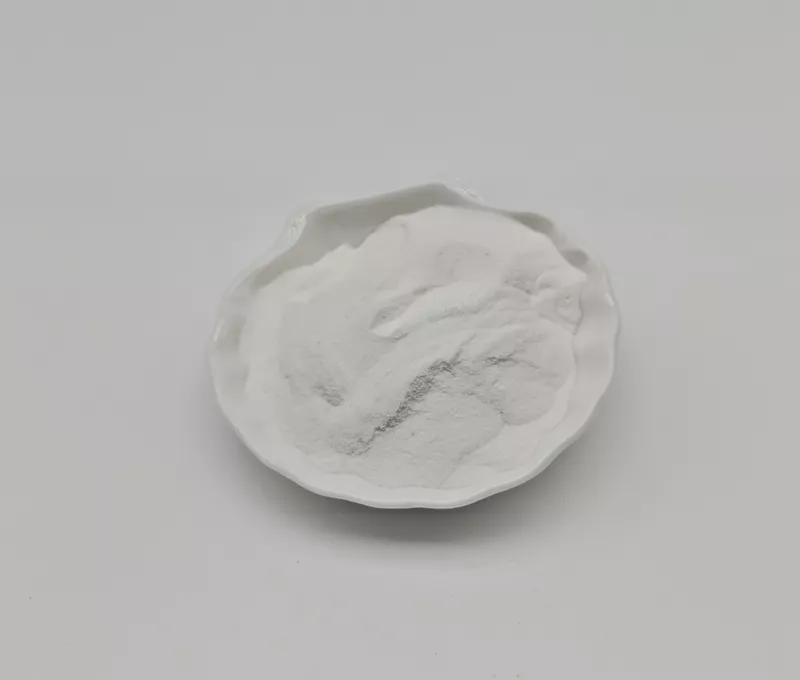
The production process involves controlled hydrolysis of collagen, typically through acid or alkaline treatment followed by extraction, filtration, and drying. Key factors that influence final performance include the source material (bovine hide, porcine skin, or fish skin), the degree of hydrolysis, and the temperature/pH control during processing. For example, high-bloom gelatins (200–260 g) are preferred for gummy candies and softgels, while lower-bloom grades work better in dairy and dessert applications. Molecular weight and viscosity also affect how the gelatin sets and feels in the mouth.
Below is a table of common parameters you should expect from reputable edible gelatin manufacturers. These are typical industry ranges; final values should be confirmed per Certificate of Analysis (COA) and sample testing.
| Parameter | Typical Range | Notes |
|---|---|---|
| Bloom (g) | 50–300 | Pharma/gummies often 150–260 Bloom |
| Viscosity (mPa·s) | 2.0–5.5 | Higher viscosity for softgels |
| Mesh size | 8–60 | Finer mesh dissolves faster |
| Moisture | ≤14% | Lower moisture extends shelf life |
| Protein content | ≥85% | Higher protein = better gel strength |
Typical industry range; final values per COA / sample.
Different end products demand different gelatin grades. Here is a quick selection guide:
Beyond Biopharma, based in Shanghai, China, has been a B2B manufacturer of collagen peptides, gelatin, and plant protein peptides for over 10 years. Our products are exported to more than 50 countries. We operate a fully automatic production line with GMP clean workshops, stainless-steel sealed piping, and automated temperature/pH control. Our annual capacity reaches approximately 3,000 MT for collagen and 5,000 MT for gelatin.
We hold ISO 9001 certification, are US FDA registered, and maintain GMP clean workshop standards. Select products carry Halal and Kosher certifications — for example, our Halal and Kosher verified fish gelatin is a clean-label option for food manufacturers. Our bovine bone gelatin is BSE-free. We have an in-house lab for heavy-metal and microbiological testing, supported by a dedicated QA/QC team. We offer three grades — food, pharmaceutical, and cosmetic — and provide free samples along with formulation and selection support.
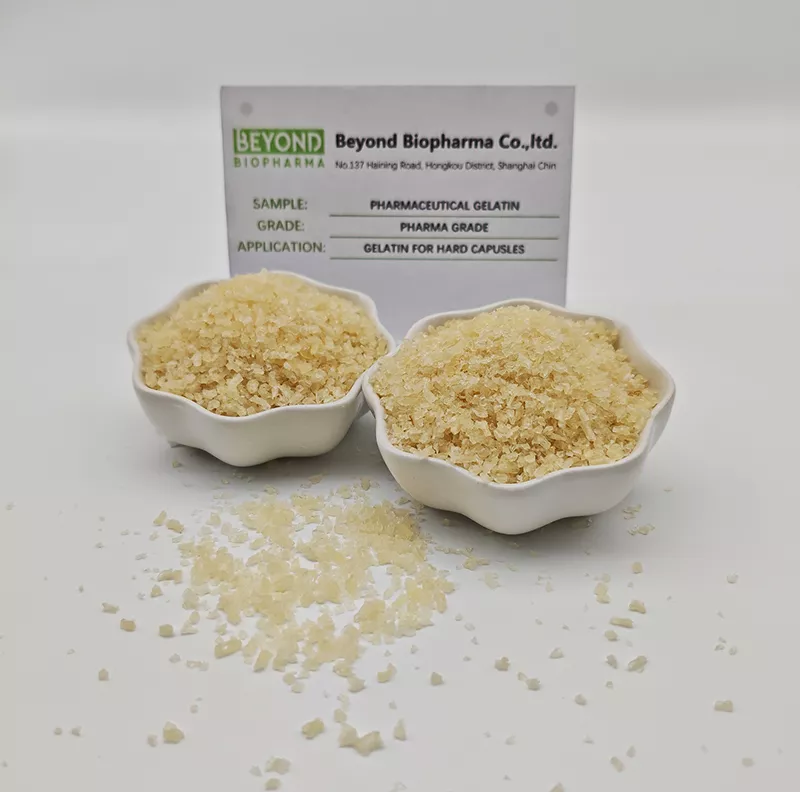
Q: What bloom strength should I choose for gummy vitamins?
A: For gummy vitamins, a bloom of 200–260 g is typical. Higher bloom gives a firmer, chewier texture. Lower bloom results in a softer gel. Always test with your specific formulation.
Q: How can I verify if a gelatin supplier meets Halal or Kosher requirements?
A: Ask for a copy of the current Halal or Kosher certificate from an accredited body. Reputable suppliers like Beyond Biopharma provide these documents upon request and list certified products on their site.
Q: What is the difference between bovine and fish gelatin for food applications?
A: Bovine gelatin has higher bloom and is more heat-stable, ideal for gummies and capsules. Fish gelatin has a lower melting point and is preferred for cold-set applications or where a clean label is needed.
Q: How do I test for batch consistency before placing a large order?
A: Request a free sample and run a small-scale trial in your own lab. Compare bloom, viscosity, pH, and odor against your target specs. Reliable manufacturers provide COA for every batch.
Q: Can I use edible gelatin in vegan or plant-based products?
A: Traditional gelatin is animal-derived. For vegan formulations, consider plant protein peptides such as pea or rice hydrolysates, which can mimic some gelling and textural properties.
Q: What certifications should I look for in edible gelatin manufacturers?
A: Key certifications include ISO 9001, FDA registration, GMP, Halal, Kosher, and BSE-free status for bovine products. These ensure quality, safety, and regulatory compliance.
Ready to source from a trusted edible gelatin manufacturers? Tell us about your application, required grade (food, pharmaceutical, or cosmetic), estimated quantity or MOQ, target specs such as bloom, mesh, molecular weight, and certifications, and your destination country. Beyond Biopharma will send free samples and a tailored quote. Contact our team to start the conversation.

We provide you with comprehensive foreign trade solutions to help enterprises achieve global development
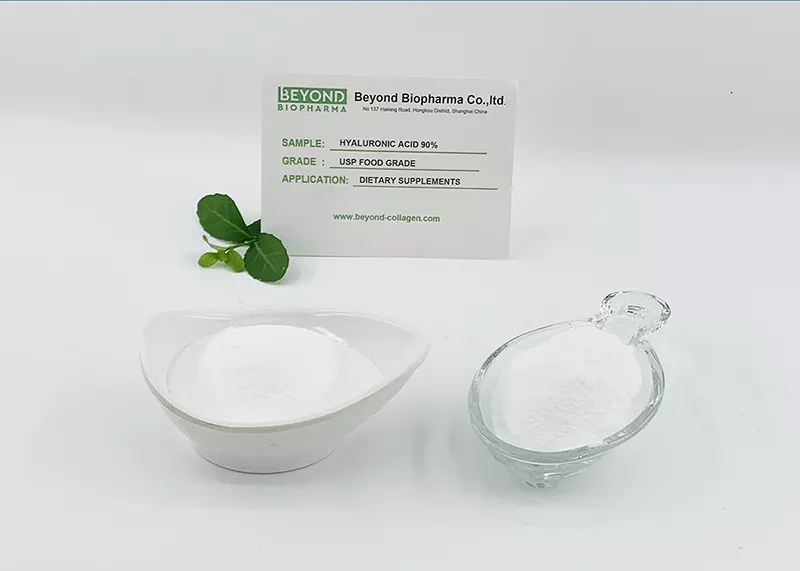
High Molecular Weight for Superior Joint, Skin, and Eye Health.
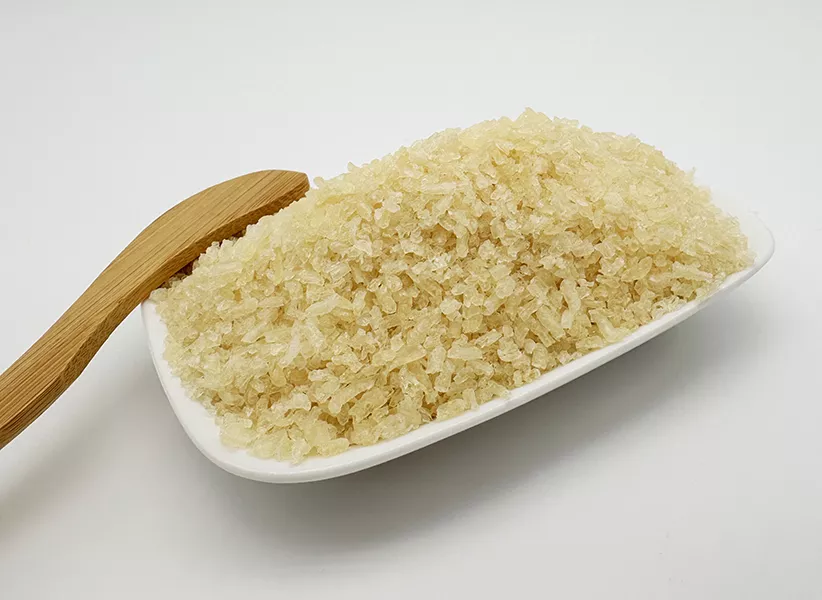
Our Bovine Hides Gelatin is engineered for versatility and compliance, ensuring performance across various applications.
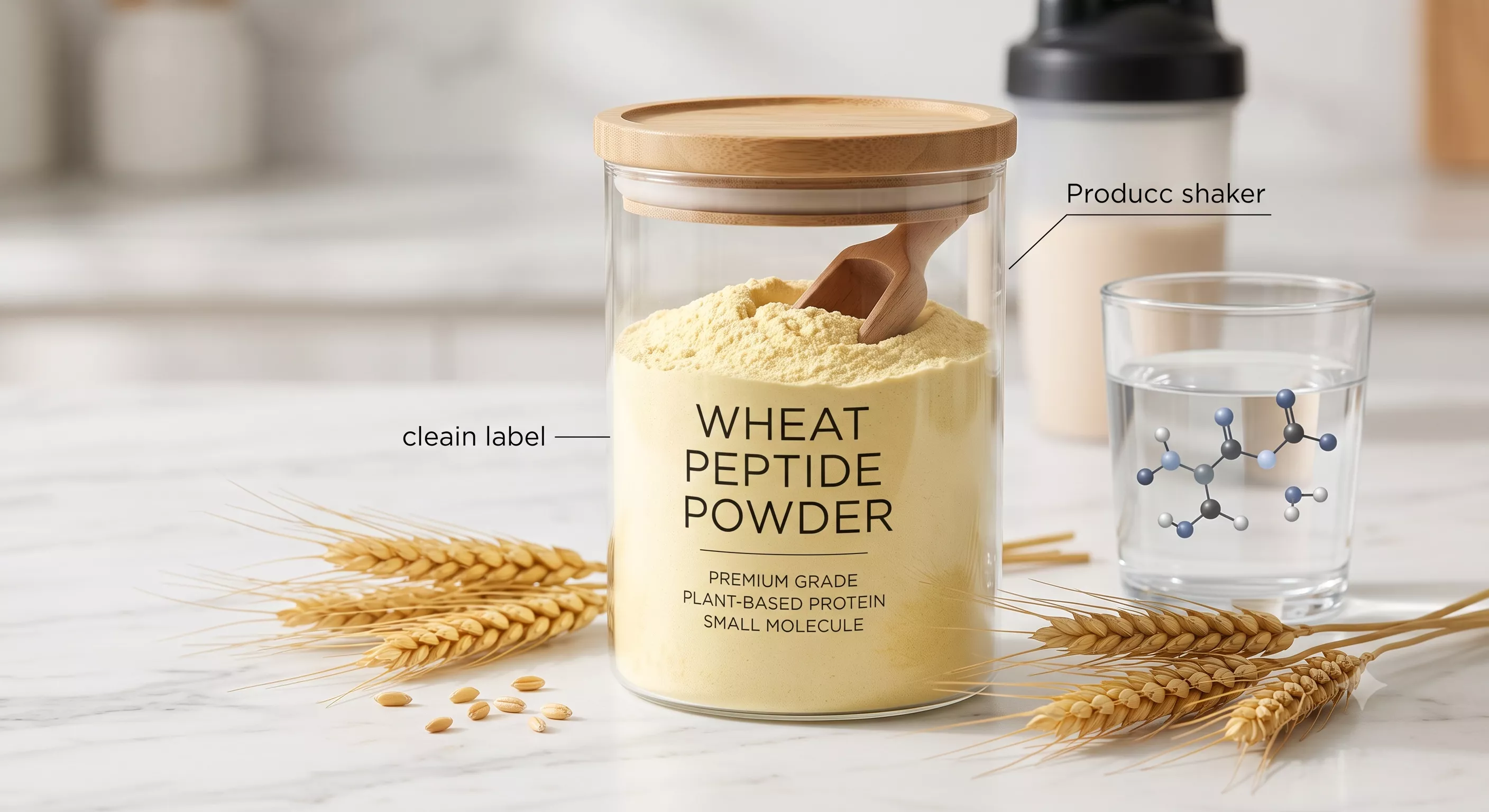
Source ultra-pure, high-solubility wholesale hydrolyzed wheat gluten peptide in bulk. Rich in plant-bound Glutamine ($\ge 25\%$) for muscle recovery and gut barrier health.
20 years experiences, 5000 ton/year capacity, Sustained supply with stable quality
Select the most popular foreign trade service products to meet your diverse needs

Our Gelatin Sheets are produced to precise standards, ensuring consistency and reliability across different Bloom grades (Silver being the most common professional choice).
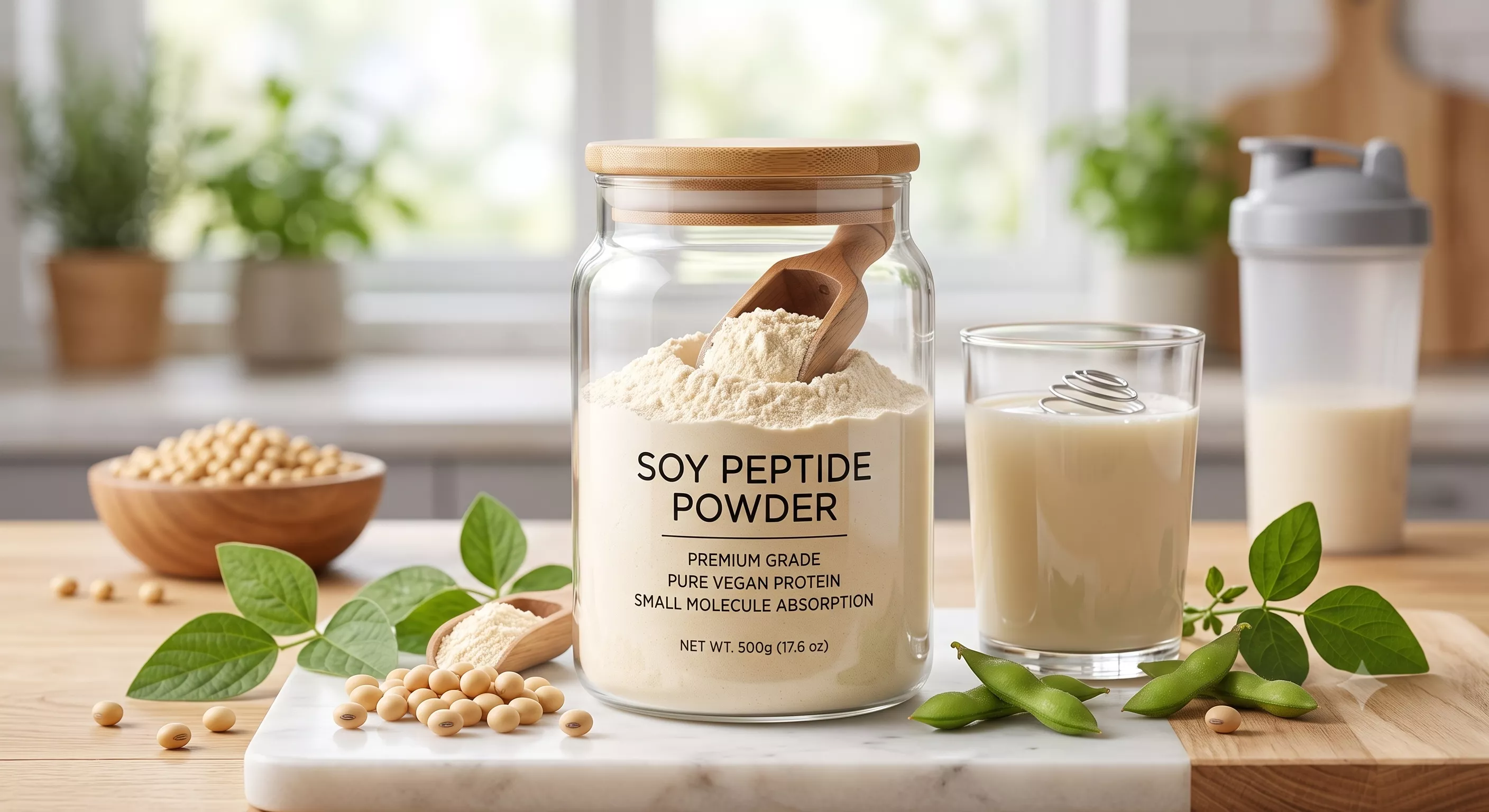
Source ultra-pure, non-GMO hydrolyzed soybean oligopeptide powder in bulk. Complete water solubility, over 80% peptides under 1000 Da. Ideal for sports nutrition and immune recovery formulas.
20 years experiences, 5000 ton/year capacity, Sustained supply with stable quality
Tel:+86 21 65010906
Cell/Whatsapp/Wechat:
+86 13482884055
+86 18657345785
Email: sales@beyondbiopharma.com





User Comments
Service Experience Sharing from Real Customers
Megan
Pastry ChefBeen sourcing from them for about 8 months now. The gelatin is consistently clear and sets perfectly for my panna cottas. Had one batch arrive during a heatwave that was a bit clumpy, but their customer service was quick to send a replacement. Really appreciate that reliability.
Leo
R&D SpecialistAs someone who tests ingredients for a living, their pharmaceutical-grade gelatin is impressive. The bloom strength is exactly as specified on the spec sheet, batch after batch. It's made our capsule prototyping phase so much smoother. A bit pricier, but you get what you pay for.
Chloe
Home-Based ConfectionerI run a small online marshmallow business and was struggling with inconsistent sets from my old supplier. Switched to these guys on a recommendation from a forum. Game changer! My marshmallows are now consistently fluffy and cut cleanly. The 1kg bags are perfect for my scale.
Raj
Procurement ManagerOur mid-sized supplement company needed a supplier that could scale with us. Their documentation is thorough (vital for our audits), lead times are reliable, and the product purity meets our strict standards. The sales rep, Sarah, actually understands our industry needs. Solid partner.