 English EN


Bovine gelatin pros and cons everyone should know
Bovine gelatin offers strong gelling and health benefits but has dietary, ethical, and allergen concerns. Compare bovine gelatin to other gelatin options here.
More
For overseas buyers in the food, pharmaceutical, and nutraceutical industries, finding a consistent source of edible gelatin can be a challenge. Batch-to-batch variability, off-odors, poor solubility, and complex certification requirements often cause delays and reformulation costs. Understanding the fundamental properties of gelatin and how they translate to your final product is the first step toward a smarter sourcing decision.
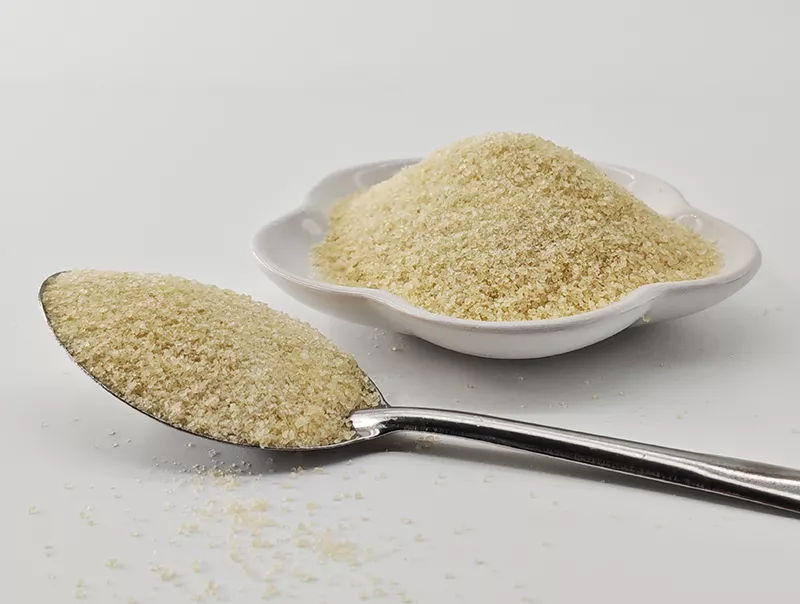
Edible gelatin is a natural protein derived from collagen found in animal hides, bones, and connective tissues. The production process involves controlled hydrolysis — breaking down collagen into smaller protein chains — followed by filtration, concentration, drying, and milling. This process determines the gelatin's bloom (gel strength), viscosity, and molecular weight profile. For pharmaceutical and gummy applications, a bloom range of 150–260 g is typical, while lower bloom values (50–150 g) are often used in dairy and confectionery products. These are generic industry ranges; final values should always be confirmed per Certificate of Analysis (COA).
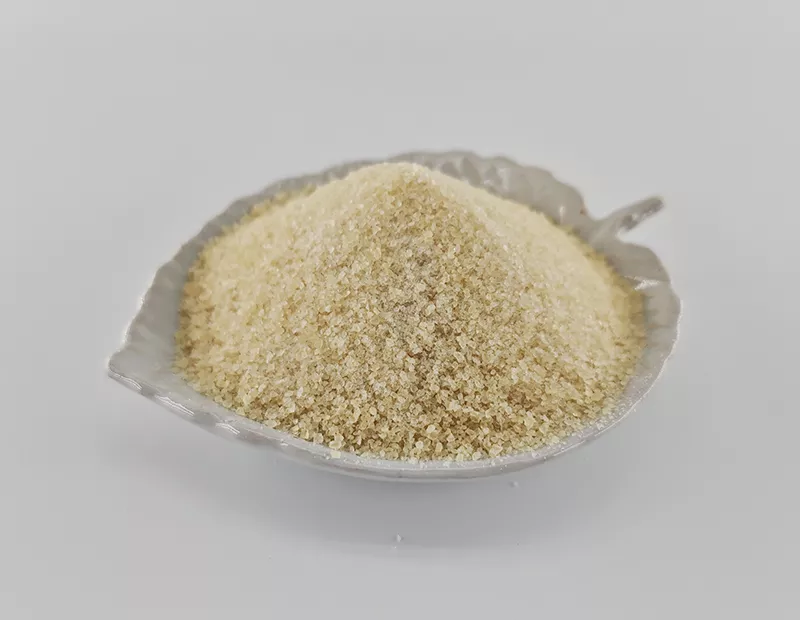
When evaluating suppliers, focus on these measurable specs. The table below summarizes typical industry ranges for edible gelatin. Always request a COA from your supplier to verify the specific lot.
| Parameter | Typical Industry Range | Common Application Notes |
|---|---|---|
| Bloom (g) | 50–300 | 150–260 Bloom for gummies and hard capsules; lower bloom for marshmallows and dairy. |
| Viscosity (mPa·s) | 2.0–5.5 | Higher viscosity preferred for softgel shells and micro-encapsulation. |
| Mesh Size | 8–60 mesh | Finer mesh (e.g., 30–60) dissolves faster; coarser mesh for slow-release applications. |
| Moisture | ≤14% | Lower moisture improves shelf life and microbial stability. |
*These are typical industry ranges. Final values per COA / sample.
The performance of edible gelatin depends on its source (bovine, porcine, or fish) and its processing parameters. For gummies and softgels, a high-bloom gelatin (200–260 g) provides the firm, chewy texture consumers expect. In hard capsules, gelatin with consistent viscosity ensures uniform shell thickness and dissolution. For sports nutrition and beauty-from-within products, collagen peptides — a hydrolyzed form of gelatin with a molecular weight of 2,000–5,000 Da — offer rapid absorption and high solubility. Fish collagen peptides, for example, typically have a lower molecular weight, which may support faster uptake.
Selecting the right grade is essential. Beyond Biopharma offers three grades: food, pharmaceutical, and cosmetic. For gummy candies and jellies, food-grade food-grade porcine gelatin is a reliable choice. For hard capsules, pharmaceutical-grade bovine bone gelatin with high bloom is preferred. If you need a clean-label, halal or kosher option, halal and kosher verified fish gelatin is an excellent alternative. For softgel production, consider ultra-high-viscosity gelatin for softgel capsules to achieve stable, leak-resistant shells.
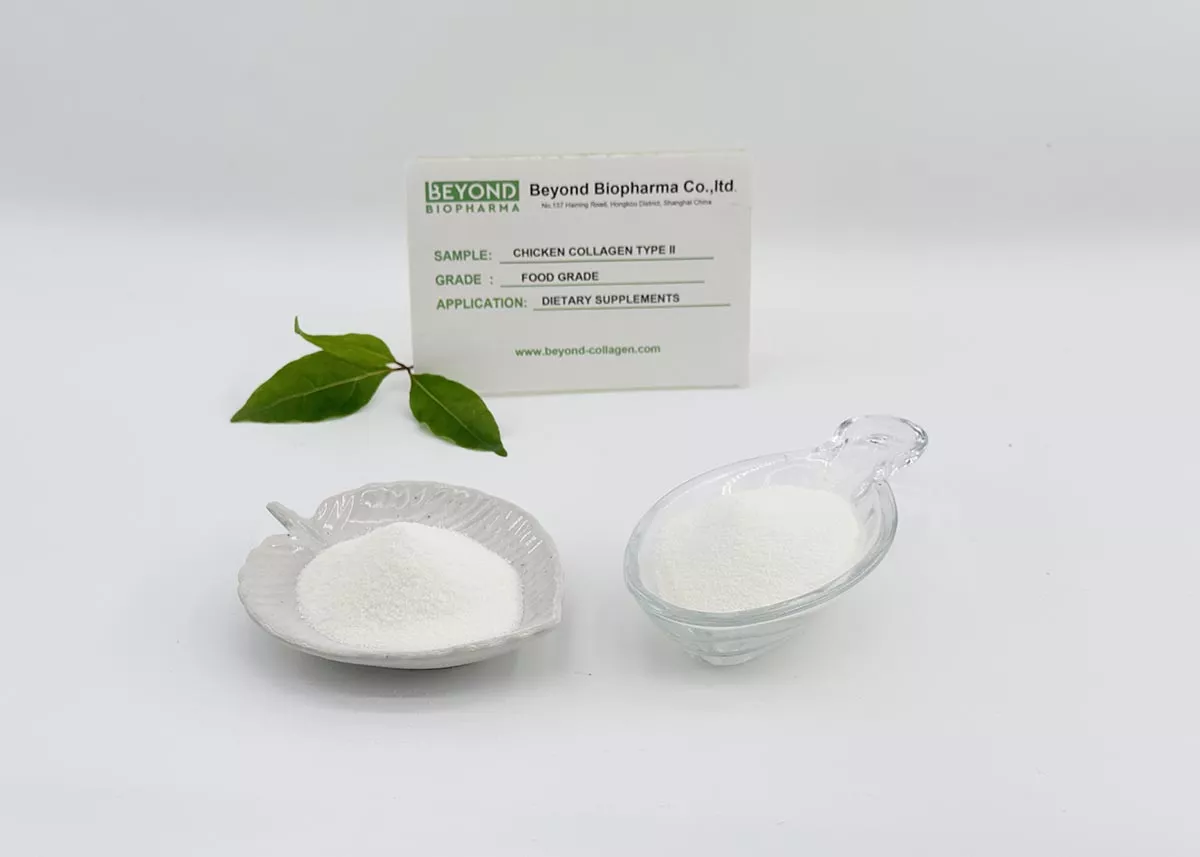
Beyond Biopharma is a Shanghai-based manufacturer with over 10 years of experience in the food-ingredient industry. Our products are exported to more than 50 countries. We operate fully automatic production lines in GMP clean workshops, with stainless-steel sealed piping and automated temperature and pH control. Our annual capacity is approximately 5,000 MT for gelatin and 3,000 MT for collagen peptides. We hold ISO 9001 certification, are US FDA registered, and select products carry Halal or Kosher certification. Our bovine bone gelatin is BSE-free, and our in-house lab performs heavy-metal and microbiological testing on every batch. We offer free samples and formulation support across three grades: food, pharmaceutical, and cosmetic.
Q: What is the difference between edible gelatin and collagen peptides?
A: Edible gelatin is partially hydrolyzed collagen that forms a gel when cooled. Collagen peptides are more fully hydrolyzed, resulting in lower molecular weight (typically 2,000–5,000 Da) and cold-water solubility. Both are derived from the same raw materials but serve different functional roles.
Q: Can I use fish gelatin as a substitute for bovine or porcine gelatin?
A: Yes, fish gelatin is a viable alternative, especially for halal, kosher, or pescatarian formulations. It typically has a lower melting point and may require adjustments in bloom and viscosity. Beyond Biopharma offers halal and kosher verified fish gelatin that is compatible with many standard recipes.
Q: What certifications should I look for when sourcing edible gelatin?
A: Key certifications include ISO 9001, FDA registration, Halal, Kosher, and BSE-free documentation. For pharmaceutical applications, GMP compliance is essential. Always request a COA that includes bloom, viscosity, mesh, moisture, and microbial limits.
Q: How do I ensure batch-to-batch consistency in gelatin supply?
A: Work with a manufacturer that uses automated production lines and in-house QA/QC labs. Beyond Biopharma's fully automatic system with temperature and pH control, combined with dedicated QA/QC testing, ensures consistent quality across batches.
Q: What is the typical shelf life of edible gelatin?
A: When stored in a cool, dry place away from direct sunlight, edible gelatin typically has a shelf life of 2–3 years. Moisture content below 14% is critical for long-term stability.
Ready to source high-quality edible gelatin for your next product? Share your application details, required grade (food, pharmaceutical, or cosmetic), estimated quantity or MOQ, target specifications (bloom, mesh, viscosity, molecular weight, certifications), and destination country. Beyond Biopharma will provide a customized quote and free sample for evaluation. Our team is ready to support your formulation and selection needs.

We provide you with comprehensive foreign trade solutions to help enterprises achieve global development
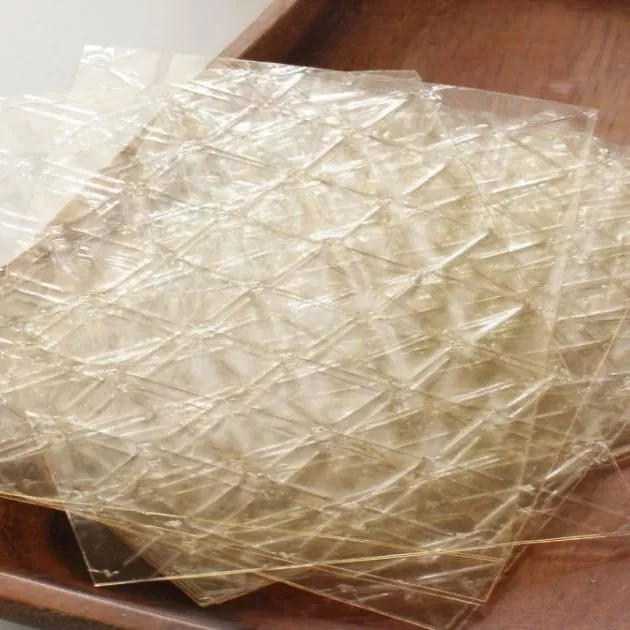
Our Gelatin Sheets are produced to precise standards, ensuring consistency and reliability across different Bloom grades (Silver being the most common professional choice).
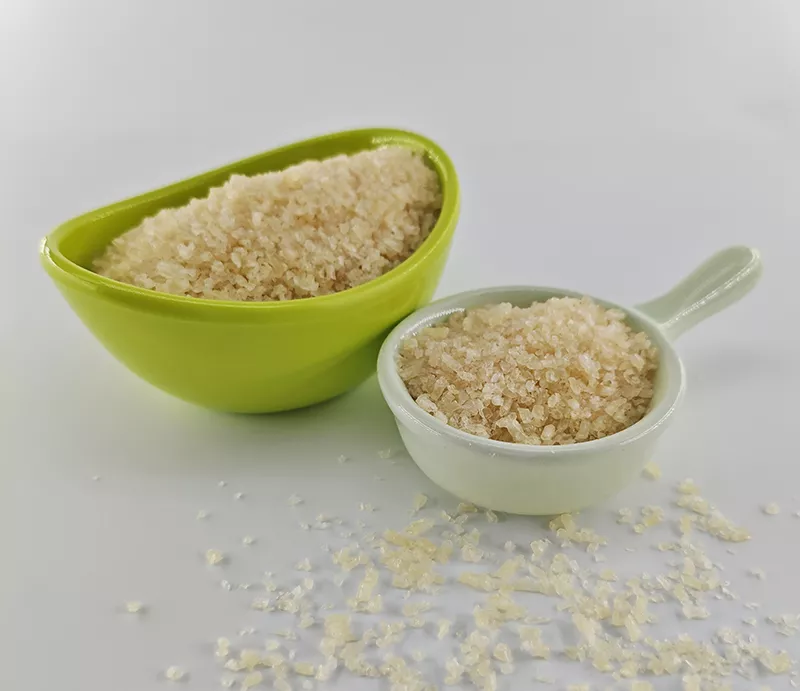
Stability, Swallowing Enhancement, and Controlled Release
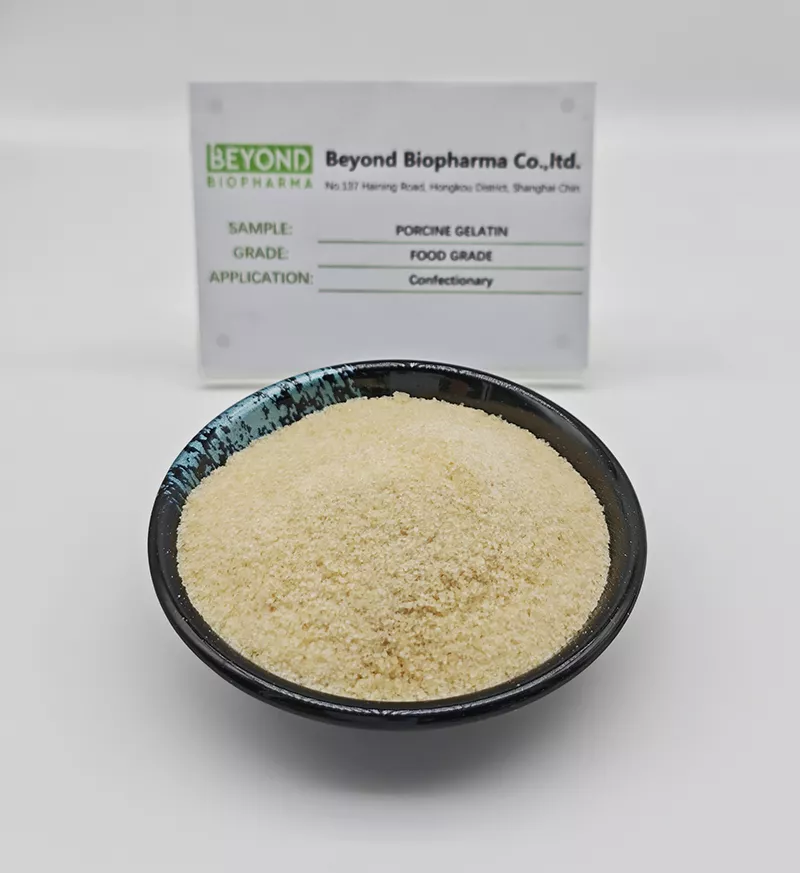
Food-grade porcine gelatin is a highly versatile and cost-effective natural protein derived from the collagen found in pig skin and bones. It is a premier gelling agent known for its exceptional clarity, neutral taste, and thermal reversibility.
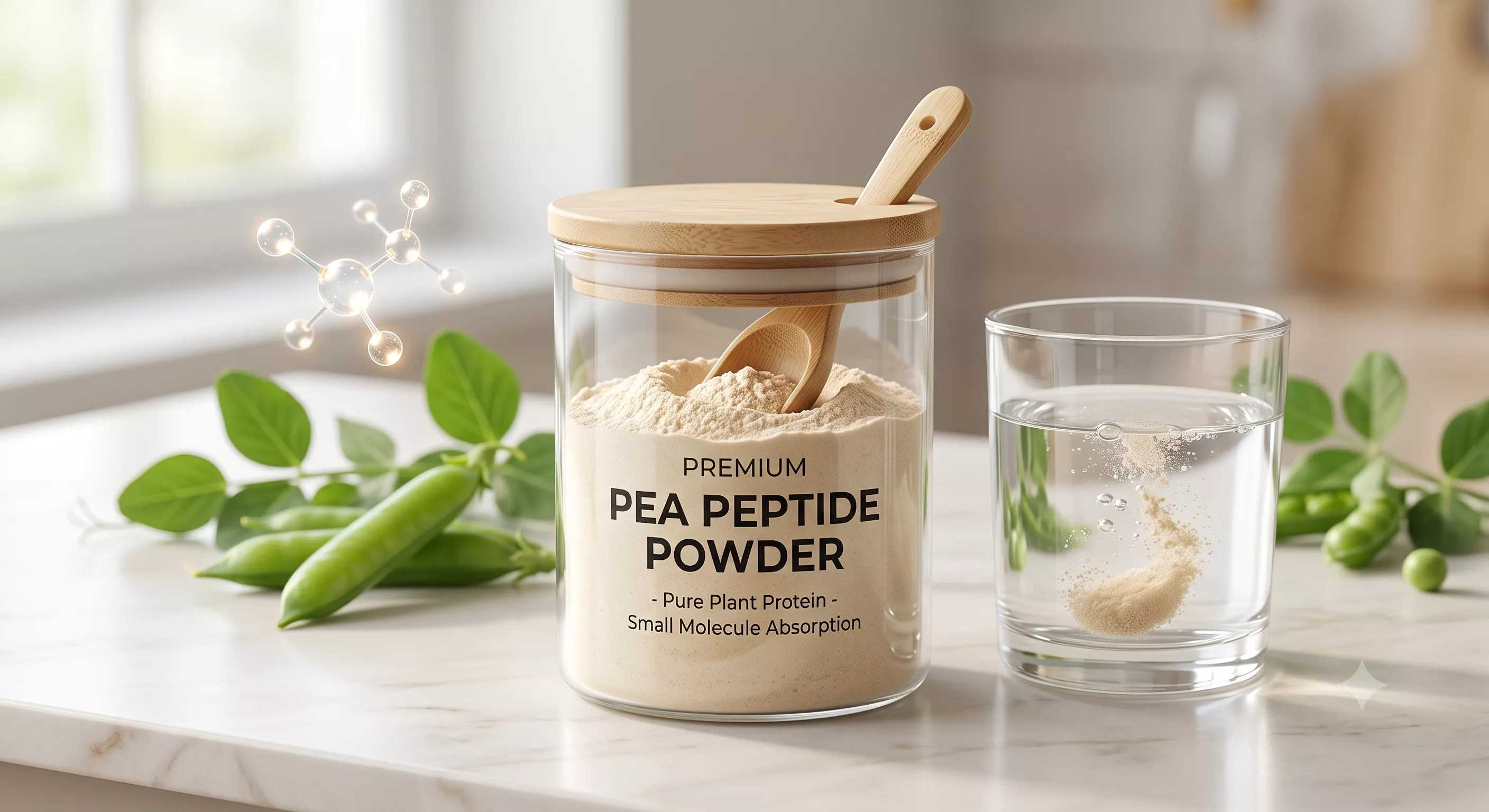
Source high-purity, hypoallergenic hydrolyzed pea peptide powder in bulk. Complete water solubility, rich in BCAAs, ideal for vegan recovery formulas.
Select the most popular foreign trade service products to meet your diverse needs
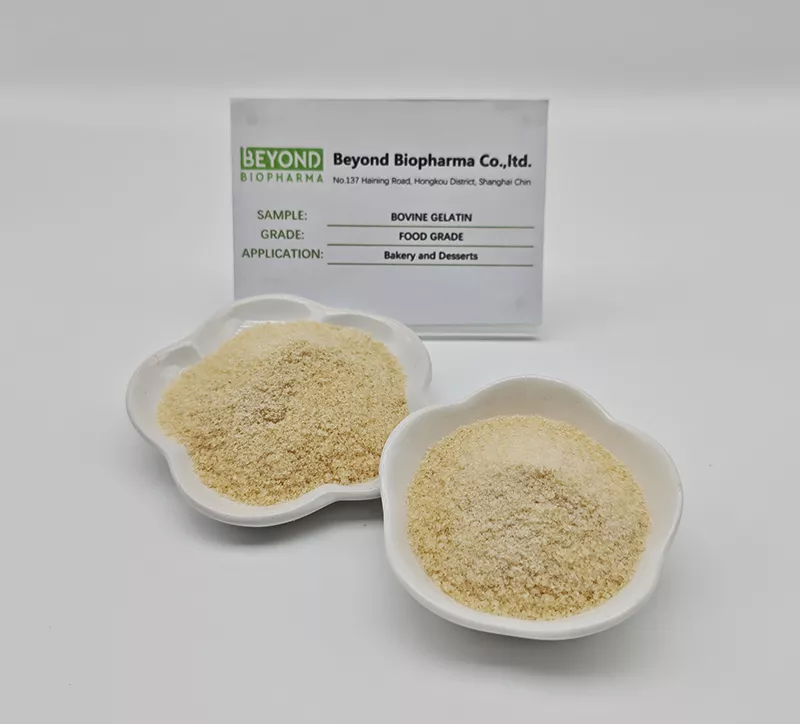
20 years experiences, 5000 ton/year capacity, Sustained supply with stable quality
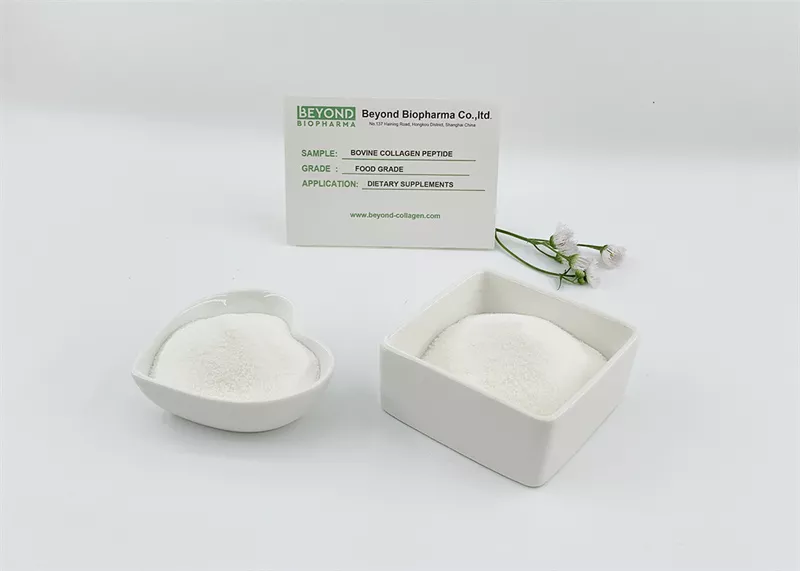
Manufacturer of bovine collagen peptide, shipping in containers all around the world
The High-Performance Barrier for Core Material Protection and Controlled Release.
Tel:+86 21 65010906
Cell/Whatsapp/Wechat:
+86 13482884055
+86 18657345785
Email: sales@beyondbiopharma.com





User Comments
Service Experience Sharing from Real Customers
Megan
Elementary School TeacherI've tried a few edible crystal recipes before, but this gelatin-based one is by far the most forgiving and fun to make with my students. The crystals came out so clear and jewel-like! The kids were absolutely mesmerized during our science week. It's educational and a perfect treat—just the right amount of sweetness. Will definitely make this a yearly activity.
Leo
BartenderAs someone who experiments with cocktail garnishes, I was skeptical about gelatin crystals holding up in drinks. Surprisingly, they not only held their shape but added a fantastic texture and subtle flavor. I used a citrus-infused version in a gin fizz and guests loved the interactive element. Lost one star because getting the clarity perfect took me two tries—patience is key!
Chloe
Freelance Graphic DesignerI made these for a fantasy-themed birthday party as edible decorations on the cake. They looked absolutely magical—like real quartz clusters! The recipe was easy to follow even for a baking novice like me. My only tip is to use natural food coloring sparingly for a more translucent, gem-like effect. Everyone asked where I bought them, and I proudly said I made them myself!
Ryan
Mechanical EngineerI approached this as a weekend kitchen experiment. The crystallization process is satisfyingly scientific—controlling temperature and saturation reminded me of lab work! The texture is intriguing, somewhere between a gummy and a hard jelly. They’re not too sweet, which I appreciate. My wife thought they were almost too pretty to eat. A fun project for anyone who likes tinkering with food science.