 English EN


Bovine gelatin pros and cons everyone should know
Bovine gelatin offers strong gelling and health benefits but has dietary, ethical, and allergen concerns. Compare bovine gelatin to other gelatin options here.
More
For overseas buyers sourcing gelatin powder for food, nutraceutical, or pharmaceutical applications, understanding expiry is critical. This article explains what happens when gelatin powder expires, covering shelf life, safety, and signs of degradation. Whether you are a purchasing manager evaluating batch consistency or a QA specialist concerned with compliance, we provide clear, data-backed guidance on handling expired gelatin and selecting fresh, high-quality ingredients from a reliable supplier like Beyond Biopharma.
Gelatin powder is a staple in gummies, softgels, hard capsules, and various food applications. But what happens when gelatin powder expires? The short answer: it does not become toxic, but its functional properties degrade over time. Loss of gel strength (bloom), reduced viscosity, and increased moisture absorption can compromise product quality. For B2B buyers, understanding these changes is essential to avoid batch failures and ensure consistent output.
Under proper storage conditions—cool, dry, and away from direct sunlight—gelatin powder typically has a shelf life of 2 to 3 years from the date of manufacture. This applies to all common types: edible gelatin, pharmaceutical gelatin, and collagen peptides. Factors like temperature, humidity, and packaging integrity directly impact longevity. For instance, high humidity can cause clumping and microbial growth, while heat accelerates the breakdown of protein chains, reducing bloom and viscosity.
When gelatin powder passes its expiry date, several physical and chemical changes occur:
These changes do not make the gelatin unsafe for consumption in most cases, but they render it unsuitable for applications requiring precise gel strength or clarity. Always test expired samples before use.
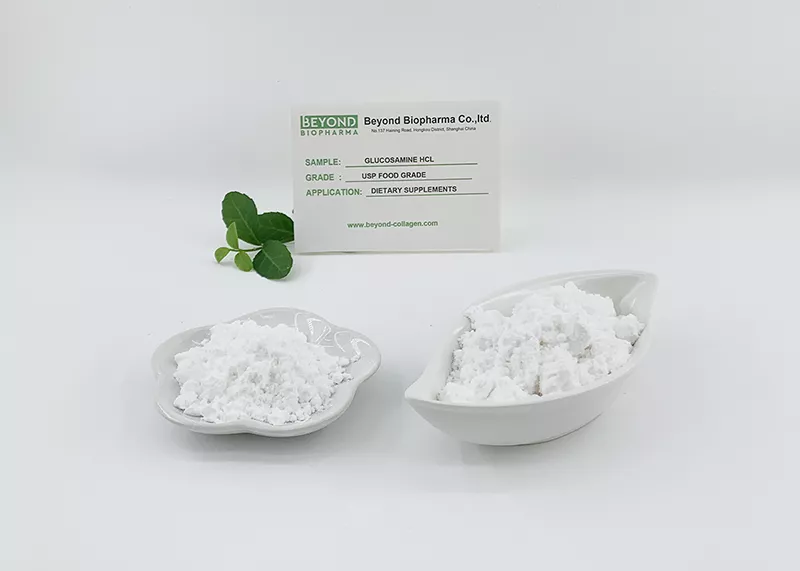
From a safety perspective, expired gelatin powder is generally not hazardous if stored correctly. However, the risk of microbial growth increases over time, especially if the packaging is compromised. For pharmaceutical or nutraceutical applications, using expired gelatin is not recommended because it may fail to meet regulatory specifications for bloom, viscosity, or microbial limits. For food-grade uses, minor functional loss might be acceptable for non-critical applications like thickening soups, but for gummies or jellies, fresh gelatin is essential.
Look for these signs:
The table below shows common industry ranges for fresh gelatin powder. Note: these are typical industry ranges; final values per COA or sample.
| Parameter | Typical Range | Notes |
|---|---|---|
| Bloom (g) | 50–300 | Pharma/gummies often 150–260 Bloom |
| Viscosity (mPa·s) | 2.0–5.5 | Higher for softgels |
| Mesh size | 8–60 | Finer for faster dissolution |
| Moisture | ≤14% | Lower is better for shelf life |
| Protein | ≥90% | For collagen peptides |
The impact of expired gelatin varies by use case:
Proper storage is key. Keep gelatin powder in its original sealed packaging, stored at temperatures below 25°C (77°F) and relative humidity under 60%. Avoid temperature fluctuations. Once opened, use within 6 months for optimal performance. For bulk buyers, consider vacuum-sealed bags or nitrogen-flushed containers to minimize oxidation. Always request a Certificate of Analysis (COA) to verify bloom, viscosity, and microbial counts upon receipt.
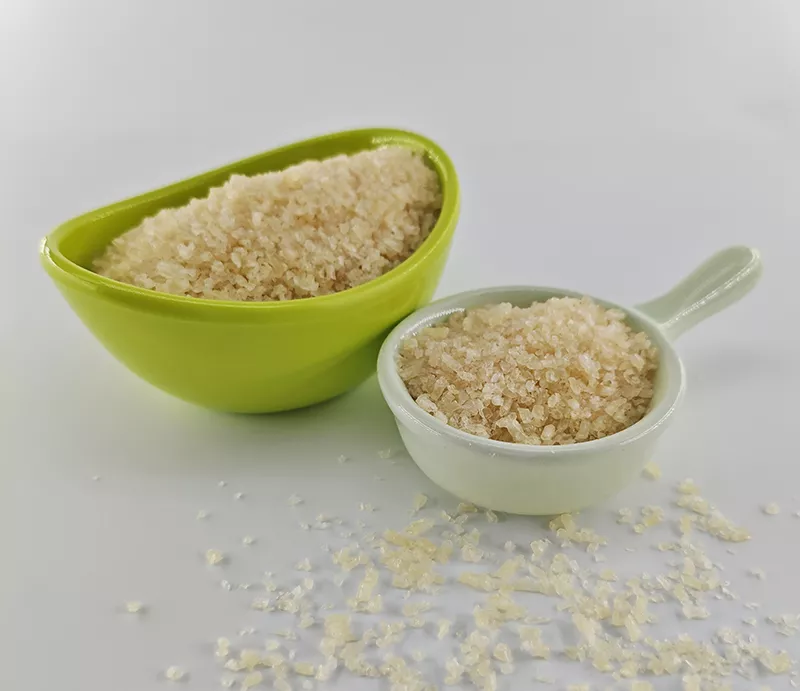
Beyond Biopharma, based in Shanghai, China, is a manufacturer with over 10 years of experience in the food-ingredient industry. Our products are exported to 50+ countries. We produce approximately 3,000 MT/year of collagen and 5,000 MT/year of gelatin. Our facility features fully automatic production lines, GMP clean workshops, and stainless-steel sealed piping with automated temperature and pH control. We hold ISO 9001, US FDA registration, and select products carry Halal or Kosher certifications (e.g., fish gelatin). Our bovine bone gelatin is BSE-free. An in-house lab conducts heavy-metal and microbiological testing, supported by a dedicated QA/QC team. We offer three grades: food, pharmaceutical, and cosmetic. Free samples and formulation support are available.
Q: Can I use expired gelatin powder for cooking at home?
A: Yes, for home cooking, expired gelatin is generally safe if no off-odor or mold is present. However, it may not set properly. For commercial production, always use fresh gelatin to ensure consistent results.
Q: Does expired gelatin powder lose all its gelling power?
A: No, it loses a portion of its bloom strength. A 250-bloom gelatin might drop to 180–200 bloom after 2 years past expiry. Test before use to determine if it meets your application requirements.
Q: How should I store gelatin powder to maximize shelf life?
A: Store in a cool, dry place below 25°C and under 60% humidity. Keep the original packaging sealed. Avoid direct sunlight and temperature swings. For bulk, use nitrogen-flushed containers.
Q: Is expired pharmaceutical gelatin still safe for capsule production?
A: No, for pharmaceutical use, expired gelatin should not be used. It may fail dissolution tests and compromise capsule integrity. Always source fresh pharmaceutical gelatin from a certified supplier.
Q: Can expired gelatin powder cause food poisoning?
A: Unlikely if stored properly, but if moisture has entered the package, bacteria or mold can grow. Always inspect for clumping, odor, or discoloration before use. When in doubt, discard.
Q: What is the difference between expired gelatin and fresh gelatin in terms of molecular weight?
A: Over time, hydrolysis can reduce molecular weight slightly, especially in collagen peptides. Fresh gelatin maintains its intended molecular weight profile, ensuring optimal solubility and absorption.
To ensure your production runs smoothly with fresh, high-quality gelatin powder, contact Beyond Biopharma. Please provide your application (food, pharma, or cosmetic), required grade, quantity/MOQ, target specifications (bloom, mesh, molecular weight, certifications), and destination country. We will send free samples and a competitive quote. Our team is ready to support your formulation needs with custom bulk supply and OEM options.

We provide you with comprehensive foreign trade solutions to help enterprises achieve global development
Source ultra-pure, 100% water-soluble wholesale hydrolyzed rice protein peptide in bulk. Over 85% molecules under 1000 Da. Ideal for infant nutrition, clean-label sports formulas, and sensitive skincare.
Manufacturer of bovine collagen peptide, shipping in containers all around the world
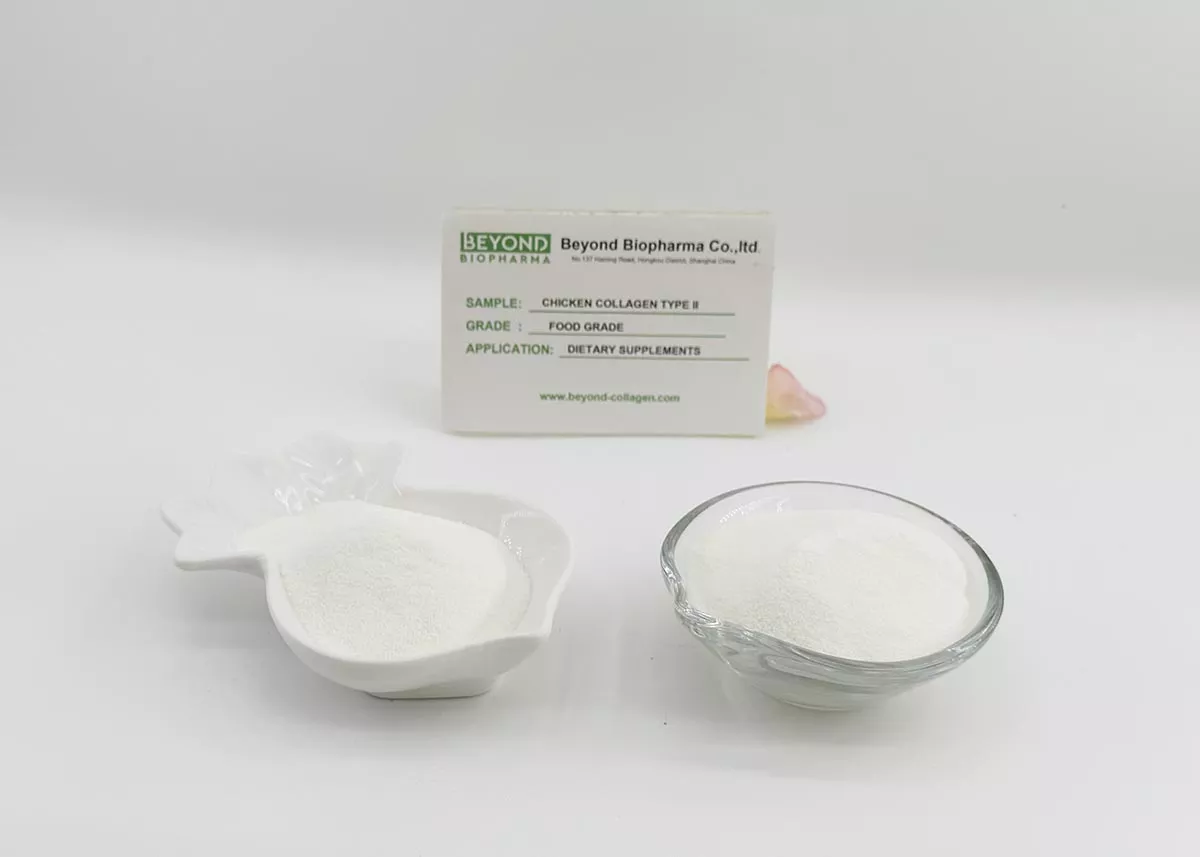
BEYOND BIOPHARMA is a specialized manufacturer of highly purified Hydrolyzed Collagen Type II. Through advanced enzymatic hydrolysis, we create low-molecular-weight collagen peptides that are highly bioavailable, offering foundational nutritional support for cartilage repair, joint function, and skin health. Our product is designed for rapid absorption and maximum efficacy in oral supplements.
Source ultra-pure, non-GMO hydrolyzed soybean oligopeptide powder in bulk. Complete water solubility, over 80% peptides under 1000 Da. Ideal for sports nutrition and immune recovery formulas.
Select the most popular foreign trade service products to meet your diverse needs
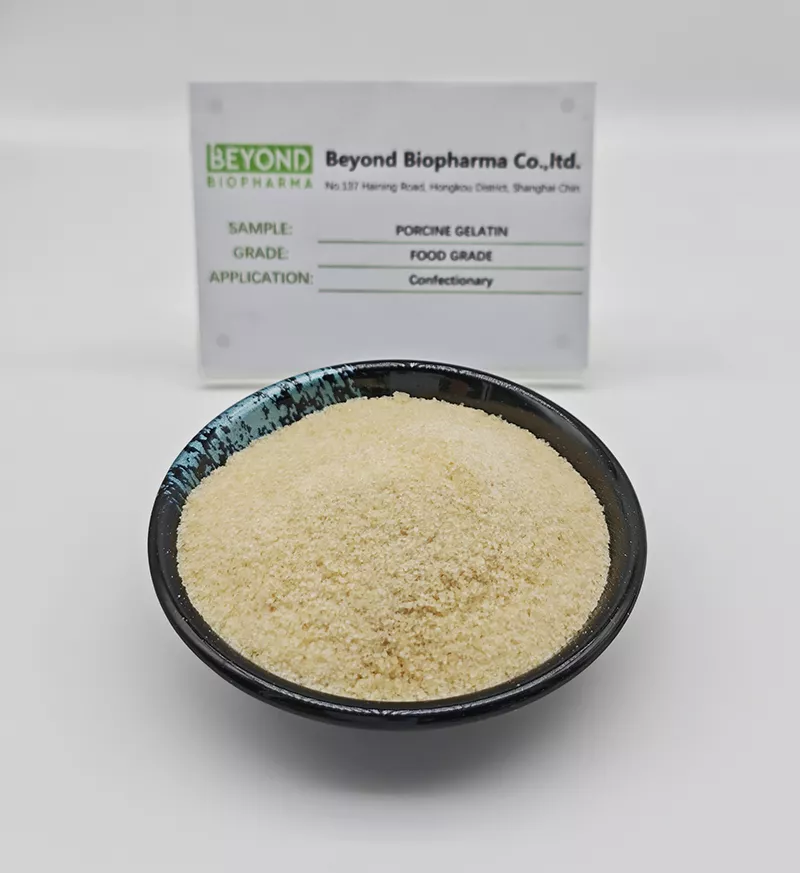
Food-grade porcine gelatin is a highly versatile and cost-effective natural protein derived from the collagen found in pig skin and bones. It is a premier gelling agent known for its exceptional clarity, neutral taste, and thermal reversibility.
Manufacturer of bovine collagen peptide, shipping in containers all around the world
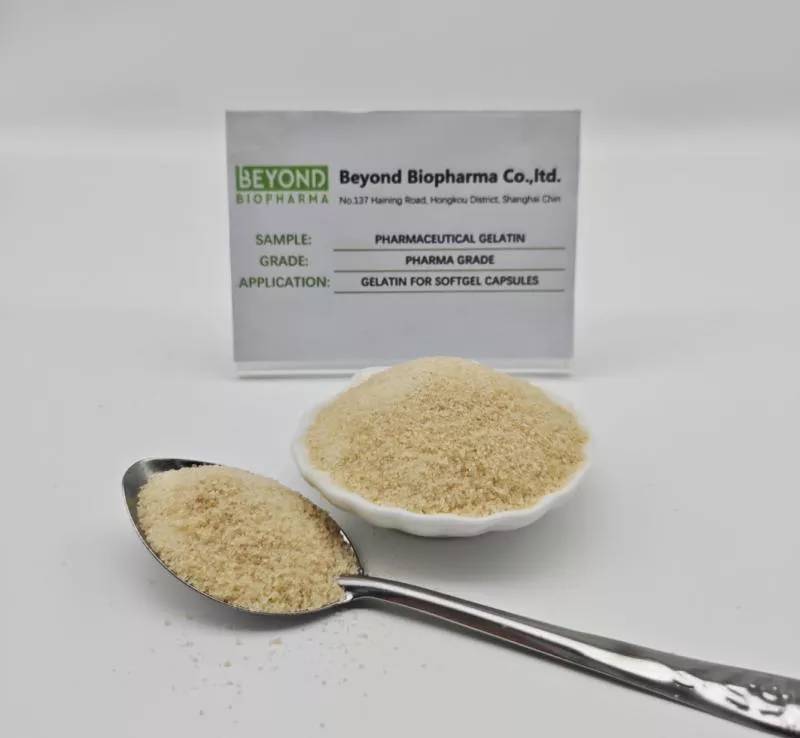
Softgel encapsulation demands a gelatin with unique physical attributes to perform optimally during the high-speed manufacturing process
Tel:+86 21 65010906
Cell/Whatsapp/Wechat:
+86 13482884055
+86 18657345785
Email: sales@beyondbiopharma.com





User Comments
Service Experience Sharing from Real Customers
Megan
Pastry ChefI've had this same tub of gelatin powder in my pantry for over two years – I know, I checked the date after seeing this question online! It still sets my panna cotta perfectly. As long as you keep it sealed and dry, it seems to last forever. A kitchen staple that doesn't let you down.
Leo
Home BrewerWas cleaning out my supplies and found a packet from 2020. Honestly thought it'd be clumpy or weak, but it worked just fine for clarifying my homemade cider. Maybe lost a tiny bit of strength? Not noticeable for my use. Great to know it's so shelf-stable.
Chloe
Science TeacherI use gelatin for classroom experiments about polymers. Bought a bulk bag years ago and it's still going strong. The kids' gelatin molds still gel predictably every time. Expiration dates on powders like this seem more like guidelines if stored properly. Super practical and long-lasting.
Ryan
Fitness CoachI add gelatin to my protein shakes for joint health. My last container was tucked in the back of the cupboard for maybe 3 years. No weird smell or change in texture when mixed. Worked as expected. For anyone wondering – yes, it lasts way longer than the 'best by' date if you keep it dry!