English EN


Porcine gelatin always protects vaccines from harm
Porcine gelatin stabilizes vaccines, ensuring safety and effectiveness. Most people tolerate it well, with rare allergic reactions and strict quality controls.
More
Selecting the right pharma gelatin is critical for capsule manufacturers who want consistent shell quality, efficient production, and regulatory compliance. Whether you produce hard capsules or softgels, the bloom strength, viscosity, and source of your pharma gelatin directly influence dissolution rates and shelf stability. This guide breaks down the key grades and specifications you need to evaluate for your 2026 production line.
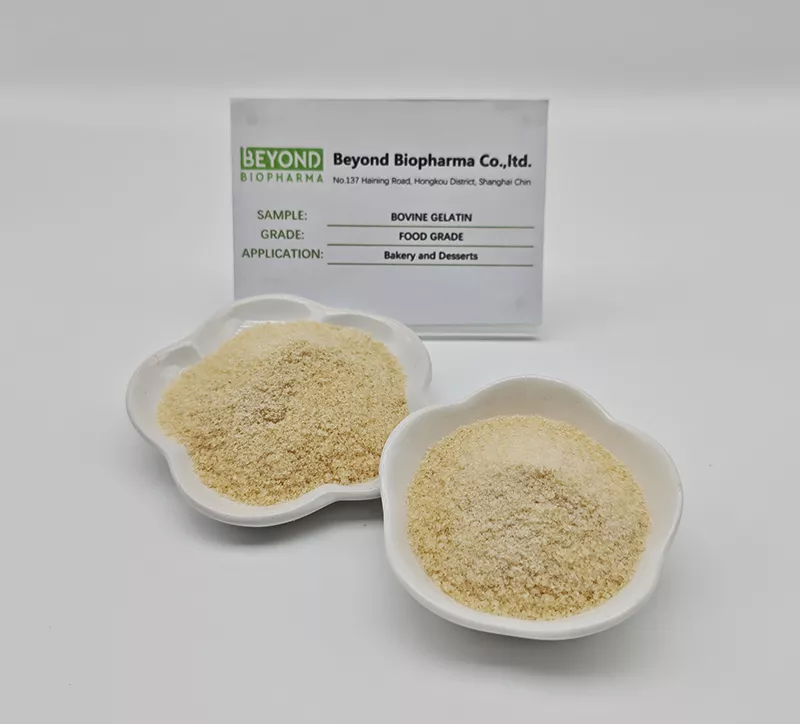
Bloom value is the most common measure of gel strength for pharma gelatin. For hard capsules, a bloom between 200 and 280 g is standard. Higher bloom values, such as 250 to 280, offer faster setting and stronger shells, reducing deformation during filling. For softgels, bloom values around 150 to 200 are common, as they provide the right balance of flexibility and strength. Always verify the bloom specification with your supplier to match your encapsulation equipment.
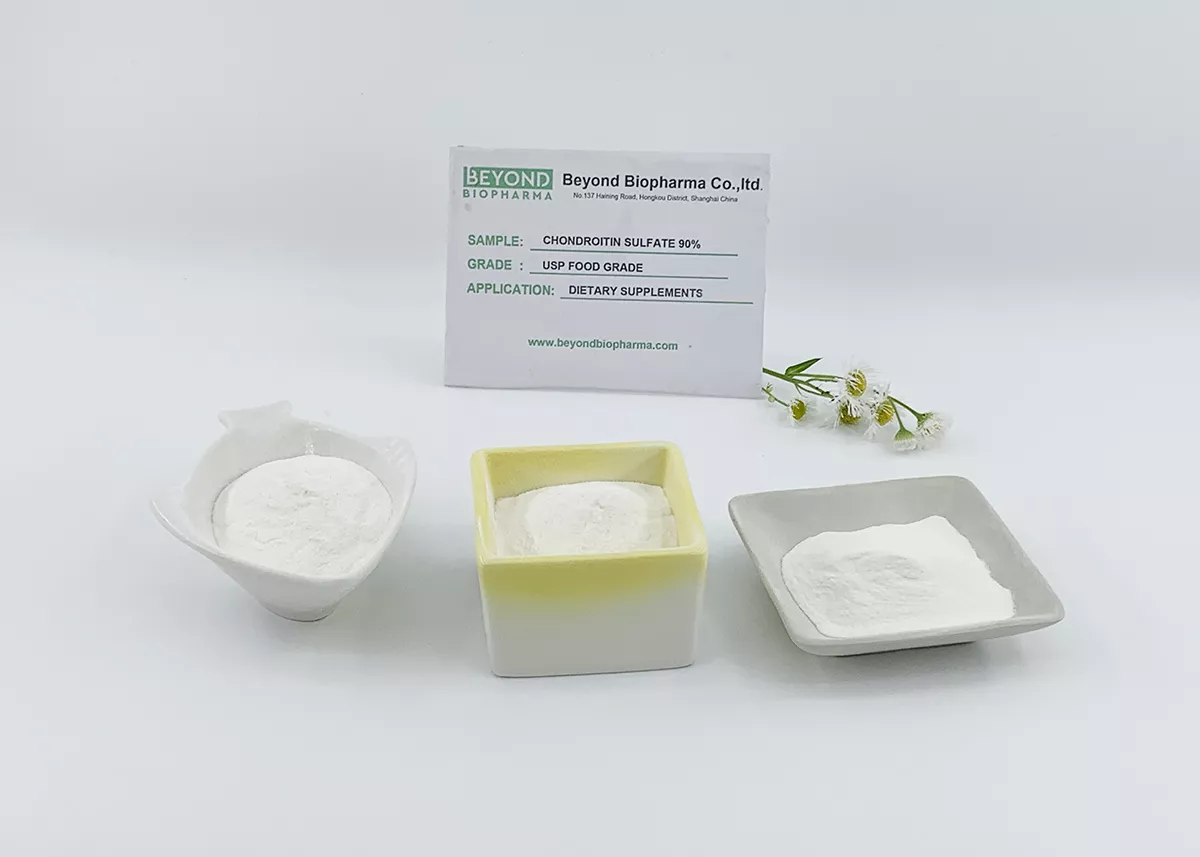
Viscosity determines how pharma gelatin flows during the dipping or encapsulation process. For hard capsules, a viscosity of 25 to 35 mPas is typical, ensuring uniform coating on the pins. For softgels, slightly higher viscosity, around 30 to 45 mPas, helps create thicker shell walls that protect sensitive fill formulations. Low-viscosity gelatins can speed up production but may lead to thinner shells. Testing your specific formulation with different viscosity grades is recommended.
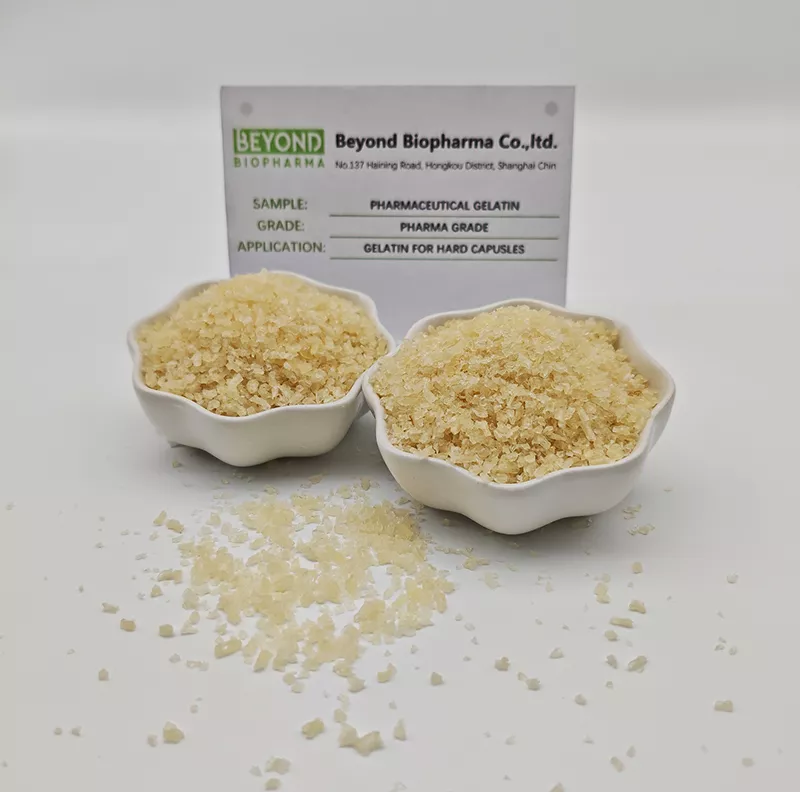
The source of pharma gelatin affects both regulatory compliance and market acceptance. Bovine gelatin is widely used for hard capsules and is available in halal and kosher certified forms. Fish gelatin offers a lower melting point, making it suitable for softgels containing heat-sensitive ingredients. Porcine gelatin remains popular but may face restrictions in certain regions. Always request certificates of analysis and BSE-free documentation for bovine sources to ensure patient safety and regulatory approval.
| Grade | Bloom Range (g) | Viscosity (mPas) | Source | Common Use |
|---|---|---|---|---|
| Hard capsule | 200 - 280 | 25 - 35 | Bovine / Porcine | Two-piece hard shells |
| Softgel | 150 - 200 | 30 - 45 | Bovine / Fish | One-piece softgels |
| High bloom | 250 - 300 | 28 - 38 | Bovine | Fast-setting capsules |
| Low endotoxin | 180 - 220 | 22 - 30 | Fish / Bovine | Injectable or sensitive fills |
Type A pharma gelatin is derived from acid-treated collagen, typically from porcine skin, and has an isoelectric point between 7 and 9. Type B is produced through alkaline treatment, usually from bovine bones or hide, with an isoelectric point around 4.7 to 5.4. The choice depends on your capsule formulation and desired dissolution profile.
For hard gelatin capsules, a bloom value between 200 and 280 is standard. Higher bloom values, around 250 to 280, provide stronger gel strength and faster setting times, which improves production efficiency and capsule shell consistency.
Yes, halal and kosher certified pharma gelatin is widely available. Bovine and fish gelatins are common options for meeting religious dietary requirements. Fish gelatin also offers a lower melting point, which can be beneficial for certain softgel formulations.
Viscosity directly impacts the flow and film-forming properties of pharma gelatin. For softgel capsules, a viscosity range of 25 to 45 mPas is typical. Higher viscosity provides thicker shell walls and better seal integrity, while lower viscosity allows for faster filling and thinner shells.
We provide you with comprehensive foreign trade solutions to help enterprises achieve global development
High Purity and Efficacy for Joint Health Formulations
20 years experiences, 5000 ton/year capacity, Sustained supply with stable quality
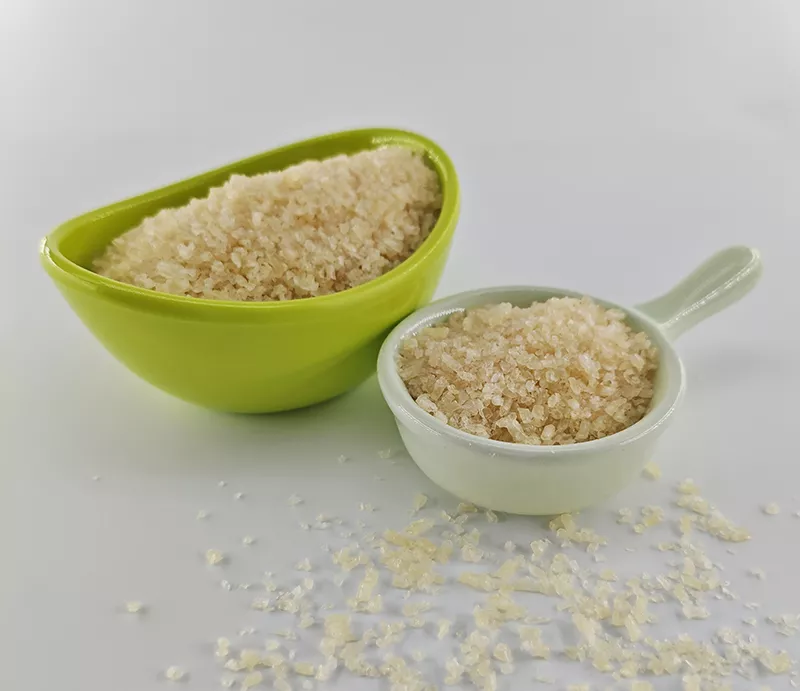
Stability, Swallowing Enhancement, and Controlled Release
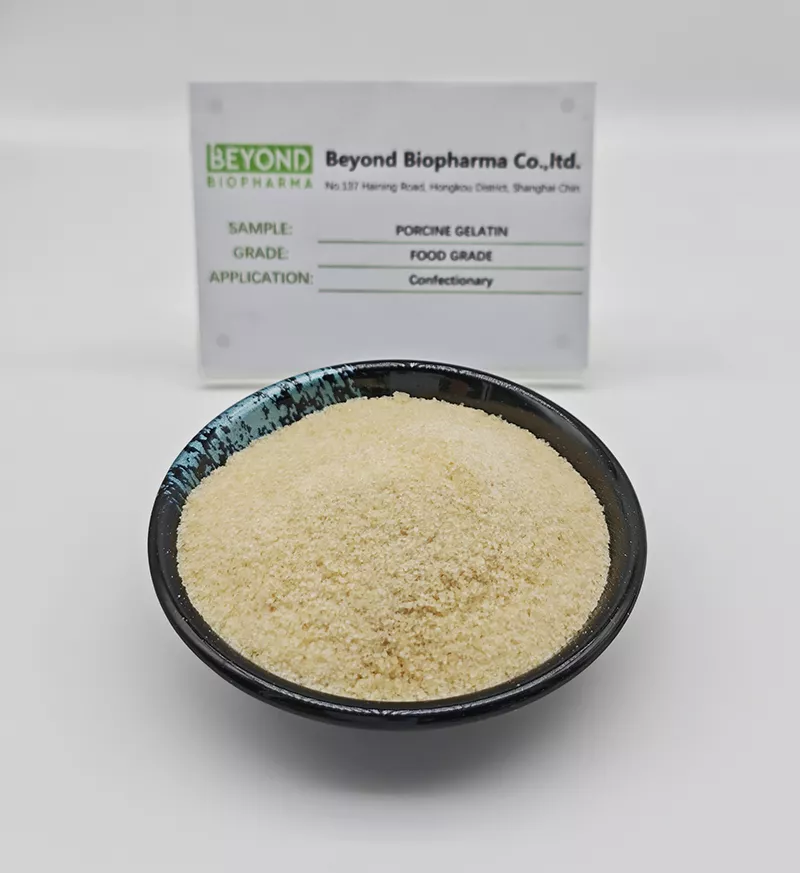
Food-grade porcine gelatin is a highly versatile and cost-effective natural protein derived from the collagen found in pig skin and bones. It is a premier gelling agent known for its exceptional clarity, neutral taste, and thermal reversibility.
Tel:+86 21 65010906
Cell/Whatsapp/Wechat:
+86 13482884055
+86 18657345785
Email: sales@beyondbiopharma.com