English EN


How to Use Gelatin Powder? Applications of Gelatin Powder
Use gelatin powder by blooming it in cold water, dissolving gently, and adding to recipes for perfect texture in desserts, sauces, and supplements.
More
By Dr. Melissa Chen & Culinary Lab Team | May 12, 2025
Porcine gelatin is classified by grade and bloom strength, which directly affect its gelling properties, texture, and suitability for various applications. Bloom strength, measured in grams, indicates the firmness of the gel—higher bloom values produce harder, more brittle gels, while lower bloom values yield softer, more flexible gels.
Low Bloom (50-100 g): Ideal for light desserts, mousses, and soft confections. Creates a tender, melt-in-mouth texture.
Medium Bloom (150-200 g): Suitable for gummy candies, marshmallows, and stable emulsions. Offers balanced elasticity and firmness.
High Bloom (250-300 g): Used in pharmaceutical capsules, hard gels, and industrial applications. Provides strong, rigid gel structures.
Food Grade: Purified for culinary use, meeting safety standards for consumption. Common in desserts, sauces, and meat products.
Pharmaceutical Grade: Highly refined with strict purity controls. Used in capsule shells, tablet coatings, and medical applications. Learn more about pharmaceutical gelatin.
Technical Grade: Lower purity for non-food uses such as adhesives, abrasives, and photographic materials.
For softgel capsules, choose ultra-high viscosity porcine gelatin with bloom strength above 250 g to ensure capsule integrity and stability. Explore ultra-high viscosity options.
For clean-label foods, opt for halal and kosher verified porcine gelatin with medium bloom for consistent gelation without animal-derived additives. View clean-label gelatin choices.
For micro-encapsulation, low bloom porcine gelatin provides gentle film formation ideal for sensitive active ingredients. Check micro-encapsulation gelatin.
Bloom strength is measured using a standardized Bloom gelometer. Viscosity and pH also influence performance—higher viscosity improves binding in capsule production. Standardized gelatin sheets offer consistent bloom for reproducible results. Learn about standardized sheets.
Always verify certification (e.g., halal, kosher, pharmaceutical GMP) to match your recipe or health requirements. Hydrolyzed collagen type II powder may be preferred for joint health formulations. Discover hydrolyzed collagen options.
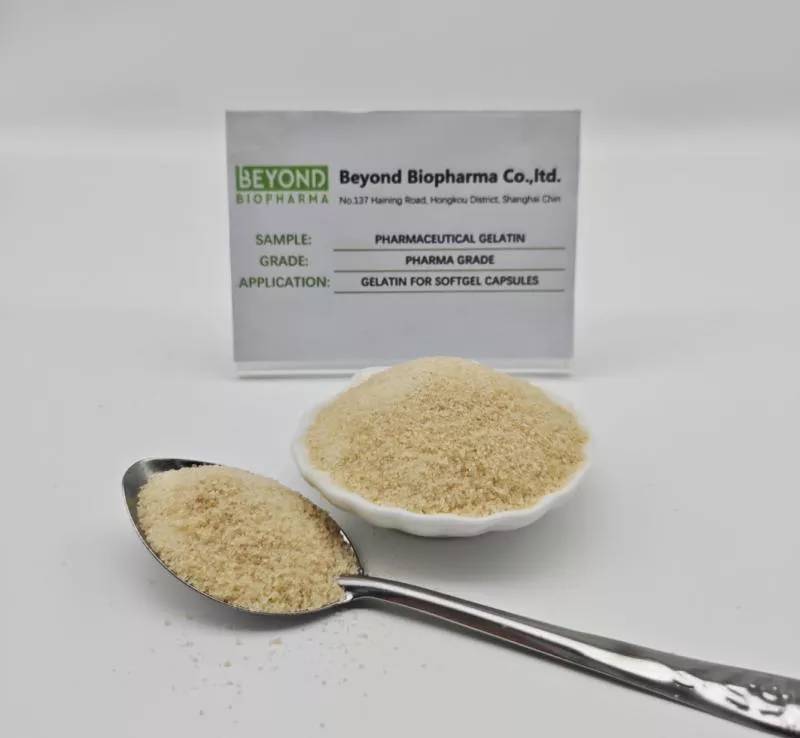
High-purity porcine gelatin powder should contain minimal impurities such as heavy metals, ash, or microbial contaminants. Look for products with a protein content above 85% and a low ash value (less than 2%). Third-party lab testing for lead, arsenic, and mercury ensures the gelatin meets food safety standards. A clear, odorless solution when dissolved in warm water indicates good filtration and purity.
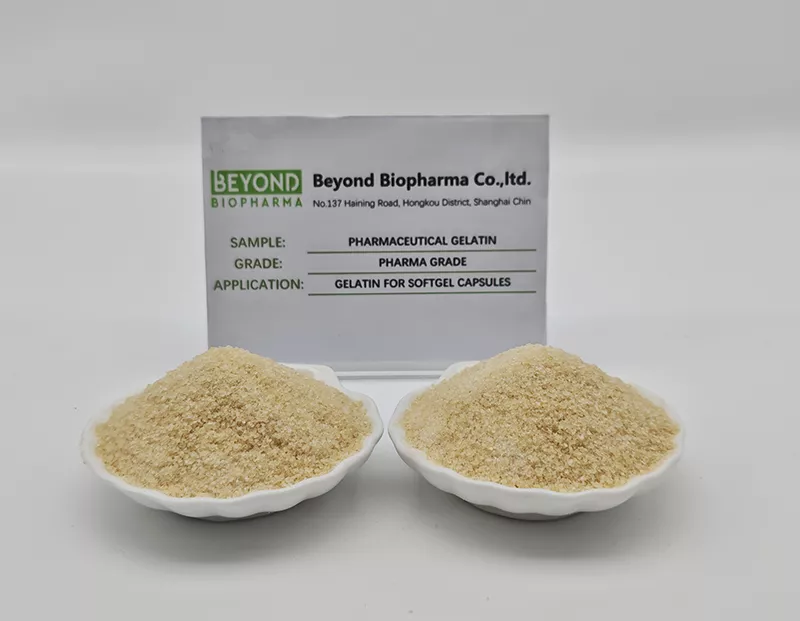
The origin of raw materials directly impacts safety. Choose porcine gelatin from pigs raised without antibiotics or growth hormones, preferably with traceability to certified farms. Suppliers with Halal or Kosher certifications often follow stricter animal welfare and hygiene protocols. Gelatin sourced from European or North American regions typically has more rigorous health inspections compared to unregulated markets.
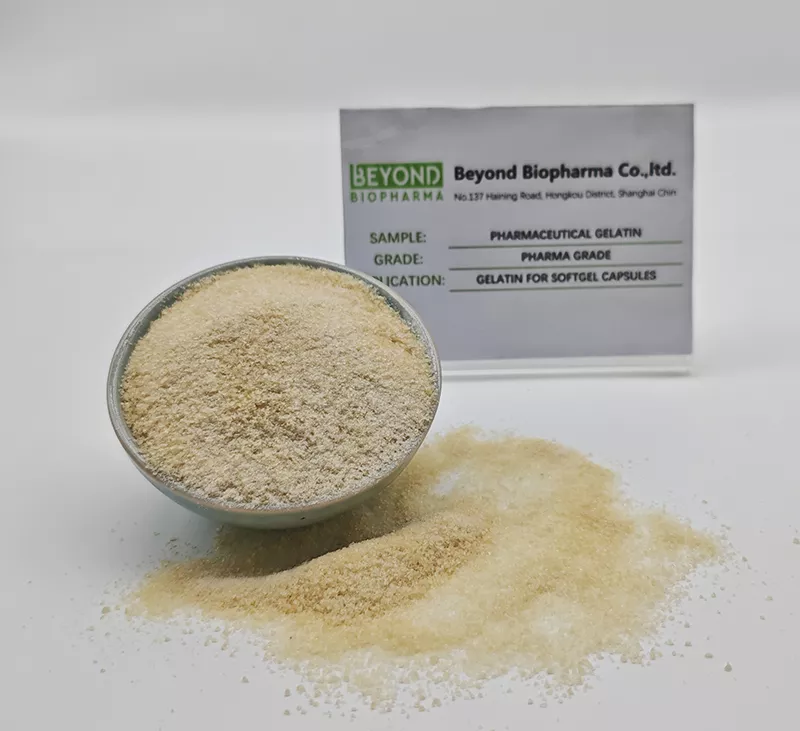
Gentle enzymatic hydrolysis or low-temperature acid processing preserves the natural amino acid profile while destroying pathogens. Avoid gelatin processed with harsh chemicals like sulfuric acid or excessive heat, which can create harmful byproducts. The final product should have a bloom strength between 150 and 250 for most culinary uses, and a pH of 4.5 to 6.5 for stability. Always verify that the manufacturer uses HACCP or ISO 22000 certified production lines.
For more detailed specifications, visit our gelatin quality guide or certification resources.
Selecting the correct porcine gelatin powder depends on your intended application. Bloom strength, particle size, and setting time directly influence texture and performance in different recipes.
For firm and glossy desserts such as panna cotta or Bavarian cream, select a high-bloom gelatin (250–300). It provides a clean cut and stable structure. Medium-bloom grades (150–200) work well for savory broths and clarified consommés, offering a delicate body without overpowering the liquid. Low-bloom gelatin (50–100) is ideal for gummy candies and chewy confections, delivering a soft, elastic bite. Instant gelatin is convenient for no-cook preparations where cold water hydration is preferred.
Always verify your gelatin is sourced from reputable suppliers. For more details on specific products, explore our edible gelatin range or learn about gelatin for micro-encapsulation for advanced culinary techniques.
Porcine gelatin is a protein-rich ingredient derived from collagen, commonly used in foods, supplements, and pharmaceuticals. When selecting the best option for your recipes and health needs, understanding its nutritional profile and dietary compatibility is essential.
Porcine gelatin typically contains 85-90% protein by dry weight, making it an excellent source of amino acids like glycine, proline, and hydroxyproline. These support skin, joint, and bone health. Choose gelatin with a high protein concentration for maximum nutritional benefit.
The bloom value measures gel strength, ranging from 50 to 300. For recipes requiring firm gels (e.g., gummies or desserts), choose a high bloom (200-300). For softer textures or sauces, lower bloom (50-150) works better. Always match bloom to your application.
Porcine gelatin is not suitable for vegetarian, vegan, or halal diets unless certified. Look for products with kosher or halal certification if needed. For clean-label foods, consider halal and kosher verified fish gelatin as an alternative.
High-quality porcine gelatin should be free from artificial colors, flavors, and preservatives. Check for pharmaceutical-grade options when using in supplements or medical applications, such as premium pharmaceutical gelatin for tablet coating.
Porcine gelatin requires cold water hydration before heating. For quick dissolving, choose instant or hydrolyzed forms. Hydrolyzed collagen type II powder is pre-digested and dissolves in cold liquids, ideal for beverages.
For softgel capsules or micro-encapsulation, high viscosity is critical. Ultra-high viscosity gelatin for softgel capsules ensures stability and consistent release. Lower viscosity works for edible films or coatings.
Porcine gelatin is generally hypoallergenic but may cause reactions in individuals with pork allergies. Always verify sourcing and processing. For sensitive diets, edible bovine gelatin for food applications is a common alternative.
Store porcine gelatin in a cool, dry place away from moisture to prevent clumping. Check expiration dates and opt for vacuum-sealed packaging for longer freshness. Consistent gel quality is available with standardized gelatin sheets for consistent gels.
Porcine gelatin can be combined with other ingredients like hyaluronic acid or chondroitin for enhanced health benefits. For joint support, bovine chondroitin sulfate sodium or food grade hyaluronic acid HA powder are popular pairings.
For micro-encapsulation of flavors or nutrients, choose gelatin with fine particle size and low bacteria count. Gelatin for micro-encapsulation is designed for controlled release and stability in processed foods.
When selecting porcine gelatin powder, the label is your first indicator of purity and safety. Look for clear statements of gelatin type (Type A or B), bloom strength, and mesh size. Reputable manufacturers often include the source animal and production method on the packaging.
Certifications such as Halal, Kosher, and Non-GMO provide assurance that the gelatin meets specific religious and ethical standards. For instance, Halal and Kosher verification guarantees the product is permissible for observant consumers.
Look for pharmaceutical-grade or food-grade designations depending on your intended use. Pharmaceutical gelatin, like premium pharmaceutical gelatin for tablet coating, undergoes stricter quality controls than standard food-grade versions.
Certifications from recognized bodies (e.g., ISO, FSSC 22000, GMP) indicate that the manufacturing facility follows rigorous safety and quality management systems. Always verify that the certification logo is clearly printed on the label or available on the supplier's website.
For specific applications such as softgels or encapsulation, check for high viscosity or low endotoxin claims. For example, ultra-high viscosity gelatin for softgel capsules is engineered for consistent shell formation and stability.
Ethical sourcing is increasingly important. Look for statements about animal welfare, sustainable farming, and traceability from farm to final product. Some suppliers provide batch-specific documentation for full transparency.
Finally, examine the ingredient list for any additives, preservatives, or fillers. Pure porcine gelatin should contain only gelatin and possibly water. Avoid products with unnecessary chemicals, especially if you plan to use the gelatin for health or dietary purposes.
Additional resources: Edible bovine gelatin for food applications and gelatin for micro-encapsulation may offer alternative options for specific needs.
Understanding the Different Grades and Bloom Strengths of Porcine Gelatin
The grade and bloom strength of porcine gelatin determine its gelling capacity and texture. Higher bloom values indicate firmer gels, while lower blooms yield softer, more delicate textures. Choose based on your recipe's structural requirements.
Evaluating Purity, Sourcing, and Processing Methods for Health Safety
Premium porcine gelatin is sourced from healthy, traceable animals and processed using enzymatic hydrolysis or acid extraction. Look for products free from additives, preservatives, and chemical residues to ensure maximum safety and purity.
Matching Gelatin Types to Specific Culinary Uses: Desserts, Broths, and Gummies
For delicate desserts and panna cotta, use low-bloom gelatin (100-150). Medium-bloom (150-200) works well for broths and sauces. High-bloom (200-300) is ideal for firm gummies and marshmallows. Always dissolve properly for even distribution.
Key Nutritional and Dietary Considerations When Choosing Porcine Gelatin
Porcine gelatin is rich in collagen, amino acids like glycine and proline, and supports joint, skin, and gut health. It is low in calories and carbohydrates, making it suitable for keto and paleo diets. Verify it is free from common allergens.
Reading Labels and Certifications to Ensure Quality and Ethical Standards
Seek certifications like Halal, Kosher, Non-GMO, and ISO or HACCP compliance. Transparent labels should indicate gelatin type, bloom strength, country of origin, and batch traceability. Ethical sourcing ensures animal welfare and sustainable practices.
Final Summary: Selecting the best porcine gelatin requires evaluating bloom strength for texture, purity and sourcing for health safety, culinary compatibility, nutritional benefits, and ethical certifications. A well-informed choice enhances both recipe success and personal well-being.
Always store gelatin in a cool, dry place and follow manufacturer instructions for blooming and dissolving to achieve optimal results in your cooking and health routines.
We provide you with comprehensive foreign trade solutions to help enterprises achieve global development
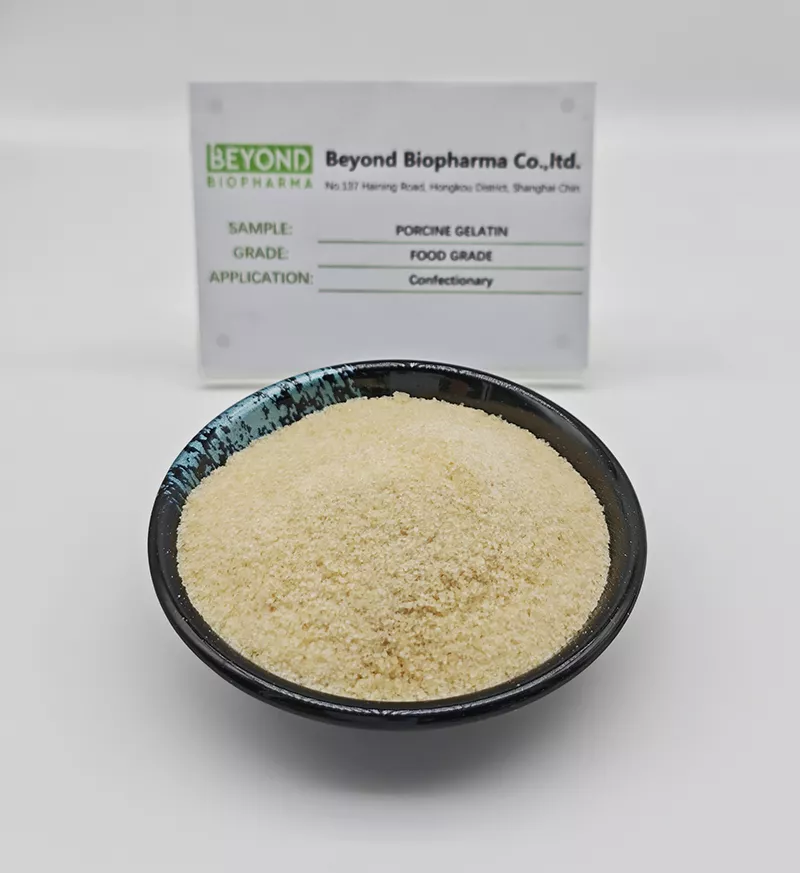
Food-grade porcine gelatin is a highly versatile and cost-effective natural protein derived from the collagen found in pig skin and bones. It is a premier gelling agent known for its exceptional clarity, neutral taste, and thermal reversibility.
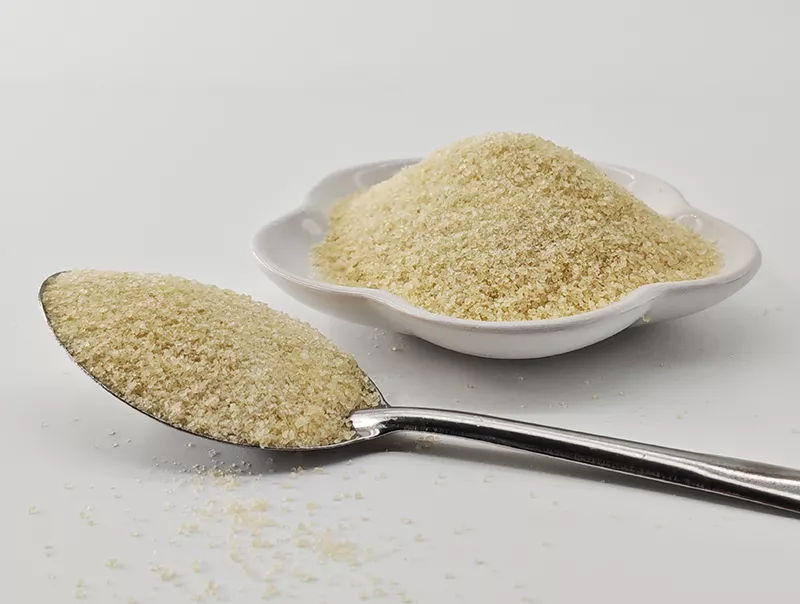
The High-Performance Barrier for Core Material Protection and Controlled Release.
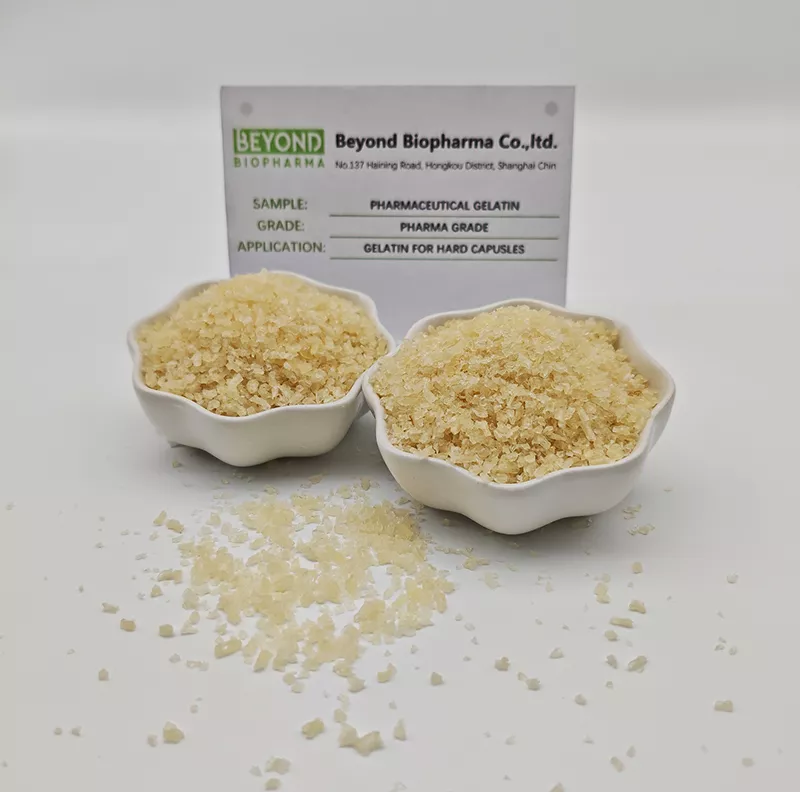
Precision, Purity, and Optimal Machinability
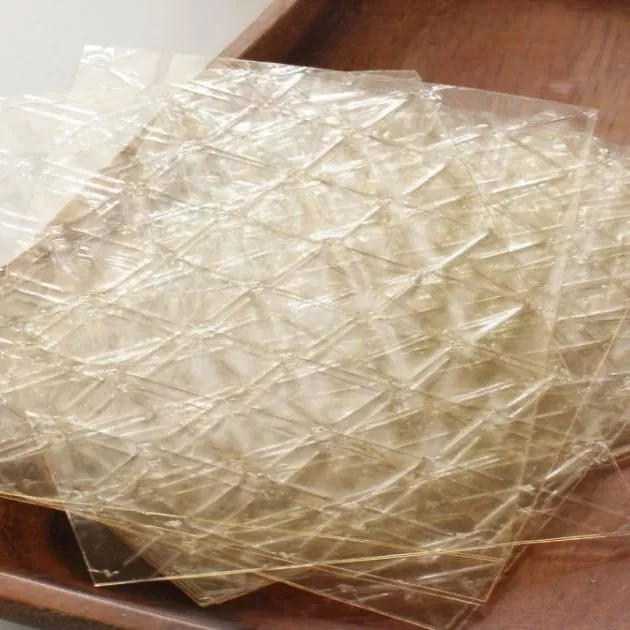
Our Gelatin Sheets are produced to precise standards, ensuring consistency and reliability across different Bloom grades (Silver being the most common professional choice).
Tel:+86 21 65010906
Cell/Whatsapp/Wechat:
+86 13482884055
+86 18657345785
Email: sales@beyondbiopharma.com