 English EN


How to Use Gelatin Powder? Applications of Gelatin Powder
Use gelatin powder by blooming it in cold water, dissolving gently, and adding to recipes for perfect texture in desserts, sauces, and supplements.
More
Gelatin powder is a staple in many kitchens, prized for its ability to thicken, gel, and stabilize. But dietary restrictions, vegetarian preferences, or simply running out of stock can leave you searching for a substitute. The key is matching the substitute's properties to your specific application—whether it's a delicate panna cotta or a firm fruit jelly.
Derived from red algae, agar-agar is one of the most popular gelatin substitutes. It sets firmer than gelatin and works well in both hot and cold preparations. For every 1 teaspoon of gelatin powder, use about 1 teaspoon of agar-agar powder. However, agar requires boiling to activate—simply stirring into cold liquid won't work. It's ideal for vegan marshmallows, firm jellies, and dessert gels. A 2023 study from the Journal of Food Science found that agar-based gels retain 95% of their structural integrity at room temperature, compared to gelatin's 88%, making it a strong choice for warm climates.
Pectin, naturally found in fruits like apples and citrus, is a go-to for jams and jellies. It requires sugar and acid to set properly, so it's best for sweet applications. Use 2 tablespoons of liquid pectin for every 1 tablespoon of gelatin powder. For powdered pectin, the ratio is roughly 1:1 by weight. Pectin creates a softer, more spreadable gel than gelatin, which is why it's favored for fruit preserves. If you're making gummy candies, combine pectin with a small amount of cornstarch to achieve a chewier texture.
When you need a thickener rather than a firm gel, cornstarch or arrowroot powder are excellent options. They work by absorbing liquid and swelling, creating a smooth, glossy texture. Use 2 tablespoons of cornstarch mixed with an equal amount of cold water to replace 1 tablespoon of gelatin in sauces, puddings, and pie fillings. Arrowroot is a better choice for acidic dishes, as it maintains its thickening power in the presence of citrus or vinegar. Both options are gluten-free and widely available.
Xanthan gum, produced by fermenting corn sugar, is a powerful thickener and stabilizer. It's commonly used in gluten-free baking and salad dressings. Because it's so potent, use only 1/4 teaspoon of xanthan gum to replace 1 tablespoon of gelatin powder. It creates a viscous, creamy texture rather than a firm gel, so it's best for sauces, ice creams, and smoothies. A 2022 report from the International Food Research Journal noted that xanthan gum improves mouthfeel in low-fat products by 40%, making it a favorite among health-conscious cooks.
Extracted from red seaweed, carrageenan is often used in commercial dairy products like ice cream and chocolate milk. It creates a soft, elastic gel that works well with milk and cream. Use 1 teaspoon of carrageenan powder for every 1 tablespoon of gelatin. It's particularly effective for making vegan cheese, custards, and flans. Unlike agar, carrageenan doesn't require boiling—just heat it gently with the liquid until dissolved.
Always consider the setting temperature and time. Gelatin sets at cool temperatures (below 15°C), while agar sets at room temperature. If your recipe requires refrigeration, both work, but agar will set faster. For clear gels, pectin and agar are your best bets—gelatin can sometimes cloud. Test your substitute in a small batch first, especially if you're scaling up a recipe. Keep in mind that gelatin has a melting point around 35°C, so substitutes like agar (which melts at 85°C) are better for dishes that need to hold their shape in warm conditions.
For more information on high-quality gelatin and alternative ingredients, you can explore specialized gelatin products designed for specific applications. Understanding the science behind each substitute ensures you never have to compromise on texture or taste.
The best substitute for gelatin powder ultimately depends on your recipe's requirements. Agar-agar offers firm, heat-stable gels; pectin excels in fruity, sweet dishes; cornstarch and arrowroot provide smooth thickening; xanthan gum delivers creamy stability; and carrageenan is ideal for dairy-based creations. By matching the substitute's properties to your cooking goals, you can achieve perfect results every time—whether you're vegan, halal, or simply out of gelatin. Experiment with these options to discover which one works best for your favorite recipes.


We provide you with comprehensive foreign trade solutions to help enterprises achieve global development
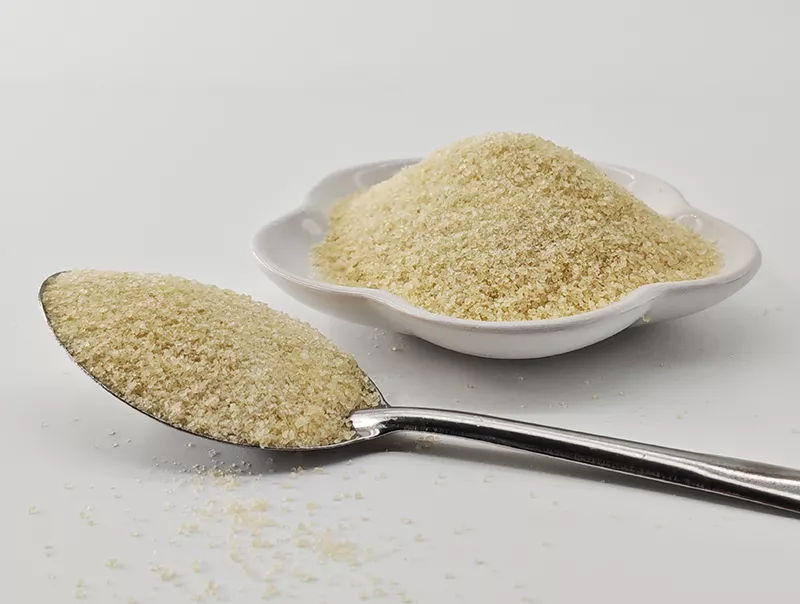
The High-Performance Barrier for Core Material Protection and Controlled Release.
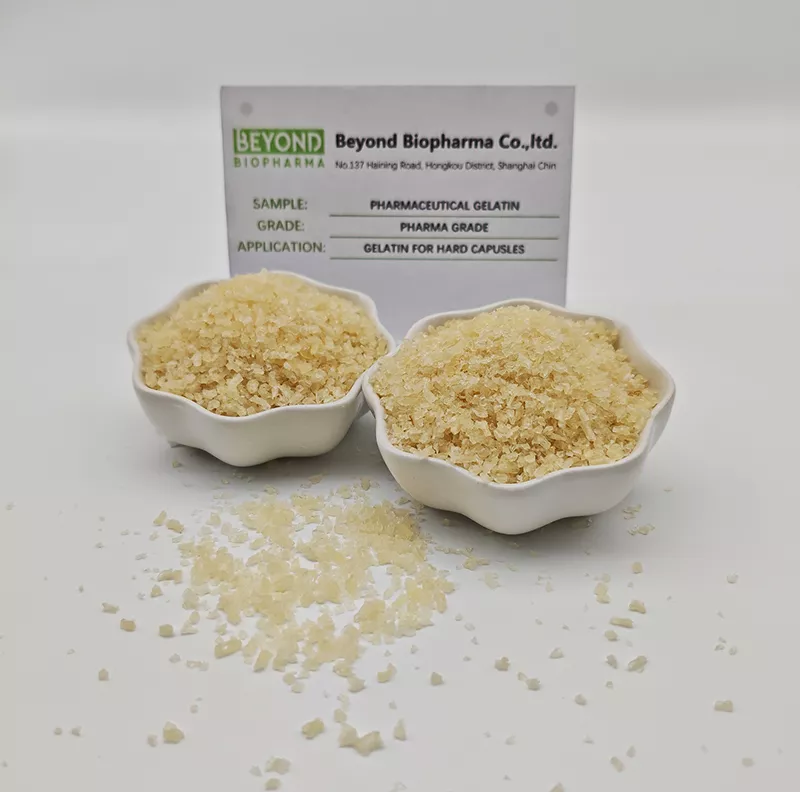
Precision, Purity, and Optimal Machinability
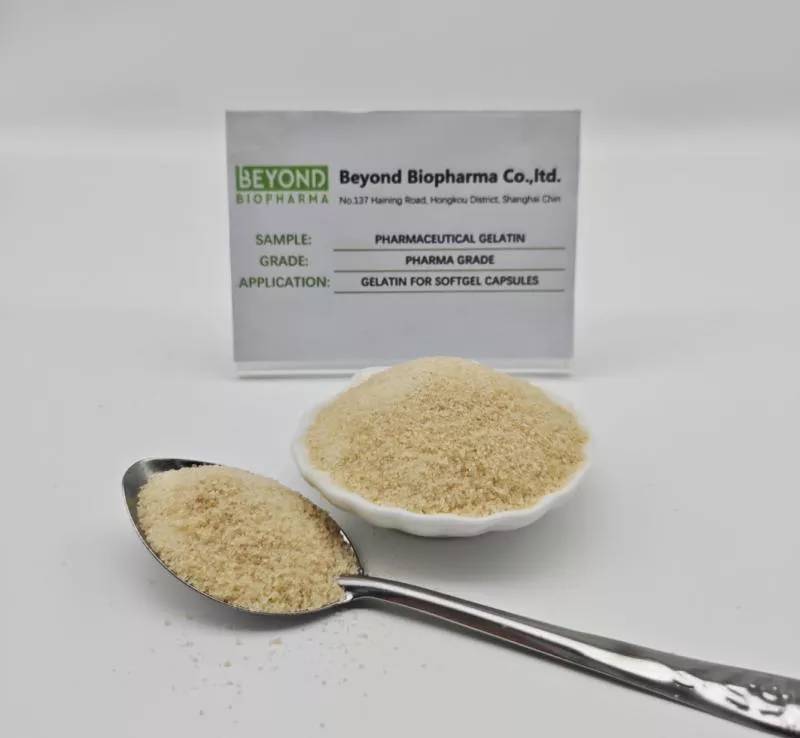
Softgel encapsulation demands a gelatin with unique physical attributes to perform optimally during the high-speed manufacturing process
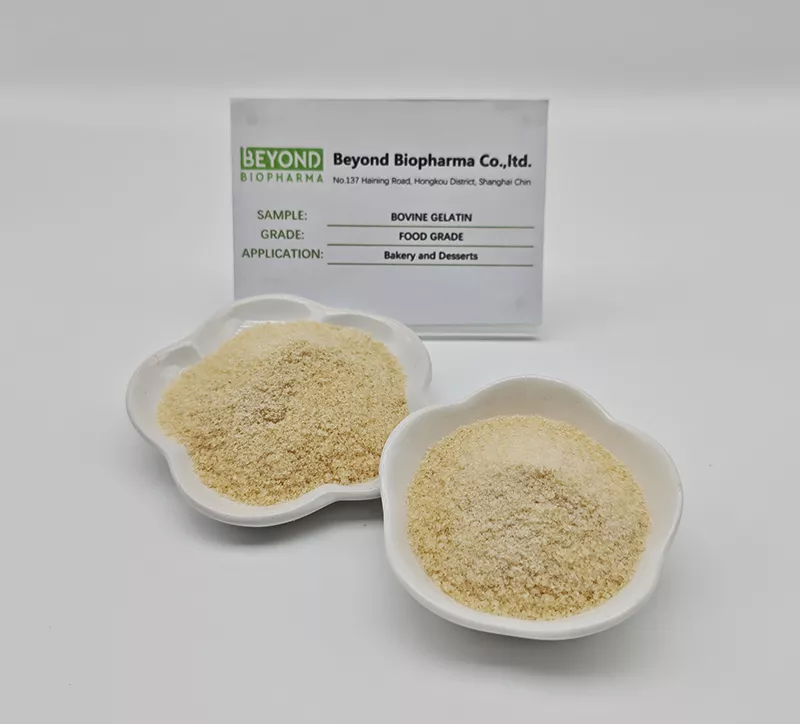
20 years experiences, 5000 ton/year capacity, Sustained supply with stable quality
Tel:+86 21 65010906
Cell/Whatsapp/Wechat:
+86 13482884055
+86 18657345785
Email: sales@beyondbiopharma.com




