 English EN


What Is the Best Edible Gelatin for Cooking and Baking?
A practical guide to selecting the best edible gelatin for cooking and baking, covering Bloom strength, animal sources, and application tips for gummies, desserts, and savory dishes.
More
When choosing a joint supplement for your dog, the form of glucosamine matters significantly. Glucosamine hydrochloride (HCl) offers distinct advantages over glucosamine sulfate for canine joint health and mobility support.
Glucosamine HCl contains approximately 83% pure glucosamine, compared to only 65% in glucosamine sulfate. This means a smaller dose delivers more active ingredient, reducing the amount of filler your dog consumes. For dogs with sensitive stomachs or those requiring long-term joint support, this higher concentration translates to better efficiency and fewer digestive issues.
Glucosamine sulfate is hygroscopic, meaning it readily absorbs moisture from the air, leading to degradation and reduced potency over time. Glucosamine HCl, on the other hand, is chemically stable and does not require special stabilizers like potassium or sodium chloride. This ensures your dog receives consistent, effective joint support from the first dose to the last, even after prolonged storage.
Research indicates that glucosamine HCl is more readily absorbed into the bloodstream and reaches joint tissues more effectively than glucosamine sulfate. The hydrochloride form does not rely on salt-based carriers for absorption, allowing for direct uptake by the body. This improved bioavailability means more glucosamine reaches the cartilage, where it can stimulate repair and reduce inflammation associated with arthritis and joint stiffness.
Glucosamine sulfate often contains high levels of sodium or potassium chloride as stabilizers, which can be problematic for dogs with heart conditions, kidney issues, or those on low-sodium diets. Glucosamine HCl is naturally low in sodium, making it a safer choice for dogs with underlying health concerns. This allows you to support joint mobility without compromising overall health.
Numerous studies have demonstrated that glucosamine HCl effectively reduces joint pain and improves mobility in dogs with osteoarthritis. By targeting the underlying cartilage degradation, it helps restore joint function and reduces inflammation. For dogs showing signs of stiffness, difficulty climbing stairs, or reluctance to play, glucosamine HCl provides targeted relief that supports an active, pain-free lifestyle.
For more information on joint health supplements, visit this resource or explore this guide to learn about complementary ingredients for canine mobility.
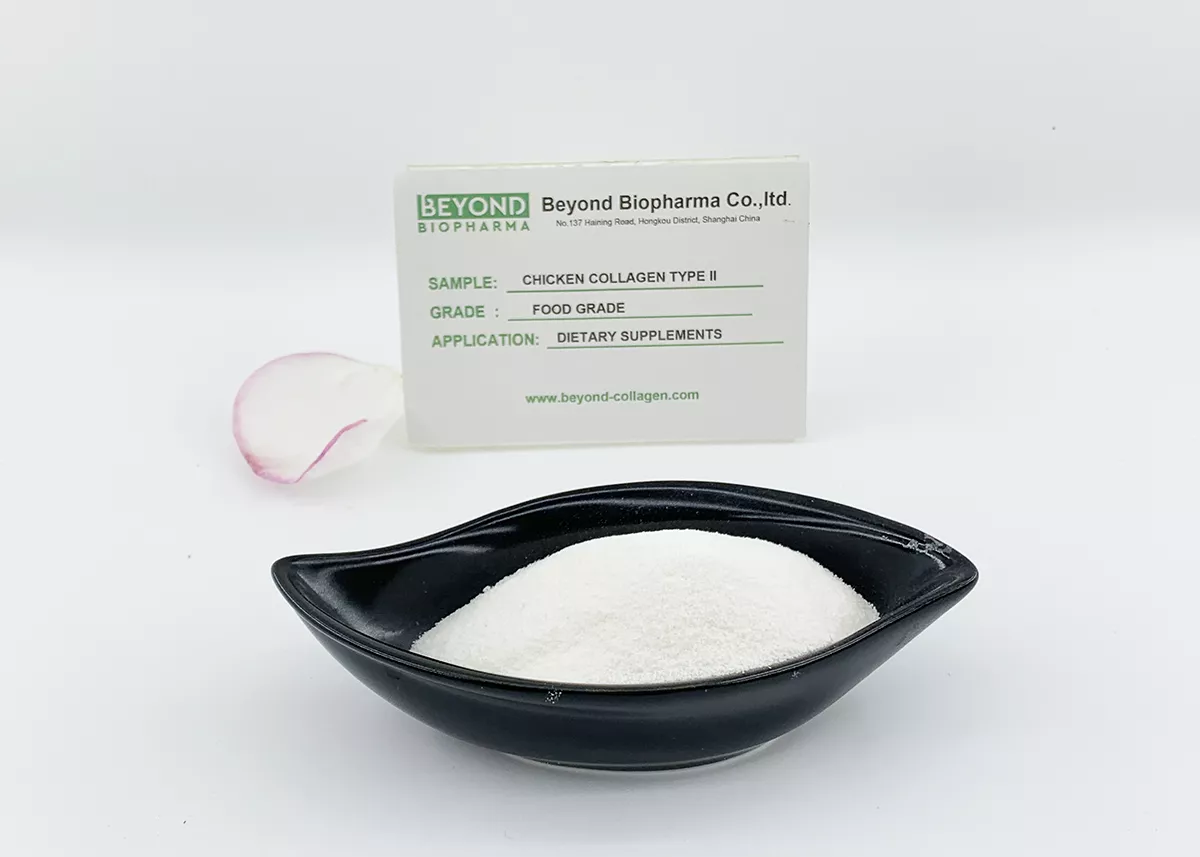
Glucosamine hydrochloride is a naturally occurring amino sugar that serves as a fundamental building block for cartilage proteoglycans. When administered to dogs, it is absorbed into the bloodstream and transported to joint tissues, where it stimulates chondrocytes—the cells responsible for cartilage maintenance—to produce more glycosaminoglycans and collagen. This process helps rebuild the extracellular matrix of damaged cartilage, restoring its cushioning and shock-absorbing properties.
Beyond structural repair, glucosamine HCl exhibits anti-inflammatory effects by inhibiting the production of pro-inflammatory cytokines and enzymes such as cyclooxygenase-2 (COX-2) and matrix metalloproteinases (MMPs). These substances are typically elevated in arthritic joints and contribute to cartilage degradation and pain. By reducing their activity, glucosamine HCl helps lower joint inflammation, alleviate swelling, and improve mobility in dogs suffering from osteoarthritis or age-related joint stiffness.
Additionally, glucosamine HCl supports synovial fluid production, which lubricates the joint and reduces friction during movement. This combined action of cartilage regeneration, inflammation reduction, and improved lubrication makes glucosamine HCl a key supplement for maintaining joint health and enhancing the quality of life in dogs with joint issues.
Selecting the right glucosamine hydrochloride supplement requires attention to purity, dosage form, and additional supportive ingredients. Below are the most important evaluation criteria.
Look for glucosamine HCl derived from high-quality, non-shellfish sources if your dog has allergies. Third-party testing for contaminants ensures safety and potency.
Powders, chewable tablets, and liquid forms offer different absorption rates. Choose a form that your dog accepts easily and that provides consistent dosing.
Many supplements combine glucosamine HCl with chondroitin, MSM, or hyaluronic acid for enhanced joint lubrication and inflammation control.
Always consult your veterinarian. Products with published clinical studies or those recommended by veterinary professionals offer greater reliability.
| Factor | What to look for | Why it matters |
|---|---|---|
| Purity | Third-party tested, no fillers | Ensures accurate dosage and safety |
| Bioavailability | High absorption formulation | Improves joint tissue uptake |
| Additional ingredients | Chondroitin, MSM, hyaluronic acid | Synergistic support for mobility |
| Clinical evidence | Published studies or vet endorsement | Confirms efficacy and safety |
The table above summarizes the most critical aspects to evaluate. A supplement that scores well in these areas is more likely to provide noticeable joint pain relief and mobility support for your dog.
For further information on high-quality joint health ingredients, you may explore resources such as undenatured collagen type II or hydrolyzed collagen type II powder. These are often used alongside glucosamine HCl for comprehensive joint care.
Always compare product labels and consult your veterinarian before starting any new supplement regimen for your pet.
Start with the recommended dosage on the product label based on your dog's weight. For most glucosamine hydrochloride supplements, the typical dose is 20-25 mg per pound of body weight daily. Divide this into two servings for better absorption.
Administer the supplement with food to reduce the chance of stomach upset and improve uptake. Mixing powder or capsule contents into wet food often works best. For picky eaters, try hiding the dose in a small treat or spoonful of peanut butter.
Consistency is key. Give the supplement at the same times each day to maintain steady levels in your dog's system. It may take 4-6 weeks to notice significant improvement in mobility and comfort.
Always provide fresh water and monitor your dog for any digestive changes. If vomiting or diarrhea occurs, reduce the dose or consult your veterinarian. Never exceed the maximum recommended daily amount.
For senior dogs or those with severe joint issues, consider combining glucosamine hydrochloride with omega-3 fatty acids or chondroitin for enhanced support. Store the supplement in a cool, dry place away from direct sunlight.
Glucosamine hydrochloride offers higher purity and better absorption than glucosamine sulfate, making it more effective for canine joint repair and inflammation reduction.
Glucosamine HCl stimulates cartilage matrix production and inhibits inflammatory pathways, directly supporting joint structure and alleviating pain associated with arthritis and hip dysplasia.
Look for pure glucosamine HCl without unnecessary fillers, third-party tested for potency, and specifically formulated for your dog's size and joint condition.
Follow weight-based dosing guidelines (typically 20-30 mg per pound daily), split into two meals for better tolerance, and administer with food to enhance absorption and reduce stomach upset.
Combining glucosamine HCl with chondroitin sulfate, MSM, omega-3 fatty acids, and hyaluronic acid provides comprehensive joint support and faster improvements in mobility and comfort.
Always consult your veterinarian before starting any new supplement regimen to ensure the right formula and dosage for your dog's specific health needs.


We provide you with comprehensive foreign trade solutions to help enterprises achieve global development
BEYOND BIOPHARMA is a specialized manufacturer of high-quality Undenatured Collagen Type II. Utilizing low-temperature, non-enzymatic extraction methods, our Undenatured Collagen Type II retains its native, triple-helix structure, essential for modulating the immune system's response to joint health and providing superior support for mobility, flexibility, and overall joint comfort.
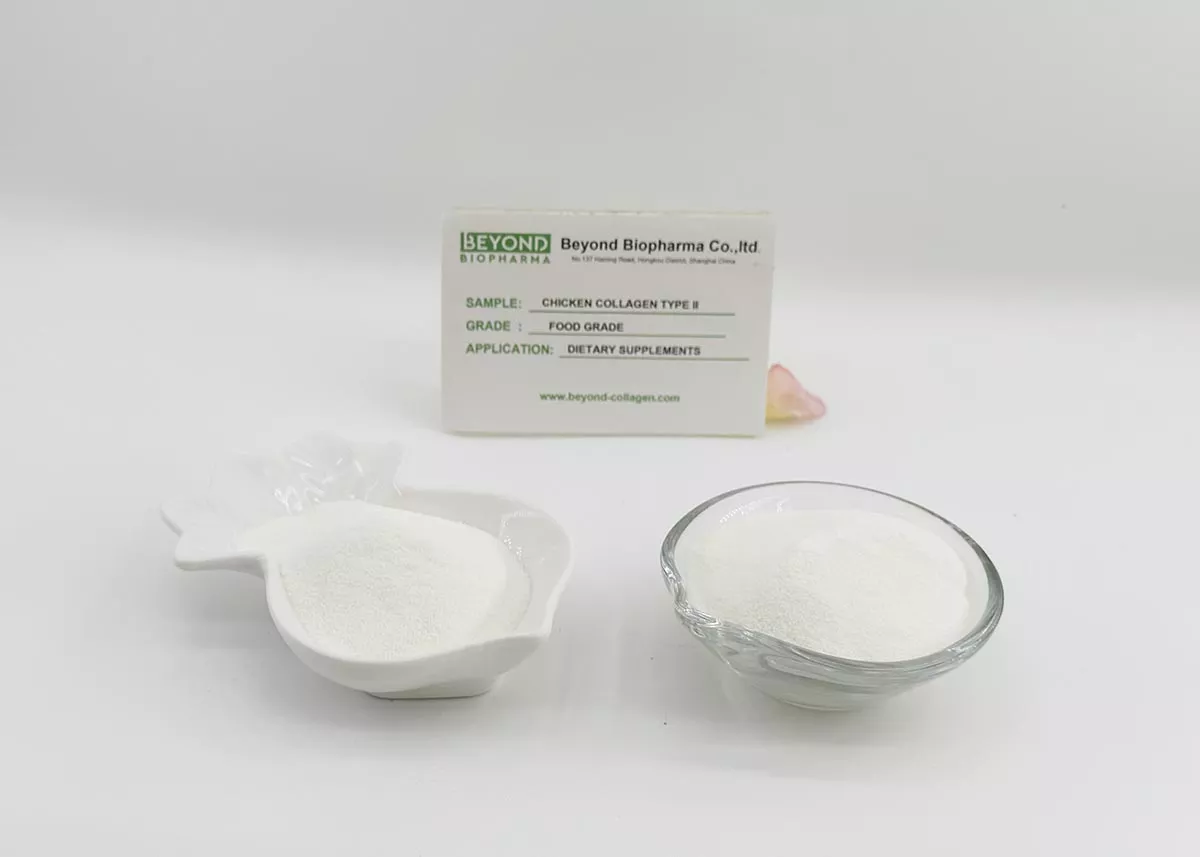
BEYOND BIOPHARMA is a specialized manufacturer of highly purified Hydrolyzed Collagen Type II. Through advanced enzymatic hydrolysis, we create low-molecular-weight collagen peptides that are highly bioavailable, offering foundational nutritional support for cartilage repair, joint function, and skin health. Our product is designed for rapid absorption and maximum efficacy in oral supplements.
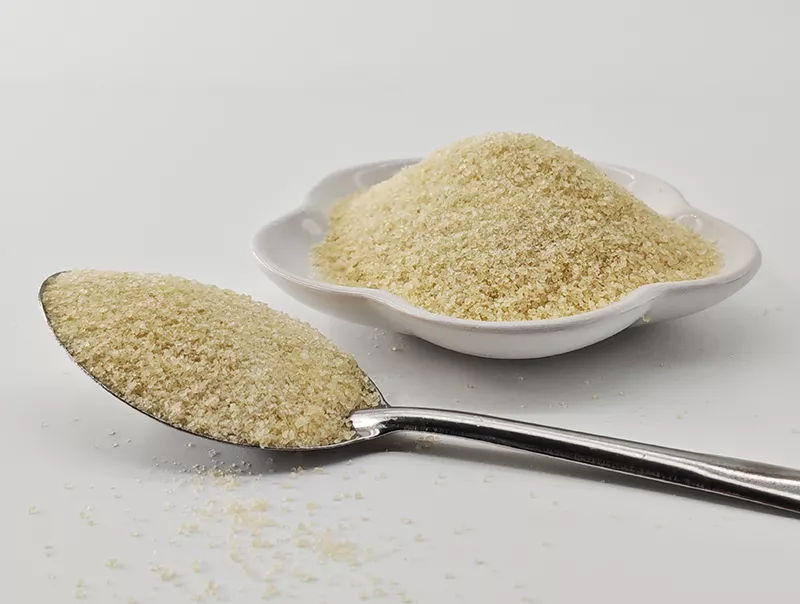
The High-Performance Barrier for Core Material Protection and Controlled Release.
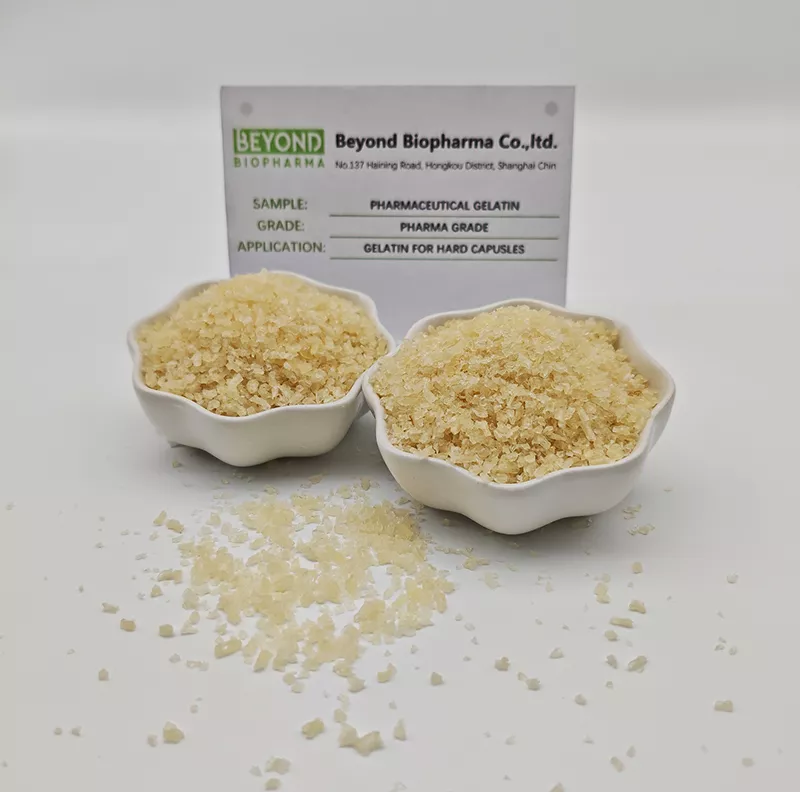
Precision, Purity, and Optimal Machinability
Tel:+86 21 65010906
Cell/Whatsapp/Wechat:
+86 13482884055
+86 18657345785
Email: sales@beyondbiopharma.com




