 English EN


The Surprising Benefits of Cold Water Fish Gelatin for Food and Health
Recent 2026 studies show cold water fish gelatin boosts joint, skin, and digestive health, offering a hypoallergenic, sustainable option for food and wellness.
More
Gelatin is a protein derived from collagen, and it plays a key role in supporting joint health, skin elasticity, and digestion. While many people turn to supplements, getting gelatin from whole foods is both natural and delicious. In this article, we explore the top 10 food sources that can help you boost your gelatin intake, from homemade bone broth to unexpected treats like marshmallows. Each source is backed by real nutritional data, so you can make informed choices for your health.
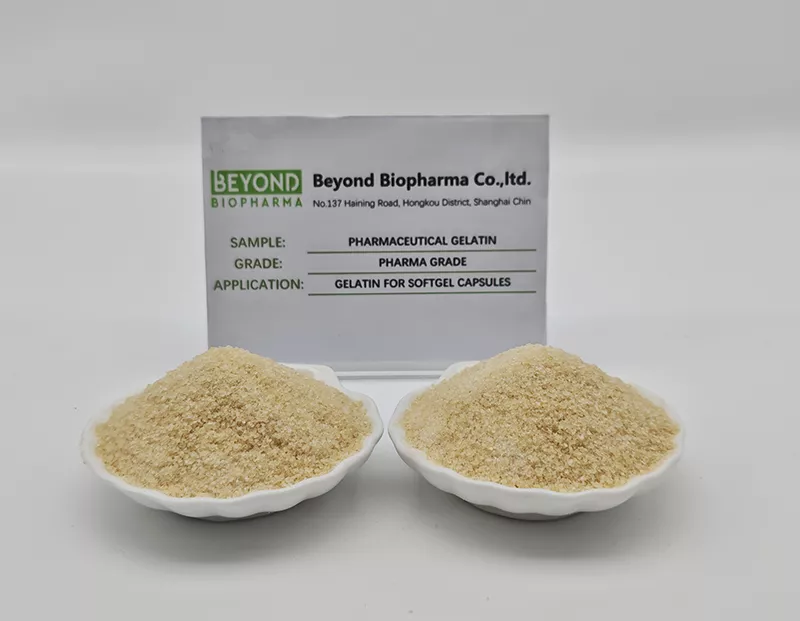
Bone broth is one of the most concentrated natural sources of gelatin. When you simmer animal bones—especially chicken, beef, or fish—for 12 to 24 hours, the collagen breaks down into gelatin. A single cup of homemade beef bone broth can contain up to 6 to 12 grams of protein, with a significant portion being gelatin. Look for bones with joints and connective tissue, like knuckles or feet, for the best yield. Simmering with a splash of vinegar helps extract more minerals and gelatin.
Crispy chicken skin and pork rinds are not just tasty snacks—they are rich in gelatin. Pork skin, when fried or roasted, retains a high amount of collagen. A 1-ounce serving of pork rinds provides about 9 grams of protein, much of which comes from gelatin. Chicken skin, when roasted until crispy, offers a similar benefit. These are great for adding texture to meals while boosting your gelatin intake.
Oxtail is a gelatin-rich cut of meat because it contains a high proportion of connective tissue and bone marrow. When braised slowly, the collagen melts into the cooking liquid, creating a thick, silky sauce. A 3-ounce serving of cooked oxtail can provide around 20 grams of protein, with a substantial gelatin content. It is a staple in many traditional soups and stews around the world.
Fish heads and bones are often overlooked, but they are excellent sources of gelatin. Fish collagen is known for its high bioavailability, meaning it is easily absorbed by the body. A fish head soup, made by simmering heads from salmon or cod for 30 to 60 minutes, can yield a broth rich in gelatin. Studies show that fish collagen peptides can improve skin hydration and joint comfort.
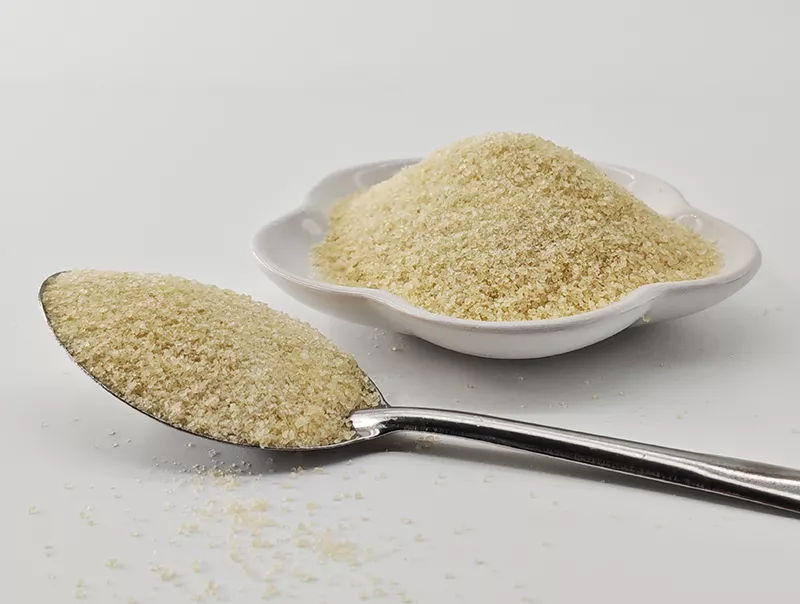
Homemade gelatin desserts, such as fruit jellies or panna cotta, are a fun way to consume gelatin. When you use unflavored powdered gelatin, you control the quality and sugar content. One tablespoon of powdered gelatin (about 7 grams) contains roughly 6 grams of protein, almost entirely from gelatin. Mix it with fruit juice or milk for a healthy treat.
Commercially made marshmallows contain gelatin as a key ingredient. While they are often high in sugar, they do provide a small amount of gelatin. A standard large marshmallow contains about 0.5 grams of protein from gelatin. For a healthier option, you can make your own marshmallows using high-quality gelatin and natural sweeteners.
Gummy bears, jelly candies, and fruit snacks are typically made with gelatin. However, the amount varies by brand. On average, a 1-ounce serving of gummy candies provides about 2 to 3 grams of protein from gelatin. Look for brands that list gelatin as a primary ingredient, and be mindful of added sugars.
Head cheese, also known as brawn or souse, is a terrine made from the head of a pig or cow. It is naturally high in gelatin because it uses parts rich in collagen, such as the snout, ears, and tongue. A 2-ounce serving can contain up to 8 grams of protein, with a significant gelatin content. It is often served cold as a deli meat.
Chicken feet are a traditional ingredient in many Asian cuisines, prized for their high gelatin content. When simmered, they release a thick, collagen-rich broth. A single chicken foot can provide about 1.5 grams of gelatin. They are often used in soups or braised dishes, and the resulting broth can be used as a base for other recipes.
Some canned soups and stews are made with bone broth or contain gelatin as a thickener. Check the ingredient list for terms like "gelatin" or "bone broth." A cup of canned beef stew may contain 2 to 4 grams of gelatin. While not as concentrated as homemade options, they offer convenience for busy days.
To get the most out of these foods, pair them with vitamin C-rich ingredients like citrus fruits, bell peppers, or broccoli. Vitamin C helps your body synthesize collagen from the gelatin you consume. For example, add a squeeze of lemon to your bone broth or enjoy a side of sauerkraut with your pork rinds.
When choosing gelatin sources, opt for grass-fed or pasture-raised animals whenever possible. These animals tend to have higher collagen content in their connective tissues. For fish-based sources, wild-caught fish is preferable over farmed varieties. Always check labels on packaged foods to ensure gelatin is a primary ingredient.
Incorporating gelatin-rich foods into your diet is a practical way to support your joints, skin, and gut health. From a warming bowl of oxtail stew to a simple homemade jelly, these foods are both nourishing and versatile. For those looking for a concentrated option, high-quality gelatin powders are also available from trusted suppliers like Beyond Biopharma, which offers edible bovine gelatin ideal for food applications. Remember, real food first, and supplements as a backup.


We provide you with comprehensive foreign trade solutions to help enterprises achieve global development
The High-Performance Barrier for Core Material Protection and Controlled Release.
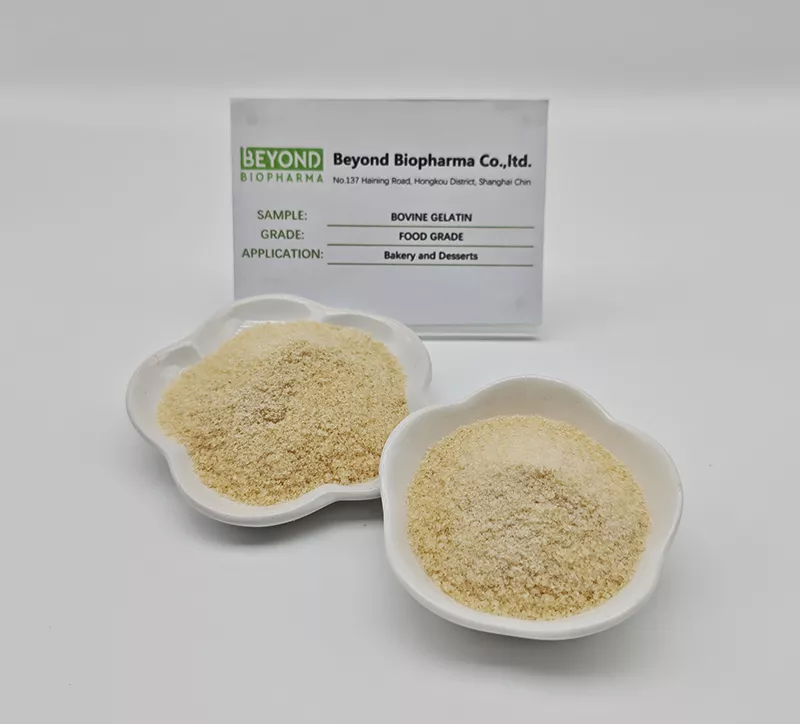
20 years experiences, 5000 ton/year capacity, Sustained supply with stable quality
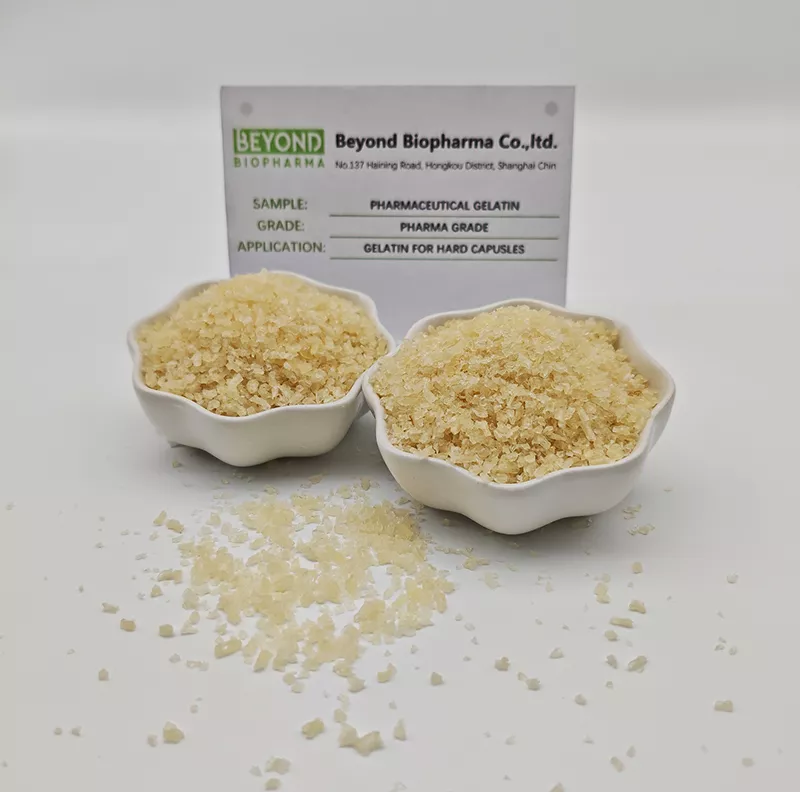
Precision, Purity, and Optimal Machinability
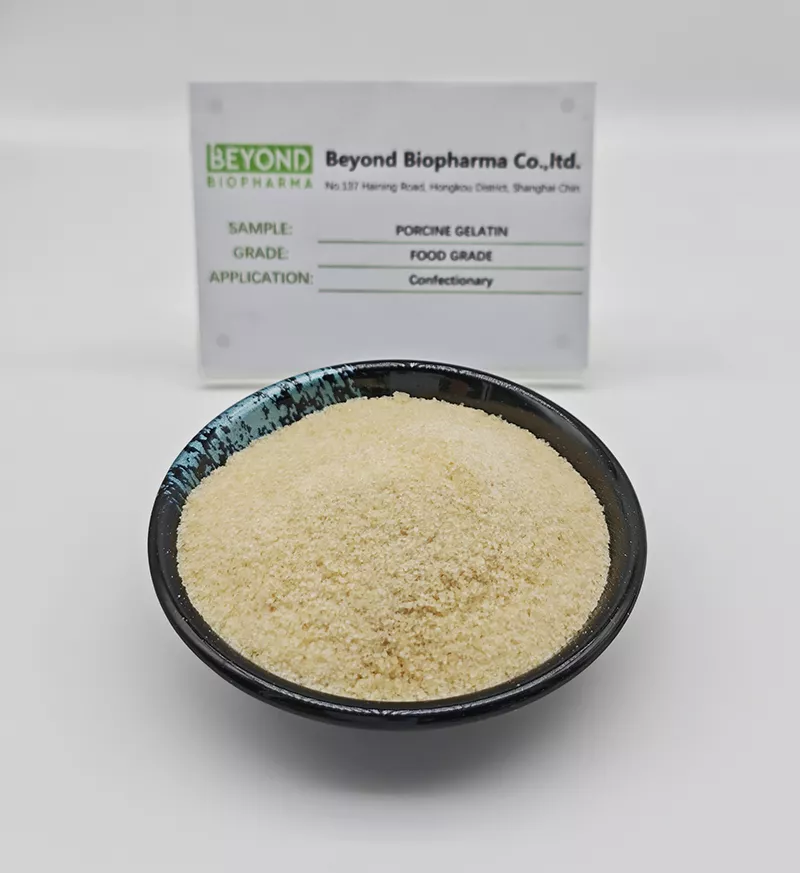
Food-grade porcine gelatin is a highly versatile and cost-effective natural protein derived from the collagen found in pig skin and bones. It is a premier gelling agent known for its exceptional clarity, neutral taste, and thermal reversibility.
Tel:+86 21 65010906
Cell/Whatsapp/Wechat:
+86 13482884055
+86 18657345785
Email: sales@beyondbiopharma.com




