 English EN


Bovine gelatin pros and cons everyone should know
Bovine gelatin offers strong gelling and health benefits but has dietary, ethical, and allergen concerns. Compare bovine gelatin to other gelatin options here.
More
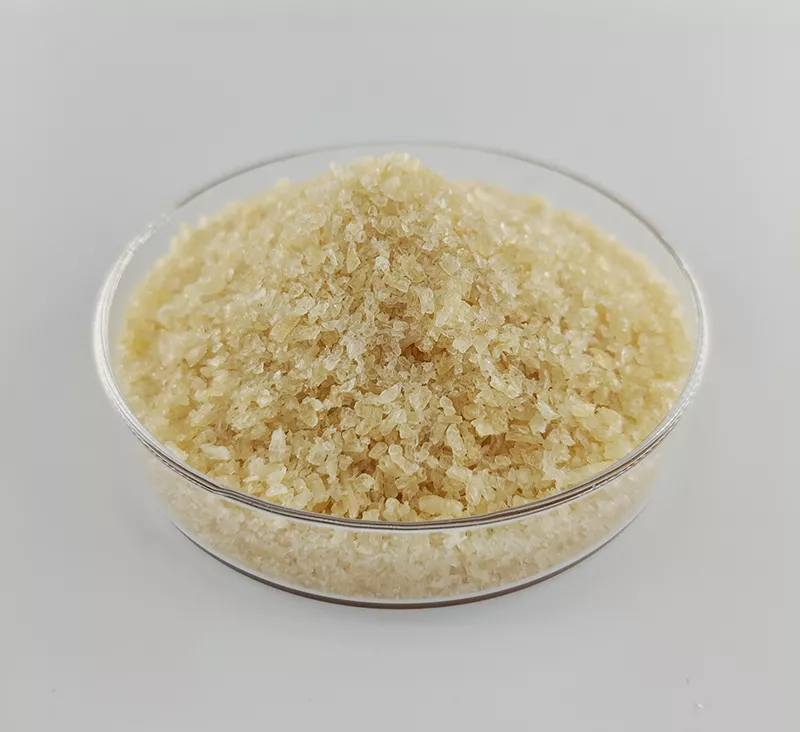
Gelatin is a protein derived from collagen, sourced primarily from animal hides and bones. The three main types used in culinary applications are bovine (beef), porcine (pork), and fish gelatin. Each type has distinct properties in terms of bloom strength, viscosity, and melting point, which influence their performance in gummies, jellies, desserts, and confectionery. Bovine gelatin is often preferred for its high bloom and neutral flavor, while porcine gelatin offers consistent gel strength. Fish gelatin, with a lower melting point, is ideal for products requiring a melt-in-the-mouth texture. Understanding these differences is key to selecting the right ingredient for your specific application.
Gelatin is produced through the partial hydrolysis of collagen, typically using acid or alkaline processes. For bovine and porcine sources, the raw materials are cleaned, treated, and extracted at controlled temperatures. Fish gelatin follows a similar process but often requires lower temperatures due to its different amino acid profile. Key performance indicators include bloom strength (measured in grams), which determines gel firmness, and viscosity, which affects mouthfeel and processing. Molecular weight also plays a role: higher molecular weight generally leads to stronger gels, while lower weight improves solubility. These parameters are critical for culinary applications where texture and stability are paramount.
The table below outlines common specifications for edible gelatin. Note that these are typical industry ranges; final values should be confirmed per Certificate of Analysis (COA) or sample.
| Parameter | Typical Range | Notes |
|---|---|---|
| Bloom Strength | 50–300 g | Pharma/gummies often 150–260 Bloom |
| Viscosity | 2.0–5.5 mPa·s | Measured at 60°C, 6.67% solution |
| Mesh Size | 8–60 mesh | Affects dissolution rate |
| Moisture | ≤14% | Standard for shelf stability |
Typical industry range; final values per COA / sample.
Selecting the correct gelatin depends on your end product. For gummies and jellies, a high-bloom bovine or porcine gelatin (200–260 Bloom) provides firm, chewy textures. Softgel capsules require ultra-high-viscosity gelatin for stability. In confectionery, fish gelatin offers a lower melting point, ideal for fruit snacks. For pharmaceutical applications, bovine bone gelatin is commonly used for hard capsules due to its consistent gel strength. If you need allergen-free or vegan options, consider plant protein peptides as an alternative. Always match the gelatin grade—food, pharmaceutical, or cosmetic—to your regulatory requirements.
Beyond Biopharma is a Shanghai, China–based manufacturer with over 10 years of experience in the food-ingredient industry. We export to 50+ countries and operate a fully automatic production line with GMP clean workshops and stainless-steel sealed piping. Our capacity is approximately 3,000 MT/year for collagen and 5,000 MT/year for gelatin. We hold ISO 9001 and US FDA registration, with select products carrying Halal or Kosher certification. Our bovine bone gelatin is BSE-free, and our in-house lab conducts heavy-metal and microbiological testing. We offer three grades—food, pharmaceutical, and cosmetic—and provide free samples along with formulation support.
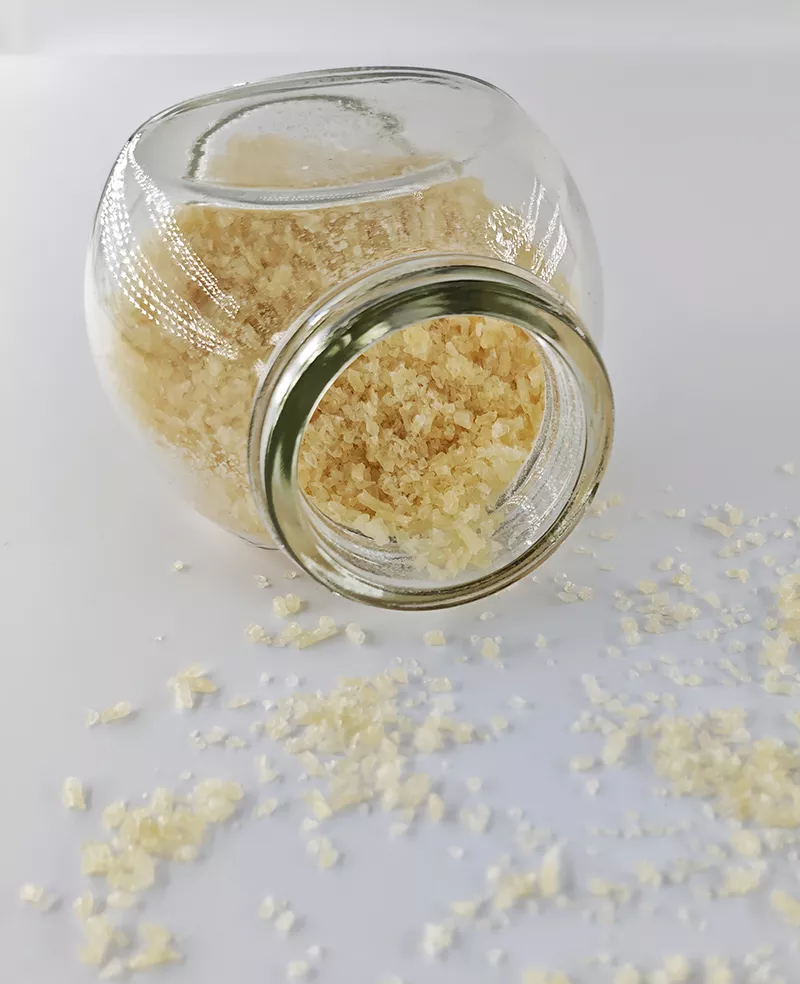
Bovine gelatin comes from beef hides or bones, while porcine gelatin is from pork skin. Bovine gelatin typically has a higher bloom and neutral flavor, making it suitable for clear gels. Porcine gelatin offers consistent gel strength and is widely used in gummies. Both are compatible with most culinary applications, but dietary and religious considerations may influence the choice.
Yes, fish gelatin can be used as an alternative, especially in applications requiring a lower melting point. It is kosher and halal-friendly, making it suitable for specific markets. However, its gel strength is generally lower than bovine gelatin, so you may need to adjust the concentration. It works well in fruit snacks and desserts where a melt-in-the-mouth texture is desired.
For gummy candies, a bloom strength between 200 and 260 grams is typical. Higher bloom yields firmer, chewier gummies, while lower bloom results in softer textures. Bovine or porcine gelatin in this range provides the right balance of gel strength and elasticity. Always test with your specific formulation to achieve the desired mouthfeel.
Work with a supplier that provides detailed Certificates of Analysis (COA) for each batch. Look for consistent bloom, viscosity, and mesh size. Beyond Biopharma uses automated temperature and pH control in production, along with in-house QA/QC testing, to maintain uniformity. Request free samples to evaluate before bulk ordering.
Yes, plant-based alternatives like agar-agar, pectin, or plant protein peptides can replace gelatin. Beyond Biopharma offers plant protein peptides (pea, rice, soy) that are hydrolyzed for solubility and allergen-free. These are suitable for vegan formulations, though they may require different processing conditions compared to animal-derived gelatin.
Key certifications include ISO 9001 for quality management, US FDA registration for safety, and Halal or Kosher for dietary compliance. For pharmaceutical use, ensure the gelatin meets pharmacopeia standards. Beyond Biopharma provides these certifications for select products, along with BSE-free bovine gelatin. Always verify with the supplier for your target market.
Ready to source high-quality gelatin for your culinary applications? Contact Beyond Biopharma with your application details, required grade (food, pharmaceutical, or cosmetic), estimated quantity or MOQ, target specifications (bloom, mesh, molecular weight, certifications), and destination country. We will send free samples and a tailored quote. Our team supports custom bulk supply and formulation/OEM to meet your exact needs.

We provide you with comprehensive foreign trade solutions to help enterprises achieve global development
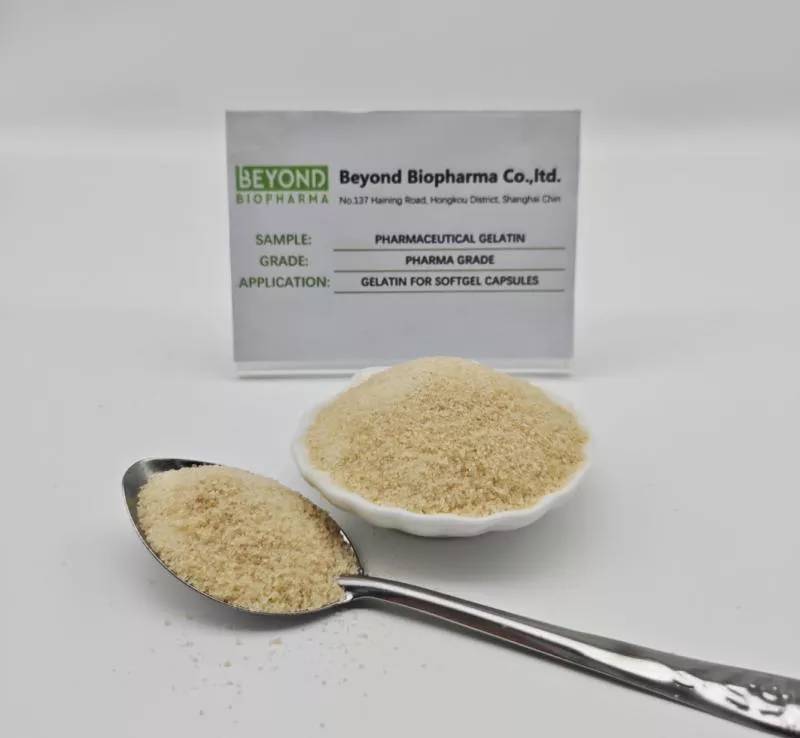
Softgel encapsulation demands a gelatin with unique physical attributes to perform optimally during the high-speed manufacturing process
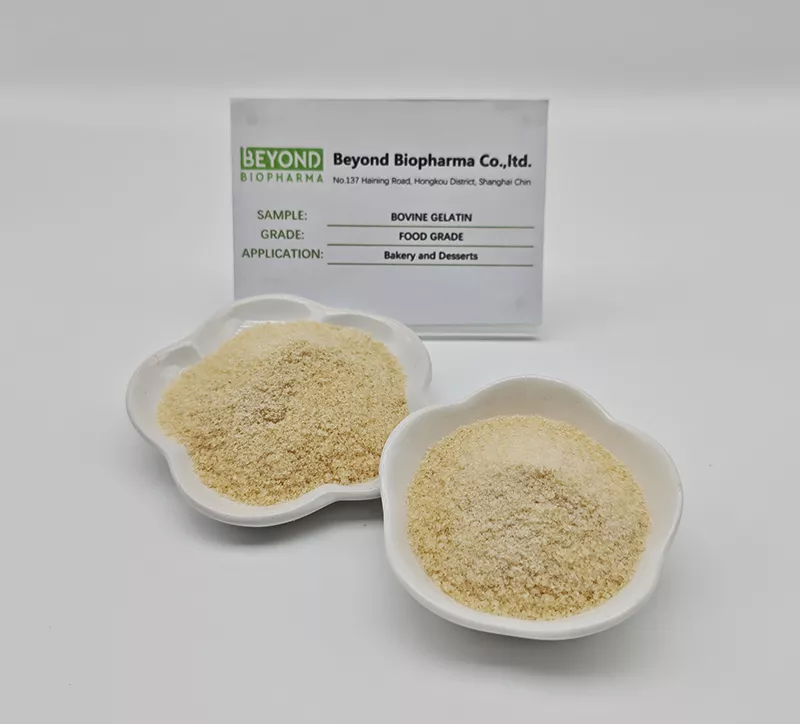
20 years experiences, 5000 ton/year capacity, Sustained supply with stable quality
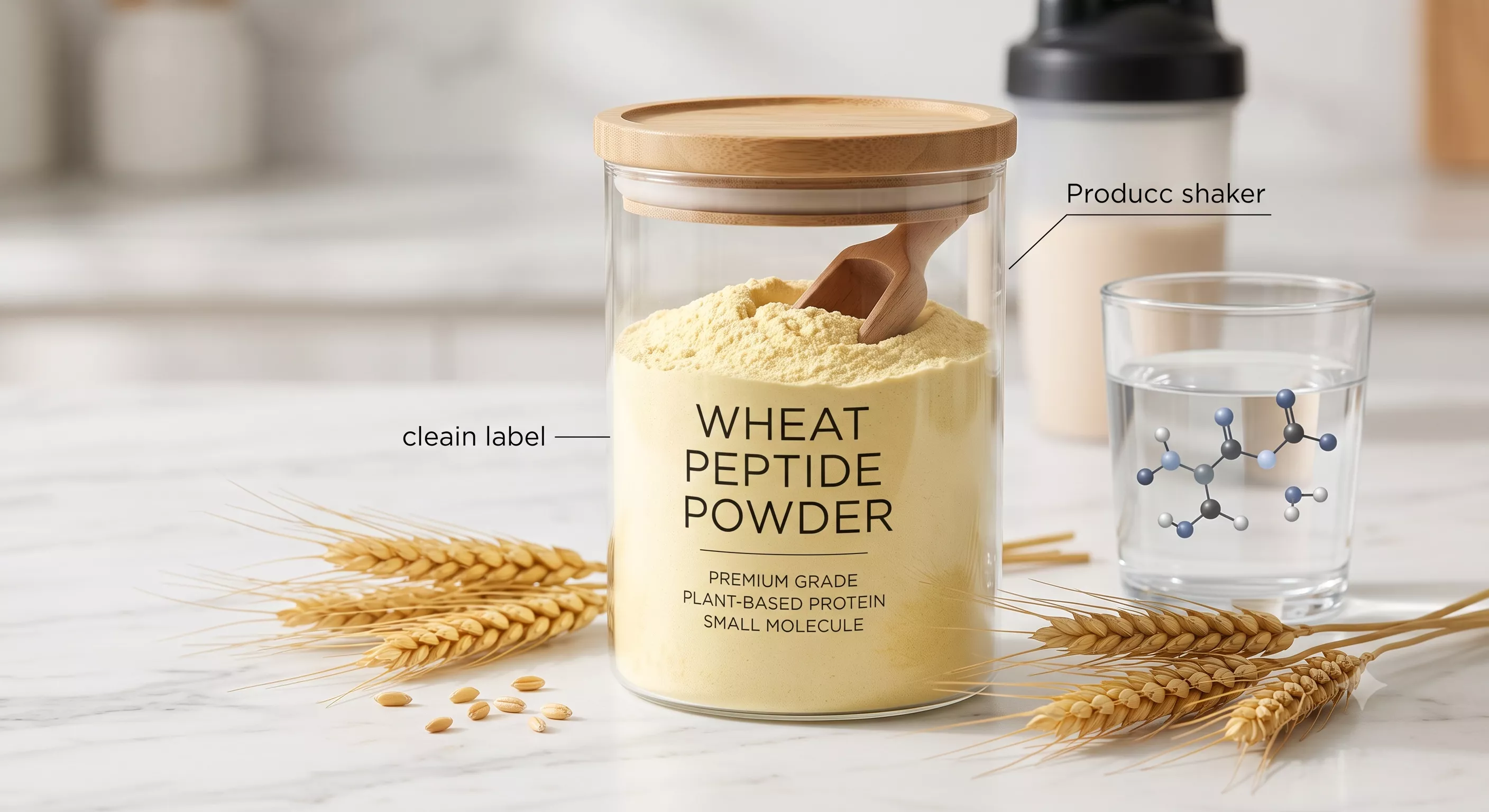
Source ultra-pure, high-solubility wholesale hydrolyzed wheat gluten peptide in bulk. Rich in plant-bound Glutamine ($\ge 25\%$) for muscle recovery and gut barrier health.
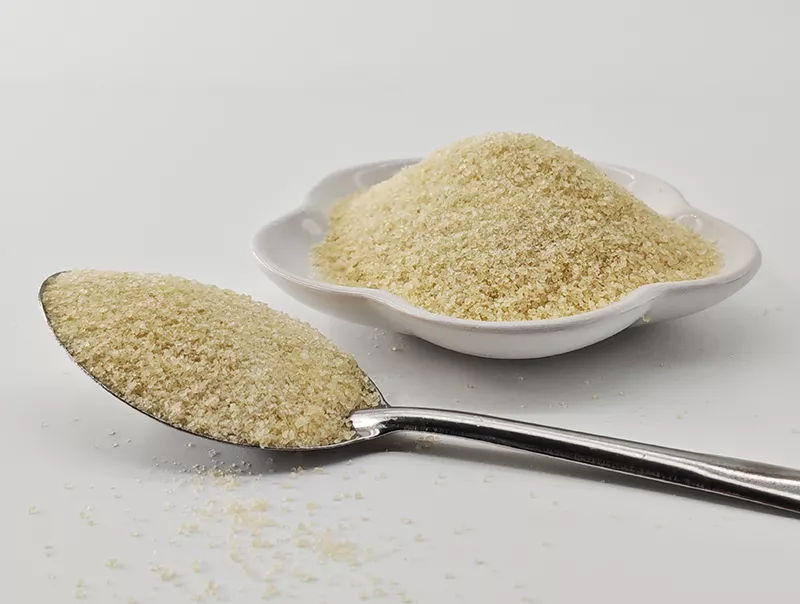
The High-Performance Barrier for Core Material Protection and Controlled Release.
Select the most popular foreign trade service products to meet your diverse needs
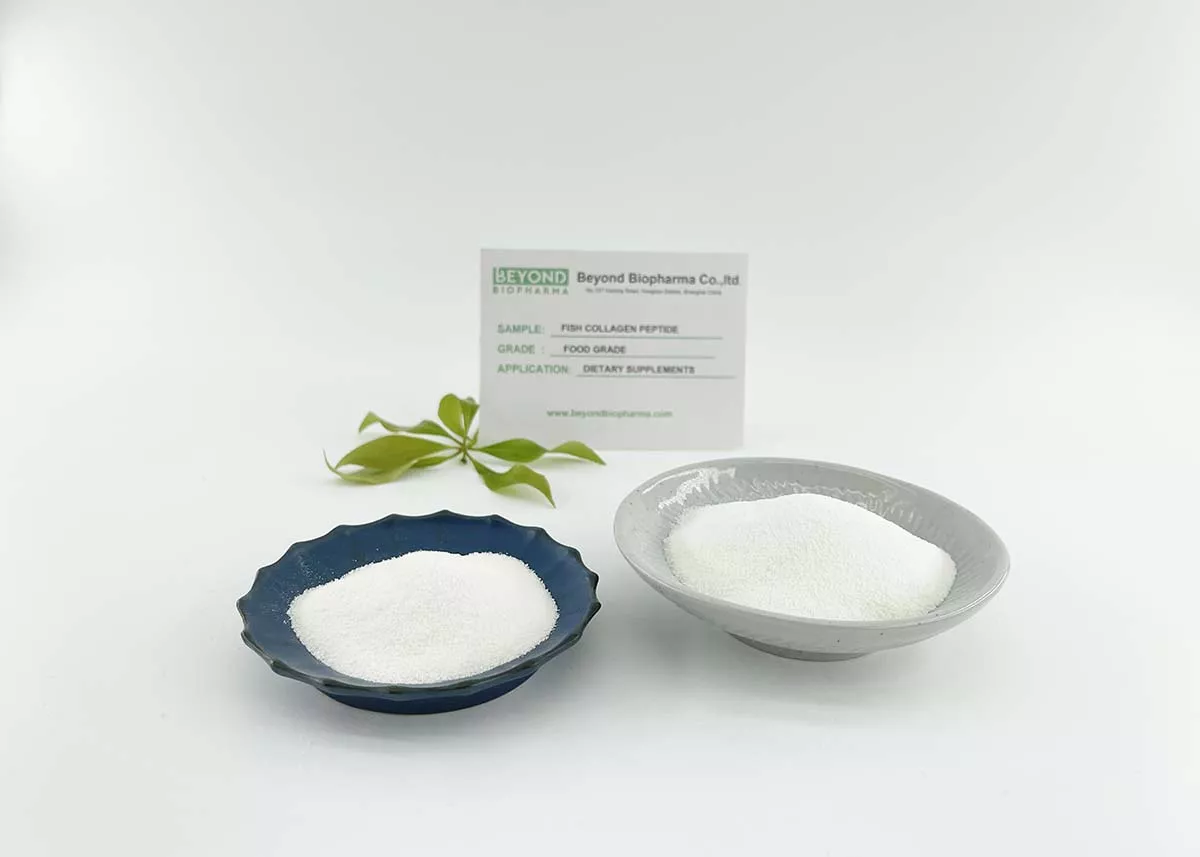
Premium marine-sourced collagen peptides with >90% protein content and low molecular weight (1000-3000 Da) for superior bioavailability. Sustainably sourced, neutral taste, and fully soluble—ideal for nutricosmetics and functional foods.
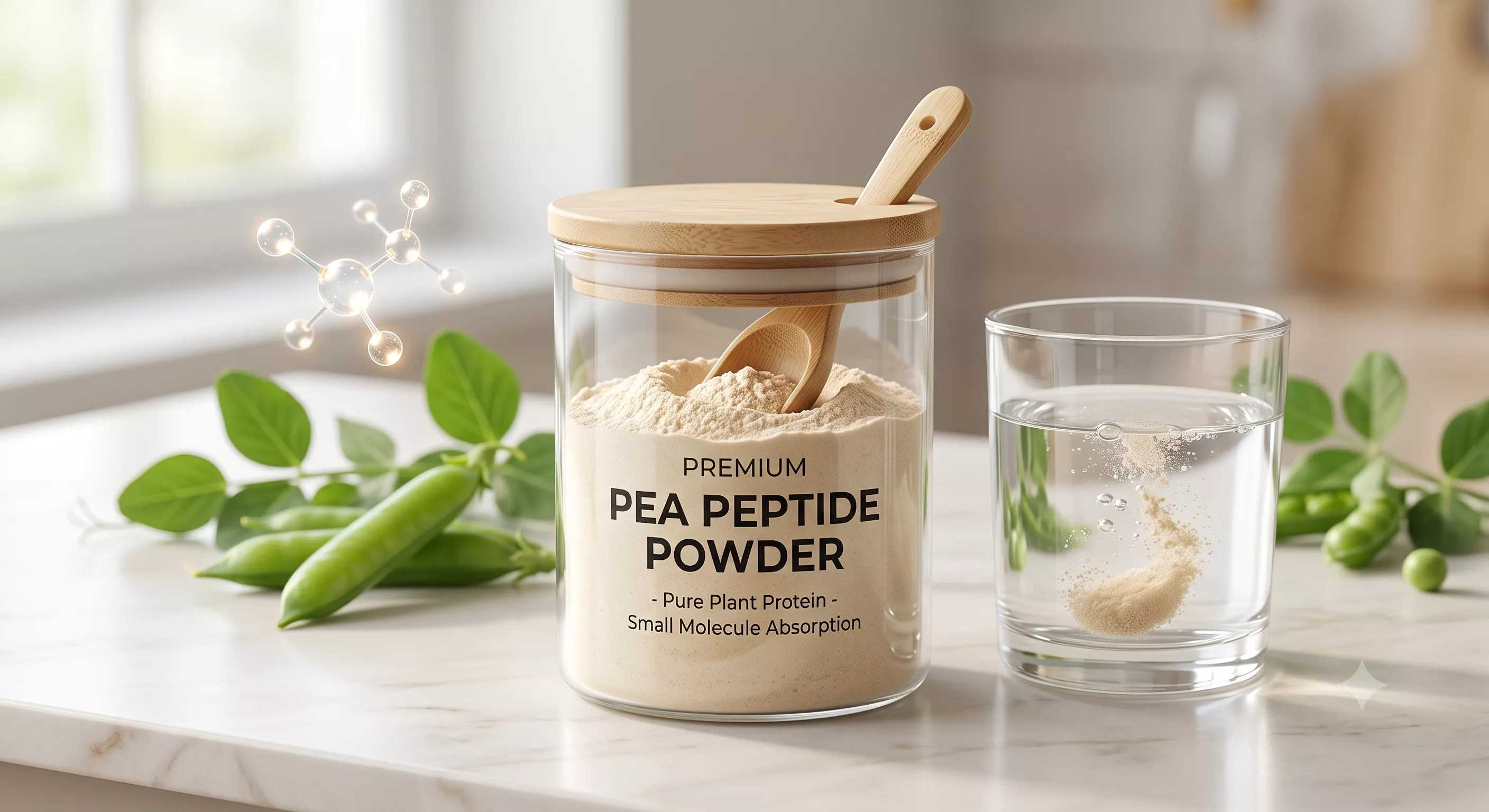
Source high-purity, hypoallergenic hydrolyzed pea peptide powder in bulk. Complete water solubility, rich in BCAAs, ideal for vegan recovery formulas.
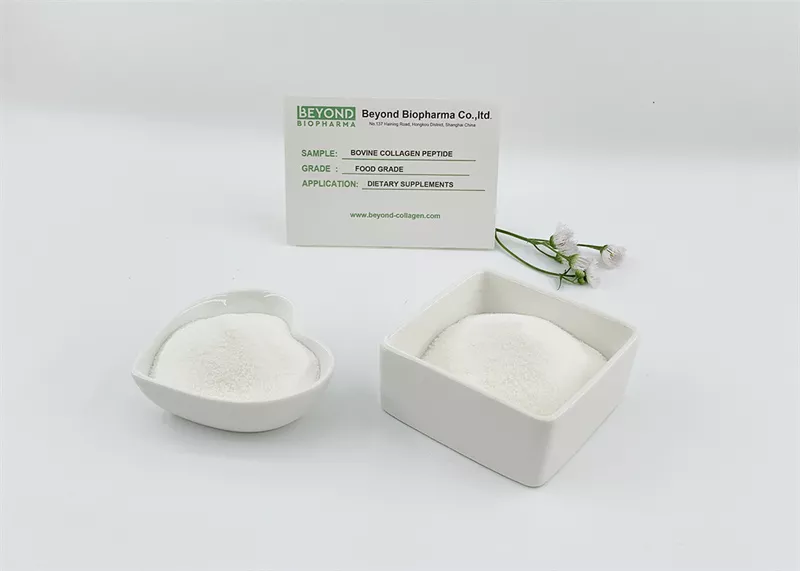
Manufacturer of bovine collagen peptide, shipping in containers all around the world
Tel:+86 21 65010906
Cell/Whatsapp/Wechat:
+86 13482884055
+86 18657345785
Email: sales@beyondbiopharma.com





User Comments
Service Experience Sharing from Real Customers
Megan
Pastry ChefI’ve tried both beef and pork gelatin for my mousse cakes, but this fish-based one surprised me. Sets faster, no weird smell, and my vegan customers don’t even ask questions. Definitely my new go-to.
Derek
QA TechnicianWe use gelatin for capsule coatings in supplements. This batch had consistent bloom strength, no clumping. Only knock is the packaging could be more airtight—had a bit of moisture after a week. Still solid.
Lena
Food Blogger & Recipe DeveloperMade panna cotta with the instant type—first time I didn’t have to bloom it. Texture was silky, no lumps. My followers loved the video. Only wish they sold smaller bags for home testers.
Oscar
Butcher & CharcutierOrdered the sheet gelatin for terrines. It works, but I prefer powder for even distribution. Sheets were a little brittle—cracked when I tried to cut them. Got the job done, just not my favorite.