 English EN


Bovine gelatin pros and cons everyone should know
Bovine gelatin offers strong gelling and health benefits but has dietary, ethical, and allergen concerns. Compare bovine gelatin to other gelatin options here.
More
Sourcing reliable gelatin and collagen peptides is critical for product consistency. This guide covers key specifications, applications, and how to choose the right grade for gummies, capsules, sports nutrition, and plant-based formulations. Whether you need edible gelatin, pharmaceutical gelatin, or collagen peptides, understanding bloom, viscosity, and molecular weight helps avoid costly batch failures.
When sourcing gelatin and collagen peptides for commercial production, buyers often face challenges like batch inconsistency, off-odors, poor solubility, and complex certification requirements. This article provides a practical breakdown of how these ingredients work, typical parameter ranges, and selection guidance for food, pharmaceutical, and nutraceutical applications.
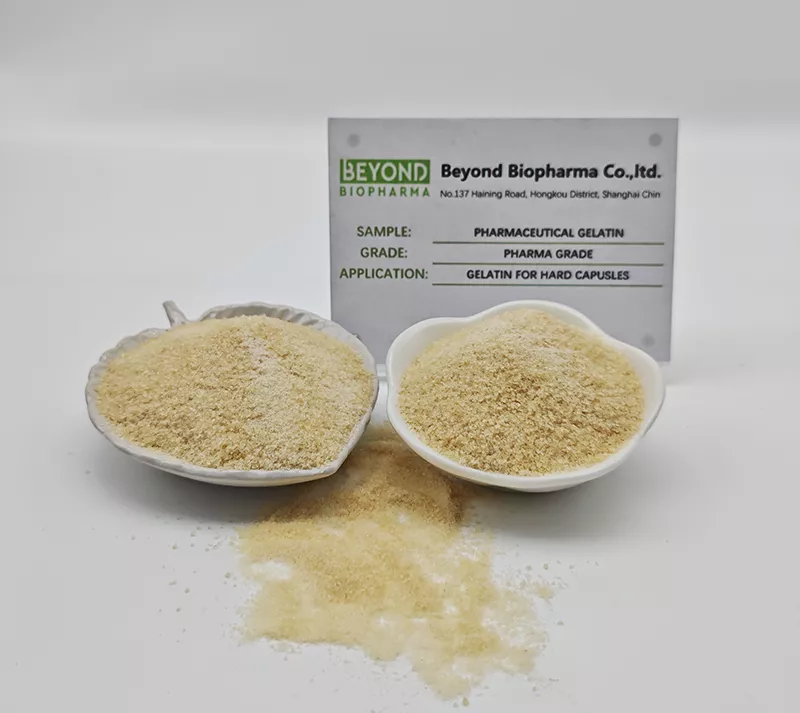
Gelatin is derived from partial hydrolysis of collagen, typically from bovine hide, bovine bone, porcine skin, or fish skin. The process involves acid or alkaline treatment followed by hot water extraction, filtration, and drying. The resulting product has a high molecular weight and forms thermo-reversible gels. Collagen peptides, on the other hand, undergo enzymatic hydrolysis to break down into smaller peptides (typically 2,000–5,000 Da), which are cold-water soluble and rapidly absorbed. Plant protein peptides are produced via enzymatic hydrolysis of pea, rice, or soy protein, offering a vegan alternative with a different amino acid profile.

Understanding typical parameter ranges helps you match ingredients to your application. Below is a reference table based on common industry standards. Always verify final values with the supplier’s Certificate of Analysis (COA) and sample testing.
| Parameter | Edible Gelatin (Typical Range) | Collagen Peptides (Typical Range) | Plant Protein Peptides (Typical Range) |
|---|---|---|---|
| Bloom (g) | 50–300 (pharma/gummies: 150–260) | N/A (non-gelling) | N/A |
| Viscosity (mPa·s) | 2.0–5.5 | N/A | N/A |
| Mesh Size | 8–60 | 20–80 | 20–80 |
| Moisture (%) | ≤14 | ≤8 | ≤8 |
| Protein (%) | ≥85 | ≥90 | 80–90 |
| Molecular Weight (Da) | High (polymer) | 2,000–5,000 (fish typically lower) | Typically |
Note: These are typical industry ranges. Final values per COA and sample testing.
Each industry has specific requirements. Here is selection guidance by sector:
Beyond Biopharma is a Shanghai, China–based manufacturer with over 10 years of experience in the food-ingredient industry. Our products are exported to more than 50 countries. We operate a fully automatic production line with GMP clean workshops, stainless-steel sealed piping, and automated temperature/pH control. Our annual capacity is approximately 3,000 MT for collagen and 5,000 MT for gelatin. We hold ISO 9001 certification, are US FDA registered, and select products carry Halal or Kosher certification. Our bovine bone gelatin is BSE-free. We have an in-house lab for heavy-metal and microbiological testing, supported by a dedicated QA/QC team. We offer three grades: food, pharmaceutical, and cosmetic. Free samples and formulation support are available.
Q: What is the difference between gelatin and collagen peptides?
A: Gelatin has a higher molecular weight and forms gels, while collagen peptides are enzymatically hydrolyzed into smaller peptides that dissolve in cold water and are absorbed faster. Choose gelatin for gelling applications and collagen peptides for rapid absorption in supplements.
Q: How do I choose the right bloom for my gummy product?
A: For gummy candies, a bloom of 200–260 is typical for a firm, chewy texture. Lower bloom (150–180) yields softer gels. Test samples to match your desired mouthfeel and production conditions.
Q: Are fish gelatin and bovine gelatin interchangeable?
A: Not directly. Fish gelatin has a lower melting point and different gel strength. It is suitable for applications requiring a melt-in-mouth feel or for Halal/Kosher diets. Bovine gelatin offers higher bloom and thermal stability.
Q: What certifications should I look for when sourcing gelatin?
A: Common certifications include ISO 9001, US FDA registration, Halal, Kosher, and BSE-free status for bovine products. Always request a Certificate of Analysis and third-party test reports for heavy metals and microbiology.
Q: Can I use collagen peptides in vegan products?
A: Standard collagen peptides are animal-derived. For vegan formulations, use plant protein peptides from pea, rice, or soy. They offer a different amino acid profile but are suitable for allergen-free and plant-based products.
Q: How do I ensure batch-to-batch consistency?
A: Work with a supplier that has automated production lines, in-house QA/QC, and provides detailed COAs for each batch. Request pre-shipment samples and consider a quality agreement for critical parameters.
Ready to source high-quality gelatin and collagen peptides for your next product? Tell us your application, required grade (food, pharmaceutical, or cosmetic), estimated quantity/MOQ, target specifications (bloom, mesh, molecular weight, certifications), and destination country. Beyond Biopharma will send free samples and a competitive quote. Contact us today to start the conversation.

We provide you with comprehensive foreign trade solutions to help enterprises achieve global development
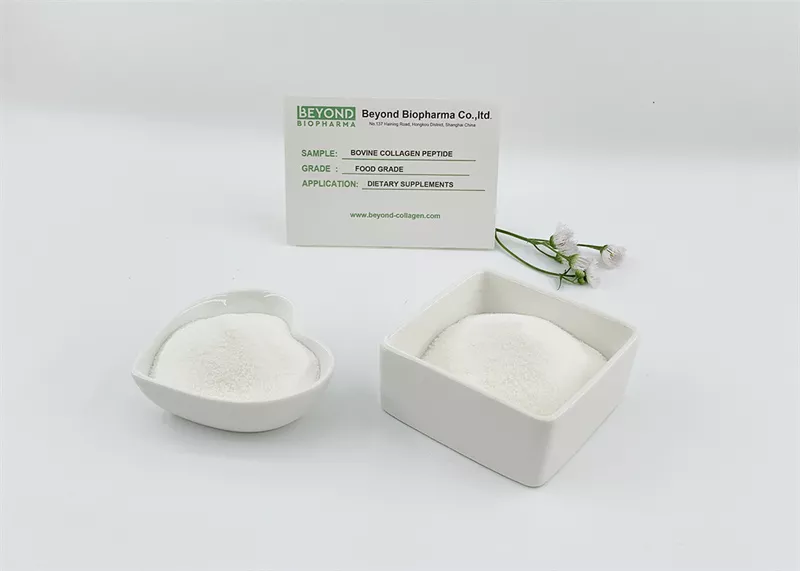
Manufacturer of bovine collagen peptide, shipping in containers all around the world
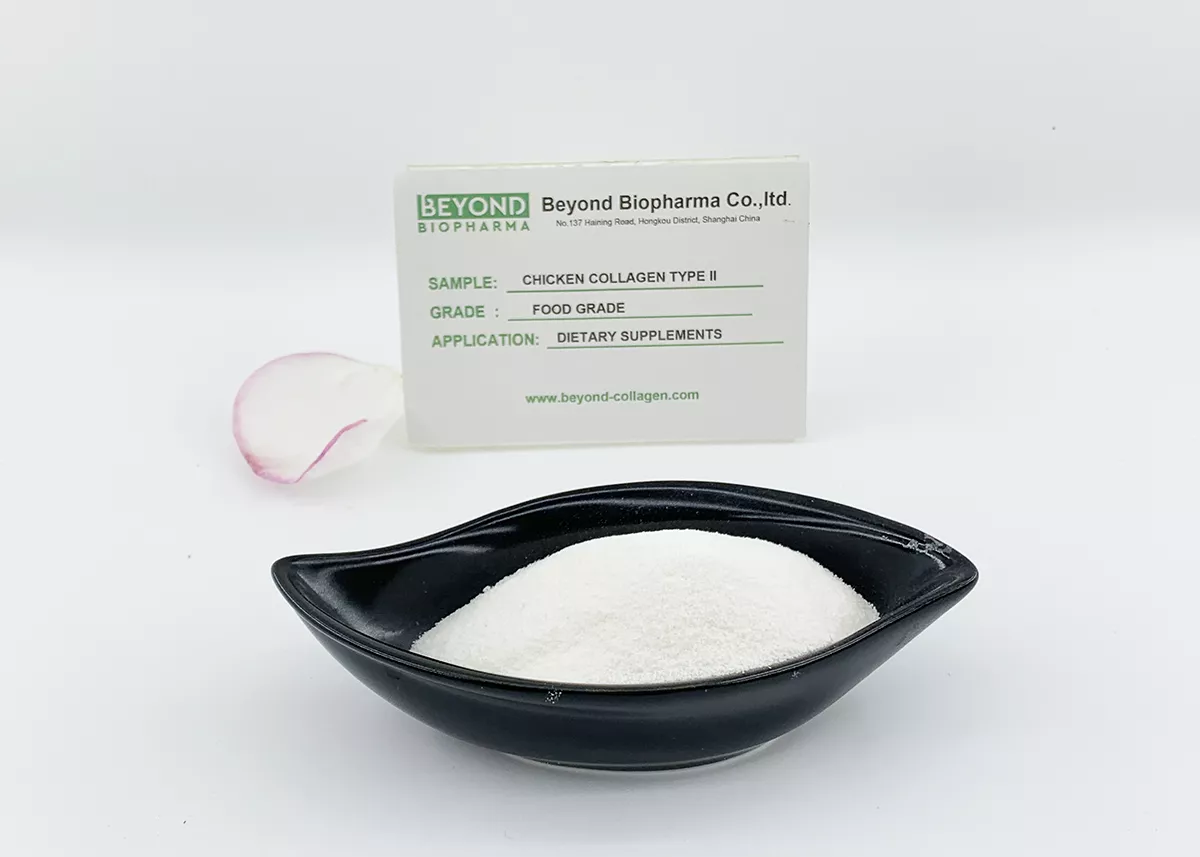
BEYOND BIOPHARMA is a specialized manufacturer of high-quality Undenatured Collagen Type II. Utilizing low-temperature, non-enzymatic extraction methods, our Undenatured Collagen Type II retains its native, triple-helix structure, essential for modulating the immune system's response to joint health and providing superior support for mobility, flexibility, and overall joint comfort.
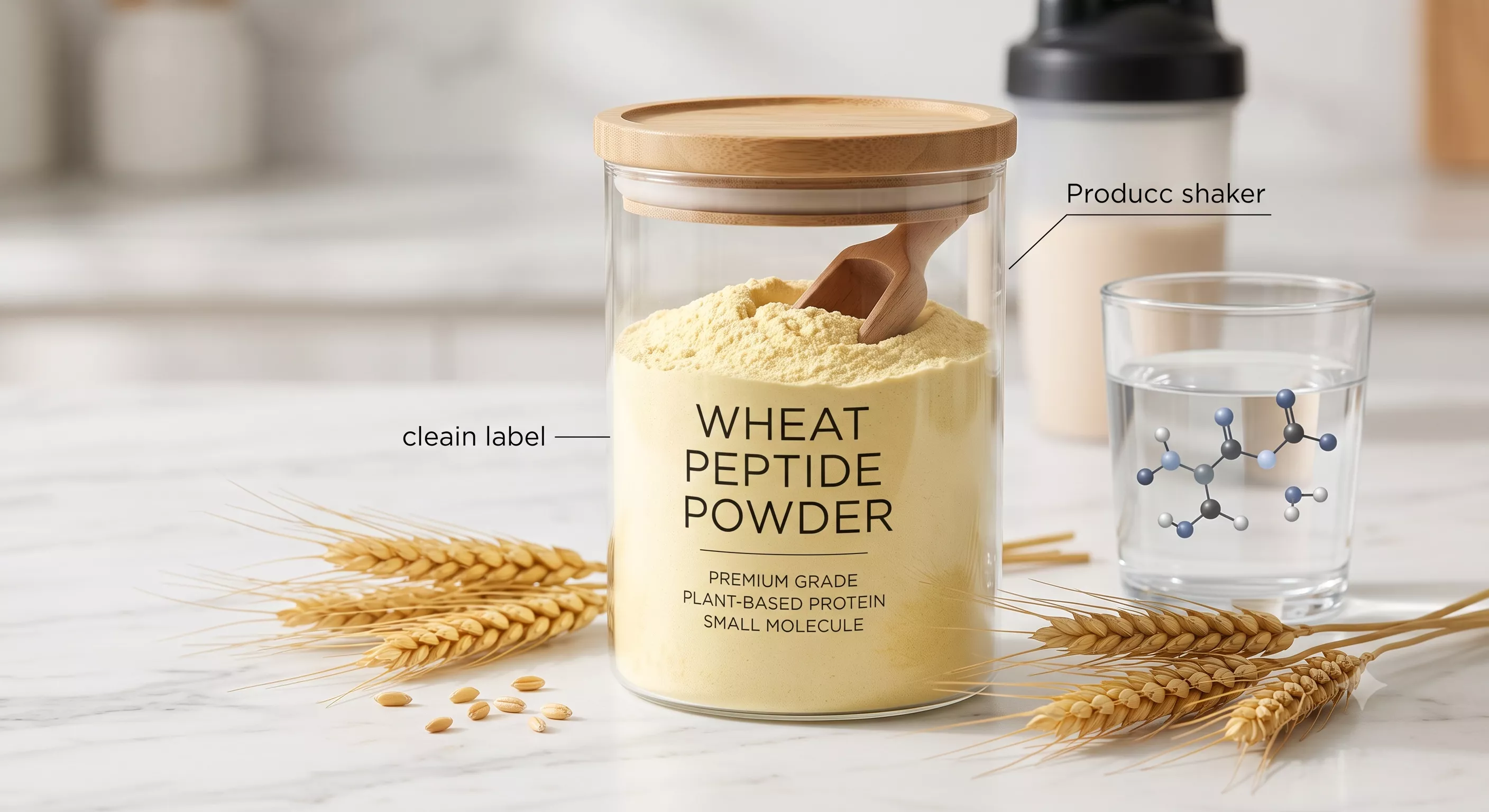
Source ultra-pure, high-solubility wholesale hydrolyzed wheat gluten peptide in bulk. Rich in plant-bound Glutamine ($\ge 25\%$) for muscle recovery and gut barrier health.
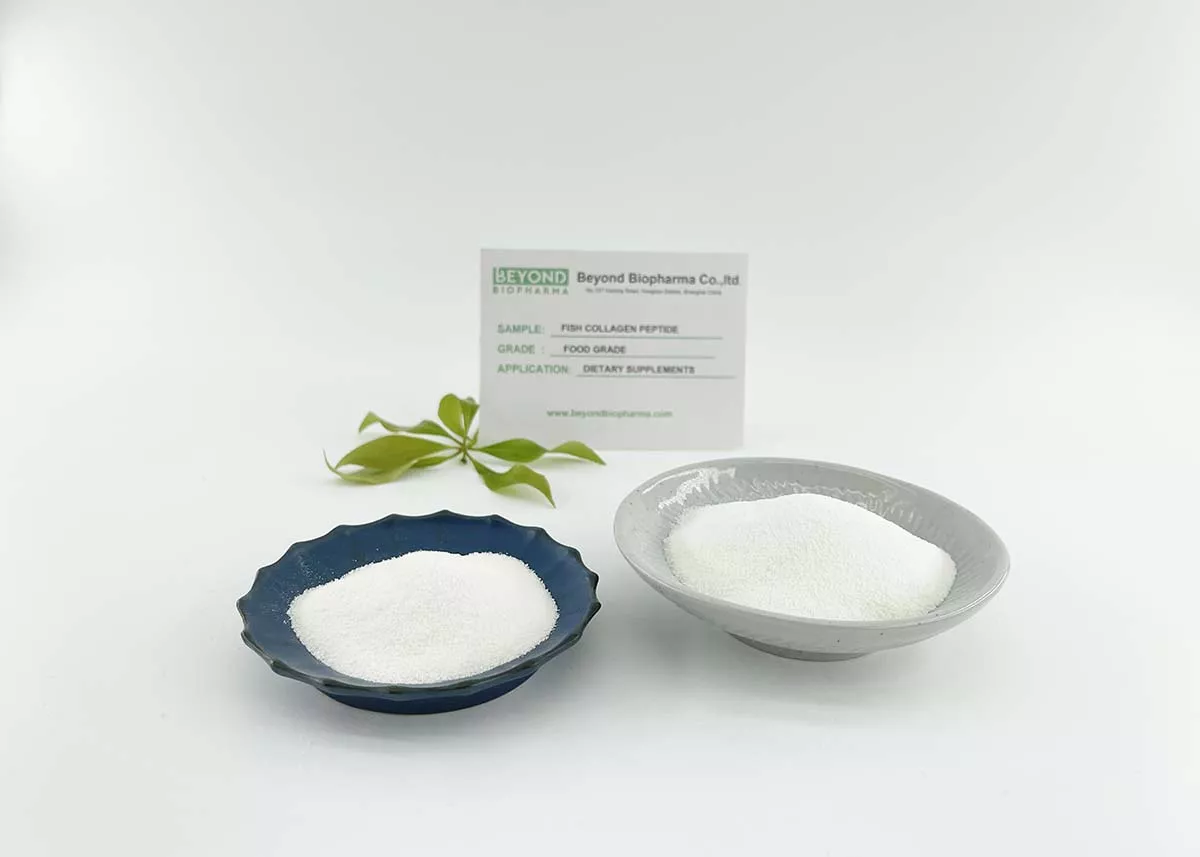
Premium marine-sourced collagen peptides with >90% protein content and low molecular weight (1000-3000 Da) for superior bioavailability. Sustainably sourced, neutral taste, and fully soluble—ideal for nutricosmetics and functional foods.
Select the most popular foreign trade service products to meet your diverse needs
Premium marine-sourced collagen peptides with >90% protein content and low molecular weight (1000-3000 Da) for superior bioavailability. Sustainably sourced, neutral taste, and fully soluble—ideal for nutricosmetics and functional foods.
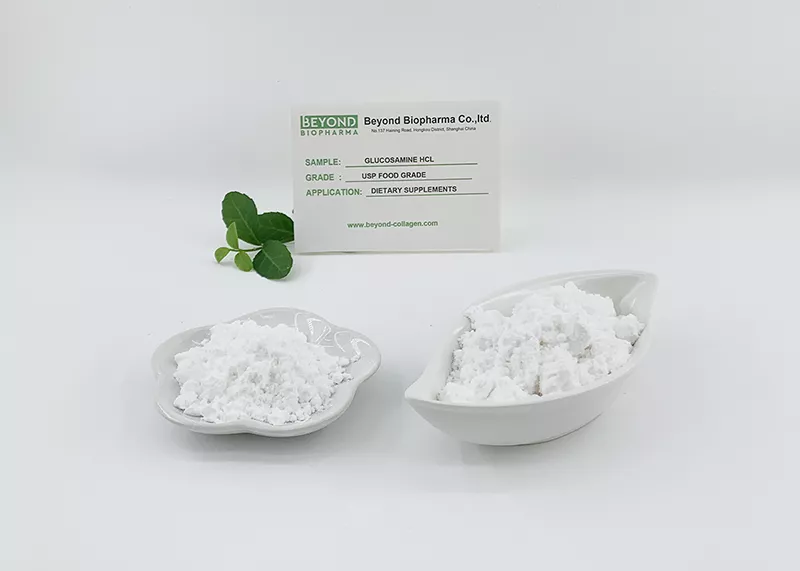
The Purest Plant-Based Joint Support Solution
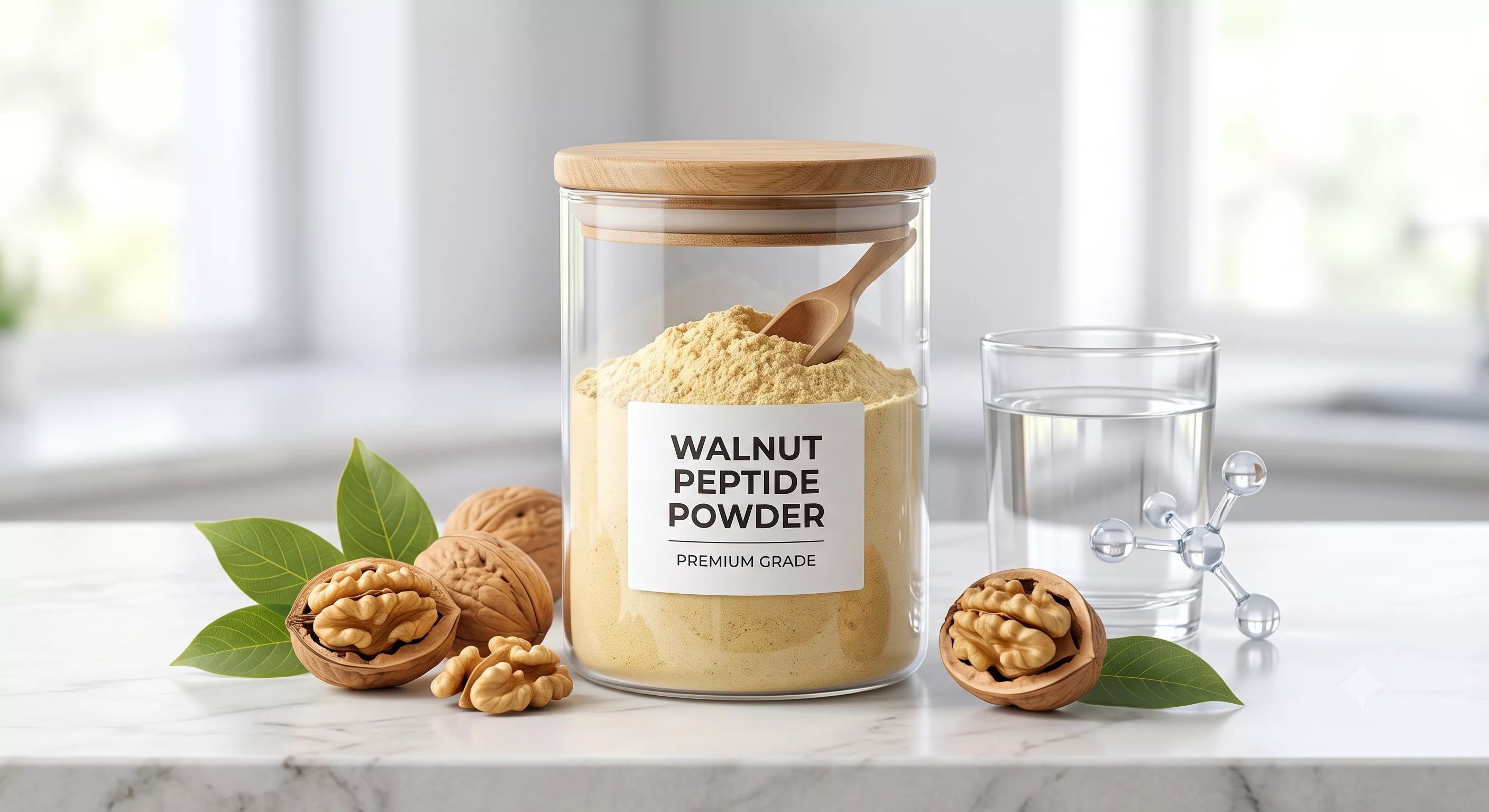
Source wholesale hydrolyzed walnut protein peptide powder in bulk. Over 85% low-molecular-weight oligopeptides rich in Glutamic Acid. Perfect for cognitive formulas and sleep aid supplements.
Tel:+86 21 65010906
Cell/Whatsapp/Wechat:
+86 13482884055
+86 18657345785
Email: sales@beyondbiopharma.com





User Comments
Service Experience Sharing from Real Customers
Marcus
Pastry ChefI've been using both gelatine and gelatin in my bakery for years—honestly, the difference is just spelling. This brand sets up firm and clear every time, no clumping. Saved my panna cotta last weekend when the boss was watching. Stick with what works.
Elena
Home Baker & BloggerWas so confused about gelatine vs gelatin when I started my blog. Turns out they're the same thing, just UK vs US spelling. This powder dissolves like a dream in cold water, no weird smell. Only gave 4 stars because the package could be clearer for newbies.
Raj
Research ScientistIn the lab we need consistent bloom strength for culture media. This gelatin (or gelatine, whatever) batch after batch holds up. No hydrolysis issues, no off-gassing. Colleagues from the UK office call it gelatine, I call it gelatin—both work perfectly.
Liam
Amateur Gummy MakerI'm just a hobbyist making gummy bears for my kids. Bought this thinking gelatine vs gelatin mattered—nope. It works fine, but I had to sift it because some tiny lumps didn't dissolve. Kids didn't care, they just ate them. Decent for the price, not mind-blowing.