 English EN


Bovine gelatin pros and cons everyone should know
Bovine gelatin offers strong gelling and health benefits but has dietary, ethical, and allergen concerns. Compare bovine gelatin to other gelatin options here.
More
For purchasing managers and product developers, sourcing pork gelatin that meets batch-to-batch consistency, offers neutral odor, and complies with international certification standards is a common pain point. Unlike some alternatives, pork gelatin provides a balanced bloom range and reliable gel strength, making it a preferred choice for many confectionery and pharmaceutical applications. Understanding its production process and performance parameters is the first step toward selecting the right grade for your formulation.
Pork gelatin is derived from collagen-rich pig skin through a controlled hydrolysis process. The raw material undergoes acid or alkaline pretreatment, followed by hot water extraction at precise temperatures. This process breaks down collagen into gelatin, a water-soluble protein that forms a thermoreversible gel upon cooling. The key performance factors include bloom value (gel strength), viscosity, and mesh size. In food applications, higher bloom values (e.g., 200–260 g) create firmer gels ideal for gummy candies, while lower bloom grades (50–150 g) are used for soft-textured desserts and stabilizers. The molecular weight distribution also influences melting point and clarity, which are critical for clear jelly products and capsule shells.
When evaluating pork gelatin for your production line, understanding standard parameter ranges helps you communicate effectively with suppliers. The table below outlines common industry specifications. Note that these are typical ranges; final values should be confirmed via Certificate of Analysis (COA) and sample testing.
| Parameter | Typical Range | Notes |
|---|---|---|
| Bloom (g) | 50–300 | Pharma/gummies often 150–260 Bloom |
| Viscosity (mPa·s) | 2.0–5.5 | Measured at 6.67% solution, 60°C |
| Mesh Size | 8–60 | Affects dissolution rate |
| Moisture (%) | ≤14 | Standard for shelf stability |
| pH | 4.5–6.5 | Varies by extraction method |
*Typical industry range; final values per COA / sample.
Pork gelatin is a workhorse ingredient across multiple sectors. Here is a breakdown of its primary uses and recommended selection criteria:
Beyond Biopharma, based in Shanghai, China, has over 10 years of experience in the food-ingredient industry, exporting to more than 50 countries. Our production facility operates with a fully automatic line, GMP clean workshop, stainless-steel sealed piping, and automated temperature/pH control. We maintain an annual capacity of approximately 3,000 MT for collagen and 5,000 MT for gelatin. Our quality management system is ISO 9001 certified, and we are US FDA registered. Select products carry Halal and Kosher certifications, and our bovine bone gelatin is BSE-free. An in-house lab conducts heavy-metal and microbiological testing, supported by a dedicated QA/QC team. We offer three grades — food, pharmaceutical, and cosmetic — and provide free samples along with formulation and selection support.
Q: What is the difference between pork gelatin and bovine gelatin?
A: Pork gelatin typically has a lower melting point and faster setting time compared to bovine gelatin. It also tends to produce clearer gels. Bovine gelatin offers higher thermal stability, making it suitable for applications requiring higher processing temperatures. Both are compatible with similar bloom ranges.
Q: Can pork gelatin be used in Halal-certified products?
A: Pork gelatin is not Halal. For Halal-certified applications, we recommend our bovine or fish gelatin options, which carry appropriate certifications. Always verify the source with your supplier to meet religious dietary requirements.
Q: What bloom value should I choose for soft capsule shells?
A: For soft capsules, a bloom of 150–200 g is common, but viscosity is more critical. Ultra-high viscosity gelatin (e.g., 4.5–5.5 mPa·s) ensures proper film strength and seal integrity. Request a technical datasheet from your supplier to match your encapsulation machine parameters.
Q: How do I test pork gelatin for odor and solubility?
A: Prepare a 6.67% solution in warm water (60°C) and evaluate the odor immediately after dissolution. High-quality pork gelatin should have a neutral, clean smell. Solubility is confirmed by complete dissolution without lumps. Reputable suppliers provide free samples for this evaluation.
Q: What certifications should I look for when sourcing pork gelatin?
A: Key certifications include ISO 9001, FDA registration, and GMP compliance. For specific markets, Halal or Kosher certification may be required. Also request a Certificate of Analysis covering heavy metals, microbial limits, and physical parameters like bloom and viscosity.
To ensure the right pork gelatin grade for your production, please provide the following details to Beyond Biopharma: your specific application (food, pharmaceutical, or cosmetic), required grade, target specifications (bloom, mesh, molecular weight, certifications), estimated quantity or MOQ, and destination country. Our team will send free samples and a competitive quote tailored to your needs. Contact us through the inquiry form on our website to start the evaluation process.

We provide you with comprehensive foreign trade solutions to help enterprises achieve global development
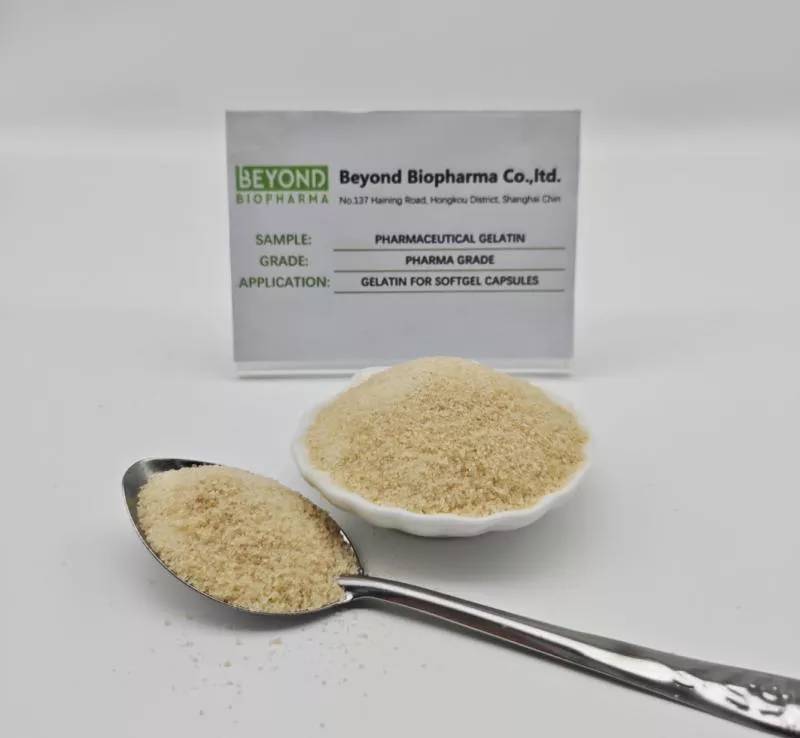
Softgel encapsulation demands a gelatin with unique physical attributes to perform optimally during the high-speed manufacturing process
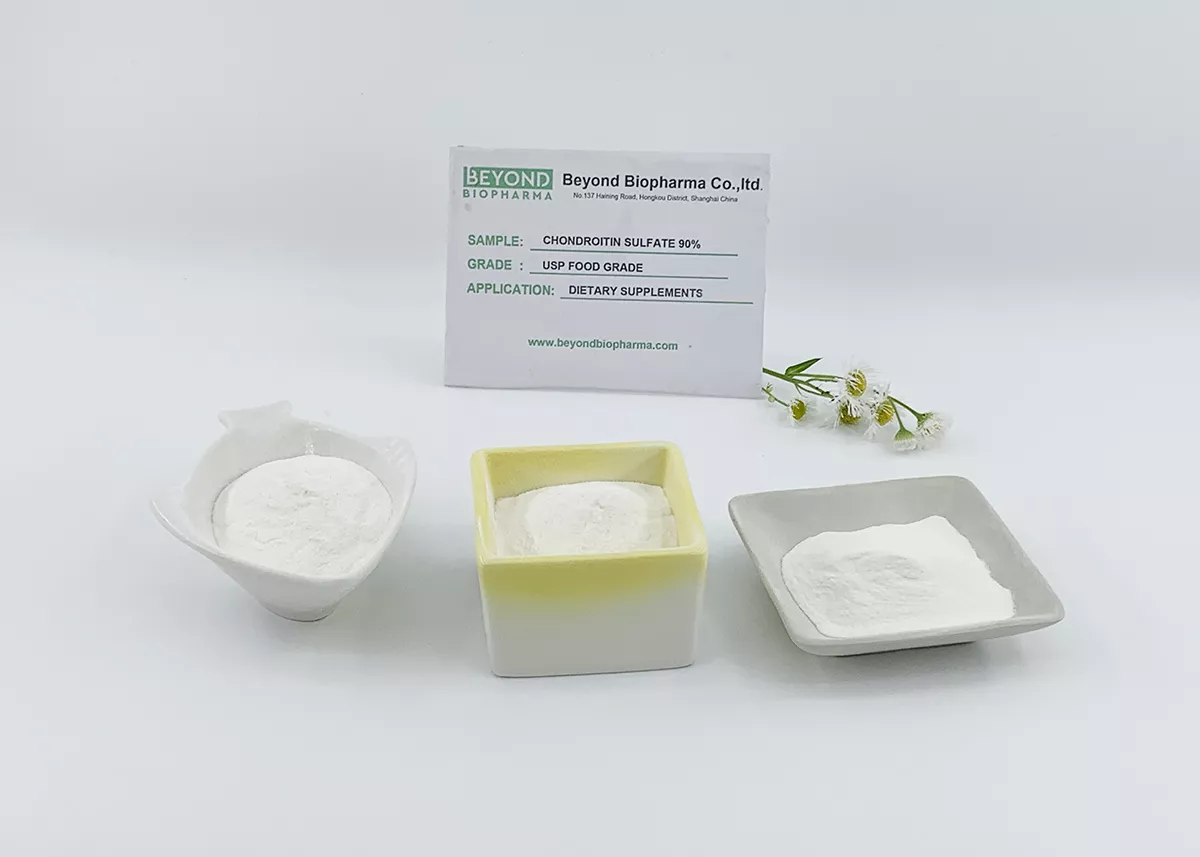
High Purity and Efficacy for Joint Health Formulations
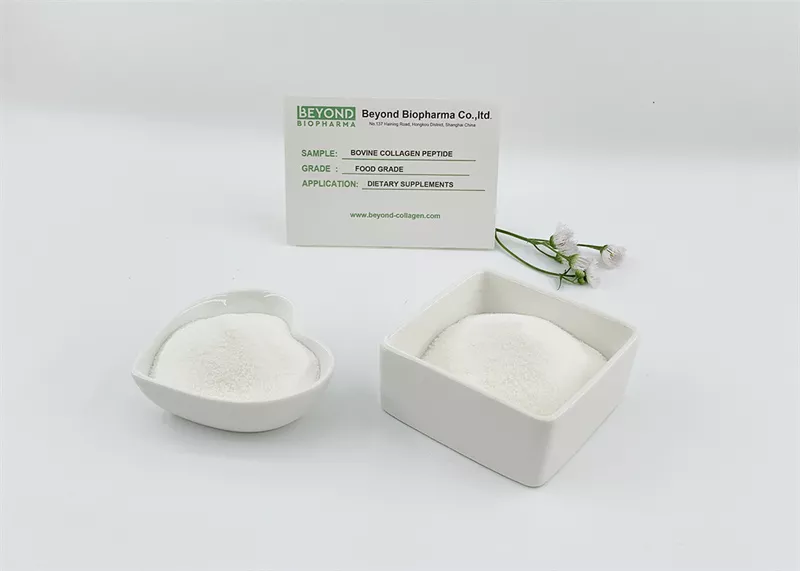
Manufacturer of bovine collagen peptide, shipping in containers all around the world
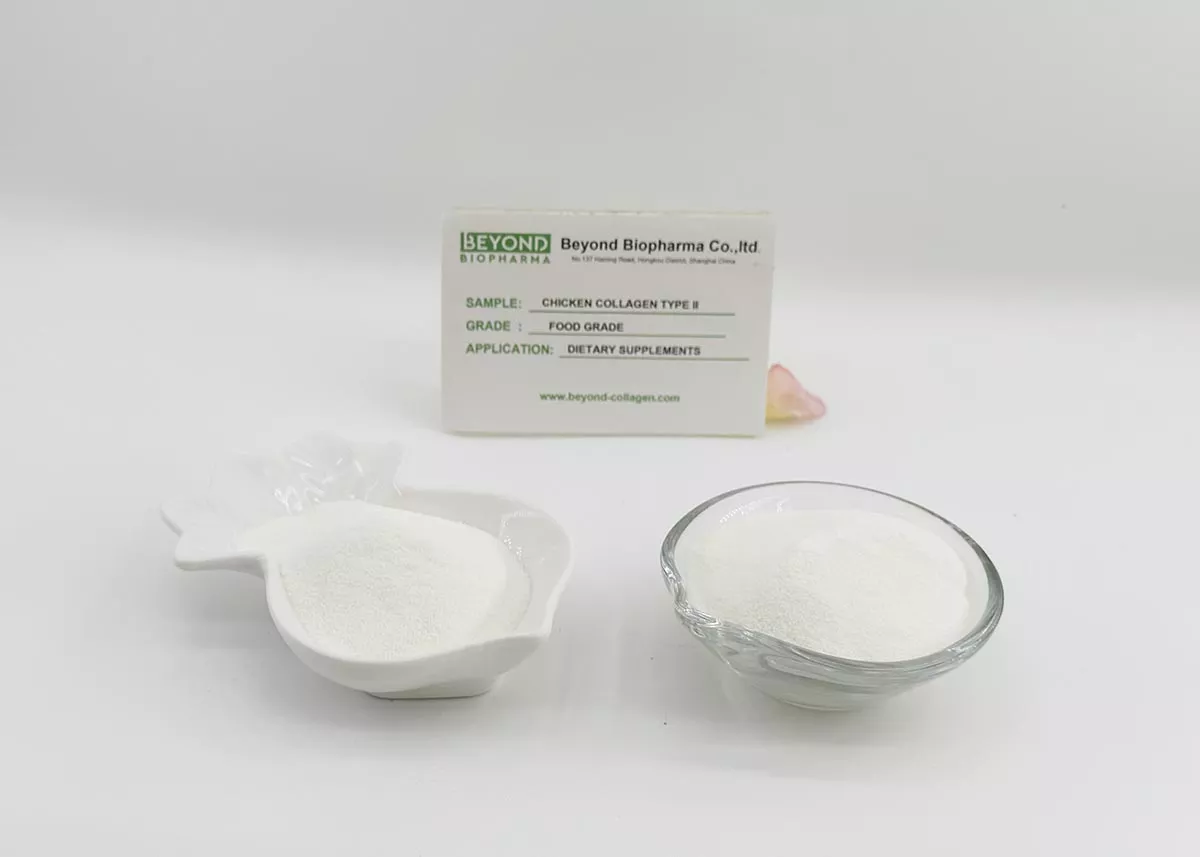
BEYOND BIOPHARMA is a specialized manufacturer of highly purified Hydrolyzed Collagen Type II. Through advanced enzymatic hydrolysis, we create low-molecular-weight collagen peptides that are highly bioavailable, offering foundational nutritional support for cartilage repair, joint function, and skin health. Our product is designed for rapid absorption and maximum efficacy in oral supplements.
Select the most popular foreign trade service products to meet your diverse needs
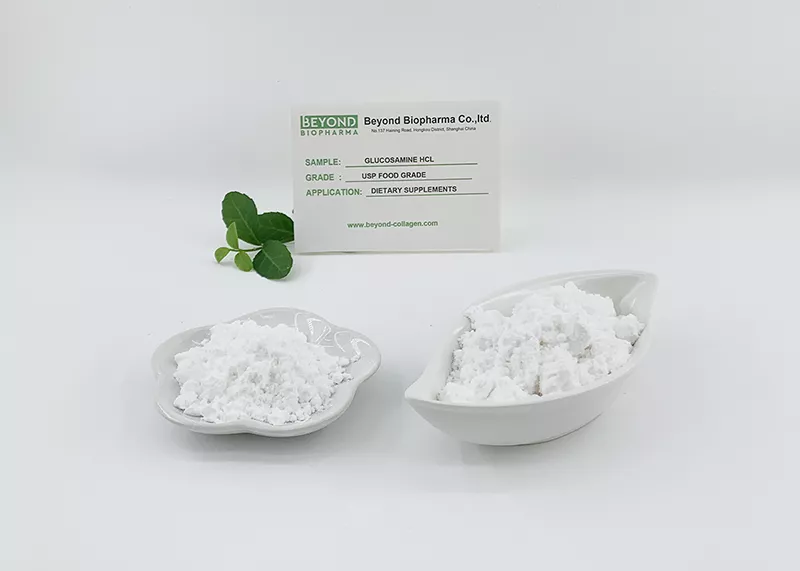
The Purest Plant-Based Joint Support Solution
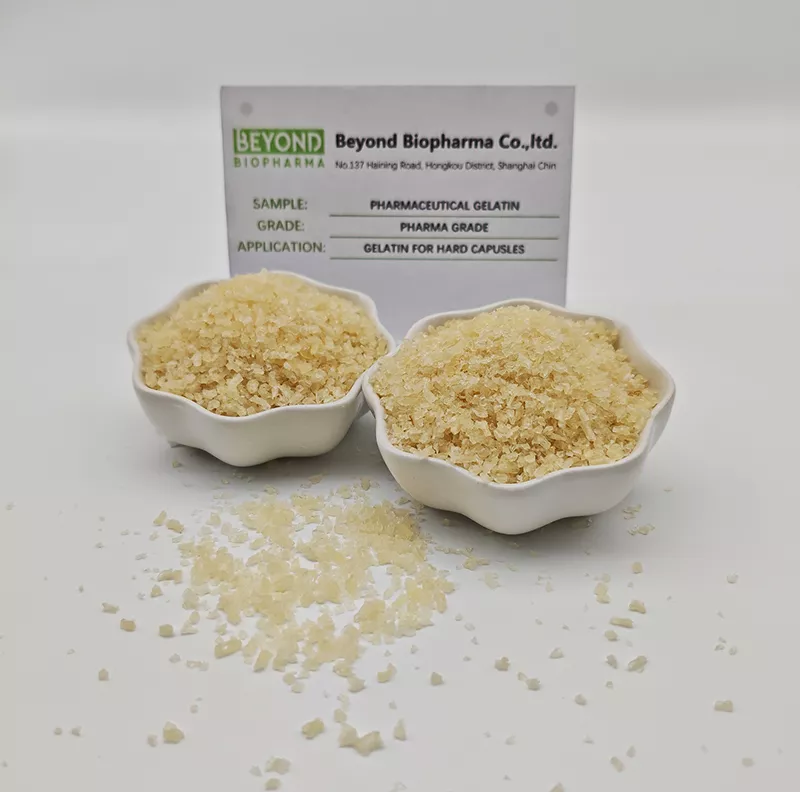
Precision, Purity, and Optimal Machinability
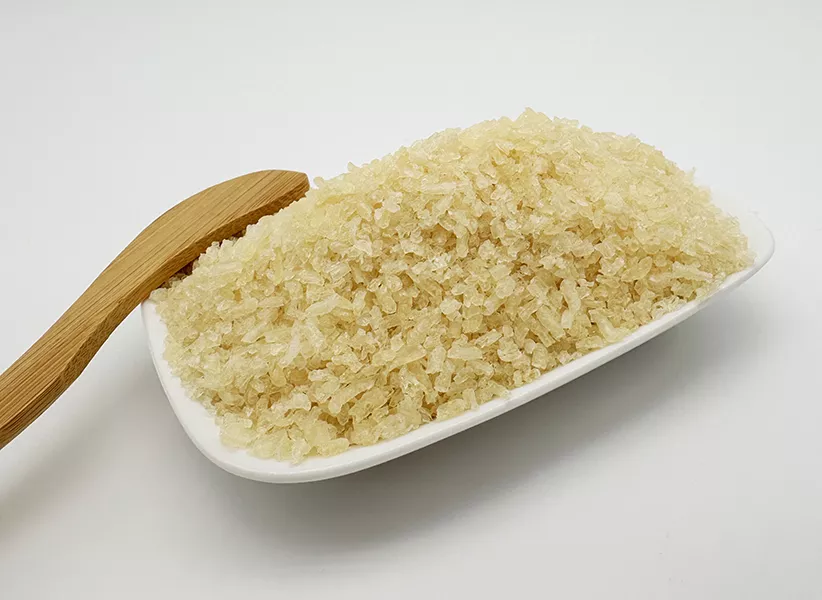
Our Bovine Hides Gelatin is engineered for versatility and compliance, ensuring performance across various applications.
Tel:+86 21 65010906
Cell/Whatsapp/Wechat:
+86 13482884055
+86 18657345785
Email: sales@beyondbiopharma.com





User Comments
Service Experience Sharing from Real Customers
Liam
Kitchen ManagerI’ve been using this pork gelatin for our restaurant’s pâtés and terrines, and it sets beautifully every time. No weird aftertaste, which is a huge win. Only reason it’s not 5 stars is the bag can be a bit messy to pour without spilling, but that’s on me, not the product.
Sophie
Freelance BakerHonestly, I was skeptical because some gelatins leave a funky smell when you bloom them, but this one is totally neutral. Made a batch of fruit gummies for my kids and they vanished in two days. Will repurchase for sure.
Marcus
Research TechnicianWorks fine for lab-grade agar alternatives in some demos, though it’s not as consistent as the stuff I usually order from chemical suppliers. For cooking, it’s probably great, but for precise work, the bloom strength varies a little between batches. Still, decent value.
Elena
Pastry Sous ChefWe switched to this brand for our mousse cakes and jelly glazes about three months ago. Sets firm but still has that silky mouthfeel—exactly what you want for a mirror glaze. No graininess, no cloudiness. My team loves it.