 English EN


Bovine gelatin pros and cons everyone should know
Bovine gelatin offers strong gelling and health benefits but has dietary, ethical, and allergen concerns. Compare bovine gelatin to other gelatin options here.
More
Sourcing halal gelatin is not just about religious compliance—it directly impacts batch consistency, odor control, and solubility in finished products. For purchasing managers and R&D teams, the key differences lie in raw material sourcing, processing methods, and certification barriers. Halal gelatin must come from animals slaughtered according to Islamic law, with no cross-contamination from non-halal sources. Conventional gelatin may use any animal source without such restrictions. This article breaks down the practical distinctions, from production to application, helping you make informed sourcing decisions.
Halal gelatin is a protein derived from collagen, sourced exclusively from animals slaughtered according to Islamic dietary laws. The process involves enzymatic hydrolysis or acid/alkaline treatment to extract gelatin. Unlike conventional gelatin, which may use porcine or mixed animal sources, halal gelatin typically comes from bovine (cattle) or fish, with strict segregation during production. At Beyond Biopharma, we produce halal-certified fish gelatin and bovine bone gelatin in a GMP clean workshop, using fully automatic stainless-steel sealed piping with automated temperature and pH control. This ensures no cross-contact with non-halal materials, delivering consistent bloom strength and low odor.
The primary distinction is the source. Conventional gelatin can come from any animal—porcine, bovine, or fish—without religious slaughter requirements. Halal gelatin mandates that animals be healthy at the time of slaughter, with a swift cut to the throat while reciting a blessing. Bovine sources must be BSE-free, and fish must be scale-bearing species. Beyond Biopharma offers bovine bone gelatin that is BSE-free, and our fish gelatin carries Halal certification. This sourcing discipline impacts traceability and supplier audits, which is critical for overseas buyers concerned with certification barriers.
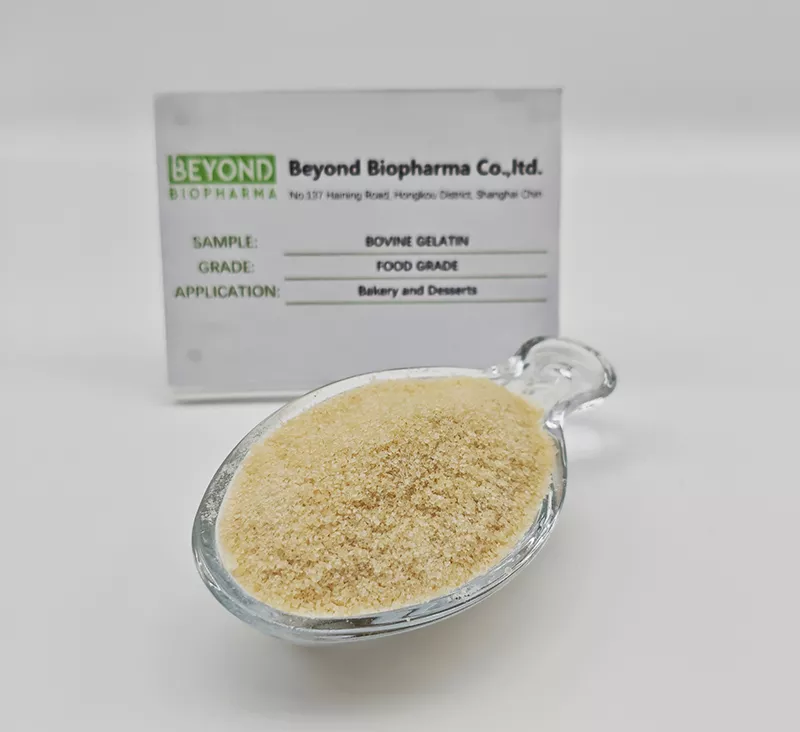
Processing methods for halal gelatin follow the same general steps as conventional gelatin—cleaning, demineralization, extraction, filtration, and drying. However, halal production requires dedicated equipment or thorough cleaning between runs to avoid contamination. Enzymatic hydrolysis is common for collagen peptides, producing lower molecular weight fractions. For halal gelatin, the enzymes must also be halal-certified. Beyond Biopharma uses a fully automatic production line with in-house lab testing for heavy metals and microbiology, ensuring every batch meets food, pharmaceutical, or cosmetic grade standards.
Below are common specifications for halal gelatin. Note: these are typical industry ranges; final values per COA or sample.
| Parameter | Halal Gelatin (Bovine/Fish) | Conventional Gelatin |
|---|---|---|
| Bloom (g) | 50–300 (pharma/gummies: 150–260) | 50–300 (same range) |
| Viscosity (mPa·s) | 2.0–5.5 | 2.0–5.5 |
| Mesh size | 8–60 | 8–60 |
| Moisture | ≤14% | ≤14% |
| Protein (collagen peptides) | ≥90% | ≥90% |
| Molecular weight (peptides) | 2,000–5,000 Da (fish lower) | 2,000–5,000 Da |
Halal gelatin is used across food, pharmaceutical, and nutraceutical applications. For gummies and softgels, a bloom of 150–260 g is typical. Hard capsules require pharmaceutical-grade bovine bone gelatin with ultra-high viscosity. In sports nutrition and beauty-from-within products, fish collagen peptides (low molecular weight, fast absorption) are popular. For joint health, undenatured collagen type II is a key ingredient. Plant-based and vegan formulations can use edible gelatin alternatives like plant protein peptides. Beyond Biopharma offers three grades—food, pharmaceutical, and cosmetic—so you can match the right product to your application.
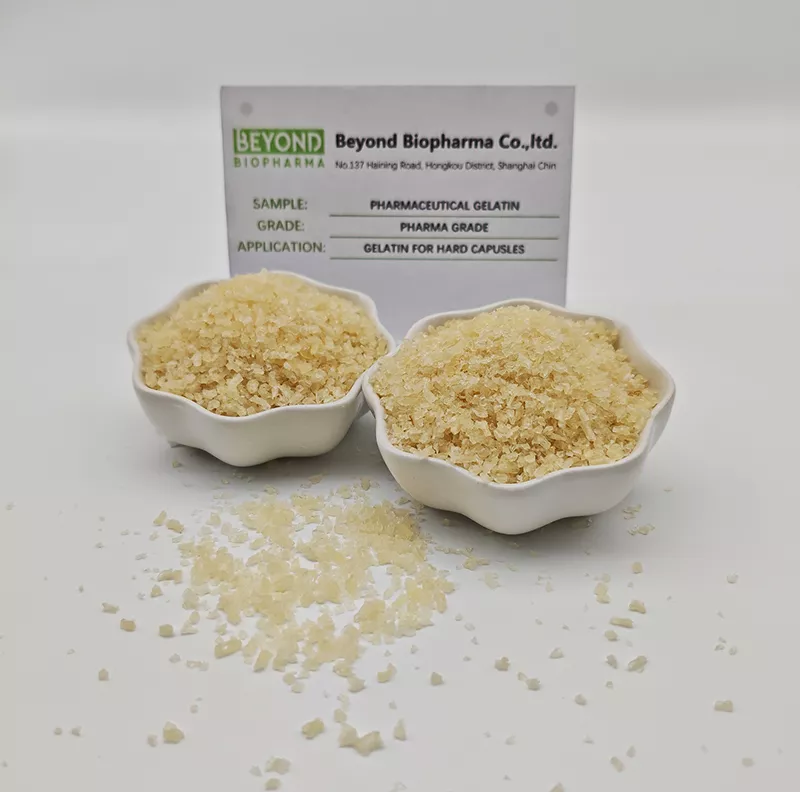
Beyond Biopharma is a Shanghai-based manufacturer with over 10 years in the food-ingredient industry. We export to 50+ countries and operate a facility producing approximately 3,000 MT/year of collagen and 5,000 MT/year of gelatin. Our fully automatic production line includes GMP clean workshops and stainless-steel sealed piping with automated temperature and pH control. We hold ISO 9001, US FDA registration, and select products carry Halal and Kosher certification (e.g., fish gelatin). Our bovine bone gelatin is BSE-free, and we have an in-house lab for heavy-metal and microbiological testing with a dedicated QA/QC team. We offer free samples and formulation support across three grades: food, pharmaceutical, and cosmetic. For joint health, we also supply pharmaceutical-grade bovine bone gelatin and food-grade porcine gelatin for specific needs.
Q: Is halal gelatin only from bovine sources?
A: No. Halal gelatin can come from bovine, fish, or porcine sources, provided the animal is slaughtered according to Islamic law. Fish gelatin is often preferred for its lower melting point and faster absorption. Beyond Biopharma offers both bovine and fish halal gelatin options.
Q: How does halal certification affect sourcing costs?
A: Halal certification adds auditing and segregation costs, but the price difference is often marginal for bulk orders. Buyers should verify that the certifying body is recognized in their target market. Beyond Biopharma provides Halal certificates for select products at no extra charge.
Q: Can halal gelatin be used in vegan products?
A: No. Gelatin is animal-derived. For vegan formulations, consider plant protein peptides like pea, rice, or soy hydrolysates. Beyond Biopharma supplies plant protein peptide options that are allergen-free and suitable for vegan certifications.
Q: What bloom strength is best for halal gummy production?
A: For gummies, a bloom of 200–260 g is typical. Higher bloom gives firmer texture. Beyond Biopharma offers high-bloom bovine hide gelatin and fish gelatin that perform well in gummy applications.
Q: Does halal gelatin have a fishy smell?
A: Quality halal fish gelatin should have low odor. Beyond Biopharma uses advanced processing to minimize fishy notes. Bovine gelatin is typically neutral in smell. Always request a sample to verify.
Q: What certifications should I look for in halal gelatin?
A: Look for Halal certification from a recognized body, plus ISO 9001, FDA registration, and BSE-free documentation for bovine sources. Beyond Biopharma holds ISO 9001, US FDA registration, and Halal/Kosher for select products.
To get started, please provide the following details so Beyond Biopharma can send free samples and a tailored quote: your specific application (e.g., gummies, hard capsules, sports nutrition), required grade (food, pharmaceutical, or cosmetic), estimated quantity or MOQ, target specifications (bloom, mesh, molecular weight, certifications needed), and destination country. Our team will match you with the right halal gelatin product—whether it is gelatin for micro-encapsulation or high-bloom gelatin for hard capsules. Contact us today to discuss your halal gelatin sourcing needs.

We provide you with comprehensive foreign trade solutions to help enterprises achieve global development
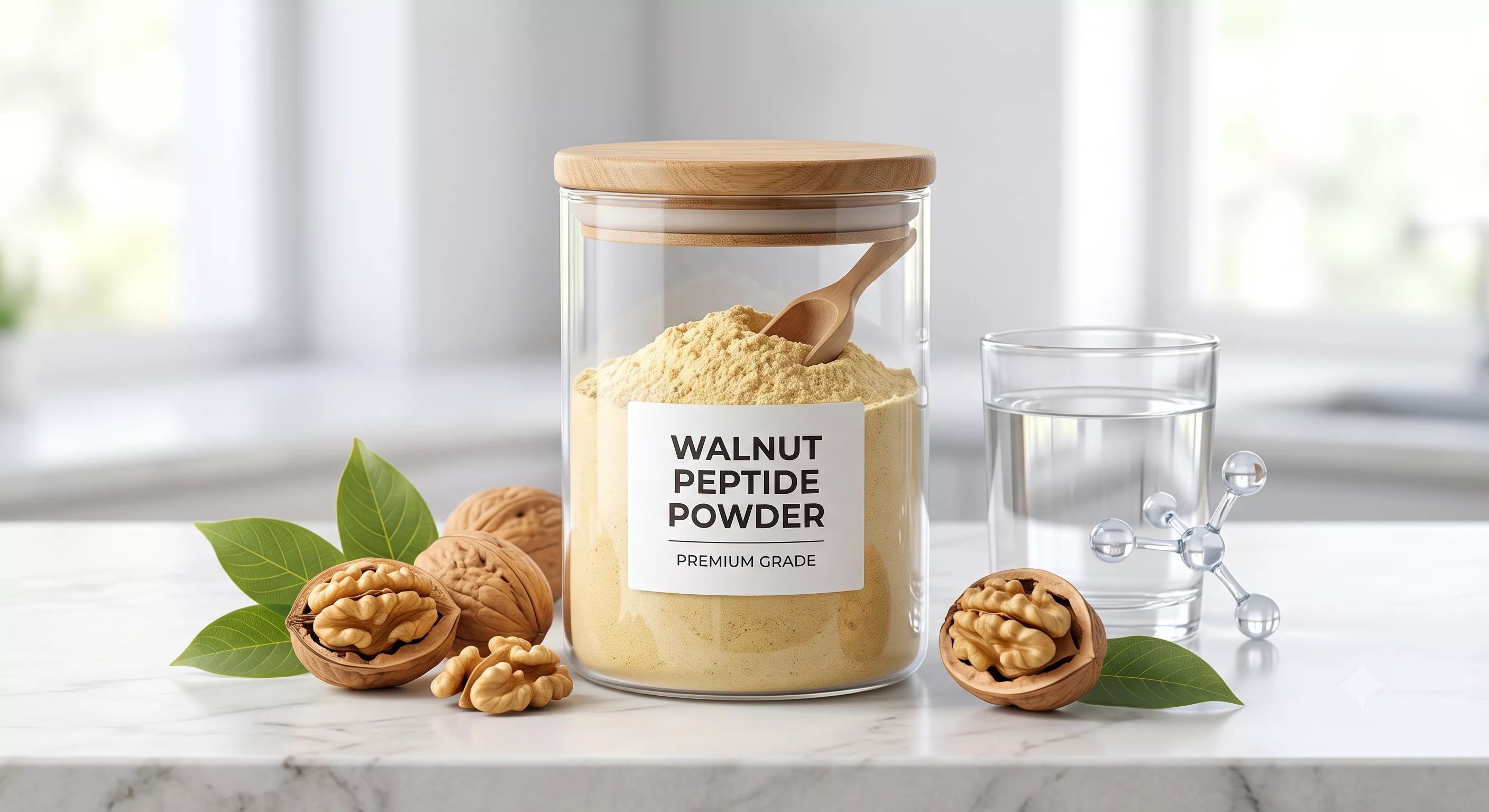
Source wholesale hydrolyzed walnut protein peptide powder in bulk. Over 85% low-molecular-weight oligopeptides rich in Glutamic Acid. Perfect for cognitive formulas and sleep aid supplements.
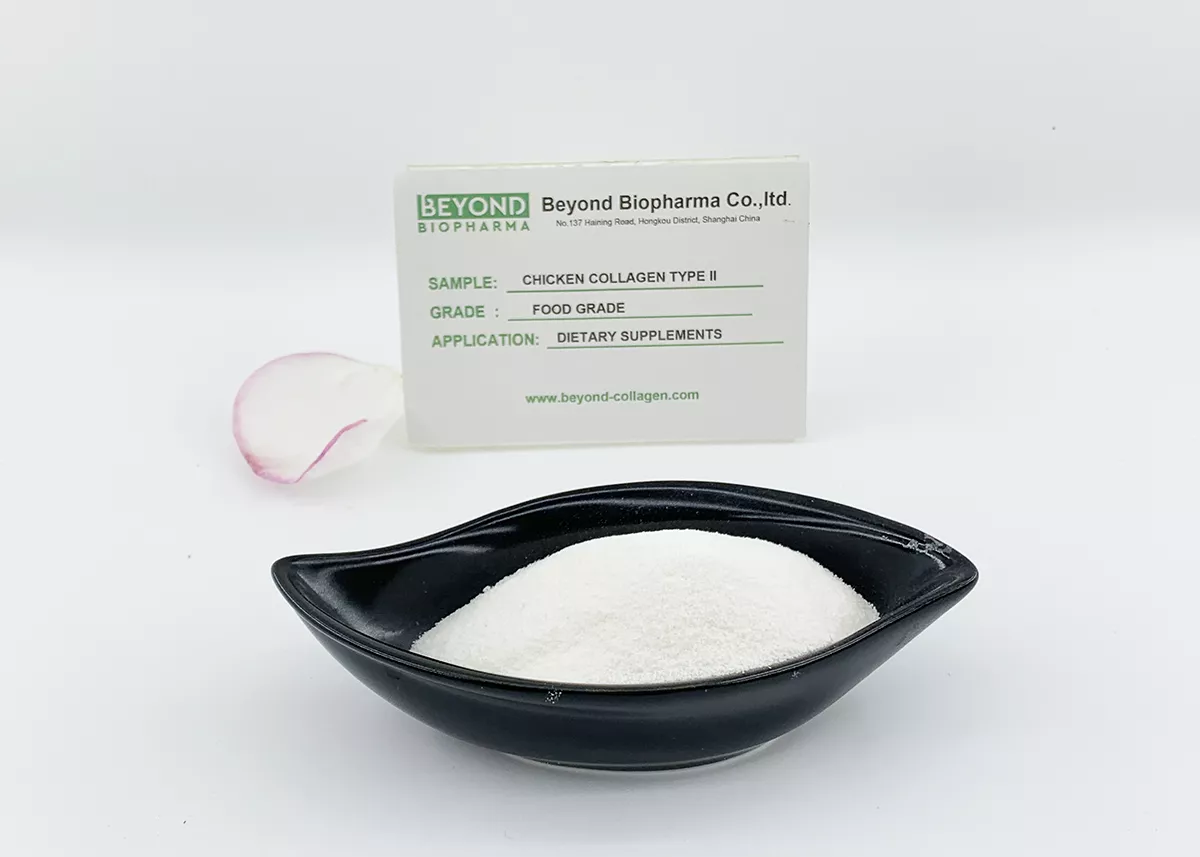
BEYOND BIOPHARMA is a specialized manufacturer of high-quality Undenatured Collagen Type II. Utilizing low-temperature, non-enzymatic extraction methods, our Undenatured Collagen Type II retains its native, triple-helix structure, essential for modulating the immune system's response to joint health and providing superior support for mobility, flexibility, and overall joint comfort.
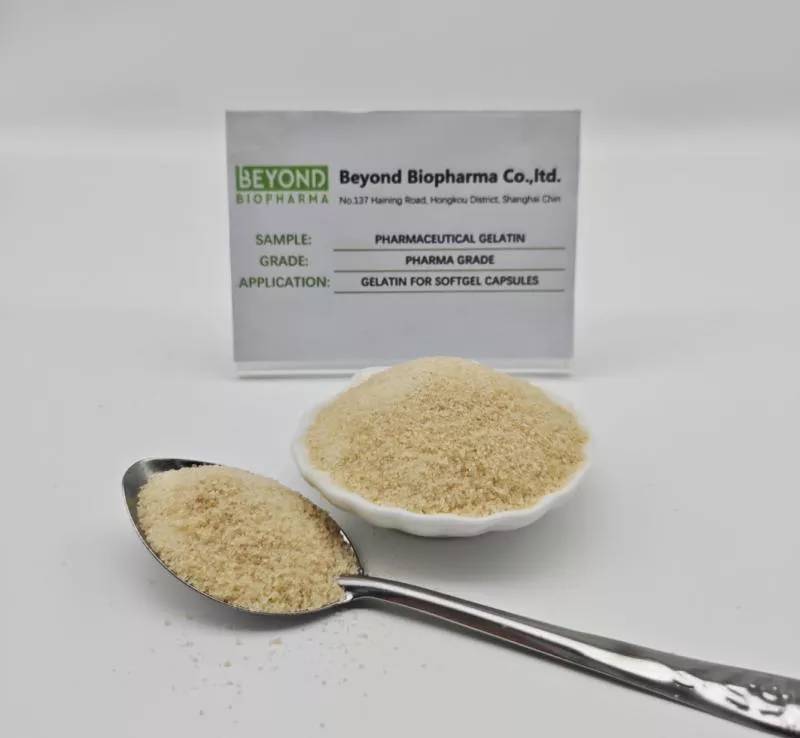
Softgel encapsulation demands a gelatin with unique physical attributes to perform optimally during the high-speed manufacturing process
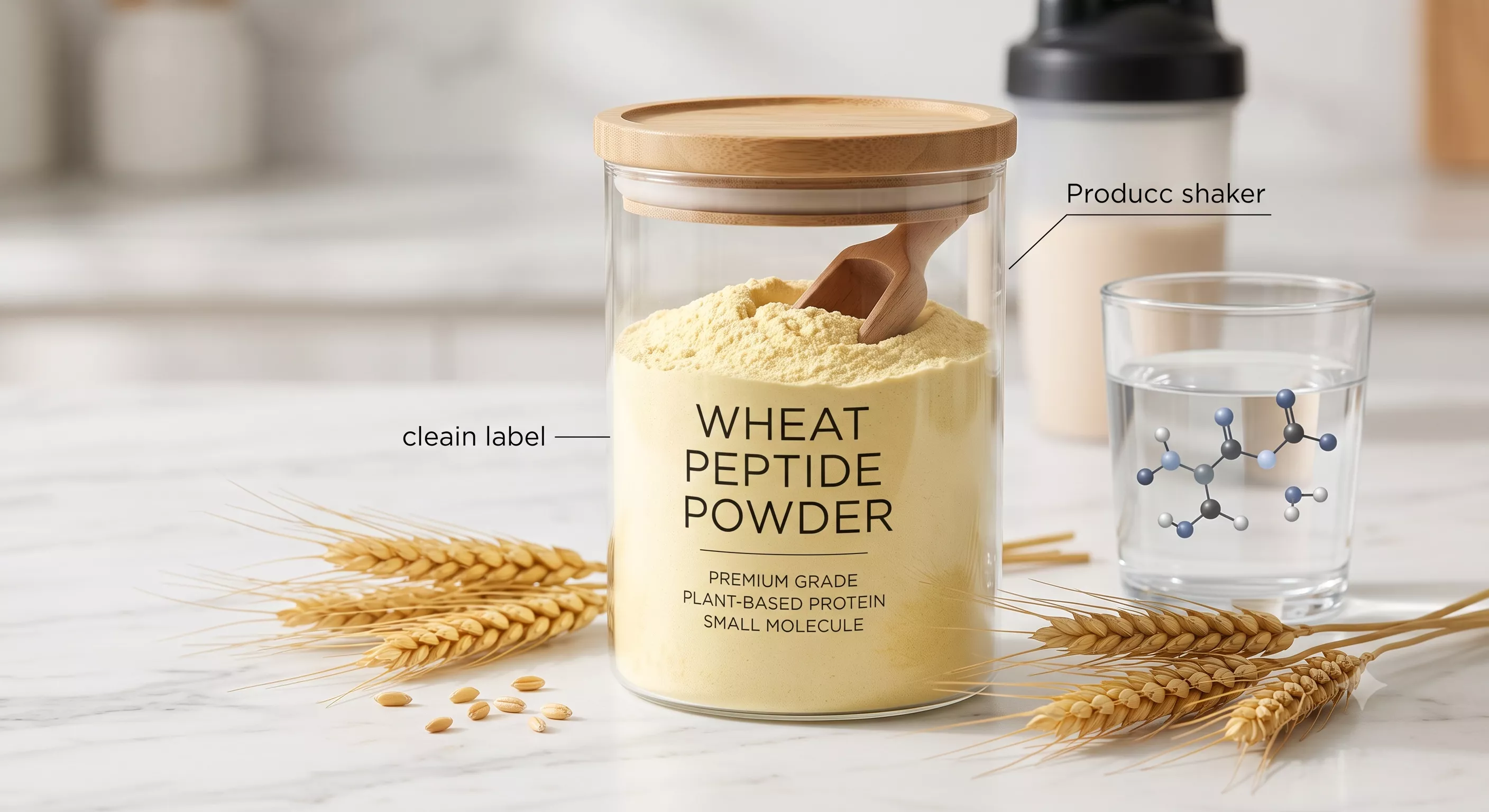
Source ultra-pure, high-solubility wholesale hydrolyzed wheat gluten peptide in bulk. Rich in plant-bound Glutamine ($\ge 25\%$) for muscle recovery and gut barrier health.
Select the most popular foreign trade service products to meet your diverse needs
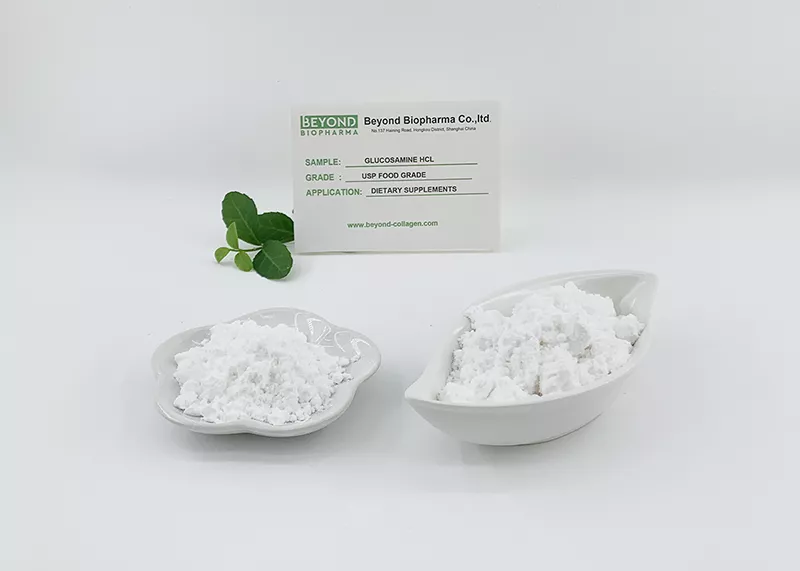
The Purest Plant-Based Joint Support Solution
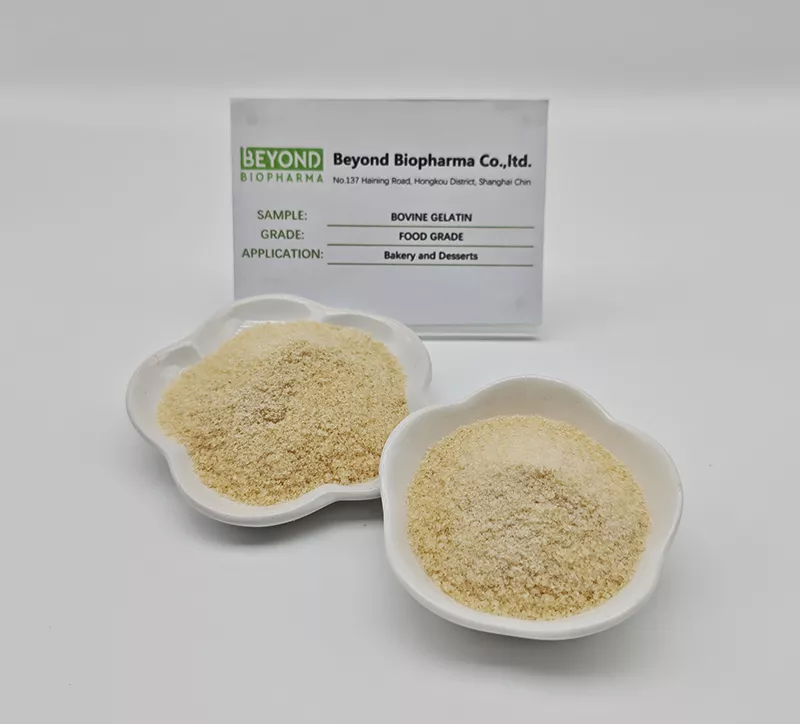
20 years experiences, 5000 ton/year capacity, Sustained supply with stable quality
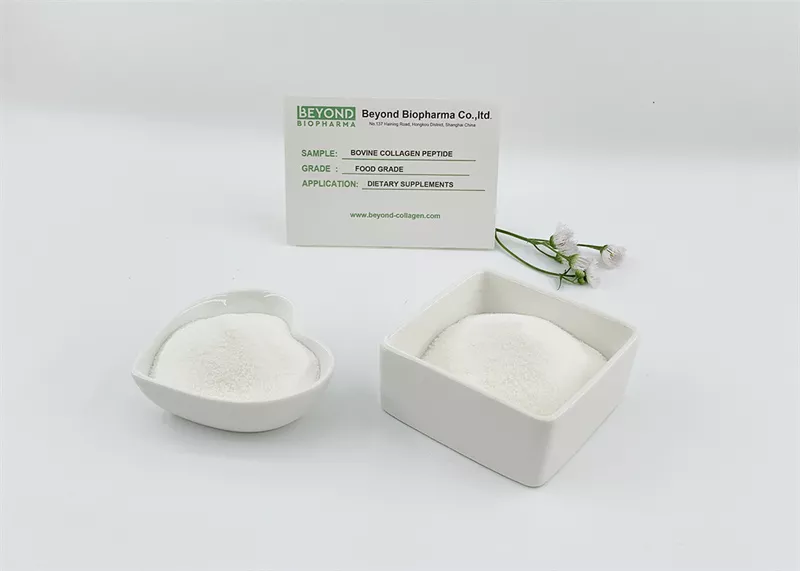
Manufacturer of bovine collagen peptide, shipping in containers all around the world
Tel:+86 21 65010906
Cell/Whatsapp/Wechat:
+86 13482884055
+86 18657345785
Email: sales@beyondbiopharma.com





User Comments
Service Experience Sharing from Real Customers
Linda
Pastry ChefFinally found a halal gelatin that doesn't leave that weird aftertaste. I used it for a strawberry mousse cake for my niece's birthday, and it set perfectly without any clumps. Even my picky aunt asked for seconds. Highly recommend for anyone who needs reliable gelling in desserts.
Marcus
Supply Chain CoordinatorBought this for our company's halal-certified candy line trial run. The consistency is close to what we get from conventional gelatin, though it dissolves a tad slower. Still, the texture in the gummy bears was spot-on. Will order again once we scale up.
Sophia
Home Baker & BloggerI was skeptical because some halal gelatins are too stiff or too soft, but this one is just right. Made a panna cotta for a dinner party and it held its shape beautifully without being rubbery. Plus, no funky smell when you bloom it. Total game-changer for my recipes.
Elena
Research Scientist (Food Science)Decent product for home use. I tested the bloom strength in our lab and it's slightly lower than standard beef gelatin, so you might need to adjust ratios for firm gels. Works well for soft desserts like flan or chiffon pies. Not ideal for hard candies unless you tweak the recipe.