 English EN


Bovine gelatin pros and cons everyone should know
Bovine gelatin offers strong gelling and health benefits but has dietary, ethical, and allergen concerns. Compare bovine gelatin to other gelatin options here.
More
Sourcing consistent, high-quality gelatin powder can be a challenge for procurement managers and product developers. Batch-to-batch variations in bloom strength, odor, or solubility often disrupt production. This guide explains exactly what gelatin powder is made of, how it is produced, and how to select the right grade for your application—whether for food, pharmaceutical, or nutraceutical use.
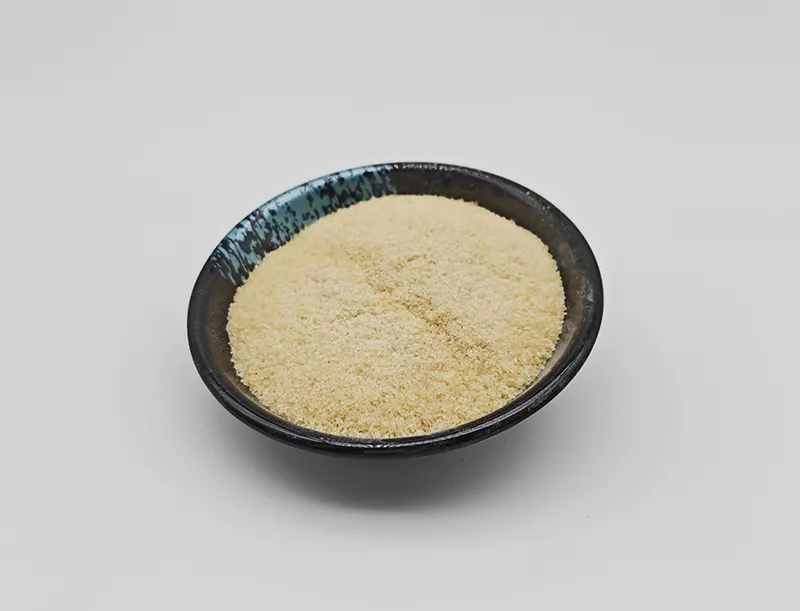
Gelatin powder is a natural protein derived from collagen, which is found in animal connective tissues like skin, bones, and hides. The primary sources are bovine (cow), porcine (pig), and fish skins. Through controlled hydrolysis, the collagen is broken down into a water-soluble, gelling protein. The final product is a dry, granular powder that dissolves in warm water and forms a gel upon cooling. The key functional property is its gel strength, measured in Bloom (grams). A higher Bloom value means a firmer gel. Typical industry ranges for edible gelatin are Bloom 50–300 g, with pharmaceutical and gummy applications often requiring 150–260 Bloom.
The production process involves several key steps. First, raw materials are cleaned and degreased. Then, they undergo acid or alkaline pretreatment to break down cross-links in the collagen. This is followed by a hot water extraction, where the collagen is hydrolyzed into gelatin. The liquid is filtered, concentrated, and dried into a powder. The entire process is tightly controlled for temperature and pH to ensure consistent quality. For pharmaceutical-grade gelatin, additional purification steps remove impurities. The molecular weight of the final gelatin typically ranges from 20,000 to 250,000 Da, depending on the degree of hydrolysis. This is a generic industry range; final values are per COA or sample.
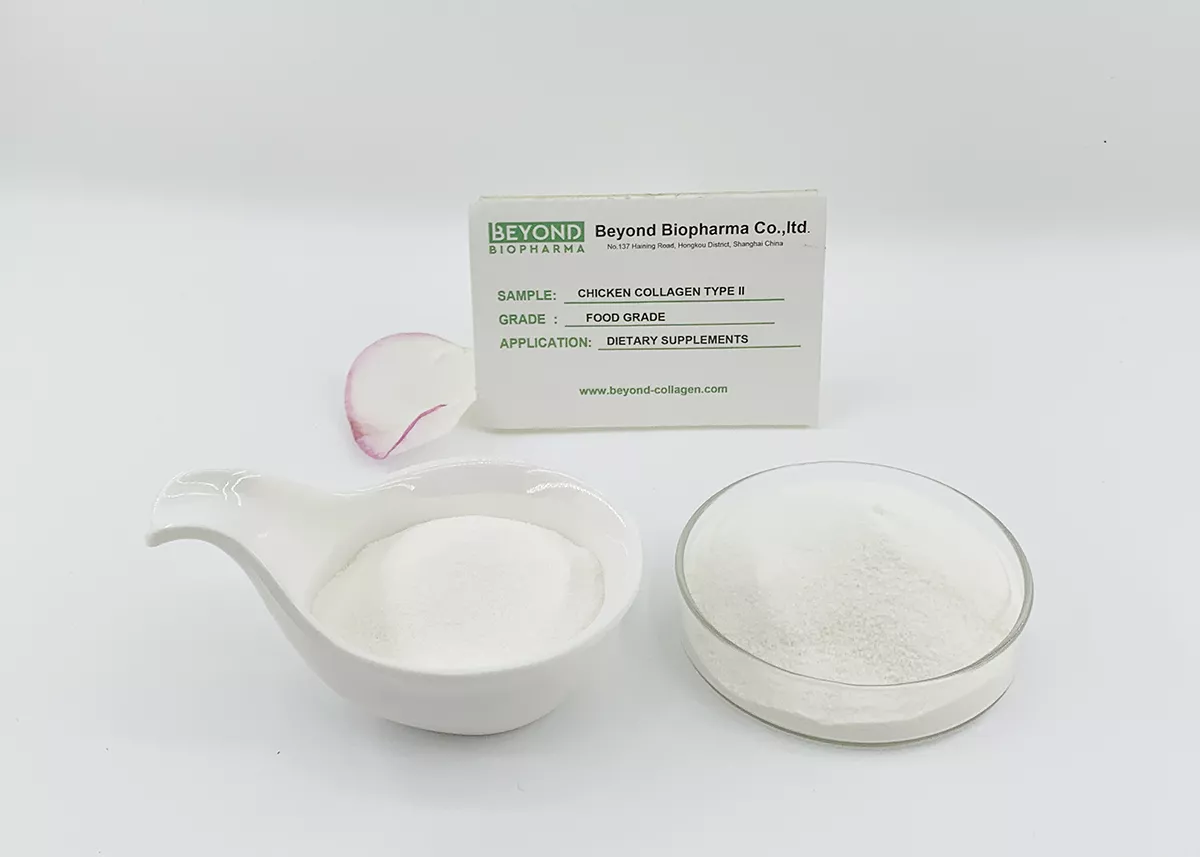
The table below summarizes common technical parameters for gelatin powder. These are typical industry ranges; final values should always be confirmed with the manufacturer's Certificate of Analysis (COA).
| Parameter | Typical Range (Industry Generic) | Notes |
|---|---|---|
| Bloom Strength | 50–300 g | Higher Bloom = firmer gel; pharma/gummies often 150–260 Bloom |
| Viscosity | 2.0–5.5 mPa·s | Measured at 6.67% solution, 60°C |
| Mesh Size | 8–60 mesh | Finer mesh for faster dissolution |
| Moisture | ≤14% | Standard for shelf stability |
| Protein Content | ≥90% | For collagen peptides, protein ≥90% is typical |
Gelatin powder is used across multiple industries. Here is selection guidance by sector:
Beyond Biopharma is a Shanghai, China–based manufacturer specializing in collagen peptides, gelatin, and plant protein peptides. With over 10 years in the food-ingredient industry, we export to more than 50 countries. Our facility has a production capacity of approximately 3,000 MT/year for collagen and 5,000 MT/year for gelatin. We operate a fully automatic production line with GMP clean workshop, stainless-steel sealed piping, and automated temperature/pH control. Our certifications include ISO 9001, US FDA registration, and select products carry Halal or Kosher certification (e.g., fish gelatin). Our bovine bone gelatin is BSE-free. We have an in-house lab for heavy-metal and microbiological testing, supported by a dedicated QA/QC team. We offer free samples and formulation support across three grades: food, pharmaceutical, and cosmetic.
Q: Is gelatin powder the same as collagen peptides?
A: No. Gelatin powder retains gelling properties, while collagen peptides are more extensively hydrolyzed and do not gel. Both are derived from collagen but have different molecular weights and applications.
Q: What is the difference between bovine, porcine, and fish gelatin?
A: Bovine gelatin is from cow hides or bones, porcine from pig skin, and fish from fish skins. Fish gelatin has a lower melting point and is often preferred for halal or kosher applications. Bovine and porcine offer higher bloom strengths.
Q: How do I choose the right bloom strength for my product?
A: For gummies and soft gels, a bloom of 150–260 is typical. For hard capsules, a lower bloom may be used. Higher bloom gives a firmer gel. Always test with your specific formulation.
Q: Can gelatin powder be used in vegan products?
A: Traditional gelatin is animal-derived. For vegan formulations, plant protein peptides (e.g., pea, rice, soy) are available as alternatives. They do not gel like gelatin but provide protein and solubility.
Q: How is gelatin powder quality tested?
A: Quality is tested for bloom strength, viscosity, moisture, pH, and microbiological purity. Heavy-metal testing is also standard. Reputable suppliers provide a Certificate of Analysis (COA) with each batch.
Q: What certifications should I look for in a gelatin supplier?
A: Look for ISO 9001, FDA registration, and GMP compliance. For specific dietary needs, Halal or Kosher certification is important. BSE-free certification is critical for bovine products.
To ensure you get the right gelatin powder for your application, please provide the following details when contacting us: your specific application (food, pharmaceutical, or cosmetic), required grade, target specifications (bloom, mesh, molecular weight, certifications), estimated quantity or MOQ, and destination country. Beyond Biopharma can then send free samples and a tailored quote. We support custom bulk supply and formulation/OEM. Contact us today to start your sourcing process.

We provide you with comprehensive foreign trade solutions to help enterprises achieve global development
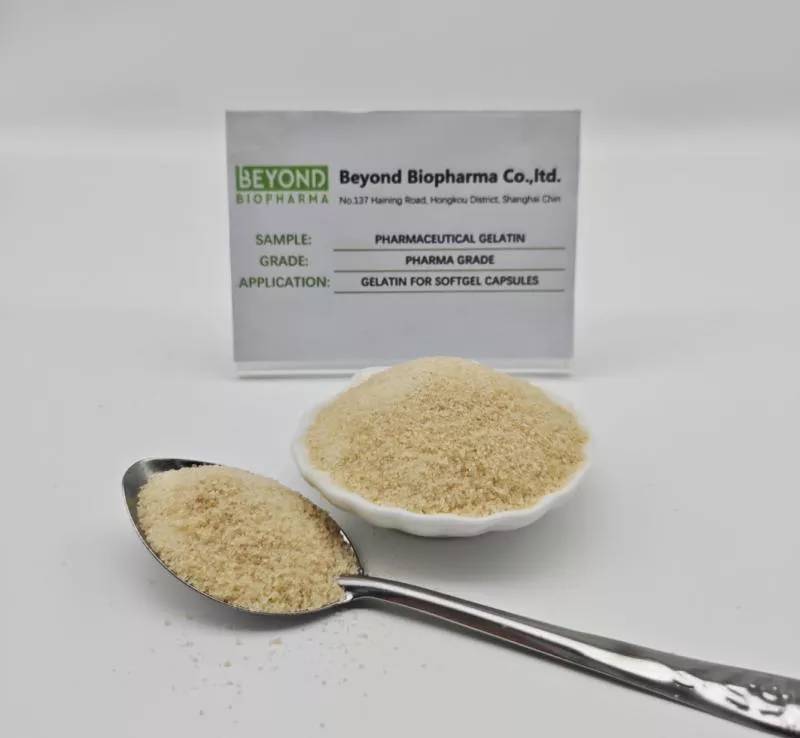
Softgel encapsulation demands a gelatin with unique physical attributes to perform optimally during the high-speed manufacturing process
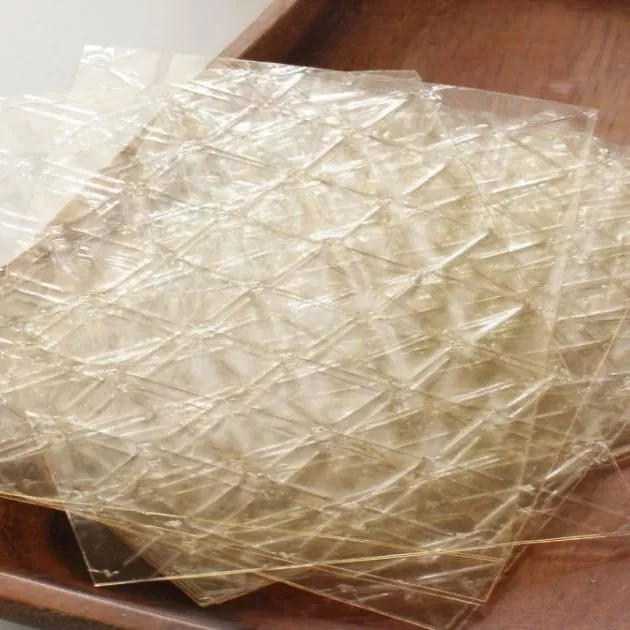
Our Gelatin Sheets are produced to precise standards, ensuring consistency and reliability across different Bloom grades (Silver being the most common professional choice).
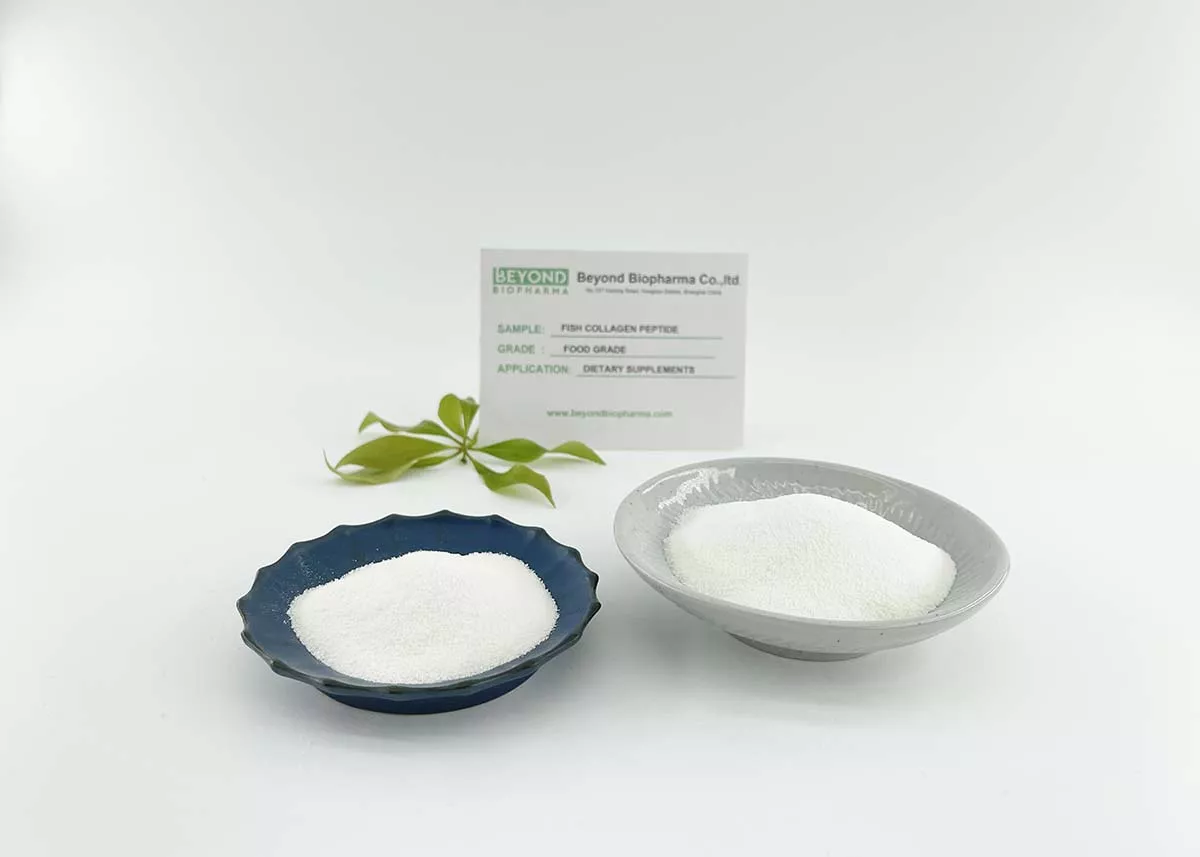
Premium marine-sourced collagen peptides with >90% protein content and low molecular weight (1000-3000 Da) for superior bioavailability. Sustainably sourced, neutral taste, and fully soluble—ideal for nutricosmetics and functional foods.
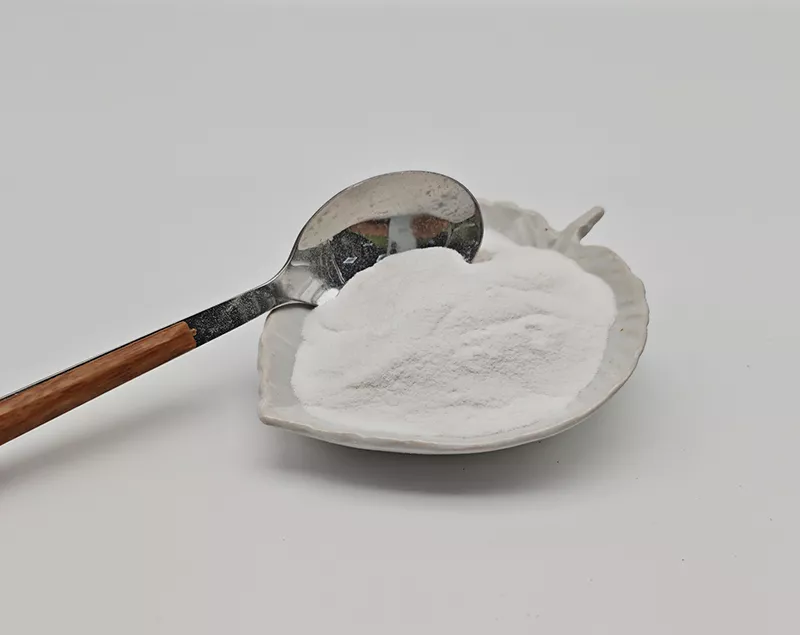
Fish Gelatin for foods is increasingly recognized as the premium alternative to traditional mammalian sources, meeting the growing global demand for clean-label ingredients that align with diverse dietary and religious requirements. Derived from the skin and scales of fish like cod and tilapia, fish gelatin offers unique functional benefits that make it an exceptional gelling, stabilizing, and texturizing agent.
Select the most popular foreign trade service products to meet your diverse needs
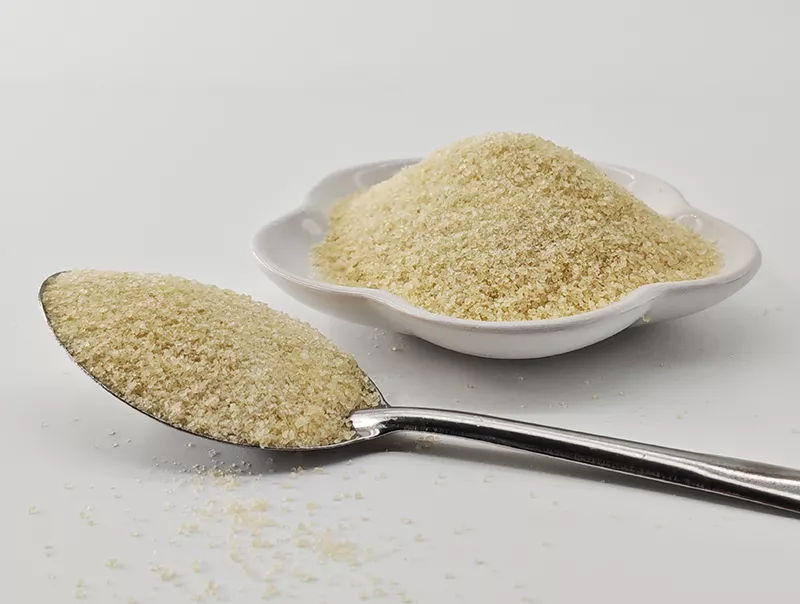
The High-Performance Barrier for Core Material Protection and Controlled Release.
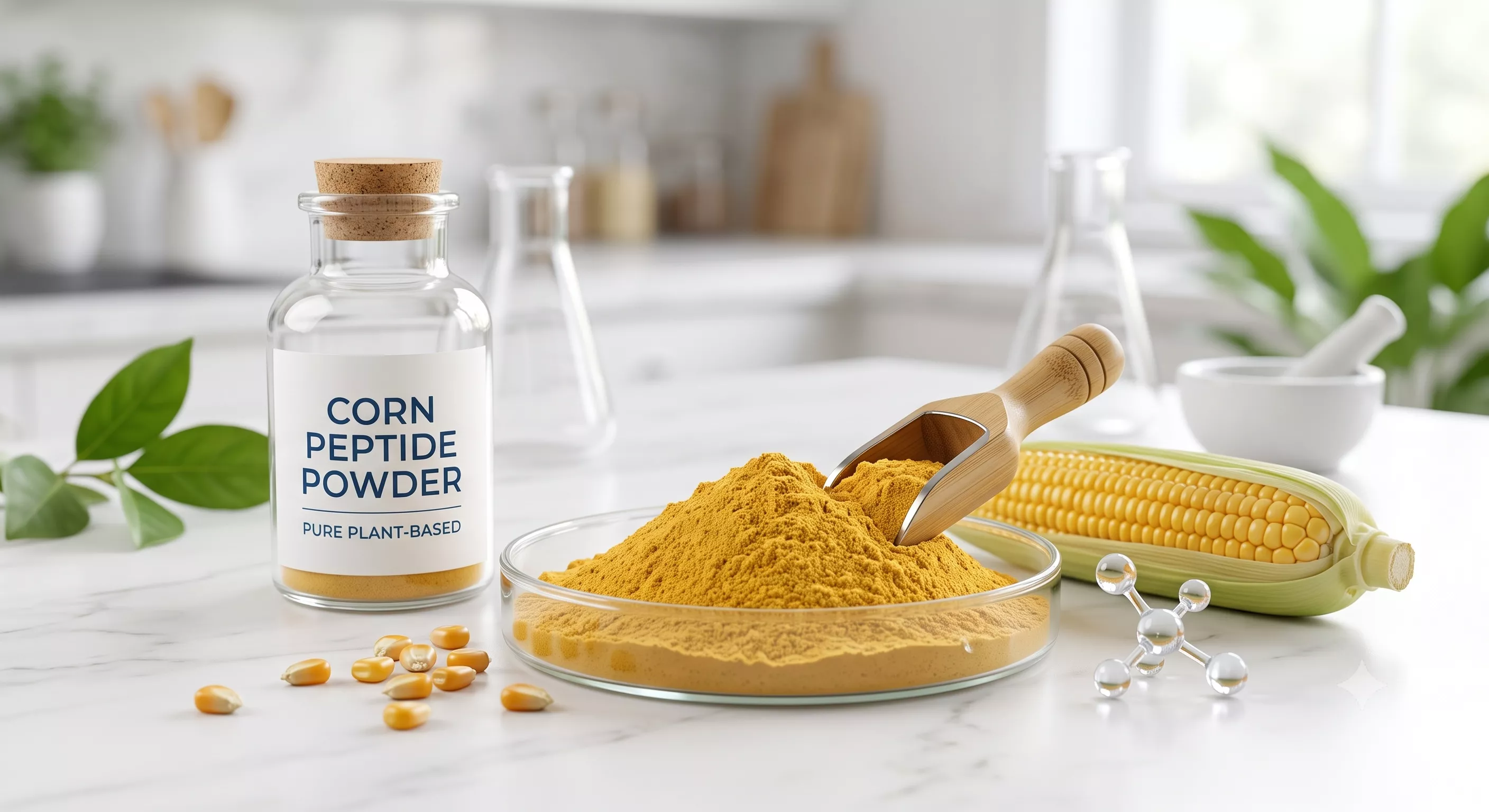
Source high-purity wholesale hydrolyzed corn protein peptide powder in bulk. Over 85% oligopeptides under 1000 Da. Rich in Alanine and Leucine for liver support and sobriety formulas.
The Purest Plant-Based Joint Support Solution
Tel:+86 21 65010906
Cell/Whatsapp/Wechat:
+86 13482884055
+86 18657345785
Email: sales@beyondbiopharma.com





User Comments
Service Experience Sharing from Real Customers
Megan
Pastry ChefAs someone who's worked in professional kitchens for 8 years, I'm picky about ingredients. This gelatin powder is exactly what it claims to be – made from high-quality collagen. It sets perfectly every time, no weird aftertaste. My panna cottas have never been better!
Leo
Home BakerOkay, I was kinda skeptical because some brands have a funky smell. But this one? Totally neutral. I looked it up – it's made from responsibly sourced bovine hide. Used it for homemade gummies and marshmallows with my kids. Worked like a charm, though it dissolves a tad slower than I expected.
Chloe
Lab TechnicianFrom a science perspective, the purity is impressive. We use it in our culture media prep. Knowing it's made from hydrolyzed collagen gives us consistency in our experiments. It's not food-grade for us, but the manufacturing process seems solid. Reliable stuff.
Ryan
Fitness CoachBeen adding this to my post-workout shakes for months. I care about what's in my supplements – seeing it's made from pure collagen peptides from grass-fed sources was a win. Mixes well, no clumps. Took off one star because the packaging could be more resealable. Otherwise, spot on.